Source:
https://canal12web.com/avanza-la-gripe-aviar-en-chubut-murieron-elefante-marino-en-peninsula-valdes/
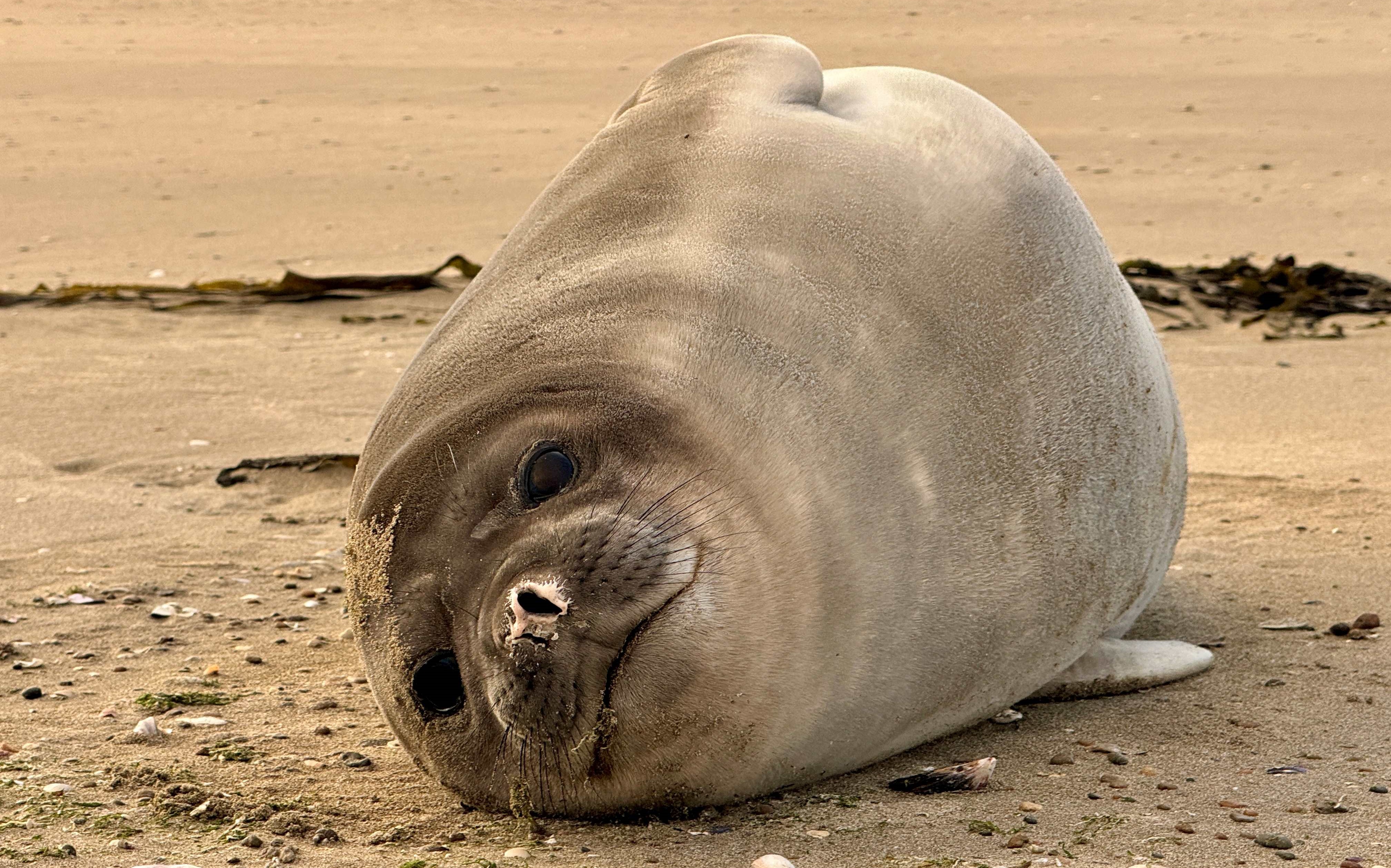
Avian flu advances in Chubut: 74% of baby elephant seals died in Peninsula Valdés
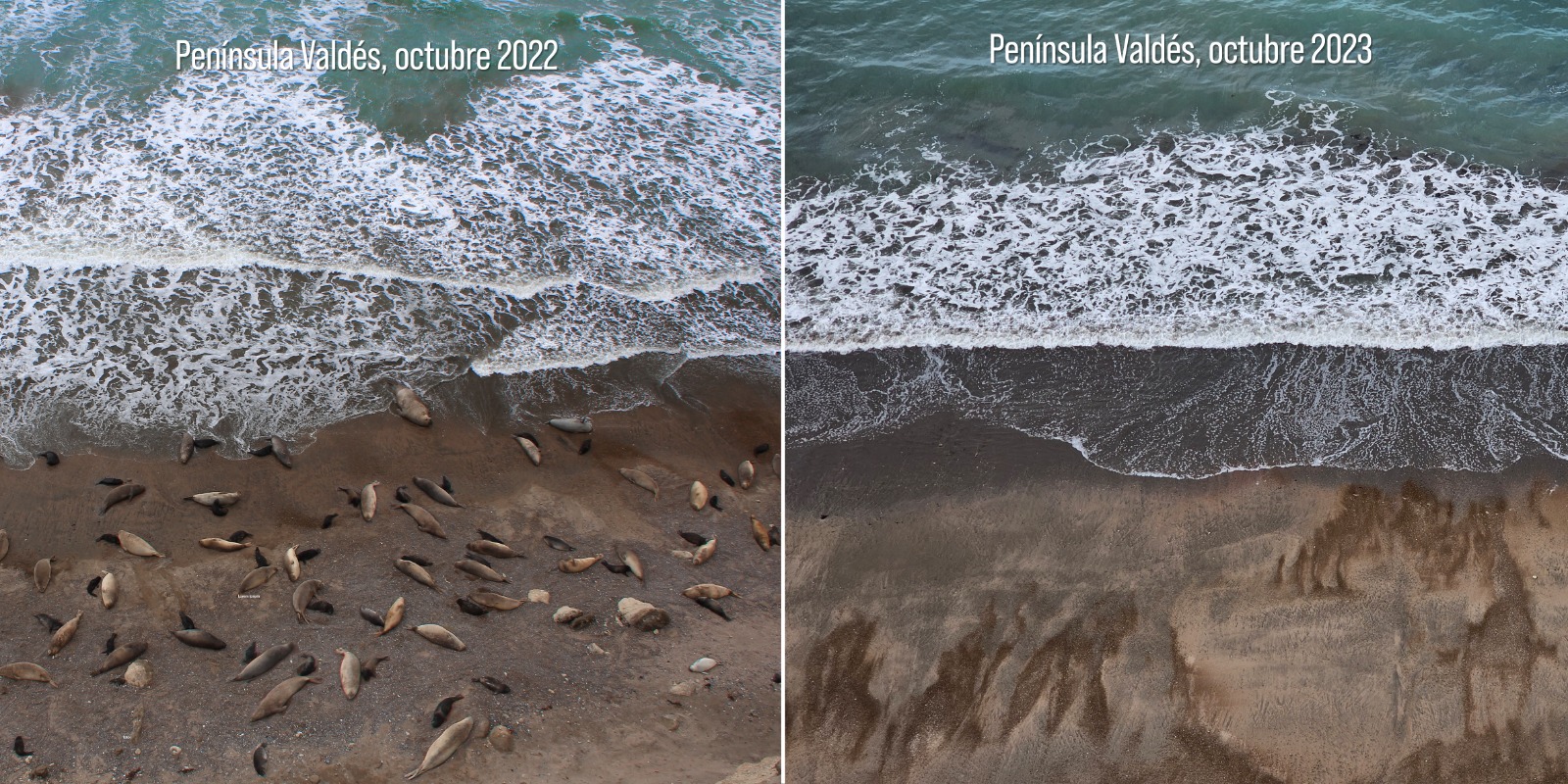
The report reveals that calf mortality generally remains below 1%. However, this year an extreme mortality rate was recorded that varies between 56% and 74%, depending on the area monitored.
October 21, 2023 - 12:17
Channel 12 Editorial
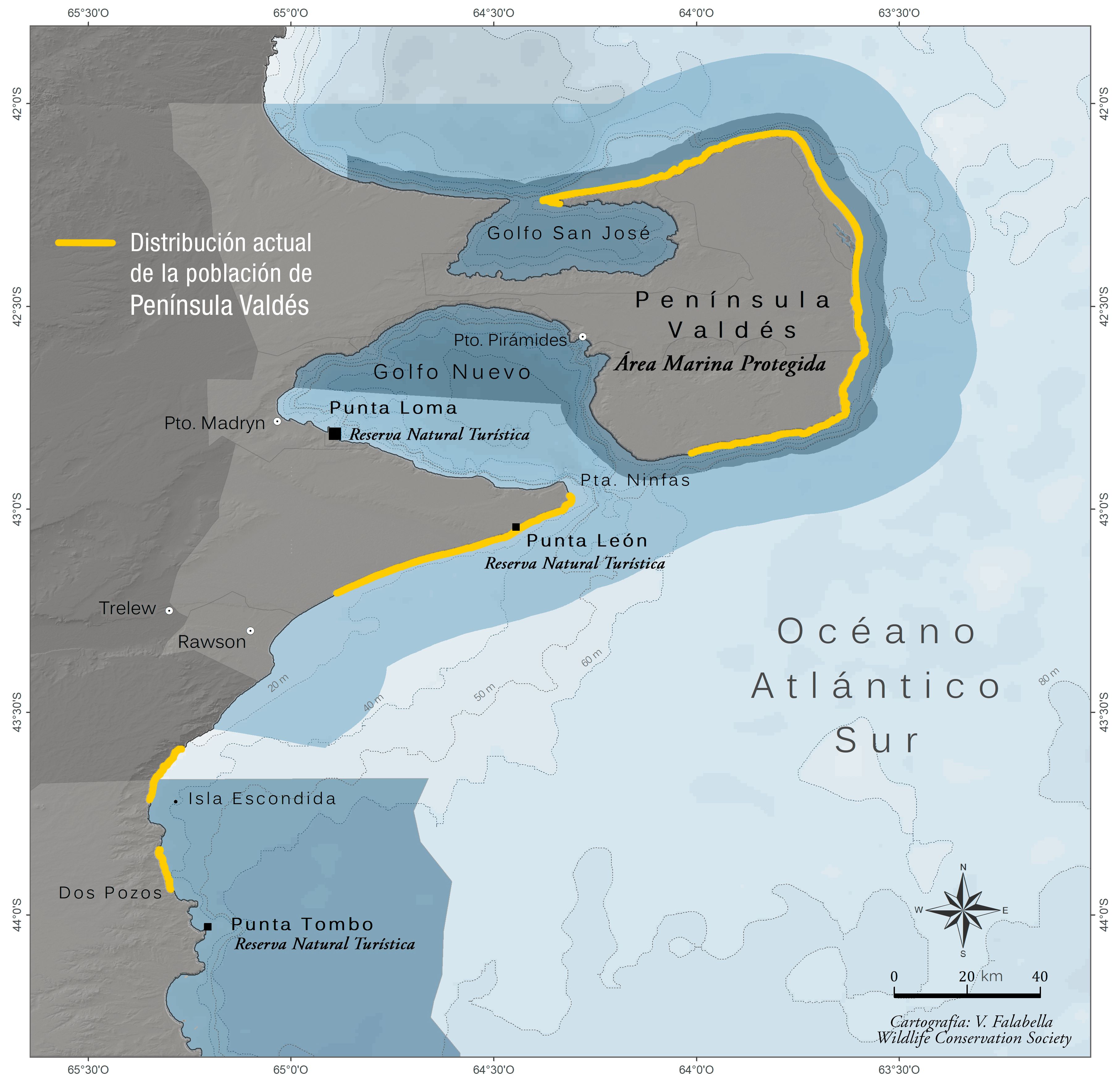
A report recently published on October 20 highlights an alarming mortality rate of southern elephant seal pups in the Valdés Peninsula. Although confirmation is still pending, it is suggested that the most likely cause of this high mortality is related to highly pathogenic avian influenza H5N1.
This shocking discovery is the result of a joint registry carried out by the University of California – Davis and the National University of the Center of the Province of Buenos Aires. The report sheds light on a worrying situation affecting this population of elephant seals.
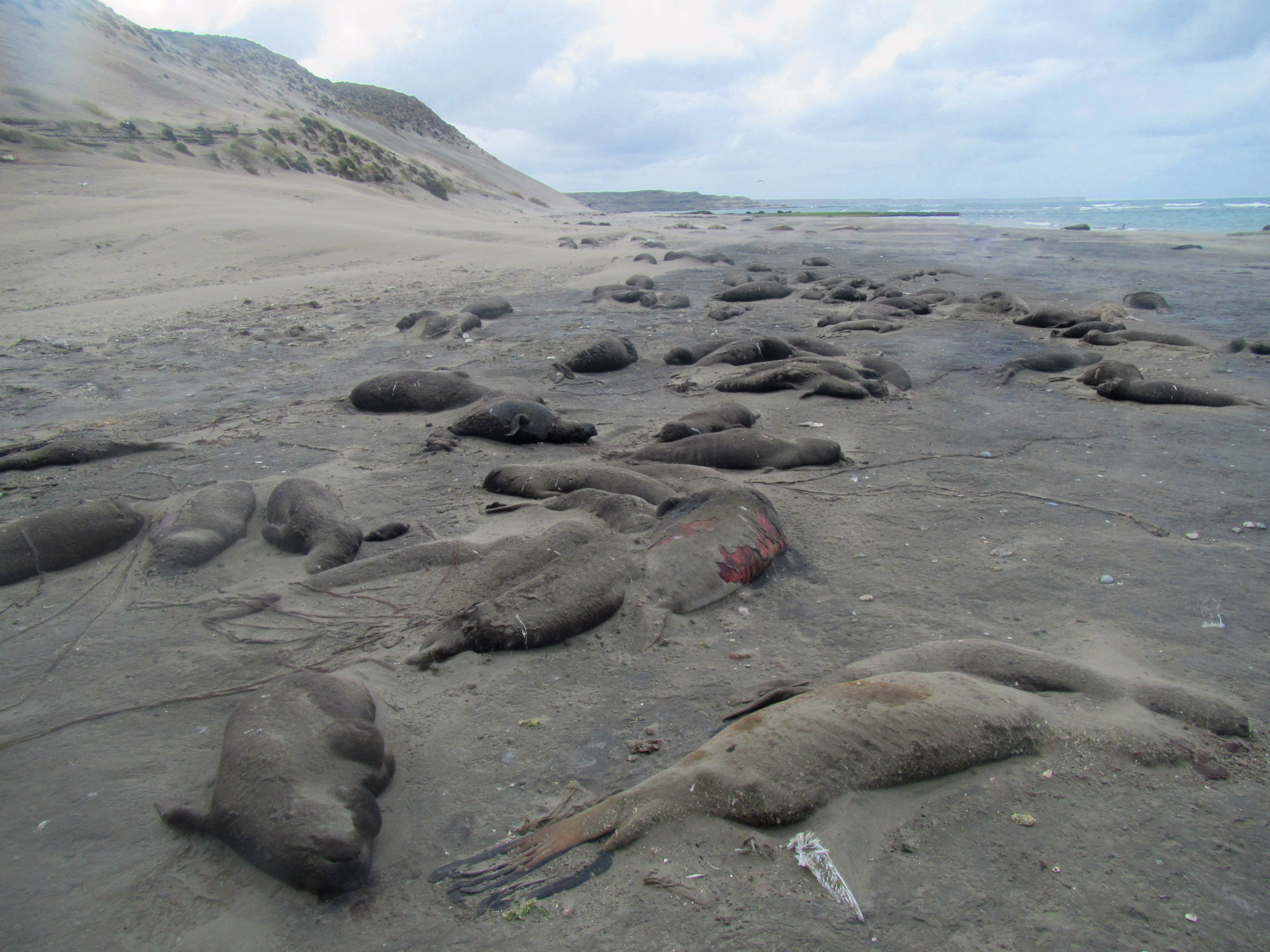
Among the highlights of the document, it mentions that during the reproductive season of elephant seals, calf mortality generally remains below 1%. However, this year an extreme mortality rate was recorded that varies between 56% and 74%, depending on the area monitored. This was detailed by experts from WCS Argentina and specialized veterinarians from the National University of the Center of the Province of Buenos Aires (UNICEN) and the University of California – Davis.
Deceased adult and subadult specimens
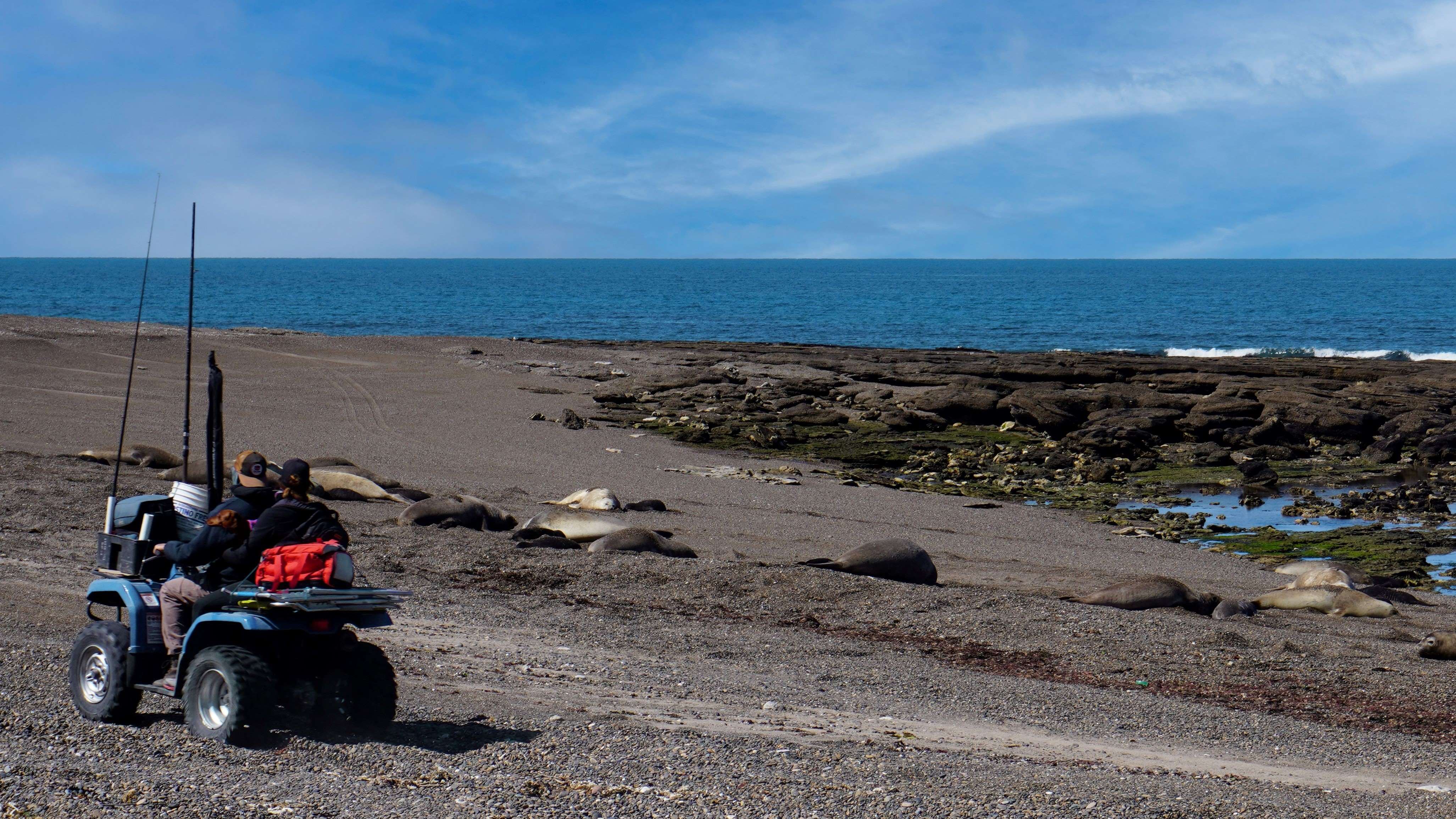
In addition to the high mortality of the offspring, an unusual number of deceased adults and subadults was observed. In some sectors, a 40% to 70% reduction in the population of adult individuals was recorded, depending on gender and location.
The report is not limited to elephant seals; During the recording, demographic data of the elephant populations were taken and dead individuals of other species were recorded, such as the South American Tern, the Royal Tern, the Yellow-billed Tern, the Swallow Tern, the Kelp Gull and the Fur Seal. . In addition, specialized veterinarians authorized by the Directorate of Wild Fauna and Flora of the province of Chubut collected samples to investigate the epidemiology and genetic characteristics of the HPAI H5N1 virus.
Laboratory reports
Although confirmation of the laboratory results is awaited, the magnitude of the impact and the clinical signs observed in the animals suggest that the HPAI H5N1 virus could be the cause of the high mortality of elephant seals in the Valdés Peninsula.
This tragic event marks the first record of mass mortality of southern elephant seals in this population, the only continental one of the species, and could represent the first global record of mass mortality of elephant seals caused by avian influenza, if confirmed. the diagnosis.
Recommendations to the Population
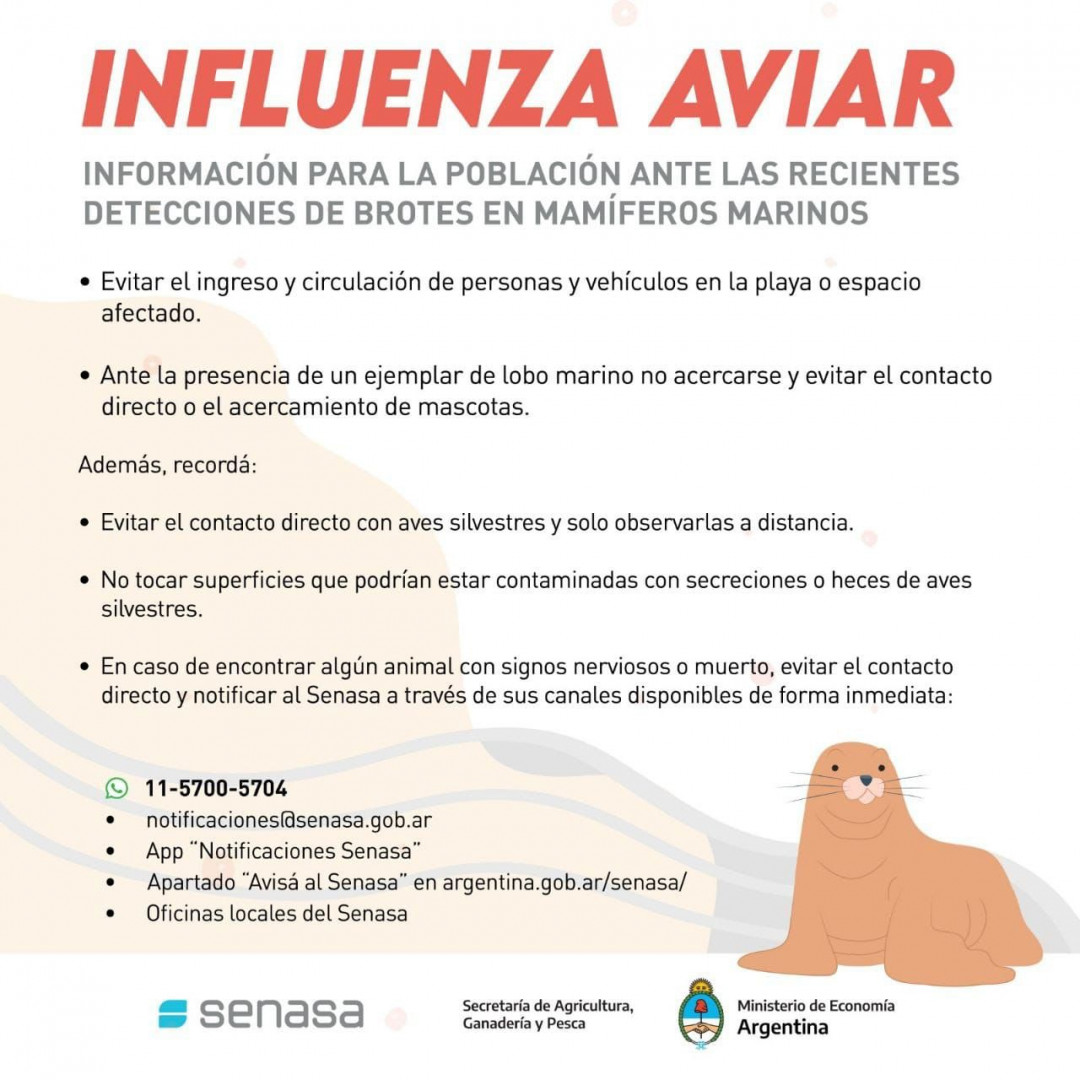
Given this worrying situation, it is essential to inform the community about the epidemiology that affects these species of Chubut's fauna. Citizens are urged to take precautionary measures to not add stressors to already impacted populations. Immediate actions are required to minimize the impact on animals exposed to the virus and ensure prevention of the spread of the disease through human action:
If you find a dead or sick specimen on the coast, it is important to maintain a minimum distance of 15 meters and not approach the animal.
Pets should be prevented from coming into contact with sick or dead animals on the beach. If you enter beaches enabled for walking with pets, they must be kept on a leash.
It is recommended not to touch surfaces that may be contaminated with feces or secretions from sick animals.
If you walked on a beach where dead birds or mammals were found, your footwear should be disinfected by washing the sole with a brush and soap, and then submerging the sole for 5 minutes in a solution of water with 10% bleach.
If you find a dead animal or with symptoms compatible with avian influenza, you must inform SENASA through the following means: in person if you are near an office, through the “SENASA notifications” App, by phone at 011-5700 -5704, on the SENASA website in the section “notify SENASA,” or by email to
notifications@senasa.gob.ar.