Announcement

Collapse
No announcement yet.

Discussion - Ebola outbreaks 2026 (DRC & Uganda)

Collapse
X
 
  • Filter
  • Time
  • Show
Clear All
new posts

  • #46
    Follow-up on post #36:

    June 3, 2026

    Statement on Ebola Response Efforts and Cooperation with Kenya


    FOR IMMEDIATE RELEASE

    Statement on Ebola Response Efforts and Cooperation with Kenya

    Nairobi, June 2, 2026 – We are aware of the court action filed in Kenya and are actively working with the Kenyan government to resolve any objections and communicate our shared objectives to the Kenyan people.  The United States and Kenya share a historic health partnership that over decades has benefitted both Americans and Kenyans. Our joint response to the current Ebola outbreak is a natural extension of our longstanding cooperation.  

    As the health security situation evolves, we are working in tandem with Kenya and international partners to enhance protocols for detection and spread of this deadly disease.  The bio-isolation facility in Laikipia is part of a holistic response to prevent spread of the disease and lessen health risks for the region as a whole; it does not pose risk to nearby communities.  Beyond Laikipia, we are working with Kenya to enhance border detection, provide accurate testing, and bolster the response in high-risk counties.  Expanding regional capacity to isolate and test asymptomatic individuals, including Americans working on the response effort, will enhance Kenya’s readiness and preserve Kenya’s existing clinical resources to assist Kenyan citizens. 

    The United States is proud to be the largest financial contributor to the Ebola response effort. The Department of State’s direct assistance commitment to combat the outbreak has exceeded $162 million and is growing, enabling implementing organizations to expand the ongoing response in Africa.  U.S. funding is providing critical activities to stop the outbreak at its source and prevent Ebola from reaching Kenya or the United States.  The Department has also provided $350 million through OCHA pooled funds to the DRC, Uganda, and South Sudan for broader humanitarian efforts in the affected region, as part of our $1.8 billion in additional funding to OCHA announced on May 14.

    ###

    NOTE TO EDITORS:

    For media contact enquiries, please contact:

    U.S. Embassy Kenya

    Email: hagengruberj@state.gov

    Phone: +25


    Comment


    • #47
      Translation Google

      Four rescuers injured in clashes during the burial of an Ebola victim in Bunia

      Published on Tue, 02/06/2026 - 14:28 | Modified on Tue, 02/06/2026 - 14:41

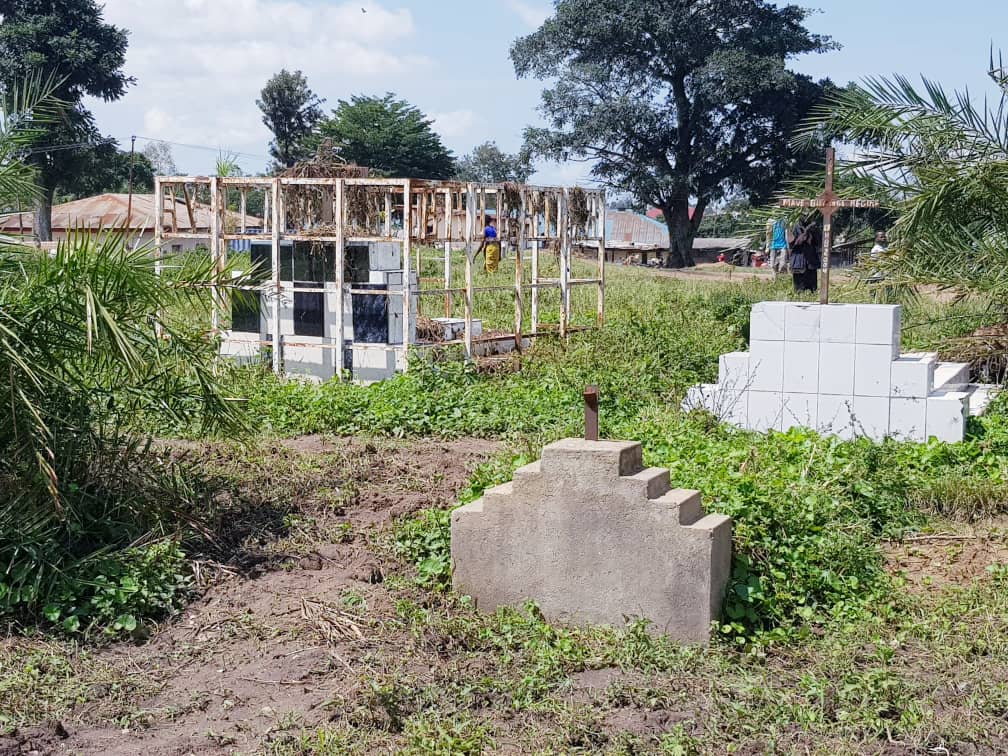
      Four Red Cross workers involved in the Ebola response were seriously injured on Monday, June 1st, at the Nyamurongo cemetery in Bunia (Ituri), during clashes that erupted during the burial of a person who had died from the disease. The incidents broke out when angry youths attempted to forcibly open the deceased's coffin. Socio-political and religious leaders strongly condemned these acts, which hinder the health response efforts.

      The events took place around 3 p.m. at the Nyamurongo cemetery, located in the Simbilyabo district. Hundreds of people had gathered to attend the burial of a man who had died from the Ebola virus.

      Before the burial, some of the deceased's colleagues and young people from the community demanded that the coffin be opened. They wanted to confirm that their loved one's body was indeed present. When the Red Cross first responders, tasked with conducting a safe burial, refused, the situation quickly escalated into physical violence.

      As part of efforts to prevent the spread of Ebola virus disease, health authorities have prohibited any public display of the body and any direct contact with those who have died from the disease. Red Cross workers were present at the burial to ensure compliance with this protocol.

      While attempting to explain these preventative measures to the crowd attending the funeral, the volunteers were violently attacked by a mob that refused to listen to their explanations. Four of them were seriously injured during the clashes.

      According to several witnesses, some people eventually managed to open the coffin, exposing the body of the deceased and increasing the risk of the virus spreading within the community.

      The impact of a viral video on social media

      False information sparked the clashes. A video that went viral on social media claimed that the coffin being transported by medical teams was empty.

      Several socio-political figures and provincial representatives describe this incident as extremely dangerous for public health. They reiterate that it is unacceptable to attack officers who risk their lives to protect the community.

      “ Let’s respect the medical profession, since even within the medical profession there are victims. Ebola attacks everyone, ” insists Jean-Pierre Bikilisende, notable and provincial deputy of Ituri.

      Given the seriousness of the situation, opinion leaders are calling on the local population to take immediate action. Furthermore, multiple sources indicate that a person who touched the deceased's body is currently in quarantine to prevent any risk of contamination.

      Quatre agents de la Croix-Rouge engagés dans la riposte contre l'épidémie d'Ebola ont été grièvement blessés, lundi 1er juin, au cimetière de Nyamurongo, à Bunia (Ituri), lors d'échauffourées survenues pendant l'enterrement d'une personne décédée de la maladie. Ces incidents ont éclaté lorsque des jeunes en colère ont tenté d'ouvrir de force le cercueil du défunt. Des leaders sociopolitiques et religieux condamnent fermement ces actes qui entravent les efforts de riposte sanitaire.


      ----------------------------------------------------------------------------------------

      Click image for larger version

Name:	image.png
Views:	94
Size:	10.9 KB
ID:	1036243

      In #Ituri, the response to Ebola is currently investigating an incident that reportedly caused the injury (death?) of a Red Cross agent when a safe and dignified burial team was partially attacked by a crowd during the interment of a body that had died from Ebola at the #Namurongo cemetery in #Bunia.

      Fueled by a rumor claiming the coffin was empty, family members of the deceased and members of his church resisted the burial without opening the coffin. Faced with the prohibition of this dangerous act, these residents attacked the response team, injuring its members. They then opened the coffin and handled the body, which was indeed present inside.

      Information announcing the death of one of the Red Cross agents during the incident circulated.

      The response, which only mentioned an incident in its latest report on June 1, says it has launched investigations to truly understand what happened.

      "For now, we don't know how to communicate on this highly sensitive topic without having completed the investigation and gathered all the necessary elements," a source involved in this investigation told me.

      2:10 AM · Jun 3, 2026

      Comment


      • #48
        Translation Google

        DRC: Ebola response hampered by families refusing hospitalization and safe burials

        The response to the Ebola Bundibugyo outbreak is accelerating in eastern DRC. Equipment for on-site testing of suspected cases has arrived in Ituri province, particularly in Mongwalu, the town where the first cases were identified. This will allow for faster testing, increased surveillance, and contact tracing, explains the World Health Organization. The WHO chief, who visited the country a few days ago, said he was " very encouraged by the level of commitment " he witnessed. He pointed to the late detection of the first cases, insecurity in the affected areas, and mistrust among some of the population as obstacles to the response.

        Published on:05/06/2026 - 04:38
        By : RFI

        “ Don’t hide your sick ,” repeat the various actors involved in the Ebola epidemic response. In Mongwalu, in eastern DRC , “ when deaths began to multiply ,” explains Jonathan Imbalapay, president of the civil society, “ some believed it was a mystical illness .”

        “ There is indeed a misunderstanding of the disease ,” agrees Marthe Dheve, a community health worker who is concerned about the number of patients who remain at home and are treated there. “ People don’t understand and are afraid to go to the hospital because, after many deaths in families, everyone thought that if they went there, they would be told they had the disease. When they are sick, they prefer to self-medicate. That’s how you see the number of deaths increasing because they always arrive at the hospital too late .”

        Awareness messages in local languages ​​are being disseminated within communities to ensure that those infected are taken to the hospital as soon as possible, explains Patrick Muyaya, the Congolese Minister of Information. He adds that it is essential to change the perception and understanding of this epidemic. “ When you know someone who is sick, don’t hide it. Call the hospitals, and we have a toll-free number, 151, which allows anyone with a case to report it. Without greater community involvement, we will struggle to fully combat this .”

        An alert system has also been put in place, adds Marthe Dheve, with telephone numbers to alert in case of death and to prevent any new contamination.

        The danger of contamination persists after death.

        In the DRC, burying someone who has died from Ebola has become one of the most dangerous acts in the response to the epidemic . Teams responsible for safe burials are regularly attacked. And when they flee, the body remains.

        Four incidents have been reported in just a few days in four different areas. The first, and most concerning, occurred last Tuesday in Katana, South Kivu. The team was there, everything was ready. Suddenly, a group of young men appeared and physically assaulted the team members.

        A power struggle ensued, and the coffin was abandoned at the scene. Members of the community then took possession of the body and handled it without protective equipment. Since then, response teams have feared new outbreaks of infection in Katana.

        The same day, at the cemetery in Bunia , another attack occurred. Here, the toll was heavy: five members of the team were injured. This was not an isolated incident in the city. Two days earlier, two new cases had been recorded. At the Bunia University Clinics, a crowd blocked the burial team. The workers were accused of causing the deceased's death.

        As a result, safe burials are not taking place. The same scenario is playing out in the Logo health zone in Ituri. Faced with this resistance, the response teams are stepping up their communication efforts—on the radio, in churches, and in markets. But mistrust remains strong. And behind every body handled without protection, there is a risk of a new chain of transmission.

        La riposte s’accélère dans l’est de la RDC face à l'épidémie d’Ebola Bundibugyo. Du matériel pour tester « sur place » les cas suspects est arrivé dans la province d’Ituri, et notamment à Mongwalu, localité…

        Comment


        • #49

          This site is not on EDT time. We are on ET so the time stamp for this post is 2:01 ET.


          FluTrackers.com
          @FluTrackers
          ·
          58s
          3pm EDT - US CDC Live Update on #Ebola Outbreak in the Democratic Republic of the Congo and Uganda https://youtube.com/live/twgKMPS4U6M

          Comment


          • #50
            Modeled Scenario Projections for the Ebola Disease Outbreak Caused by Bundibugyo Virus, 2026


            Early Release / June 5, 2026 / 75

            Print
            Eric Q. Mooring, ScD1,2; William T. Koval, PhD1; Isobel Routledge, PhD3; Inga Holmdahl, PhD4; Guido España, PhD1; Rebecca Kahn, PhD4; Beau B. Bruce, MD, PhD1 (View author affiliations)
            View suggested citation


            Summary


            What is already known about this topic?

            An outbreak of Bundibugyo virus disease (BVD), a type of Ebola disease, is currently ongoing, centered in the Ituri province of the Democratic Republic of the Congo (DRC).

            What is added by this report?

            CDC used a transmission model to project outbreak growth over 3 months, by using different assumptions about the number of deaths as of May 24, 2026, and by varying the percentages of persons with BVD who are successfully identified and isolated to prevent ongoing transmission. Assuming 50 cumulative deaths as of May 24, 2026, if 70% of patients were to enter isolation, only approximately one in 20 simulations projected an outbreak exceeding 10,000 cases within 3 months.

            What are the implications for public health practice?

            Large-scale, rapid public health action is needed to control the current outbreak, already the largest known BVD outbreak, from becoming one of the largest Ebola epidemics in history.


            Abstract


            On May 15, 2026, the Ministries of Health in the Democratic Republic of the Congo and Uganda declared outbreaks of Bundibugyo virus disease (BVD), a type of Ebola disease. In response to reports of high numbers of suspected cases and deaths in these outbreaks, CDC simulated scenario projections to understand possible future morbidity and mortality. A branching process model with the capacity to model transmission-reducing nonpharmaceutical interventions was calibrated to three putative cumulative death counts and projected for four possible intervention scenarios ranging from poor (20%) to extremely high (95%) levels of isolation and treatment of symptomatic persons. The analysis suggested a plausible spillover event (i.e., the transmission of a virus from its natural animal reservoir to humans) in mid to late February 2026. With poor isolation levels of patients with BVD (20%) and no other interventions, the likelihood of an outbreak that exceeds 20,000 cases within 3 months is 65%. If, however a high proportion of patients were to enter isolation (70%), only a one in 20 chance is projected for an outbreak with ≥10,000 cases within 3 months. These results underscore the importance of strong public health interventions, because the current outbreak is already the largest known BVD outbreak and has the potential to quickly become one of the largest Ebola disease outbreaks ever recorded.

            Top Introduction


            In May 2026, outbreaks of Bundibugyo virus disease (BVD) caused by species Orthoebolavirus bundibugyoense, a species of orthoebolavirus for which no approved vaccine or medication is currently available, were reported in the Ituri province in northeastern Democratic Republic of the Congo (DRC) and Uganda (1). As of June 2, 2026, a total of 378 confirmed cases (363 in DRC and 15 in Uganda) and 63 confirmed deaths (62 in DRC and one in Uganda) have been recorded (2). BVD causes a severe hemorrhagic fever. Bundibugyo virus is spread through direct contact with the body fluids of a person who is infected or has died from BVD. CDC modeled possible trajectories of the outbreak over 3 months. The models considered different assumptions about the cumulative number of deaths as of May 24, 2026, and different scenarios of public health intervention intensity, defined by the percentages of persons with BVD who are successfully isolated and therefore prevented from causing onward transmission.

            Top Methods

            Model Structure


            CDC used a model to simulate BVD outbreaks. The model was adapted from one applied to previous viral hemorrhagic fever outbreaks, including a Marburg virus disease outbreak in Ethiopia in 2025. In this model, each simulated outbreak was initialized with one infected person, who represented the person first infected from a zoonotic source (a spillover event). This person infected a randomly generated number of additional persons based on assumptions about the basic reproductive number ([R0], the average number of persons in a susceptible population infected by an infected person). Any infected persons were added to the simulation at times selected according to the distribution of intervals from one infection to the next and, in turn, were able to cause further infections. This simulation, called a branching process, continued until either 1) none of the infected persons in a generation caused any secondary infections, indicating termination of the outbreak or 2) the simulation reached 5,000 deaths, indicating a very large and exponentially growing outbreak. Time Intervals


            Intervals from infection to symptom onset, symptom onset to death, and symptom onset to recovery were held constant for all infections within each simulated outbreak but varied among simulated outbreaks. Simulated persons were never infectious before symptom onset or after recovery but could be infectious after death.

            Assumptions about parameters were based on published estimates from previous Ebola outbreaks (Supplementary Box). Estimates specific to BVD were used when available. Model Calibration to Assumed Number of Deaths


            Assumptions for the cumulative number of BVD deaths as of May 24, 2026, were based on publicly available situation reports from DRC.* The model was calibrated to three different numbers of cumulative deaths (50, 100, and 200) to account for uncertainty in the current number of deaths caused by BVD.

            A simulated outbreak was compatible with the real-world outbreak if it reached the assumed number of cumulative deaths by May 24, 2026, and if the first death occurred on or before April 24, 2026. Outbreaks were simulated until 500 simulations met these criteria. The accepted 500 simulated outbreaks were used to infer when the outbreak began and served as the basis for scenario projections of interventions for each model calibration. Scenario Projections for Isolation


            Four intervention scenarios were assessed for each calibration, each implementing a different level of isolation (i.e., percentage of symptomatic infected persons detected, isolated, and treated: 20% [poor], 50% [moderate], 70% [high], and 95% [extremely high]). The extremely high scenario was chosen to estimate a lower bound for transmission.

            The intervention was assumed to start on May 24, 2026. On that day in each simulation, the designated percentage of symptomatic persons was selected to begin isolating, with an average delay of 2 days until isolation and treatment. The same percentage of persons who later developed signs or symptoms was selected to begin isolating, with an average delay of 2 days from symptom onset. Simulated persons in isolation were prevented from causing any onward transmission; the model implicitly assumed that isolated persons who died were safely buried (i.e., without washing or embalming and buried by trained teams using personal protective equipment).

            Each simulation reported the cumulative number of cases and cumulative number of deaths from the date of spillover until August 22, which would be 90 days after interventions began. The percentages of simulations with <10,000, 10,000–19,999, and ≥20,000 cases and with <2,000, 2,000–3,999, and ≥4,000 deaths were calculated for all simulations in each scenario and separately for those with an R0 less than or equal to and greater than the median R0 value. The effective reproductive number (Re, the average number of onward infections per infectious person, accounting for immunity and public health interventions) was calculated for the preintervention and postintervention periods.

            The branching process model was written in Rust (version 1.95.0; The Rust Development Team), and the model calibration and scenario projection pipeline was written in Python (version 3.14.4; Python Software Foundation). This activity was reviewed by CDC, deemed not research, and conducted consistent with applicable federal law and CDC policy.§

            Top Results

            Outbreak Size Projections and Inferred Spillover Date by Assumed Number of Deaths


            Assuming 50 deaths. The model calibrated to 50 deaths estimated that the spillover event that triggered this outbreak most likely occurred on approximately February 19, 2026 (interquartile interval [IQI] = February 1–March 8). Assuming that 20% of infected persons were successfully isolated beginning May 24, 2026, projections showed ≥20,000 cumulative cases in 65% of simulations, ≥10,000 cumulative cases in 85% of simulations, and ≥4,000 cumulative deaths in 69% of simulations (Figure). Even with 50% of infected persons isolated, many simulations still projected these numbers of cases but were less likely to occur (17% of simulations projected ≥20,000 cases and 22% projected ≥4,000 deaths). At 70% isolation, projected outbreaks were much more likely to be smaller, but still of substantial size, with 94% of simulations projecting <10,000 cases and only 1% projecting ≥20,000 cases; similarly, at this isolation level, 90% of simulations projected <2,000 deaths and only 3% projected ≥4,000 deaths. Re declined proportional to the percentage of infected persons successfully isolated (Supplementary Figure 1).

            Assuming 100 deaths. Assuming 100 cumulative deaths as of May 24, 2026, the inferred median spillover date was February 8, 2026 (IQI = January 21–February 27). Very large outbreaks were likely in the scenario in which only 20% of patients were isolated (76% of simulations projected ≥20,000 cases and 87% projected ≥4,000 deaths). In the scenario in which 70% of infected persons were isolated, 73% of simulations projected <2,000 cumulative deaths by August 22, 2026, and 10% projected ≥4,000 deaths (Supplementary Figure 2).

            Assuming 200 deaths. Assuming 200 deaths by May 24, 2026, the calibrated model inferred a median spillover date of January 29, 2026 (IQI = January 9–February 18). The earlier spillover date would have generated a larger outbreak by the time interventions began; thus, even with 70% of infected persons isolated, 42% of simulations projected ≥10,000 cases by August 22, 2026.


            Sensitivity to Basic Reproductive Number


            Simulated outbreaks with R0 values higher than the median R0 typically reached ≥10,000 cumulative cases and ≥2,000 cumulative deaths by August 22, 2026, in scenarios with ≤50% isolation, even assuming only 50 cumulative deaths by May 24. In the scenario with 70% of infected persons isolated and 50 assumed deaths by May 24, 2026, no simulations projected ≥2,000 deaths when R0 values were lower than the median R0, but 20% of simulations projected ≥2,000 deaths when R0 values exceeded the median (Supplementary Figure 3).

            Top


            Discussion


            Model-based scenario projections of the current BVD outbreak suggest that if large-scale and sustained public health interventions are not rapidly implemented to reduce disease transmission, this outbreak could become as large as the 2014–2016 West Africa Ebola virus disease outbreak, which resulted in more than 28,000 cases and more than 11,000 deaths (2). Although the worst outcomes (higher numbers of cases and associated deaths) in these projections were less likely when a larger proportion of patients were identified, isolated, and treated, this outbreak could, within 3 months and under low-isolation scenarios, become the second largest Ebola outbreak in history. In light of this projected risk for a very large outbreak even if reasonably effective control measures are implemented, the public health response to control this outbreak will likely need to be of similar magnitude to the response for the 2014–2016 West Africa Ebola outbreak (3).

            Even among simulations calibrated to only 50 deaths or those with a lower R0, very large outbreaks were still sometimes projected to occur, especially in scenarios without high levels of isolation. Calibrating the model to a larger number of deaths was approximately equivalent to assuming that interventions were implemented later in the outbreak. The results imply that intervening earlier in the outbreak would reduce the likelihood of worse outcomes.

            The high probability of a large outbreak over a 3-month period primarily results from the large size of the outbreak at the time it was initially confirmed. This analysis did not provide evidence that R0 for this outbreak is unusually large. Time between Ebola outbreak onset and detection is positively correlated with overall outbreak size and duration (4).

            CDC’s assessment that the risk to the general U.S. population is low (5) is not changed by this analysis. Despite the unprecedented size of the 2014–2016 West Africa Ebola epidemic, only two Ebola transmission events occurred in the United States. Those two infected persons were health care workers caring for a patient with Ebola who had traveled to the United States before enhanced screening, risk assessment, and health education measures were implemented at U.S. ports of entry (6). Both persons infected in the United States recovered.


            Limitations


            The findings in this report are subject to at least five limitations. First, the true number of BVD deaths that occurred through May 24, 2026, is unknown. Some deaths from BVD might not have been confirmed; similarly, it is possible that other deaths might have been incorrectly attributed to BVD. Second, basic reproductive number estimates for Ebola disease vary widely across outbreaks. The true value of R0 for this outbreak might be higher or lower than the values used in this analysis. High-quality data on changes in the number of cases and deaths over time are essential to more precisely estimate R0. Third, changes in behavior that reduce risk for infection (e.g., avoiding contact with ill persons) were not included in the model and might help limit outbreak size. Fourth, the model did not account for transmission reductions attributable to an increase in the proportion of the population with infection-induced immunity. Given the population size of the communities where this outbreak is occurring, this limitation is unlikely to affect the validity of the projections over the time span and numerical ranges of cases presented in this analysis; however, the model could project unrealistically large outbreaks if applied to longer periods. Finally, the model did not include infection relapses after recovery (7). This limitation is unlikely to affect this analysis, but relapses could be important drivers of the course of the epidemic over a longer period.


            Implications for Public Health Practice


            The current BVD outbreak is already the largest known BVD outbreak, and in scenarios with low percentages of isolated patients, could become one of the largest Ebola outbreaks ever documented. Urgent and sustained public health action is needed to prevent the outbreak from becoming as large as or larger than the 2014–2016 West Africa Ebola epidemic. This effort could require resources comparable in magnitude to the 2014–2016 Ebola response in West Africa. Rapid identification of cases, contact tracing, isolation and treatment of persons with BVD, community engagement, and use of safe and dignified burial for persons who die from BVD are necessary to control the outbreak.

            Top


            Acknowledgments


            CDC 2026 Ebola Response; Mary Choi, Matt Cole, Katrin Sadigh, Trevor Shoemaker, Division of High Consequence Pathogens and Pathology, National Center for Emerging and Zoonotic Infectious Diseases, CDC; Amy Whitesell, Inform and Disseminate Division, Office of Public Health Data, Surveillance, and Technology, CDC; Adetinuke Mary Boyd, Delayo Zomahoun, Division of Global Health Protection, Global Health Center, CDC.

            Top

            Corresponding author: Eric Q. Mooring, emooring@cdc.gov.

            Top

            1Predict Division, Center for Forecasting and Outbreak Analytics, CDC; 2U.S. Public Health Service, Rockville, Maryland; 3Goldbelt Ltd., Washington, DC; 4Inform Division, Center for Forecasting and Outbreak Analytics, CDC.

            Top

            All authors have completed and submitted the International Committee of Medical Journal Editors form for disclosure of potential conflicts of interest. No potential conflicts of interest were disclosed.

            Top


            * The DRC national public health institute reported 10 confirmed deaths and 223 suspected deaths as of May 24, 2026. A subsequent report with data as of June 2, 2026, reported a cumulative total of 62 confirmed deaths in DRC.

            § 45 C.F.R. part 46, 21 C.F.R. part 56; 42 U.S.C. Sect. 241(d); 5 U.S.C. Sect. 552a; 44 U.S.C. Sect. 552a; 44 U.S.C. Sect. 3501 et seq.

            The calibrated values for R0 were nearly identical to the input assumption about R0. The median basic reproductive number R0 = 2.51 (IQI = 2.27−2.82) in the main analysis calibrated to 50 deaths.

            Top References
            1. Zomahoun DL, Boyd MA, Honein MA, et al. Notes from the field: Outbreak of Ebola disease caused by Bundibugyo virus—Democratic Republic of the Congo and Uganda, May 2026. MMWR Morb Mortal Wkly Rep 2026;75. https://www.cdc.gov/mmwr/volumes/75/...=OS_mm7522e3_w
            2. CDC. Ebola outbreak: current situation. Atlanta, GA: US Department of Health and Human Services, CDC; 2026. https://www.cdc.gov/ebola/situation-summary/index.html
            3. Dahl BA, Kinzer MH, Raghunathan PL, et al. CDC’s response to the 2014–2016 Ebola epidemic—Guinea, Liberia, and Sierra Leone. MMWR Suppl 2016;65(Suppl-3):12–20. https://doi.org/10.15585/mmwr.su6503a3 PMID:27388930
            4. Matson MJ, Chertow DS, Munster VJ. Delayed recognition of Ebola virus disease is associated with longer and larger outbreaks. Emerg Microbes Infect 2020;9:291–301. https://doi.org/10.1080/22221751.2020.1722036 PMID:32013784
            5. Richard DM, Routledge I, Koeller S, et al. Assessment of risk to the U.S. population from the Ebola disease outbreak caused by Bundibugyo virus, 2026. MMWR Morb Mortal Wkly Rep 2026;75. https://www.cdc.gov/mmwr/volumes/75/...=OS_mm7522e2_w
            6. Cohen NJ, Brown CM, Alvarado-Ramy F, et al. Travel and border health measures to prevent the international spread of Ebola. MMWR Suppl 2016;65Suppl–3):57–67. https://doi.org/10.15585/mmwr.su6503a9 PMID:27390092
            7. Mbala-Kingebeni P, Pratt C, Mutafali-Ruffin M, et al. Ebola virus transmission initiated by relapse of systemic Ebola virus disease. N Engl J Med 2021;384:1240–7. https://doi.org/10.1056/nejmoa2024670 PMID:33789012

            Top Return to your place in the textFIGURE. Percentage of simulated Bundibugyo virus disease outbreaks, by cumulative outbreak size category on August 22, 2026, as measured by cases (A) and deaths (B), and by percentage of simulated patients detected and isolated, using a branching process model,* 2026


            * A branching process model is a type of infectious disease transmission model that starts with a single infection and simulates a transmission tree that represents an expanding outbreak. Simulations (500 for each vertical bar) assume 50 Bundibugyo virus disease–associated deaths as of May 24, 2026, and that the isolation intervention began that day.

            Top


            Suggested citation for this article: Mooring EQ, Koval WT, Routledge I, et al. Modeled Scenario Projections for the Ebola Disease Outbreak Caused by Bundibugyo Virus, 2026. MMWR Morb Mortal Wkly Rep. ePub: 5 June 2026. DOI: http://dx.doi.org/10.15585/mmwr.mm7522e1.

            MMWR and Morbidity and Mortality Weekly Report are service marks of the U.S. Department of Health and Human Services.
            Use of trade names and commercial sources is for identification only and does not imply endorsement by the U.S. Department of Health and Human Services.
            References to non-CDC sites on the Internet are provided as a service to MMWR readers and do not constitute or imply endorsement of these organizations or their programs by CDC or the U.S. Department of Health and Human Services. CDC is not responsible for the content of pages found at these sites. URL addresses listed in MMWR were current as of the date of publication.

            All HTML versions of MMWR articles are generated from final proofs through an automated process. This conversion might result in character translation or format errors in the HTML version. Users are referred to the electronic PDF version (https://www.cdc.gov/mmwr) and/or the original MMWR paper copy for printable versions of official text, figures, and tables.

            Questions or messages regarding errors in formatting should be addressed to mmwrq@cdc.gov.

            Last Reviewed: June 5, 2026
            Source: Centers for Disease Control and Prevention


            This report describes using a transmission model to project Ebola outbreak growth over three months.

            Comment


            • #51
              Originally posted by sharon sanders View Post
              This site is not on EDT time. We are on ET so the time stamp for this post is 2:01 ET.


              FluTrackers.com
              @FluTrackers
              ·
              58s
              3pm EDT - US CDC Live Update on #Ebola Outbreak in the Democratic Republic of the Congo and Uganda https://youtube.com/live/twgKMPS4U6M
              Sorry for no advance notice of a youtube event but the CDC embargoed this presentation intormation until the start time which is really ridiculous. There should be a couple of hours notice for a public youtube presentation. No embargo at all. Shouldn't everyone have a chance to view a CDC public presentation?

              Comment

              Working...
              X