• FluTrackers.com Inc. does not provide medical advice. Information on this web site is collected from various internet resources, and the FluTrackers board of directors makes no warranty to the safety, efficacy, correctness or completeness of the information posted on this site by any author or poster. The information collated here is for instructional and/or discussion purposes only and is NOT intended to diagnose or treat any disease, illness, or other medical condition. Every individual reader or poster should seek advice from their personal physician/healthcare practitioner before considering or using any interventions that are discussed on this website. By continuing to access this website you agree to consult your personal physican before using any interventions posted on this website, and you agree to hold harmless FluTrackers.com Inc., the board of directors, the members, and all authors and posters for any effects from use of any medication, supplement, vitamin or other substance, device, intervention, etc. mentioned in posts on this website, or other internet venues referenced in posts on this website.
  • We are not asking for any donations. Do not donate to any entity who says they are raising funds for us.

Avian flu H5N1 discussion - news/case lists links - 2022+

Related to: https://flutrackers.com/forum/forum...-washington-state-h5n1-h5n5-in-humans-2025-26

-----------------------------------------------------------------------------------
Translation Google

"This is a first": this avian flu virus has just crossed a barrier that scientists feared

by Brice Louvet
November 19, 2025, 7:35 AM


In Washington state, a hospitalized patient has contracted a form of avian influenza previously unknown in humans. This discovery , announced on November 14 by US health authorities, marks a significant turning point in the epidemic that has been affecting poultry farms for several years. But should we really be worried about this newcomer to the family of influenza viruses ?

A viral subtype that appears out of nowhere

H5N5: three letters and two numbers that had never appeared together in a medical report concerning humans. Yet, this virus was already circulating discreetly in the animal world, biding its time. The victim, an elderly person from Grays Harbor County, had pre-existing vulnerabilities. The point of contact with the virus? Domestic poultry they raised, which were themselves exposed to wild birds carrying the pathogen.

This contamination raises a crucial question: how does a virus previously confined to the animal kingdom manage to infect humans? The answer lies in the remarkable adaptability of influenza viruses, capable of modifying their protein structure to evade the defenses of new hosts.


An epidemic that is silently intensifying

Since 2020, avian influenza has seen a worrying resurgence worldwide, with a notable acceleration in 2024. In the United States, official figures recorded 71 confirmed human cases as of November 17, 2025, including one death. The majority of these infections, fortunately mild, involved agricultural workers in direct contact with dairy or poultry farms.

Until now, the main culprit was H5N1, a well-documented, highly pathogenic subtype. The emergence of H5N5 complicates the epidemiological picture and forces virologists to reconsider their surveillance strategies. Because if a new subtype can cross the species barrier, others could follow.


H5N1 versus H5N5: very close cousins

What truly distinguishes these two viruses? The difference lies in a protein located on their surface, a kind of molecular key that allows them to enter cells. This variation, while significant from a genetic standpoint, likely does not radically alter the virus's behavior.

Richard Webby, a renowned researcher at St. Jude Hospital in Memphis, compares these subtypes to different brands of tires: they essentially perform the same function but have subtle characteristics adapted to specific conditions. His intuition, shared by many specialists, suggests that H5N5 will cause symptoms comparable to H5N1 in humans and livestock.


Should we give in to worry?

Despite this first detection of H5N5 in humans, the Centers for Disease Control and Prevention maintains its assessment: the risk to the general population remains low. This position is based on several reassuring observations. First, human-to-human transmission remains exceptional. Second, severe cases primarily affect vulnerable individuals or those with high occupational exposure.

Nevertheless, this outbreak serves as a reminder of a fundamental truth in virology: viruses are constantly evolving, testing new routes of infection. Vigilance is therefore essential, particularly for farmers and professionals in contact with poultry. Wearing protective equipment, monitoring the health of animals, and promptly reporting any suspicious symptoms are the most effective defenses against potential spread.

The story of H5N5 is only just beginning. It reminds us that our coexistence with the microbial world requires constant attention and a relentless capacity for scientific adaptation.


https://sciencepost.fr/cest-une-pre...e-barriere-que-les-scientifiques-redoutaient/
 
November 18, 2025
How ProPublica Investigated a Bird Flu Outbreak in America’s Heartland

Early this year, bird flu ripped through 80 farms in Ohio and Indiana. Using genetic markers, wind simulations, satellite imagery, property records and more, we found that the virus could’ve been airborne.


ProPublica is a nonprofit newsroom that investigates abuses of power. Sign up to receive our biggest stories as soon as they’re published.
Earlier this year, as I began to report on bird flu, an outbreak was raging across farms in Ohio and Indiana. Over 18 million hens — 5% of America’s egg-laying chickens — were ultimately culled in a cascade of cases that, to me, appeared connected.

My reporting confirmed my hunch that they were linked: After the first farm was infected, the virus spread from that site to others, moving from farm to farm in a way that revealed a major flaw in America’s strategy to combat bird flu.

On Tuesday, ProPublica published a story that demonstrates how the federal government is failing to control the spread of a deadly virus that could spark a pandemic.

The U.S. Department of Agriculture typically attributes bird flu outbreaks to failures of biosecurity — meaning farmers have not done enough to protect flocks from contamination by wild birds.

But my genomic analysis shows wild birds had little to do with this particular cluster of infections. Although the USDA said it tested nearly 1,000 virus samples in wild animals from December to April in Ohio and Indiana, no nearby wild birds were found infected with this outbreak’s strain.

I did find a strong predictor of infection during the first few weeks of this outbreak: whether a farm was downwind from that first contaminated facility. That pattern reinforced the suspicions of egg producers and some local officials that the virus may be spreading on the wind.

If bird flu is airborne, the government’s current biosecurity-based strategy cannot protect farms on its own. A poultry vaccine likely would have stemmed the damage from this outbreak, experts told me. Yet while other countries have curbed infections through vaccination, the U.S. has not authorized those efforts amid political and economic pushback.

The USDA told me it didn’t investigate whether the wind contributed to the outbreak’s spread.

Here’s how I used genetic markers, satellite imagery, property records, trade notices, wind simulations and Google Street View to do the work USDA did not.

​continued: https://www.propublica.org/article/...t&utm_content=1763838011&utm_medium=social&ut m_source=twitter
 
With everything going on the world, maybe now is a good time to refocus and ask for an avian flu conference. Get the best US experts to craft a new pandemic plan. I think a lot of lessons were learned in the COVID pandemic, i.e. many mandates that work in table-top pandemic exercises don't work in real life.


FluTrackers.com
@FluTrackers
·
10m
We are officially asking for avian flu conference of best US
experts covering,but not limited to: status, preps, meds,
stockpiles,responses, etc.+new comprehensive pandemic plan.

Experts will volunteer.

Be Best. Be Ready.

@realDonaldTrump @WhiteHouse @HHSGov @ASPRgov


#H5N1
 
So many things are different now - like the percentage of the workforce who works from home. We need to assess the future internet needs in a pandemic. We need to quantify the various delivery systems and how they can be utilized quickly.

Simply, people live differently now and we need a plan that considers these changes.


FluTrackers.com
@FluTrackers
·
3m
US - We need a new pandemic plan incorporating lessons learned
from COVID-19.

The updated (in 2017) 2005 plan isn't going to work now.

Please schedule a conference. Experts will volunteer.

Be Best. Be Ready.

@realDonaldTrump @WhiteHouse @HHSGov @RobertKennedyJr

#H5N1
 
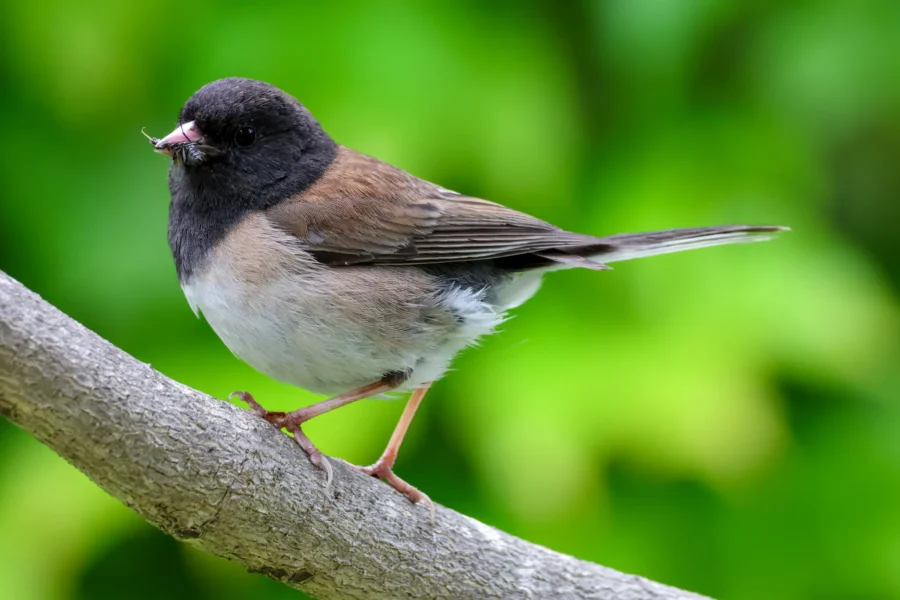
[as a birder....Junco's and chickadee's are my favorite...]

How the Pandemic Lockdowns Changed a Songbird’s Beak

PUBLISHED Dec 17, 2025​
How the Pandemic Lockdowns Changed a Songbird’s Beak
PUBLISHED Dec 17, 2025

bird-900x600.webp
NYT

For ecologists, the Covid-19 pandemic has presented a remarkable natural experiment in what can happen to wild animals when humans stay home. About two decades ago, the dark-eyed junco, a forest-dwelling sparrow, began to colonize urban Los Angeles. The birds proved to be remarkably successful in the city, making themselves at home on the bustling campus of the University of California, Los Angeles.

They also rapidly diverged from their wildland counterparts, adopting different breeding behaviors and displaying different physical traits, including shorter wings. The urban juncos also developed shorter, stubbier beaks, a shift that may have been driven by a change in diet.

But when U.C.L.A.’s campus shut down during the pandemic, something remarkable happened: The beaks of juncos born on campus reverted to their wildland shape. Several years later, after the pandemic-related restrictions had been lifted, the distinctive urban beak shape returned, researchers reported in a new study on Monday.​

For ecologists, the Covid-19 pandemic represented a remarkable natural experiment, an opportunity to study what wild animals did when humans stayed home, en masse. During what has become known as the “anthropause,” mountain lions crept closer to cities and sea turtles ventured closer to shore, while birds lowered the volume of their songs, scientists have found.​

https://www.unmc.edu/healthsecurity...-pandemic-lockdowns-changed-a-songbirds-beak/
 
‘It’s completely out of control’: Scientists warn bird flu could spark a human pandemic in 2026

Bird flu has been rampaging through wildlife and farm animals worldwide. Will it make the long-feared jump to people?

Tom Howarth
Published: December 24, 2025 at 11:00 am
...
“It’s now a global problem,” says Dr Ed Hutchinson, professor of molecular and cellular virology at the University of Glasgow. “As a disease of wild animals, it’s completely out of control. It’s raging around the world, and there’s no feasible containment method other than just watching it infect huge populations of animals.”
....
So how worried should we be?

The central fear is human-to-human transmission. So far, it has not happened in any sustained way. But influenza evolves fast, and every new infected host is another throw of the genetic dice.

Rossman warns that high levels of circulation across species increase the odds “of the virus evolving into a strain that has both high transmissibility and high lethality. Given the catastrophic implications if it did, tracking and mitigating the spread of H5N1 virus is of critical importance.”
...
Perhaps the sharpest warning comes from computer modelling of an outbreak. A 2025 study from Indian researchers found that once a pandemic strain began spreading in humans, the window for effective containment could be just 2 to 10 detected cases. Beyond that, containment would become almost impossible.

What happens next

As 2026 begins, H5N1 is circulating in more species, across more continents, than ever before. It is entrenched in global wildlife. It has destabilised farming. It is mutating, spreading and defying prediction.

Hutchinson’s message is clear: vigilance, not panic. “There are reasons to hope as well as reasons to be alarmed,” he says. “But there’s definitely no reason to be relaxed about this one.”

What scientists want next is simple: more surveillance, more transparency, more vaccination and more urgency, especially in the United States, where the virus is spreading rapidly, and surveillance remains uneven. Whether they’ll get their wishes, however, remains to be seen.

https://www.sciencefocus.com/news/bird-flu-2026-analysis
 
Another [HASHTAG="c2811"]H5N1[/HASHTAG] in a live market situation in NYC! omg....only 2.7 million people live in Brooklyn....


FluTrackers.com
@FluTrackers
·
41s
So mad about the repeated #H5N1 situations in live markets. Get
your local public health depts to do something.

There have been confirmed poultry to human cases in the past in
the US.

Inexcusable.

https://flutrackers.com/forum/forum/united-states/h5n1-tracking-af/991361-us-humans-with-full-or-partial-test-positive-h5n1-h5n5-results-list-cdc-states-seropositive-assay-positive h/t The FluTrackers Team​
 
I have seen comments like the one below more frequently, in the last 4 months. This one is out of Seoul, North Korea. I noticed it last Fall when I was tracking India. The comments up until last Fall were "extremely rare for humans to get it". That's slowly changing....

Seoul reports new 'highly pathogenic' bird flu case in duck farm, season tally rises to 43
A Day Ago

H5N1 influenza, commonly known as bird flu, primarily spreads among infected poultry, but it can occasionally be transmitted to humans. Symptoms may include fever, cough, nasal discharge, and severe respiratory complications.

https://www.trtworld.com/article/70cb29f2339d
 
11 Feb 2026
‘Concerning’ bird flu study findings prompt ‘essential’ surveillance call

Researchers have stressed the need for ongoing surveillance after two studies tracking avian influenza’s ability to adapt to other species returned “concerning” results.

One study, published in Nature Communications, examined the B3.13 genotype of H5N1, which has been circulating in US dairy herds since 2024.

more....

https://www.vettimes.com/news/vets/...y-findings-prompt-essential-surveillance-call

 
Last edited by a moderator:
FAO:

FAOGeneva
@FAOGeneva

9:01 AM · Feb 20, 2026

Avian influenza is spreading fast, impacting wild birds, poultry,
mammals and even humans.

It’s mutating. It’s everywhere. And it’s not just a threat to animals.

@FAO is helping countries prepare and respond to this global health risk.

Discover how https://bit.ly/3G4XVAV

https://x.com/FAOGeneva/status/2024846961044504819


Four reasons why avian influenza should be on your radar: https://www.fao.org/newsroom/story/four-reasons-why-avian-influenza-should-be-on-your-radar/en

 
Coscoroba swan

The coscoroba swan (Coscoroba coscoroba) is a species of waterfowl in the subfamily Anserinae of the family Anatidae.[3][4] It is found in Argentina, Bolivia, Brazil, Chile, Paraguay, Uruguay, and the Falkland Islands.[5]
image.png

image.png

/https://en.wikipedia.org/wiki/Coscoroba_swan
----------------------------------------------------------------------------------
Concerning the recent outbreaks of avian influenza in wild birds in Brazil, Uruguay, and Chile, the virus was identified in the coscoroba swan in all three cases.

/https://flutrackers.com/forum/forum/south-america/h5n1-tracking-ab/brazil-aa/1013474-brazil-2025-2026-bird-flu-in-wild-birds
/https://flutrackers.com/forum/forum/south-america/h5n1-tracking-ab/chile/964333-chile-bird-flu-in-wild-birds-and-mammals-december-8-2022
/https://flutrackers.com/forum/forum/south-america/h5n1-tracking-ab/uruguay-aa/1030901-uruguay-avian-influenza-in-wild-birds-2026​
 
Canada and CSL Seqirus, a Global Leader in Influenza Vaccines, agree on new Pandemic Preparedness Contract
30 minutes ago
  • CSL Seqirus will supply millions of doses of adjuvanted cell-based vaccine to support Canadians, in the event the World Health Organization (WHO) declares an influenza pandemic.
  • The continued detection of influenza viruses of pandemic potential, including highly pathogenic avian influenza infecting wild birds, poultry and mammals, underscores the pandemic threat posed by influenza and the potential public health risk.[SUP]1[/SUP]
MONTREAL, March 6, 2026 /CNW/ – CSL Seqirus has been awarded a new contract agreement to support the influenza pandemic preparedness plans of the Canadian government’s Public Health Agency of Canada (PHAC).


Under the terms of the agreement, CSL Seqirus has committed to rapidly manufacture and deliver millions of doses of cell-based adjuvanted influenza vaccines to help protect Canadians if an influenza pandemic is declared by the World Health Organization (WHO).

Under a previous agreement with PHAC, CSL Seqirus was contracted to provide an egg-based influenza vaccine in the event of a pandemic. This shift towards cell-based vaccines builds on the successful introduction of cell-based Flucelvax[SUP]® [/SUP], Influenza Vaccine (surface antigen, inactivated, prepared in cell cultures), into Canada’s seasonal influenza program over the past six years.

“This new contract with CSL Seqirus strengthens Canada’s ability to respond quickly to a potential future flu pandemic. By securing access to millions of doses of flu vaccine if a pandemic is declared by the WHO, we are reinforcing our commitment to protecting health and being prepared and ready to act in the face of emerging public health threats,” says the Honourable Marjorie Michel, Minister of Health.

continued: https://aijourn.com/canada-and-csl-...-agree-on-new-pandemic-preparedness-contract/
 
Community-Based Surveillance for Highly Pathogenic Avian Influenza Viruses among Deceased Birds

Posted March 07, 2026.
Download PDF

View ORCID ProfileLyudmyla Marushchak, View ORCID ProfileCaitlin Cotter, View ORCID ProfileJudith Oguzie, Philip Keiser, Thang Nguyen-Tien, Jessica Rodriguez, View ORCID ProfileIsmaila Shittu, View ORCID ProfileClaudia Trujillo-Vargas, Amanda Wolff, Shivonne Ryans, Robert Kaufman, Jillian Clack, Susan McLellan, Gene Olinger, View ORCID ProfileGregory C. Gray

doi: https://doi.org/10.64898/2026.03.06.710164​

This article is a preprint and has not been certified by peer review [what does this mean?].

Abstract

Highly pathogenic avian influenza (HPAI) viruses of H5N1 clade 2.3.4.4b, are spreading worldwide, posing a threat to wildlife, domestic animals, and humans. In 2025, a multidisciplinary collaboration for HPAI H5N1 surveillance among birds within Galveston County, Texas, was initiated. Between November and December 2025, oropharyngeal and cloacal swabs were collected from wild and domestic birds reported as dead or dying by Galveston County residents. Specimens were studied with molecular assays, Sanger sequencing, virus isolation, and next-generation sequencing. Molecular evidence of HPAI H5N1 was detected in 7 of 10 (70%) birds, and the virus was successfully cultured in MDCK cells. Next-generation sequencing analysis of eight influenza A genome segments demonstrated a 4:4 gene segment reassortant constellation within clade 2.3.4.4b, consistent with genotype D1.1. Community members exposed to HPAI were offered antiviral prophylaxis. No human infections were identified. This surveillance demonstrates that community involvement combined with cross-sectoral collaboration can ensure rapid detection and characterization of circulating avian influenza viruses. Sustained local surveillance is essential for early warning, risk assessment, and prevention of virus spread to poultry, mammals, and humans.
...
https://www.biorxiv.org/content/10.64898/2026.03.06.710164v1
----------------------------------------------------------------------------------------------------

Excerpt from the PDF:
...
Discussion
...
In this surveillance work, we detected avian influenza A H5N1 viruses consistent with
genotype D1.1 genome constellation from dead birds. Identification of a D1.1-like genome
constellation in the context of avian mortality is epidemiologically important, as it indicates
ongoing circulation of this reassortant virus in wild bird populations and underscores the role of
wild birds as both maintenance hosts and sources of repeated introductions into new settings.


Beyond identification of the 4:4 reassortant genotype D1.1 constellation, the detection of
specific molecular markers associated with mammalian adaptation and immune modulation is
epidemiologically significant.
Substitutions in the polymerase genes (PB2 I495V, A676T; PB1
S375N) have been experimentally linked to enhanced polymerase activity and increased
virulence in mammalian hosts, suggesting potential for improved replication efficiency outside
avian species [21; 22]. NA substitutions (P272S and N329S) may influence antigenicity and
antiviral susceptibility [23], while NS1 D171N and NS1 P87S may contribute to modulation of
innate immune responses and immune evasion [24; 25]. Although no zoonotic transmission was
detected in this investigation, the presence of these mutations within wild bird–derived H5N1
viruses underscores the dynamic evolutionary landscape of clade 2.3.4.4b viruses.
Continuous
genomic monitoring is therefore essential to detect accumulation of adaptive mutations that
could increase pathogenicity, transmissibility, or zoonotic risk.

From a One Health perspective, confirmation of D1.1 in dead birds also serves as an early
warning for nearby poultry operations and the potential of mammalian spillover, given that
carcasses and contaminated environments can facilitate the exposure of scavengers, predators,
and peridomestic animals
. Accordingly, surveillance is essential to monitor the emergence and
spread of reassortant genotypes and to strengthen ongoing risk assessment efforts.
...
 
March 13, 2026

Raucous bird tornado touches down as snow geese make annual flight to Arctic
Snow geese have been arriving in growing numbers at the 6,300-acre Middle Creek property since the late 1990s.

KLEINFELTERSVILLE, Pa. (AP) — A few dozen birdwatchers gathered in the predawn darkness to wait for the moment when thousands of migrating snow geese stopped honking and preening to suddenly take flight from a Pennsylvania reservoir.​

Click image for larger version  Name:	Screenshot 2026-03-13 at 4.21.41 PM.png Views:	1 Size:	1,021.9 KB ID:	1031470

-snip-

The Pennsylvania reservoir was built a half-century ago to attract waterfowl, and over the years the gaggle has grown. Pennsylvania Game Commission environmental education specialist Payton Miller described it as a raucous bird tornado that lifts off the water.

“All it takes is for me to come out here on a really nice morning where there’s a huge morning flight and I’m kind of reminded how awesome it is to see such a large number of such a beautiful bird,” Miller said. “I never get sick of it.”

... https://www.sandiegouniontribune.com/2026/03/13/snow-geese/​
 
USDA: Current HPAI outbreak has impacted more than 197 million birds

March 19, 2026 By Brent Barnett Filed Under: Avian influenza, foreign animal disease, Human Interest, Livestock, News, Poultry
...
Dr. Chelsey Shivley is a veterinarian and serves as the acting critical issues manager for the agency’s Animal and Plant Health Inspection Service.

“This outbreak was first detected back in February 2022,” she said, “and now represents the largest animal disease outbreak that we’ve ever dealt with here in the United States.”

She tells Brownfield more than 197 million birds have been infected with the virus.
...
Shivley says there are fears more cases will be detected in the weeks to come.
...


https://www.brownfieldagnews.com/ne...eak-has-impacted-more-than-197-million-birds/
 
Avian bird flu surges in New York urban wildlife, increasing disease concerns
7 Apr 2026

Excerpt:

The wet market problem

Migration, crowding and cold weather aren’t the only amplifiers of avian flu in New York. Live animal and poultry markets also appear to be key culprits. (The working theory is that H5N1 turned pathogenic on crowded poultry farms, then spread widely via migratory birds.)

“For many infectious diseases, especially those with density-dependent transmission like influenza, density is the biggest risk factor,” a senior disease ecologist for the Centers for Disease Control and Prevention (CDC) stated on background. “In the context of a wet market, it’s the combination of high density and high diversity of bird species together, which creates countless opportunities for viral strains to emerge.”

Wet markets sell perishable foods including raw meat and, in some cases, live animals, which may be slaughtered on-site. Though often imagined as exotic or exclusive to the Asian continent, wet markets exist across the globe. What makes a market “wet” is not geography or species, but water: floors routinely hosed down to rinse away the blood and residue of slaughter.

There are wet markets in every New York City borough — more than 80 in total. Most slaughter and sell birds, including chickens, ducks, pigeons, fowl and quail. Roughly a quarter also offer mammals, such as rabbits, goats, sheep and cows. Many are located within just a block of elementary schools, residential buildings and public parks, creating opportunities for viral spillover.

For more than a decade, live bird markets in New York City have experienced avian influenza outbreaks. Most recently, in February 2025, a series of H5N1 detections across the city prompted Governor Kathy Hochul to temporarily shut down all live bird markets for “depopulation” and disinfection.

-snip-

Megacities like New York face intensifying risks. In just a few years, H5N1 has infected thousands of wild birds and a growing number of mammals. If the virus can move this readily across species in one of the world’s most heavily surveilled urban regions, it raises questions about what may be happening, or about to happen, in other urban centers, especially those with migratory wildlife, large live animal markets and weaker surveillance.

In highly dense, urban environments, even small margins of risk can carry outsized consequences. “New York is almost a worst-case scenario,” the CDC official stated on background. “You can be connected to every corner of the globe within a day. That’s a disease ecologist’s worst nightmare.”


https://news.mongabay.com/2026/04/a...k-urban-wildlife-increasing-disease-concerns/
 
First continent-wide map of dominant avian influenza strain explains its spread
News provided by

St. Jude Children's Research Hospital
Apr 15, 2026, 11:39 ET
Scientists provided the most complete view of bird flu's spread through wild bird populations across North America, explaining how the dominant strain advanced, maintaining the risk of human infections.

MEMPHIS, Tenn., April 15, 2026 /PRNewswire/ -- An international group of scientists mapped the spread of the current dominant strain of highly pathogenic avian influenza virus through North American bird populations in 2024. Led by scientists from St. Jude Children's Research Hospital, the collaboration provides a comprehensive view of this novel flu spreading through birds in North America. The investigators collected and sequenced samples from birds across the continent, letting them map the virus's spread. They also compared the virus from birds to those causing human infections, showing that current human vaccine stockpiles will likely work well against both. Closer evaluation of the viruses led the researchers to classify them as low risk for human-to-human spread in their current form. The study was published today in Nature Medicine.


A highly pathogenic H5N1 avian influenza virus entered North America in 2021, causing havoc in wild birds and the poultry industry. Since then, researchers across the continent have continued to test wild populations of waterfowl, such as ducks and geese (influenza's natural hosts), for any changes in the virus. In late 2024, the St. Jude group detected D1.1, a novel strain which became dominant in several sites. They coordinated with multiple institutions across Canada and the United States to map the strain's geographic penetration. The researchers observed that the strain first appeared in Alaska and British Columbia, then moved south and east via known migratory pathways.

"Combining information collected from multiple partners, we've documented the entire continental spread of a newly dominant strain of highly pathogenic avian influenza virus through wild bird populations," said corresponding author Richard Webby, PhD, St. Jude Department of Host-Microbe Interactions. "We've shown the value of connecting what are usually regional findings into a single comprehensive map to understand the strain's spread."

Understanding D1.1 H5N1's risk to humans

Starting in 2024, severe infections from avian influenza were reported in North America. Every severe case was of this newly dominant D1.1 strain, though at the time, the disparate geographical locations of those cases made understanding the source of the infections unclear. The new map provides a direct explanation.

"We could connect all the severe cases with the wild bird map," said co-first author Walter Harrington, PhD, St. Jude Department of Host-Microbe Interactions. "We had reason to suspect wild birds played a role, but the extent of spread in wild bird populations wasn't clear. Without that context, the human infections appeared geographically scattered; with it, the strain's emergence correlated with where we saw it becoming the dominant strain in wild birds."

While the map retroactively provided a plausible source of human infections from D1.1, it could not tell the researchers what the general risk of bird-to-human infections was, or most importantly, what the risk of the virus becoming human-to-human transmissible was.

"Fortunately, we saw that these viruses remained mostly avian, with none of the major mutations known to enable efficient human infections," said co-first author Lisa Kercher, PhD, St. Jude Department of Host-Microbe Interactions. "They did have a mutation that gives resistance to a common antiviral drug, but when we tested existing candidate vaccines, they showed significant cross-reactivity, suggesting they will likely be effective to help control the virus."

The study's results suggest that the strain poses a low risk to the human population in its current form. However, the severity of disease for those few who have become infected is a reminder that the virus is a risk to individuals and emphasizes the need to keep surveilling avian flu to understand its potential impact on human health.

"We were lucky enough to join groups from Canada and throughout the U.S. to understand this virus," Webby said. "That lets us put human cases in the context of the strain's greater spread and gives us a model to continue to monitor and assess the threat of these highly pathogenic influenza viruses in the future."​
...

https://www.prnewswire.com/news-rel...nza-strain-explains-its-spread-302743446.html
-----------------------------------------------------------------------------​

See also:

https://flutrackers.com/forum/forum...2024-migratory-season-published-15-april-2026
 
https://flutrackers.com/forum/forum...h5n1-avian-influenza-viruses-in-north-america

Excerpts:
...
Whereas B3.13 spillover events primarily occurred in dairy and poultry workers and
resulted in mild conjunctivitis symptoms, D1.1 zoonoses have been associated with more severe
illness and the animal source has been less clear
. The first D1.1 zoonotic infection involved a
hospitalized teenager with no known animal exposure in British Columbia, Canada18 (November
9, 2024, Figure S1). In December 2024, an adult with underlying medical conditions died from a
D1.1 infection following exposure to backyard poultry in Louisiana, USA, the first H5N1-
associated fatality observed in the Americas19. In March 2025, a D1.1 infection in Durango,
Mexico led to the death of a young child with no underlying medical conditions, no travel history,
nor exposure to infected animals20. This death was the first reported H5N1 human infection in
Mexico.​
...
D1.1 spillover and adaptation to mammals. D1.1 has frequently transmitted from wild birds to
a range of diverse host species (Figure 7A, Figure S9). D1.1 has a broad host range compared
to prior genotypes and is the only genotype to infect seven host types: wild bird, terrestrial
mammal, marine mammal, domestic bird, cattle, domestic mammal (other than cattle), and human
(Figure 7B). D1.1 also infected a broader range of wild bird orders (n = 14, Figure 7C) than any
other genotype, including the B3.2 genotype that spread widely in South America.
Ecologically,
most D1.1 spillovers involved direct exposure to wild birds (Figure 7A) and these avian-origin
viruses experienced strong selection in mammalian hosts for PB2 mutations that improve virus
replication efficiency in mammals. Close to 35% of D1.1 spillovers from wild bird into mammals
(e.g., humans, seals, bears, raccoons, skunks) had the E627K mutation in PB2, including the
human cases A/Wyoming/01/2025 and A/British Columbia/PHL-2032/2024 (Figure 8, Figure
S10). The D701N mutation in PB2 seen in South American marine mammals also became fixed
in the D1.1 Nevada cattle clade and was found in ~7% of other D1.1 spillovers into mammals
(e.g., domestic cat, fox). In contrast, once the PB2 segment became adapted to cattle (D701N for
D1.1; M631L for B3.13), there is no evidence of emergence for additional PB2 mutations following
spillover events from cattle to other mammalian hosts (Figure 8, FiguresS10-S11).​
...

​Discussion

The emergence of the D1.1 genotype reflects North America's expanding role as a source
for novel reassortant H5N1 viruses with pandemic potential and the increasing complexity of the
H5N1 epizootid's geography, genetics, and spillover risk.
Our findings support a model in which
global viral connectivity introduces genetically distinct lineages into new ecological systems,
where reassoriment wih local gene pools generates genotypes with enhanced evolutionary
flexibility, enabling rapid expansion and cross-species transmission. Prior to the emergence of
D1.1 in 2024, the genetic diversity of the North American 2.3.4.4b epizootic was constrained by
the fact that (a) almost all strains traced their ancestry back to the original 2.3.4.4b introduction
from Europe and (b) LPAI internal gene segments were almost exclusively acquired during
reassortment events, with no swapping of NA antigens". The human population at risk for
spillover was likewise constrained, as H5N1 zoonotic cases in 2024 primarily occurred in US farm
workers with direct animal contact and generally caused mild illness. It remains unclear whether
the H5N1 fatalities caused by D1.1 are an indication of a higher pathogenicity of the virus in
humans or a larger denominator of human cases beyond just farm workers. In which case H5N1
surveillance in humans has not kept pace with the expanding population at risk.


D1.1 is the only genotype to cause two successive epidemic peaks in wild birds, with no
sign of being replaced by a different genotype.
Prior North American genotypes dominated for
one epidemic peak (although B3.2 continues to circulate in South America and the Antarctio
region4). At the time of this writing, D1.1 is continuing to acquire new N1 and N2 antigens through
addiional reassortment events with LPAI, suggesting that H5N1 evolution is continuing to
accelerate and explore new antigenic pairings.


Following years of high conservation of the HA-NA pairing of 2.3.4.4b viruses, it is unclear
why a new North American LPAI N1 was acquired in 2024 without any apparent loss in fitness.
We found no evidence of permissive mutations3 in the Asian-origin A3 hemagglutinin in the
months leading up to D1.1's emergence that could have explained a greater tolerance for a new
NA. The implications of the new N1 for pandemic risk require further research. Human exposure
to H1N1 seasonal influenza viruses containing N1 segments from the 2009 H1N1 pandemic,
originally sourced from Eurasian swine, is thought to provide a degree of cross-protection for
humans against most H5N1 clade 2.3.4.4b viruses circulating in birds globally. The amino acid
changes that distinguish the LPAI N1 found in D1.1 from the Eurasian N1 are concentrated on
the underside of the globular head domain - or the neuraminidase "dark side" (NDS) - which is
positioned away from the enzymatic adtive site. This region has recently been identified as
containing highly conserved epitopes that serve as effective targets for cross-reactive monoclonal
antibodies against HxN1 infections25.
,,,
In recent years, North American avian influenza surveillance has prioritized sequencing
HPAl over LPAI, for good reason. However, LPAls still present an important pandemic risk (e.g.,
1918, 1957, 1968, and 2009 influenza pandemics) and contribute key segments to new H5N1
reassortants and should not be overlooked
.
...
 
[emphasis is mine]
Bird populations are shrinking faster in agriculture hotspots — including the Midwest, study finds
APRIL 23, 2026

New research out of Ohio State University found the rate of bird decline was quicker in areas with more intense agricultural practices

The recent study at Ohio State University found that across North America, more than 120 bird species are experiencing decline, and of those, more than half are experiencing accelerated decline.

Researchers focused on geographic areas where they saw faster declines in bird populations, including in the Midwest, California and Mid-Atlantic states. They then focused on potential causes and found a strong link between accelerated bird decline and areas with a lot of agriculture.

“The data we had access to were the amount of pesticides used, the amount of fertilizer used and the amount of croplands,” said François Leroy, the lead author and a post-doctoral student at Ohio State University.

Continued: https://www.wpr.org/news/bird-populations-shrinking-faster-agriculture-hotspots-midwest
 
Back
Top