Announcement

Collapse
No announcement yet.

Hong Kong - CHP Seasonal Influenza Reports 2025 - 2026

Collapse
This is a sticky topic.
X
X
 
  • Filter
  • Time
  • Show
Clear All
new posts

  • Hong Kong - CHP Seasonal Influenza Reports 2025 - 2026

    Ends/Thursday, October 23, 2025​

    CHP urges public to promptly receive seasonal influenza vaccination as four severe paediatric influenza infection cases were recorded within four days​

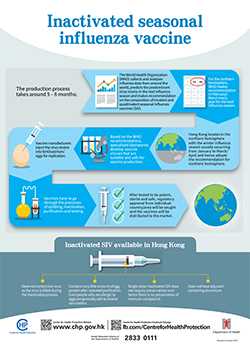
    The Centre for Health Protection (CHP) of the Department of Health (DH) today (October 23) recorded another severe paediatric influenza infection case, the fourth this week. The CHP urged schools and parents to arrange for schoolchildren to receive free seasonal influenza vaccination (SIV), as it is one of the most effective ways to prevent seasonal influenza and its complications. Vaccination also reduces the risk of serious illness or death from infection.

      The case involves a 14-year-old girl with good past health. She has developed a fever, cough and shortness of breath since October 21. She attended Princess Margaret Hospital today and was admitted to its paediatric intensive care unit. She is currently in serious condition. Her nasopharyngeal swab specimen tested positive for the influenza A virus upon laboratory testing. The clinical diagnosis was influenza A infection complicated with shock. The girl had not received the 2025/26 SIV yet. Her household contacts are currently asymptomatic and no influenza outbreaks have been reported at her school recently.

      Including today's case, 14 severe paediatric influenza cases, including one fatal case, involving children aged 2 to 17 have been recorded since the start of the school year in September. Among them, 11 had good past health.

      "Hong Kong is currently in the summer influenza season, and the influenza activity remains high. The CHP's latest surveillance data showed that the percentage of respiratory specimens testing positive for seasonal influenza viruses during the past week (October 12 to 18) was 11.84 per cent, similar to the 12.02 per cent recorded during the preceding week. It exceeds the peak of 10.54 per cent during the winter influenza season earlier this year. Influenza A (H3) is the predominant circulating strain, accounting for nearly 90 per cent of all detected viruses, followed by influenza A (H1) accounting for nearly 10 per cent. Influenza B accounted for the remainder. The influenza admission rate in public hospitals is 0.78 cases per 10 000 population, similar to the 0.77 cases recorded during the preceding week. There has also been a continual increase in outbreaks of influenza-like illness in schools and Residential Care Homes (RCHs). As of yesterday (October 22), 608 outbreaks had been reported in schools since the start of the school year in September. Among them, 65, 323 and 220 cases occurred in kindergartens/child care centres, primary schools and secondary schools respectively," the Controller of the CHP, Dr Edwin Tsui, said.

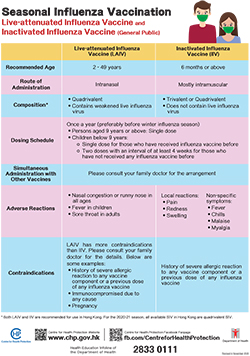
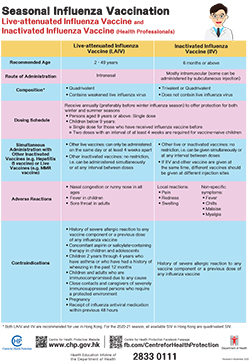
      "Based on the current level of influenza activity and trend analysis, the local influenza activity is expected to remain at a relatively high level over the next few weeks. Furthermore, viruses tend to become more active when temperatures drop. The winter influenza season in Hong Kong typically occurs between January and March. The current summer influenza season may overlap with the upcoming winter influenza season, which could lead to more hospitalisations due to influenza infection than in previous years. I urge all persons aged 6 months or above, except those with known contraindications, who have not yet received the SIV, to act promptly, particularly those high-risk groups such as the elderly, children, and adults with underlying illnesses and immunosuppression. Members of the public may also contact their family doctors to arrange for vaccinations," he added.

      Members of the public, especially children, the elderly and those with underlying illnesses, should seek medical advice promptly if presented with fever and respiratory symptoms, for early treatment. As children with influenza can deteriorate rapidly, parents must pay close attention to their children's condition. They should go to the Accident and Emergency Department immediately if the child's condition deteriorates, for example if they develop symptoms such as shortness of breath, wheezing, blue lips, chest pain, confusion, a persistent fever or convulsions.

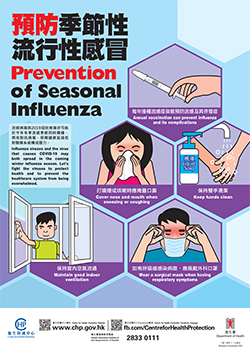
    Dr Tsui reminded high-risk individuals to wear surgical masks when staying in crowded places. People with respiratory symptoms, even if mild, should wear a surgical mask and seek medical advice promptly. They should also consider whether to attend work or school.

    In addition to issuing timely reminders to healthcare professionals and schools based on the latest seasonal influenza development, the CHP also uploads the latest seasonal influenza information on its website weekly. Members of the public can visit the CHP's seasonal influenza and COVID-19 & Flu Express webpages.

    ​​​​​​​https://www.info.gov.hk/gia/general/...5102300886.htm
  • #2
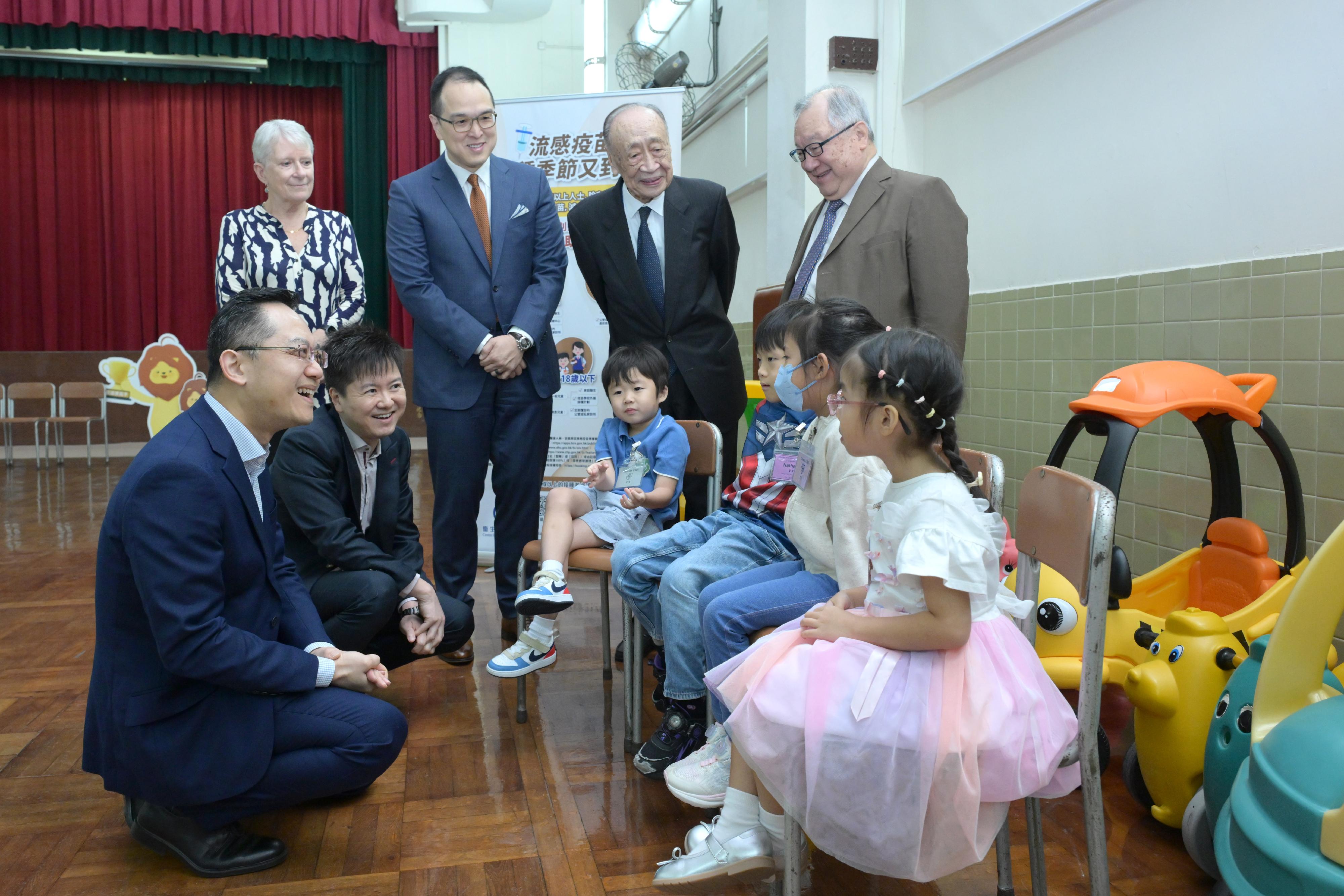
    Director of Health inspects arrangements for Seasonal Influenza Vaccination School Outreach and urges schools to advance vaccination activities as much as possible​

    Ends/Tuesday, October 28, 2025​

    Excerpt:

    As of October 27, a total of 677 outbreaks have been reported in schools since the start of the school year in September, including 71 cases in kindergartens/child care centres, 369 cases in primary schools and 237 cases in secondary schools. Since the start of the school year, 14 severe paediatric influenza cases, including one fatal case, involving children aged 2 to 17 have been recorded. Among them, 11 had good past health. Based on the current level of influenza activity and trend analysis, the local influenza activity is expected to remain at a relatively high level over the next few weeks. Furthermore, viruses tend to become more active when temperatures drop. The winter influenza season in Hong Kong typically occurs between January and March. The current summer influenza season may overlap with the upcoming winter influenza season, which could lead to more hospitalisations due to influenza infection than in previous years," he said.​

    The Director of Health, Dr Ronald Lam, visited Kiangsu & Chekiang Primary School (International Section) in North Point this morning (October 28) to inspect the arrangements for...

    Comment


    • #3
      Ends/Tuesday, October 28, 2025

      CHP urges public to promptly receive seasonal influenza vaccination as two severe paediatric influenza infection cases recorded in a single day​

      The Centre for Health Protection (CHP) of the Department of Health (DH) today (October 28) recorded two severe paediatric influenza infection cases. Both had underlying illnesses. The CHP reiterated its appeal to urged schools and parents to arrange for schoolchildren to receive free seasonal influenza vaccination (SIV), as it is one of the most effective ways to prevent seasonal influenza and its complications. Vaccination also reduces the risk of serious illness or death from infection.

      The first case involves an 11-year-old boy. He has developed a fever, cough and shortness of breath since October 25. He attended the Accident and Emergency Departement (AED) of Princess Margaret Hospital on the following day (October 26) and was admitted for treatment. Today, he was transferred to the hospital's paediatric intensive care unit today due to hypotension. He is currently in serious condition. His nasopharyngeal swab specimen tested positive for influenza A virus upon laboratory testing. The clinical diagnosis was influenza A infection complicated with shock.

      A recent outbreak of influenza-like illness was recorded in the school dormitory where the boy lives. Three other residents of the dormitory and two staff members recently developed respiratory symptoms. One resident, who required hospitalisation, had a nasopharyngeal swab specimen tested positive for influenza A virus. This resident was subsequently discharged after recovering. The symptoms of the other four patients are mild and hospitalisation was not required. The CHP has provided the dormitory with infection control advice, and will administer chemoprophylaxis to its residents and staff.

      Another case involves a 11-month-old boy. He has been admitted to Kwong Wah Hospital due to his own underlying disease. He has developed a fever and cough since yesterday (October 27). He was transferred to paediatric intensive care unit of the hospital. He is currently in critical condition. His nasopharyngeal swab specimen tested positive for influenza A virus upon laboratory testing. The clinical diagnosis was influenza A infection complicated with severe pneumonia. One of his household contacts developed respiratory symptoms recently, and subsequently recovered.

      Neither patient had travel history recently, nor had they received the 2025/26 SIV.


      Including the abovementioned two cases, there have been 16 severe paediatric influenza cases since the start of the school year in September, including one fatal case. The affected children aged 11 months to 17 years, with 11 having good past health.  

      "Hong Kong is currently in the summer influenza season and there has been a significant increase in influenza-like illness outbreaks in schools since September. As of October 27, a total of 677 outbreaks have been reported in schools since the start of the school year in September, including 71 cases in kindergartens/child care centres, 369 cases in primary schools and 237 cases in secondary schools. Based on the current level of influenza activity and trend analysis, the local influenza activity is expected to remain at a relatively high level over the next few weeks. Furthermore, viruses tend to become more active when temperatures drop. The winter influenza season in Hong Kong typically occurs between January and March. The current summer influenza season may overlap with the upcoming winter influenza season, which could lead to more hospitalisations due to influenza infection than in previous years. I urge all persons aged 6 months or above, except those with known contraindications, who have not yet received the SIV, to act promptly, particularly those high-risk groups such as the elderly, children, and adults with underlying illnesses and immunosuppression. Members of the public may also contact their family doctors to arrange for vaccinations," the Controller of the CHP, Dr Edwin Tsui, said.

      Dr Tsui reminded high-risk individuals to wear surgical masks when staying in crowded places. People with respiratory symptoms, even if mild, should wear a surgical mask and seek medical advice promptly. They should also consider whether to attend work or school.

      "Members of the public, especially children, the elderly and those with underlying illnesses, should seek medical advice promptly if presented with fever and respiratory symptoms, for early treatment. As children with influenza can deteriorate rapidly, parents must pay close attention to their children's condition. They should go to an AED immediately if the child's condition deteriorates, for example if they develop symptoms such as shortness of breath, wheezing, blue lips, chest pain, confusion, a persistent fever or convulsions," Dr Tsui said.

      In addition to issuing timely reminders to healthcare professionals and schools based on the latest seasonal influenza development, the CHP also uploads the latest seasonal influenza information on its website weekly. Members of the public can visit the CHP's seasonal influenza and COVID-19 & Flu Express webpages.

      Issued at HKT 20:51
      The Centre for Health Protection (CHP) of the Department of Health (DH) today (October 28) recorded two severe paediatric influenza infection cases. Both had underlying illnesses. The...

      Comment


      • #4
        COVID-19 & Flu Express

        COVID-19 & Flu Express is a weekly report produced by Surveillance Division of the Communicable Disease Branch of the Centre for Health Protection. It monitors and summarises the latest local and global COVID-19 and influenza activities.
        Local Situation of COVID-19 Activity (as of Nov 5, 2025)

        Reporting period: Oct 26, 2025 – Nov 1, 2025 (Week 44)

        The latest surveillance data showed that the overall local activity of COVID-19 has remained at a low level.

        The Centre for Health Protection (CHP) has been closely monitoring the local prevalence of SARS-CoV-2 variants. The latest sewage surveillance data and genetic analysis of positive respiratory specimens showed that NB.1.8.1 has become the dominating variant strains in Hong Kong.

        -snip-
        Local Situation of Influenza Activity (as of Nov 05, 2025)

        Reporting period: Oct 26 – Nov 01, 2025 (Week 44)

        Hong Kong is currently in the summer influenza season. The latest surveillance data showed that the local influenza activity decreased from previous week but remained elevated.
        -snip-
        Influenza-like-illness surveillance among sentinel family medicine clinics and

        sentinel private medical practitioner clinics, 2021-25

        In week 44, the average consultation rate for influenza-like illness (ILI) among sentinel family medicine clinics (FMC) was 13.7 ILI cases per 1,000 consultations, which was lower than 18.6 recorded in the previous week (Figure 2.1, left)

        Continued: https://www.chp.gov.hk/files/pdf/cov...1_2025_eng.pdf .


        Comment


        • #5
          Ends/Friday, November 7, 2025​
          CHP urges public to promptly receive seasonal influenza vaccination as another severe paediatric influenza infection case reported​

          The Centre for Health Protection (CHP) of the Department of Health (DH) today (November 7) recorded a severe paediatric influenza infection case. The CHP reiterated its appeal to urge schools and parents to arrange for schoolchildren to receive free seasonal influenza vaccination (SIV), as it is one of the most effective ways to prevent seasonal influenza and its complications. Vaccination also reduces the risk of serious illness or death from infection.

          The case involves a 13-year-old boy with good past health. He has developed a fever since October 24, the situation persisted and he further developed cough, sore throat and runny nose since October 29. He attended a private hospital on November 1 and was admitted for treatment. He was transferred to the paediatric intensive care unit of Queen Mary Hospital yesterday (November 6). He is currently in stable condition. His nasopharyngeal swab specimen tested positive for influenza A virus upon laboratory testing. The clinical diagnosis was influenza A infection complicated with pneumonia and pleural effusion.

          One of his household contacts developed influenza-like illness symptoms recently, and subsequently recovered. Four of his schoolmates in the same form recently developed respiratory symptoms, one of them required hospitalisation and was subsequently discharged after recovery, whose nasopharyngeal swab specimens also tested positive for influenza A virus. The symptoms of the other three patients are mild and hospitalisation was not required. The CHP has advised the school to implement the necessary infection control measures and will continue to put the school under medical surveillance.

          Including the abovementioned case, there have been 17 severe paediatric influenza cases since the start of the school year in September, including one fatal case. The affected children aged 11 months to 17 years, with 12 having good past health and 11 had not received SIV for the season.​

          continues: https://www.info.gov.hk/gia/general/...5110700856.htm

          Comment


          • #6
            Ends/Wednesday, November 12, 2025​

            CHP emphasises seasonal influenza vaccines for current season can provide protection against antigenically drifted influenza A (H3N2) virus, as another severe paediatric influenza infection case reported​

            The Centre for Health Protection (CHP) of the Department of Health (DH) today (November 12) recorded a severe paediatric influenza infection case. The CHP once again urged schools and parents to promptly arrange for schoolchildren to receive free seasonal influenza vaccination (SIV). Regarding the recent antigenic drifted influenza A (H3N2) virus strain in Hong Kong and overseas due to genetic mutation, the CHP emphasised that the currently used SIV remains effective against this antigenically drifted strain. The SIV is still one of the most effective methods to prevent influenza and its complications, and can reduce the risk of serious complications or death from infection.

            Latest severe paediatric influenza infection case
            ----------------------------------------------------------

            The case involves an 11-year-old boy with good past health. He has developed a fever and cough with sputum since November 7, and his symptoms persisted. On November 10, he developed dizziness and attended a private hospital. He was admitted for treatment and is currently in serious condition. His nasopharyngeal swab specimen tested positive for influenza A virus upon laboratory testing. The clinical diagnosis was influenza A infection complicated with shock.

            He has not received the 2025/26 SIV and had no travel history recently. His household contacts have no influenza-like illness (ILI) symptoms so far.

            Preliminary investigations revealed that the boy joined a overnight camp organised by his school between November 3 and 7. Nine schoolmates from the same grade developed ILI symptoms between November 6 and 11. Seven of them tested positive for influenza A using rapid antigen tests. All of them had mild symptoms and did not require hospitalisation. The CHP staff inspected the school and advised the school to implement the necessary infection control measures. It will be put under medical surveillance.

            Including the above case, 18 severe influenza cases involving children have been recorded so far this summer influenza season, including one fatal case. Among the nine cases recorded since the launch of this year's SIV Programmes, only one had received this year's SIV within four days prior to onset of illness. As it generally takes two weeks for the body to develop sufficient protection after vaccination, that case was not protected by the vaccine.

            SIV also provides protection against the influenza A (H3N2) antigenic drift virus
            -----------------------------------------------------------------------------------------

            "This year, the influenza season has arrived earlier than usual in many regions worldwide, including Japan, Republic of Korea and the United Kingdom. Hong Kong's summer influenza season started later than usual this year and is still ongoing. Furthermore, a genetically mutated influenza A (H3N2) virus strain has recently emerged in Hong Kong and many other regions. However, there is currently no evidence that this strain causes more severe illness," the Controller of the CHP, Dr Edwin Tsui, said.

            "Seasonal influenza viruses undergo genetic changes from time to time, giving rise to new subclades. If key genes mutate, it may lead to antigenic drift, which is expected and occurs periodically. Therefore, the World Health Organization (WHO) and National Influenza Centres in different regions (including the Public Health Laboratory Services Branch of the CHP, Hong Kong SAR, China) continuously monitor the prevalence and evolution of seasonal influenza viruses. Each year, the WHO recommends the virus strains to be included in the next season's SIV based on viral analysis data. It is worth noting that influenza vaccines provide a certain degree of cross-protection against different but related virus strains," he explained.

            "According to the announcement made by the UK Health Security Agency (UKHSA) yesterday (November 11), the latest local data showed that over 80 per cent of laboratory confirmed influenza patients were infected with the influenza A (H3N2) subtype. Local authorities' research also found that despite antigenic drift in the currently circulating influenza A (H3N2) virus, this season's SIV remains effective in preventing hospitalisation among children aged two to 17 years old, with an effectiveness of 75 per cent, and among adults, the effectiveness stands at 40 per cent. These results demonstrate that the SIV continues to provide adequate protection for the general public, particularly children, significantly reducing the risk of hospitalisation. Therefore, I urge all persons aged six months or above who have not yet received the SIV to do so promptly, except those with known contraindications. High-risk groups such as the elderly, children, and adults with underlying illnesses and immunosuppression should receive the SIV immediately. Apart from participating in the various SIV Programmes launched by the Government, members of the public may also contact their family doctors to arrange vaccinations," Dr Tsui added.

            According to the latest surveillance data, influenza activity began to decline in the last week of October, but remains at a relatively high level. However, as the weather turns cooler, influenza activity may still fluctuate. Based on past experience, Hong Kong's winter influenza season typically occurs between January and March. Therefore, it is not ruled out that a winter influenza season may occur early next year.

            "With declining influenza activity and many schools having held SIV school outreach activities, reported school influenza outbreaks have significantly decreased recently. The number of school outbreaks fell from the peak of 169 cases in mid-October to 61 cases last week. Since the start of the school year, about 1 700 schools have conducted school outreach activities, which is higher than the about 1 400 schools compared to the same period in the last season. In addition, 2 220 schools (96 per cent) have scheduled to carry out the outreach activities by the end of this month. I hope all sectors of the society could join hands in appealing parents to arrange SIV for their children, while also educating parents on the importance of vaccination. This will promote a greater vaccine uptake among young children, increased vaccination coverage rate and strengthen protection for children," Dr Tsui said.

            Dr Tsui also reminded high-risk individuals to wear surgical masks when staying in crowded places. People with respiratory symptoms, even if mild, should wear a surgical mask and seek medical advice promptly. They should also consider whether to attend work or school. Members of the public, especially children, the elderly and those with underlying illnesses, should seek medical advice promptly if presented with fever and respiratory symptoms, for early treatment. As children with influenza can deteriorate rapidly, parents must pay close attention to their children's condition. They should go to an Accident and Emergency Department immediately if the child's condition deteriorates, for example if they develop symptoms such as shortness of breath, wheezing, blue lips, chest pain, confusion, a persistent fever or convulsions.

            Members of the public can visit the CHP's seasonal influenza and COVID-19 & Flu Express webpages for more information.​

            The Centre for Health Protection (CHP) of the Department of Health (DH) today (November 12) recorded a severe paediatric influenza infection case. The CHP once again urged schools and...

            Comment


            • #7

              Ends/Thursday, November 13, 2025​

              CHP urges schoolchildren to promptly receive seasonal influenza vaccination as another fatal case of paediatric influenza infection recorded​

              The Centre for Health Protection (CHP) of the Department of Health earlier announced a case of severe paediatric influenza A infection in an 11-month-old boy. The boy was hospitalised for over two weeks and unfortunately passed away today (November 13) due to complications. The CHP reiterated its appeal to schools and parents to arrange for schoolchildren to receive free seasonal influenza vaccination (SIV), as it is one of the most effective ways to prevent seasonal influenza and its complications. Vaccination also reduces the risk of serious illness or death from infection.

              "The boy had underlying illness. This is the second fatal case of paediatric influenza infection this year. Including this case, nine cases have been recorded since the launch of this year's SIV Programmes in September, with only one having received this year's SIV prior to the onset of illness. To avoid recurrence of such tragedies, I urge all persons aged 6 months or above, except those with known contraindications, who have not yet received the SIV to do so promptly, especially high-risk groups such as children, the elderly, and adults with underlying illnesses and immunosuppression. Apart from receiving the SIV through various programmes launched by the Government, members of the public may also contact their family doctors to arrange vaccinations," the Controller of the CHP, Dr Edwin Tsui, said.

              "Although, according to the latest surveillance data, influenza activity began to decline in the last week of October, it still remains at a relatively high level. As the weather turns cooler, influenza activity may still fluctuate. Based on past experience, Hong Kong's winter influenza season typically occurs between January and March. Therefore, it cannot be ruled out that a winter influenza season may occur early next year. I urge parents to arrange SIV for their children as soon as possible, and hope all sectors of society could join hands in educating parents on the importance of vaccination. This will promote a greater vaccine uptake among young children, increase the vaccination coverage rate, and strengthen protection for children," Dr Tsui added.

              He emphasised that although a genetically mutated influenza A (H3N2) virus strain has recently emerged in Hong Kong and many other regions, the currently used SIV remains effective against this antigenically drifted strain, as well as other influenza A and influenza B viruses. Therefore, the SIV is still one of the most effective methods to prevent influenza and its complications and can reduce the risk of serious complications or death from infection.

              Members of the public, especially children, the elderly and those with underlying illnesses, should seek medical advice promptly if they present with fever and respiratory symptoms for early treatment. As children with influenza can deteriorate rapidly, parents must pay close attention to their children's condition. They should go to an Accident and Emergency Department immediately if the child's condition deteriorates, for example, if they develop symptoms such as shortness of breath, wheezing, blue lips, chest pain, confusion, a persistent fever or convulsions.​

              Separately, high-risk individuals should wear surgical masks when staying in crowded places. People with respiratory symptoms, even if mild, should wear a surgical mask and seek medical advice promptly. They should also consider whether to attend work or school.

              For the latest information on seasonal influenza, members of the public can visit the CHP's seasonal influenza and COVID-19 & Flu Express webpages.​

              The Centre for Health Protection (CHP) of the Department of Health earlier announced a case of severe paediatric influenza A infection in an 11-month-old boy. The boy was hospitalised...

              Comment


              • #8
                COVID-19 & Flu Express
                Excerpt

                Local Situation of Influenza Activity (as of Nov 12, 2025)
                ​Reporting period: Nov 2 – 8, 2025 (Week 45)

                Laboratory surveillance, 2021-25

                Among the 8,897 respiratory specimens* received in week 45, 688 (7.73%) were tested positive for seasonal influenza A or B viruses. Among the subtyped influenza detections, there were 62 (9%) influenza A(H1), 586 (88%) influenza A(H3) and 19 (3%) influenza B viruses. The positive percentage (7.73%) was above the baseline threshold of 4.94% but was lower than 8.74% recorded in the previous week (Figure 2.2).

                Click image for larger version

Name:	Screenshot 2025-11-13 at 9.57.23 AM.png
Views:	267
Size:	315.8 KB
ID:	1023147


                Surveillance of oseltamivir (Tamiflu) resistant influenza A and B viruses

                 The Public Health Laboratory Services Branch of the Centre for Health Protection tests virus

                isolates of influenza A(H3) and B viruses obtained from cell culture for antiviral susceptibility to

                oseltamivir. For influenza A(H1) viruses, genotypic assay for H275Y substitution (which confers

                resistance to oseltamivir) is also performed on selected clinical specimens.

                 In September 2025, there were no new reports of influenza A(H3) and B viruses with reduced

                susceptibility to oseltamivir, nor any influenza A(H1) virus with H275Y substitution.

                 For the results of previous months, please refer to the following webpage:

                The information is based on testing of influenza virus isolates obtained from cell culture, except for influenza A(H1) viruses for which genotypic assay is also performed on selected clinical specimens, and intends to provide a profile on the proportion of strains with reduced antiviral susceptibility. The date refers to specimen reception by the laboratory. Numbers and trends presented here should be interpreted in light of the small specimen numbers in particular categories. Antiviral susceptibility testing of influenza A subtype H1 viruses in 2025 Month Phenotypic assay Oseltamivir - Reduced susceptibility Genotypic assay H275Y substitution No. % No. % Jan 21 0 0% - - - Feb 18 0 0% - - - Mar 18 1 6% - - - Apr 9 1 11% - - - May 11 0 0% - - - Jun 17 1 6% - - - Jul 16 0 0% - - - Aug 8 0 0% - - - Sep 6 0 0% 90 0 0% Oct 90 0 0% Nov Dec   Antiviral susceptibility testing of influenza A subtype H3 viruses in 2025 Month Oseltamivir tested Oseltamivir - Reduced susceptibility No. % Jan 1 0 0% Feb 3 0 0% Mar 2 0 0% Apr 3 0 0% May 5 0 0% Jun 4 0 0% Jul 6 0 0% Aug 7 0 0% Sep 22 0 0% Oct Nov Dec   Antiviral susceptibility testing of influenza B viruses in 2025 Month Oseltamivir tested Oseltamivir - Reduced susceptibility No. % Jan 1 0 0% Feb 2 0 0% Mar 4 0 0% Apr 8 0 0% May 6 0 0% Jun 3 0 0% Jul 3 0 0% Aug 3 0 0% Sep 1 0 0% Oct Nov Dec  


                 The detection rates of oseltamivir-resistant influenza A and B viruses remain low (less than 5%)

                according to latest surveillance data of overseas countries.


                Influenza-like illness outbreak surveillance, 2021-25

                In week 45, 68 ILI outbreaks occurring in schools/institutions were recorded (affecting 401 persons),

                as compared to 80 outbreaks recorded in the previous week (affecting 643 persons)
                (Figure 2.3). The

                overall number was at the medium intensity level currently (Figure 2.4*). In the first 4 days of week

                46 (Nov 9 to 12), 46 ILI outbreaks in schools/institutions were recorded (affecting 248 persons)
                . Since

                week 36, 931 outbreaks were recorded (as of Nov 12).


                Click image for larger version

Name:	Screenshot 2025-11-13 at 10.01.15 AM.png
Views:	262
Size:	152.8 KB
ID:	1023148

                ​Influenza-associated hospital admission rates in public hospitals based on discharge coding, 2021-25

                In week 45, the overall admission rate in public hospitals with principal diagnosis of influenza was

                0.40 (per 10,000 population) as compared to 0.60 recorded in the previous week (Figure 2.6). It was

                above the baseline threshold of 0.27 but was at the low intensity level (Figure 2.7*).

                continued: https://www.chp.gov.hk/files/pdf/cov...1_2025_eng.pdf

                Comment


                • #9
                  Ends/Friday, November 14, 2025​

                  CHP appeals to parents to arrange seasonal influenza vaccination for their children as soon as possible especially young children aged 6 months to under 2 years​

                  In view of the influenza activity remaining at a relatively high level, the Centre for Health Protection (CHP) of the Department of Health (DH) today (November 14) appealed to parents again to arrange a free seasonal influenza vaccination (SIV) for their children early, especially young children aged 6 months to under 2 years, to reduce their risk of serious illness and death from seasonal influenza.

                  "With the promotion efforts made by the Government and the support from all sectors of the society, over 1.33 million doses of vaccines have been administered since the launch of the 2025/26 SIV Programmes (including the SIV School Outreach Programme, the Residential Care Home Vaccination Programme and Vaccination Subsidy Scheme) in late September, representing an approximately 3.9 per cent increase compared to the same period last year. However, the coverage rate of children aged 6 months to under 2 years is relatively low, which is about 14 per cent only. As in the past, severe or death cases associated with influenza this season primarily affect the elderly and children. However, compared to the winter influenza season earlier this year, children have been particularly affected this season and there has been more severe paediatric influenza infection cases. Eighteen severe influenza cases involving children have been recorded so far this summer influenza season, including two fatal cases. The affected children aged 11 months to 17 years. Nine cases have been recorded since the launch of this year's SIV Programmes, with only one having received this year's SIV four days prior to the onset of illness. As it generally takes two weeks for the body to develop sufficient protection after vaccination, in other words, these severe influenza cases are not protected by the vaccine," the Controller of the CHP, Dr Edwin Tsui, said.

                  He urged parents to arrange SIV for their children as soon as possible, and hope all sectors of society could join hands in educating parents on the importance of vaccination. This will promote a greater vaccine uptake among young children, increase the vaccination coverage rate, and strengthen protection for children.

                  "Through the Primary Healthcare Commission, the CHP has urged family doctors to assist in encouraging parents to give consent for their children to receive SIV, especially young children aged 6 months to under 2 years who were unvaccinated. The Government has opened all 29 of the DH's Maternal and Child Health Centres (MCHCs) for all children aged 6 months to under 2 years to receive the vaccine. Moreover, the District Health Centres and District Health Centre Expresses and their service outlets under the Primary Healthcare Commission in the 18 districts, and 74 Family Medicine Clinics and 38 public hospitals of the Hospital Authority to provide more choices for the public. For the list of vaccination venues, please refer to the CHP's Vaccination Schemes page. Parents of eligible children may book an appointment for their children to receive vaccinations at designated MCHCs via the online booking system," said Dr Tsui.

                  Regarding schools, to boost SIV rates, enrolment for the SIV School Outreach Programme has started since the beginning of June this year, which was earlier than last year. The CHP has also introduced enhancement measures. All schools may opt for the nasal live attenuated influenza vaccines and the "hybrid mode", which allows schools to choose both the injectable inactivated influenza vaccines and the nasal live attenuated influenza vaccines during the same or different outreach vaccination activities. With the concerted efforts of the Government and various community sectors (including the medical sector and schools), approximately 2 300 schools (99 per cent) are going to arrange SIV school outreach activities.

                  "In view of the continued increase in influenza activity and the number of school outbreaks since the start of the school year, the CHP has actively contacted the schools since mid-last month, urging them to try to further advance school outreach activities where feasible. Twenty-three schools have responded to the CHP's call to advance their outreach activities, originally scheduled for December this year or January next year, to be held by the end of this month. To date, over 2 220 schools (96 per cent) are going to arrange SIV school outreach activities by the end of this month, while all participating schools will conduct the SIV school outreach activities by the end of December, which are higher than the 83 per cent and 91 per cent recorded respectively during the same period last year. Thanks to the schools' concerted efforts in expediting the SIV outreach activities, reported school influenza outbreaks have significantly decreased recently. The number of school outbreaks fell from the peak of 169 cases in the week of October 12 to 18, to 61 cases last week. I believe that the School Outreach Programme has offered greater convenience for parents, resulting in a vaccination coverage rate of about 44 per cent for children aged 2 to under 12. I hope that more schools will participate in the School Outreach Programme in future, providing greater convenience for pupils and safeguarding their health," Dr Tsui said.

                  He reminded members of the public that, especially children, the elderly and those with underlying illnesses, should seek medical advice promptly if they present with fever and respiratory symptoms for early treatment. As children with influenza can deteriorate rapidly, parents must pay close attention to their children's condition. They should go to an Accident and Emergency Department immediately if the child's condition deteriorates, for example, if they develop symptoms such as shortness of breath, wheezing, blue lips, chest pain, confusion, a persistent fever or convulsions.

                  Separately, high-risk individuals should wear surgical masks when staying in crowded places. People with respiratory symptoms, even if mild, should wear a surgical mask and seek medical advice promptly. They should also consider whether to attend work or school.

                  For more information on the SIV programmes, please visit the Vaccination Schemes page or call the CHP during office hours at 2125 2125.

                  In view of the influenza activity remaining at a relatively high level, the Centre for Health Protection (CHP) of the Department of Health (DH) today (November 14) appealed to parents...

                  Comment


                  • #10

                    Ends/Tuesday, November 18, 2025​
                    CHP urges public to promptly receive seasonal influenza vaccination as another severe paediatric influenza infection case reported​

                    The Centre for Health Protection (CHP) of the Department of Health (DH) today (November 18) recorded a severe paediatric influenza infection case. The CHP reiterated its appeal to urge schools and parents to arrange for schoolchildren to receive free seasonal influenza vaccination (SIV) promptly, as it is one of the most effective ways to prevent seasonal influenza and its complications. Vaccination also reduces the risk of serious illness or death from infection.

                    The case involves a 14-year-old boy with underlying illness. He developed a convulsion on November 14 and attended the Accident and Emergency Department of United Christian Hospital, where was admitted. Yesterday (November 17), he developed dizziness, a fever and cough with sputum. His nasopharyngeal swab specimen tested positive for influenza A virus upon laboratory testing. The clinical diagnosis was influenza A infection complicated with pneumonia and shock. He is currently in serious condition.

                    The boy had not yet received the 2025/26 SIV. His household contacts are currently asymptomatic and no influenza outbreaks have been reported at his school recently.

                    Including the abovementioned case, there have been 19 severe influenza cases involving children so far this summer influenza season, including two fatal cases. The affected children aged 11 months to 17 years. Ten cases have been recorded since the launch of this year's SIV Programmes, with only one having received this year's SIV four days prior to the onset of illness. As it generally takes two weeks for the body to develop sufficient protection after vaccination, in other words, these severe influenza cases are not protected by the vaccine.

                    "According to the latest surveillance data, influenza activity began to decline in the last week of October. However, it remains at a relatively high level. As the weather turns cooler, influenza activity may still fluctuate. Moreover, a winter influenza season may occur early next year. Therefore, I once again urge all persons aged 6 months or above, except those with known contraindications, who have not yet received the SIV to do so promptly. Compared to the winter influenza season earlier this year, there have been more severe paediatric influenza infection cases this season. Currently, among children aged below 18 years, the coverage rate of children aged 6 months to under 2 years is relatively low, at nearly 16 per cent only. Parents should not hesitate and should contact their family doctors as soon as possible to arrange for their children, as well as themselves and other family members, to receive the SIV," the Controller of the CHP, Dr Edwin Tsui, said.

                    He also reminded members of the public that, especially children, the elderly and those with underlying illnesses, should seek medical advice promptly if they present with fever and respiratory symptoms for early treatment. As children with influenza can deteriorate rapidly, parents must pay close attention to their children's condition. They should go to an Accident and Emergency Department immediately if the child's condition deteriorates, for example, if they develop symptoms such as shortness of breath, wheezing, blue lips, chest pain, confusion, a persistent fever or convulsions.

                    Separately, high-risk individuals should wear surgical masks when staying in crowded places. People with respiratory symptoms, even if mild, should wear a surgical mask and seek medical advice promptly. They should also consider whether to attend work or school.

                    In addition to issuing timely reminders to healthcare professionals and schools based on the latest seasonal influenza development, the CHP also uploads the latest seasonal influenza information on its website weekly. Members of the public can visit the CHP's seasonal influenza and COVID-19 & Flu Express webpages.

                    https://www.info.gov.hk/gia/general/...5111800786.htm

                    Comment


                    • #11

                      [emphasis is mine]

                      Ends/Tuesday, November 18, 2025​
                      DH reminds public to use antibiotics properly in support of World Antimicrobial Resistance Awareness Week​

                      The Centre for Health Protection (CHP) of the Department of Health (DH) today (November 18) called on healthcare professionals and members of the public to take collective action against antimicrobial resistance (AMR), in support of World Antimicrobial Awareness Week 2025. Antimicrobials are medications used to treat infections, including antibiotics, which are specifically used to treat bacterial infections. AMR occurs when microorganisms (such as bacteria and viruses) adapt to grow in an environment with antimicrobials, rendering previously effective medications ineffective. Misuse and inappropriate use of antibiotics are the primary causes of AMR. The Government has been placing great importance on combating AMR.​

                      -snip-

                      The CHP urged members of the public to work with healthcare professionals to eliminate AMR by observing the following:
                      • Antibiotics are effective only in treating bacterial infections, not viral infections such as influenza and COVID-19. When you have an upper respiratory tract infection, consult a doctor. Do not buy or consume antibiotics from community pharmacies on your own;
                      • Do not demand antibiotics from doctors. Only take antibiotics when advised by a doctor and complete the entire course of treatment, even if symptoms improve;
                      • Follow the health advice stated on the prescription bag and adopt appropriate infection control measures, such as maintaining hand hygiene, wearing a surgical mask when having respiratory symptoms, and disinfecting and covering all wounds properly to prevent person-to-person spread of drug-resistant bacteria when taking antibiotics;
                      • Receive seasonal influenza and COVID-19 vaccines to prevent secondary bacterial infections, thereby reducing the use of antibiotics and avoiding the occurrence of AMR;
                      • Be aware of the risk of acquiring drug-resistant bacteria from RTE food. People taking antibiotics or antacids, and high-risk populations (such as pregnant women, infants and young children, the elderly and people with weakened immunity) are at a higher risk and should avoid eating raw or undercooked RTE foods; and
                      • Observe good hygienic practices in the kitchen when handling food to minimise the risk of cross-contamination by drug-resistant bacteria.
                      ... https://www.info.gov.hk/gia/general/...1800248.htm​

                      Comment


                      • #12
                        Ends/Wednesday, November 19, 2025
                        CHP urges public to promptly receive seasonal influenza vaccination as severe paediatric influenza infection case was recorded in two consecutive days​

                        ************************************************** *********************
                        The Centre for Health Protection (CHP) of the Department of Health (DH) today (November 19) recorded a severe paediatric influenza infection case. The CHP reiterated its appeal to urge schools and parents to arrange for schoolchildren to receive free seasonal influenza vaccination (SIV) promptly, as it is one of the most effective ways to prevent seasonal influenza and its complications. Vaccination also reduces the risk of serious illness or death from infection.

                        The case involves a 12-year-old boy with good past health. He attended the United Christian Hospital on November 15 due to his other medical condition and was admitted for treatment. He developed a fever and cough on November 18. His nasopharyngeal swab specimen tested positive for influenza A virus upon laboratory testing. The clinical diagnosis was influenza A infection complicated with shock. He remains hospitalised in the paediatric intensive care unit and is in serious condition.

                        The boy had not yet received the 2025/26 SIV and had no travel history recently. His household contact is currently asymptomatic and no influenza outbreaks have been reported at his school recently.

                        Including the abovementioned case, there have been 20 severe influenza cases involving children so far this summer influenza season, including two fatal cases. The affected children aged 11 months to 17 years. Eleven cases have been recorded since the launch of this year's SIV Programmes, with only one having received this year's SIV four days prior to the onset of illness.
                        As it generally takes two weeks for the body to develop sufficient protection after vaccination, in other words, these severe influenza cases are not protected by the vaccine.

                        "According to the latest surveillance data, influenza activity began to decline in the last week of October. However, it remains at a relatively high level. As the weather turns cooler, influenza activity may still fluctuate. Moreover, a winter influenza season may occur early next year. Therefore, I once again urge all persons aged 6 months or above, except those with known contraindications, who have not yet received the SIV to do so promptly. Compared to the winter influenza season earlier this year, there have been more severe paediatric influenza infection cases this season. Currently, among children aged below 18 years, the coverage rate of children aged 6 months to under 2 years is relatively low, at nearly 16 per cent only. Parents should not hesitate and should contact their family doctors as soon as possible to arrange for their children, as well as themselves and other family members, to receive the SIV," the Controller of the CHP, Dr Edwin Tsui, said.

                        He also reminded members of the public that, especially children, the elderly and those with underlying illnesses, should seek medical advice promptly if they present with fever and respiratory symptoms for early treatment. As children with influenza can deteriorate rapidly, parents must pay close attention to their children's condition. They should go to an Accident and Emergency Department immediately if the child's condition deteriorates, for example, if they develop symptoms such as shortness of breath, wheezing, blue lips, chest pain, confusion, a persistent fever or convulsions.

                        Separately, high-risk individuals should wear surgical masks when staying in crowded places. People with respiratory symptoms, even if mild, should wear a surgical mask and seek medical advice promptly. They should also consider whether to attend work or school.

                        In addition to issuing timely reminders to healthcare professionals and schools based on the latest seasonal influenza development, the CHP also uploads the latest seasonal influenza information on its website weekly. Members of the public can visit the CHP's seasonal influenza and COVID-19 & Flu Express webpages.

                        The Centre for Health Protection (CHP) of the Department of Health (DH) today (November 19) recorded a severe paediatric influenza infection case. The CHP reiterated its appeal to urge...


                        Comment


                        • #13

                          Ends/Thursday, November 20, 2025​

                          CHP strongly urges public to promptly receive seasonal influenza vaccination as three severe paediatric influenza infection cases were recorded this week​

                          The Centre for Health Protection (CHP) of the Department of Health (DH) today (November 20) recorded another severe paediatric influenza infection case, marking the third case this week. The CHP strongly urged parents to arrange for their children to receive free seasonal influenza vaccination (SIV) promptly, as it is one of the most effective ways to prevent seasonal influenza and its complications. Vaccination also reduces the risk of serious illness or death from infection.

                          The case involves a 14-year-old boy with good past health. He developed cough and headache on November 18, followed by a fever yesterday (November 19). He was brought to the Accident and Emergency Department of Tseung Kwan O Hospital today. Due to hypotension, he was transferred to the paediatric intensive care unit of United Christian Hospital. He is hosptialised and currently in serious condition. His nasopharyngeal swab specimen tested positive for influenza A (H3) virus upon laboratory testing. The clinical diagnosis was influenza A infection complicated with shock.

                          The boy had not yet received the 2025/26 SIV and had no recent travel history. Two of his household contacts developed mild respiratory symptoms recently, but did not require hospitalisation and have recovered. No influenza outbreaks have been reported at his school recently.

                          Including the abovementioned case, there have been 21 severe influenza cases involving children so far this summer influenza season, including two fatal cases. The affected children aged 11 months to 17 years. A total of 12 cases have been recorded since the launch of this year's SIV Programmes, with only one having received this year's SIV four days prior to the onset of illness. As it generally takes two weeks for the body to develop sufficient protection after vaccination, in other words, these severe influenza cases are not protected by the vaccine.

                          "According to the latest surveillance data, influenza activity began to decline in the last week of October. However, it remains at a relatively high level. As the weather turns cooler, influenza activity may still fluctuate. Moreover, a winter influenza season may occur early next year. Therefore, I once again urge all persons aged 6 months or above, except those with known contraindications, who have not yet received the SIV to do so promptly. Compared to the winter influenza season earlier this year, there have been more severe paediatric influenza infection cases this season. Currently, among children aged below 18 years, the coverage rate of children aged 6 months to under 2 years is relatively low, at nearly 16 per cent only. Parents should not hesitate and should contact their family doctors as soon as possible to arrange for their children, as well as themselves and other family members, to receive the SIV," the Controller of the CHP, Dr Edwin Tsui, said.

                          He also reminded members of the public that, especially children, the elderly and those with underlying illnesses, should seek medical advice promptly if they present with fever and respiratory symptoms for early treatment. As children with influenza can deteriorate rapidly, parents must pay close attention to their children's condition. They should go to an Accident and Emergency Department immediately if the child's condition deteriorates, for example, if they develop symptoms such as shortness of breath, wheezing, blue lips, chest pain, confusion, a persistent fever or convulsions.

                          Separately, high-risk individuals should wear surgical masks when staying in crowded places. People with respiratory symptoms, even if mild, should wear a surgical mask and seek medical advice promptly. They should also consider whether to attend work or school.

                          In addition to issuing timely reminders to healthcare professionals and schools based on the latest seasonal influenza development, the CHP also uploads the latest seasonal influenza information on its website weekly. Members of the public can visit the CHP's seasonal influenza and COVID-19 & Flu Express webpages​

                          The Centre for Health Protection (CHP) of the Department of Health (DH) today (November 20) recorded another severe paediatric influenza infection case, marking the third case this...

                          Comment


                          • #14
                            Center for Health Protection

                            Seasonal Influenza​

                            18 November 2025

                            Seasonal influenza is a common respiratory tract infection caused by human seasonal influenza viruses. It is totally different from avian influenza and influenza pandemic. In Hong Kong, seasonal influenza is usually more common in periods from January to March/April and from July to August.

                            In contrast, avian influenza (AI) is caused by those influenza viruses that mainly affect birds and poultry, such as chickens or ducks. These AI viruses are distinct from human seasonal influenza viruses. Since the AI viruses does not commonly infect human, there is little or no immune protection against them in the human population. People mainly become infected with AI through direct contact with infected birds and poultry (live or dead), their droppings or contaminated environments.

                            Influenza pandemic occurs roughly every 10 – 50 years and may strike anytime. It is caused by emergence and global spread of a novel influenza virus originated from an animal influenza virus (e.g. avian influenza virus) undergoing major genetic changes resulting in efficient human-to-human transmission. The human population has low or no immunity against the emerging pandemic influenza virus. Influenza pandemic is usually associated with a great number of cases, higher severity of illness, a higher death toll and consequently greater social and economic disruption.

                            For more details on seasonal influenza and its prevention, please refer to Seasonal Influenza.

                            For details on seasonal influenza vaccination, please refer to Vaccination Schemes and Vaccination for Seasonal Influenza.

                            For other languages [हिन्दी (Hindi), नेपाली (Nepali), اردو (Urdu), ไทย (Thai), Bahasa Indonesia, Tagalog, Tiếng Việt (Vietnamese), ਪੰਜਾਬੀ (Punjabi)], please click herehttps://www.chp.gov.hk/en/features/14843.html


                            Comment


                            • #15
                              Weekly consultation rates of influenza-like illness reported by Family Medicine Clinics and Private Medical Practitioner (PMP) Clinics 2025

                              ​Week 46 (9/11 – 15/11)​
                              Latest data reported by sentinel PMP clinics showed the consultation rate for influenza-like illness was at high level.
                              The CHP monitors the overall activity of common infectious diseases through a series of surveillance systems. Hong Kong is currently in the summer influenza season. The latest surveillance data showed that the local influenza activity continued to decrease but remained at a relatively high level. Please refer to COVID-19 & Flu Express for details (https://www.chp.gov.hk/en/resources/29/100148.html).​

                              Click image for larger version

Name:	Screenshot 2025-11-20 at 8.06.45 AM.png
Views:	194
Size:	23.1 KB
ID:	1023759
                              Click image for larger version

Name:	Screenshot 2025-11-20 at 8.07.05 AM.png
Views:	189
Size:	41.9 KB
ID:	1023760

                              Week 46 (9/11 – 15/11) Latest data reported by sentinel PMP clinics showed the consultation rate for influenza-like illness was at high level. The CHP monitors the overall activity of common infectious diseases through a series of surveillance systems. Hong Kong is currently in the summer influenza season. The latest surveillance data showed that the local influenza activity continued to decrease but remained at a relatively high level. Please refer to COVID-19 & Flu Express for details (https://www.chp.gov.hk/en/resources/29/100148.html). For the week ending Rate (per 1000 consultations) FMC PMP clinics 4/1 7.5 33.4 11/1 8.6 47.0 18/1 9.9 43.8 25/1 10.7 46.7 1/2 10.3 34.7 8/2 12.7 38.6 15/2 11.1 47.6 22/2 9.4 40.3 1/3 7.2 37.9 8/3 6.2 44.3 15/3 5.6 47.3 22/3 5.2 38.0 29/3 4.9 45.8 5/4 5.7 27.9 12/4 5.4 40.9 19/4 5.7 41.0 26/4 4.5 42.1 3/5 3.8 55.1 10/5 4.8 44.0 17/5 5.4 44.6 24/5 5.0 31.8 31/5 4.8 28.4 7/6 3.6 30.6 14/6 4.1 34.0 21/6 4.0 30.7 28/6 4.8 33.6 5/7 4.4 36.1 12/7 4.2 36.4 19/7 4.9 24.9 26/7 5.0 32.9 2/8 5.3 20.2 9/8 4.0 23.9 16/8 4.3 35.5 23/8 5.4 29.3 30/8 6.9 33.1 6/9 7.8 46.8 13/9 9.2 45.1 20/9 13.6 49.2 27/9 11.7 43.4 4/10 11.4 41.3 11/10 13.8 50.0 18/10 17.9 55.1 25/10 18.6 46.9 1/11 13.7 44.3 8/11 11.3 45.6 15/11 9.3 50.8 22/11     29/11     6/12     13/12     20/12     27/12     Note:The Hospital Authority's General Out-patient Clinics were renamed Family Medicine Clinics on 11 October 2025.The CHP has started to use electronic data on diagnosis coding of patients of the Hospital Authority's Family Medicine Clinics for sentinel surveillance since January 2020, replacing manual data collection in the past.

                              Comment

                              Working...
                              X