That Touch of Mink Flu (H5N1 in Utah Edition)
#19,305
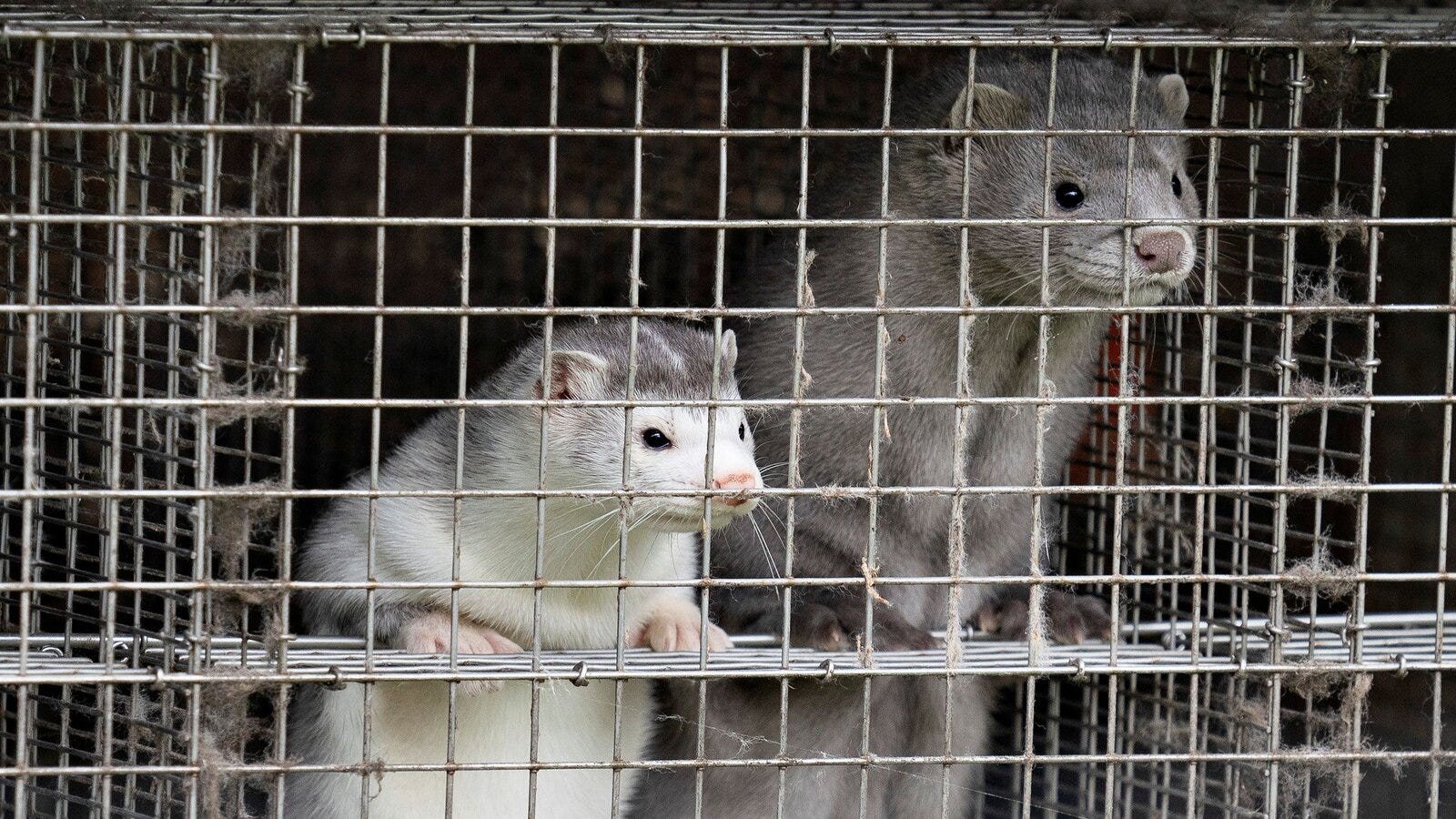
Mink are members of the
Mustelidae family of carnivorous mammals, which also includes otters, badgers, weasel, martens, ferrets, and wolverines. Many of these species are susceptible to flu viruses – most notably
ferrets – which are often used in influenza research.
Over the past 20 years we've looked a a number of concerning spillovers, including:
- 2009's That Touch Of Mink Flu, where at least 11 mink farms in the Holstebro municipality of Denmark were reported to be infected with a variant of the human H3N2 virus.
- A year earlier CIDRAP reported on a European mink found infected with an aggressive form of the H5 flu virus in the Blekinge region of southern Sweden near where H5N1 had been detected in wild birds.
We've seen literally dozens of reports of spillovers into mink since, including the generation of
mink-variant COVID strains which -
at least temporarily - circulated in humans in Europe back in 2020 (see
Preprint: Emergence & Spread of SARS-CoV-2 Variants from Farmed Mink to Humans and Back - Denmark, June-November 2020).
New alarms were raised in the fall of 2022 when H5N1 began spreading rapidly through a large mink farm in Spain (see
Eurosurveillance: HPAI A(H5N1) Virus Infection in Farmed Minks, Spain, October 2022).
This mink-derived H5N1 virus from Spain carried a rare mutation
(PB-T271A), which is believed to
`enhance the polymerase activity of influenza A viruses in mammalian host cells and mice'. In 2023 the CDC issued an
IRAT Risk Assessment On Mink Variant of Avian H5N1, finding it's scores had risen in 6 of the 10 parameters used to evaluate their zoonotic potential.
In 2023 we saw
scores of fur farms (both mink & fox) in Finland hit by HPAI, resulting in massive culls.
Spillovers into farmed animals are particularly worrisome, because they allow for serial transmission across a large number of hosts, which may result in host adaptation.
Since then, new studies have continued to emerge highlighting the risks, including:
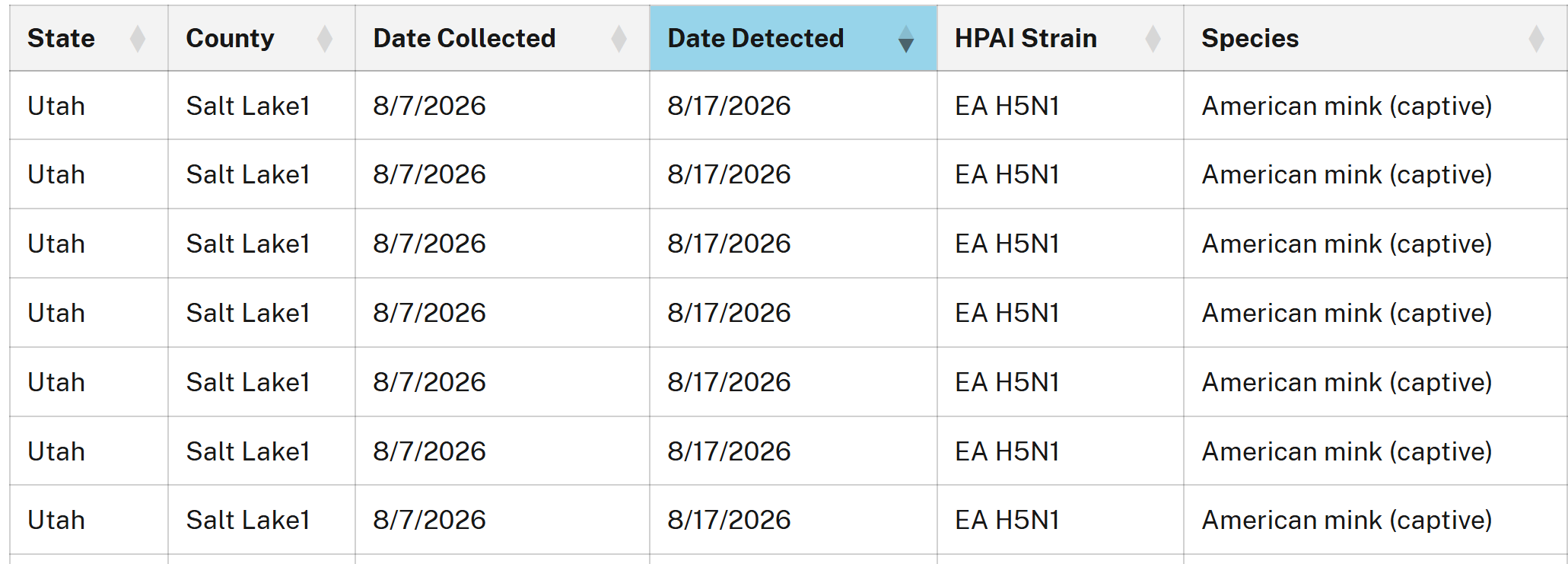
Yesterday the USDA updated their
Detections of Highly Pathogenic Avian Influenza in Mammals dashboard to include
6 captive American Mink in Utah infected with
EA H5N1 (see below).
 1 To protect data confidentiality, the county and mapped locations of these detections represent the approximate location of the State capitol.
Details are extraordinarily scant (even the county location is
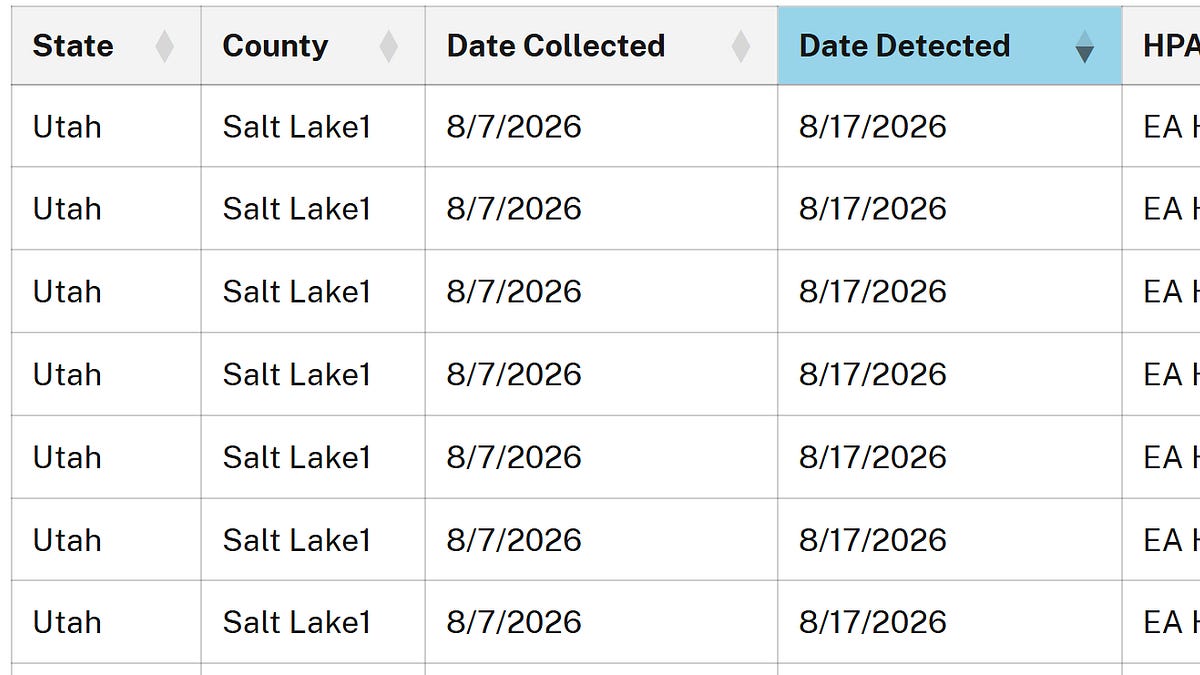
`masked'), but the dates of collection and confirmation all are quite recent (
8/7 &
8/17). This is presumably a fur farm, but no details are provided.
Whether these mink were sick, or died, or how many others might be infected on the premises or at risk, and what steps are being taken to contain this outbreak, or protect farm workers, isn't stated.
There are disappointingly far too few details provided to make any reasonable assumptions about the size, or potential impact, of this outbreak. Hopefully we'll get more details sooner rather than later.
https://afludiary.blogspot.com/2026/08/that-touch-of-mink-flu-h5n1-in-utah.html