• FluTrackers.com Inc. does not provide medical advice. Information on this web site is collected from various internet resources, and the FluTrackers board of directors makes no warranty to the safety, efficacy, correctness or completeness of the information posted on this site by any author or poster. The information collated here is for instructional and/or discussion purposes only and is NOT intended to diagnose or treat any disease, illness, or other medical condition. Every individual reader or poster should seek advice from their personal physician/healthcare practitioner before considering or using any interventions that are discussed on this website. By continuing to access this website you agree to consult your personal physican before using any interventions posted on this website, and you agree to hold harmless FluTrackers.com Inc., the board of directors, the members, and all authors and posters for any effects from use of any medication, supplement, vitamin or other substance, device, intervention, etc. mentioned in posts on this website, or other internet venues referenced in posts on this website.
  • We are not asking for any donations. Do not donate to any entity who says they are raising funds for us.

USA: West Nile 2018

Nebraska
Beloved grandmother third person to be killed by West Nile in Douglas County this year
By Rachel Urbanski | Posted: Tue 9:21 PM, Sep 25, 2018 | Updated: Tue 10:53 PM, Sep 25, 2018

OMAHA, Neb. (WOWT) - A 74-year-old Ralston woman is dead after being bitten by a mosquito carrying the West Nile virus.


It's the third death from the illness this year in Douglas County, but there was something unique to this case.

This year, 30 people in Douglas County have been diagnosed with the illness. That's 10 times more than last year.
...
https://www.wowt.com/content/news/B...le-in-Douglas-County-this-year-494325571.html
 
2 people died of West Nile virus in central Pennsylvania this year
Written by Jim Hook/Chambersburg Public Opinion | Sep 28, 2018 1:35 PM


FILE - A mosquito is held by tweezers Wednesday, June 20, 2001. (AP Photo/Robert F. Bukaty)

Pennsylvania's rain-forest summer has made for one of the worst outbreaks of West Nile virus in recent years.

Two people have died from the virus and another 39 are recovering from the illness, according to the state health and environmental protection agencies.

Only Philadelphia has had more human cases of West Nile virus than Franklin County this season.
...
http://www.witf.org/news/2018/09/2-...e-virus-in-central-pennsylvania-this-year.php

Illinois
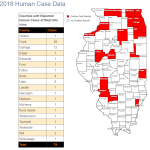
West Nile virus death reported in DuPage County

Chicago Tribune staffContact Reporter
A person has died in DuPage County of West Nile virus, health officials said.

According to a news release from the county?s health department, the death is the first in DuPage this year due to West Nile virus.

The Illinois Department of Health said that there have been four West Nile virus deaths in Illinois in 2018.
...

http://www.chicagotribune.com/suburbs/ct-met-dupage-west-nile-death-20180928-story.html

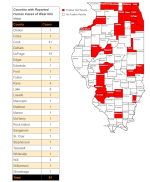
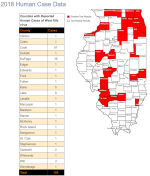
Illinois.png
http://www.dph.illinois.gov/topics-...s/west-nile-virus/surveillance/humanCases2018

California
HUMAN CASES
YTD: 114 Counties: 25
There were 14 new WNV human cases reported in California this week from the following counties: Butte (4), Los Angeles (5), Orange (2), Riverside (1), Sacramento (1), and Yolo (1).

5 WNV-related fatalities have been reported to CDPH this year from five local health jurisdictions: Butte (1), Glenn (1), Placer (1), Yolo (1), and Yuba (1) counties.
114 human cases from 25 counties have tested positive for WNV in 2018.


HORSES
YTD: 8 Counties: 7
There was 1 new WNV positive horse reported in California last week from Amador County. This is the first WNV positive horse from Amador County this year.
8 horses from 7 counties have tested positive for WNV in 2018.


DEAD BIRDS
YTD: 445 Counties: 19
There were 15 new WNV positive dead birds reported in California last week from the following counties: Contra Costa (1), Los Angeles (1), Orange (1), Placer (1), Sacramento (2), San Joaquin (1), Santa Clara (4), Tuolumne (1), and Yolo (3). This is the first WNV positive dead bird from Tuolumne County this year.
445 dead birds from 19 counties have tested positive for WNV in 2018.


MOSQUITO SAMPLES
YTD: 1,802 Counties: 28
There were 72 new WNV positive mosquito samples reported in California last week from the following counties: Alameda (4), Butte (1), Contra Costa (2), Fresno (5), Kern (1), Kings (2), Los Angeles (15), Madera (2), Merced (4), Placer (1), Riverside (1), Sacramento (5), San Joaquin (17), Shasta (1), Stanislaus (5), and Tulare (6).
1,802 mosquito samples from 28 counties have tested positive for WNV in 2018.

A mosquito sample may contain up to 50 individual mosquitoes.


SENTINEL CHICKENS
YTD: 122 Counties: 14
There were 10 new WNV positive sentinel chickens reported in California last week from the following counties: Butte (1), Colusa (3), Contra Costa (2), Merced (2), Santa Clara (1), and Sutter (1).
122 sentinel chickens from 14 counties have tested positive for WNV in 2018.
http://westnile.ca.gov/

Louisiana

Louisiana.png
http://ldh.la.gov/assets/oph/Center...s-epi/Arboviral/arboweekly/2018/ARBO_1837.pdf

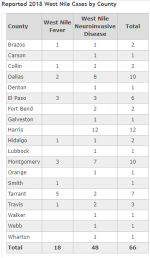
Texas

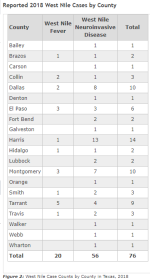
TX.png
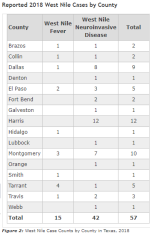
https://www.dshs.texas.gov/news/updates.shtm#WestNile

North Dakota
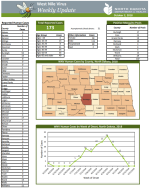
ND.png
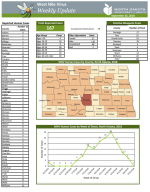
http://www.ndhealth.gov/wnv/Documents/Weekly_Report/CurrentWNVReport.pdf

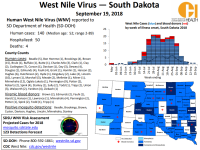
SD.png
https://doh.sd.gov/diseases/infectious/wnv/documents/WNV_Update_9-19-2018.pdf

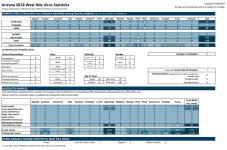
Arizona.png
https://www.azdhs.gov/documents/pre...ne/west-nile/data/west-nile-virus-az-2018.pdf
 
Nebraska

Fort Calhoun man dies from West Nile
By Daniel Buhrman Oct 2, 2018 Updated 7 hrs ago 0

Dale Kumm and his wife, Grace, had just finished lunch Sept. 17 when Dale received a call. Grace said a friend had a flat tire, and Dale, always willing to help, drove them to assist.

But as Dale stepped out of his vehicle, he collapsed.

Grace said he was having a seizure and needed medical attention. Fortunately, someone was passing by and they were able to get Dale back in the vehicle.
...
http://www.enterprisepub.com/public...cle_3369fcf4-c5bc-11e8-9ebf-fb7c636365bd.html
 
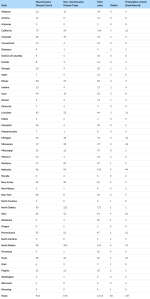
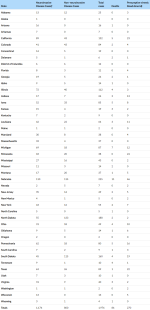
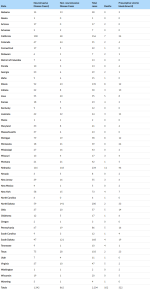
West Nile Virus Disease Cases* and Presumptive Viremic Blood Donors by State ? United States, 2018 (as of October 2, 2018)
WNV.png

*Includes confirmed and probable cases.

?Includes cases reported as meningitis, encephalitis, or acute flaccid paralysis.

?Presumptive viremic blood donors (PVDs) are people who had no symptoms at the time of donating blood through a blood collection agency, but whose blood tested positive when screened for the presence of West Nile virus. Some PVDs develop symptoms after donation.

Please refer to state health department web sites for further details regarding state case totals.
https://www.cdc.gov/westnile/statsmaps/preliminarymapsdata2018/disease-cases-state-2018.html

WNV infections in mosquitoes, birds, sentinel animals, or veterinary animals have been reported to CDC ArboNET from the following states: Alabama, Arizona, California, Colorado, Connecticut, Delaware, District of Columbia, Florida, Georgia, Idaho, Illinois, Indiana, Iowa, Kansas, Kentucky, Louisiana, Maine, Maryland, Massachusetts, Michigan, Minnesota, Mississippi, Missouri, Montana, Nebraska, Nevada, New Hampshire, New Jersey, New Mexico, New York, North Carolina, North Dakota, Ohio, Oklahoma, Oregon, Pennsylvania, Rhode Island, South Carolina, South Dakota, Tennessee, Texas, Utah, Vermont, Virginia, Washington, West Virginia, Wisconsin, and Wyoming.
https://www.cdc.gov/westnile/statsmaps/preliminarymapsdata2018/activitybystate2018.html


Comparison to previous years:

October 3rd 2017 - 1,175 cases, 56 fatal
October 4th 2016 - 1,162 cases, 35 fatal
October 6th 2015 - 1,197 cases, 63 fatal
Octover 7th 2014 - 1,301 cases, 47 fatal
September 24th 2013 - 1,135 cases, 44 fatal
October 2nd 2012 - 3,969 cases, 163 fatal
October 4th 2011 - 432 cases, 23 fatal
October 5th 2010 - 620 cases, 23 fatal
 
Georgia
West Nile Virus Kills Elderly Dunwoody Woman
DeKalb health officials have been warning about West Nile-infected mosquitoes since summer.
By Tim Darnell, Patch Staff | Oct 4, 2018 1:02 pm ET | Updated Oct 4, 2018 1:04 pm ET

DEKALB COUNTY, Ga. - An elderly Dunwoody woman is reportedly the latest death associated with the West Nile virus. Officials have confirmed the first death from West Nile Virus in DeKalb County this year. Health officials in DeKalb County are warning residents about mosquito-born illness after multiple cases of West Nile Virus were discovered in insects in the county. The DeKalb County Board of Health reports that trapped mosquitoes that were carrying the virus at nine different locations. That amounts to one-third of all of the county's mosquito trapping locations.

In July, the county's first cases of West Nile of the year were recorded at a trap in the southeast of Tucker.

The woman was reported to be in her 90s, according to Channel 2.
...
https://patch.com/georgia/dunwoody/west-nile-virus-kills-elderly-dunwoody-woman

Kent County death is 3rd in Michigan from West Nile virus
Associated Press Published 8:19 a.m. ET Oct. 4, 2018

GRAND RAPIDS, Mich. ? A western Michigan county has recorded its second death from West Nile virus this season.

The Kent County Health Department in Grand Rapids announced the death Wednesday without revealing any details about the victim other than to say that the person had been hospitalized.
...
https://www.freep.com/story/news/local/michigan/2018/10/04/kent-county-west-nile-virus/1518799002/
 
California
HUMAN CASES
YTD: 118 Counties: 26
There were 4 new WNV human cases reported in California this week from the following counties: Contra Costa (1), Riverside (2), and Santa Clara (1). This is the first WNV human case from Santa Clara County this year.

5 WNV-related fatalities have been reported to CDPH this year from five local health jurisdictions: Butte (1), Glenn (1), Placer (1), Yolo (1), and Yuba (1) counties.
118 human cases from 26 counties have tested positive for WNV in 2018.


HORSES
YTD: 10 Counties: 8
There have been 2 new WNV positive horses reported in California this week from Merced (1) and San Joaquin (1) counties. This is the first WNV positive horse from San Joaquin County this year.
10 horses from 8 counties have tested positive for WNV in 2018.


DEAD BIRDS
YTD: 478 Counties: 20
There were 9 new WNV positive dead birds reported in California this week from the following counties: Los Angeles (2), Placer (1), Sacramento (2), Santa Clara (3), and Yolo (1).
478 dead birds from 20 counties have tested positive for WNV in 2018.


MOSQUITO SAMPLES
YTD: 1,939 Counties: 29
There were 50 new WNV positive mosquito samples reported in California this week from the following counties: Fresno (1), Los Angeles (4), Madera (3), Orange (16), Sacramento (3), San Joaquin (18), Sonoma (1), and Stanislaus (4). This is the first indication of WNV from Sonoma County this year.
1,939 mosquito samples from 29 counties have tested positive for WNV in 2018.

A mosquito sample may contain up to 50 individual mosquitoes.


SENTINEL CHICKENS
YTD: 141 Counties: 16
There have been 2 new WNV positive sentinel chickens reported in California this week from Contra Costa (1) and Tehama (1) counties. This is the first WNV positive sentinel chicken from Tehama County this year.
141 sentinel chickens from 16 counties have tested positive for WNV in 2018.
http://westnile.ca.gov/
 
Missouri
Second death reported in Jackson County due to West Nile virus
POSTED 1:58 PM, OCTOBER 9, 2018, BY BRIAN DULLE


INDEPENDENCE, Mo. ? In less than a month, a second resident in Jackson County, Missouri has died from the West Nile virus.

The first death reported from the virus was reported on Sept. 19.
...
https://fox4kc.com/2018/10/09/second-death-reported-in-jackson-county-due-to-west-nile-virus/

California

HEALTH & FITNESS
LA County public defender dies after contracting West Nile virus

A GoFundMe photo shows Robert Johnson, a longtime Los Angeles County public defender and father of two, who died after contracting West Nile virus.

By ABC7.com staff
Updated 1 hr 8 mins ago
LOS ANGELES (KABC) -- Robert Johnson, a longtime Los Angeles County public defender and father of two, has died after contracting West Nile virus.

It's not clear when the 53-year-old got the virus, which is spread after being bitten by an infected mosquito.

Johnson's family said he had no underlying health problems.
...
https://abc7.com/health/la-county-public-defender-dies-after-contracting-west-nile-virus/4449700/
 
California
1st human West Nile virus death in Orange County this year reported in Tustin

By DEEPA BHARATH | dbharath@scng.com | Orange County Register
PUBLISHED: October 16, 2018 at 11:11 am | UPDATED: October 16, 2018 at 11:33 am
An elderly Tustin woman is the first this year to die from complications of West Nile virus, the county?s Health Care Agency announced Tuesday, Oct. 16.

The agency said there were 38 reported infections and four deaths in 2017 due to West Nile virus infections in Orange County. So far, there have been six known human infections countywide.
...
https://www.ocregister.com/2018/10/...us-death-in-orange-county-reported-in-tustin/

Pennsylvania
Second Lancaster County death attributed to West Nile virus; statewide total rises to 5
HEATHER STAUFFER | Staff Writer 9 hrs ago

A second person in Lancaster County has died because of West Nile virus, according to the Pennsylvania Department of Health.

LNP reported in late September that two human deaths had been attributed to the mosquito-spread virus, one in Lancaster County and one in Lebanon County.

Department of Health spokesman Nate Wardle said in an email Monday that there have been three more deaths, one each in Lancaster, Westmoreland and Philadelphia counties.
...
https://lancasteronline.com/news/lo...cle_06cce0fe-d0b0-11e8-8ad3-8ff438436d0d.html
 
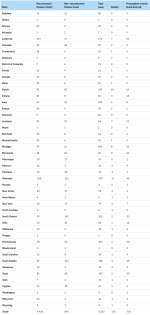
West Nile Virus Disease Cases* and Presumptive Viremic Blood Donors by State ? United States, 2018 (as of October 16, 2018)
WNV.png *Includes confirmed and probable cases.
?Includes cases reported as meningitis, encephalitis, or acute flaccid paralysis.
?Presumptive viremic blood donors (PVDs) are people who had no symptoms at the time of donating blood through a blood collection agency, but whose blood tested positive when screened for the presence of West Nile virus. Some PVDs develop symptoms after donation.
Please refer to state health department web sites for further details regarding state case totals.
https://www.cdc.gov/westnile/statsmaps/preliminarymapsdata2018/disease-cases-state-2018.html

WNV infections in mosquitoes, birds, sentinel animals, or veterinary animals have been reported to CDC ArboNET from the following states: Alabama, Arizona, California, Colorado, Connecticut, Delaware, District of Columbia, Florida, Georgia, Idaho, Illinois, Indiana, Iowa, Kansas, Kentucky, Louisiana, Maine, Maryland, Massachusetts, Michigan, Minnesota, Mississippi, Missouri, Montana, Nebraska, Nevada, New Hampshire, New Jersey, New Mexico, New York, North Carolina, North Dakota, Ohio, Oklahoma, Oregon, Pennsylvania, Rhode Island, South Carolina, South Dakota, Tennessee, Texas, Utah, Vermont, Virginia, Washington, West Virginia, Wisconsin, and Wyoming.
https://www.cdc.gov/westnile/statsmaps/preliminarymapsdata2018/activitybystate2018.html


Comparison to previous years:

October 17th 2017 - 1,502 cases, 86 fatal
October 18th 2016 - 1,352 cases, 52 fatal
October 13th 2015 - 1,332 cases, 66 fatal
October 30th 2014 - 1,668 cases, 58 fatal
October 22nd 2013 - 1,927 cases, 73 fatal
October 16th 2012 - 4,531 cases, 183 fatal
October 11th 2011 - 474 cases, 28 fatal
October 19th 2010 - 789 cases, 33 fatal

California
HUMAN CASES
YTD: 143 Counties: 28
There were 11 new WNV human cases reported in California this week from the following counties: Los Angeles (3), Riverside (1), San Bernardino (1), Stanislaus (3), Sutter (1), and Yolo (2). This is the first WNV human case from Sutter County this year.

6 WNV-related fatalities have been reported to CDPH this year from five local health jurisdictions: Butte (1), Glenn (1), Orange (1), Placer (1), Yolo (1), and Yuba (1) counties.
143 human cases from 28 counties have tested positive for WNV in 2018.


HORSES
YTD: 10 Counties: 8
10 horses from 8 counties have tested positive for WNV in 2018.


DEAD BIRDS
YTD: 490 Counties: 20
There were 7 new WNV positive dead birds reported in California this week from the following counties: Los Angeles (1), Orange (1), Placer (1), Riverside (1), San Joaquin (1), and Santa Clara (2).
490 dead birds from 20 counties have tested positive for WNV in 2018.


MOSQUITO SAMPLES
YTD: 1,952 Counties: 29
There were 5 new WNV positive mosquito samples reported in California this week from the following counties: Los Angeles (1), and San Joaquin (4).
1,952 mosquito samples from 29 counties have tested positive for WNV in 2018.

A mosquito sample may contain up to 50 individual mosquitoes.


SENTINEL CHICKENS
YTD: 152 Counties: 16
There have been 2 new WNV positive sentinel chickens reported in California this week from Butte (1) and Colusa (1) counties.
152 sentinel chickens from 16 counties have tested positive for WNV in 2018.
http://westnile.ca.gov/
 
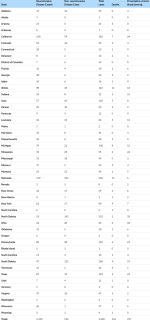
West Nile Virus Disease Cases* and Presumptive Viremic Blood Donors by State ? United States, 2018 (as of October 30, 2018)

WNV.png *Includes confirmed and probable cases.
?Includes cases reported as meningitis, encephalitis, or acute flaccid paralysis.
?Presumptive viremic blood donors (PVDs) are people who had no symptoms at the time of donating blood through a blood collection agency, but whose blood tested positive when screened for the presence of West Nile virus. Some PVDs develop symptoms after donation.
Please refer to state health department web sites for further details regarding state case totals.

https://www.cdc.gov/westnile/statsmaps/preliminarymapsdata2018/disease-cases-state-2018.html

WNV infections in mosquitoes, birds, sentinel animals, or veterinary animals have been reported to CDC ArboNET from the following states: Alabama, Arizona, California, Colorado, Connecticut, Delaware, District of Columbia, Florida, Georgia, Idaho, Illinois, Indiana, Iowa, Kansas, Kentucky, Louisiana, Maine, Maryland, Massachusetts, Michigan, Minnesota, Mississippi, Missouri, Montana, Nebraska, Nevada, New Hampshire, New Jersey, New Mexico, New York, North Carolina, North Dakota, Ohio, Oklahoma, Oregon, Pennsylvania, Rhode Island, South Carolina, South Dakota, Tennessee, Texas, Utah, Vermont, Virginia, Washington, West Virginia, Wisconsin, and Wyoming.
https://www.cdc.gov/westnile/statsmaps/preliminarymapsdata2018/activitybystate2018.html

Comparison to previous years:

October 31st 2017 - 1,697 cases, 97 fatal
November 1st 2016 - 1,491 cases, 69 fatal
November 3rd 2015 - 1,650 cases, 89 fatal
October 30th 2014 - 1,668 cases, 58 fatal
October 29th 2013 - 2,059 cases, 83 fatal
October 30th 2012 - 4,891 cases, 223 fatal
November 1st 2011 - 579 cases, 35 fatal
October 26th 2010 - 832 cases, 34 fatal
 
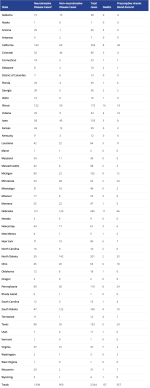
West Nile Virus Disease Cases* and Presumptive Viremic Blood Donors by State ? United States, 2018 (as of November 13, 2018)

WNV.png *Includes confirmed and probable cases.
?Includes cases reported as meningitis, encephalitis, or acute flaccid paralysis.
?Presumptive viremic blood donors (PVDs) are people who had no symptoms at the time of donating blood through a blood collection agency, but whose blood tested positive when screened for the presence of West Nile virus. Some PVDs develop symptoms after donation.
Please refer to state health department web sites for further details regarding state case totals.
https://www.cdc.gov/westnile/statsmaps/preliminarymapsdata2018/disease-cases-state-2018.html

WNV infections in mosquitoes, birds, sentinel animals, or veterinary animals have been reported to CDC ArboNET from the following states: Alabama, Arizona, Arkansas, California, Colorado, Connecticut, Delaware, District of Columbia, Florida, Georgia, Idaho, Illinois, Indiana, Iowa, Kansas, Kentucky, Louisiana, Maine, Maryland, Massachusetts, Michigan, Minnesota, Mississippi, Missouri, Montana, Nebraska, Nevada, New Hampshire, New Jersey, New Mexico, New York, North Carolina, North Dakota, Ohio, Oklahoma, Oregon, Pennsylvania, Rhode Island, South Carolina, South Dakota, Tennessee, Texas, Utah, Vermont, Virginia, Washington, West Virginia, Wisconsin, and Wyoming.
https://www.cdc.gov/westnile/statsmaps/preliminarymapsdata2018/activitybystate2018.html

Comparison to previous years:

November 14th 2017 - 1,832 cases, 111 fatal
November 8 2016 - 1,521 cases, 71 fatal
November 10 2015 - 1,732 cases, 94 fatal
November 4 2014 - 1,820 cases, 66 fatal
November 5 2013 - 2,170 cases, 88 fatal
November 6 2012 - 5,054 cases, 228 fatal
November 15 2011 - 627 cases, 36 fatal
November 9 2010 - 931 cases, 39 fatal
 
West Nile Virus Disease Cases* and Presumptive Viremic Blood Donors by State – United States, 2018 (as of November 27, 2018)
WNV.png

*Includes confirmed and probable cases.
†Includes cases reported as meningitis, encephalitis, or acute flaccid paralysis.
‡Presumptive viremic blood donors (PVDs) are people who had no symptoms at the time of donating blood through a blood collection agency, but whose blood tested positive when screened for the presence of West Nile virus. Some PVDs develop symptoms after donation.
Please refer to state health department web sites for further details regarding state case totals.

https://www.cdc.gov/westnile/statsmaps/preliminarymapsdata2018/disease-cases-state-2018.html
Comparison to previous full years:

2017 - 2,097 cases, 146 fatal
2016 - 2,149 cases, 106 fatal
2015 - 2,175 cases, 146 fatal
2014 - 2,205 cases, 97 fatal
2013 - 2,469 cases, 119 fatal
2012 - 5,674 cases, 286 fatal
2011 - 712 cases, 43 fatal
2010 - 1,021 cases, 57 fatal
 
West Nile Virus Disease Cases by State 2018
West Nile Virus Disease Cases* and Presumptive Viremic Blood Donors by State ? United States, 2018 (as of January 8, 2019)

WNV.png [FONT=&quot]*Includes confirmed and probable cases.[/FONT]
[FONT=&quot]?Includes cases reported as meningitis, encephalitis, or acute flaccid paralysis.[/FONT]
[FONT=&quot]?Presumptive viremic blood donors (PVDs) are people who had no symptoms at the time of donating blood through a blood collection agency, but whose blood tested positive when screened for the presence of West Nile virus. Some PVDs develop symptoms after donation.[/FONT]
[FONT=&quot]Please refer to state health department web sites for further details regarding state case totals.

https://www.cdc.gov/westnile/statsmaps/preliminarymapsdata2018/disease-cases-state-2018.html

Comparison to previous full years:

2017 - 2,097 cases, 146 fatal
2016 - 2,149 cases, 106 fatal
2015 - 2,175 cases, 146 fatal
2014 - 2,205 cases, 97 fatal
2013 - 2,469 cases, 119 fatal
2012 - 5,674 cases, 286 fatal
2011 - 712 cases, 43 fatal
2010 - 1,021 cases, 57 fatal
[/FONT]
 
West Nile virus cases rose in the US in 2018, killing 167 people
By Arman Azad, CNN

Updated 2:11 AM ET, Fri August 9, 2019

(CNN)The number of West Nile virus cases rose across the United States last year, killing 167 people, according to data released Thursday by the US Centers for Disease Control and Prevention. Experts say the increase, while small, underscores the need to protect against mosquitoes during the hot summer months.

There were 2,647 cases of West Nile virus last year, the CDC said, which is 550 more cases than the year before. The virus's most severe form -- neuroinvasive disease, which can cause inflammation in the brain -- was also more common last year than in years prior, according to the agency.
...
https://www.cnn.com/2019/08/09/health/west-nile-virus-cases-rise-cdc/index.html
 
West Nile Virus and Other Domestic Nationally Notifiable Arboviral Diseases ? United States, 2018
Weekly / August 9, 2019 / 68(31);673?678

Emily McDonald, MD1,2; Stacey W. Martin, MSc1; Kimberly Landry, MPH1; Carolyn V. Gould, MD1; Jennifer Lehman1; Marc Fischer, MD1; Nicole P. Lindsey, MS1 (View author affiliations) [FONT=&quot]View suggested citation[/FONT]
[FONT=&quot]Summary

What is already known about this topic?
West Nile virus (WNV) is consistently the leading cause of domestically acquired arboviral disease, but other arboviruses cause sporadic cases and outbreaks of neuroinvasive disease.
What is added by this report?
WNV neuroinvasive disease incidence was nearly 25% higher in 2018 than the median incidence during 2008?2017. WNV transmission via organ transplantation was reported for the first time since 2013. The first documented case of Powassan virus transmission via blood transfusion was reported.
What are the implications for public health practice?
Health care providers should consider arboviral infections in patients with aseptic meningitis or encephalitis, perform appropriate diagnostic testing, and report cases to public health authorities. Surveillance helps to identify outbreaks and guide prevention strategies.
[/FONT]


[FONT=&quot]Figure[/FONT]


[FONT=&quot]Tables
Table 1
Table 2
[/FONT]


[FONT=&quot]References[/FONT]
[/COLOR]
[FONT=&quot]Arthropodborne viruses (arboviruses) are transmitted to humans primarily through the bites of infected mosquitoes and ticks. West Nile virus (WNV) is the leading cause of domestically acquired arboviral disease in the continental United States (1). Other arboviruses, including eastern equine encephalitis, Jamestown Canyon, La Crosse, Powassan, and St. Louis encephalitis viruses, cause sporadic cases of disease and occasional outbreaks. This report summarizes surveillance data reported to CDC for 2018 on nationally notifiable arboviruses. It excludes dengue, chikungunya, and Zika viruses because they are primarily nondomestic viruses typically acquired through travel. In 2018, 48 states and the District of Columbia (DC) reported 2,813 cases of domestic arboviral disease, including 2,647 (94%) WNV disease cases. Of the WNV disease cases, 1,658 (63%) were classified as neuroinvasive disease (e.g., meningitis, encephalitis, and acute flaccid paralysis), for a national incidence of 0.51 cases of WNV neuroinvasive disease per 100,000 population. Because arboviral diseases continue to cause serious illness and have no definitive treatment, maintaining surveillance is important to direct and promote prevention activities. Health care providers should consider arboviral infections in patients with aseptic meningitis or encephalitis, perform appropriate diagnostic testing, and report cases to public health authorities.
Arboviruses are maintained in a transmission cycle between arthropods and vertebrate hosts, including humans and other animals (2). Humans primarily become infected when bitten by an infected mosquito (West Nile, La Crosse, Jamestown Canyon, St Louis encephalitis, and eastern equine encephalitis viruses) or tick (Powassan virus). Most human infections are asymptomatic; symptomatic infections commonly manifest as a systemic febrile illness and less commonly as neuroinvasive disease.
Most endemic arboviral diseases are nationally notifiable and are reported by state health departments to CDC through ArboNET, the national arbovirus surveillance system, using standard surveillance case definitions that include clinical and laboratory criteria (3). Cases are reported by the patient?s state of residence. Confirmed and probable cases were included in this analysis. Cases reported as acute flaccid paralysis, encephalitis, meningitis, or an unspecified neurologic presentation were classified as neuroinvasive disease; cases with more than one neuroinvasive presentation were counted once according to the order specified above. Other clinical presentations were considered nonneuroinvasive disease. Incidence rates were calculated using neuroinvasive disease cases and the U.S. Census 2018 midyear population estimates.
A total of 2,813 cases of domestic arboviral disease were reported to CDC for 2018. Cases were caused by WNV (2,647 cases, 94%), La Crosse virus (86), Jamestown Canyon virus (41), Powassan virus (21), St. Louis encephalitis virus (eight), eastern equine encephalitis virus (six), and unspecified California serogroup virus (four). Cases were reported from all states except Hawaii and New Hampshire. Of the 3,142 U.S. counties, 858 (27%) reported one or more arboviral disease cases.
Overall, 2,647 WNV disease cases were reported from 787 counties in 48 states and DC. Of these, 1,658 (63%) cases were neuroinvasive and 2,435 (92%) patients had illness onset during July?September (Table 1). In 2018, WNV disease was reported for the first time from a resident of Alaska; however, the patient?s likely location of infection was reported as a state with previously documented transmission. Two WNV disease cases were reported in solid organ transplant recipients with a common donor, and subsequent investigation demonstrated transmission via organ transplantation. The median age of patients with WNV disease was 59 years (interquartile range [IQR] = 44?70); 1,638 (62%) were male. A total of 1,774 (67%) patients were hospitalized, and 167 (6%) died. The median age of patients who died was 74 years (IQR = 67?82).
Among the 1,658 WNV neuroinvasive cases, 908 (55%) were reported as encephalitis, 542 (33%) as meningitis, 70 (4%) as acute flaccid paralysis, and 138 (8%) as an unspecified neurologic presentation. Of the 70 patients with acute flaccid paralysis, 25 (36%) also had encephalitis or meningitis. Among patients with neuroinvasive disease, 1,541 (93%) were hospitalized and 165 (10%) died. The incidence of WNV neuroinvasive disease in the United States was 0.51 per 100,000 population (Table 2). The highest incidence rates occurred in North Dakota (7.89 per 100,000), Nebraska (6.43), South Dakota (5.33), Montana (2.35), and Iowa (1.87) (Figure). The largest number of cases were reported from California (154), Illinois (126), Nebraska (124), Texas (108), and Pennsylvania (95), which together accounted for nearly 37% of neuroinvasive disease cases. The incidence of WNV neuroinvasive disease increased with age group, from 0.03 per 100,000 in children aged <10 years to 1.66 in adults aged ≥70 years. Incidence was higher among males (0.65 per 100,000) than among females (0.36 per 100,000).
La Crosse virus disease cases (86) were reported from seven states, primarily in the East North Central and South Atlantic divisions (Table 2). La Crosse virus disease was reported for the first time in a Rhode Island resident; however, the patient?s likely location of infection was reported as a state with previously documented transmission. The median age of patients was 8 years (IQR = 5?12), and 81 (94%) were aged <18 years (Table 1). Illness onset dates ranged from May through October, with 61 (71%) reporting onset during July?September. Eighty-three (97%) cases were neuroinvasive, and 82 (95%) patients were hospitalized; no cases were fatal.
Jamestown Canyon virus disease cases (41) were reported from eight states, primarily in the East North Central and West North Central divisions (Table 2). Jamestown Canyon virus disease cases were reported for the first time from Connecticut and Michigan. The median age of patients was 53 years (IQR = 40?65), and 35 (85%) were male (Table 1). Illness onset ranged from April through November, with 26 (63%) reporting onset during July?September. Twenty-five (61%) cases were neuroinvasive, 30 (73%) patients were hospitalized, and one (2%) patient with neuroinvasive disease died. The incidence of Jamestown Canyon virus neuroinvasive disease was highest in Wisconsin (0.22 per 100,000).
Powassan virus disease cases (21) were reported from eight states, primarily in the New England and Middle Atlantic divisions (Table 2). Powassan virus disease was reported for the first time from Indiana; however, transfusion of a blood product originating from a viremic donor in Wisconsin was the likely source of infection. The median age of patients was 67 years (IQR = 53?74), and 14 (67%) were male (Table 1). Illness onset dates ranged from March through December, with 11 (52%) reporting onset during April?June. All 21 cases were neuroinvasive and resulted in hospitalization, including one (5%) pediatric case. Three (14%) patients died; all were aged >60 years.
Eight cases of St. Louis encephalitis virus disease were reported from four states (California, Georgia, Pennsylvania, and Wisconsin) (Table 2). The median age of patients was 68 years (IQR = 50?76), and four were male (Table 1). Illness onset dates ranged from July through October, with four patients reporting onset in October. Five cases were neuroinvasive, and all five patients were hospitalized; one patient died.
Six cases of eastern equine encephalitis virus disease were reported from four states (Florida, Georgia, Michigan, and Pennsylvania) (Table 2). The median age of patients was 64 years (IQR = 58?71), and three were male. Illness onset dates ranged from May through September, with four patients reporting onset during July?September. All cases were neuroinvasive, and five patients were hospitalized; one patient died.
[/FONT]
[FONT=&quot]Top[/FONT]


[FONT=&quot]Discussion

As in previous years, WNV was the most common cause of neuroinvasive arboviral disease in the United States, accounting for 92% of reported neuroinvasive disease cases. The incidence of WNV neuroinvasive disease in 2018 (0.51 per 100,000) was nearly 25% higher than the median incidence of 0.41 during 2008?2017 (range = 0.13 [2009]?0.92 [2012]) (4). Multiple western states with historically large numbers of cases (e.g., Arizona and California) reported below average incidences in 2018, and multiple northeastern states (e.g., New Jersey, New York, and Pennsylvania) experienced higher incidences than usual.
More La Crosse virus disease cases were reported in 2018 than in any year since 2011 (5), and La Crosse virus continued to be the most common cause of neuroinvasive arboviral disease in children (6). Arboviruses were an ongoing concern for blood and tissue safety, because the first documented case of Powassan virus transmission via blood transfusion was reported (7), and two WNV disease cases in solid organ recipients from a single donor were the first transplant-transmitted cases reported since 2013 (8). Fewer cases of Jamestown Canyon virus disease were reported in 2018 than in 2017; however, the number of cases reported was still higher than that in other years before 2017 (9). Although increased activity of the virus cannot be ruled out, the recent increase in cases might be attributable to a known increase in awareness and testing, particularly in the upper Midwest. The epidemiology of eastern equine encephalitis and St. Louis encephalitis cases was consistent with previous years.
Although the reported number of cases varies annually, arboviruses continue to cause substantial morbidity in the United States. Cases occur sporadically, and the epidemiology varies by virus and geography. Approximately 93% of arboviral disease cases occurred during April?September in 2018, which is consistent with the peak season in past years. Weather, zoonotic host, vector abundance, and human behavior all influence when and where arboviral disease outbreaks occur. These factors make it difficult to predict locations and timing of future cases and highlight the importance of surveillance in identifying outbreaks and informing public health prevention efforts.
The findings in this report are subject to at least two limitations. First, ArboNET is a passive surveillance system that underreports the actual incidence of disease. Detection and reporting of neuroinvasive disease are considered more consistent and complete than that of nonneuroinvasive disease. Previous studies have estimated that between 30 and 70 nonneuroinvasive disease cases occur for every case of WNV neuroinvasive disease reported (10). Based on the number of neuroinvasive disease cases reported for 2018, between 49,740 and 116,060 nonneuroinvasive disease cases of WNV would have been expected to occur; however, only 989 (1%?2%) were reported. Second, because ArboNET does not require information about clinical signs and symptoms or laboratory findings, cases might be misclassified.
Health care providers should consider arboviral infections in the differential diagnosis of aseptic meningitis or encephalitis, obtain appropriate specimens for laboratory testing, and promptly report cases to public health authorities (2,3). Understanding the epidemiology, seasonality, and geographic distribution of these arboviruses is important for clinical recognition and differentiation from other neurologic infections. Because human vaccines against domestic arboviruses are not available, prevention depends on community and household efforts to reduce vector populations, personal protective measures to decrease mosquito and tick exposures, and blood donation screening to minimize alternative routes of transmission.
[/FONT]

[FONT=&quot]Top[/FONT]


[FONT=&quot]Acknowledgments

ArboNET surveillance coordinators in state and local health departments.
[/FONT]
[FONT=&quot]Top[/FONT]


[FONT=&quot]Corresponding author: Nicole Lindsey, nplindsey@cdc.gov, 970-221-6400.[/FONT]
[FONT=&quot]Top[/FONT]

[FONT=&quot] 1Arboviral Diseases Branch, Division of Vector-Borne Diseases, National Center for Emerging and Zoonotic Infectious Diseases, CDC; 2Epidemic Intelligence Service, CDC.[/FONT]
[FONT=&quot]Top[/FONT]


[FONT=&quot]All authors have completed and submitted the ICMJE form for disclosure of potential conflicts of interest. No potential conflicts of interest were disclosed.[/FONT]
[FONT=&quot]Top[/FONT]


[FONT=&quot]References[/FONT]
  1. [FONT=&quot]Curren EJ, Lehman J, Kolsin J, et al. West Nile virus and other nationally notifiable arboviral diseases?United States, 2017. MMWR Morb Mortal Wkly Rep 2018;67:1137?42. CrossRefexternal icon PubMedexternal icon[/FONT]
  2. [FONT=&quot]American Academy of Pediatrics. Arboviruses. In: Kimberlin DW, Brady MT, Jackson MA, Long SS, eds. Red book: 2018 report of the Committee on Infectious Diseases. 31st ed. Elk Grove Village, IL: American Academy of Pediatrics; 2018:220?7.[/FONT]
  3. [FONT=&quot]CDC. Arboviral diseases, neuroinvasive and non-neuroinvasive: 2015 case definition. Atlanta, GA: US Department of Health and Human Services, CDC; 2015. https://www.cdc.gov/nndss/conditions...finition/2015/[/FONT]
  4. [FONT=&quot]CDC. West Nile virus: statistics & maps. Fort Collins, CO: US Department of Health and Human Services, CDC; 2018. https://www.cdc.gov/westnile/statsMaps/index.html[/FONT]
  5. [FONT=&quot]CDC. La Crosse virus: statistics & maps. Fort Collins, CO: US Department of Health and Human Services, CDC; 2019. https://www.cdc.gov/lac/tech/epi.html#casesbyyear[/FONT]
  6. [FONT=&quot]Gaensbauer JT, Lindsey NP, Messacar K, Staples JE, Fischer M. Neuroinvasive arboviral disease in the United States: 2003 to 2012. Pediatrics 2014;134:e642?50.CrossRefexternal icon PubMedexternal icon[/FONT]
  7. [FONT=&quot]Stevens T, Taylor L, Annambhotla P, et al. Probable transfusion-associated transmission of Powassan virus, 2018. Presented at the CSTE Annual Conference, Raleigh, NC: June 2?6, 2019 https://cste.confex.com/cste/2019/meetingapp.cgi/Paper/10816external icon[/FONT]
  8. [FONT=&quot]Green M, Covington S, Taranto S, et al. Donor-derived transmission events in 2013: a report of the Organ Procurement Transplant Network ad hoc Disease Transmission Advisory Committee. Transplantation 2015;99:282?7. CrossRefexternal icon PubMedexternal icon[/FONT]
  9. [FONT=&quot]Pastula DM, Hoang Johnson DK, White JL, Dupuis AP, Fischer M, Staples JE. Jamestown Canyon virus disease in the United States?2000?2013. Am J Trop Med Hyg 2015;93:384?9. CrossRefexternal icon PubMedexternal icon[/FONT]
  10. [FONT=&quot]Petersen LR, Carson PJ, Biggerstaff BJ, Custer B, Borchardt SM, Busch MP. Estimated cumulative incidence of West Nile virus infection in US adults, 1999?2010. Epidemiol Infect 2013;141:591?5. CrossRefexternal icon PubMedexternal icon[/FONT]
[FONT=&quot]...
https://www.cdc.gov/mmwr/volumes/68/...cid=mm6831a1_w
[/FONT]
 
Back
Top