• FluTrackers.com Inc. does not provide medical advice. Information on this web site is collected from various internet resources, and the FluTrackers board of directors makes no warranty to the safety, efficacy, correctness or completeness of the information posted on this site by any author or poster. The information collated here is for instructional and/or discussion purposes only and is NOT intended to diagnose or treat any disease, illness, or other medical condition. Every individual reader or poster should seek advice from their personal physician/healthcare practitioner before considering or using any interventions that are discussed on this website. By continuing to access this website you agree to consult your personal physican before using any interventions posted on this website, and you agree to hold harmless FluTrackers.com Inc., the board of directors, the members, and all authors and posters for any effects from use of any medication, supplement, vitamin or other substance, device, intervention, etc. mentioned in posts on this website, or other internet venues referenced in posts on this website.
  • We are not asking for any donations. Do not donate to any entity who says they are raising funds for us.

US - Dairy cows test positive for H5N1 avian flu in Texas, Kansas, Idaho, Michigan, New Mexico, Ohio, North Carolina, South Dakota, Colorado, Iowa, Mi

Status
Not open for further replies.
Avian flu confirmed in dairy herds across 3 more West Michigan counties

by: Matt Jaworowski

Posted: Apr 12, 2024 / 03:37 PM EDT

Updated: Apr 12, 2024 / 03:37 PM EDT

SHARE

GRAND RAPIDS, Mich. (WOOD) — The Michigan Department of Agriculture and Rural Development has confirmed three more outbreaks of highly pathogenic avian influenza, also known as bird flu, in dairy herds.

MDARD announced the year’s first case on March 29 with an infection in Montcalm County. Now, outbreaks have been confirmed in Ionia, Isabella and Ottawa counties.

The agency did not identify which farms are dealing with the outbreak but classified them all as commercial farms, two of which have herds of at least 500 animals.​…:tiphat:
https://www.woodtv.com/news/michiga...y-herds-across-3-more-west-michigan-counties/
 
Avian flu confirmed in dairy herds across 3 more West Michigan counties

by: Matt Jaworowski

Posted: Apr 12, 2024 / 03:37 PM EDT

Updated: Apr 12, 2024 / 03:37 PM EDT

SHARE

GRAND RAPIDS, Mich. (WOOD) — The Michigan Department of Agriculture and Rural Development has confirmed three more outbreaks of highly pathogenic avian influenza, also known as bird flu, in dairy herds.

MDARD announced the year’s first case on March 29 with an infection in Montcalm County. Now, outbreaks have been confirmed in Ionia, Isabella and Ottawa counties.

The agency did not identify which farms are dealing with the outbreak but classified them all as commercial farms, two of which have herds of at least 500 animals.​…:tiphat:
https://www.woodtv.com/news/michiga...y-herds-across-3-more-west-michigan-counties/

Highly Pathogenic Avian Influenza Detected in Three New Michigan Dairy Herds

April 12, 2024


LANSING, MI – Today, Michigan Department of Agriculture and Rural Development (MDARD) Director Tim Boring announced the detection of highly pathogenic avian influenza (HPAI) in dairy herds in three additional counties—Ionia, Isabella, and Ottawa—bringing the total number of affected herds to four. On March 29, MDARD announced the state’s first HPAI-positive dairy herd located in Montcalm County. The U.S. Department of Agriculture’s (USDA) National Veterinary Services Laboratory confirmed these detections late in the evening on April 11.

"What is happening with HPAI in Michigan, mirrors what is happening in states across the country. This virus does not stop at county or state lines, which is why we must all be on high alert. This news is unfortunate and upsetting for our poultry and dairy farming families and communities," said Boring. "Experts from across the nation continue to assess this situation and provide insights into the role of HPAI in the affected livestock as they become aware. MDARD continues working with our federal, state, and local partners to respond robustly to this disease. Thanks to recent budget investments, MDARD is well poised to properly engage in this response. If you believe your livestock are showing clinical signs, contact your veterinarian immediately. We're all on the same team as we combat HPAI."

According to the USDA, the Food and Drug Administration, and Centers for Disease and Prevention, the commercial milk supply remains safe due to federal animal health requirements and pasteurization. Federal experts continue to stress there is no concern about the safety of the commercial milk supply or that this circumstance poses any increased risk to consumer health. Analysis of the virus from this case and the other cases of affected cattle has not shown any significant new adaptation to make the virus more transmissible between mammals. Therefore, the public health risk associated with HPAI remains low.

In Michigan, state law requires pasteurization for any milk sold in stores. Pasteurization has continually proven to inactivate bacteria and viruses, like influenza, in milk.

“HPAI doesn’t affect dairy cows the same way as it does with poultry. With proper veterinary care, cows are recovering. Biosecurity is the best line of defense. Still, we want to stress working with your veterinarian is fundamental for the recovery of affected dairy cows,” said State Veterinarian Dr. Nora Wineland, DVM, MS, DACVPM. “It continues to be vitally important for producers to work with their veterinarian, minimize the number of visitors to their farms, prevent contact between their animals and wildlife, and continue to monitor the health of animals vigilantly.”

Dairies continue to be strongly encouraged to implement enhanced biosecurity measures to help prevent the spread of disease. It is recommended to limit persons coming onto dairies to employees and essential personnel only and to follow best management practices, including washing hands often. Additional biosecurity resources are available through Secure Milk Supply.

HPAI is a highly contagious virus in birds and poultry that can be spread directly by infected wild birds or animals or indirectly through any item that has been exposed to the virus, such as equipment, feed, or the clothing and shoes of caretakers. The virus has been detected in various species of mammals, presumably after the animals come into contact with infected birds. The affected premises voluntarily stopped movement to limit the spread of the disease.

Producers who have concerns about their animals' health and/or questions regarding how to improve the measures they take to protect animal health on their farm should contact their veterinarian.

If anyone suspects the presence of HPAI or any other reportable animal disease in their domestic animals, contact MDARD immediately at 800-292-3939 (daytime) or 517-373-0440 (after-hours).

For more information on the detections of HPAI in cattle, please visit the U.S. Department of Agriculture’s website.

For more information on HPAI, visit www.michigan.gov/birdflu.​

https://www.michigan.gov/mdard/abou...za-detected-in-three-new-michigan-dairy-herds
 
hat tip Michael Coston for the map


Screenshot 2024-04-12 165741.png
 
Highly Pathogenic Avian Influenza (HPAI) Detections in Livestock

Last Modified: April 15, 2024
...
Confirmed Cases of HPAI in Domestic Livestock

*Data updated weekdays by 4 pm ET.

State Species Date confirmed by NVSL

Michigan Dairy Milking Cattle 4/12/2024
Texas Dairy Milking Cattle 4/10/2024
New Mexico Dairy Milking Cattle 4/10/2024
South Dakota Dairy Milking Cattle 4/9/2024
New Mexico Dairy Milking Cattle 4/9/2024
North Carolina Dairy Milking Cattle 4/9/2024
Texas Dairy Milking Cattle 4/9/2024
New Mexico Dairy Milking Cattle 4/6/2024
Michigan Dairy Milking Cattle 4/5/2024
Texas Dairy Milking Cattle 4/4/2024
Ohio Dairy Milking Cattle 4/2/2024
New Mexico Dairy Milking Cattle 4/1/2024
Kansas Dairy Milking Cattle 4/1/2024
Idaho Dairy Milking Cattle 4/1/2024
New Mexico Dairy Milking Cattle 4/1/2024
Texas Dairy Milking Cattle 3/30/2024
Michigan Dairy Milking Cattle 3/29/2024
Texas Dairy Milking Cattle 3/27/2024
Kansas Dairy Milking Cattle 3/26/2024
Texas Dairy Milking Cattle 3/26/2024
Texas Dairy Milking Cattle 3/25/2024

https://www.aphis.usda.gov/livestock-poultry-disease/avian/avian-influenza/hpai-detections/livestock
 
Animal and Plant Health Inspection Service

Detection of Highly Pathogenic Avian Influenza (H5N1) in
Dairy Herds: Frequently Asked Questions


Updated April 16, 2024
...

What is the appropriate nomenclature for this virus,
now that it has appeared in dairy cows?


From USDA’s perspective, highly pathogenic avian
influenza or H5N1 are the most scientifically accurate
terms to describe this virus.
This is also consistent with
what the scientific community has continued to call the
virus after it has affected other mammals. As a
reminder, genomic sequencing of viruses isolated from
cattle indicates there is no change to this virus that
would make it more transmissible to or between
humans, and the CDC considers risk to the public to be
low at this time. However, people with more exposure
to infected animals do have a greater risk of infection.
Since the virus is not highly pathogenic in mammals,
H5N1 is the most fitting of the two scientifically correct
options
. It is important to note that “highly pathogenic”
refers to severe impact in birds, not necessarily in
humans or cattle.
...​

https://www.aphis.usda.gov/sites/default/files/hpai-dairy-faqs.pdf
 
Human Cases Of Bird Flu 'An Enormous Concern': WHO

By AFP - Agence France Presse
April 18, 2024

The World Health Organization voiced alarm Thursday at the growing spread of H5N1 bird flu to new species, including humans, who face an "extraordinarily high" mortality rate.

"This remains I think an enormous concern," the UN health agency's chief scientist Jeremy Farrar told reporters in Geneva.
...
The A (H5N1) strain has become "a global zoonotic animal pandemic", Farrar said.

"The great concern of course is that in... infecting ducks and chickens and then increasingly mammals, that virus now evolves and develops the ability to infect humans and then critically the ability to go from human to human."
...

https://www.barrons.com/news/human-cases-of-bird-flu-an-enormous-concern-who-e3b7738a

----------------------------------------------------
Translation Google

“Huge concern”: WHO calls for vigilance over risk of transmission of H5N1 avian flu to humans

At the beginning of April, the infection of a person in the United States by a cow contaminated with the virus caught scientists' attention. The WHO says it takes the spread of this strain of avian flu very seriously, fearing that it will increasingly affect new species, including humans.

By Le Parisien with AFP
April 18 , 2024 at 1:27 p.m.

Is an outbreak of cases to be feared? The World Health Organization (WHO) expressed "tremendous concern" on Thursday over the increasing spread of the H5N1 strain of avian flu to new species, including humans. A case of a person being infected by a dairy cow in the United States sparked fears earlier this month.

“It remains, I think, a huge concern,” Jeremy Farrar, chief scientist at the U.N. health agency, told a news briefing in Geneva. The H5N1 virus, which regularly decimates migratory or farmed birds, has demonstrated “an extraordinarily high mortality rate” among people contaminated by their contact with infected animals.

Between the start of 2003 and April 1, 2024, the WHO said it recorded a total of 889 human cases of avian flu in 23 countries, including 463 deaths, bringing the case fatality rate to 52%. A nine-year-old child carrying the H5N1 strain, for example, died of avian flu in Cambodia in February, after three deaths in the same country in 2023 .

For the moment, cases of transmission from animals to humans are very rare, but nevertheless worry scientists . The fear is also that this virus will adapt to become capable of transmitting from human to human. Currently, there is no evidence of direct transmission between two people, but the WHO calls for further research on this subject.

“Start cycle”

Beyond monitoring humans infected by animals, "it's even more important to understand how many human infections occur without your knowledge, because that's where the adaptation" of the virus will occur, he said. explained Jeremy Farrar. “It's tragic to say, but if I'm infected with H5N1 and I die, it's over,” he pointed out. In other words, the chain of transmission is broken. But “if I go around the community and transmit it to someone else, then you start the cycle ,” he explained, believing that infection surveillance and detection systems ''are never sufficient” in the face of such risk.

Fears were rekindled in early April, when American authorities indicated that a person exposed to cattle had tested positive for avian flu after being infected by a dairy cow in Texas, while the virus had previously been transmitted to humans especially by birds. Since then, the virus has ravaged entire herds in different states, according to the agency according to Bloomberg . The patient had shown “redness of the eyes (corresponding to conjunctivitis), as the only symptom,” the authorities said, adding that he was isolated and treated with an antiviral drug used for the flu.

In February, the head of the WHO estimated that the spread of H5N1 influenza to humans remained low, with the number of cases of infection being limited until then. “But we cannot assume that this will remain the case and we must prepare for any change in the status quo,” warned Dr. Tedros Adhanom Ghebreyesus, quoted by Reuters .

He had already launched a call for vigilance, recommending strengthening surveillance in spaces where humans and animals could interact. “WHO also continues to collaborate with manufacturers to ensure that, if necessary, stocks of vaccines and antivirals are available for global use,” he also said. The head of the organization reminded in passing that it was not recommended to touch dead or sick wild animals, and to quickly report their presence to the authorities.

https://www.leparisien.fr/societe/s...ign=Partage Twitter CM&at_medium=Social media

 
Pandemic experts express concern over avian influenza spread to humans
image.png - Click image for larger version  Name:	image.png Views:	1 Size:	1.32 MB ID:	988931
​© World Bank/Charlotte Kesl

The ongoing global spread of “bird flu” infections to mammals including humans is a significant public health concern, WHO medics warn.

18 April 2024 Health

The ongoing global spread of “bird flu” infections to mammals including humans is a significant public health concern, senior UN medics said on Thursday, as they announced new measures to tackle airborne diseases.

Dr Jeremy Farrar, Chief Scientist at the World Health Organization (WHO), said that the avian influenza virus - which is also known as H5N1 - has had an “extremely high” mortality rate among the several hundred people known to have been infected with it to date.

To date, no human-to-human H5N1 transmission has been recorded.

“H5N1 is (an) influenza infection, predominantly started in poultry and ducks and has spread effectively over the course of the last one or two years to become a global zoonotic – animal – pandemic,” he said.

“The great concern, of course, is that in doing so and infecting ducks and chickens - but now increasingly mammals - that that virus now evolves and develops the ability to infect humans. And then critically, the ability to go from human-to-human transmission.”

Cattle mystery

Commenting on an ongoing outbreak of H5N1 virus among dairy cows in the United States, the WHO senior official urged further close monitoring and investigation by public health authorities, “because it may evolve into transmitting in different ways”.

image.png - Click image for larger version  Name:	image.png Views:	1 Size:	879.1 KB ID:	988932
​Unsplash/Donald Giannatti
Cows graze near a drilling rig in Texas, USA.

He added: “Do the milking structures of cows create aerosols? Is it the environment which they're living in? Is it the transport system that is spreading this around the country? This is a huge concern and I think we have to … make sure that if H5N1 did come across to humans with human-to-human transmission, that we were in a position to immediately respond with access equitably to vaccines, therapeutics and diagnostics.”

Equal to next pandemic

The development comes as the WHO announced updated language to describe airborne pathogens, in a bid to increase international cooperation in the event of a new – and expected – global pandemic.

The initiative was originally sparked by the COVID-19 emergency and the recognition that there was a lack of commonly agreed terms among medics and scientists to describe how the coronavirus was transmitted, which increased the challenge of overcoming it, Dr Farrar explained.

Global appeal

To counter this, the WHO led consultations with four major public health agencies from Africa, China, Europe and the United States, before announcing agreement on a number of agreed new terms. These include “infectious respiratory particles” or “IRPs”, which should be used instead of “aerosols” and “droplets”, to avoid any confusion about the size of the particles involved.

Over and above the new terminology, the initiative cements the commitment of the international community to tackle ever “more complex and more frequent epidemics and pandemics”, Dr Farrar told journalists in Geneva.

“It's a hugely important first step. But next, we need to keep the disciplines, the experts together.

"We're using the same terminology, the same language, and now we need to do the science that provides the evidence on tuberculosis, on COVID and other respiratory pathogens, so that we know how to control those infections better than we have done in the past.”

On the potential HN51 public health risk, the WHO Chief Scientist cautioned that vaccine development was not “where we need to be”. Neither was it the case that regional offices and country offices and public health authorities around the world have the capability to diagnose H5N1, he noted.​

https://news.un.org/en/story/2024/04/1148696#:~:text=“H5N1 is (an) influe nza,– pandemic,” he said.
 
CDC Protection Advice & PPE Recommendations For Working With Farm Animals


AVvXsEiV9zDAP0_DiNsc4rq3ZTKIOGTob8ymVKjzTIkNM503Y1bDT-P2SHHxhICglYzqraLD5pZ1XVYUP2tKdA761Z7grfbKw9GlqYErLk1hdzjIdtPzbQbeldrTsUnasX2BrCv-1IAF1_7MATz2tOuF84Zku00SUD2qxMxUiQ3A8YobivbEVbw8Wya7NQ=w320-h205


#18,014

Yesterday we looked at recommendations for protective gear to be worn by veterinarians handling potentially infected cats (see CDC Guidance for Veterinarians: Evaluating & Handling Cats Potentially Exposed to HPAI H5N1),and today we have recommendations from the CDC for PPEs for farm workers who may be in contact with infected animals, or their environment.


I'm no farmer, but I have to wonder how practical donning & doffing PPE, and trying to work with farm animals in the summer heat while wearing this kind of attire, really is.


But practicalities aside, it is important that people understand there are heightened risks right now.

Hopefully guidance like this will convince people it is worth taking extra precautions when working in potentially contaminated environments.


​https://afludiary.blogspot.com/2024/04/cdc-protection-advice-ppe.html
 
Source: https://www.statnews.com/2024/04/18/h5n1-bird-flu-scientists-want-usda-genetic-data-faster/

USDA faulted for disclosing scant information about outbreaks of H5N1 avian flu in cattle
By Helen Branswell April 18, 2024​

With H5N1 bird flu spreading to more dairy cow herds, scientists and pandemic experts in this country and abroad are calling on the U.S. government to release more information to help them assess the risk the outbreaks pose to cattle operations and people.

Three and a half weeks after first announcing the startling news that cows from a milking herd in Texas had tested positive for H5N1, the government agencies involved in the investigations have not yet revealed what research shows about whether pasteurization of milk kills this specific virus. And until Thursday, U.S. officials had not disclosed whether the now 29 affected herds in eight states form a single linked outbreak fueled by the movement of cattle from the Texas panhandle, where the first outbreak was discovered. At present, STAT was told, that does not appear to be the case.

Other countries are trying to determine whether this event is a strange one-off, or proof that the wily virus has evolved to be able to infect cattle more easily, and what risk their own herds — and potentially people — could face if the latter is true. But they are operating largely in the dark because the United States has released such sparse information, said Marion Koopmans, head of the department of viroscience at Erasmus Medical Center in the Dutch city of Rotterdam.​..
 
What CDC Is Doing to Respond to Bird Flu Outbreaks in Dairy Cows and Other Animals in the United States


Español | Other Languages
Print

Key Points
  • CDC is working closely with USDA to monitor the current H5N1 bird flu situation in wild birds and poultry, dairy cows, and sporadic infections in other mammals, and will provide updates as information is available.
  • CDC is the lead agency for human health.
  • The U.S. Department of Interior and USDA are the lead federal departments for outbreak investigation and control in wild birds and agriculture.
  • USDA APHIS is the lead agency for such activities in domestic birds and agricultural livestock.
  • The risk to the general public from H5N1 bird flu is currently low.
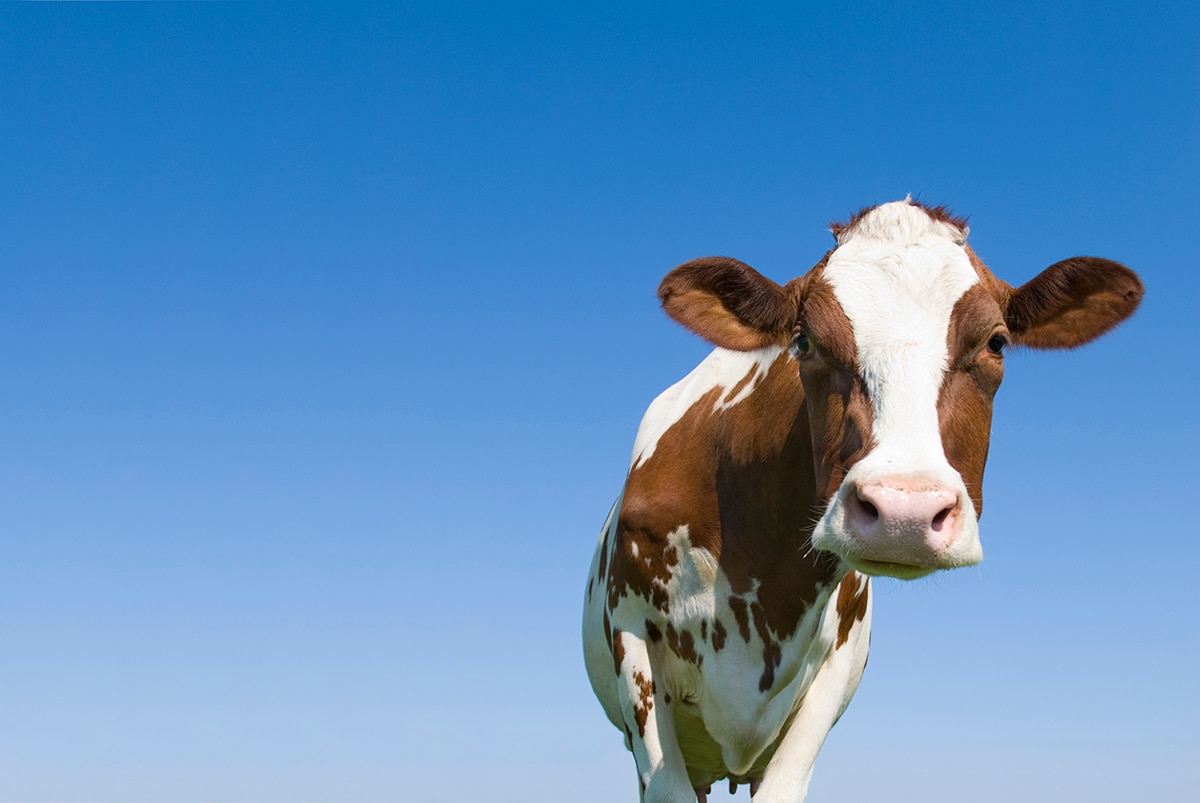
Cow in a pasture with a vibrant blue sky.

Learn more about the Bird Flu Current Situation in Cows in the United States.

Monitoring of Exposed Workers


CDC is working with USDA and state partners to monitor for infections in exposed persons in the states where detections in poultry, backyard flocks, or other animals have occurred.
  • People who have been exposed to infected birds, poultry, or other animals are actively monitored for 10 days after exposure.
  • Public health departments are working to monitor people who were exposed to birds/poultry or other animals infected with A(H5N1) virus.
  • People monitored who show symptoms are subsequently tested for novel influenza A and seasonal flu viruses along with other respiratory viruses.
  • CDC is engaging public health partner organizations to share information and ensure preparedness for any potential human infections.
CDC continues to support surveillance, contact tracing, and other steps to monitor for and reduce spread in jurisdictions where human infections with A(H5N1) virus are identified.

Ongoing Laboratory Activities

Genetic Sequencing and Virus Characterization


CDC will continue its ongoing assessment of the risk posed by these viruses, including conducting additional laboratory work to further characterize current A(H5N1) viruses.

Because flu viruses are constantly changing, CDC continually analyzes viruses to identify genetic changes that suggest these viruses might spread more easily to and between people, and cause serious illness in people, or for changes that suggest reduced susceptibility to antivirals, as well as changes in the virus that might mean a new vaccine virus should be developed.


Diagnostics


CDC’s diagnostic tools that are used to detect seasonal influenza viruses also can detect novel influenza A viruses including A(H5N1) viruses. These diagnostic tools are used at more than 100 public health laboratories in all 50 U.S. states and have been shared internationally as well.

Vaccines


As part of pandemic preparedness activities and as a WHO Collaborating Center, CDC regularly develops candidate vaccine viruses (CVVs)—viruses made for production of vaccine—for novel bird flu viruses with pandemic potential. Two existing HPAI A(H5N1) candidate vaccine viruses are already available to manufacturers, and which could be used to make vaccine if needed.

The virus is also very closely related to two existing A(H5N1) candidate vaccine viruses that are already available to manufacturers, and which could be used to make vaccine if needed.


Antivirals


There are four commercially available FDA-approved prescription antiviral treatment drugs recommended for influenza. CDC’s preliminary genetic analysis suggests that currently available FDA-approved antiviral treatments for seasonal flu would work against these viruses. There are no markers known to be associated with influenza antiviral resistance found in the virus sequences from the patient’s specimen.

Outreach and Education


In addition to conducting laboratory studies and active surveillance, CDC also is engaging public health partner organizations to share information and ensure preparedness for any potential human infections.

CDC is conducting broad outreach to the public to raise awareness about the current situation and that the current risk to the general public’s health is low, but that there are certain groups of people who are at a greater risk of infection who should take precautions.

CDC will provide updates on this situation as needed on the Avian Influenza Current Situation Summary or Avian News & Spotlights pages.

Additional Information
Last Reviewed: April 18, 2024

...

https://www.cdc.gov/flu/avianflu/what-cdc-doing-h5n1.htm
 
Information for People Exposed to Birds or Other Animals Infected with Avian Influenza Viruses


Español
Print

Public Health Monitoring Plan for USDA/APHIS Responders to Detections of Avian Influenza Virus in Poultry [325 KB, 17 pages]

This document provides guidance to local, state, and federal public health authorities on monitoring of persons potentially exposed to avian influenza A viruses during official United States Department of Agriculture Animal and Plant Health Inspection Service (APHIS) response activities in the United States.

The following information and guidance apply to include not only wild birds, poultry, and backyard captive birds but also other animals, wild terrestrial and marine mammals, domesticated animals such as dogs and cats, farmed animals such as mink, and livestock such as goats and cattle.

You are being given this information and these instructions, because you were recently around poultry, wild birds, or other animals, found to be infected with avian influenza viruses (“bird flu” viruses). Viruses like these have caused rare, sporadic infections in people, resulting in human illness ranging from mild (e.g., eye infections, cough, sore throat) to severe (e.g., pneumonia, shortness of breath, difficulty breathing). These viruses have the potential to cause human illness in people who have been exposed to infected birds or other animals.

Infected birds shed avian influenza viruses in their saliva, mucous, and feces. Other animals infected with avian influenza viruses might have viruses in respiratory secretions, blood, and other fluids including animal milk, and organ tissues such as the brain. Therefore, animals infected with avian influenza viruses can contaminate the environment they are living in with avian influenza viruses. Human infections with avian influenza viruses are rare, but they can happen when virus gets into a person’s eyes, nose, or mouth, or is inhaled. This can happen when viruses are in the air (in droplets or small particles, and possibly dust) and are deposited in the eyes or breathed in by a person, or possibly when a person touches something contaminated by avian influenza viruses and then touches their mouth, eyes, or nose. Most often these infections have occurred after unprotected contact with infected birds but can occur after exposure to other animals known or suspected to be infected with avian influenza viruses.

Because human infections with these avian influenza viruses are possible, all people with direct or close exposure to well-appearing, sick, or dead birds, poultry or backyard flocks, other animals that are known or suspected to be infected with avian influenza viruses, or their contaminated environment (e.g., living areas, animal bedding) including surfaces should be monitored for illness for 10 days after their last exposure. More information on exposure criteria for human infections with HPAI A(H5N1) virus is available at Highly Pathogenic Avian Influenza A(H5N1) Virus in Animals: Interim Recommendations for Prevention, Monitoring, and Public Health Investigations | Avian Influenza (Flu) (cdc.gov). State and local health departments are helping to monitor people’s health and you should contact your health department if you get any of the symptoms listed on this fact sheet during the 10 days after your last exposure. By following the instructions below, you can help ensure that you receive prompt medical evaluation, testing, and appropriate treatment if you become ill with signs and symptoms that could be due to bird flu.


Please follow these instructions carefully:
  1. Monitor your health for symptoms of avian influenza virus infection.
    During and then immediately after your last exposure to known or suspected infected birds, other infected animals, or areas and surfaces contaminated by infected birds and other animals, monitor yourself daily for any of these signs and symptoms for 10 days:
  • Fever (Temperature of 100°F [37.8°C] or greater) or feeling feverish/chills*
    Cough
    Sore throat
    Difficulty breathing/Shortness of breath
    Eye tearing, redness, or irritation
    Headaches
    Runny or stuffy nose
    Muscle or body aches
    Diarrhea
    *Fever may not always be present
You should observe your health daily even if you carefully followed all guidelines and instructions for properly putting on and taking off personal protective equipment (PPE) and maintaining biosecurity precautions.

Re-start your 10-day monitoring period from Day 1 if you are around infected birds, or other known or suspected infected animals, or contaminated environments again.

Your local/state health department should contact you regarding your exposure. Please follow all additional instructions that are given to you regarding monitoring for symptoms. They may, for example, ask you to respond to a daily phone call, email, or text message with a report on your health status.
  1. Call your state/local health department immediately if you develop any illness signs or symptoms during the 10-day observation period. Your health department will help you determine what to do next.
Remember:
  • Most of the signs and symptoms of bird flu overlap with those of other respiratory illnesses (like seasonal flu or COVID-19). Fever may not always be present.
  • If you develop any of the signs or symptoms listed on this fact sheet, immediately call the health department of the state you are in at the time. Your health department wants to hear from you, even if it turns out to be a ‘false alarm.’ Your health department will give you further instructions and might ask you to get tested for avian influenza virus infection.
  • If you have symptoms, stay home and limit contact with others as much as possible until the results of your test are known. Your health department might have additional instructions for you as well.
  • To test for avian influenza virus, a doctor or nurse will collect a sample from you by swabbing your nose and/or throat and possibly your eyes if you have eye redness or discomfort.
  • If you become sick while you are observing your health, a doctor might prescribe an antiviral medication for you that is used for treatment of seasonal flu. These drugs can also treat avian influenza virus infection. It is important to start antiviral treatment as soon as possible and to follow the directions for taking all of the medication that is prescribed. (CDC recommends that clinicians prescribe antiviral medications for treatment of ill persons who had exposure to avian influenza viruses and are suspected to be infected with avian influenza viruses.)
Additional Resources
Where to Find More Information:
Call 1-800-CDC-INFO (1-800-232-4636); TTY: 888-232-6348

Avian influenza (bird flu) virus infections in humans are of public health concern, not only because of the illness they may cause but because of their pandemic potential if they were to change to spread easily from person to person. Avian influenza (bird flu) virus infections can cause a wide range of illness, from mild to severe. Some avian influenza (bird flu) viruses have been associated with greater numbers of human infections and more serious illnesses in people and therefore may pose a greater public health risk. More Information on Bird Flu Infections in People.

Last Reviewed: April 18, 2024

...
https://www.cdc.gov/flu/avianflu/h5/infected-birds-exposure.htm
 
H5N1 Strain Of Bird Flu Found In Milk: WHO

By AFP - Agence France Presse
April 19, 2024

The H5N1 bird flu virus strain has been detected in very high concentrations in raw milk from infected animals, the WHO said Friday, though how long the virus survives in milk is unknown.
...
"The case in Texas is the first case of a human infected by avian influenza by a cow," said Wenqing Zhang, head of the global influenza programme at the World Health Organization.​

"Bird-to-cow, cow-to-cow and cow-to-bird transmission have also been registered during these current outbreaks, which suggest that the virus may have found other routes of transition than we previously understood," she told a media briefing in Geneva.
...
"Now we see multiple herds of cows affected in an increasing number of US states, which shows a further step of the virus spillover to mammals," Zhang said.

"The virus has also been detected in milk from infected animals."

Zhang said there was a "very high virus concentration in raw milk", but experts were still investigating exactly how long the virus is able to survive in milk.
...
"It is important for people to ensure safe food practices, including consuming only pasteurised milk and milk products," said Zhang.

https://www.barrons.com/news/h5n1-strain-of-bird-flu-found-in-milk-who-2ce2c194
 
32 affected herds as of April 19, 2024:


Highly Pathogenic Avian Influenza (HPAI) Detections in Livestock

Last Modified: April 19, 2024
...
Confirmed Cases of HPAI in Domestic Livestock
*Data updated weekdays by 4 pm ET.

image.png - Click image for larger version  Name:	image.png Views:	234 Size:	212.9 KB ID:	989045


State Species Date confirmed by NVSL

Michigan Dairy Milking Cattle 4/17/2024
Texas Dairy Milking Cattle 4/17/2024
Kansas Dairy Milking Cattle 4/17/2024
Michigan Dairy Milking Cattle 4/15/2024
Michigan Dairy Milking Cattle 4/12/2024
Texas Dairy Milking Cattle 4/10/2024
New Mexico Dairy Milking Cattle 4/10/2024
South Dakota Dairy Milking Cattle 4/9/2024
New Mexico Dairy Milking Cattle 4/9/2024
North Carolina Dairy Milking Cattle 4/9/2024
Texas Dairy Milking Cattle 4/9/2024
New Mexico Dairy Milking Cattle 4/6/2024
Michigan Dairy Milking Cattle 4/5/2024
Texas Dairy Milking Cattle 4/4/2024
Ohio Dairy Milking Cattle 4/2/2024
New Mexico Dairy Milking Cattle 4/1/2024
Kansas Dairy Milking Cattle 4/1/2024
Idaho Dairy Milking Cattle 4/1/2024
New Mexico Dairy Milking Cattle 4/1/2024
Texas Dairy Milking Cattle 3/30/2024
Michigan Dairy Milking Cattle 3/29/2024
Texas Dairy Milking Cattle 3/27/2024
Kansas Dairy Milking Cattle 3/26/2024
Texas Dairy Milking Cattle 3/26/2024
Texas Dairy Milking Cattle 3/25/2024​


https://www.aphis.usda.gov/livestock-poultry-disease/avian/avian-influenza/hpai-detections/livestock
 
Last edited:
Avian Influenza A(H5N1) U.S. Situation Update and CDC Activities


Current Situation Highlights Importance of Preventive Measures for People with Exposures

Español
Print

April 19, 2024 – CDC continues to respond to the public health challenge posed by the outbreak of avian influenza A(H5N1) virus, or “H5N1 bird flu” in dairy cows and other animals in the U.S. CDC is collaborating with partners including the U.S. Department of Agriculture (USDA), the Food and Drug Administration (FDA), and state public health and animal health officials to address this emerging infectious disease using a One Health approach. USDA is now reporting that eight U.S. states have outbreaks in dairy cattle and that the virus has spread through cattle movement between herds and also from dairy cattle premises into nearby poultry premises and has infected a number of barn cats. However, only one associated human case to date has been linked with this outbreak in dairy cows and was reported by Texas on April 1, 2024.[1] CDC’s response to this unprecedented outbreak of influenza A(H5N1) in dairy cattle and other animals most recently includes:
  • Supporting states monitoring people with exposure to cows, birds, or other domestic or wild animals infected or potentially infected with influenza A(H5N1) viruses. Testing for these people is being done by state or local officials using a CDC test, and CDC is conducting confirmatory testing when needed.
  • Continuing to work in the laboratory to better characterize the virus from the human case in Texas. This week CDC completed susceptibility testing for influenza antiviral medications that are used for seasonal influenza (e.g., the neuraminidase inhibitors oseltamivir, zanamivir and peramivir). Testing confirmed that the A(H5N1) virus was susceptible to all commercially available FDA-approved and recommended neuraminidase inhibitor antivirals. Testing to confirm susceptibility to baloxavir marboxil, a different antiviral medication, takes longer and is ongoing.
  • Studying human sera (blood) from people vaccinated against A(H5) to confirm that existing A(H5N1) candidate vaccine viruses (CVVs) will provide protection against the A(H5N1) virus isolated from the human case in Texas. Manufacturers could use these CVVs to make a vaccine if needed. Preliminary genetic analysis had suggested two existing CDC CVVs would offer protection against the virus isolated from the human case in Texas.
  • Designing an epidemiological field study and preparing a multilingual and multidisciplinary team to travel on site to better understand the current outbreak, particularly the public health and One Health implications of the emergence of this virus in cattle.
  • Engaging One Health partner organizations from public health, agriculture, milk regulatory officials, and others to share information and ensure preparedness to prevent and respond to this emerging infectious disease threat and for any potential human infections.
  • Monitoring emergency department data and flu testing data in areas where A(H5N1) bird flu viruses have been detected in dairy cattle or other animals for any unusual trends in flu-like illness, flu, or conjunctivitis. So far, these data remain in expected ranges, and to date, surveillance systems do not show any unusual trends or activity.
This is a rapidly changing, emerging situation and CDC is committed to providing frequent and timely updates.

What Might Happen


The wide geographic spread of A(H5N1) bird flu viruses in wild birds, poultry, and some other mammals, including in cows, is creating additional opportunities for people to be exposed to these viruses. Therefore, there could be an increase in sporadic human infections resulting from bird, cattle, and other animal exposures, even if the risk of these viruses spreading to people has not increased. Sporadic human infections in the current context would not significantly change CDC’s risk assessment.

What Would Increase Public Health Risk


Identification of multiple simultaneous instances of A(H5N1) bird flu viruses spreading from birds, cattle, or other animals to people or certain genetic changes in circulating viruses could change CDC’s risk assessment because they could indicate the virus is adapting to spread more easily from animals to people. Additionally, if limited, non-sustained, person-to-person spread with this virus were to occur, that would also raise the public health threat because it could mean the virus is adapting to spread between people. Sustained person-to-person spread is needed for a pandemic to occur.

Because of the potential for influenza viruses to constantly change, continued surveillance and preparedness efforts are critical, and CDC is taking measures to be ready in case the current risk assessment for the general public changes. The immediate goal is to prevent further spread of this virus between animals and people. CDC will continue to monitor these viruses and update and adjust guidance as needed. As a reminder, while CDC believes the current risk of A(H5N1) infection to the general public remains low, people with close, prolonged, or unprotected exposures to infected birds, cattle, or other animals, or to environments contaminated by infected birds, cattle, or other animals, are at a greater risk of infection. CDC has interim recommendations for prevention, monitoring, and public health investigations of A(H5N1) viruses. CDC also has recommendations for worker protection and use of personal protective equipment (PPE) to reduce the risk of exposure. Compliance with these recommendations is central to containing the public health risk. Additionally, unpasteurized (“raw”) milk from sick cattle has tested positive for A(H5N1) viruses. Consumption of raw milk can be dangerous and is not recommended. The FDA has Questions and Answers Regarding Milk Safety During Highly Pathogenic Avian Influenza (HPAI) Outbreaks | FDA.

[1] The first human case of A(H5N1) bird flu in the United States was reported in 2022 in a person in Colorado who had direct exposure to poultry and was involved in the depopulating of poultry with presumptive A(H5N1) bird flu. The person recovered. Learn more at U.S. Case of Human Avian Influenza A(H5) Virus Reported | CDC Online Newsroom | CDC.

Last Reviewed: April 19, 2024

https://www.cdc.gov/flu/avianflu/spotlights/2023-2024/one-health-situation-update.htm
 
Scientists Fault Federal Response to Bird Flu Outbreaks on Dairy Farms


By Apoorva Mandavilli and Emily Anthes
April 19, 2024
In the month since federal authorities announced an outbreak of bird flu on dairy farms, they have repeatedly reassured the public that the spate of infections does not impact the nation’s food or milk supply, and poses little risk to the public.

Yet the outbreak among cows may be more serious than originally believed. In an obscure online update this week, the Department of Agriculture said there is now evidence that the virus is spreading among cows, and from cows to poultry.

Officials in North Carolina have detected bird flu infections in a cattle herd with no symptoms, The New York Times has learned — information the U.S.D.A. has not shared publicly. The finding suggests that the infections may be more widespread than thought.

Whether there are asymptomatic animals elsewhere remains unclear, because the U.S.D.A. is not requiring farms to test cattle for infection. It has been reimbursing farmers for testing, but only for 20 cows per farm that were visibly ill. This week, the department said it would begin reimbursing farms for testing cows without symptoms.​…


snip

They are not actively monitoring infections in pigs, which are famously effective hosts for evolving flu viruses, and which are often kept in proximity to cattle. And officials have said they have “no concern” about the safety of milk, despite a lack of hard data…

snip
​…
Laboratory.

(Milk from infected but asymptomatic cows seems unchanged, according to a spokeswoman for the North Carolina agriculture department.)

snip
​…
The U.S.D.A. is not testing pigs or asking farmers to do so, Dr. Sifford said.

Testing cows for H5N1 infection requires approval from a state official. Milk samples obtained by an accredited veterinarian are typically packaged in tubes, packed in insulated coolers, and shipped to a U.S.D.A.-approved lab, along with a unique identifier. Positive tests are then confirmed by the U.S.D.A.’s national lab in Iowa.

Each step slows the speedy response needed to contain an outbreak, Dr. Inglesby said. Testing should be easy, free and accessible, he said….

Other dairy farmers are reluctant to test, worried that fears about bird flu could hurt their business, said Dr. Amy Swinford, director of the Texas A&M Veterinary Medical Diagnostic Laboratory.

“I think there’s many more dairies that have had this going on than what we’ve gotten samples from,” she said.
​…

​…:tiphat:
https://www.nytimes.com/2024/04/19/health/bird-flu-usda-cattle.html
 
Last edited by a moderator:
USDA releases H5N1 bird flu genetic data eagerly awaited by scientists
By Helen Branswell
April 21, 2024

The U.S. Department of Agriculture, which has been under pressure from scientists both at home and abroad to share more data on the H5N1 bird flu outbreaks in dairy cows, uploaded a large number of genetic sequences of the pathogen late Sunday.

Access to the 239 genetic sequences will help scientists assess whether the dangerous virus has acquired mutations that might make it easier for it to spread to and among mammals, and whether additional changes have been seen as it moves from cow to cow and herd to herd. In addition to virus sequences from cattle, the trove includes sequences of viruses retrieved from cats, chickens, a skunk, a racoon, a grackle, a blackbird, and a goose, the agency said.

......The department initially shared a number of sequences, all of which appeared to be from the original outbreak in Texas. Since then, 32 herds in eight states have been confirmed to have been infected with H5N1. While it is deadly to poultry and to a number of types of mammals, in cows it does not appear to cause severe illness....

While the USDA believes the virus is spreading from cow to cow, it is as yet uncertain how it is transmitting, noting there doesn’t appear to be large amounts of virus in the nasal passages of infected animals.....

:tiphat:

​​​​​​https://www.statnews.com/2024/04/21...u-genetic-data-eagerly-awaited-by-scientists/
 
USDA Publishes H5N1 Influenza A Virus Genetic Sequences on publicly available site


Last Modified: April 21, 2024
Print
Today, the APHIS National Veterinary Services Laboratories made available 239 genetic sequences from the U.S. H5N1 clade 2.3.4.4b influenza virus recently found in samples associated with the ongoing highly pathogenic avian influenza (HPAI) outbreak in poultry and wild birds, and the recent H5N1 event in dairy cattle.

APHIS routinely publishes influenza genetic sequence data on GISAID (the Global Initiative on Sharing Avian Influenza Data); however, in the interest of public transparency and ensuring the scientific community has access to this information as quickly as possible to encourage disease research and development to benefit the U.S. dairy industry,

APHIS is also rapidly sharing raw sequence data to the National Institute of Health’s National Library of Medicine, National Center for Biotechnology Information. Sequences posted are from cattle, cats, chickens, skunk, racoon, grackle, blackbird, and goose. APHIS will continue making additional raw genetic sequences available on a rolling basis at Home - SRA - NCBI (nih.gov); use the search term “WGS of H5N1”.
​:tiphat:https://www.aphis.usda.gov/livestoc...a/usda-publishes-h5n1-influenza-virus-genetic
 
USDA assesses vaccine to protect cattle from bird flu virus

​Updated on April 22, 2024
By Chuck Abbott

The Agriculture Department said its research agency “has begun to assess the potential to develop an effective vaccine” against the H5N1 bird flu virus in cattle, although it warned that it is too early to say how long the process would take. ...

In an updated fact sheet, the Animal and Plant Health Inspection Service (APHIS) said that while wild migratory birds are believed to be the original source of the virus, it has been passed from cow to cow in some instances. “Additionally, we have similar evidence that the virus also spread from dairy cattle premises back into nearby poultry facilities through an unknown route.”​ ...

Vaccine manufacturers have expressed interest in developing vaccines for H5N1 in poultry and cattle, said APHIS.

For some time, the USDA has explored an HPAI vaccine for poultry. However, using a vaccine would imperil egg and poultry meat exports because it is currently impossible to identify products from infected animals. Vaccinating flocks would be time consuming and expensive, since there are tens of millions of chickens and turkeys. By contrast, there were 8.9 million dairy cows at latest count.​ ...

https://www.agriculture.com/usda-as...partment said its,long the process would take.
 
USDA shares recent H5N1 avian flu sequences amid more dairy herd outbreaks


Lisa Schnirring


Today at 2:04 p.m.​
...

The US Department of Agriculture (USDA) Animal and Plant Health Inspection Service (APHIS) last night announced that it has shared 239 recent genetic sequences of the H5N1 avian flu virus from poultry, wild birds, and dairy cows, which will help scientists look for new clues about the spread of the virus.

In related developments over the past 3 days, APHIS reported four more H5N1 detections in dairy herds, along with more positive findings in wild birds and poultry. Also, the Centers for Disease Control and Prevention (CDC) posted a recent update on its actions to look for new human infections.

Eagerly awaited genetic sequences

...As the outbreak nears the 1-month mark, it's still not known how the 2.3.4.4b H5N1 clade is now able to infect cows and exactly how it is spreading in dairy herds. With the virus still spreading across multiple world regions, veterinary experts are looking for answers to protect dairy cows and human health.

Some scientists have voiced frustration with the slow pace of sharing genetic sequences and other investigation details. Until yesterday, only a few genetic sequences were available from the recent outbreaks, including those from a few cows and cats that were detailed in a recent preprint paper from a team at Iowa State University.

In its statement, APHIS said it usually publishes sequences on GISAID, the Global Initiative on Sharing All Influenza Data, but for transparency and to speed research, it shared raw sequence data via the National Institutes of Health National Center for Biotechnology Information. It added that the sequences are from cattle, cats, chickens, skunk, racoon, grackle, blackbird, and goose and that it will continue to make the data available on a rolling basis.

Louise Moncla, PhD, assistant professor of pathobiology at the University of Pennsylvania School of Veterinary Medicine, today on X welcomed the posting of the raw genetic sequencing, but said analysis steps such as downloading and mapping will take time, and it will take a while before scientists can show how the viruses are related to each other....
​:tiphat:
​​​​​​https://www.cidrap.umn.edu/avian-in...-flu-sequences-amid-more-dairy-herd-outbreaks
 
Status
Not open for further replies.
Back
Top