
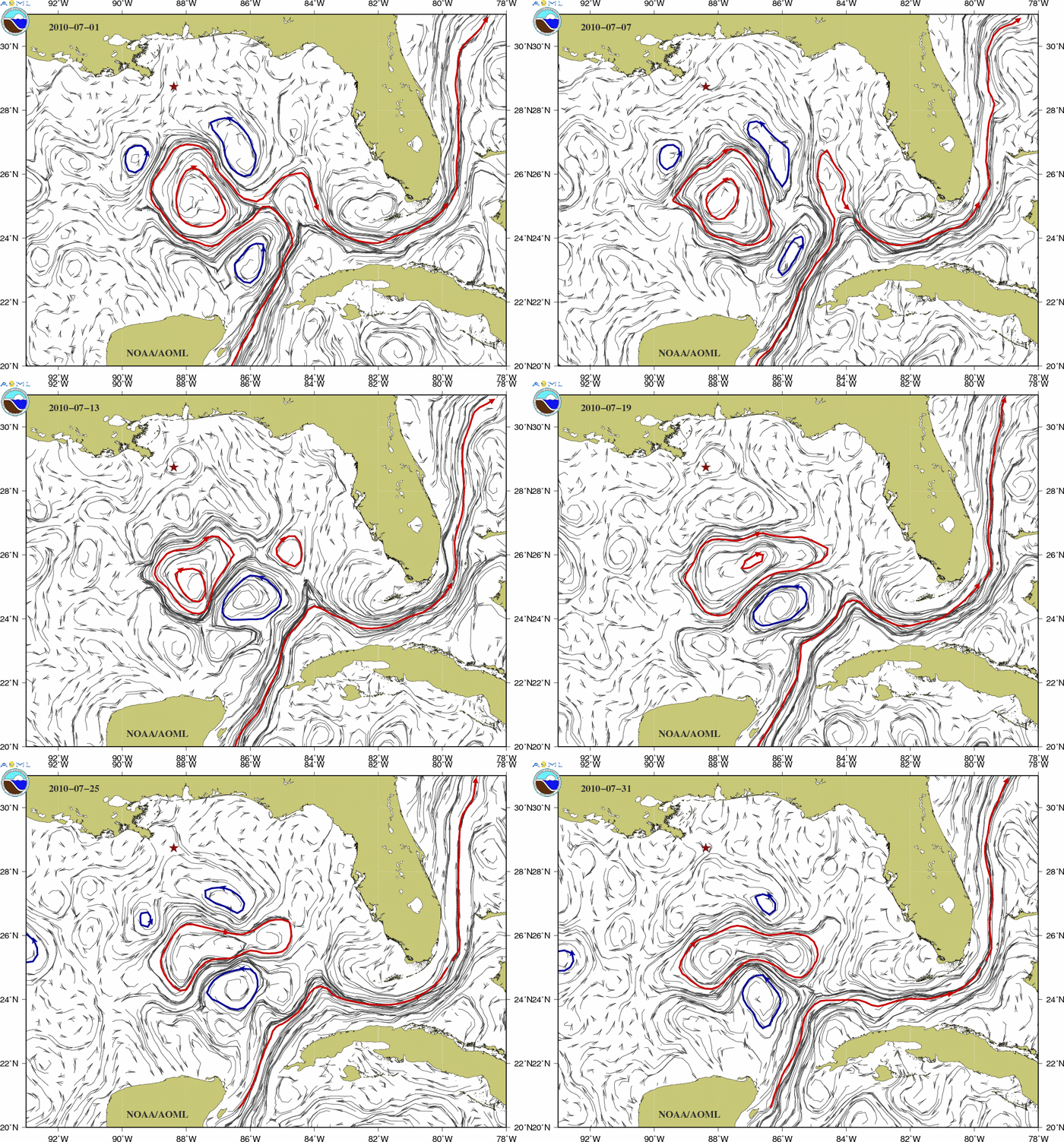
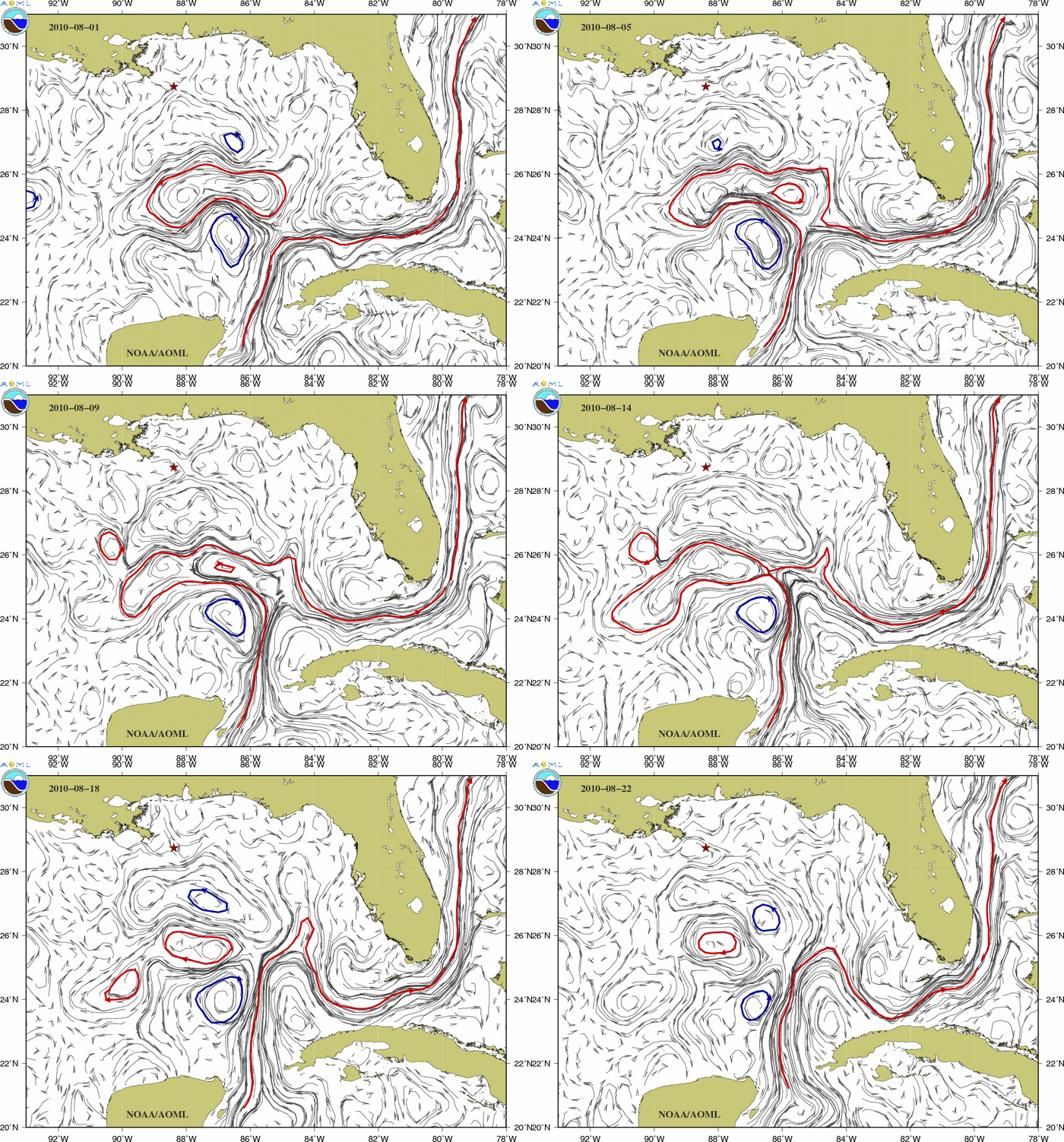
Re: NOAA Observations Indicate a Small Portion of Light Oil Sheen Has Entered the Loop Current
#20: "... said researchers can’t predict what oil or tar balls would do to the reef tract.
“ We haven’t done this experiment before,” ...
We’ll let you know after it’s over.”"
a typical "first we must do the experiment to know" logic
well, I think grassrootly we all can imagin what it will be with the spill affected reefs when toxic liquid oil blobs will stick onto the living polips of the reef ...
they (polip and algae) will be chocked, deprived of light/oxigen, and die
:yinyang:
http://www.coral.org/resources/about_coral_reefs/coral_overview
excerpt:
"Coral polyps eat in two different ways according to the species. Many coral polyps are nourished by a tiny algae called zooxanthellae (pronounced zo-zan-THEL-ee). The algae live within the coral polyps, using sunlight to make sugar for energy just like plants. Zooxanthellae process the waste of the polyp to retain important nutrients and in turn provide the polyp with oxygen. Meanwhile, the coral polyps provide the algae with carbon dioxide and a safe, protected home. Zooxanthellae living within the tissue of hard corals can supply them with up to 98 percent of their nutritional needs. Another way that corals eat is by catching tiny floating animals known as zooplankton. At night , coral polyps come out of their skeletons to feed, making the reef look like a wall of hungry mouths. The polyps stretch out their long, stinging tentacles to capture the zooplankton that are floating by. The captured plankton are then put into the polyps' mouths and digested in their stomachs."
#20: "... said researchers can’t predict what oil or tar balls would do to the reef tract.
“ We haven’t done this experiment before,” ...
We’ll let you know after it’s over.”"
a typical "first we must do the experiment to know" logic
well, I think grassrootly we all can imagin what it will be with the spill affected reefs when toxic liquid oil blobs will stick onto the living polips of the reef ...
they (polip and algae) will be chocked, deprived of light/oxigen, and die
:yinyang:
http://www.coral.org/resources/about_coral_reefs/coral_overview
excerpt:
"Coral polyps eat in two different ways according to the species. Many coral polyps are nourished by a tiny algae called zooxanthellae (pronounced zo-zan-THEL-ee). The algae live within the coral polyps, using sunlight to make sugar for energy just like plants. Zooxanthellae process the waste of the polyp to retain important nutrients and in turn provide the polyp with oxygen. Meanwhile, the coral polyps provide the algae with carbon dioxide and a safe, protected home. Zooxanthellae living within the tissue of hard corals can supply them with up to 98 percent of their nutritional needs. Another way that corals eat is by catching tiny floating animals known as zooplankton. At night , coral polyps come out of their skeletons to feed, making the reef look like a wall of hungry mouths. The polyps stretch out their long, stinging tentacles to capture the zooplankton that are floating by. The captured plankton are then put into the polyps' mouths and digested in their stomachs."


 <SCRIPT language=JavaScript> <!-- resizeToImage(700,501); // --> </SCRIPT>
 <SCRIPT language=JavaScript> <!-- resizeToImage(700,501); // --> </SCRIPT>