

Pathfinder
Editor, Senior Moderator
Gulf oil spill's wide environmental reach includes harm to animals, marshland
By David A. Fahrenthold and Juliet Eilperin
Washington Post Staff Writers
Friday, April 30, 2010; 4:11 PM
Experts say it's not clear yet how much the massive oil spill in the Gulf of Mexico will harm the environment along the coasts of Louisiana, Mississippi and other gulf states. But they say it is clear the harm will be great.
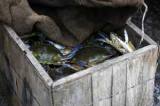
That stretch of coastline is full of marshlands, replete with reeds and piles of dead grass that could soak up oil like a sponge. Unlike fish, the area's famous populations of blue crabs and oysters won't be able to outrun the slick. And, precisely at this time of year, the region is host to vast numbers of migratory birds returning from their wintering grounds in South America.
Besides the damage to fish and wildlife, even the land itself could be a victim of the spill. One scientist said if the oil kills marsh grasses, it could eliminate a key natural barrier that keeps Louisiana's precious coastline from eroding.
Add all that up, and one environmental activist described the range of possibilities as "bad to very bad."
"It's a potential mega-disaster," said Michael Parr, a vice president at the American Bird Conservancy. He said that migratory and native birds -- whose food often lies below the water's oil-slicked surface -- could be among the worst-hit.
"It depends on what the oil does," Parr said, meaning whether strong winds blow it toward shore, and whether recovery crews can cap the leak spilling oil from the ocean floor. "I can't imagine we're not going to see mass casualties."
The spill, which followed the explosion of the Deepwater Horizon drilling rig, is now growing by 5,000 barrels a day. If it continues for three months, the spill will be on pace to rival the infamous Exxon Valdez oil spill of 1989 -- but the oil is headed toward a different coastline.
Instead of rocky Alaskan beaches, which could at least be hosed clean, it is drifting toward Louisiana's huge coastal marshes.
"There's no way to wash the oil out of a Spartina marsh," said Thomas Shirley, a professor at Texas A&M University's Harte Research Institute for Gulf of Mexico Studies. Spartina, or cordgrass, is the dominant plant in these marshes. "It's just a big sponge."
Shirley said that these marshes rest on a thick layer of dead grass stalks, which could absorb the oil and then release it back into the water over a period of years. For now, he said, what's reached the marshes is a thin sheen of oil. But he said that's just the beginning.
"That thick layer is there. It's coming," Shirley said.
If those marshes are saturated with oil, it could be toxic to the many species that live and raise their young among the grass blades. But Ed Overton of Louisiana State University said the oil could kill the grass itself, which serves to break up waves before they hit the state's rapidly dwindling coast.
Overton said his worries grew after a university lab analyzed a sample of the oil. "It's not terribly toxic, but it does appear to be terribly sticky," he said, which meant it could coat grass blades and kill them.
/.../
More at: http://www.washingtonpost.com/wp-dyn/content/article/2010/04/30/AR2010043001788.html
By David A. Fahrenthold and Juliet Eilperin
Washington Post Staff Writers
Friday, April 30, 2010; 4:11 PM
Experts say it's not clear yet how much the massive oil spill in the Gulf of Mexico will harm the environment along the coasts of Louisiana, Mississippi and other gulf states. But they say it is clear the harm will be great.
That stretch of coastline is full of marshlands, replete with reeds and piles of dead grass that could soak up oil like a sponge. Unlike fish, the area's famous populations of blue crabs and oysters won't be able to outrun the slick. And, precisely at this time of year, the region is host to vast numbers of migratory birds returning from their wintering grounds in South America.
Besides the damage to fish and wildlife, even the land itself could be a victim of the spill. One scientist said if the oil kills marsh grasses, it could eliminate a key natural barrier that keeps Louisiana's precious coastline from eroding.
Add all that up, and one environmental activist described the range of possibilities as "bad to very bad."
"It's a potential mega-disaster," said Michael Parr, a vice president at the American Bird Conservancy. He said that migratory and native birds -- whose food often lies below the water's oil-slicked surface -- could be among the worst-hit.
"It depends on what the oil does," Parr said, meaning whether strong winds blow it toward shore, and whether recovery crews can cap the leak spilling oil from the ocean floor. "I can't imagine we're not going to see mass casualties."
The spill, which followed the explosion of the Deepwater Horizon drilling rig, is now growing by 5,000 barrels a day. If it continues for three months, the spill will be on pace to rival the infamous Exxon Valdez oil spill of 1989 -- but the oil is headed toward a different coastline.
Instead of rocky Alaskan beaches, which could at least be hosed clean, it is drifting toward Louisiana's huge coastal marshes.
"There's no way to wash the oil out of a Spartina marsh," said Thomas Shirley, a professor at Texas A&M University's Harte Research Institute for Gulf of Mexico Studies. Spartina, or cordgrass, is the dominant plant in these marshes. "It's just a big sponge."
Shirley said that these marshes rest on a thick layer of dead grass stalks, which could absorb the oil and then release it back into the water over a period of years. For now, he said, what's reached the marshes is a thin sheen of oil. But he said that's just the beginning.
"That thick layer is there. It's coming," Shirley said.
If those marshes are saturated with oil, it could be toxic to the many species that live and raise their young among the grass blades. But Ed Overton of Louisiana State University said the oil could kill the grass itself, which serves to break up waves before they hit the state's rapidly dwindling coast.
Overton said his worries grew after a university lab analyzed a sample of the oil. "It's not terribly toxic, but it does appear to be terribly sticky," he said, which meant it could coat grass blades and kill them.
/.../
More at: http://www.washingtonpost.com/wp-dyn/content/article/2010/04/30/AR2010043001788.html



 pounds of menhaden were caught in the Gulf last year.