• FluTrackers.com Inc. does not provide medical advice. Information on this web site is collected from various internet resources, and the FluTrackers board of directors makes no warranty to the safety, efficacy, correctness or completeness of the information posted on this site by any author or poster. The information collated here is for instructional and/or discussion purposes only and is NOT intended to diagnose or treat any disease, illness, or other medical condition. Every individual reader or poster should seek advice from their personal physician/healthcare practitioner before considering or using any interventions that are discussed on this website. By continuing to access this website you agree to consult your personal physican before using any interventions posted on this website, and you agree to hold harmless FluTrackers.com Inc., the board of directors, the members, and all authors and posters for any effects from use of any medication, supplement, vitamin or other substance, device, intervention, etc. mentioned in posts on this website, or other internet venues referenced in posts on this website.
  • We are not asking for any donations. Do not donate to any entity who says they are raising funds for us.

Cruise ship - Hantavirus - May 3+ - As of May 22 per WHO: 13 total cases, 3 total deaths - WHO considers the outbreak over (July 2, 2026)

I saw in the Hanta Argentina thread that Hanta andes is mire lethal, occurs in Argentina, also in 25 an 26. In 2019 suspected H2H. With up to 5 weeks incubationtime and the timelines above it could be independent exposures to the same source on the ship or (limited?) H2H. But for now it remains unclear.

But "the wife had become unwell during the return journey and had later died" sounds ominous if it is human transmission with a up to 5 wk incubation period. How many others have deboarded in the meantime ?

Just my thoughts right now. Not alarmed, but following how this develops.
 
The BBC have an excellent summary as well. It may be that the wife of the person who died and was transferred from St. Helena back to the Netherlands passed away on the journey.

https://www.bbc.co.uk/news/articles/cy0294829ndo
image.png
 
See also posts #13 and 15 above,
Excerpt:
“The second affected passenger was of a 69-year-old female, the spouse of the first patient, who collapsed at the OR Tambo International Airport while trying to connect a flight to her home country of the Netherlands. She was taken to a nearby health facility around Kempton Park for medical attention and, unfortunately, passed away. Laboratory test results for the patient are outstanding,” the department explained."
-----------------------------
Note:
O. R. Tambo International Airport (IATA: JNB, ICAO: FAOR) is an international airport serving the twin cities of Johannesburg and the main capital of South Africa, Pretoria. It is situated in Kempton Park, Gauteng.
/https://en.wikipedia.org/wiki/O._R._Tambo_International_Airport
 
CIDRAP- WHO warns of hantavirus on cruise ship, with 3 dead, 3 others sickened

www.cidrap.umn.edu/misc-emerging-topics/who-warns-hantavirus-cruise-ship-3-dead-3-others-sickened

WHO warns of hantavirus on cruise ship, with 3 dead, 3 others sickened


Stephanie Soucheray, MA


Today at 4:20 p.m.

Misc Emerging Topics
Three people are dead and three others are sickened in a suspected hantavirus outbreak on a Dutch cruise ship that was sailing in the Atlantic ocean, the World Health Organization (WHO) said yesterday.

“To date, one case of hantavirus infection has been laboratory confirmed, and there are five additional suspected cases. Of the six affected individuals, three have died and one is currently in intensive care in South Africa,” WHO posted on X. “While rare, hantavirus may spread between people, and can lead to severe respiratory illness and requires careful patient monitoring, support and response.”

While rare, hantavirus may spread between people.

The illnesses occurred on the polar cruise ship MV Hondius, which was traveling between Argentina and the Canary Island and departed Ushuaia, Argentina, three weeks ago. Among the three fatalities are an elderly couple from the Netherlands.

Two sick patients remain on board the ship, and are awaiting medical evacuation to the Netherlands, the WHO said. The WHO estimates 150 people, including passengers and crew, remain on the ship, which is anchored near Cape Verde. Passengers are being told to stay in their cabins while the ship is cleaned and sanitized.

Strain of virus likely from South America


This is the first known outbreak of hantavirus associated with cruise ships. The virus is carried by rodents; humans contract the virus via inhalation of animal droppings and urine. Rarely, person-to-person transmission has been reported.

“Outbreaks of hantavirus have not previously been reported in association with cruise ships,” Nicole M. Iovine, MD, PhD, of the University of Florida, told CIDRAP News. “It is possible, though, that isolated illnesses have occurred in the past and not recognized to be caused by hantavirus.”

The strain of hantavirus involved in this outbreak is unknown, but Daniel Lucey, MD, MPH, of Dartmouth University, said there are important clues. First, patients reported respiratory symptoms, which suggests a strain that infects the lungs. The Andes strain is found mostly in South America, while the Sin Nombre strain was first discovered in the southwest United States in 1993. Both of these strains from the Americas can cause severe respiratory illness and are fatal in about 38% of cases.

The cruise ship is Dutch, but the three main European strains of the hantavirus do not cause lung disease, Lucey explained. Instead, those strains attack the kidneys, and no person-to-person transmission has been documented with European strains.

“Only Andes is sometimes contagious person-to-person, through close contacts, as best established when the virus is transmitted from a patient to a health care provider,” Lucey said. “In other settings, two or more infected people might have been exposed to aerosolized virus found in rodent urine, droppings or saliva, especially given that the virus can persist for days in the environment.”

Lucey emphasized that it’s still not clear how the six patients on the cruise ship were infected. Iovine said the outbreak is likely an extremely rare event.

“However if a passenger were to see rodents like mice or rats on their ship, or if they saw potential rodent droppings or urine, they should avoid the area and notify cruise personnel,” she said. “Since the virus can be aerosolized by cleaning, it’s important that the room be left vacant for approximately 90 minutes to allow sufficient air exchange so that the air is safe.”
 
Press update: updated timeline of the medical situation on board m/v Hondius


by Oceanwide Expeditions News 04.05.2026

media69f88d215e89c163325566.jpg
4 May 2026, 23:30 CET

Oceanwide Expeditions continues to deal with a serious medical situation on board m/v Hondius, which remains at anchor off the coast of Cape Verde.

Two crew members on board continue to present acute respiratory symptoms, one mild and one severe. Both require urgent medical care. These crew members are of British and Dutch nationality. At this time, no other persons with symptoms have been identified.

Oceanwide Expeditions can confirm, via the WHO, that a variant of hantavirus has been identified as being present in the female Dutch national who passed away on 27 April 2026 after disembarkation in Saint Helena. This brings the total number of confirmed hantavirus cases to two.

The atmosphere on board m/v Hondius remains calm, with passengers generally composed. Oceanwide Expeditions is working to provide clarity and reassurance to guests and expedite their disembarkation and medical screening. Oceanwide Expeditions team members are working diligently to support all individuals on board and uphold stringent health and safety procedures as part of Oceanwide Expeditions' SHIELD response plan. This is currently at level 3, the highest response level, and includes isolation measures, hygiene protocols and medical monitoring.

Dutch authorities are actively preparing a medical evacuation of the two symptomatic individuals along with the individual associated with the guest that passed away on 2 May. This will involve two specialized aircraft equipped with the necessary medical equipment and staffed by trained medical crews. This is not confirmed and is subject to change. An accurate timeline of this complex operation is currently unknown and will be shared in a future press update.

The vessel remains off the coast of Cape Verde. There are 149 people on board, representing 23 different nationalities. The disembarkation of passengers, medical evacuation and medical screening require permission from, and coordination with, the local health authorities. Local health authorities have visited the vessel and assessed the situation. The medical transfer of the two ill persons on board has not yet taken place. Close cooperation continues with local and international authorities, including the WHO, the RIVM, relevant embassies and the Dutch Ministry of Foreign Affairs.

We can confirm that guests will not be disembarking in Cape Verde, except for the three individuals who are planned to be medically evacuated. At this stage, a definitive disembarkation point for the remaining guests on board m/v Hondius has not been finalized. Sailing on to Las Palmas or Tenerife is being considered, where further medical screening and handling could take place, organized and supervised by the WHO and Dutch health services. This is yet to be confirmed. When concrete information regarding the disembarkation and medical screening procedures for all remaining guests on board m/v Hondius is available, it will be shared in a future press update.

An updated timeline of the medical situation on board m/v Hondius is as follows:
  • On 11 April, a passenger died on board. The cause of death could not be determined on board. On 24 April, this passenger was disembarked on St Helena, with his wife accompanying the repatriation.
  • On 27 April, Oceanwide Expeditions was informed that the wife had become unwell during the return journey and had later died. Both passengers were Dutch nationals. On 4 May 2026, a variant of hantavirus was identified as being present in this individual.
  • On 27 April, another passenger became seriously ill and was medically evacuated to South Africa. This person is currently being treated in the intensive care unit in Johannesburg and is in a critical but stable condition. This passenger is of British nationality. A variant of hantavirus has been identified in this patient.
  • On 2 May, another passenger on board died. The cause has not yet been established. This passenger was of German nationality.

Oceanwide Expeditions remains in close contact with those directly involved and their families, and is providing support where possible.

We understand the considerable interest and concern and will share new information as soon as it has been verified.​
...

https://oceanwide-expeditions.com/b...of-the-medical-situation-on-board-m-v-hondius
 
Ascension Island Government

Suspected hantavirus on MV Hondius update

4 May 2026


Government, Press Release Ascension Island Government (AIG) is aware of a confirmed case of Hantavirus associated with a passenger from the expedition vessel MV Hondius. On Monday 27 April 2026, a passenger from the vessel was admitted to Georgetown Hospital. The same individual was then medically evacuated on Wednesday 29 April. It has since been confirmed that the patient was infected with a strain of Hantavirus.

Hantavirus is typically spread through contact with infected rodents. Transmission between individuals is rare. Symptoms may include fever, fatigue, headaches, muscle pains, abdominal cramps, diarrhoea and vomiting. In some cases, coughing and breathing difficulties may develop later in the illness.

As a precaution, a small number of hospital staff who were involved in the patient’s care are self-monitoring for symptoms in line with established public health guidance. The risk to the wider community is extremely low, and there is no cause for immediate concern.

AIG is working closely with the community, St Helena Government and the United Kingdom Health Security Agency (UKHSA) to monitor the situation.

In the meantime, the following additional measures are being introduced in Georgetown Hospital:

• Medical staff will use basic personal protective equipment (PPE), including gloves and masks, during patient consultations.

• Face-to-face consultations will be limited where possible. Patients are asked to avoid booking non-urgent appointments for the next two weeks. This will be kept under review.

• Individuals requiring medical assistance should call the hospital on 66252 in the first instance.

• Arrangements for the collection of repeat medications can be made by contacting the hospital in advance.

• An additional medical officer is being recruited to assist with maintaining essential services to our community during this period.

AIG thanks the public for their cooperation and understanding. Further updates will be provided when available. Office of the Administrator

04 May 2026​

https://www.ascension.gov.ac/suspected-hantavirus-on-mv-hondius-update
 
Tristan da Cunha Government News

Suspected Hantavirus on the Cruise Ship MV Hondius

Report from Tristan da Cunha Administrator Philip Kendall


As widely reported in the international media on the 3rd May 2026, including BBC News Online, a suspected outbreak of a hantavirus has occurred on the cruise ship MV Hondius during a South Atlantic island hopping voyage from Ushuaia, Argentina to the Cape Verde Islands. At the time of writing, three people have sadly died and three others are ill. The Hondius visited Tristan on the 13th to 15th April during this voyage, so this development is of serious concern to the island.

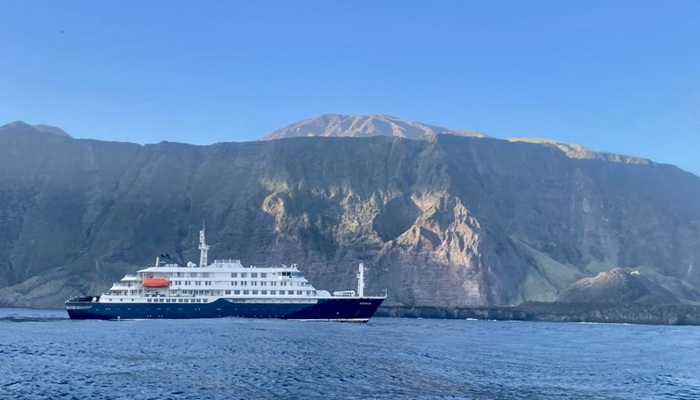
pk-2026-04-14-hondius.jpg


The cruise ship MV Hondius off Tristan da Cunha on the 14th April 2026. Photo: Philip Kendall

We understand that the first passenger was taken ill after the ship left South Georgia and unfortunately passed away before arrival at Tristan. Another passenger passed away following evacuation to Johannesburg, South Africa, where the cause of death was identified as a hantavirus. A third passenger passed away on board the ship en route to Cape Verde and a further passenger is in intensive care in Johannesburg, while two crew members are also being treated. The ship continued to Cape Verde, where she is currently at anchor.

The following Public Notice and FAQ were issued by the Tristan da Cunha Administrator today, the 4th May 2026:
tdccrest.jpg


Tristan da Cunha

PUBLIC NOTICE


You will have seen the news of an evolving situation regarding a severe illness, affecting several passengers on the MV Hondius which recently visited Tristan 13-15 April 2026.

The suspected cause is hantavirus, which is usually spread through contact with infected rodents, but may eventually pass from person-to-person. Symptoms can include fever, extreme fatigue (feeling more tired than usual), muscle aches, stomach pain, nausea, vomiting, diarrhoea or shortness of breath. Some people may develop severe breathing difficulty requiring hospital care.

We know that passengers came ashore and may have had some contact with members of our local community but whilst the virus can be serious, no cases of this illness have been identified on Tristan and there is no significant cause for concern on the island at this time.

We are working closely with the United Kingdom Health Security Agency (UKHSA) and other international partners to assess and manage the situation. The islanders who travelled to St Helena on the MV Hondius are being advised by Public Health in St Helena to undertake a period of self-isolation, just as a precaution. We will do the same here where necessary. The Government will provide full support to those who are asked to do so. A full risk-based contact tracing process is underway to identify and notify such persons on St Helena, Ascension and Tristan.

The risk to the wider community is low and no additional precautions are necessary at this time. However out of the abundance of caution, should you experience a significant fever (>38°C), then you should contact the hospital on 5000 for advice but please DO NOT attend in person.

Your support and cooperation is greatly appreciated. Further updates will be provided on a regular basis.

I attach some frequently asked questions and answers for your information.

Philip Kendall

Administrator, 4th May 2026 Downloads
https://www.tristandc.com/government/news-2026-05-04-hondius-hantavirus.php
 
my bolding in 1st paragraph


Disease Outbreak News

Hantavirus cluster linked to cruise ship travel, Multi-country

4 May 2026


Situation at a glance

On 2 May 2026, a cluster of passengers with severe respiratory illness aboard a cruise ship was reported to the World Health Organization. The ship is carrying 147 passengers and crew. As of 4 May 2026, seven cases (two laboratory confirmed cases of hantavirus and five suspected cases) have been identified, including three deaths, one critically ill patient and three individuals reporting mild symptoms. Illness onset occurred between 6 and 28 April 2026 and was characterized by fever, gastrointestinal symptoms, rapid progression to pneumonia, acute respiratory distress syndrome and shock. Further investigations are ongoing. The outbreak is being managed through coordinated international response, and includes in-depth investigations, case isolation and care, medical evacuation and laboratory investigations. Human hantavirus infection is primarily acquired through contact with the urine, faeces, or saliva of infected rodents. It is a rare but severe disease that can be deadly. Although uncommon, limited human to human transmission has been reported in previous outbreaks of Andes virus (a specific species of hantavirus). WHO currently assesses the risk to the global population from this event as low and will continue to monitor the epidemiological situation and update the risk assessment.


Description of the situation


On 2 May 2026, WHO received notification from the National International Health Regulations (2005) (IHR) Focal Point of the United Kingdom of Great Britain and Northern Ireland (hereafter referred to as the United Kingdom) regarding a cluster of severe acute respiratory illness, including two deaths and one critically ill passenger, aboard a Dutch-flagged cruise ship. On 2 May 2026, laboratory testing conducted in South Africa confirmed hantavirus infection in one patient who is critically ill and in intensive care. On 3 May, one additional death was reported. A further three suspected cases remain on board. As of 4 May, a total of seven (two confirmed and five suspected) cases, including three deaths, have been reported.


The vessel departed Ushuaia, Argentina, on 1 April 2026 and followed an itinerary across the South Atlantic, with multiple stops in remote and ecologically diverse regions, including mainland Antarctica, South Georgia, Nightingale Island, Tristan da Cunha, Saint Helena, and Ascension Island. The extent of passenger contact with local wildlife during the voyage, or prior to boarding in Ushuaia remains undetermined. The vessel carries a total of 147 individuals, including 88 passengers and 59 crew members. Onboard passengers and crew represent 23 nationalities. As of 4 May 2026, the vessel is moored off the coast of Cabo Verde.


Summary of cases:


Case 1: An adult male developed symptoms of fever, headache, and mild diarrhoea on 6 April 2026 while on board the ship. By 11 April, the case developed respiratory distress and died on board on the same day. No microbiological tests were performed. The body of the passenger was removed from the vessel to Saint Helena (a British Overseas Territory) on 24 April.


Case 2: An adult female, who was a close contact of case 1, went ashore at Saint Helena on 24 April 2026 with gastrointestinal symptoms. She subsequently deteriorated during a flight to Johannesburg, South Africa, on 25 April. She later died upon arrival at the emergency department on 26 April. On 4 May, the case was subsequently confirmed by PCR with hantavirus infection. Contact tracing for passengers on the flight has been initiated.


Cases 1 and 2, had travelled in South America, including Argentina, before they boarded the cruise ship on 1 April 2026.


Case 3: An adult male presented to the ship's doctor on 24 April 2026 with febrile illness, shortness of breath and signs of pneumonia. On 26 April, his condition worsened. He was medically evacuated from Ascension to South Africa on 27 April, where he is currently hospitalised in an Intensive Care Unit (ICU). Laboratory testing on an extensive respiratory pathogen panel was negative; however, polymerase chain reaction (PCR) testing confirmed hantavirus infection on 2 May 2026. Serology, sequencing and metagenomics are ongoing.


Case 4: An adult female, with presentation of pneumonia, died on 2 May 2026. The onset of symptoms was on 28 April, with fever and a general feeling of being unwell.

Three suspected cases have reported high fever and/or gastrointestinal symptoms and remain on board. Medical teams in Cabo Verde are evaluating the patients and collecting additional specimens for testing.

Public health response


Authorities from States Parties involved in the management of the event to date – Cabo Verde, the Netherlands, Spain, South Africa and the United Kingdom - have initiated coordinated response measures including:
  • Ongoing engagement between WHO and the National IHR Focal Points of Cabo Verde, the Netherlands, South Africa, Spain and the United Kingdom, to ensure timely information sharing and coordination of response actions.
  • WHO shared information about the events with National IHR Focal Points globally.
  • Passengers onboard have been advised to practice maximal physical distancing and remain in their cabins where possible.
  • Epidemiological investigations are underway to determine the source of exposure.
  • The National IHR Focal Point of Argentina shared the passenger and crew lists with the National IHR Focal Points of the respective countries, according to each person’s nationality.
  • In line with the Working Arrangement between the WHO Emergency Medical Team (EMT) Secretariat and the EU Emergency Response Coordination Centre (ERCC), the EMT Secretariat has launched formal discussions to support the clinical management and medical evacuation of symptomatic passengers.
  • Logistic support has been provided, including sample collection items.
  • Laboratory testing and confirmation of hantavirus infection have been conducted at the National Institute for Communicable Diseases (NICD) of South Africa. Serology, sequencing and metagenomics are ongoing.
  • Additional laboratory samples from symptomatic passengers are being sent, with WHO support, to the Institut Pasteur de Dakar, Senegal, for testing.
  • WHO has activated three-level coordination and is supporting national authorities in implementing risk-based, evidence-informed public health measures in accordance with the provisions of the IHR and related WHO technical guidance documents.
WHO risk assessment


Hantavirus cardiopulmonary syndrome (HCPS), also known as hantavirus pulmonary syndrome (HPS), is a zoonotic, viral respiratory disease caused by hantaviruses of the genus Orthohantavirus, family Hantaviridae, order Bunyavirales. More than 20 viral species have been identified within this genus. In the Americas, Sin Nombre virus is the predominant cause of HPS in North America, while Orthohantavirus andesense is responsible for most cases in South America.

Human Hantavirus infection is primarily acquired through contact with the urine, faeces, or saliva of infected rodents or by touching contaminated surfaces. Exposure typically occurs during activities such as cleaning buildings with rodent infestations, though it may also occur during routine activities in heavily infested areas. Human cases are most commonly reported in rural settings, such as forests, fields, and farms, where rodents are present, and opportunities for exposure are greater. HPS is characterized by headache, dizziness, chills, fever, myalgia, and gastrointestinal problems, such as nausea, vomiting, diarrhoea, and abdominal pain, followed by sudden onset of respiratory distress and hypotension. Symptoms of HPS typically occur from 2-4 weeks after initial exposure to the virus. However, symptoms may appear as early as one week and as late as eight weeks following exposure.

Hantavirus infections are relatively uncommon globally. In 2025 (as of epidemiological week 47), in the Region of the Americas, eight countries reported 229 cases and 59 deaths with a CFR of 25.7%. [SUP][1] [/SUP]In the European Region, 1885 hantavirus infection reported in 2023 (0.4 per 100,000), marking the lowest rate observed between 2019 and 2023.[SUP][2][/SUP] In East Asia, particularly China and the Republic of Korea, Hantavirus haemorrhagic fever with renal syndrome (HFRS) continues to account for many thousands of cases annually, although incidence has declined in recent decades.

Hantavirus infections are associated with a case fatality rate of <1–15% in Asia and Europe and up to 50% in the Americas. While there are no specific treatment nor vaccines for hantavirus infections, early supportive care and immediate referral to a facility with a complete ICU can improve survival.

Environmental and ecological factors affecting rodent populations can influence disease trends seasonally. Since hantavirus reservoirs are sylvatic rodents, transmission can occur when people come into contact with rodent habitats.

Although uncommon, limited human‑to‑human transmission of HPS due to Andes virus has been reported in community settings involving close and prolonged contact. Secondary infections among healthcare workers have been previously documented in healthcare facilities, though remain rare.

WHO currently assesses the risk to the global population from this event as low and will continue to monitor the epidemiological situation and update the risk assessment as more information becomes available.


WHO advice


WHO advises that States Parties involved in this event continue efforts in detection, investigation, reporting, case management, infection control, and public health management on board, including ship sanitation measures, in close coordination with the conveyance operator, to prevent and control infections caused by hantaviruses.

In the context of the current outbreak, passengers and crew members should practice frequent hand hygiene, remain vigilant of Hantavirus symptoms and undertake active symptom monitoring for 45 days. Crew must ensure adequate environmental cleaning (avoiding dry sweeping) and ventilation in the ship. Passengers and crew members experiencing symptoms should inform medical professionals on board and self-isolate. If respiratory symptoms are present to practice respiratory etiquette and wear a medical mask.

Vigilance among travellers, crew, including those involved in implementing ship sanitation measures, or other personnel returning from areas where hantavirus is known to be present, as well as on conveyances engaged in eco-tourism on a journey from and through those areas, is essential.

Early recognition of suspected cases, prompt isolation, and consistent adherence to recommended infection prevention and control measures remain essential to protect healthcare personnel.

Diagnosis of HPS is with serologic testing for IgM or rising titres of IgG antibodies using enzyme-linked immunoassay (ELISA) or with reverse transcriptase polymerase chain reaction (RT–PCR) to detect viral RNA.

In healthcare environments, standard precautions* should be applied for all patients, including hand hygiene and safe handling of blood and body fluids. In addition to standard precautions, transmission-based precautions should be implemented for management of suspect or confirmed cases. Standard precautions combined with droplet precautions during close contact are considered sufficient. Routine airborne precautions are not typically required, except during aerosol‑generating procedures. [SUP][3][/SUP]


When HPS is suspected, patients should be promptly transferred to an emergency department or intensive care unit for close monitoring and supportive management.

Initial management should include supportive care with antipyretics and analgesics as needed. For confirmed hantavirus, antibiotics are not routinely indicated. However, before a definitive diagnosis is established (and bacterial infection is a diagnostic possibility), or if superadded bacterial infection is suspected, empiric broad-spectrum antibiotics may be appropriate. Clinical management relies primarily on careful fluid administration, hemodynamic monitoring, and respiratory support. Given the rapid progression of HCPS, close monitoring and early transfer to ICU are critical for more severe cases. Mechanical ventilation, meticulous volume control, and vasopressors may be required. For severe cardiopulmonary insufficiency, extracorporeal mechanical oxygenation may be lifesaving. In severe cases of renal dysfunction, dialysis may be required.

Although ribavirin has shown efficacy against hantavirus haemorrhagic fever with renal syndrome, it has not demonstrated effectiveness for HCPS and is not licensed for either treatment or prophylaxis of hantavirus pulmonary syndrome. At present, there is no specific antiviral treatment approved for HCPS.

Public health awareness efforts should focus on improving early detection, ensuring timely treatment, and reducing exposure risks. Preventive measures should address occupational and ecotourism-related exposures, emphasize standard and transmission-based infection prevention and control practices, and include rodent control strategies. Most routine tourism activities carry little or no risk of exposure to rodents or their excreta.

The potential for human-to-human transmission should be considered in areas where Andes and potentially other South American hantaviruses are endemic.

Individuals engaging in outdoor activities where endemic transmission is known, such as visiting rural areas, camping or hiking, should take precautions to minimise potential exposure to infectious materials.

Risk communication and community engagement interventions should prioritize transparent, timely, and culturally appropriate communication to raise awareness of hantavirus transmission risks—particularly exposure to rodent excreta in endemic areas—and promote practical preventive behaviours such as safe food storage, avoiding contact with rodents, wet-cleaning methods (no dry sweeping), and proper ventilation. Community engagement strategies should involve local leaders and workers in high-risk occupations to co-develop and disseminate tailored messages, address misinformation, and reinforce early care seeking.

Surveillance for HPS should be integrated into a comprehensive national surveillance system and include clinical, laboratory, and environmental components. The implementation of integrated environmental management strategies aimed at reducing rodent populations is also recommended.


*Standard precautions refer to a set of practices that are applied to the care of patients, regardless of the state of infection (suspicion or confirmation), in any place where health services are provided. These practices aim to protect both healthcare professionals and patients and include hand hygiene, use of personal protective equipment, respiratory hygiene and cough etiquette, safe handling of sharps materials, safe injection practices, use of sterile instruments and equipment and cleaning of hospital environments and the environment. Adapted from “Standard precautions for the prevention and control of infections: aide-memoire”- WHO, 2022. Available at https://www.who.int/publications/i/item/WHO-UHL-IHS-IPC-2022.1

WHO advises against the application of any travel or trade restrictions based on the current information available on this event.


Further information
[1] Pan American Health Organization / World Health Organization (PAHO/WHO). Epidemiological Alert Hantavirus Pulmonary Syndrome (HPS). https://www.paho.org/en/documents/e...ary-syndrome-americas-region-19-december-2025

[2] Hantavirus infection - Annual Epidemiological Report for 2023. https://www.ecdc.europa.eu/en/publi...-infection-annual-epidemiological-report-2023

[3] Standard precautions for the prevention and control of infections: aide-memoire. https://www.who.int/publications/i/item/WHO-UHL-IHS-IPC-2022.1


Citable reference: World Health Organization (4 May 2026). Disease Outbreak News. Hantavirus cluster linked to cruise ship travel- Multi-country. Available at: https://www.who.int/emergencies/disease-outbreak-news/item/2026-DON599

 
Human to human transmission suspected - WHO. https://www.france24.com/en/health/...board-cruise-ship-suspects-human-transmission

WHO confirms two hantavirus cases aboard cruise ship, suspects human transmission

Health

The World Health Organization on Tuesday said it had confirmed two hantavirus cases and suspected five others among people on a cruise ship stuck off Cape Verde. The WHO added that there may be some human-to-human transmission ​happening ‌between ⁠close contacts on board the ‌stricken cruise ship, though the risk to the wider ⁠public remained low.
 
WHO DON: Update: Hantavirus Cluster Linked to Cruise Ship Travel, Multi-country

AVvXsEgd0pW0nFw0QV3bgcz7bcxNgMpVznvx7dAYrbt2z-LogRVGYxSk7iMBR20s33nL4t_J9UPrbx66v7lSEG3HMDgvyKJg7yp5apUAAR15AR_GoyE6uoNzSmBocmYac-LQWVLiX06H4EcQDrDCkmIqlL4iXaNo1W__l-ZNvdjNWzwT0PuMkuj_rgP9wQ=w400-h219

AI generated with Gemini based on WHO narrative


#19,140

It's been barely 40 hours since we first learned of the cluster of Hantavirus cases aboard a ship on a polar expedition cruise in the South Atlantic. The ship departed from Ushuaia, Argentina, on April 1st, and has made more than a half dozen stops (see map above), where passengers may have left the ship.

While the exact Hantavirus has not been identified, the ship's departure point suggests the Andes Virus, which is often found in rodents in South America.​

The Andes virus would be particularly concerning because it is the only Hantavirus with an established reputation for being transmissible between humans (see NEJM Super-Spreaders” and Person-to-Person Transmission of Andes Virus in Argentina).

Complicating matters, the incubation period for Hantavirus can run up to 8 weeks, with a 42-day monitoring period generally recommended. Some cases can be mild, or even asymptomatic, but the CFR (case fatality rate) can reach 30%-60%.

As of today's announcement from the WHO, there are now 2 confirmed cases, and 5 suspected cases; 3 have died, 1 remains hospitalized, and 3 remain aboard ship.

There are also another 140+ individuals aboard the ship who may have been exposed, along with an unknown number potential contacts on shore (including healthcare workers). All of which will present some significant challenges for public health agencies across multiple jurisdictions.​

In impressively rapid fashion the WHO has produced a detailed DON (excerpts below), providing us with both a risk assessment and WHO advice. While `. . . the WHO currently assesses the risk to the global population from this event as low. . . ', this is a dynamic situation, and no one is taking it lightly.

Some of the public health challenges ahead include:
  • Exactly how, when, and where the three symptomatic cases will be medically evacuated from the ship (and any others that might subsequently fall ill)
  • How disembarkation of the remaining passengers and crew - and their ongoing medical monitoring - will be handled.
  • Contact tracing - and health monitoring - of anyone that passengers may have had close contact with (now, and going forward) across multiple countries.
I've reproduced large excerpts from the WHO DON below, but you'll want to follow the link to read it in its entirety.


(Redacted, as it has already been posted above in Post #27)


https://afludiary.blogspot.com/2026/05/who-don-update-hantavirus-cluster.html
 
Argentina MOH: Statement and Special Report On Recent Hantavirus Activity


National Epidemiological Surveillance System (BEN) Week 16


#19,141


While the origins of the hantavirus infection currently spreading aboard a cruise ship in the Atlantic remain unknown, the ship embarked from an Argentine port on April 1st, making the Andes Virus a potential suspect.

Yesterday, the Argentine MOH released a statement, which provides us with additional information on the ship's recent itinerary, along with a recap of hantavirus cases in the region.​

First some (translated) excerpts from the statement:

The Ministry of Health is monitoring, along with international organizations, the hantavirus cases reported on the MV Hondius ship.

The national health ministry is maintaining a technical and epidemiological exchange with international and provincial authorities to gather official information on the confirmed cases on the Dutch-flagged cruise ship.

(Excerpt)
On May 2, our country's National Centre for Epidemiology received notification of a cluster of severe acute respiratory illnesses on board the cruise ship, including three deaths and one passenger with laboratory confirmation of hantavirus. The transmission route is currently unknown, and further testing is ongoing at the South African National Reference Laboratory to identify the strain and origin of the outbreak. The crew and passengers remain in isolation, and those affected have been transferred to receive the necessary medical care.

The vessel, which had departed from Montevideo, entered the port of Ushuaia on November 16, 2025. From there, it made several coastal voyages between Ushuaia, the Antarctic sector, and the islands of the South Atlantic.
On April 1, 2026, it set sail for South Georgia and the South Sandwich Islands, Saint Helena, and other points in the South Atlantic. The province of Tierra del Fuego reported no significant health-related events.

It is worth noting that Tierra del Fuego has no hantavirus and has not registered any cases since this disease was added to the list of notifiable events in our country in 1996. Its neighboring province, Santa Cruz, only registered one case in 2004. Currently, the Southern region is in a safe zone, with only 10 cases reported in Neuquén, Río Negro, and Chubut during the 2025-2026 season, which began on July 29 of last year.

While the ship has been operating out of a region of the country without any history of hantavirus activity, it is always possible a passenger was exposed somewhere else prior to boarding the ship.


Yesterday the Argentine MOH released an update to their most recent Epidemiological bulletin, with a special focus on Hantavirus activity (and Mpox). I've provided a translation of the hantavirus section below.

Special Report: Hantavirus

On May 2, the Netherlands National Focal Point (NFP) notified the Argentine NFP of a hantavirus outbreak aboard a cruise ship with 147 passengers and crew from 23 different countries. The ship had departed from Ushuaia, Tierra del Fuego, on April 1 and was following a route through the South Atlantic with multiple stops. The ship is currently off the coast of Cape Verde, the country that will lead the response to the outbreak.

To date, a total of 6 cases have been identified, of which 3 have resulted in death. All passengers and crew are in isolation and maintaining the necessary social distancing to prevent further infections. Patients with compatible symptoms have been transferred to receive appropriate medical care. The National Ministry of Health is in contact with the National Epidemiological Surveillance Centers (NECs) of the countries involved to gather information on the cases' itineraries prior to boarding, the type of contact they had on the cruise ship, and the identification of close contacts. The National Institute of Infectious Diseases (ANLIS) "Carlos G. Malbrán" has also offered advice regarding laboratory diagnosis and the possibility of performing sequencing and genomic analysis of the samples.

Given this situation, the National Epidemiological Surveillance System (BEN) reports that since epidemiological week 13, 9 new cases have been reported nationwide, located in Buenos Aires Province (4 cases), Salta (3 cases), Jujuy (1 case), and Chubut (1 case). So far this year, 42 new cases have been reported, and since the beginning of the season (epidemiological week 27 of 2025), the total number of confirmed cases has reached 101.
The majority are concentrated in the Central region, with Buenos Aires Province reporting the most confirmed cases (42). However, the highest incidence rate corresponds to the Northwest region (0.60 cases per 100,000 inhabitants), where 36 confirmed cases have been registered, 83% of which are concentrated in Salta.

Regarding the cases reported in the Southern region, the National Epidemiological Surveillance System (BEN) reports that one of the confirmed cases in Río Negro corresponds to the town of Río Colorado, located outside the historically endemic areas for hantavirus. In this context, environmental investigations were carried out in this town and other neighboring areas, and four potential exposure sites were identified. No species known to be reservoirs of pathogenic hantavirus were captured, and the specimens obtained tested serologically negative. Based on these findings, the jurisdictions were recommended to implement periodic environmental monitoring to assess the composition of rodent populations during periods of peak abundance and to identify the environments associated with reservoir species.

Finally, during the current season, an intrafamilial cluster was recorded in the town of Cerro Centinela (Chubut), involving three related cases (cohabiting individuals) with sequential symptom onset dates.

Following notification of the index case, the province conducted an environmental focus study and recorded the presence of wild rodents known as hantavirus reservoirs. One of the captured specimens even tested positive for the hantavirus. The epidemiological characteristics of the event raised suspicion of person-to-person transmission, prompting genomic analysis of the human samples. The results indicated that the sequences corresponded to the Andes virus, with a 99.99% similarity among the three cases analyzed. The results of the genomic sequencing of the virus detected in the seropositive rodent are still pending.

(Continue . . . )


As the following MOH graphic illustrates, hantavirus activity tends to peak in the summer in Argentina (Nov-Dec-Jan), and reaches its nadir in the winter (May-Jun-Jul). It is still fairly active in March and April.


We'll know a lot more once sequencing of the virus is complete, which will hopefully become available this week.
Stay tuned.


https://afludiary.blogspot.com/2026/05/argentina-moh-statement-and-special.html
 
Translated
05/05/2026 - 11:59 Actualizado: 05/05/2026 - 13:40​

WHO Asserts It Is Coordinating Cruise Ship's Arrival in the Canary Islands, but Health Ministry Says Decision Is Not Final

The organization confirmed this Tuesday a second case of hantavirus on the cruise ship and announced that it will evacuate two crew members exhibiting symptoms. The World Health Organization (WHO) stated this Tuesday that it is in contact with Spain to ensure that the cruise ship—on which a hantavirus outbreak has been detected—is directed to the Canary Islands, where those affected could receive medical care. However, the Ministry of Health emphasizes that, for the time being, no definitive decision has been made regarding this matter. "We are working with the Spanish authorities, who will receive the ship; they have communicated as much," noted Maria Van Kerkhove, the WHO's Director of Epidemic and Pandemic Preparedness and Prevention, during a press conference.

-snip-
Following the meeting, the Ministry explained that "it has been agreed that a review of the vessel will be carried out this afternoon by a team of epidemiologists." "This intervention is intended to assess the condition of the individuals on board, determine whether there are additional people exhibiting symptoms, and identify any high- or low-risk contacts. This will inform decisions regarding repatriation procedures and the ship's itinerary," it noted.

-snip-
This decision will follow a meeting scheduled for 1:30 p.m. this Tuesday, involving officials from the Ministry of Health, the Canary Islands Executive's Public Health Department, and the Foreign Health Service of the Government Delegation to the Canary Islands.

https://www.elconfidencial.com/salu...source=twitter&utm_medium=social&utm_campaign =BotoneraWeb
 
The Spanish government is analyzing the epidemiological situation on the cruise ship to determine when passengers can disembark.

The ship has been stranded in the Atlantic Ocean since the outbreak was detected. The WHO had confirmed it would disembark in the Canary Islands.


Tuesday, May 5, 2026


​snip

In an interview on Radio Canaria, the Vice President of the Canary Islands regional government, Manuel Domínguez, said on Tuesday that it would be “better” for the ship not to stop in the islands and instead go to mainland Spain.

“If the stop doesn't have to be in the Canary Islands, all the better, because there will surely be other resources available on the mainland, but if it has to be, then it should be with all possible guarantees,” explained Domínguez, who indicated that the decision could be made on Tuesday.


more....

https://www.confirmado.com.ar/vernota.asp?id_noticia=33075
 
Hat tip to Kiwibird -
Related to post 28:


WHO suspects human to human hantavirus transmission on cruise ship


Reuters 4.19m subscribers

5 May 2026The WHO said some human-to-human transmission may have occurred among close contacts on a cruise ship with a hantavirus outbreak. Three people have died with one evacuated for treatment.


Read the story here: https://reut.rs/4nbuo9Y
​​
 
Press update: updated timeline of the medical situation on board m/v Hondius | 5 May 2026, 17:00 CET


by Oceanwide Expeditions News 05.05.2026

media69f9e3041fc37059069544.jpg
5 May 2026, 17:00 CET

In addition to previous communications regarding the background and timeline of the medical situation on board m/v Hondius, the latest status is as follows:
  • The vessel remains off the coast of Cape Verde.
  • Discussions with the relevant authorities regarding next steps for m/v Hondius, including possible disembarkation and routing, are ongoing.
  • Two crew members on board continue to require urgent medical care.
  • Investigations into the cause of the illness and any possible connection between cases are ongoing.
  • At this stage, no new symptomatic individuals on board have been identified beyond those previously reported.
  • Preparations for the medical evacuation of individuals currently requiring urgent medical care are underway in close coordination with the relevant authorities.
As for the possible source of the hantavirus, we refer to comments by the director of the WHO, Dr Maria Van Kerkhove & UN Spokespersons, https://www.youtube.com/watch?v=3w__lSqhmzU stating that, although hantavirus is usually transmitted to humans via rodents (droppings/urine), the WHO is investigating possible human-to-human transmission on the ship. According to Van Kerkhove, it is suspected that the first infected person most probably contracted the virus before boarding.

To ensure that information shared externally remains accurate and consistent, Oceanwide Expeditions is currently communicating through written updates only.

All media inquiries should be directed to:

Mrs. Kiki Hirschfeldt: kiki@coebergh.nl

For all other matters, we refer to our previous communication of 4 May 2026, 23:30 CET (see below), which remains unchanged:
...

https://oceanwide-expeditions.com/b...of-the-medical-situation-on-board-m-v-hondius

 
Spain -

Translation Google

image.png - Click image for larger version  Name:	image.png Views:	1 Size:	10.7 KB ID:	1034101


Notadeprensaweb(28).jpg

Updated information available on the hantavirus outbreak on the Dutch cruise ship
Tuesday, May 5, 2026


Updated information available on the hantavirus outbreak on the Dutch cruise ship

The Ministry of Health is closely monitoring the situation, together with the World Health Organization, the European Centre for Disease Prevention and Control, the European Commission and other countries involved, with the aim of continuously monitoring the situation and coordinating possible measures to be taken.

Current situation

A total of six cases have been identified, two of which have been laboratory-confirmed. Three of the affected individuals have died, one is in critical condition in South Africa, and the other two remain on board the vessel.

The ship is carrying 147 people of 23 different nationalities, including 14 of Spanish nationality (13 passengers and one crew member).

The ship is currently anchored in Cape Verde. A team of WHO epidemiologists is scheduled to conduct an assessment this afternoon to determine the next steps.

The Ministry of Health is closely monitoring the situation, together with the World Health Organization, the European Centre for Disease Prevention and Control, the European Commission and other countries involved, with the aim of continuously monitoring the situation and coordinating possible measures to be taken.

Following a meeting between teams from the Ministry of Health and the World Health Organization, it was agreed that a team of epidemiologists will conduct a review of the ship this Tuesday afternoon. This intervention aims to assess the health status of those on board, determine if there are more people with symptoms, and identify high- and low-risk contacts. This information will inform decisions regarding repatriation procedures and the ship's route.

The Ministry of Health, together with the various international agents, will continuously assess the situation and provide assistance as needed, always considering the balance between the risks and benefits of the different actions.


Dealing with these types of situations is part of the daily work of public health authorities in different countries, and any actions will always be carried out with the preservation of the health of the ship's passengers and crew, as well as the populations where they disembark, taking into account that the risk posed by passengers and crew to the population as a whole is minimal, as they are not symptomatic and interpersonal contagion is neither simple nor frequent.

Updates will be issued as new information becomes available regarding the outbreak, prevention measures, and any other relevant aspects.


Hantavirus infection

Hantaviruses are a family of viruses capable of causing serious illness and even death. Their primary mode of transmission is through rodents, especially by inhaling particles present in areas contaminated with their urine or droppings, as well as through direct contact with them or their secretions.

Human-to-human transmission is very rare and, when it occurs, it is usually associated with very close and direct contact with symptomatic individuals.

The incubation period is usually between one and three weeks, although it can range from 3 to 45 days before the onset of symptoms.

These viruses can cause diseases such as hantavirus pulmonary syndrome (HPS) and hemorrhagic fever with renal syndrome (HFRS).

Risk assessment for Spain

Currently, the outbreak is limited to the cruise ship. Thirteen Spanish passengers and one crew member are on board, and are reportedly in good health. Even if close contacts or symptomatic cases were detected among the Spanish passengers, or if sick passengers required medical attention in Spain, the healthcare system would be prepared to treat them safely and minimize the risk of further secondary transmission. The risk to the Spanish population is considered very low.

Risk to the general population

The health risk is extremely low; no impact on the general population is expected. However, there is a risk of misinformation originating on social media that could lead to social alarm and the spread of hoaxes.

Public health response

Within the framework of the International Health Regulations, and Regulation (EU) 2022/2371 of the European Parliament and of the Council of 23 November 2022 on serious cross-border threats to health, the coordinated international response encompasses various measures:

  • Collaboration and continuous exchange of information between WHO, ECDC/European Commission and the countries involved.
  • Recommendation to people on board to remain in their cabins whenever possible.
  • Investigation of the possible source of exposure. Epidemiological investigation on board to classify people into high- and low-risk contacts to guide possible additional measures before their evacuation or disembarkation.
  • Conducting laboratory tests on suspected cases and characterizing the virus
  • The suspected cases remaining on board will be evacuated by medicalized aircraft to high-isolation units for treatment. The two symptomatic cases will be evacuated from Cape Verde to the Netherlands. The high-risk contact will be quarantined in Germany.
  • The final destination of the ship on which the passengers will disembark is still pending decision.
Preventive measures

In Spain, it is not necessary to take specific preventative measures.

In regions where the presence of the virus is suspected, the following measures apply:

  • Keep the premises clean to prevent the presence of rodents, removing any unused items that could serve as nesting sites for them.
  • Take special care when starting up fans and air conditioning units whose filters or ducts may have come into contact with contaminated dust, rodents, or their excrement.
  • Bury the garbage daily in places away from the establishment and covered with at least thirty centimeters of soil, in case there is no household collection.
  • Ventilate the rooms before entering if rodent activity is suspected.
  • Remove all objects that could serve as nesting sites for rodents.
Documents of interest

Status report


https://www.sanidad.gob.es/en/gabinete/notasPrensa.do?id=6899
 
Onboard Update: m/v Hondius | 5 May 2026 19:15 hrs CET


by Oceanwide Expeditions News 05.05.2026

media69f9e3041fc37059069544.jpg
5 May 2026 19:15 hrs CET

In addition to our update 5 May 2026, 17:00 CET we can confirm the following:
  • The medical evacuation of two individuals currently requiring urgent medical care, and the individual associated with the guest who passed away on 2 May, will occur using two specialized aircraft that are en route to Cape Verde. From here, the patients are to be medically evacuated to the Netherlands. At this stage, we do not have an exact timeline.
  • Once these three individuals have been safely transferred from the vessel and are in transit to the Netherlands, the m/v Hondius will begin repositioning. Our plan is to proceed to the Canary Islands, either Gran Canaria or Tenerife, which will take 3 days of sailing. Discussions are ongoing with relevant authorities. This will be shared when concrete plans are available.
To ensure that information shared externally remains accurate and consistent, Oceanwide Expeditions is currently communicating through written updates only.

All media inquiries should be directed to:

Mrs. Kiki Hirschfeldt: kiki@coebergh.nl

For all other matters, we refer to our previous communication of 5 May 2026, 17:00 CET (see below), which remains unchanged:

https://oceanwide-expeditions.com/b...ion-on-board-m-v-hondius-5-may-2026-15-30-cet

https://oceanwide-expeditions.com/b...of-the-medical-situation-on-board-m-v-hondius
 
Back
Top