• FluTrackers.com Inc. does not provide medical advice. Information on this web site is collected from various internet resources, and the FluTrackers board of directors makes no warranty to the safety, efficacy, correctness or completeness of the information posted on this site by any author or poster. The information collated here is for instructional and/or discussion purposes only and is NOT intended to diagnose or treat any disease, illness, or other medical condition. Every individual reader or poster should seek advice from their personal physician/healthcare practitioner before considering or using any interventions that are discussed on this website. By continuing to access this website you agree to consult your personal physican before using any interventions posted on this website, and you agree to hold harmless FluTrackers.com Inc., the board of directors, the members, and all authors and posters for any effects from use of any medication, supplement, vitamin or other substance, device, intervention, etc. mentioned in posts on this website, or other internet venues referenced in posts on this website.
  • We are not asking for any donations. Do not donate to any entity who says they are raising funds for us.

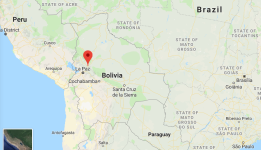
Bolivia - Unidentified viral disease in La Paz Department - 4-5 cases, 3 deaths - June 30, 2019 - arenavirus, genotype of the Chapare virus confirmed

Pathfinder

Editor, Senior Moderator
Translation Google

Ministry of Health and experts rule out epidemiological emergency, the situation is controlled in the case of two doctors


La Paz - Sunday, June 30, 2019 | Communication Unit

After a three-hour meeting between seven health institutions, the area's minister, Gabriela Monta?o, reported Sunday that two hospitalized doctors suffer from an unidentified viral disease, ruling out influenza, and at the moment the situation is controlled. He also anticipated that the official information will be provided only by this State portfolio and the Departmental Health Service (Sedes) of La Paz, after follow-up with experts.

"We are going to inform the population in an adequate and official way about patients in the department of La Paz. (The two doctors) are with a diagnosis not determined, we have hypotheses as a viral disease that must be corroborated laboratorially, influenza was ruled out. We are taking all the biosecurity forecasts, the population must be calm, it is a controlled situation, "the authority said at a press conference in the city of La Paz.

The technical meeting began at 5:30 a.m. in the auditorium of the Ministry of Health with the presence of the headquarters directory, Caja Petrolera de Salud, Hospital Obrero, Hospital Arco Iris, Instituto de Gastroenterolog?a Boliviano Japon?s, the Bolivian Society of Infectious Diseases and the Pan American Health Organization - World Health Organization (PAHO / WHO).

In this context, Monta?o lamented the speculations that were propitiated in social networks because they scared the population.

"Tell the population that these are two patients who are medical colleagues who are in intensive care. These patients present signs and symptoms, that is, symptoms of fever and development of the disease, "he explained.

Biosecurity

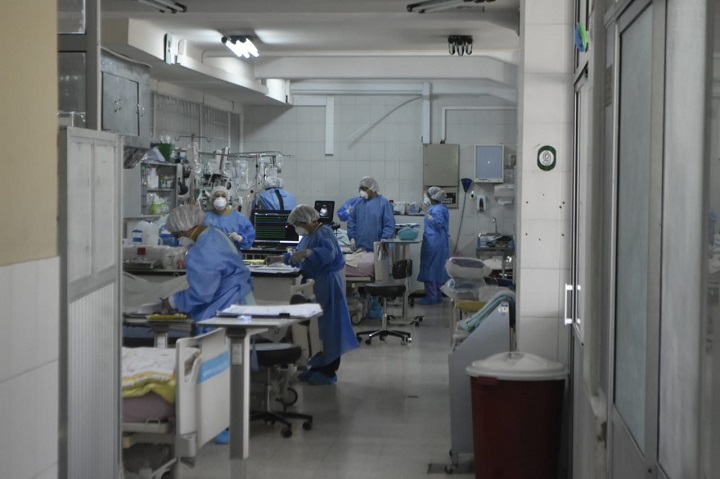
As a preventive measure, the Ministry of Health will reinforce tonight with biosafety level 4 material to the Caja Petrolera de Salud and the Hospital Obrero, thus protecting health personnel.

The follow-up is also done to all the people who were in contact with both patients.

"These contacts are being followed up, it is advisable in these cases that those people who require it can be attended immediately and do the appropriate laboratory exams. In parallel, the National Institute of Health Laboratories (Inlasa) and the National Center for Tropical Diseases (Cenetrop) work in a coordinated manner to have a definitive diagnosis. With the work of Inlasa we hope to have an initial laboratory diagnosis in 48 hours, "he said.

With the support of the Centers for Disease Control and Prevention CDC of Atlanta, the results can be ready in 14 days and with the cooperation of the PAHO, infectious experts (clinical and laboratory) will arrive on July 1 to examine the cases.

Controlled situation

"I repeat, it is a controlled situation, there is no Epidemiological emergency in our department or in our country. Tell the population that if they have to do an exam tomorrow they should normally go to hospitals. Absolutely discard all those hypotheses that circulated through social networks, "he said.

Finally the head of Health remarked that the only official source that can be disseminated will be the Ministry of Health and the Headquarters of La Paz, other information is not real and is not official.

NES /

https://www.minsalud.gob.bo/3833-mi...ion-esta-controlada-en-el-caso-de-dos-medicos

-----------------------------------------------------------

PAHO highlights the capacity of the country to respond to epidemiological events

La Paz - Monday, July 01, 2019 | Communication Unit

In the presence of an unidentified viral disease that affected an internal doctor in Caranavi and two doctors in the department of La Paz, the Representative of PAHO / WHO in Bolivia, Alfonso Tenorio, called on the population to trust and follow the instructions of the authorities of the national and departmental levels in order to avoid panic in the population.

"We must all follow the instructions given by the authorities, we trust those recommendations, we must follow them and be calm," said the international representative in time to highlight the response capacity of Bolivia to this type of health events.

"We highlight the capacity of the country to address these epidemiological situations that occur frequently, as it has the conditions; the team and its staff fully trained to take the diagnostic, treatment, clinical management and epidemiological control measures, "said Tenorio.

According to the PAHO / WHO, Bolivia has the basic capabilities, which the International Health Regulations (IHR) have been fulfilling for a long time, "whatever the threat ... it can be a virus, a bacterium, a parasite, a fungus or toxic threats. , the country is ready, "he said.

He also explained that there are viruses and diseases that are not easy to diagnose -as in this case- and require specialized tests.

"When it is not possible to confirm a diagnosis with the exams available in the country, the samples are sent to other countries or collaborating centers with greater capacity, that is normal and does not mean that the country does not have the conditions," said the representative of PAHO in Bolivia.

Tenorio recognized teamwork at all levels, from the central, departmental and municipal level, in addition to the participation of hospitals, the infectious disease society and other scientific societies that intervened in a timely manner, "that is very important and a guarantee for the correct attention of these eventualities ", indicated.

smh /

https://www.minsalud.gob.bo/3834-op...spuesta-del-pais-ante-eventos-epidemiologicos

------------------------------------------------------------------------

Ministry of Health confirms the arrival of a specialist from Brazil for the care of viral disease

La Paz - Monday, July 01, 2019 | Communication Unit

The Minister of Health, Gabriela Monta?o, confirmed on Monday the arrival of an infectious disease specialist from Brazil, who as of Tuesday will reinforce the treatment of two doctors and three suspected cases in the department of La Paz.

"We have also requested the Pan American Health Organization (PAHO) to help us with the delivery of two other specialists who will arrive on Wednesday (July 3), one in the laboratory and the other in the clinic," the authority said at a conference. press.

These experts will join the team of Bolivian specialists, who keep the situation under control.

The Ministry of Health also reported that there are three suspected cases, which are currently hospitalized in the Caja Petrolera de Salud and the Obrero Hospital.

"We have to inform the population that we have three suspected cases, in addition to the two doctors who were already in intensive care. Two of these suspected cases are contacts of inpatients and one patient who had not had contact, but has symptoms and signs as we noted, although dengue, influenza and other viral agents were not ruled out, "said the authority.

Isolated

Monta?o stressed that it has the ability to serve the population, as well as the safety of health personnel.

"Both patients are in special rooms, special cubicles and are treated by health personnel. He also took all the level 4 biosecurity measures that we have established, "he said.

Class of patients

The Infectious Disease Society of Bolivia specified that a suspect case is defined as any person who comes from the endemic area or who has had contact with inpatients and has symptoms of headache, muscle pain, abdominal pain, etc. have leukopenia (decrease in white blood cells) and thrombocytopenia (decrease in platelets in the hemogram).

It is a probable case when the person undergoes laboratory tests and discards diseases or other possible diagnoses.

An isolated patient means that he has no contact with other patients hospitalized in the same hospital.

Finally, it is a confirmed case when the pathogen (virus) that causes the disorder of a patient is determined by laboratory.

nes /

https://www.minsalud.gob.bo/3835-mi...l-brasil-para-la-atencion-de-enfermedad-viral
 
From the Ministry of Health:


Translation Google


[FONT=&quot]Specialists report that it is not necessary to use a chinstrap in the Hospital Obrero and the Caja Petrolera de Salud[/FONT]


[FONT=&quot]
720_obrerooo.jpg
[/FONT]

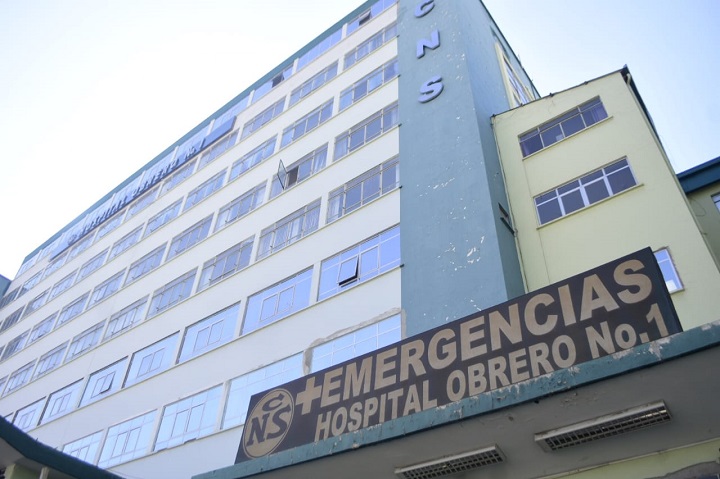
[FONT=&quot]La Paz - Tuesday, June 2, 2019 | Communication Unit In a timely manner, epidemiologists from the Ministry of Health and the Hospital Obrero explained to the media on Tuesday that it is not necessary to use masks at the Obrero Hospital and the Caja Petrolera de Salud. "In the Hospital Obrero we have a patient who is admitted to the Intensive Care Unit and is isolated, he is not walking through hospital environments, therefore there are things that are not necessary, such as the chinstrap," said the deputy director of the Hospital Obrero , Ra?l Villanueva Tamayo, after touring the facilities accompanied by journalists, photographers and cameramen. The tour began at 11:00 a.m. this Tuesday in the Emergency area, in the direction of the Intensive Therapy Unit, where the patient is isolated in an subambient. Subsequently, the isolation rooms for hospitalization were visited in case of other cases that were not registered at the time. Likewise, the General Director of Services of the Ministry of Health, Oscar Vel?squez, indicated that these same biosecurity measures are given in the Caja Petrolera de Salud, where other patients are hospitalized.
330_hossss.jpg

"You observed the characteristics that the intensive care unit has and the characteristics that an isolation area has. The Ministry of Health took care of giving the protection team to the health personnel, "he said. The authority anticipated that these biosecurity measures will be applied in any health facility if a similar case arrives. Biosecurity measures Dr. Villanueva pointed out the existence of several biosecurity measures, among which are: Firstly, the correct washing of hands, use of gel, disposable coveralls and protective glasses; these last three are requirements of medical personnel. nes /[/FONT]


https://www.minsalud.gob.bo/3836-esp...olera-de-salud
 
Last edited by a moderator:
Translation Google

Ministry of Health of Bolivia on alert for unknown disease

by: Notimex - July 2 2019, 02:00 pm

La Paz, 2 Jul (Notimex) .- The Ministry of Health of Bolivia remains on alert in recent cases of an unknown disease, presumed to be a virus, which caused the death of a doctor and raised the number of infected to five. .
...
The Argentine newspaper Todo Noticias reported that Monta?o raised the number of infected to five. "We have three suspected cases, in addition to the first two, that are being treated in hospitals in La Paz."

The new patients had contact with the infected doctors, however, another person had no relationship with the professionals, but "has similar symptoms", Monta?o said.

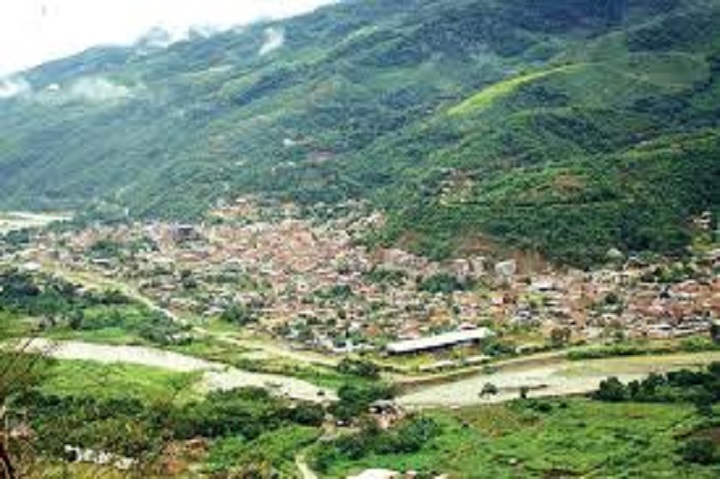
According to data, the situation originated in the town of Caranavi, about 230 kilometers from La Paz, where the internist Ximena Cu?llar treated a man with a fever before he died of unknown causes. That patient, who did not undergo laboratory tests, is considered the 'zero case'.

Cuellar fell ill and moved to the capital, where he died on June 4 despite the efforts of the two doctors, who are among the presumed infected and remain in intensive care with hemorrhagic fever.

Health authorities have ruled out that influenza and other viral diseases such as dengue are behind the infections of doctors.

The Minister of Health, Gabriela Monta?o, confirmed on Monday that the Pan American Health Organization (PAHO) was requested to collaborate with the sending of two other specialists who will arrive this Wednesday, one in the laboratory and the other in the clinic, "according to an Statement from the Ministry of Health.

The health authority dismissed the declaration of an epidemiological emergency, while the delegate of the Pan-American Health Organization (PAHO) in Bolivia, Alfonso Tenorio, asked to follow the protocols to be calm.

https://www.uniradioinforma.com/not...via-en-alerta-por-enfermedad-desconocida.html

-----------------------------------------------------------------------------------------------

Bolivian authorities on alert for unknown viral infection

By Ana Melgar

11:15 ET (15:15 GMT) July 2, 2019

(CNN Spanish) - ...

The Minister of Health of Bolivia, Gabriela Monta?o, reported on Tuesday that three women would be the new suspects of having contracted the mysterious virus. These three cases could be added to those of two other doctors who remain hospitalized in the city of La Paz and who "probably" carry the unknown virus, according to the authorities.

Ministry of Health officials suspect that this same virus claimed the life of an internal doctor in early June in the city of Caranavi, province of Yungas, about 160 kilometers north of La Paz.

The common symptoms among patients suspected of carrying the virus are: fever, headache, muscle and abdominal pain.

"It becomes a confirmed case once in the laboratory by molecular biology determines the virus that is causing the disorder in patients," said Minister Monta?o.

The Minister of Health asked the Pan American Health Organization for two specialists to reinforce the Bolivian medical team, while also informing the arrival of an infectious disease specialist from Brazil who will help in the determination of the disease.

Bolivian authorities ruled out an epidemiological emergency but have reinforced security measures and inpatients remain isolated. On Tuesday, the Secretary of Health of the Government of Santa Cruz, Oscar Urenda, informed that "exhaustive control was provided at the airport and departmental and provincial bus terminals."

The representative of the World Health Organization in Bolivia, Alfonso Tenorio, called for calm in the population and recognized the ability of the country to address this type of situation.

"The panic has caused great harm to the community, people are very concerned, we must all follow the recommendations that the authorities give us, we trust in those recommendations," Tenorio said at a press conference.

Josefina de la Fuente in Atlanta contributed to this report

https://cnnespanol.cnn.com/2019/07/...as-en-alerta-por-infeccion-viral-desconocida/
 
Alert for viral condition involves seven people

Analyzes sent abroad are expected, as well as the arrival of specialists

07/02/2019 | La Paz / Agencies

snip


[FONT=&quot]He also said that "level 4 biosafety measures" were taken to care for patients and indicated that "all necessary material has been provided to hospitals" where they are treated to preserve the health of health personnel.[/FONT]
[FONT=&quot]Yesterday an infectious disease specialist from Brazil arrived to meet with the Bolivian team in charge of this contingency "to exchange criteria and reinforce, if necessary, any measures that may be considered," he said.[/FONT]
[FONT=&quot]The Government also requested the Pan American Health Organization (PAHO) to send two other specialists, one in the laboratory and the other in the clinical field, "in order to strengthen the national team," he added[/FONT]

[FONT=&quot]https://correodelsur.com/politica/20...-personas.html[/FONT]
 
Sounds like a possible viral hemorrhagic fever. Not sure what the possible known candidates are in that part of the world, but I know of several New World arenaviruses that are endemic in various parts of South America.
 
Apparently, Machupo virus is the most likely arenavirus for this location.

Yellow fever seems less likely of a possibility because of the H2H transmission in the hospital.

Published Date: 2019-07-02 23:06:12
Subject: PRO/AH/EDR> Undiagnosed illness - Bolivia (LP) fatal, RFI
Archive Number: 20190702.6549116
UNDIAGNOSED ILLNESS - BOLIVIA (LA PAZ) FATAL, REQUEST FOR INFORMATION
************************************************** *******************
A ProMED-mail post
http://www.promedmail.org
ProMED-mail is a program of the
International Society for Infectious Diseases
http://www.isid.org

[1]
Date: Mon 1 Jul 2019
Source: Eje Central Mexico [in Spanish, trans. Mod.MPP, edited]
http://www.ejecentral.com.mx/alertan...da-en-bolivia/


An unknown disease that led to the death of an internal medicine physician and that has another 2 in serious condition has led to the activation of health protocols in Bolivia, requesting assistance from international medical teams in order to identify the etiology of the disease, it was announced on Mon 1 Jul 2019 by the Minister of Health, Gabriela Montano.

Initial diagnostic tests indicated a "viral disease," but through the analysis of the physician who died and the 2 other professionals who are in intensive care, "they have discarded influenza and other viral diseases," such as dengue, according to Montano.

In the last hours, Montano increased the number of infected individuals to 5.

"We have 3 suspected cases in addition to the 1st 2 cases, the doctors; the other 3 are in the same hospital (in La Paz) as the original 2 cases," the Minister of Health said at a press conference.

"Two of the 3 new cases had contact with the 2 doctors who were infected. The 3rd person did not have contact with the professionals, but presented similar symptoms," said Montano.

In order to establish the origin of the disease, an infectious disease specialist from Brasil and another 2 specialists from Atlanta, United States [the Centers for Disease Control and Prevention, CDC], will help the national teams in the investigation.

The health authorities have not declared a state of epidemiologic emergency, while the representative from the Pan American Health Organization [PAHO/OPS] in Bolivia, Alfonso Tenorio, asked to follow protocols in order to "be calm."

"Bolivia has "the equipment and personnel fully trained in order to take the appropriate diagnostic steps, treatment, clinical management, and epidemiologic control," said Tenorio at a press conference.

As part of these protocols, the Ministry of Health ordered the mandatory use of masks and latex gloves in local hospitals.

At the end of last year [2018], Caranavi, the semitropical zone in the northeast of La Paz, where the deceased doctor was infected, reported a dengue outbreak that claimed the lives of 5 people.

--
Communicated by:
ProMED-mail from HealthMap Alerts
<promed@promedmail.org>

******
[2]
Date: Mon 1 Jul 2019
Source: El Tiempo [in Spanish, trans. Mod.MPP, edited]
https://www.lostiempos.com/actualida...s-bioseguridad


The Ministry of Health activated biosecurity level 4 measures for the health personnel who are caring for the 2 doctors who are in intensive care with a virus as yet not identified, and they are also closely monitoring individuals who had contact with them, such as family members.

According to the information provided, a gastroenterologist and a general practitioner were the physicians who cared for the affected internist, who presumably died (4 Jun 2019) in the Bolivian-Japanese Institute of Gastroenterology.

Following an emergency technical meeting, the Minister of Health, Gabriela Montano, confirmed yesterday [30 Jun 2019] that, until now, the illness affecting the doctors [currently in intensive care] and which led to the death of the 1st case, is unknown; nevertheless, she said that the hypothesis is of a viral disease. She ruled out an epidemiological emergency and announced that 2 experts from the Pan American Health Organization (PAHO) will arrive in the country to strengthen epidemiological diagnostic work.

"We will use the antiviral Rivaninina [Ribavirin?] for all of the healthcare personnel who have cared for these patients. We are going to use all of the mechanisms of biosecurity level IV. That means that they have to use special types of masks, special gloves, and special gowns, and we are currently equipping 100 teams for the Hospital Obrero and the Caja Nacional (where both doctors are hospitalized) so that all healthcare workers have sufficient supplies," said Montano.

She added that other measures that are being taken are related to the treatment of these patients who are being given hyperimmune serum, "and hopefully it will be a favorable treatment," Montano said, and she added that the Ministry of Health will guarantee a supply of Ribavirin, an antiviral that will be used for the healthcare personnel.

Montano said that the laboratories tested the doctors and the 1st fatal case and ruled out influenza, dengue, and chikungunya among other viruses, and sent the specimens to the National Center of Tropical Diseases (Cenetrop) and the National Institute of Health Laboratories (Inlasa), whose initial results should be ready in 48 hours.

Specimens were also sent to the Centers for Disease Control and Prevention in Atlanta [Georgia], Unities States. These results should be finalized in 14 days.

The PAHO representative, Alfanso Tenoria, said that the Ministry of Health has the capacity to care for these types of epidemiologic cases. In addition, the agency is ready to provide collaboration if required.

"The country has the conditions, the equipment, and the trained personnel to perform diagnostic measures, treatment, clinical management, and epidemiologic control measures," the representative of the international agency said. He added that, in the following hours, 2 Brazilian infectious disease specialists would be arriving, both clinical and laboratory experts.

The family members of the gastroenterologist and the general practitioner were in contact with Los Tiempos asking the health authorities to maximize their efforts to identify what the virus is that is causing their illnesses. "My sister-in-law has visited him, but he is not able to speak; his defenses have dropped completely," said a family member of the general practitioner.

He noted that the doctor went to the Caja Petrolera on Wednesday [26 Jun 2019] "with symptoms of a severe cold; they decided to admit him [to the hospital]. We are very worried," said the wife, and her 2 sons were contacted by the Departmental Health Service to go to the laboratories.

Meanwhile, the wife of the gastroenterologist said that her husband was hospitalized in intensive care and continues with established treatment. "That's all I can tell you; they haven't told me anything else," she said.

He [the gastroenterologist] worked in the Bolivian-Japanese Gastroenterology Institute where he cared for the 1st case (the internist who died). She was in the Caranavi hospital with a severe diagnosis related to fever and hemorrhage and died on 4 Jun 2019.

Family members of the internist pointed out that the internist participated in fumigation of mosquito breeding sites in spite of not feeling well on 23 May 2019 while she was still working. She told her family that she had dengue fever.

--
Communicated by:
ProMED-mail
<promed@promedmail.org>

[It is difficult to tease out what is transpiring from the above media reports, although it sounds as though it is a febrile illness with hemorrhagic phenomena. There also may have been a gastrointestinal component, as a gastroenterologist was treating the primary case as well.

The apparent transmission to healthcare personnel who were treating the primary case suggests that, clinically, the illness is not consistent with what is usually seen with the known arboviruses in the region, such as dengue fever, albeit with the mention of the primary case having worked on reducing a mosquito breeding site, it is tempting to add a disease such as yellow fever to the differential diagnosis.

Another virus that comes to mind as a possible culprit is the Machupo virus, an Arenavirus responsible for Bolivian hemorrhagic fever, 1st described in northeastern Bolivia in an outbreak from 1959 to 1963 (see Patterson M, Grant A, Paessler S. Epidemiology and pathogenesis of Bolivian hemorrhagic fever. Curr Opin Virol. 2014;5:82-90. doi:10.1016/j.coviro.2014.02.007 available at: https://www.ncbi.nlm.nih.gov/pmc/articles/PMC4028408/). Ribavirin has been shown to be effective in management of Bolivian hemorrhagic fever (BHF), and the use of ribavirin by the Bolivian Ministry suggests that BHF is being entertained as a diagnosis.

There is also the possibility that an as yet unknown virus is responsible for this outbreak, as Mother Nature has demonstrated she is omnipresent.

More information on the clinical course of the current known cases and suspected cases as well as epidemiologic investigations would be greatly appreciated.


A map of Bolivia showing departments: http://www.boliviabella.com/maps.html. Note that La Paz department borders Beni department, where the 1st outbreak of BHF was identified. - Mod.MPP]

[Although no pulmonary signs are indicated in these reports, the possibility of a hantavirus infection should be considered. The previous ProMED posts of a cluster of cases in October 2018 reported 9 affected soldiers in the lowlands of La Paz department (see Hantavirus - Americas (53): Bolivia (LP) 20181011.6085684). Hantavirus infections have occurred previously in various parts of Bolivia, including in tropical areas of La Paz department. As noted in previous comments, earlier cases of hantavirus pulmonary syndrome have been reported from tropical, lowland areas of Bolivia. The specific hantaviruses involved in these or previous cases for the last several years in Bolivia are not reported. Depending on the specific areas where the patients had been, Andes hantavirus, located in the Andes ecosystem and related foothills, seems an unlikely etiological agent of these cases. Andes virus is the only hantavirus that can be transmitted directly between people in close contact. If the infected individuals were in the lowland Amazon Basin of Bolivia, the possible hantavirus, its rodent hosts that might be involved in these hantavirus pulmonary syndrome (HPS) cases, with their images, include: - Rio Mamore virus: small eared pygmy rice rat _Oligoryzomys microtis_ https://tinyurl.com/y9kkdgpk (University of Wisconsin Department of Biology); - Laguna Negra virus: small vesper mouse _Calomys laucha_ http://www.faunaparaguay.com/calomyslaucha.html and large vesper mouse _C. callosus_ http://www.faunaparaguay.com/Calomys...o.org%201.jpg; - Bermejo virus: Chaco rice rat _O. chacoensis_ http://www.faunaparaguay.com/oligori...acoensis.html; - Oran virus: long-tailed pygmy rice rat _O. longicaudatus_ http://calphotos.berkeley.edu/imgs/5...0711/1203.jpeg.

Seoul hantavirus/hemorrhagic fever with renal syndrome, with its world-wide distribution is another possibility. See [Jan Clement's comments in ProMED-mail post:] Hantavirus - Americas (61): Bolivia (LP) comment 20181026.6113050. Also see Hantavirus - Americas (59): Bolivia (LP) 20181023.6107497. - Mod.TY]
 
Last edited by a moderator:
Apparently the doctor who died, after treating the index case, was showing symptoms as early as May 20. Also, wondering how contagious this disease is if her mother kissed her on the lips the day she died and is not reportedly sick.


Mother denounces for murder two doctors for Ximena's death

[FONT=&quot]The internist's family, who died from the unidentified viral infection, said that she agonized in the same center where she worked.[/FONT] [FONT=&quot] Tuesday, July 02, 2019 ? 01:24[/FONT]


[FONT=&quot]Siete / La Paz Page
Martha Al?paz, mother of Ximena Cu?llar, the internist who died on June 4 due to a type of hemorrhagic fever not yet identified, denounced the director of the Municipal Hospital of Caranavi, Adela Limachi, and the head of internist doctors yesterday for culpable homicide, Raquel Ticona, because - she argues - they denied her due attention to her daughter and kept her in agony for more than seven days.

"Mom, I've warned you (the doctors). I have been wrong since May 20, I had a fever, but they kept me working, "was what Ximena Cu?llar told her mother on the phone on May 26, when she decided to tell her about her serious health in Caranavi.

"'Little girl, why have not you warned me before,' I asked. He told me he did not want to make me worry (...). Just the 24th (May) they left him (rest) in his room alone, but without any attention, until he reached a critical stage. On Monday (27) she was admitted, when she could not even walk, "said Al?paz.
The mother made public her denunciation against Limachi and Ticona yesterday in press conference, along with the rector of the Greater University of San Andres (UMSA), Waldo Albarrac?n, who were constituted in "victims" in the denunciations that presented / displayed before the Office of the public prosecutor.

"What we are able to ensure is that there was medical negligence, an unprofessional treatment, an absence of solidarity, a lack of human sensitivity for the person and his family that has resulted, as a consequence, in the unjustified death of a young woman who I had a great future, "said Albarrac?n.

Al?paz assured that her daughter agonized since May 20, when she reported to her superiors that she was ill (possibly dengue), until June 2, when she managed to evacuate her by her means to the Gastroenterology Hospital of La Paz, where she lost her life two days later.

Because of the text conversations that she had with other colleagues and her family, it is known that one of the arguments that the chief resident gave her for not giving her rest or asking for her treatment was that Ticona had also fallen ill with dengue and that she passed the illness working, so Cu?llar had to do the same.

Through tears, the mother told how she witnessed the rapid deterioration of her daughter's health in the Caranavi Hospital, where she lived and where only a doctor named surname Conde, of Cuban nationality, lent her due attention, stopping the profuse hemorrhage that the virus produced in his gums and stabilized for his transfer to La Paz.

The family said they filed their complaints with the Ministry of Health and the Departmental Health Service (Headquarters), but received no response.

In addition to questioning the lack of sensitivity to his daughter, the mother said that they are now worried, since she and several relatives had direct contact with the girl. "The day my little daughter died, I hugged her, kissed her in the mouth," she recalled through tears.

Al?paz denounced that until yesterday no institution communicated with them, despite the seriousness of a possible contagion. Therefore, each one had to bear the expenses for the laboratory analyzes that were taken to rule out possible contagion.

In her written complaint, the mother said that the hospital's director only wanted her to take her daughter, who offered to pay for the ambulance and even the transfer by plane. However, due to the delicate picture of the young woman, she had to resort to a vehicle with intensive therapy equipment and that all expenses, which amounted to more than 30,000 Bolivianos, were paid by the family.

https://www.paginasiete.bo/sociedad/...na-222847.html
[/FONT]
 
The zero patient is treated by the deceased doctor


snip


In the Gastroenterological Institute, where they initially attended the doctor, they indicated that one of the doctors went to Caranavi to transfer the inmate and already in the city of La Paz was taken to the operating room, where there was an invasive intervention. "It is presumed that on the way from Caranavi to La Paz transmission occurred or perhaps the doctors acquired the virus in the operating room," said a Gastro physician who asked not to publish his name. (02/07/2019)

http://www.la-razon.com/sociedad/pac...176682316.html
 
from the Ministry of Health:


[FONT=&quot]Ministry of Health sent specialists to Caranavi for case tracking and contact identification[/FONT]


[FONT=&quot]
720_caranavi.jpg
[/FONT]

[FONT=&quot]La Paz - Tuesday, July 2, 2019 | Communication Unit A team consisting of four specialists traveled, on Tuesday afternoon, to the municipality of Caranavi in ​​the department of La Paz to follow up on cases and identify possible contacts that the first patient who died of an unidentified virus had, the chief said. National Epidemiology of the Ministry of Health, Jhemis Molina. "The Epidemiology Unit has coordinated a trip to Caranavi, a case follow-up intervention will be made. The commission is headed by the person in charge of the Program of Diseases Transmitted by Rodents ", indicated the authority, minutes after leaving the equipment towards the north of La Paz. This team will have the task of identifying the people who had contact with the internist doctor (first deceased patient) to proceed with the interviews and discard suspected cases, as well as review clinical histories for the search of clinical cases. The contingency team will be completed this Wednesday with the addition of an expert from the Pan American Health Organization / World Health Organization. "Today (Tuesday) professionals will make contact with local authorities to coordinate joint work in different communities, within four days," said Molina. Finally, he pointed out that the length of their stay can be extended according to the identification of contacts and the epidemiological variables required by the Ministry of Health. [/FONT]

https://www.minsalud.gob.bo/3838-min...n-de-contactos
 
Translation Google

They look for virus origin and find mouse stool at home of "patient zero"

Wed, 07/03/2019 - 00:18

The Ministry of Health sent a specialized team to Caranavi to identify people who had contact with the two patients who died, one in that region and another in the city of La Paz (Ximena Cu?llar), infected by a virus not yet identified . But also to pinpoint the origin of the wrong east.

According to the report of Radio Fides, the person who died in the hospital of Caranavi and who was identified as the "patient zero" responds to the name of Macario GY, a person of the third age.

In an inspection carried out by the staff of the Caranavi hospital to the house of this person -according to the report- it was verified that he lived in precarious conditions and there was a "quantity of mouse feces".

Macario was a native of Carrasco La Reserva and was engaged in agriculture. In Caranavi, the hospital will be closed today and tomorrow for fumigation.

Meanwhile, the national head of Epidemiology, Jhemis Molina, reported that a specialized team from that unit traveled to Caranavi, where there will be a follow-up of cases. The commission is headed by the person in charge of the Program of Diseases Transmitted by Rodents.

The team's task is to identify contacts, conduct interviews and rule out suspected cases of viral infection that affects two doctors who are in intensive care, and three women considered suspicious of having the disease, one of whom was discarded and discharged. Yesterday.

Discard exhumation

On the possibility of exhumating the corpse of the considered patient zero, the vice minister of Health, ?lvaro Terrazas, in a press conference, pointed out that it is not possible, since the viral elements that "we are looking for, in the exhumation would not have a sense, reason for being in a person who has been dead for more than a month ".

On the three suspected cases, announced by Minister Gabriela Monta?o on Monday, said that one of them was discharged whenever it was ruled out that she had been infected by the unknown virus that affects the doctors.

"With respect to colleagues, one of them is in a favorable evolution, he is recovering. The second colleague, who is in the National Fund, although it was with a reserved forecast, has shown a slight improvement, "said Terrazas on the state of health of doctors.

"Of the three patients that we had yesterday as suspected cases, the nurse who did the assistance to a doctor has been ruled out. The nurse has been discharged under observation, follow-up and home treatment for a bacterial intoxication syndrome, "said the Vice Minister.

Monta?o clarified that in the next hours will be the laboratory results of both patients.

The director of the National Institute of the Thoracic, ?dgar Pozo, reported that a nurse who had contact with Caranavi's intern was hospitalized in an emergency and isolated in that hospital. He clarified that he has no symptoms of the virus and that the isolation is preventive.

On the alert of other possible cases, Deputy Minister Terrazas said that they have not been presented, but in any case are pending in this regard.


CHRONOLOGY

May 20th. Fever. The internal of Caranavi Hospital Ximena Cu?llar informed her mother that she was running a fever, but she continued working until 23.

may 31. Transfer. Cu?llar presented hemorrhage, so she was transferred to the intensive therapy unit of the Gastroenterological Hospital of La Paz.

June 4 He passes away They carry out laboratories sending them to Cenetrop to ensure that the rapid test performed in Caranavi was correct, the results of laboratories for arbovirosis, that is, dengue, zika and chikungunya, were negative.

June 30th. Complaint. The critical health status of two physicians who attended the hospital Ximena Cu?llar and is presumed to have been infected by an unknown virus is alerted.

...
http://www.laprensa.com.bo/nacional...allan-heces-de-raton-en-casa-de-paciente-cero
 
Translation Google

429862 SAL --- 2019-07-03 11:45:38 --- HEALTH
BOLIVIA-HEALTH

Unknown virus was preliminarily identified as "arenavirus": Monta?o (Advance)

La Paz, July 3 (ABI) .- The Minister of Health, Gabriela Monta?o, informed on Wednesday that the unknown virus that affected several people and that caused the death of a doctor and a citizen in the town of Caranavi was preliminarily identified. as "arenavirus".

"Through national laboratories such as Cenetrop and Inlasa it has been possible to identify arenavirus in an inpatient and we have a preliminary result from the Atlanta disease control center that also tells us about arenavirus, therefore all these elements as a whole they allow us today to give that information to the population, "he told reporters.

According to experts, arenavirus is a group or family of viruses whose members are generally associated with conditions transmitted by rodents in humans.
xsz / rsl ABI

https://www1.abi.bo/abi_/?i=429862&k=20190417037b
 
Translation Google

The Arenavirus Machupo 2 is identified as the cause of two deaths

The data was known after the preliminary result of Inlasa, Cenetrop and first results of Atlanta, United States.

Wednesday, July 03, 2019 ? 11:25
Seven Digital Page / La Paz

The Minister of Health, Gabriela Monta?o, reported that the virus that caused the death of two people and left two doctors in critical condition is the Arenavirus, of the Machupo 2 type, according to a report from the Communication Unit of the Ministry of Health.

The data was known after the preliminary result of Inlasa, Cenetrop and first results of Atlanta, United States.
Yesterday, the Ministry of Health reported that the infectious virus that is being investigated causes hemorrhagic fever.

The Ministry of Health also reported that this Arenavirus is only transmitted by body fluids, specifically blood. In this way he ruled out that his contagion among people is via respiratory.

The contagion also occurs from rodents to humans sucking their excrement or urine. This type of rodent moves away from urban areas and recommends people to go to the bush to remove weeds, use masks and gloves to avoid the spread of the disease.

You can also read: The virus causes hemorrhagic fever and a commission goes in search of the vector

On the other hand, the director of the Hospital del Norte, Augusto Mamani, reported that there are already two rooms to accommodate possible patients with unknown viruses. Equipment from the Ministry of Health is expected.

According to information from PAHO:

? Bolivian Hemorrhagic Fever (FHB) is a zoonotic, viral disease, also known as black typhus. It is produced by the Machupo virus (Member of the Arenaviridae Family, New World Arenavirus Genus, Tacaribe Complex), which was isolated in 1959.
? Due to its high pathogenicity, the Machupo virus requires Biosafety Level four, the maximum possible.
? It is transmitted by direct contact with rodents or inhalation of excreta from infected rodents. The virus is also transmissible from person to person.
? It is limited to the Department of Beni, municipalities of the provinces It?nez (Magdalena, Baures and Huacaraje) and Mamor? (Puerto Siles, San Joaqu?n and San Ram?n) in Bolivia.

However, this time the outbreak occurred in Caranavi, La Paz.

(Advancement)

https://www.paginasiete.bo/sociedad...o-como-el-causante-de-dos-muertes-222953.html
 
[FONT=&quot]Arenaviridae

The Arenaviridae are a family of viruses whose members are generally associated with rodent-transmitted diseases in humans. Each virus usually is associated with a particular rodent host species in which it is maintained. Arenavirus infections are relatively common in humans in some areas of the world and can cause severe illnesses.
The virus particles are spherical and have an average diameter of 110-130 nanometers. All are enveloped in a lipid (fat) membrane. Viewed in cross-section, they show grainy particles that are ribosomes acquired from their host cells. It is this characteristic that gave them their name, derived from the Latin &#147;arena&#148;, which means &#147;sandy&#148;. Their genome, or genetic material, is composed of RNA only, and while their replication strategy is not completely understood, we know that new viral particles, called virions, are created by budding from the surface of their hosts&#146; cells.

Arenavirus history

The first Arenavirus, Lymphocytic choriomeningitis virus (LCMV), was isolated in 1933 during a study of an epidemic of St. Louis encephalitis. Although not the cause of the outbreak, LCMV was found to be a cause of aseptic (nonbacterial) meningitis. By the 1960s, several similar viruses had been discovered and they were classified into the new family Arenaviridae. Since Tacaribe virus was found in 1956, new Arenavirus have been discovered on the average of every one to three years. A number of Arenavirus have been isolated in rodents only, but few cause hemorrhagic disease. Junin virus, isolated in 1958, was the first of these to be recognized. This virus causes Argentine hemorrhagic fever in a limited agrigultural area of the pampas in Argentina. Several years later, in 1963, in the remote savannas of the Beni province of Bolivia, Machupo virus was isolated. The next member of the virus family to be associated with an outbreak of human illness was Lassa virus in Nigeria in 1969. The most recent additions to these human pathogenic viruses were Guanarito detected in Venezuela in 1989, Sabia in Brazil in 1993, Chapare in Bolivia in 2004, and Lujo in South Africa in 2008.


Arenaviruses groups


Arenavirus are divided into two groups: the New World or Tacaribe complex and the Old World or LCM/Lassa complex. Viruses in these groups that cause mild or severe illness in humans and are listed below by date of discovery:
[/FONT]
[TABLE="class: table table-bordered table-striped, width: 670"]
[TR]
[/TR]
[TR]
[TD][FONT=&quot]Lymphocytic choriomeningitis virus (LCMV)[/FONT][/TD]
[TD][FONT=&quot]Lymphocytic choriomeningitis[/FONT][/TD]
[TD][FONT=&quot]1933[/FONT][/TD]
[/TR]
[TR]
[TD][FONT=&quot]Junin virus[/FONT][/TD]
[TD][FONT=&quot]Argentine hemorrhagic fever[/FONT][/TD]
[TD][FONT=&quot]1958[/FONT][/TD]
[/TR]
[TR]
[TD][FONT=&quot]Machupo virus[/FONT][/TD]
[TD][FONT=&quot]Bolivian hemorrhagic fever[/FONT][/TD]
[TD][FONT=&quot]1963[/FONT][/TD]
[/TR]
[TR]
[TD][FONT=&quot]Lassa virus[/FONT][/TD]
[TD][FONT=&quot]Lassa fever[/FONT][/TD]
[TD][FONT=&quot]1969[/FONT][/TD]
[/TR]
[TR]
[TD][FONT=&quot]Guanarito virus[/FONT][/TD]
[TD][FONT=&quot]Venezuelan hemorrhagic fever[/FONT][/TD]
[TD][FONT=&quot]1989[/FONT][/TD]
[/TR]
[TR]
[TD][FONT=&quot]Sabia[/FONT][/TD]
[TD][FONT=&quot]Brazilian hemorrhagic fever[/FONT][/TD]
[TD][FONT=&quot]1993[/FONT][/TD]
[/TR]
[TR]
[TD][FONT=&quot]Chapare[/FONT][/TD]
[TD][FONT=&quot]Chapare hemorrhagic fever[/FONT][/TD]
[TD][FONT=&quot]2004[/FONT][/TD]
[/TR]
[TR]
[TD][FONT=&quot]Lujo[/FONT][/TD]
[TD][FONT=&quot]Lujo hemorrhagic fever[/FONT][/TD]
[TD][FONT=&quot]2008[/FONT][/TD]
[/TR]
[/TABLE]
[FONT=&quot] Animal hosts

These viruses are zoonotic, meaning that, in nature, they are found in animals. Each virus is associated with either one species or a few closely related rodents, which constitute the virus&#146; natural reservoir. Tacaribe complex viruses are generally associated with the New World rats and mice (family Muridae, subfamily Sigmodontinae). The LCM/Lassa complex viruses are associated with the Old World rats and mice (family Muridae, subfamily Murinae). Taken together, these types of rodents are located across the greater proportion of the earth&#146;s land mass, including Europe, Asia, Africa, and the Americas. One notable exception is Tacaribe virus, found in Trinidad, which was isolated from bats and mosquitoes.


Spreading Arenavirus infections

The rodent hosts of Arenavirus species are chronically infected with virus; however, the viruses do not appear to cause obvious illness in them. Some Arenavirus types appear to be passed from mother rodents to their offspring during pregnancy, and thus remain in the rodent population generation after generation. Most infections are transmitted among adult rodents, likely via fighting and inflicting bites. Only a portion of the rodents in each host species is infected at any one time, and in many cases only in a limited portion of the host&#146;s geographical range. Viruses are shed into the environment in the urine or droppings of the infected hosts.
Human infection with an Arenavirus is incidental to the natural cycle of the viruses and occurs when an individual comes into contact with the excretions or materials contaminated with the excretions of an infected rodent, such as ingestion of contaminated food, or by direct contact of abraded or broken skin with rodent excrement. Infection can also occur by inhalation of tiny particles soiled with rodent urine or saliva (aerosol transmission). The types of incidental contact depend on the habits of both humans and rodents. For example, where the infected rodent species prefers a field habitat, human infection is associated with agricultural work. In areas where the rodent species&#146; habitat includes human homes or other buildings, infection occurs in domestic settings.

Some Arenaviruses, such as Lassa, Machupo, and Lujo viruses, are associated with secondary person-to-person and nosocomial (healthcare setting) transmission. This occurs when a person infected by exposure to the virus from the rodent host spreads the virus to other humans. This may occur in a variety of ways. Person-to-person transmission is associated with direct contact with the blood or other body fluids, containing virus particles, of infected individuals. Airborne transmission has also been reported in connection with certain viruses. Contact with objects contaminated with these materials, such as medical equipment, is also associated with transmission. In these situations, use of protective clothing and disinfection procedures (together called barrier nursing) help prevent further spread of illness.
[/FONT]


[FONT=&quot]Page last reviewed: June 18, 2013

https://www.cdc.gov/vhf/virus-famili...naviridae.html
[/FONT]
 
Ministry of Health: symptoms and recommendations for the arenavirus

2019-07-04

The arenavirus is transmitted by contact with the rodent calomis or body fluids; food has a very low probability of being infected because the virus is inactivated in contact with the sun, the biosafety level 4 measures are only for doctors who directly treat patients, reported Thursday, Jhemis Molina, national head of the Epidemiology unit of the Ministry of Health.

Last Wednesday, the Minister of Health, Gabriela Monta?o, reported that the virus that caused the death of two people and left in critical condition two doctors is the arenavirus. However, according to the head of Epidemiology, it is not certain that the current outbreak belongs to the Machupo family because it belongs to the Amazon region.
...


http://www.boliviatv.bo/principal/noticia.php?noticia=355dc2a1843280ae19470e3622a67ab5&lang=es
 
Translation Google

There is still no confirmation of the presence of the rodent carrying the Arenavirus in the north of La Paz and in Chuquisaca it is discarded

2019-07-04

The Vice Minister of Health, Alvaro Terrazas, said today that to date there is no confirmation of the presence of the jungle rodent of the genus Calomys callosis, in the northern area of ​​the department of La Paz. Also, health authorities of the department of Chuquisaca also ruled out the presence of the rodent in their region.

"At the moment we have no confirmation of the presence (of the rodent) in the northern area of ​​La Paz, for the peace of the compatriots of that region," said Terrazas in time to explain that two teams of the Ministry of Health are displaced in the municipality of Caranavi to find the presence of that rodent and know if it carries the virus.

In addition, Terrazas ruled out "any risk" of contamination in fruit production in the municipality of Caranavi, considering they are not stored.

At the time, the director of the Departmental Health Service (Sedes) Chuquisaca, Limberth Soruco, also dismissed the presence of "calomys callosis" in that department.

"We do not have the presence of this rodent in the department of Chuquisaca, yes in six municipalities of the department of Beni," Soruco told a group of journalists, also announced that in September they will conduct a deratization campaign in the Chuquisaca Chaco.

Arenavirus is a group or family of viruses whose members are generally associated with conditions transmitted by jungle rodents of the genus "calomys" in humans.

http://www.boliviatv.bo/principal/noticia.php?noticia=3c84eb3579300e342ba71ba5e72ce66e&lang=es
----------------------------------------------------------------------------------

Monta?o: No new suspected cases of Arenavirus were reported

2019-07-05

The Minister of Health, Gabriela Monta?o, said today that no new suspected case of Arenavirus was reported , rather it was discharged to two people with signs of infection.

"We are pleased to say that we do not have new suspicious cases, neither in Caranavi nor in the city of La Paz, but rather they are registering two suspicious cases that had a favorable evolution," Monta?o said during an event in Viacha, La Peace.

Similarly, the Minister said there is a specialized team in Caranavi, municipality of La Paz, which so far ruled out more infections.

"Our teams take all the actions in epidemiological terms, all the contacts with the initial patients were followed up and studies are made to verify the presence of rodents of this type in the area, until now nothing was detected," confirmed the authority.

With this recent report there is only one suspicious case in addition to the two doctors who are in intensive care, one with a somewhat stationary evolution and the other with a favorable evolution. /// JCL

http://www.boliviatv.bo/principal/noticia.php?noticia=d6413cac0c08d1f965077c690639e124&lang=es
 
Translation Google

After analysis, two patients suspected of carrying Arenavirus are discharged

2019-07-05

Two patients suspected of carrying the Arenavirus, who were hospitalized, were discharged after a laboratory analysis that ruled out the infection, so informed the Health Minister, Gabriela Monta?o.
...
The minister explained that at this point only the two doctors, affected by the Arenavirus, are interned; one in intensive therapy with a stationary evolution, and the other with a more favorable diagnosis.

He also stressed that to date there has not been a single more suspicious case of the Arenavirus in Caranavi, where it supposedly appeared initially, nor in the city of La Paz, and he assured that the country is ready to face any eventuality.

He remarked that the team of the Ministry of Health, which is located in Caranavi, is working on taking actions in epidemiological terms, in addition to following up on all the contacts that the internal doctor who died in that region of the country had.

"Studies are being done to verify if there is contamination of rodents and if they are the type that brings the virus," he said.
...

http://www.boliviatv.bo/principal/noticia.php?noticia=7711468c63edaaa04cd1b78b5b5603ec&lang=es
 
Translation Google

The Ministry of Health confirms the death of Dr Vidales due to Arenavirus

2019-07-10

The Minister of Health, Gabriela Monta?o, informed that at 8:15 today Gustavo Vidales Mostajo, an intensive care physician of the National Health Fund (CNS), a product of the Arenavirus, died.

"According to the medical report, the cause of Dr. Vidales' death is a multiple organ dysfunction that is linked to the infection with Arenavirus," lamented the Minister.

Similarly, he recalled that once received the report of this case all the mechanisms that merit cases like this were activated, he said that as a Government, no effort was spared to try to save the life of the doctor.

"The treatment given to Dr. Vidales is the same as that given elsewhere in the world, including the effort to provide hyperimmune serum, the antiviral ribavirin was imported, and with the cooperation of the Pan American Health Organization (OPS) international experts were made available to the treating team to help in the process of treating patients, "Monta?o explained. / JCL

http://www.boliviatv.bo/principal/noticia.php?noticia=fc82aa76043f10e3aa78d48763cb5d71&lang=es
 
Back
Top