• FluTrackers.com Inc. does not provide medical advice. Information on this web site is collected from various internet resources, and the FluTrackers board of directors makes no warranty to the safety, efficacy, correctness or completeness of the information posted on this site by any author or poster. The information collated here is for instructional and/or discussion purposes only and is NOT intended to diagnose or treat any disease, illness, or other medical condition. Every individual reader or poster should seek advice from their personal physician/healthcare practitioner before considering or using any interventions that are discussed on this website. By continuing to access this website you agree to consult your personal physican before using any interventions posted on this website, and you agree to hold harmless FluTrackers.com Inc., the board of directors, the members, and all authors and posters for any effects from use of any medication, supplement, vitamin or other substance, device, intervention, etc. mentioned in posts on this website, or other internet venues referenced in posts on this website.
  • We are not asking for any donations. Do not donate to any entity who says they are raising funds for us.

Avian Influenza Cases Confirmed in Antarctic Region - wild birds

Shiloh

Editor, Senior Moderator
Source: https://www.miragenews.com/first-avian-influenza-cases-confirmed-in-1109022/


24 Oct 2023 4:02 am AEDT
First Avian Influenza Cases Confirmed in Antarctic Region
British Antarctic Survey

Highly Pathogenic Avian Influenza (HPAI) has been confirmed in brown skua populations on Bird Island, South Georgia - the first known cases in the Antarctic region.

Following reports of several potentially symptomatic birds and unexplained mortality, British Antarctic Survey (BAS) staff on Bird Island took samples for testing. The swabs were returned to the UK and tested by the Animal and Plant Health Agency laboratories in Weybridge, where they returned positive results.​​..
 
I have copied the entire statement because I believe this to be a UK government entity and therefore it is public sponsored news. If I am wrong please email us and I will shorten the article for copyright reasons.


First confirmed cases of Avian Influenza in the Antarctic region

23 October, 2023 News stories

Highly Pathogenic Avian Influenza (HPAI) has been confirmed in brown skua populations on Bird Island, South Georgia – the first known cases in the Antarctic region.

Following reports of several potentially symptomatic birds and unexplained mortality, British Antarctic Survey (BAS) staff on Bird Island took samples for testing. The swabs were returned to the UK and tested by the Animal and Plant Health Agency laboratories in Weybridge, where they returned positive results.

Natural pathways are the primary means of spread of HPAI and it is likely that the spread of the disease was caused by the return of birds from their migration to South America, where there are a high number of HPAI cases. BAS and Government of South Georgia & the South Sandwich Islands (GSGSSI) remain vigilant for further cases and science and visitor programmes are currently continuing under enhanced biosecurity measures.

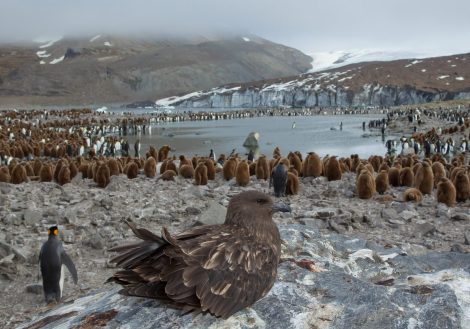
BAS is working in close partnership with the GSGSSI, guided by their tiered response plan to monitor and manage the outbreak. The most recent version of these protocols can be found in the GSGSSI Biosecurity Handbook. Brown skua (Catharacta antarctica) on Bird Island, South Georgia (Richard Phillips)
BAS operates two research stations on South Georgia, including one at Bird Island where the confirmed cases were identified. As result of the confirmed cases of HPAI, the majority of field work involving animal handling has been suspended. Biosecurity measures continue, including the enhanced cleaning of clothing and field equipment, and observation of areas of high wildlife density.

Key elements of the wider science programme at Bird Island continue under caution, including long-term monitoring of marine predators such as wandering, black-browed and grey-headed albatrosses, northern and southern giant petrels, macaroni penguins, and gentoo penguins. These observations make Bird Island one of the most closely monitored seabird colonies in the world, equipping scientists and conservationists with indicators of change for species.

It is not possible to forecast the impacts of HPAI across South Georgia, given that the patterns of transmission and mortality in Europe and the Americas space has been highly variable. GSGSSI and BAS will continue to work together to monitor the impact of the wildlife at Bird Island, and the potential spread to other areas.
Background on Avian influenza


Avian influenza is a viral disease that primarily affects birds. Low pathogenic avian influenza viruses are common in wild birds and often cause no signs of disease. However, some strains of the virus including H5 and H7 are highly pathogenic in domestic poultry and can cause high mortality if they escape into wild bird populations. These are known as highly pathogenic avian influenza (HPAI).

The current outbreak of H5N1 HPAI began in 2022 and has resulted in the death of high numbers of seabirds in the Northern Hemisphere, the south of Africa and around the Atlantic and Pacific Oceans and throughout South America. Whilst predominantly still a virus that affects birds, during the current outbreak some mammals have been infected. Often this is due to predators and scavengers consuming infected birds or carcasses, but cases have also been noted in some marine mammals where this mode of transmission would not apply.

Although primarily a virus that is spread among birds, the World Health Organisation (WHO) has noted that whilst the number of cases in humans is extremely rare, the increasing number of detections of the current H5N1 strain among mammals raises concerns that the virus might adapt to infect humans more easily.

The primary means of spread of HPAI is though natural pathways and he confirmed presence of the disease on the South American continent made it highly probably that the disease would arrive in South Georgia in the 23/24 season. In readiness the Government of South Georgia & the South Sandwich Islands (GSGSSI) updated its guidance on HPAI risk and response in the Territory. These included enhanced biosecurity procedures and mitigation measures to be put in place for different groups/activities depending on the HPAI risk at each visitor landing or science site.

Whilst the source of the disease on Bird Island is not certain, it is likely that it was introduced via skuas returning from their migration in Argentina where there are known to be a high number of cases.

The presence of HPAI could have serious implications for the Territories abundant seabird colonies and GSGSSI and British Antarctic Survey are working in partnerships to monitor the ongoing impacts.​

https://www.bas.ac.uk/media-post/first-confirmed-cases-of-avian-influenza-in-the-antarctic-region/

 
The Government of South Georgia & the South Sandwich Islands (https://www.gov.gs/environment/south-georgia-the-south-sandwich-islands/) has published the following statement:

Highly Pathogenic Avian Influenza (HPAI) has been confirmed in brown skua populations
on Bird Island, South Georgia


Following reports of several potentially symptomatic birds and unexplained mortality by British Antarctic Survey (BAS) staff, testing at the Animal and Plant Health Agency laboratories in Weybridge has been confirmed the presence of Highly Pathogenic Avian Influenza (HPAI) in brown skua populations on Bird Island, South Georgia. This are the first confirmed cases of HPAI in the Antarctic region.

The primary means of spread of HPAI is through natural pathways and it is likely from birds returning from their migration on the South American continent where the disease is widespread. On South Georgia the Government of South Georgia & the South Sandwich Islands (GSGSSI) has a tiered response in place to monitor and manage the outbreak. The most recent version of these protocols can be found in our Biosecurity Handbook.

GSGSSI and BAS continue to work together to monitor the spread of the disease and its impact on the Territory’s wildlife.

Full media release is available to view here [.pdf].


image.png


image.png
 

Attachments

  • image.png
    image.png
    127.3 KB · Views: 1
  • image.png
    image.png
    85.5 KB · Views: 0
  • image.png
    image.png
    85.5 KB · Views: 1
South Georgia and the South Sandwich Islands - Influenza A viruses of high pathogenicity (Inf. with) (non-poultry including wild birds) (2017-) - Immediate notification


GENERAL INFORMATION

COUNTRY/TERRITORY OR ZONE
ZONE

ANIMAL TYPE
TERRESTRIAL

DISEASE CATEGORY
Listed disease

EVENT ID
5313

DISEASE
Influenza A viruses of high pathogenicity (Inf. with) (non-poultry including wild birds) (2017-)

CAUSAL AGENT
Highly pathogenic avian influenza virus

GENOTYPE / SEROTYPE / SUBTYPE
H5N1

START DATE
2023/10/07

REASON FOR NOTIFICATION
First occurrence in the country

DATE OF LAST OCCURRENCE - CONFIRMATION DATE
2023/10/23

EVENT STATUS
On-going

END DATE - SELF-DECLARATION

NO REPORT INFORMATION

REPORT NUMBER
Immediate notification

REPORT ID
IN_163628

REPORT REFERENCE - REPORT DATE
2023/10/30

REPORT STATUS
Validated

NO EVOLUTION REPORT

EPIDEMIOLOGY

SOURCE OF EVENT OR ORIGIN OF INFECTION
  • Unknown or inconclusive
EPIDEMIOLOGICAL COMMENTS
Official samples were H5N1 HPAI positive.

QUANTITATIVE DATA SUMMARY

MEASURING UNIT
Animal

SpeciesSusceptibleCasesDeathsKilled and Disposed ofSlaughtered/ Killed for commercial useVaccinated Brown skua (WILD)NEW-33000TOTAL-33000

DIAGNOSTIC DETAILS

CLINICAL SIGNS
YES

METHOD OF DIAGNOSTIC
Diagnostic test
Virus isolationAnimal and Plant Health Agency (APHA), WeybridgeBrown skua12023/10/232023/10/23Positive
Real-time reverse transcription polymerase chain reaction (rRT-PCR)Animal and Plant Health Agency (APHA), WeybridgeBrown skua12023/10/232023/10/23Positive
https://wahis.woah.org/#/in-review/5313
 
Enhanced Measures for Terrestrial Protected Area Introduced For South Georgia and South Sandwich Islands


(30th October 2023)

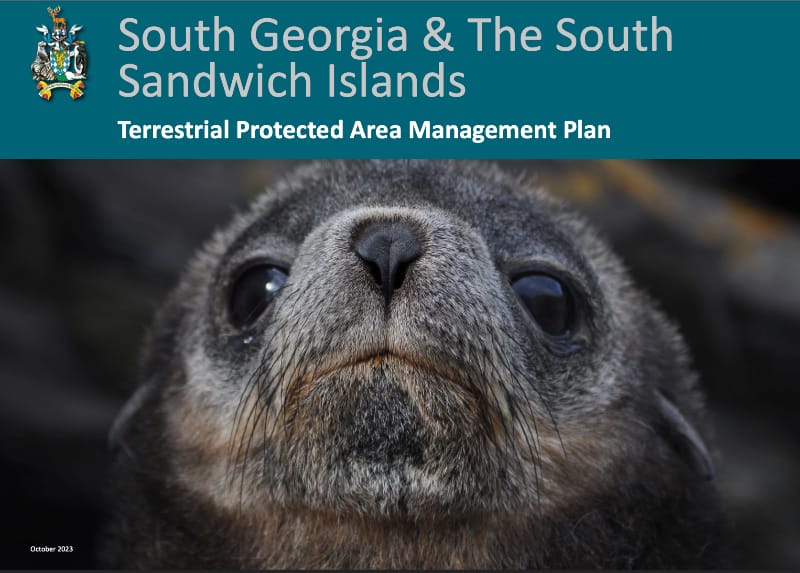
Today the Government of South Georgia & the South Sandwich Islands (GSGSSI) has introduced a comprehensive Management Plan and new regulations to further protect terrestrial habitats and the remarkable animals and plants found there.

Download: South Georgia & The South Sandwich Islands Terrestrial Protected Area Management Plan [.pdf, 5.6mb]

In 2022, the entire 3,800km[SUP]2 [/SUP]of the landmass of the Territories was declared a Terrestrial Protected Area. Complementing the Marine Protection Area for the SGSSI Maritime Zone, the new Management Plan and regulations announced today will ensure that all our land and sea territories, are managed for the continued conservation of biodiversity while delivering sustainable, low impact activities including tourism. These two Protected Areas together ensure that GSGSSI can continue to safeguard and promote a global rarity, an ecosystem in recovery.

Since 2021, GSGSSI has been working with our stakeholders to deliver a management plan for that TPA and to enhance the legal protection afforded to the area. GSGSSI is today pleased to announce that with the publication of the Management Plan and Regulations this work has now been finalised.

At the heart of the Management Plan are our key overarching objectives of conservation, protection and preservation of the ecosystem and restoration of biodiversity and ensuring that all activities are carried out sustainably with minimal impact on the ecosystem.

An Advisory Group will inform the GSGSSI on the delivery of the management plan and will play a key role in the development of an associated Research and Monitoring Plan. The Management Plan is supported by new regulations that come into effect today, bringing into our permit regime a range of activities that could be damaging to the environment and to the delivery of the Management Plan’s objectives. Such activities will only be permitted after a rigorous assessment of their impact.

In announcing the finalisation of the Management Plan and coming into effect of the regulations to underpin it, Her Excellency Ms Alison Blake CMG, HM Commissioner for South Georgia and the South Sandwich Islands, said “As Commissioner I am delighted that we have completed the next stage in protecting the unique ecosystem of South Georgia and the South Sandwich Islands. I am confident that we can continue to ensure that these islands remain an ecosystem in recovery, delivering globally significant science, a world class sustainable fishery and enjoyed by thousands of visitors.”

Adding her support, Professor Dame Jane Francis, Director of the British Antarctic Survey said,

We’re proud to have contributed to the development of the new Management Plan, which will aid the recovery of this unique place in the context of a world grappling with human impacts. British Antarctic Survey has enjoyed a special relationship with South Georgia & the South Sandwich Islands for many years through the long-term science that we do there. It’s wonderful that this work can now feedback to support the conservation and protection of the ecosystems that we study.”

In welcoming the publication of the Management Plan and the regulations Dr Megan Tierney from the Joint Nature Conservation Committee , said: It has been a privilege for JNCC to be part of the Advisory Group and input to the new SGSSI TPA Management Plan, which reflects the commitment made by the Government of South Georgia and the South Sandwich Islands (GSGSSI) to protect its unique habitats and species. The plan will help to ensure these islands have the right protection in place to conserve their incredible biodiversity. As part of JNCC’s commitment to working with our nature-rich UK Overseas Territories, we are looking forward to working with GSGSSI to deliver and implement the next phase of the plan.


TPAPlan.jpg


https://gov.gs/enhanced-measures-fo...for-south-georgia-and-south-sandwich-islands/
 
Last edited:
Source: https://www.miragenews.com/additional-cases-of-avian-flu-confirmed-on-1128181/

21 Nov 2023 9:22 pm AEDT
Additional cases of Avian Flu confirmed on South Georgia
British Antarctic Survey

Last month, October 2023, Highly Pathogenic Avian Influenza (HPAI) was confirmed on Bird Island, South Georgia in the brown skua populations. Since then, a number of other cases of symptomatic birds and above baseline mortality have been reported to the Government of South Georgia and South Sandwich Islands (GSGSSI).

Working in close partnership with British Antarctic Survey (BAS), swabs from four further sites were taken from brown skua and kelp gulls. These were returned to the UK and tested by the Animal and Plant Health Agency (APHA) laboratories in Weybridge, where they returned positive results for HPAI H5N1.​

In addition, a high level of mortality has been detected in elephant seal pups at three sites around South Georgia and animals have displayed symptoms which are consistent with HPAI. Swabs were also taken from these animals, but results did not confirm HPAI. Plans are being developed in conjunction with APHA to implement more appropriate sample collection over the next few weeks to confirm the cause of the mortality...
 
SCAR ANTARCTIC WILDLIFE HEALTH NETWORK HPAI DATABASE


The Antarctic Wildlife Health Network (AWHN) has established a HPAI database to monitor and record information submitted to the AWHN on the spread of HPAI outbreaks in the sub-Antarctic and Antarctica throughout the 2023/24 Austral Summer. This database will form a central reporting database to collate detailed scientific information on all suspected and confirmed outbreaks throughout the sub-Antarctic and Antarctica. The AWHN will also provide regular updates on current cases and recommendations via the map below on this website and regular bulletins.

HOW WILL SCAR USE THIS DATA?


Information submitted to AWHN database will be used to:
  • Monitor the movement and spread of HPAI in the sub-Antarctic and Antarctic region.
  • Update the AWHN risk assessment for wildlife species and geographical regions.
  • Update recommendations and guidelines for surveillance, monitoring and response to HPAI as we learn from this outbreak.
  • Update the polar community on current suspected and confirmed outbreaks of HPAI and to further understand the biology and movement of this virus.
  • Analyse the movement of HPAI and its impacts on wildlife colonies based on reported data.
From submissions, the following information will be made publicly available to the wider community via this website.
  • Date reported.
  • Region (sub-Antarctic/Antarctic)
  • Site Details (Site Name, Latitude/Longitude)
  • Species Affected
  • Status (suspected/confirmed)
    • Type of Test
This database is moderated by Dr. Meagan Dewar (Federation University, Chair, SCAR Antarctic Wildlife Health Network) and Dr. Michelle Wille (University of Melbourne, SCAR Antarctic Wildlife Health Network). For enquiries related to the database, please email antarcticwildlifehealthnetwork@gmail.com.

All suspected cases will be viewed by one of the SCAR Antarctic Wildlife Health Networks Avian Influenza experts.

The monitoring and reporting project has been and continues to be greatly assisted through collaboration with COMNAP and IAATO and their Members.

*Please note, SCAR does not take responsibility for the accuracy of the original data submitted to the AWHN database.

CURRENT SUSPECTED AND CONFIRMED CASES IN THE REGION

​...

Total cases


Suspected:22
Confirmed:13
...
2023-10-23Bird IslandBrown SkuasConfirmed
2023-10-25Hound BayBrown Skuas, Kelp GullsConfirmed
2023-10-27Royal Bay (Moltke)Brown Skuas, Kelp GullsConfirmed
2023-10-27Royal Bay (Moltke)Elephant Seals, Giant PetrelSuspected
2023-10-29HarponBrown SkuasConfirmed
2023-10-29HarponGiant PetrelSuspected
2023-11-03Gold HarbourElephant seal, Kelp Gulls, Brown SkuaSuspected
2023-11-03Cooper BayElephant seal mortality*Suspected
2023-10-30StanleyOne Southern FulmarConfirmed
2023-11-07ElsehulElephant sealSuspected
2023-11-04Penguin River/Brown FlatsBrown Skua, Kelp GullConfirmed
2023-11-08Cape RosaBrown SkuaSuspected
2023-11-08Peggotty BluffBrown Skua, Kelp Gull, Elephant sealSuspected
2023-11-08Right Whale BayBrown SkuaSuspected
2023-11-08RookeryBrown SkuaSuspected
2023-11-08GrytvikenBrowk Skua, Anatarctic Tern*, Elephant s...Suspected
2023-11-08St Andrews BayKelp Gull, Brown SkuaConfirmed
2023-11-08St Andrews BayElephant Seal pup/weaners, Giant PetrelSuspected
2023-11-10Cooper BaySkua, Kelp Gull, Antarctic TernSuspected
2023-11-10Rookery BayElephant SealSuspected
2023-11-11Jason HarbourElephant Seal, Fur SealConfirmed
2023-11-12Ocean HarbourBrown Skua, Elephant SealSuspected
2023-11-13Salisbury PlainBrown SkuaSuspected
2023-11-11Pebble IslandSouthern FulmarConfirmed
Bird IslandBlack-Browed Albatross, Grey-Headed Alba...Suspected
2023-11-12StromnessBrown Skua, Kelp GullsSuspected
2023-11-20Saunders IslandBlack-Browed AlbatrossConfirmed
2023-11-26HusvikBrown Skua, Kelp GullSuspected
2023-11-28Jason Steeple IslandBlack-browed AlbatrossConfirmed
2023-12-19Greene PeninsulaElephant seal, Fur seal, Brown skua, Kel...Suspected
2023-12-22Laguna Skua Sur Isla Laurie, Archipielag...Brown (Antarctic) Skua (Stercorarius ant...Suspected
2023-12-31Heroina IslandBrown SkuaSuspected
2024-01-05RositaFur SealSuspected
2023-12-19King Edward PointAntarctic Tern, Fur SealConfirmed
2024-01-10FortunaFur Seal, Elephant Seal, King Penguin, B...Suspected
2024-01-19Sea Lion IslandGentoo PenguinConfirmed
2024-01-20StromnessAntarctic Fur Seal, Elephant SealSuspected


Showing 1 to 37 of 37 entries

https://scar.org/library-data/avian-flu
 
Source: https://isp.today/first-case-of-bird-flu-confirmed-in-king-penguins-in-the-antarctic/#gsc.tab=0

January 29, 2024 by Roman Frąckiewicz
First Case of Bird Flu Confirmed in King Penguins in the Antarctic


In a significant development, the first case of bird flu has been confirmed in king penguins in the Antarctic. This highly contagious H5N1 virus is suspected to have caused the death of at least one king penguin on South Georgia island. Researchers have expressed concerns about the potential devastating impact of the disease on remote penguin populations, highlighting that the current breeding season could allow the virus to spread rapidly and decimate entire colonies.

King penguins, the second-largest penguin species in the world, are now under threat as this deadly virus makes its way into their habitats. Apart from the suspected case on South Georgia, a gentoo penguin also died from H5N1 at the same location. Additionally, on the Falkland Islands, 900 miles west of South Georgia, another gentoo penguin has been confirmed to have died from the virus, with several chicks showing symptoms or succumbing to the disease.

The devastating impact of bird flu is not limited to penguins alone. The arrival of H5N1 in the Antarctic has resulted in mass deaths of other wildlife, including elephant seals, fur seals, kelp gulls, and brown skuas. Previous outbreaks in South Africa, Chile, and Argentina have shown that penguins are highly vulnerable to the disease, leading to the deaths of over 500,000 seabirds in South America, including penguins, pelicans, and boobies.​..
 
Bird flu found in penguins near Antarctica, 200 chicks dead

By Jake Spring and Gloria Dickie
January 30, 2024
5:18 PM CST
....
Researchers found, about 35 penguins dead in the Falkland Islands in the South Atlantic on Jan. 19. Samples taken from two of the dead penguins came back positive for the H5N1 avian influenza virus, said Ralph Vanstreels, a veterinarian who works with SCAR.

The Falkland Islands government told Reuters that many more gentoos were dying under similar circumstances. As of Jan. 30, "there are over 200 chicks dead alongside a handful of adults", said government spokesperson Sally Heathman.

The deaths confirm that gentoo penguins are susceptible to the lethal disease that has decimated bird populations across the world in recent months. However, gentoos rarely travel between the Falklands off Argentina's coast and the Antarctic Peninsula, which lies some 1,300 kilometres (800 miles) to the south.

That means traveling penguins are unlikely to drive the spread to the southern continent, said Vanstreels, a researcher affiliated with University of California-Davis.
...
Heathman said the Falkland Islands government was also awaiting test results from rockhopper penguins and "preparing for a large-scale outbreak."
...

https://www.reuters.com/business/en...ies-sparks-fear-spread-antarctica-2024-01-30/
 
Avian flu now detected in albatrosses on South Georgia

19 February, 2024 News stories

SOUTH GEORGIA. Update, February 2024 – Highly Pathogenic Avian Influenza (HPAI) continues to affect the wildlife on the subantarctic islands of South Georgia. The latest results from samples taken from the islands reveal that the disease has now been detected in the wandering albatross (as at 9 February 2024).

Avian Influenza was first detected in the brown skua populations in October 2023, closely followed by kelp gulls. In January 2024, it was discovered as being present in elephant and fur seal populations. Whilst no penguins on the islands have yet tested positive for the disease, it has been detected in one bird on the nearby Falkland Islands.

The team at the British Antarctic Survey (BAS), at Cambridge and on the islands, are working closely with the Government of South Georgia and South Sandwich Islands (GSGSSI) who govern the territory.

Recent samples were collected on the islands and tested in Weybridge, UK. Results show positive results for HPAI H5N1 in albatrosses, elephant seals, fur seals, brown skuas, kelp gulls and Antarctic terns.

Photo_4-736x321.jpg

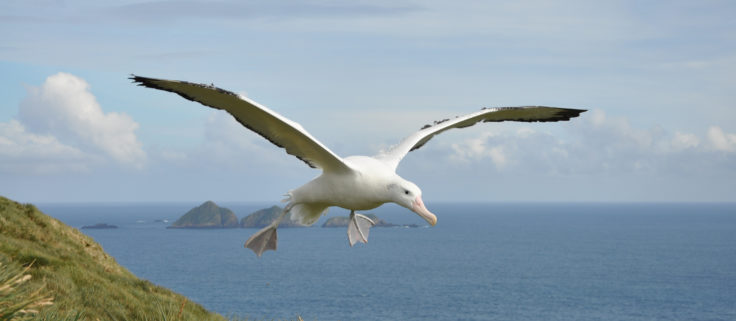
Wandering albatross have tested positive for avian flu on Bird Island (Photo: Richard Phillips, BAS)

BAS operates two research stations on South Georgia: King Edward Point and Bird Island. As a result of the confirmed cases of HPAI, fieldwork involving close contact with impacted species has been suspended. BAS staff continue to follow strict GSGSSI biosecurity measures adopted this season of enhanced cleaning of clothing and field equipment when moving between sites with high densities of wildlife, as well as remaining vigilant for signs of disease.

Ash Bennison is the science manager for Bird Island Research Station, operated by BAS. He says:

“It’s incredibly sad to witness the effects of avian flu on the animal populations we study on South Georgia. We are doing everything we can to mitigate the effects of this disease and are working closely with GSGSSI to continue our work to monitor and conserve these amazing species.”​


Elements of the wider science programme at King Edward Point and Bird Island continue under caution, including long-term monitoring of wandering albatross, black-browed albatross, grey-headed albatross, northern and southern giant petrels, gentoo penguins and macaroni penguins.
KEP-drone-shot-736x424.png

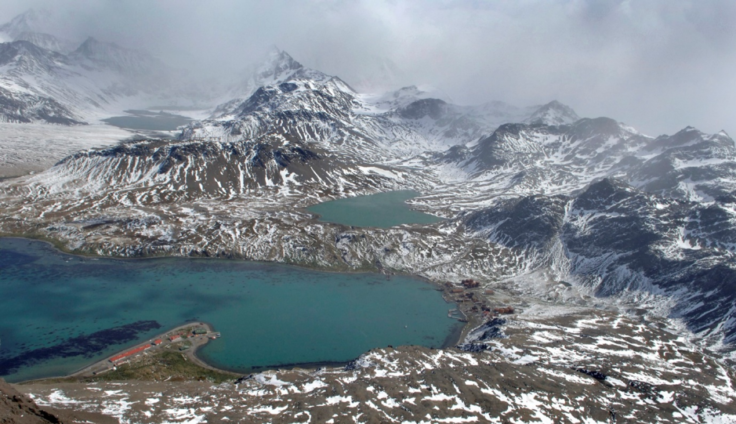
King Edward Point Research Station & Grytviken Whaling Station in Cumberland Bay, South Georgia. Looking South from high above the Bore Valley. (Photographer: Pete Bucktrout, Season: 2008/2009)

South Georgia has some of the most closely monitored seabird colonies in the world, equipping scientists and conservationists with indicators of change for species.

BAS and GSGSSI are working closely with DEFRA’s Animal Plant Health Agency (APHA) to monitor and control the spread of the disease and to mitigate its impact on the region’s wildlife.

Laura Sinclair Willis, Chief Executive, Government of South Georgia & the South Sandwich Islands, says:

“The Government of South Georgia and the South Sandwich Islands anticipated that High Pathogenicity Avian Influenza would likely arrive on our shores in the 23/24 austral summer, and we are grateful for the ongoing support of the Animal and Plant Health Agency, British Antarctic Survey, Ministry of Defence and the Antarctic cruise industry, along with a global community of partners and stakeholders who are helping us to monitor the impacts within the Territory.

“The transmission and spread of this disease is primarily a natural phenomenon, and we continue to emphasise the importance of scrupulous biosecurity by all those entering South Georgia and the South Sandwich Islands.”​


https://www.bas.ac.uk/media-post/avian-flu-now-detected-in-albatrosses-on-south-georgia/
 
Source: https://www.csic.es/en/node/125971

Scientists from the Severo Ochoa Molecular Biology Center of the CSIC confirm the presence for the first time in Antarctica of the Highly Pathogenic Avian Influenza virus
The presence of the virus, confirmed on February 24, has been found in samples of dead skuas (skuas), which were found by Argentine scientists near the Antarctic base 'Primavera'
News date:
Sunday, 25 February, 2024​

Scientists from the Severo Ochoa Molecular Biology Center of the Higher Council for Scientific Research (CSIC), dependent on the Ministry of Science, Innovation and Universities, have confirmed the presence, for the first time in Antarctica, of the Highly Pathogenic Avian Influenza virus. The group of scientists, led by CSIC researcher Antonio Alcamí, who works at the Spanish Antarctic Base Gabriel de Castilla, on Deception Island, confirmed the presence of the virus this past February 24. Specifically, the virus has been found in two samples of dead skuas (skuas), which were found by Argentine scientists near the Argentine Antarctic base Primavera. The samples were obtained using maximum protective measures to avoid transmission of the virus to people. Once the samples were taken, the viruses present in them were immediately inactivated to allow them to be studied safely. Subsequently, the samples were transported by an Argentine ship of the Combined Antarctic Patrol, with all security measures, to the Spanish Antarctic Base Gabriel de Castilla on Deception Island, where they were analyzed by CSIC researchers Ángela Vázquez and Antonio Alcamí.

Analysis has conclusively shown that the birds were infected with the H5 subtype of avian influenza and at least one of the dead birds contained the highly pathogenic avian influenza virus. These analyzes consisted of specific PCRs for the influenza virus and the H5 subtype, followed by sequencing of the protease cutting region, which defines with 100% certainty the presence of the Highly Pathogenic Avian Influenza virus. This confirmation has been possible thanks to international collaboration, especially with Argentina, and the coordination of the Spanish Polar Committee. The international Antarctic organizations that have collaborated have been: Scientific Committee for Antarctic Research (SCAR) and Council of Managers of National Antarctic Programs (COMNAP), which have been informed of the discoveries, as required by the Antarctic Treaty...
 
HPAI Confirmed In Penguin Populations On South Georgia

HPAI Confirmed In Penguin Populations On South Georgia

AVvXsEj2kUxTHNpIq89y8_yrGqXwGl0H2CGwmsojbDOnHYesNAsw2-UrXuwXHyRfvacLlAO6WsoWT72yn3SrSrs4gYSOQuJygv1SnL0A1ZdQA3GmcOk9ZctUWZk770zuCzv3SDV_phMfbiRmozLJ3IXOCmSjSefsZBAMCZsIc47eml0Te4lKwPai9w9hwA=w308-h320


Credit OFFLU

#17,945

Seven months ago, we looked at the FAO/WOAH OFFLU Network's 14-page statement on the impacts, and challenges of HPAI facing South America, and the strong likelihood that avian flu would soon arrive in the Antarctic region.

Two months later (Oct. 2023) we learned of the first confirmed HPAI H5 infection in a bird in the sub-Antarctica region from the Government of South Georgia & the South Sandwich Islands' (SGSSI) twitter/X account.​


In mid-January, in SGSSI Statement: HPAI Confirmed in Mammals in Sub-Antarctica For The First Time, we learned the virus had been detected in elephant and fur seals on the sub-Antarctic island of South Georgia.

And just two weeks ago (see CIDRAP report), HPAI was confirmed on Antarctica's mainland; recovered from dead skuas which were found by Argentine scientists near the “Primavera” Antarctic base.

Overnight SGSSI website published the following update, confirming the discovery of HPAI in two colonies of penguins (gentoo & king) on South Georgia.

HPAI Confirmed In Penguin Populations On South Georgia

March 11, 2024

Highly Pathogenic Avian Influenza (HPAI) was first detected in the brown skua population on Bird Island, South Georgia in October 2023.

Since then,
British Antarctic Survey (BAS) scientists and Government of South Georgia & the South Sandwich Islands (GSGSSI) personnel have undertaken monitoring across the Territory. The teams have been closely supported by the UK Animal and Plant Health Agency(APHA) via testing at their laboratories in Weybridge.

HPAI has now been confirmed from 23 sites across South Georgia. Species which have historically tested positive for HPAI H5N1 include: brown skua, kelp gul, wandering albatross, elephant seal and Antarctic fur seal.

The most recent results from samples taken in early February have confirmed the presence of the disease in one colony of gentoo penguins and one colony of king penguins on South Georgia.

Whilst the virus has been detected at a range of sites and in several species, the effects appear to be localised. GSGSSI will continue to work with partner agencies to monitor the impact of the disease on wildlife in the Territories.

Genomic sequencing surveillance data analysed to-date has confirmed previous assessments that there is no increased risk to human health. The risk of human infection with H5N1 remains very low.

Guidance for those visiting the Territory is available in the Biosecurity Handbook. As part of the response to HPAI, some sites on South Georgia are closed to visitors. At other sites, visitors are asked to continue following established biosecurity procedures to decontaminate clothing, footwear and field equipment before and after any landing between regions and sites.


You can find more details and background in the British Antarctic Survey news report Penguins test positive for Avian Flu on South Georgia.

Remarkably, even though H5N1 emerged in Southeast Asia more than 25 years ago, and has been widely reported across much of the Indonesian archipelago for decades, the virus has never managed to get a foothold in Oceania (Australia/NZ).​


It has long been believed that that this good fortune is due to the Wallace and Weber lines - imaginary dividing lines used to mark the difference between animal species found in Australia and Papua New Guinea and the rest of Southeast Asia.

While separated by a relatively narrow strait, on the western side you'll find Elephants, monkeys, leopards, tigers, and water buffalo while on the eastern side, you'll mostly find marsupials (kangaroos, Koalas, wombats, etc.).

These stark faunal differences also extend to birds, reptiles, and even insects.​


Importantly for avian flu, very few migratory birds appear to cross the Wallace line (see The Australo-Papuan bird migration system: another consequence of Wallace's Line).

The continued expansion of HPAI H5 in the Antarctic region however, potentially provides the virus with a new approach (from the south) to both Australia and New Zealand. While that hasn't happened yet, it may become a possibility down the road. Last December OFFLU warned:

Given movement data demonstrating connectivity between the polar front to both the Antarctic and Subantarctic islands of Oceania, and Oceania itself, it is plausible that if HPAI H5 were present in the Antarctic region directly south of Oceania, it could be introduced to Oceania.


Whether or not that happens, HPAI H5's global field experiment continues, and there appears to be little we can do to stop it.

​https://afludiary.blogspot.com/2024/03/hpai-confirmed-in-penguin-populations.html
 
Antarctica - Influenza A viruses of high pathogenicity (Inf. with) (non-poultry including wild birds) (2017-) - Immediate notification [FINAL]


GENERAL INFORMATION

COUNTRY/TERRITORY OR ZONE
ZONE

ANIMAL TYPE
TERRESTRIAL

DISEASE CATEGORY
Listed disease

EVENT ID
5599

DISEASE
Influenza A viruses of high pathogenicity (Inf. with) (non-poultry including wild birds) (2017-)

CAUSAL AGENT
Highly pathogenic avian influenza virus

GENOTYPE / SEROTYPE / SUBTYPE
H5 (N untyped)

START DATE
2024/01/21

REASON FOR NOTIFICATION
First occurrence in a zone or a compartment

DATE OF LAST OCCURRENCE- CONFIRMATION DATE
2024/02/24

EVENT STATUS
Resolved

END DATE
2024/02/24

SELF-DECLARATION


NO REPORT INFORMATION

REPORT NUMBER
Immediate notification

REPORT ID
IN_166459

REPORT REFERENCE- REPORT DATE
2024/03/12

REPORT STATUS
Validated

NO EVOLUTION REPORT

EPIDEMIOLOGY

SOURCE OF EVENT OR ORIGIN OF INFECTION
  • Contact with wild species
EPIDEMIOLOGICAL COMMENTS
A South Polar skua was found dead and was collected by Argentinean scientists in the vicinity of the Argentinean Antarctic base "Primavera". The samples were sent to the Spanish Antarctic base "Gabriel de Castilla" where diagnosis was carried out by PCR and sequencing was performed to confirm the protease cleavage site (PLREKRRKR/GLF).

QUANTITATIVE DATA SUMMARY

MEASURING UNIT
Animal

SpeciesSusceptibleCasesDeathsKilled and Disposed ofSlaughtered/ Killed for commercial useVaccinated South polar skua (WILD)NEW-11---TOTAL-11---

DIAGNOSTIC DETAILS

CLINICAL SIGNS
YES

METHOD OF DIAGNOSTIC
Diagnostic test
Gene sequencingCentro de Biología Molecular Severo Ochoa del Consejo Superior de Investigaciones Científicas (CSIC) - EspañaSouth polar skua12024/02/242024/02/24Positive
Polymerase chain reaction (PCR)Centro de Biología Molecular Severo Ochoa del Consejo Superior de Investigaciones Científicas (CSIC) - EspañaSouth polar skua12024/02/082024/02/08Positive
https://wahis.woah.org/#/in-review/5599
 
Wildlife under threat as avian influenza reaches Antarctica


3643401191.jpg


Published on 13 March 2024

The ongoing spread of high pathogenicity avian influenza (HPAI) has now reached an unprecedented milestone with reports of its recent detection on Antarctica’s mainland. Originally surfacing in Europe in 2021, the virus has traversed continents, reaching North America in the same year and South America by 2022. Most recently, it has extended its reach to Antarctic islands in 2023. However, the gravity of the situation intensifies as it infiltrates the northern tip of Antarctica’s mainland, as reported through the World Animal Health Information System (WAHIS).

The discovery came through the identification of the virus in a South Polar skua collected by Argentinian scientists near Argentina’s Antarctic research base, Primavera. Skuas, large seabirds breeding in sub-Antarctic and Antarctic zones, pose a concerning vector as they migrate farther north when not breeding.

Once considered primarily a threat to poultry, HPAI has ushered in a “new normal” whereby HPAI is moving from wild birds to wild mammals with impacts beyond anything previously seen. Estimates vary, but at the latest count, there have been 485 species from over 25 avian orders affected and 37 new mammal species infected since 2021. Only Pacific Islands, Australia and New Zealand remain free of the disease, but the situation is changing rapidly.

HPAI outbreaks have resulted in marked declines in wildlife populations, including marine mammals in South America. Despite the challenges, there are strategies to better protect wildlife in the short and long term. These include preventing further spillover events to and from poultry through improved biosecurity, implementing improved surveillance systems to both inform virus epidemiology and benefit wildlife, and responding to outbreaks in wildlife using a coordinated, interagency-multisectoral approach. For example, WOAH’s Working Group on Wildlife has produced new guidelines on the emergency vaccination of wild birds of high conservation importance against HPAI and the management of HPAI in marine mammals.

The loss of wildlife at the current scale presents an unprecedented risk of wildlife population collapse, creating an ecological crisis. WOAH encourages Members to quickly and thoroughly respond to outbreaks of HPAI in wildlife, emphasising the incorporation of wildlife health into animal health surveillance, reporting, preparedness, and response systems. These efforts require not merely viewing wildlife as a potential risk to production animal and human health, but as beings warranting protection in their own right. WOAH underscores the importance of robust interagency coordination and inclusion of diverse expertise to ensure transparency, equity and mutual benefit of decisions.


https://www.woah.org/en/wildlife-under-threat-as-avian-influenza-reaches-antarctica/
 
Bird-flu threat disrupts Antarctia penguin studies

15 March 2024​
By Carissa Wong

doi: https://doi.org/10.1038/d41586-024-00807-0

A deadly strain of bird flu circulating worldwide is disrupting research in Antarctica and could lead to the cancellation of some projects to study penguins, seals and other animals next year.

“This is the first time I remember such reduced access to animal colonies since I started my Antarctic career in 1996,” says microbiologist Antonio Quesada del Corral, who manages the Spanish Antarctic research programme and is based in Madrid.

“Several projects were cancelled this year, because we wanted to reduce the risk of having an infection of people or being the vector that spreads sickness between different animal colonies,” he says. “We had scheduled for next year more new projects on animal colonies — some of these are now likely not going to take place.” ...

https://www.nature.com/articles/d41586-024-00807-0
 
‘Cautious optimism’ as penguins test positive for bird flu but show no symptoms
...
Phoebe Weston
Tue 26 Mar 2024 03.00 EDT

Adélie penguins in Antarctica are testing positive for bird flu without showing outward signs of disease, according to researchers who travelled around 13 remote breeding sites on an ice-breaking cruise ship.

Since bird flu arrived in the region this year, there have been concerns about the virus reaching the Antarctic’s fragile penguin populations. In November last year, researchers warned in a pre-print research paper​ that if the virus caused mass mortality in these colonies, “it could signal one of the largest ecological disasters of modern times”.

In December 2023 and January 2024, scientists tested 16 Adélie penguins on Beagle island in the Antarctic peninsula for H5N1, and seven (43%) tested positive. Satellite trackers on the penguins showed they were alive and foraging as normal two months later in early March 2024. At another site on Red Rock Ridge, nine Adélie penguins were tested and one tested positive.

None showed any sign of disease, which is good news for the penguins – but researchers warn they could act as “Trojan horses” facilitating the spread of the virus to vulnerable species.

“These asymptomatic cases may seem reassuring for the species in question, but they have strong implications for Antarctic wildlife in general, potentially leading to unnoticed and widespread virus transmission,” wrote researchers, led by Fabiola León from UC Chile, in the bioRxiv paper, which has yet to be peer reviewed.​
...

https://www.theguardian.com/environ...ymptomatic-penguins-adelie-penguins-antarctic
 
From the above referenced paper

snip


Results


Of the 115 individuals sampled, 9 tested positive, including 8 Adélie penguins and 1 Antarctic shag, corresponding to a positivity rate of ∼12% for all the Adélie penguins sampled. On Beagle Island (Danger Islands, at the northern tip of the Antarctic Peninsula), nearly half the Adélie penguins sampled were positive for RT-PCR amplification. All suspected positive cases came from the Antarctic Peninsula, and no suspected cases were detected in the 64 samples collected in the western part of the Bellingshausen Sea, in the Amundsen Sea, or in the Ross Sea. None of the birds sampled, including the suspect cases, showed any symptoms. Crucially, the 7 Adélie penguins that tested positive in Beagle Island and also carried an Argos tracker were still alive and engaged in breeding-like foraging behavior as of early March 2024, over 2 months after the positive test, thus establishing the low-pathogenicity of H5N1 infection in these 7 cases. Molecular analysis confirmed the presence of PCR amplicons of the expected size for H5N1 in positive cases and their replicates, while replicates of negative cases consistently yielded negative results.


https://www.biorxiv.org/content/10.1101/2024.03.16.585360v1.full

Highly Pathogenic Avian Influenza A (H5N1) Suspected in penguins and shags on the Antarctic Peninsula and West Antarctic Coast

Fabiola León, Céline Le Bohec, Eduardo J. Pizarro, Loïcka Baille, Robin Cristofari, Aymeric Houstin, Daniel P. Zitterbart, Gonzalo Barriga, Elie Poulin, Juliana A. Vianna
doi: https://doi.org/10.1101/2024.03.16.585360​

 
Back
Top