• FluTrackers.com Inc. does not provide medical advice. Information on this web site is collected from various internet resources, and the FluTrackers board of directors makes no warranty to the safety, efficacy, correctness or completeness of the information posted on this site by any author or poster. The information collated here is for instructional and/or discussion purposes only and is NOT intended to diagnose or treat any disease, illness, or other medical condition. Every individual reader or poster should seek advice from their personal physician/healthcare practitioner before considering or using any interventions that are discussed on this website. By continuing to access this website you agree to consult your personal physican before using any interventions posted on this website, and you agree to hold harmless FluTrackers.com Inc., the board of directors, the members, and all authors and posters for any effects from use of any medication, supplement, vitamin or other substance, device, intervention, etc. mentioned in posts on this website, or other internet venues referenced in posts on this website.
  • We are not asking for any donations. Do not donate to any entity who says they are raising funds for us.

Avian Influenza Cases Confirmed in Antarctic Region - wild birds

Scientists investigate thousands of dead Antarctic penguins for bird flu

By Jake Spring

April 4, 20243:11 PM CST
Updated 16 hours ago

April 4 (Reuters) - Has bird flu already killed hundreds, if not thousands of penguins in Antarctica?

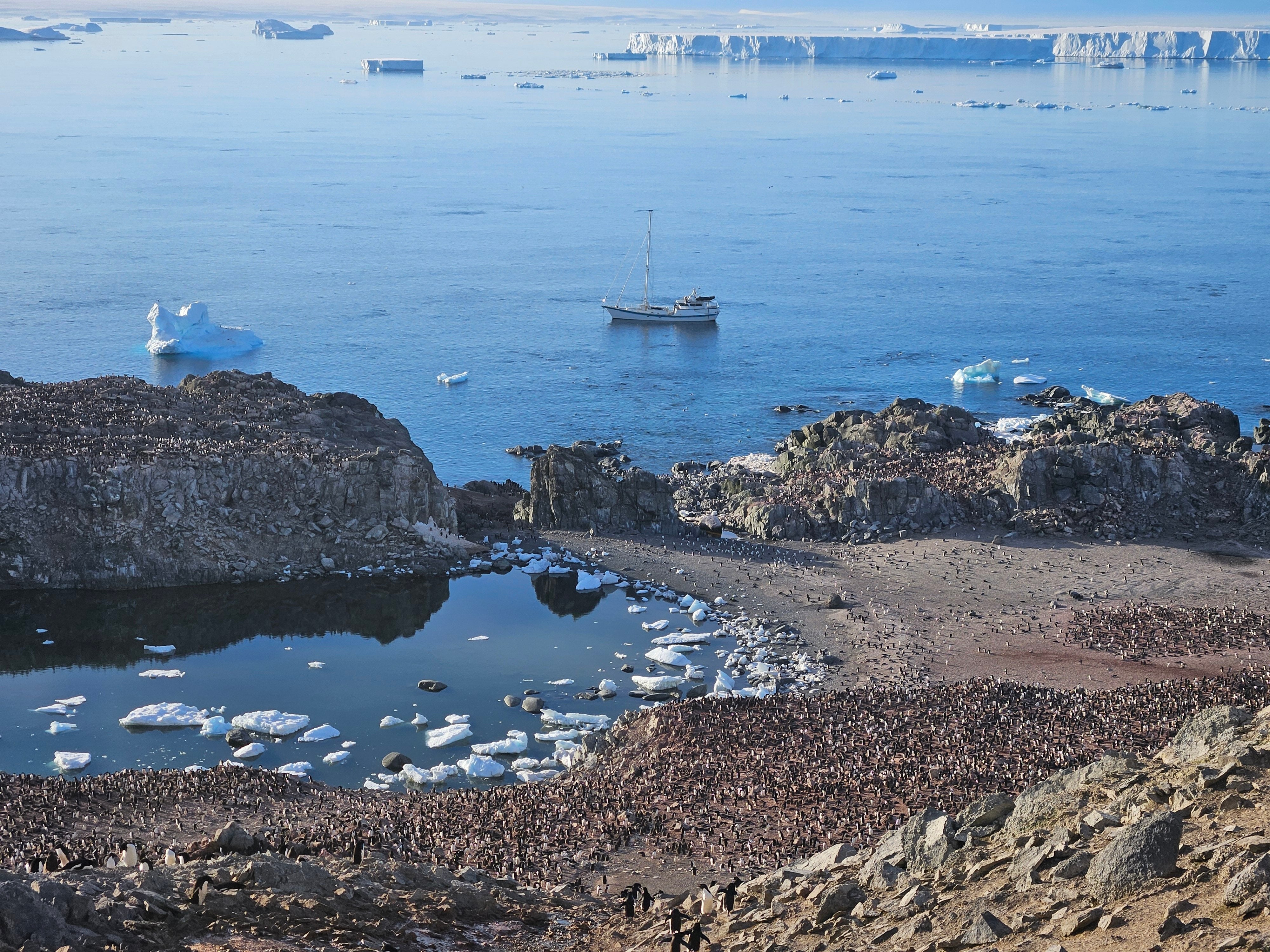
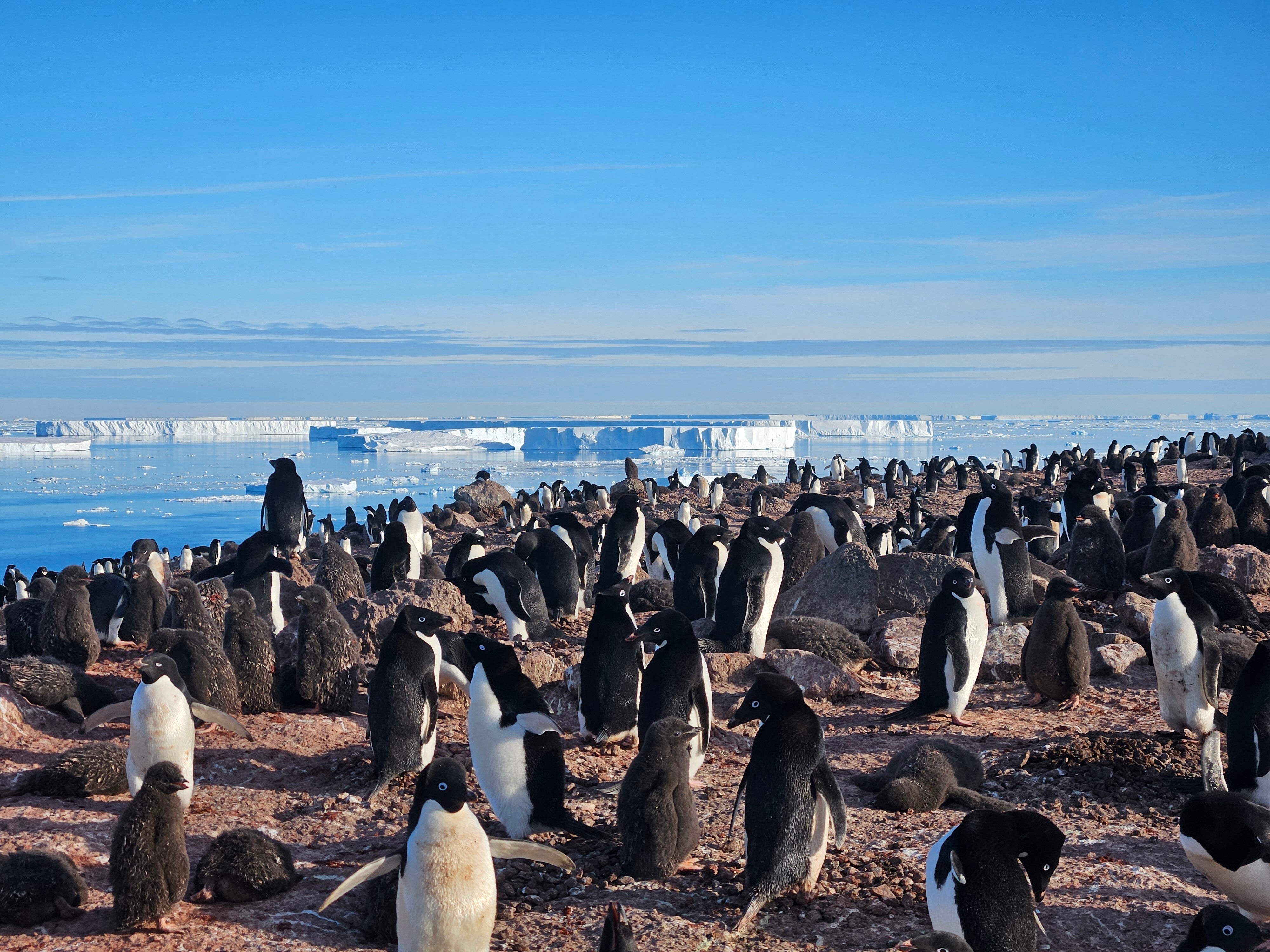
That's what researchers are seeking to find out after a scientific expedition last month found at least 532 dead Adelie penguins, with thousands more thought to have died, according to a statement from Federation University Australia.

While the researchers suspect the deadly H5N1 bird flu virus killed the penguins, the field tests were inconclusive, the university said. Samples are being shipped off to labs that the researchers hope will provide answers in coming months.
...
Dewar told Reuters that the dead Adelie penguins were found frozen solid in the sub-zero temperatures and covered in snow on Heroina Island.

Dewar and the small team of researchers were not able to tally all of the carcasses on the large island, estimating that several thousand died in total at some time in the proceeding weeks or months.
...

https://www.reuters.com/business/he...-dead-antarctic-penguins-bird-flu-2024-04-04/
 
International team of scientists determine further spread of HPAI in the Antarctic Peninsula region

Posted: Thursday 4 April 2024

An international team of scientists examining the presence and impact of High Pathogenicity Avian Influenza of the H5 subtype (HPAIV H5) infections on Antarctic wildlife have identified further spread of the virus in the Northern Weddell Sea area of Antarctica.

The team found that so far skuas have been the most severely affected species, and the high mortality levels detected show there may be long-term consequences for their conservation at the regional level. The expedition, primarily funded by the International Association of Antarctica Tour Operators (IAATO), as well as the EU Horizon Europe project Kappa-Flu* and the Spanish National Research Council (CSIC), set out to investigate the region of the Trinity Peninsula and the Northern Weddell Sea on the 13th of March.

The current HPAIV H5 of interest initially evolved in poultry but has recently adapted to better spread in wildlife. Since 2020, its unprecedented spread has caused significant mortalities of wild birds and mammals on an almost global scale. Following the arrival of HPAIV H5 to South America by the end of 2022, its arrival to Antarctica was predicted to occur in subsequent years, and finally confirmed in February 2024.

There are great concerns on its effects on wildlife populations in Antarctica specifically, as several species are already classified from near threatened to critically endangered. In addition, the high wildlife mortality, as observed on other continents like South America, could easily go unnoticed here due to the remoteness and limited accessibility for regular surveillance of the Antarctic continent. ‘For this reason, setting up surveillance tools that are feasible within an Antarctic context could help in monitoring HPAIV H5 impact in upcoming years’, Federation University’s Meagan Dewar, leader of the expedition, stated.

The specialists involved in this expedition were multidisciplinary, involving biologists, wildlife veterinarians, virologists and a seasoned Antarctic sailing crew (1). This team was well equipped to move fast from suspicion to sampling, and testing. They set out to investigate the region of the Trinity Peninsula and the Northern Weddell Sea, an area where previous surveillance efforts by National Antarctic Programs had been limited, but where the SCAR’s (Scientific Committee on Antarctic Research) - Antarctic Wildlife Health Network (AWHN) had received notifications from researchers, ornithologists and the general public on potential mortality events or disease in wildlife. Once at the location, the team performed a preliminary assessment of sick individuals or unusual wildlife mortality (2), and then set out to collect samples for HPAIV H5 testing.

In addition to collecting non-invasive samples from sick or ill individuals, hundreds of faecal samples were also collected from seemingly healthy animals, to investigate virus prevalence in those. Additionally, air and water samples were collected and will help determine virus presence in the environment.

A compact diagnostic laboratory set up on the vessel specifically for this expedition (3), allowed the team to use state-of-the-art methods to test inactivated virus samples to then detect HPAIV H5 and sequence the genome. This on-ship testing, never performed before, represents a remarkable logistical advancement for HPAIV H5 surveillance in the Antarctic region, as confirmation did not depend on time-consuming shipment of samples to far off testing sites.

During the expedition, the team surveyed 10 wildlife-dense areas located between the South Shetland Islands, the Northern Weddell Sea and the Danger Islands (see map; 4). The presence of HPAIV H5 was confirmed by multiple laboratory tests (H5-specific RT-qPCR and sequencing of the multibasic protease cleavage site characteristic for HPAIV) in skua carcasses at four landing sites (Hope Bay**, Devil Island, Paulet Island and Beak Island). Virus was detected in several sample types including the brain, suggesting neurotropism of the HPAIV H5 infection in this species.

Of the sites visited, Beak Island stood out, as it has a large skua breeding colony. While 80 live skuas were present here at the time of the visit, more than 50 skuas were found dead. Of these 50 skuas (involving Brown Skuas and South Polar Skuas), 10 were tested and all 10 were confirmed positive for HPAIV H5. In one other site (Heroina Island), unusually high numbers of skua carcasses were also detected, however the virus could not be detected in those carcasses. Besides skua mortality, at two sites (Heroina Island and Beagle Island), the team detected an unusually high number of dead Adélie penguins. At Heroina’s main landing site, just a small proportion of the island, 532 Adélie carcasses were counted, of which a substantial number (172) were adults. Extrapolating these counts to the other sites of the island where the carcasses were also detected but not counted, mortality must have been several thousands. This high number, as well as the detection of so many adult carcasses, suggests an unusual mortality event had occurred here. Although the team suspected this to be caused by HPAIV H5, virus presence was not confirmed, and further testing will be undertaken in the coming months to determine the cause of death.

Samples of apparently healthy wildlife as well as an additional set of samples from carcasses will be tested soon at the institutes involved, using multiple additional techniques. These further analyses aim to acquire more information on virus presence in seemingly healthy animals and the genetics of the viruses detected. These data will help to understand how the virus has spread over time and place. In addition, tissues from infected carcasses will be analysed to understand how the virus causes disease and death and help to understand which tissues are best suited for virus detection.

​Participants of the Expedition:
  • Meagan Dewar, Future Regions Research Centre, Federation University Australia
  • Anne Günther, Friedrich-Loeffler-Institut, Germany
  • Antonio Alcamí, CSIC (Spanish National Research Council), Spain
  • Begoña Aguado, CSIC (Spanish National Research Council), Spain
  • Florencia Soto, Instituto de Biología de Organismos Marinos (IBIOMAR-CONICET), Argentina
  • Lineke Begeman, Viroscience, Erasmus Medical Center, the Netherlands
  • Matteo Iervolino, Viroscience, Erasmus Medical Center, the Netherlands
  • Ralph Vanstreels, Karen C. Drayer Wildlife Health Center (Univ. of California - Davis), Argentina
  • Ben Wallis, Ocean Expeditions Research Support Vessel S/V Australis
  • Alice Reade, Ocean Expeditions Research Support Vessel S/V Australis
  • Adam Coerper, Ocean Expeditions Research Support Vessel S/V Australis
​...

https://federation.edu.au/fednews?a..._news&utm_medium=website&utm_campaign=FedNews
 
Translation Google

Chilean team sequences genome of avian influenza in Antarctica

Science Cooperative ,April 15, 2024, 07:00 a.m.

The southern summer allowed the development of health surveillance, which made it possible to complete the sequencing of the H5N1 HPAIV influenza genome, a finding that provides valuable information about the presence of the virus in the southernmost continent of the planet.

A multidisciplinary team of Chilean scientists associated with the National Antarctic Science Program (PROCIEN) has achieved significant progress in understanding highly pathogenic avian influenza (HPAIV H5N1) in Antarctica: they managed to sequence its complete genome .

This was possible thanks to the collaborative work of research teams from the Chilean Antarctic Institute (INACH) , the Faculty of Veterinary and Livestock Sciences of the University of Chile (Favet UChile) and the Faculty of Medicine of the Pontifical Catholic University of Chile (Medicina UC ) , who have been able to trace the origin of this virus in the Antarctic territory.

This group was created to respond to the contingency in Antarctica. During the southern summer, a health surveillance effort was carried out, finally completing the sequencing of the influenza H5N1 HPAIV genome , a notable finding that, without a doubt, provides valuable information about the presence of the virus in the southernmost continent of the planet.

The expedition lasted four months, from December 2023 to March 2024, where the team carried out intensive surveillance of the virus and birds infected with H5N1 HPAIV were identified , which were later confirmed by the Agricultural and Livestock Service (SAG). . Specifically, there were cases of polar skuas ( Stercorarius maccormicki ) on James Ross Island, near the Mendel base in the Czech Republic , which were initially confirmed by the INACH/Favet influenza laboratory at the Escudero base, on the island. King George, and then successfully sequenced by UC Medicine.

Dr. Marcelo González, head of the INACH scientific department and leader of this initiative, highlighted the importance of identifying key species in the spread of the virus. “The polar skua appears to be a crucial player, but there could be other vectors involved. "We must be able to continue these types of studies to understand the spread and impact of the virus on wildlife populations in Antarctica."

In turn, Dr. Catalina Pardo-Roa, in charge of sequencing, highlighted “the efficiency of nanopore sequencing technology that allowed us to implement a local platform, thanks to which we managed to obtain the complete genome in less than one week after the arrival of the samples to the laboratory.”

“Preliminary results indicate that the sequenced viruses are closely related to those detected in the South Georgia Islands at the end of 2023 and others in South America. This demonstrates a local dissemination chain that connects cases from southern South America to Antarctica ," adds Dr. Víctor Neira, who developed the virus analysis.

Source: INACH

https://www.cooperativaciencia.cl/c...ia-genoma-de-influenza-aviar-en-la-antartica/
 
Antarctica - Influenza A viruses of high pathogenicity (Inf. with) (non-poultry including wild birds) (2017-) - Immediate notification [FINAL]


GENERAL INFORMATION

COUNTRY/TERRITORY OR ZONE
ZONE

ANIMAL TYPE
TERRESTRIAL

DISEASE CATEGORY
Listed disease

EVENT ID
5649

DISEASE
Influenza A viruses of high pathogenicity (Inf. with) (non-poultry including wild birds) (2017-)

CAUSAL AGENT
Highly pathogenic avian influenza virus

GENOTYPE / SEROTYPE / SUBTYPE
H5N1

START DATE
2024/02/20

REASON FOR NOTIFICATION
First occurrence in a zone or a compartment

DATE OF LAST OCCURRENCE- CONFIRMATION DATE
2024/04/12

EVENT STATUS
Resolved

END DATE
2024/04/12

SELF-DECLARATION

NO REPORT INFORMATION

REPORT NUMBER
Immediate notification

REPORT ID
IN_166990

REPORT REFERENCE- REPORT DATE
2024/04/17

REPORT STATUS
Validated

NO EVOLUTION REPORT


EPIDEMIOLOGY

SOURCE OF EVENT OR ORIGIN OF INFECTION
  • Unknown or inconclusive
EPIDEMIOLOGICAL COMMENTS
Epidemiological investigation ongoing.

QUANTITATIVE DATA SUMMARY

MEASURING UNIT
Animal

SpeciesSusceptibleCasesDeathsKilled and Disposed ofSlaughtered/ Killed for commercial useVaccinated Brown skua (WILD)NEW-22---TOTAL-22---

DIAGNOSTIC DETAILS

CLINICAL SIGNS
YES

METHOD OF DIAGNOSTIC
Diagnostic test
Real-time reverse transcription polymerase chain reaction (rRT-PCR)Animal and Plant Health Agency (APHA) Weybridge, United KingdomBrown skua12024/04/122024/04/12Positive
https://wahis.woah.org/#/in-review/5649


NEW OUTBREAKS OB_134104 - AIV/ANTARCTIC/24/01 - LAGOON ISLAND

OUTBREAK REFERENCE
AIV/Antarctic/24/01

START DATE
2024/02/20

END DATE
2024/04/12

DETAILED CHARACTERISATION

FIRST ADMINISTRATIVE DIVISION
Antarctica

SECOND ADMINISTRATIVE DIVISION


THIRD ADMINISTRATIVE DIVISION


EPIDEMIOLOGICAL UNIT
Other

LOCATION
Lagoon Island

Latitude, Longitude
-67.592 , -68.235

OUTBREAKS IN CLUSTER
MEASURING UNIT
Animal

AFFECTED POPULATION DESCRIPTION


Official samples were H5N1 HPAI positive. SpeciesSusceptibleCasesDeathsKilled and Disposed ofSlaughtered/ Killed for commercial useVaccinated Brown skua (WILD)
WildNEW-22---TOTAL-22--​
 
Translation Google

Bird flu is spreading faster than expected in Antarctica, scientists warn

Cases have been reported in penguins, Antarctic pigeons and sea lions.

08/20/2024 |07:21
...
EFE

A team of scientists confirmed 14 new positive cases of the highly pathogenic avian influenza virus (HPAI H5N1) in penguins , Antarctic pigeons and sea lions, indicating that the expansion of the virus in the southern region is greater than expected.

The presence of the virus in Antarctica was confirmed last February by a team of researchers from the Severo Ochoa Molecular Biology Centre (CBMS-CSIC) in Madrid, who, a few months later, last July, confirmed the first case of this virus in a mammal (an elephant seal).

The 14 new positive cases have now been confirmed by repeating analyses of animal samples collected by the Australis Expedition, an international project involving CBMS to track the presence of the pathogen in the Antarctic Peninsula and the northern Weddell Sea.

For scientists, this discovery reflects a significant spread of the virus to the north of the Antarctic Peninsula, which poses a threat to the conservation of wildlife .

The discovery was presented at the Scientific Committee on Antarctic Research (SCAR), the world's largest scientific conference on Antarctic science, which is being held in Chile from August 19 to 23.

The CSIC team led by Antonio Alcamí has ​​presented initial data confirming the presence of highly pathogenic avian influenza in samples from 13 skuas and one elephant seal, a finding to which must be added two other cases reported by Chilean and British scientific teams.

"These results indicate that the virus has already been transmitted to several animal species and is likely to cause high mortality rates in the coming southern summer, especially in penguins, with a devastating effect," warns Alcamí.

So far, the pathogen has been found in 14 animals, including penguins, skuas, Antarctic pigeons and sea lions.

Spread of avian influenza to the north

In April, scientists found more than 500 Adelie penguin carcasses on Antarctica's Heroina Island in the Weddell Sea, suggesting that the bird flu virus may have caused many of the deaths.

On Heroína Island, the virus has also been detected in two skuas, three Antarctic pigeons and a sea lion.

But the virus has also affected penguins on the Paulet and Beagle islands , with one and three new positive cases, respectively, in this animal species.

"We have not observed mass mortality of penguins on Devil Island, but we were able to detect 12 cases that tested positive for low pathogenic avian influenza and therefore negative for the HPAI H5N1 virus," says Alcamí.

"These results completely change what we know about bird flu in Antarctica. The virus penetrated deeper into the area we visited with the Australis Expedition, in the northern part of the Antarctic Peninsula, where it caused significant mortality in some penguin colonies. In particular, the positive cases found on Heroína Island, a hot area where all animal species were infected, stand out," he explains.

The H5 subtype of the avian influenza virus initially evolved in poultry but has adapted to spread among wildlife and since 2020, its spread has caused significant mortalities of wild birds and mammals almost worldwide.

https://www.eluniversal.com.mx/mund...rtida-mas-de-lo-esperado-alertan-cientificos/
 
High Pathogenicity Avian Influenza Virus (HPAIV) H5N1 clade 2.3.4.4b recovered from a kelp gull (Larus dominicanus) in the South Shetland Islands, Antarctica

View ORCID ProfileMaria Ogrzewalska, View ORCID ProfileElisa Cavalcante Pereira, View ORCID ProfileRalph Eric Thij Vanstreels, Emandi Campista, View ORCID ProfileLeonardo Correa Junior, View ORCID ProfileLarissa Macedo, View ORCID ProfileLuciana Reis Appolinario, View ORCID ProfileMarta Lima Brandao, View ORCID ProfileRoberto Vilela, View ORCID ProfileWim Degrave, View ORCID ProfileFernando Motta, View ORCID ProfileMarilda Siqueira, View ORCID ProfilePaola Cristina Resende
doi: https://doi.org/10.1101/2024.12.29.630510

This article is a preprint and has not been certified by peer review [what does this mean?].
000100
Abstract

Whole-genome analysis of the earliest-detected High Pathogenicity Avian Influenza Virus (HPAIV) H5N1 clade 2.3.4.4b detected in Hannah Point, Antarctica (January 2024) reveals close relatedness to strains that circulated in pinnipeds and seabirds along the Atlantic coast of South America during the second half of 2023.
​...
https://www.biorxiv.org/content/10.1101/2024.12.29.630510v1

------------------------------
...
On January 8, 2024, cloacal swabs were collected from an adult kelp gull (Larus dominicanus) found deceased at Hannah Point on the southern coast of Livingston Island, South Shetland Islands, Antarctica (62°39′16″S60°36′48″W), Supplementary Figure 1. The methods used to analyse these samples for HPAIV are described in Supplementary Material. Real time RT-PCR for Influenza targets revealed a cycle threshold (ct) of 24.17 for the target Inf A (gene M), and of 36.60 and 35.97, respectively, for the targets H5a and H5b hemagglutinin gene. To our knowledge, this was the earliest HPAIV detection in Antarctica, with other detections in the Antarctic Peninsula and South Shetland Islands occurring in February and March 2024 6,7 . In turn, the arrival of these viruses in Antarctica was preceded by HPAIV detections on the southern tip of South America in June 2023 8 and in the Falkland/Malvinas Islands and South Georgia in October 20234 .
...
Our phylogenetic analysis recovered the HPAIV strain detected in this study nested within a well-supported clade (bootstrap value: 100) comprising HPAIV strains found in birds and mammals across Colombia, Ecuador, Peru, Chile, Argentina, Uruguay, Brazil, Falkland/Malvinas Islands, and South Georgia since 2022. Within this group, genomic evidence shows that two different HPAIVH5N1clades have emerged and spread in South America following the virus introduction to Peru: (i) the ‘avian’ clade was found in poultry and terrestrial and aquatic birds, with very few records in mammals, (ii) the ‘marine mammal’ clade was detected predominantly in aquatic mammals (sea lions, elephant seals, fur seals, dolphins, porpoises, and otters) with occasional spill-overs to seabirds2 and one humancase13. HPAIV strains detected in seabirds (skuas, kelp gulls, and shags) and marine mammals (elephant seals and fur seals) in South Georgia belong to the ‘avian’ clade, whereas two HPAIV strains detected in seabirds (fulmars) in the Falkland/Malvinas Islands belonged to the ‘marine mammal’ clade4 . The HPAIV strain recovered in this study nested within the ‘marine mammal’ clade (bootstrap value of 92), which thus far has been recorded in Peru, Chile, Argentina, Uruguay, Brazil, and the Falkland/Malvinas Islands. Conversely, the strain detected in this study does not appear to be a descendant nor closely related to the strains isolated from seabirds in the Falkland/Malvinas Islands, showing instead a higher similarity to the strains that circulated in pinnipeds and seabirds in Argentina, Uruguay, and Brazil. This suggests that the HPAIV was introduced from South America to Antarctica via an independent pathway, not mediated by South Georgia nor the Falkland/Malvinas Islands. It is likely that seabirds (such as the kelp gull) or pinnipeds were responsible for the spread of HPAIV from South America to Antarctica.
...

https://www.biorxiv.org/content/10.1101/2024.12.29.630510v1.full.pdf
 

Attachments

  • image.png
    image.png
    67.7 KB · Views: 1
First Bird Flu Cases in Penguins at South Georgia, a Famous Wildlife Haven

Published: January 26, 2025​

Cayla de Souza, M.Sc.
Ocean Sciences & Marine Biology


For the first time in history, bird flu has been confirmed in the gentoo and king penguin colonies on the renowned wildlife haven, South Georgia. Dr Norman Ratcliffe, a seabird ecologist at the British Antarctic Survey, has anticipated the virus’s arrival from South America. This article explores the potential implications of this outbreak for the bird colonies of South Georgia.​ ...

The spread of bird flu to remote regions like South Georgia Island poses a significant risk to endangered species. Many of these species are already threatened by climate change, habitat loss, and human activity. ...

https://www.animalsaroundtheglobe.c...ce=flipboard&utm_content=user/animaldailynews
 
May 17, 2025
‘Pandemic potential’ on our doorstep

Excerpt:

Australia is “surrounded” by the deadly H5N1 strain of bird flu. And it is morphing as sea animals and birds bring it ever closer to these shores.

Warning: This story contains images that may upset some readers.


Fifteen species have been detected with the virus in the region so far, from flying seabirds to penguins.
-snip-

“We’ve definitely now had detections in most of the seal species in Antarctica,” said Dr Meagan Dewar, who recently returned from her fourth research expedition to the continent this year.

“Other teams found Antarctic fur seals and elephant seals are heavily impacted, crabeater seals and Weddell seals have also died from the virus, and some leopard seals were detected as well.”

From Antarctica’s plagued peninsula to previously untouched archipelagos, the infamous highly pathogenic H5N1 strain of avian flu has now moved across thousands of kilometres of ocean and settled in new locations and colonies.​


Virus Ecologist Dr Michelle Wille said the impacts on the animals before death are shocking.

“It’s really targeting the brains of these animals,” she said.

“Animals are having neurological [symptoms], and that’s not just the marine mammals like the elephant seals, that’s the birds too,” she explained.

https://www.abc.net.au/news/2025-05...u-h5n1-evolution-pandemic-potential/105271154
 
Translation Google

Researchers who successfully sequenced the avian influenza genome in Antarctica published a paper in a leading international journal.
...
⊛ July 22, 2025 ☉ Articles on Antarctic science
  • The University of Chile and INACH are leading a global scientific milestone by obtaining and analyzing the first complete genomes of the H5N1 virus in birds from the White Continent.
ECA61-OHiggins-CJimenez-2025-IMG_0563-1024x768.jpg


Punta Arenas, July 22, 2025.- In an unprecedented event for polar science and virology worldwide, a team of researchers from the University of Chile and the Chilean Antarctic Institute (INACH) has successfully sequenced the complete genomes of the highly pathogenic avian influenza virus (H5N1) in Antarctic birds for the first time.

This discovery, which represents the first direct genetic analysis of this dangerous viral variant, was recently published in the journal Emerging Infectious Diseases , a publication of the U.S. Centers for Disease Control and Prevention (CDC). The achievement marks a milestone in health surveillance on the Antarctic continent.

This study was carried out thanks to the collection of samples during a mass mortality event of Antarctic skuas ( Stercorarius antarcticus ) that occurred on James Ross Island, in the austral summer of 2024, within the framework of the 60th Antarctic Scientific Expedition (ECA 60) organized by INACH. The work was led by Dr. Marcelo González Aravena, researcher at the Scientific Department of INACH, together with Dr. Víctor Neira, academic at the Faculty of Veterinary and Animal Sciences of the University of Chile.

"This is the first time that the H5N1 virus has been sequenced and genetically characterized in Antarctic birds, allowing us to understand their behavior in an extreme, pristine, and particularly vulnerable ecosystem," highlights Neira, who is also the lead author of the article.

The samples were initially processed in the field and subsequently sequenced in Santiago using state-of-the-art portable equipment. Using Oxford Nanopore's MinION technology, the team was able to sequence six complete genomes of the virus, all corresponding to clade 2.3.4.4b, the same virus that has caused mass mortality in wild birds, marine mammals, and even humans on multiple continents.

Phylogenetic analysis revealed high genetic similarity with viruses detected in gulls and sea lions on South Georgia Island, confirming the existence of a viral migratory route from South America to Antarctica.

“This work positions Chile as a leader in genomic surveillance of emerging viruses in polar regions,” says González. “At INACH, we are committed to Antarctic science that not only observes, but also alerts and responds to global threats in the most fragile ecosystem on the planet, which is under the Antarctic Treaty System, and that allows us to contribute to decision-making with data validated in this international forum.”
ECA61-Isla-Ardley-CBuvinic-feb2025-DSC_3281-1-1-1024x683.jpg


Genetic analysis identified mutations associated with antiviral resistance and virulence, although no mutations linked to adaptation in mammals have been detected so far.

The research also included collaboration with experts from international centers, including Dr. Rafael Medina of the Emory University Center of Excellence for Influenza Research and Response (USA), who praised the pioneering nature of sequencing in such a challenging environment. “Early access to genetic data is key to anticipating the risk of new viral adaptations. This type of field surveillance is the future of global epidemiology,” Medina commented.

Beyond the scientific value, the study demonstrates that with accessible technology, technical training, and international cooperation, it is possible to generate critical knowledge even in the most remote locations on the planet. The use of portable platforms and efficient methodologies enabled complete sequencing at moderate costs and with high precision.

The team warns that, given the virus's persistence in the region during the 2024-2025 season, it will be essential to strengthen surveillance in various species, including penguins, sea lions, and seabirds, and to monitor for possible genetic recombination events between Antarctic and South American strains, which could give rise to new viral lineages.

“Sequencing this virus in Antarctica is not just a technical achievement. It's a warning sign and, at the same time, an example that high-impact science can also be produced from the global South to protect the planet,” Neira concludes.

INACH is a technical agency of the Ministry of Foreign Affairs with full autonomy in all matters related to Antarctic science, technology, and dissemination.
INACH complies with the National Antarctic Policy by encouraging the development of excellent research, effectively participating in the Antarctic Treaty System and related forums, strengthening Magellan as a gateway to the White Continent, and conducting activities to disseminate Antarctic knowledge among the public. INACH organizes the National Antarctic Science Program (PROCIEN).

https://www.inach.cl/investigadores...-publican-en-destacada-revista-internacional/

------------------------------------------------

ISSN: 1080-6059
Disclaimer: Early release articles are not considered as final versions. Any changes will be reflected in the online version in the month the article is officially released.

Volume 31, Number 8—August 2025

Dispatch

Genetic Characterization of Highly Pathogenic Avian Influenza A(H5N1) Clade 2.3.4.4b, Antarctica, 2024
...

Abstract

In 2024, we sequenced highly pathogenic avian influenza virus A(H5N1) clade 2.3.4.4b genomes isolated from 5 brown skuas from James Ross Island, Antarctica. Phylogenetic analysis suggested the virus reached Antarctica through South America. Continued genetic surveillance will be critical to elucidate H5N1 virus transmission dynamics within Antarctica and surrounding areas.
...​

https://wwwnc.cdc.gov/eid/article/31/8/25-0186_article
 
Research warns of avian influenza introduction routes in Antarctica

By Maíra Menezes (IOC/Fiocruz)
Published in 08/14/2025 3:42 pm

The Fiocruz research program in Antarctica (Fioantar) presents yet another important contribution to the protection of biodiversity and global health. A study led by Fiocruz decoded the genomes of three strains of the influenza A H5N1 virus, the causative agent of avian influenza, detected on the frozen continent. The pathogen was identified in two birds and one Antarctic fur seal found dead on the South Shetland Islands.

1_antartica_acampamento_1_dentro_0.jpg


Fiocruz researchers' camp in Antarctica set up to collect samples last summer (photo: Maria Ogrzewalska)

The findings expand the evidence of H5N1 circulation in Antarctica and contribute to understanding the virus’s dissemination routes, which pose an additional threat to wildlife in a vulnerable ecosystem, endangered by climate change, invasive species, tourism, and fishing. According to the authors, the data reinforce the importance of surveillance and the One Health approach to this condition, which has been decimating wild animal populations, impacting poultry and dairy cattle production chains, and causing sporadic human infections.

For professionals working in Antarctica, the researchers emphasize the relevance of biosafety protocols to prevent infections that may occur through contact with sick or dead animals. “Genome analysis is essential to understand the paths taken by microorganisms. We observed that each of the three viruses analyzed is linked to a different introduction of H5N1 in Antarctica. This reinforces the need for surveillance, with ongoing research to monitor the spread and impacts of this pathogen in the region,” says Maria Ogrzewalska, researcher at the Laboratory of Respiratory Viruses, Exanthematous Diseases, Enteroviruses and Viral Emergencies of the Instituto Oswaldo Cruz (IOC/Fiocruz) and member of the Fioantar team.

“We work from the perspective of ‘One Health.’ A respiratory virus detected in animals, anywhere in the world, can impact global human health. Monitoring in different regions of the world, including Antarctica, is strategic for better prevention and response to potential pandemics,” emphasizes Marilda Siqueira, head of the Laboratory of Respiratory Viruses, Exanthematous Diseases, Enteroviruses and Viral Emergencies at IOC/Fiocruz.

As a means of rapid communication with the scientific community, the decoded genetic sequences were deposited on the GISAID platform, and a preliminary version of the study was published on the preprint platform Research Square, which allows immediate dissemination of research without peer review process. Simultaneously, an article was submitted for publication in a scientific journal and is currently under review.

The Fioantar project is part of the Brazilian Antarctic Program (Proantar), conducted by the Interministerial Commission for Marine Resources (Cirm) of the Brazilian Navy. The study involved researchers from the Instituto Oswaldo Cruz (IOC/Fiocruz), the Universidade Federal do Rio Grande do Sul (UFRGS), and the University of California (UC), in the United States.

Viral detection and genetic sequencing of the samples were carried out by the Laboratory of Respiratory Viruses, Exanthematous Diseases, Enteroviruses and Viral Emergencies at IOC/Fiocruz, which serves as a national reference center for influenza for the Ministry of Health and the World Health Organization (WHO). The research was funded by Proantar, the National Council for Scientific and Technological Development (CNPq), and the Department of Science and Technology of the Ministry of Health (Decit/MS).

montagem_01_antartica_h5n1_v1_0.jpg


Great gull (Larus dominicanus, top), Antarctic sea lion (Arctocephalus gazella) and spotted petrel (Daption capense) were identified with H5N1 virus in research led by Fiocruz (photos: Maria Ogrzewalska)

Different Virus Introduction

The study is the result of expeditions carried out by Fioantar over the last two summers. Confirmation of the virus in the carcass of a kelp gull (Larus dominicanus) on Livingston Island in January 2024, conducted by Fiocruz, represents the earliest record of H5N1 presence in the Antarctic Treaty area.

Almost a year later, in December 2024, the pathogen was confirmed in samples from a Cape petrel (Daption capense) on Livingston Island and an Antarctic fur seal (Arctocephalus gazella) on Robert Island. Upon analyzing the genomes of the pathogens, researchers observed variations indicating different introductions of the virus into Antarctica.

Microorganisms from the so-called “South American marine mammal lineage” were detected in the carcasses of the kelp gull and the Antarctic fur seal. This lineage emerged in 2023 in northern Chile, spreading along the coast to the south of the country and subsequently to Argentina, the Falkland Islands, Uruguay, and Brazil.

The infections affected a large number of marine mammals and, less frequently, seabirds. The lineage was also associated with an H5N1 outbreak in a domestic chicken farm in Brazil and a human infection in Chile, both in 2023.

According to the researchers, genetic data indicate that the two strains analyzed in Antarctica stem from distinct virus introductions, likely from Argentina.

H5N1 viruses from the marine mammal clade were implicated in mass mortality events of pinnipeds, such as sea lions and fur seals, in Chile, Argentina, Uruguay, and Brazil. In another trajectory, the virus detected in the Cape petrel belongs to the so-called “South American avian lineage” and was introduced from South Georgia, reinforcing the role of this territory as a springboard for H5N1 dissemination in Antarctica. This viral lineage emerged in Peru in 2022 and spread southward to Chile and eastward to Uruguay, Argentina, and Brazil. In 2023, it reached South Georgia, an archipelago located in the subantarctic region, just north of the Antarctic region.

4_pesquisadores_antartica32_dentro_0%20%281%29.jpg


Fiocruz researchers Bruno Pribul and Roberto Vilela, members of the Fioantar Project, in the procedure to collect a penguin sample (photo: Maria Ogrzewalska)

Genetic data from various studies, including the one led by Fiocruz, indicate that from South Georgia, the avian lineage of H5N1 reached the South Shetland Islands, Torgersen, Crozet, and Kerguelen — all within the Antarctic Treaty area, with the latter two more than 5,000 km away. Although primarily detected in domestic and wild birds, there are also records of infections by the avian lineage in marine mammals.

According to the scientists, expanding research should help understand differences between the H5N1 viral lineages characterized in South America. “Some genetic variations indicate that the marine mammal clade has adaptations that facilitate transmission among mammals. However, characterization of H5N1 lineages is still in its early stages. So far, we’ve observed that viruses from both clades can infect birds and mammals, but there are differences in infection frequency,” notes Maria.

Preparedness against H5N1 influenza

The H5N1 virus has been a focus of influenza surveillance since 1996, when the pathogen was first isolated in birds.

Attention intensified from 2020 onward due to the emergence of a viral variant that spread worldwide, causing outbreaks with high mortality in birds and mammals, as well as occasional human infections.

In the United States, the virus affected poultry farms and spread to dairy cattle. Seventy people were infected, most of them workers with direct contact with cattle or birds. One person died.

In Brazil, the virus was identified for the first time in May 2023 in seabirds in Espírito Santo. Since then, 174 infection outbreaks have been confirmed, according to the Ministry of Agriculture and Livestock. Wild animals were the most affected, accounting for 168 outbreaks, mainly in seabirds, as well as some sea lions. Five outbreaks were reported in domestic chicken and goose farms in different states, three in 2023 and two this year. In May of this year, the first outbreak in a commercial farm was recorded in the city of Montenegro, in Rio Grande do Sul.

As a reference service, the Laboratory of Respiratory Viruses, Exanthematous Diseases, Enteroviruses and Viral Emergencies at IOC/Fiocruz performs diagnosis of suspected avian influenza cases in humans and supports the Ministry of Health in surveillance of the condition, participating in working groups established by the ministry, along with the Health Surveillance Coordination and Reference Laboratories of the Fiocruz Presidency.

The head of the Laboratory emphasizes that combating avian influenza requires integrated action from the Ministries of Agriculture and Livestock, Environment, and Health. “We need real-time monitoring of virus circulation in different hosts. Together with the Ministry of Health, we are closely following this issue. So far, all suspected cases have been ruled out, meaning no presence of the H5N1 virus has been detected in patients,” reports Marilda.

Discoveries on the frozen continent

The Fioantar project began in 2019. Each summer, Fiocruz researchers travel to Antarctica to investigate the presence of microorganisms in the region that may threaten global health or contribute to biotechnology.

In the first expedition, scientists identified the influenza A virus, subtype H11N2, in penguins on the South Shetland Islands. The pathogen was detected in fecal samples from Adélie penguins (Pygoscelis adeliae) and chinstrap penguins (Pygoscelis antarcticus) collected between November 2019 and January 2020. Published in the scientific journal Microbiology Spectrum, the study indicated continuous circulation of the pathogen in the region, reinforcing the importance of surveillance.

Based on samples collected in January and February 2023, an avian coronavirus was detected in feces from kelp gulls (Larus dominicanus). Using metagenomic techniques, researchers were able to sequence the complete genome of the pathogen, identifying a Deltacoronavirus previously found in gentoo penguins (Pygoscelis papua) in 2014. The finding was published in a recently released article in the journal Microbiology Spectrum, drawing attention to the circulation of the virus among different bird species.

“Through Fioantar, Fiocruz has been researching the presence of various types of pathogens in animals and the Antarctic environment. Studies on respiratory viruses help expand our understanding of how these diseases, including influenza, spread over time among different species in this region,” notes Marilda.

https://fiocruz.br/en/news/2025/08/research-warns-avian-influenza-introduction-routes-antarctica​
 
Australian Antarctic Program scientists finalise H5 bird flu findings from Heard Island and McDonald Island voyages

Home> News and media> 2026> Australian Antarctic Program scientists finalise H5 bird flu findings from Heard Island and McDonald Island voyages
18 June 2026

Australian Antarctic Program scientists are contributing to global understanding of the spread of H5 avian influenza (bird flu) with the release of findings from recent voyages to the remote sub-Antarctic Heard Island and McDonald Islands.

The team has submitted its findings about mortality levels and the virus's likely pathway to Heard Island to a scientific journal for consideration.

Heard Island and McDonald Islands are an Australian external territory located in the Southern Ocean, about 4,000 km southwest of mainland Australia.

Samples from nine vertebrate species were tested at CSIRO's Australian Centre for Disease Preparedness, with six species testing positive for the viral strain that has been spreading globally (Influenza A H5N1 clade 2.3.4.4b).

These included southern elephant seal, king penguin, gentoo penguin, Antarctic fur seal and South Georgia diving petrel.

Analysis of drone surveys taken on two voyages in October 2025 and January 2026 reveal very high mortality in southern elephant seal pups and elevated mortality in king and gentoo penguins.

Analysis of data collected in October estimated average pup mortality was 76 per cent in the final surveys and as high as 97 per cent in one area.

Total pup production was estimated at around 17,000 and island-wide mortality was estimated at around 13,000 pups on Heard Island.

​more.... https://www.antarctica.gov.au/news/...utbreak-at-heard-island-and-mcdonald-islands/
 
h/t @danwalker9999

Mass mortality of southern elephant seals during multi-species outbreak of HPAI H5N1 on sub-Antarctic Heard Island

Abstract


High pathogenicity avian influenza (HPAI) has spread across the sub-Antarctic, causing significant wildlife impacts. We report its first detection in an Australian external territory, Heard Island and McDonald Islands, which supports over one million breeding seabirds and seals. Drone and ground surveys (October 2025, January 2026), combined with viral genome analysis, confirmed infection with Influenza A H5N1 clade 2.3.4.4b at Heard Island. Drone surveys revealed mass mortality in southern elephant seals, with 8,573 pups (62%) recorded dead across Heard Island by the final surveys. Mortality increased at an average rate of 5.6% per day in a subset of harems, and the highest observed mortality in a harem was 97%. Based on the average (76%) mortality in the final surveys, total estimated pup mortality at Heard Island was 13,359 (from a total population of 17,364 pups), though this may be an underestimate as mortality was ongoing at this time. HPAI was detected in six of nine species tested and, we suspect, led to elevated mortality in king and gentoo penguins. Phylogenetic analysis indicates the virus was introduced from Crozet Islands, with an estimated arrival around August 2025. These data show the continued easterly spread of HPAI around the sub-Antarctic, with severe but heterogeneous impacts across taxa. Our results demonstrate the value of drones for large scale monitoring, underscoring the need for continued and enhanced HPAI surveillance across the Southern Ocean.


https://www.biorxiv.org/content/10.64898/2026.06.16.732752v1
 
Back
Top