
• FluTrackers.com Inc. does not provide medical advice. Information on this web site is collected from various internet resources, and the FluTrackers board of directors makes no warranty to the safety, efficacy, correctness or completeness of the information posted on this site by any author or poster. The information collated here is for instructional and/or discussion purposes only and is NOT intended to diagnose or treat any disease, illness, or other medical condition. Every individual reader or poster should seek advice from their personal physician/healthcare practitioner before considering or using any interventions that are discussed on this website. By continuing to access this website you agree to consult your personal physican before using any interventions posted on this website, and you agree to hold harmless FluTrackers.com Inc., the board of directors, the members, and all authors and posters for any effects from use of any medication, supplement, vitamin or other substance, device, intervention, etc. mentioned in posts on this website, or other internet venues referenced in posts on this website.
  • We are not asking for any donations. Do not donate to any entity who says they are raising funds for us.

Archive. EuroFlu.org, Weekly Epidemiological Report (2010)

Giuseppe

Emeritus
EuroFlu - Weekly Electronic Bulletin Week 17 : 26/04/2010-02/05/2010 - 07 May 2010, Issue N? 357 (Extract, edited)

[Source: EuroFlu.org, <cite cite="http://www.euroflu.org/cgi-files/bulletin_v2.cgi">EuroFlu - Bulletin Review</cite>. Extract, edited.]

EuroFlu - Weekly Electronic Bulletin Week 17 : 26/04/2010-02/05/2010 - 07 May 2010, Issue N? 357

Influenza activity in Europe approaching out-of-season levels

  • This report is based on data received from 39 of the 53 Member States in the WHO European Region.
  • Most countries reported a low intensity of influenza activity.
  • 3.8% of specimens collected from sentinel sources tested positive for influenza.
  • A total of 4862 deaths associated with laboratory-confirmed pandemic A(H1N1) 2009 has been reported in the Region since April 2009.

Current situation: week 17/2010

Clinical consultation rates for influenza-like illness (ILI) and acute respiratory infection (ARI) remain at low levels throughout the Region. Most countries (N = 31) did not report a dominant virus, indicating limited influenza activity overall.


Virological update: week 17/2010

Sentinel physicians collected 263 respiratory specimens, of which 10 (3.8%) tested positive for influenza virus; 3 were unsubtyped influenza A and 7 were influenza B. Specimens from non-sentinel sources yielded 155 influenza detections: 21 type A (2 pandemic A(H1), 6 A(H3), 3 A(H1) and 10 A unsubtyped) and 134 influenza B.

From week 40/2009 to week 17/2010, 166 169 influenza virus detections have been reported: 164 317 were influenza A (98.9%) and 1852 (1.1%) were influenza B. Of the influenza A viruses, 150 267 (91.4%) were subtyped, with 148 521 being pandemic A(H1), 1086 A(H1), and 660 A(H3).

Based on the reported antigenic characterization of 3436 influenza viruses from week 40/2009 to week 17/2010, 3392 were A(H1) pandemic A/California/7/2009 (H1N1)-like; 2 were A(H1) A/Brisbane/59/2007 (H1N1)-like; 8 were A(H3) A/ Brisbane/10/2007 (H3N2)-like; 17 were A(H3) A/Perth/16/2009 (H3N2)-like; 5 were B/Florida/4/2006-like (B/Yamagata/16/88 lineage) and 12 were B/Brisbane/60/2008-like (B/Victoria/2/87 lineage).

Genetic characterizations have been reported for 1262 isolates: 1223 belonged to the A/California/7/2009 A(H1N1) pandemic group; 1 belonged to the A/Brisbane/10/2007 (H3N2) group; 13 to the A/Perth/16/2009 (H3N2) group; 5 to the A/Victoria/208/2009 (H3N2) group; 2 to the B/Bangladesh/3333/2007 (Yamagata) and 18 to the B/England/393/2008 (Victoria) lineages.


Comment

Influenza activity is at a low level throughout the European Region. The current influenza positivity rate for the Region is low (3.8%), and in week 17/2010 the number of sentinel and non-sentinel influenza B detections (141, 85.5%) exceeded that of influenza A (24, 14.5%). The viruses characterized to date are similar to those recommended as components of influenza vaccines for use in the 2010?2011 northern hemisphere influenza season.


Further information

The EuroFlu bulletin describes and comments on influenza activity in the 53 countries in the WHO European Region. Further information can be obtained from the WHO/Europe and WHO headquarters web sites.

(...)
-
------
 
EuroFlu - Weekly Electronic Bulletin - Week 18 : 03/05/2010-09/05/2010 - 14 May 2010, Issue N? 358 (Extract, edited)

EuroFlu - Weekly Electronic Bulletin - Week 18 : 03/05/2010-09/05/2010 - 14 May 2010, Issue N? 358 (Extract, edited)

EuroFlu - Weekly Electronic Bulletin - Week 18 : 03/05/2010-09/05/2010 - 14 May 2010, Issue N? 358 (Extract, edited)

[Source: EuroFlu.org, <cite cite="http://www.euroflu.org/cgi-files/bulletin_v2.cgi">EuroFlu - Bulletin Review</cite>. Extract, edited.]

EuroFlu - Weekly Electronic Bulletin - Week 18 : 03/05/2010-09/05/2010 - 14 May 2010, Issue N? 358

Influenza activity in Europe at out-of-season levels

  • This report is based on data received from 37 of the 53 Member States in the WHO European Region.
  • Most countries reported low intensity of influenza activity.
  • 2.4% of specimens collected from sentinel sources tested positive for influenza.
  • A total of 4875 deaths associated with laboratory-confirmed pandemic A(H1N1) 2009 has been reported in the Region since April 2009.

Current situation: week 18/2010

Clinical consultation rates for influenza-like illness (ILI) and acute respiratory infection (ARI) remain at low levels throughout the Region. Most countries (N = 25) did not report a dominant virus, indicating limited influenza activity overall.


Virological update: week 18/2010

Sentinel physicians collected 209 respiratory specimens, of which 5 (2.4%) tested positive for influenza virus; 2 were pandemic A(H1), 1 was unsubtyped influenza A and 2 were influenza B. Specimens from non-sentinel sources yielded 96 influenza detections:14 type A (5 pandemic A(H1), 5 A(H1) and 4 A unsubtyped) and 82 influenza B.

From week 40/2009 to week 18/2010, 166 284 influenza virus detections have been reported: 164 335 were influenza A (98.8%) and 1 949 (1.2%) were influenza B. Of the influenza A viruses, 150 278 (91.4%) were subtyped, with 148 527 being pandemic A(H1), 1 091 A(H1), and 660 A(H3).

Based on the reported antigenic characterization of 3439 influenza viruses from week 40/2009 to week 18/2010, 3391 were A(H1) pandemic A/California/7/2009 (H1N1)-like; 2 were A(H1) A/Brisbane/59/2007 (H1N1)-like; 8 were A(H3) A/ Brisbane/10/2007 (H3N2)-like; 19 were A(H3) A/Perth/16/2009 (H3N2)-like; 5 were B/Florida/4/2006-like (B/Yamagata/16/88 lineage) and 14 were B/Brisbane/60/2008-like (B/Victoria/2/87 lineage).

Genetic characterizations have been reported for 1267 isolates: 1228 belonged to the A/California/7/2009 A(H1N1) pandemic group; 1 belonged to the A/Brisbane/10/2007 (H3N2) group; 13 to the A/Perth/16/2009 (H3N2) group; 5 to the A/Victoria/208/2009 (H3N2) group; 2 to the B/Bangladesh/3333/2007 (Yamagata) and 18 to the B/England/393/2008 (Victoria) lineages.


Comment

Influenza activity is at low levels throughout the European Region. The current influenza positivity rate for the Region is low (2.4%), and in week 18/2010 the number of sentinel and non-sentinel influenza B detections (84, 83%) exceeded that of influenza A (17, 17%). The viruses characterized to date are similar to those recommended as components of influenza vaccines for use in the 2010?2011 northern hemisphere influenza season.


Further information

The EuroFlu bulletin describes and comments on influenza activity in the 53 countries in the WHO European Region. Further information can be obtained from the WHO/Europe and WHO headquarters web sites.

(...)
-
------
 
EuroFlu - Weekly Electronic Bulletin - Week 19 : 10/05/2010-16/05/2010 - 21 May 2010, Issue N? 359 (Extract, edited)

EuroFlu - Weekly Electronic Bulletin - Week 19 : 10/05/2010-16/05/2010 - 21 May 2010, Issue N? 359 (Extract, edited)

EuroFlu - Weekly Electronic Bulletin - Week 19 : 10/05/2010-16/05/2010 - 21 May 2010, Issue N? 359 (Extract, edited)

[Source: EuroFlu.org, <cite cite="http://www.euroflu.org/cgi-files/bulletin_v2.cgi">EuroFlu - Bulletin Review</cite>. Extract, edited.]

EuroFlu - Weekly Electronic Bulletin - Week 19 : 10/05/2010-16/05/2010 - 21 May 2010, Issue N? 359

Influenza activity in Europe at out-of-season levels

  • This report is based on data received from 41 of the 53 Member States in the WHO European Region.
  • All countries reported low intensity of influenza activity.
  • 3.1% of specimens collected from sentinel sources tested positive for influenza.
  • A total of 4879 deaths associated with laboratory-confirmed pandemic A(H1N1) 2009 has been reported in the Region since April 2009.

Current situation: week 19/2010

Clinical consultation rates for influenza-like illness (ILI) and acute respiratory infection (ARI) remain at low levels throughout the Region. Most countries (N = 33) did not report a dominant virus, indicating limited influenza activity overall.


Virological update: week 19/2010

Sentinel physicians collected 227 respiratory specimens, of which 7 (3.1%) tested positive for influenza virus; 4 were pandemic A(H1), 1 was unsubtyped influenza A and 2 were influenza B. Specimens from non-sentinel sources yielded 112 influenza detections: 18 type A (2 pandemic A(H1), 4 A(H1), 1 A(H3) and 11 A unsubtyped) and 94 influenza B.

From week 40/2009 to week 19/2010, 166 516 influenza virus detections have been reported: 164 456 were influenza A (98.8%) and 2060 (1.2%) were influenza B. Of the influenza A viruses, 150 385 (91.4%) were subtyped, with 148 611 being pandemic A(H1), 1105 A(H1), and 669 A(H3).

Based on the reported antigenic characterization of 3988 influenza viruses from week 40/2009 to week 19/2010, 3927 were A(H1) pandemic A/California/7/2009 (H1N1)-like; 2 were A(H1) A/Brisbane/59/2007 (H1N1)-like; 8 were A(H3) A/ Brisbane/10/2007 (H3N2)-like; 19 were A(H3) A/Perth/16/2009 (H3N2)-like; 6 were B/Florida/4/2006-like (B/Yamagata/16/88 lineage) and 26 were B/Brisbane/60/2008-like (B/Victoria/2/87 lineage).

Genetic characterizations have been reported for 1284 isolates: 1245 belonged to the A/California/7/2009 A(H1N1) pandemic group; 1 belonged to the A/Brisbane/10/2007 (H3N2) group; 13 to the A/Perth/16/2009 (H3N2) group; 5 to the A/Victoria/208/2009 (H3N2) group; 2 to the B/Bangladesh/3333/2007 (Yamagata) and 18 to the B/England/393/2008 (Victoria) lineages.


Comment

Influenza activity is at low levels throughout the European Region. The current influenza positivity rate for the Region is low (3.1%) and, while the total number of influenza detections was low in week 19/2010, the number of sentinel and non-sentinel influenza B detections (96, 80.7%) exceeded that of influenza A (23, 19.3%). The viruses characterized to date are similar to those recommended as components of influenza vaccines for use in the 2010?2011 northern hemisphere influenza season.


Further information

The EuroFlu bulletin describes and comments on influenza activity in the 53 countries in the WHO European Region. Further information can be obtained from the WHO/Europe and WHO headquarters web sites.

(...)
-
------
 
EuroFlu - Weekly Electronic Bulletin - Week 20 : 17/05/2010-23/05/2010 - 28 May 2010, Issue N? 360 (Extract, edited): One new H1N1pdm fatal case, 4880 total

EuroFlu - Weekly Electronic Bulletin - Week 20 : 17/05/2010-23/05/2010 - 28 May 2010, Issue N? 360 (Extract, edited): One new H1N1pdm fatal case, 4880 total

EuroFlu - Weekly Electronic Bulletin - Week 20 : 17/05/2010-23/05/2010 - 28 May 2010, Issue N? 360 (Extract, edited)

[Source: EuroFlu.org, <cite cite="http://www.euroflu.org/cgi-files/bulletin_v2.cgi">EuroFlu - Bulletin Review</cite>. Extract, edited.]

EuroFlu - Weekly Electronic Bulletin - Week 20 : 17/05/2010-23/05/2010 - 28 May 2010, Issue N? 360

Influenza activity in Europe at out-of-season levels

  • This report is based on data received from 44 of the 53 Member States in the WHO European Region.
  • All countries reported low intensity of influenza activity.
  • 4.5% of specimens collected from sentinel sources tested positive for influenza.
  • One death associated with laboratory-confirmed pandemic A(H1N1) 2009 has been reported in week 20/2010, taking the total to 4880 such deaths reported in the Region since April 2009.

Current situation: week 20/2010

Clinical consultation rates for influenza-like illness (ILI) and acute respiratory infection (ARI) have reached low levels throughout the Region. Most countries (N = 37) did not report a dominant virus, indicating limited influenza activity overall.


Virological update: week 20/2010

Sentinel physicians collected 201 respiratory specimens, of which 9 (4.5%) tested positive for influenza virus; 1 was unsubtyped influenza A and 8 were influenza B. Specimens from non-sentinel sources yielded 71 influenza detections: 10 type A (3 pandemic A(H1), 4 A(H1), 2 A(H3) and 1 A unsubtyped) and 61 influenza B.

From week 40/2009 to week 20/2010, 166 744 influenza virus detections have been reported: 164 607 were influenza A (98.7%) and 2137 (1.3%) were influenza B. Of the influenza A viruses, 150 536 (91.5%) were subtyped, with 148 756 being pandemic A(H1), 1109 A(H1), and 671 A(H3).

Based on the reported antigenic characterization of 4065 influenza viruses from week 40/2009 to week 20/2010, 3937 were A(H1) pandemic A/California/7/2009 (H1N1)-like; 1 was A(H1) A/Brisbane/59/2007 (H1N1)-like; 8 were A(H3) A/Brisbane/10/2007 (H3N2)-like; 19 were A(H3) A/Perth/16/2009 (H3N2)-like; 6 were B/Florida/4/2006-like (B/Yamagata/16/88 lineage) and 94 were B/Brisbane/60/2008-like (B/Victoria/2/87 lineage).

Genetic characterizations have been reported for 1387 isolates: 1345 belonged to the A/California/7/2009 A(H1N1) pandemic group; 1 belonged to the A/Brisbane/10/2007 (H3N2) group; 13 to the A/Perth/16/2009 (H3N2) group; 7 to the A/Victoria/208/2009 (H3N2) group; 2 to the B/Bangladesh/3333/2007 (Yamagata) and 19 to the B/England/393/2008 (Victoria) lineages.


Comment

Influenza activity is at out-of-season levels throughout the European Region. The current influenza positivity rate for the Region is low at 4.5%. Influenza detections that were reported in week 20/2010 were mainly from non-sentinel sources. Of the 80 influenza detections this week, most (86%) were influenza B. The viruses characterized to date are similar to those recommended as components of influenza vaccines for use in the 2010?2011 northern hemisphere influenza season.


Further information

The EuroFlu bulletin describes and comments on influenza activity in the 53 countries in the WHO European Region. Further information can be obtained from the WHO/Europe and WHO headquarters web sites.

(...)
-
------
 
EuroFlu - Weekly Electronic Bulletin - Week 21 : 24/05/2010-30/05/2010 - 04 June 2010, Issue N? 361 (Extract, edited)

EuroFlu - Weekly Electronic Bulletin - Week 21 : 24/05/2010-30/05/2010 - 04 June 2010, Issue N? 361 (Extract, edited)

EuroFlu - Weekly Electronic Bulletin - Week 21 : 24/05/2010-30/05/2010 - 04 June 2010, Issue N? 361 (Extract, edited)

[Source: EuroFlu.org, <cite cite="http://www.euroflu.org/cgi-files/bulletin_v2.cgi">EuroFlu - Bulletin Review</cite>. Extract, edited.]

EuroFlu - Weekly Electronic Bulletin - Week 21 : 24/05/2010-30/05/2010 - 04 June 2010, Issue N? 361

Influenza activity in Europe is at out-of-season levels

  • This report is based on data received from 35 of the 53 Member States in the WHO European Region.
  • All countries reported low intensity of influenza activity.
  • 2.4 % of specimens collected from sentinel sources tested positive for influenza.
  • A total of 4880 deaths associated with laboratory-confirmed pandemic A(H1N1) 2009 has been reported in the Region since April 2009. No such deaths were reported in week 21/2010.

Current situation: week 21/2010

Clinical consultation rates for influenza-like illness (ILI) and acute respiratory infection (ARI) have reached low levels throughout the Region. Only one country reported a dominant virus, indicating limited influenza activity in the Region.


Virological update: week 21/2010

Sentinel physicians collected 127 respiratory specimens, of which 3 (2.4%) tested positive for influenza virus; 1 was pandemic A(H1N1), 1 was unsubtyped influenza A, 1, and 1 was influenza B. Specimens from non-sentinel sources yielded 32 influenza detections: 5 type A (4 pandemic A(H1), and 1 A unsubtyped) and 27 influenza B.

From week 40/2009 to week 21/2010, 166 783 influenza virus detections were reported: 164 615 were influenza A (98.7%) and 2168 (1.3%) were influenza B. Of the influenza A viruses, 150 542 (91.5%) were subtyped, with 148 761 being pandemic A(H1), 1109 A(H1), and 672 A(H3).

Based on the reported antigenic characterization of 3984 influenza viruses from week 40/2009 to week 21/2010, 3859 were A(H1) pandemic A/California/7/2009 (H1N1)-like; 1 was A(H1) A/Brisbane/59/2007 (H1N1)-like; 3 were A(H3) A/Brisbane/10/2007 (H3N2)-like; 19 were A(H3) A/Perth/16/2009 (H3N2)-like; 6 were B/Florida/4/2006-like (B/Yamagata/16/88 lineage) and 96 were B/Brisbane/60/2008-like (B/Victoria/2/87 lineage).

Genetic characterizations have been reported for 915 isolates: 873 belonged to the A/California/7/2009 A(H1N1) pandemic group; 1 belonged to the A/Brisbane/10/2007 (H3N2) group; 13 to the A/Perth/16/2009 (H3N2) group; 7 to the A/Victoria/208/2009 (H3N2) group; 2 to the B/Bangladesh/3333/2007 (Yamagata) and 19 to the B/England/393/2008 (Victoria) lineages.


Comment

Influenza activity is at out-of-season levels throughout the European Region. The current influenza positivity rate for the Region is low (2.4%). Most of the influenza detections (32: 91%) reported in week 21/2010 were from non-sentinel sources, and 28 (80%) were influenza B. The viruses characterized to date are similar to those recommended as components of influenza vaccines for use in the 2010?2011 northern hemisphere influenza season.


Further information

The EuroFlu bulletin describes and comments on influenza activity in the 53 countries in the WHO European Region. Further information can be obtained from the WHO/Europe and WHO headquarters web sites.

(...)
-
------
 
EuroFlu - Weekly Electronic Bulletin - Week 23 : 07/06/2010-13/06/2010 - 18 June 2010, Issue N? 362 (Extract, edited): flu activity in Europe i at out-of-season levels

EuroFlu - Weekly Electronic Bulletin - Week 23 : 07/06/2010-13/06/2010 - 18 June 2010, Issue N? 362 (Extract, edited): flu activity in Europe i at out-of-season levels

EuroFlu - Weekly Electronic Bulletin - Week 23 : 07/06/2010-13/06/2010 - 18 June 2010, Issue N? 362 (Extract, edited)

[Source: EuroFlu.org, <cite cite="http://www.euroflu.org/cgi-files/bulletin_v2.cgi">EuroFlu - Bulletin Review</cite>. Extract, edited.]

EuroFlu - Weekly Electronic Bulletin - Week 23 : 07/06/2010-13/06/2010 - 18 June 2010, Issue N? 362

Influenza activity in Europe is at out-of-season levels

During weeks 22?39/2010, the EuroFlu bulletin will be published biweekly and will report available data.

  • This is the first summer report, based on data reported in week 23/2010 by 34 Member States in the WHO European Region.
  • 3 out of 112 of specimens collected from sentinel sources tested positive for influenza, with 1 of these positive for pandemic A(H1).

Current situation: week 23/2010

Clinical consultation rates for influenza-like illness (ILI) and acute respiratory infection (ARI) have reached low levels throughout the Region. 24 countries reported assessments of influenza activity based on qualitative indicators: all reported low intensity of influenza activity, with 8 reporting sporadic activity.


Virological update: week 23/2010

Sentinel physicians collected 112 respiratory specimens, of which 3 (2.7%) tested positive for influenza virus; 1 was pandemic A(H1) and 2 were influenza B. Specimens from non-sentinel sources yielded 26 influenza detections: 8 type A (5 pandemic A(H1), and 3 A unsubtyped) and 18 influenza B.


Cumulative virological data: from week 22/2010

From week 22/2010 to week 23/2010, 75 influenza virus detections were reported: 19 were influenza A (25.3%) and 56 (74.7%) were influenza B. Of the influenza A viruses, 12 (63.2%) were subtyped, with 7 being pandemic A(H1) and 5 A(H1).


Comment

Influenza activity is at out-of-season levels throughout the European Region. The current influenza positivity rate for the Region is low (2.7%) and, while the total number of influenza detections was low in week 23/2010, the number of sentinel and non-sentinel influenza B detections (20: 69.0%) exceeded that of influenza A (9: 31.1%). The viruses characterized to date are similar to those recommended as components of influenza vaccines for use in the 2010?2011 northern hemisphere influenza season.


Further information

The EuroFlu bulletin describes and comments on influenza activity in the 53 countries in the WHO European Region. Further information can be obtained from the WHO/Europe and WHO headquarters web sites.

(...)
-
------
 
EuroFlu - Weekly Electronic Bulletin - Week 25 : 21/06/2010-27/06/2010 - 02 July 2010, Issue N? 363: No recognizable influenza activity in European Region

EuroFlu - Weekly Electronic Bulletin - Week 25 : 21/06/2010-27/06/2010 - 02 July 2010, Issue N? 363: No recognizable influenza activity in European Region

EuroFlu - Weekly Electronic Bulletin - Week 25 : 21/06/2010-27/06/2010 - 02 July 2010, Issue N? 363 (Extracts, edited)

[Source: EuroFlu.org, <cite cite="http://www.euroflu.org/cgi-files/bulletin_v2.cgi">EuroFlu - Bulletin Review</cite>. Extracts, edited.]

EuroFlu - Weekly Electronic Bulletin - Week 25 : 21/06/2010-27/06/2010 - 02 July 2010, Issue N? 363

Almost no virologically confirmed influenza activity in the WHO European Region

During weeks 22?39/2010, the EuroFlu bulletin will be published biweekly and report available data.

  • This report is based on data reported in week 25/2010 by 36 Member States in the WHO European Region.
  • None of 123 specimens collected from sentinel sources tested positive for influenza.

Current situation: week 25/2010

Clinical consultation rates for influenza-like illness (ILI) and acute respiratory infection (ARI) have reached low levels throughout the Region. 31 countries reported low levels of clinical incidence and, since there were no confirmed cases from sentinel sources, it can be concluded that there is no recognizable influenza activity.


Virological update: week 25/2010

Sentinel physicians collected 123 respiratory specimens, none of which tested positive for influenza virus. Specimens from non-sentinel sources yielded 20 influenza detections: 4 type A (3 pandemic A(H1), and 1 A unsubtyped) and 16 influenza B.


Cumulative virological data from week 22/2010

From week 22/2010 to week 25/2010, 95 influenza virus detections were reported: 23 were influenza A (24.0%) and 72 (76.0%) were influenza B. Of the influenza A viruses, 15 (65.2%) were subtyped, with 9 being pandemic A(H1) and 6 A(H1).


Comment

Influenza activity is at very low levels throughout the European Region. Virological surveillance at sentinel sites yielded no influenza-positive specimens. In week 25, the number of non-sentinel influenza B detections (16: 80.0%) exceeded that of influenza A (4: 20.0%). The viruses characterized to date are similar to those recommended as components of influenza vaccines for use in the 2010?2011 northern hemisphere influenza season.


Further information

The EuroFlu bulletin describes and comments on influenza activity in the 53 countries in the WHO European Region. Further information can be obtained from the WHO/Europe and WHO headquarters web sites.

(...)
-
------
 
EuroFlu - Weekly Electronic Bulletin - Week 27 : 05/07/2010-11/07/2010 - 16 July 2010, Issue N? 364

EuroFlu - Weekly Electronic Bulletin - Week 27 : 05/07/2010-11/07/2010 - 16 July 2010, Issue N? 364

EuroFlu - Weekly Electronic Bulletin - Week 27 : 05/07/2010-11/07/2010 - 16 July 2010, Issue N? 364 (Extracts, edited)

[Source: EuroFlu.org, full page <cite cite="http://www.euroflu.org/cgi-files/bulletin_v2.cgi">EuroFlu - Bulletin Review</cite>. 7/16/10, extracts, edited.]

[Note from the Mod.(IOH): Ukraine didn't report this week data about ILI and ARI activity.]

EuroFlu - Weekly Electronic Bulletin - Week 27 : 05/07/2010-11/07/2010 - 16 July 2010, Issue N? 364

Very little influenza activity in the WHO European Region

During weeks 22?39/2010, the EuroFlu bulletin will be published biweekly, and report available data.

  • This issue is based on data reported in week 27/2010 by 26 Member States in the WHO European Region.
  • It also includes information on current influenza activity in the temperate regions of the southern hemisphere.
  • In the WHO European Region, 1 out of 24 of specimens collected from sentinel sources tested positive for influenza.

Current situation: week 27/2010

Clinical consultation rates for influenza-like illness (ILI) and acute respiratory infection (ARI) have reached low levels throughout the WHO European Region. 28 countries reported low levels of clinical incidence. There was only one virologically confirmed influenza case from sentinel sources and there is no significant influenza activity in the Region.


Virological update: week 27/2010

Sentinel physicians collected 24 respiratory specimens, of which 1 (4.2%) tested positive for influenza virus B. Specimens from non-sentinel sources yielded 3 detections of influenza A unsubtyped viruses.


Cumulative virological data from week 22/2010

From week 22/2010 to week 27/2010, 99 influenza virus detections were reported: 26 were influenza A (26.3%) and 73 (73.7%) were influenza B. Of the influenza A viruses, 15 (57.7%) were subtyped, with 9 being pandemic A(H1) and 6 seasonal A(H1).


Comment

Influenza activity is at very low levels throughout the European Region. Virological surveillance at sentinel sites yielded only one influenza-positive specimen. The viruses characterized to date are similar to those recommended as components of influenza vaccines for use in the 2010?2011 northern hemisphere influenza season.


Influenza activity in the temperate regions of the southern hemisphere

Monitoring influenza virus circulation in the temperate regions of the southern hemisphere, where it is currently winter, can inform planning in advance of the influenza season in the northern hemisphere. The following section provides a brief update of the current situation in the southern hemisphere where detections of pandemic (H1N1) 2009 influenza, influenza A(H3N2) and influenza B are being reported amid the circulation of other respiratory viruses.

  • Australia, as of 15 July 2010
    • ILI presentations in Western Australia have increased gradually over the past three weeks. Of nine influenza viruses detected from sentinel and non-sentinel surveillance systems eight were identified as pandemic (H1N1) 2009 viruses and one as an influenza A(H3N2) virus. Click here for further information.
    • In the State of Victoria most viruses detected through routine testing this week were picornavirus and respiratory syncytial viruses (RSV), with one pandemic (H1N1) 2009. Of the 17 influenza viruses detected so far this year, 9 have been pandemic (H1N1) 2009, 3 have been influenza A(H3N2) and 5 have been untyped (not pandemic (H1N1) 2009). Click here for further information.
  • South America, as of 12 July 2010
    • In South America, a low-to-moderate intensity of acute respiratory disease activity is being reported. In Argentina and Chile there is a strong predominance of RSV, although influenza A (seasonal A(H3) and pandemic A(H1)) and B viruses are being detected. Of the few influenza viruses detected, most are influenza type B in Argentina and pandemic (H1N1) 2009 in Paraguay, Colombia and Chile. Click here for further information.
  • South Africa, as of 13 July 2010
    • Of 801 ILI specimens collected from sentinel providers in South Africa, 78 have tested positive for influenza B viruses, 55 for influenza A(H3N2) viruses and 7 for pandemic (H1N1) 2009 viruses. Among 2263 hospitalized SARI cases, 32 have tested positive for influenza B and 15 for influenza A (H3N2). Click here for further information.

Further information

The EuroFlu bulletin describes and comments on influenza activity in the 53 countries in the WHO European Region. Further information can be obtained from the WHO/Europe and WHO headquarters web sites. In addition, the bulletin will continue to provide updates on other regions, as the situation evolves during the winter influenza season in the southern hemisphere.

(...)
-
-------
 
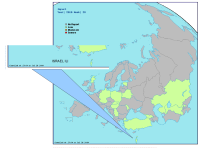
EuroFlu.org, Influenza-like Illness Impact on Health Care system, Snapshot for July 26 2010

EuroFlu.org, Influenza-like Illness Impact on Health Care system, Snapshot for July 26 2010

July 26 2010 EuroFlu.org snapshot for Influenza-like Illness Impact on Health Care System in European Region.

Main Page: http://www.euroflu.org/html/maps.html

To note the ILI Impact for the Israel (low).

attachment.php
 

Attachments

  • ILI_2607.png
    ILI_2607.png
    107.4 KB · Views: 0
EuroFlu - Weekly Electronic Bulletin - Week 29 : 19/07/2010-25/07/2010 - 30 July 2010, Issue N? 365 (Extracts, edited)

EuroFlu - Weekly Electronic Bulletin - Week 29 : 19/07/2010-25/07/2010 - 30 July 2010, Issue N? 365 (Extracts, edited)

EuroFlu - Weekly Electronic Bulletin - Week 29 : 19/07/2010-25/07/2010 - 30 July 2010, Issue N? 365 (Extracts, edited)

[Source: EuroFlu.org, <cite cite="http://www.euroflu.org/cgi-files/bulletin_v2.cgi">EuroFlu - Bulletin Review</cite>. Extracts, edited.]

EuroFlu - Weekly Electronic Bulletin - Week 29 : 19/07/2010-25/07/2010 - 30 July 2010, Issue N? 365

Virtually no influenza activity in the WHO European Region

During weeks 22?39/2010, the EuroFlu bulletin will be published biweekly, and report available data.

  • This issue is based on data reported in week 29/2010 by 34 Member States in the WHO European Region.
  • It also includes information on current influenza activity in the temperate regions of the southern hemisphere.
  • In the WHO European Region, none of the 32 specimens collected from sentinel sources tested positive for influenza.

Current situation: week 29/2010

Clinical consultation rates for influenza-like illness (ILI) and acute respiratory infection (ARI) are at low levels throughout the WHO European Region. In 24 countries there were no laboratory-confirmed detections of influenza in sentinel practices, indicating insignificant influenza activity in the Region.


Virological update: week 29/2010

Sentinel physicians collected 32 respiratory specimens, none of which tested positive for influenza virus. Specimens from non-sentinel sources yielded 3 detections, of which 2 were influenza A (not subtyped) and 1 was influenza B.


Cumulative virological data from week 22/2010

From week 22/2010 to week 29/2010, 155 influenza virus detections were reported: 29 were influenza A (19%) and 126 (81%) were influenza B. Of the influenza A viruses, 11 (38%) were subtyped, with 3 being pandemic A(H1) and 8 seasonal A(H3N2).


Comment

There is virtually no influenza activity throughout the European Region. The viruses characterized to date are similar to those recommended as components of influenza vaccines for use in the 2010?2011 northern hemisphere influenza season.


Influenza activity in the temperate regions of the southern hemisphere

Monitoring influenza virus circulation in the temperate regions of the southern hemisphere, where it is currently winter, can inform planning in advance of the influenza season in the northern hemisphere. The following section provides a brief update of the current situation in the southern hemisphere, where detections of pandemic (H1N1) 2009 influenza, influenza A(H3N2) and influenza B are reported amid the circulation of other respiratory viruses.

  • Australia, as of 25 July 2010
    • ILI presentations in Western Australia have stabilized at a rate of 12 per 1000 consultations. In the week ending 25/07/10, 18 influenza viruses were detected from sentinel and non-sentinel surveillance systems, of which 16 were identified as pandemic (H1N1) 2009 viruses, 1 as A-H3 virus and 1 as influenza A type unknown. Further information is available from Virus WAtch .
    • The number of ILI presentations in the State of Victoria had declined from the previous week. Most viruses detected through routine testing were adenovirus, picornavirus and respiratory syncytial viruses (RSV), with 2 pandemic (H1N1) 2009 detections. Of the 19 influenza viruses detected so far in 2010, 11 were pandemic (H1N1) 2009, 3 influenza A(H3N2) and 5 untyped (not pandemic (H1N1) 2009). See the 2010 Victorian Influenza Vaccine Effectiveness Audit Report for further information.
  • South America, as of 26 July 2010
    • In South America, the intensity of acute respiratory disease activity was low to moderate. The trends in acute respiratory disease were decreasing in Argentina, and unchanged in Brazil and Chile. In Argentina and Chile there was a strong predominance of RSV, although samples positive for pandemic influenza and influenza B had been reported in Chile in the previous week. Further information is available from the Pan American Health Organization (PAHO).
  • South Africa, as of 25 July 2010
    • Of the 934 ILI specimens collected from sentinel care providers in South Africa, 102 had tested positive for influenza B viruses, 90 for influenza A(H3N2) viruses and 7 for pandemic (H1N1) 2009 viruses. Among 2365 hospitalized SARI cases reported since 1 January 2010, 57 had tested positive for influenza B and 26 for influenza A (H3N2). Further information is available from the National Institute for Communicable Diseases (NICD) in South Africa.

Further information

The EuroFlu bulletin describes and comments on influenza activity in the 53 countries in the WHO European Region. Further information can be obtained from the WHO/Europe and WHO headquarters web sites. In addition, the bulletin will continue to provide updates on other regions, as the situation evolves during the winter influenza season in the southern hemisphere.

(...)
-
------
 
EuroFlu - Weekly Electronic Bulletin - Week 31 : 02/08/2010-08/08/2010 - 13 August 2010, Issue N? 366 (Extracts, edited)

EuroFlu - Weekly Electronic Bulletin - Week 31 : 02/08/2010-08/08/2010 - 13 August 2010, Issue N? 366 (Extracts, edited)

EuroFlu - Weekly Electronic Bulletin - Week 31 : 02/08/2010-08/08/2010 - 13 August 2010, Issue N? 366 (Extracts, edited)


[Source: EuroFlu.org, full page <cite cite="http://www.euroflu.org/cgi-files/bulletin_v2.cgi">EuroFlu - Bulletin Review</cite>. Extracts, edited.]

EuroFlu - Weekly Electronic Bulletin - Week 31 : 02/08/2010-08/08/2010 - 13 August 2010, Issue N? 366

Almost no influenza activity in the WHO European Region

During weeks 22?39/2010, the EuroFlu bulletin is being published biweekly, reporting available data.

  • This issue is based on data reported in week 31/2010 by 30 Member States of the WHO European Region.
  • It also includes information on current influenza activity in the temperate regions of the southern hemisphere.
  • On 10 August, 2010, the Director-General of the World Health Organization declared an end to the H1N1 influenza pandemic.
  • In the WHO European Region, none of the 11 specimens collected from sentinel sources tested positive for influenza. One influenza B virus was detected from 418 non-sentinel specimens.
  • In the southern hemisphere, the detected influenza viruses are represented by a combination of pandemic (H1N1), influenza A(H3N2) and influenza B viruses.

Current situation: week 31/2010

Clinical consultation rates for influenza-like illness (ILI) and acute respiratory infection (ARI) are at low levels throughout the WHO European Region. In 22 countries there were no laboratory-confirmed detections of influenza in sentinel practices, indicating insignificant influenza activity in the Region.


Virological update: week 31/2010

Sentinel physicians collected 11 respiratory specimens, none of which tested positive for influenza virus. Out of 418 specimens collected from non-sentinel sources, one influenza B virus was detected.


Cumulative virological data from week 22/2010

From week 22/2010 to week 31/2010, 156 influenza virus detections were reported: 29 were influenza A (18.6%) and 127 (81.4%) were influenza B. Of the influenza A viruses, 11 (38.0%) were subtyped, with 3 being pandemic A(H1) and 8 seasonal A(H3N2).


Comment

There is virtually no influenza activity throughout the European Region. The viruses characterized to date are similar to those recommended as components of influenza vaccines for use in the 2010?2011 northern hemisphere influenza season.


Influenza activity in the temperate regions of the southern hemisphere

Monitoring influenza virus circulation in the temperate regions of the southern hemisphere, where it is currently winter, can inform planning in advance of the influenza season in the northern hemisphere. The following section provides a brief update of the current situation in the southern hemisphere, where detections of pandemic (H1N1) 2009 influenza, influenza A(H3N2) and influenza B are reported amid the circulation of other respiratory viruses.

  • Australia, as of 8 August 2010
    • ILI presentations in Western Australia had decreased, but respiratory viral presentations remained stable and were slightly above baseline level. The number of laboratory-confirmed influenza cases continued to increase. In the week ending 08/08/10, 42 influenza viruses were detected from sentinel and non-sentinel surveillance systems of which 31 (74%) were identified as pandemic A(H1N1) 2009 viruses, 6 (14%) as type B virus, 4 (10%) as A(H3N2) virus and 1 (2%) as influenza A subtype unknown.
    • Further information is available from Virus WAtch .
    • The number of ILI presentations in the State of Victoria rose by a small amount from the previous week and remained slightly above baseline level. Most viruses detected through routine testing were picornavirus and influenza A virus. Of the 37 influenza viruses detected so far in 2010, 21 (57%) have been pandemic A(H1N1) 2009, 5 (13%) influenza A(H3N2) and 11 (30%) untyped.
    • See the 2010 Victorian Influenza Vaccine Effectiveness Audit Report for further information.
  • South America, as of 9 August 2010
    • In South America, the intensity of acute respiratory disease activity was low to moderate. The trends in acute respiratory disease were decreasing in Argentina and remained unchanged in Brazil and Chile. Although respiratory syncytial virus (RSV) continued to predominate in Argentina and Chile, pandemic influenza A(H1N1), seasonal influenza A(H3N2) and influenza B were also isolated. In Chile, 78% of positive specimens were RSV and 5% were pandemic influenza A(H1N1) 2009.
    • Further information is available from the Pan American Health Organization (PAHO).
  • South Africa, as of 1 August 2010
    • Of the 1100 ILI specimens collected from sentinel care providers in South Africa, 117 had tested positive for influenza B viruses, 124 for influenza A(H3N2) viruses,14 for pandemic A(H1N1) 2009 viruses and 2 for influenza A unsubtyped. Among 2490 hospitalized cases of severe acute respiratory illness (SARI), 66 had tested positive for influenza B and 31 for influenza A(H3N2). The ILI and SARI counts were higher than the previous week.
    • Further information is available from the National Institute for Communicable Diseases (NICD) in South Africa.

Further information

The EuroFlu bulletin describes and comments on influenza activity in the 53 countries in the WHO European Region. Further information can be obtained from the WHO/Europe and WHO headquarters web sites. In addition, the bulletin will continue to provide updates on other regions, as the situation evolves during the winter influenza season in the southern hemisphere.

(...)
-
------
 
EuroFlu - Weekly Electronic Bulletin - Week 33 : 16/08/2010-22/08/2010 - 27 August 2010, Issue N? 367 (extracts, edited)

EuroFlu - Weekly Electronic Bulletin - Week 33 : 16/08/2010-22/08/2010 - 27 August 2010, Issue N? 367 (extracts, edited)

EuroFlu - Weekly Electronic Bulletin - Week 33 : 16/08/2010-22/08/2010 - 27 August 2010, Issue N? 367 (extracts, edited)


[Source: EuroFlu.org, full page: <cite cite="http://www.euroflu.org/cgi-files/bulletin_v2.cgi">EuroFlu - Bulletin Review</cite>. Extracts, edited.]

EuroFlu - Weekly Electronic Bulletin - Week 33 : 16/08/2010-22/08/2010 - 27 August 2010, Issue N? 367

Influenza activity is at a very low level in the WHO European Region


During weeks 22?39/2010, the EuroFlu bulletin is being published biweekly, reporting available data.

  • This issue is based on data reported in week 33/2010 by 31 Member States in the WHO European Region.
  • It also includes information on current influenza activity in the temperate regions of the southern hemisphere.
  • On 10 August 2010, the WHO Director-General declared an end to the H1N1 influenza pandemic.
  • In the WHO European Region, 2 of 21 specimens collected from sentinel sources tested positive for influenza virus A(H1N1).
  • In the southern hemisphere, detected influenza viruses include pandemic (H1N1) 2009, influenza A(H3N2) and influenza B viruses.

Current situation: week 33/2010

Clinical consultation rates for influenza-like illness (ILI) and acute respiratory infection (ARI) are at very low levels throughout the WHO European Region. Only Switzerland reported laboratory-confirmed detections of influenza in sentinel practices.


Virological update: week 33/2010

Sentinel physicians collected 21 respiratory specimens, 2 of which tested positive for pandemic (H1N1) 2009 influenza virus. Out of 236 specimens collected from non-sentinel sources, 5 tested positive: 4 type A viruses (1 A(H3), 1 pandemic A(H1), 2 unsubtyped) and 1 influenza B virus.


Cumulative virological data from week 22/2010

From week 22/2010 to week 33/2010, 158 influenza virus detections were reported from sentinel sources: 31 were influenza A (19.6%) and 127 (80.4%) were influenza B. Of the influenza A viruses, 13 (42.0%) were subtyped, with 5 being pandemic A(H1) and 8 seasonal A(H3).


Comment

Influenza activity is at a very low level throughout the European Region. The viruses characterized to date are similar to those recommended as components of influenza vaccines for use in the 2010?2011 northern hemisphere influenza season.


Influenza activity in the temperate regions of the southern hemisphere

Monitoring influenza virus circulation in the temperate regions of the southern hemisphere, where it is currently winter, can inform planning in advance of the influenza season in the northern hemisphere. The following section provides a brief update of the current situation in selected countries in the southern hemisphere, where detections of pandemic (H1N1) 2009 influenza, influenza A(H3N2) and influenza B are reported amid the circulation of other respiratory viruses.

  • Australia, as of 15 August 2010
    • The number of laboratory-confirmed influenza cases in Western Australia continues to increase. In the week ending 15 August 2010, 52 influenza viruses were detected from sentinel and non-sentinel surveillance systems, of which 20 were pandemic (H1N1) 2009 virus, 22 type B virus, 2 A(H3N2) viruses, and 8 influenza A type unknown.
    • Further information is available from Virus WAtch .
    • ILI presentations in the State of Victoria increased slightly and ILI activity is currently above baseline levels. In the week ending 15 August 2010 most respiratory viruses detected were picornaviruses; only 4 influenza viruses (3 pandemic (H1N1) 2009 and 1 A(H3N2)) were detected. Of the 41 influenza viruses reported by sentinel and non-sentinel surveillance systems this year, 23 have been identified as pandemic A(H1N1) 2009 viruses, 12 as A(H3N2) viruses, and 5 as influenza A subtype unknown.
    • See The 2010 Victorian influenza vaccine effectiveness audit report for further information.
  • South America, as of 23 August 2010
    • In South America, the intensity of acute respiratory disease activity is low to moderate. The trends in acute respiratory disease are decreasing in Argentina, and remain unchanged in Brazil and Chile. In Argentina and Chile respiratory syncytial virus (RSV) remains predominant.
    • Further information is available from the Pan American Health Organization (PAHO).
  • South Africa, as of 1 August 2010
    • Of the 1100 ILI specimens collected from sentinel care providers in South Africa, 117 have tested positive for influenza B viruses, 124 for influenza A(H3N2) viruses,14 for pandemic A(H1N1) 2009 viruses and 2 for influenza A unsubtyped. Among 2490 hospitalized cases of severe acute respiratory illness (SARI), 66 had tested positive for influenza B and 31 for influenza A(H3N2).
    • Further information is available from the National Institute for Communicable Diseases (NICD) in South Africa.

Further information

The EuroFlu bulletin describes and comments on influenza activity in the 53 countries in the WHO European Region. Further information can be obtained from the WHO/Europe and WHO headquarters web sites. In addition, the bulletin will continue to provide updates on other regions, as the situation evolves during the winter influenza season in the southern hemisphere.

(...)
-
------
 
EuroFlu - Weekly Electronic Bulletin - Week 35 : 30/08/2010-05/09/2010 - 10 September 2010, Issue N? 368 (extracts, edited)

EuroFlu - Weekly Electronic Bulletin - Week 35 : 30/08/2010-05/09/2010 - 10 September 2010, Issue N? 368 (extracts, edited)

EuroFlu - Weekly Electronic Bulletin - Week 35 : 30/08/2010-05/09/2010 - 10 September 2010, Issue N? 368 (extracts, edited)


[Source: EuroFlu.org, full page: <cite cite="http://www.euroflu.org/cgi-files/bulletin_v2.cgi">EuroFlu - Bulletin Review</cite>. Edited.]

EuroFlu - Weekly Electronic Bulletin - Week 35 : 30/08/2010-05/09/2010 - 10 September 2010, Issue N? 368

Very sporadic influenza detection in the WHO European Region

During weeks 22?39/2010, the EuroFlu bulletin is published biweekly, reporting available data.


  • This issue is based on data reported in week 35/2010 by 29 Member States in the WHO European Region.
  • It also includes information on current influenza activity in the temperate regions of the southern hemisphere.
  • On 10 August 2010, the WHO Director-General declared an end to the H1N1 influenza pandemic.
  • In the WHO European Region, 1 of 65 specimens collected from sentinel sources tested positive for influenza B virus during week 35/2010.
  • In the southern hemisphere, the influenza viruses detected are represented by a combination of pandemic (H1N1) 2009, influenza A(H3N2) and influenza B.

Current situation: week 35/2010

Clinical consultation rates for influenza-like illness (ILI) and acute respiratory infection (ARI) are at low levels throughout the WHO European Region. Only the Netherlands reported laboratory-confirmed influenza in sentinel practices, indicating insignificant influenza activity in the Region.


Virological update: week 35/2010

Sentinel physicians collected 65 respiratory specimens, 1 of which tested positive for influenza B virus. Out of 1029 specimens collected from non-sentinel sources, 5 tested positive: 5 type A viruses (1 A(H3), 1 A(H1), 1 pandemic A(H1), 2 unsubtyped).


Cumulative virological data from week 22/2010

From week 22/2010 to week 35/2010, 159 influenza virus detections in sentinel specimens were reported: 31 were influenza A (19.5%) and 128 (80.5%) were influenza B. Of the influenza A viruses, 13 (42.0%) were subtyped, with 5 being pandemic A(H1) and 8 seasonal A(H3N2).


Comment

Influenza activity is at a very low level throughout the European Region. The viruses characterized to date are similar to those recommended as components of influenza vaccines for use in the 2010?2011 northern hemisphere influenza season.


Influenza activity in the temperate regions of the southern hemisphere

Monitoring influenza virus circulation in the temperate regions of the southern hemisphere, where it is currently winter, can inform planning in advance of the influenza season in the northern hemisphere. The following section provides a brief update of the current situation in selected countries of the southern hemisphere, where detections of pandemic (H1N1) 2009 influenza, influenza A(H3N2) and influenza B are reported amid circulation of other respiratory viruses.

  • Australia, as of 29 August 2010
    • In the week ending 29 August 2010, 69 samples were positive for influenza (sentinel and non-sentinel surveillance). Pandemic (H1N1) 2009 virus was detected in the majority of samples (64%) followed by influenza type B virus (23%).
    • Further information is available from Virus WAtch .
    • ILI presentations in the State of Victoria are currently slightly above baseline levels. In the week ending 29 August 2010, 25 (59%) of the 44 specimens tested were positive for influenza A (23 pandemic (H1N1) 2009 and 2 unsubtyped).
    • See the 2010 Victorian influenza vaccine effectiveness audit report for further information.
  • South America, as of 9 August 2010 (no updated information)
    • In South America, the intensity of acute respiratory disease activity was low to moderate. The trends in acute respiratory disease were decreasing in Argentina and remained unchanged in Brazil and Chile. Although respiratory syncytial virus (RSV) continued to predominate in Argentina and Chile, pandemic (H1N1) 2009 influenza, seasonal influenza A(H3N2) and influenza B were also isolated. In Chile, 78% of positive specimens were RSV and 5% were pandemic (H1N1) 2009 influenza.
    • Further information is available from the Pan American Health Organization (PAHO).
  • South Africa, as of 1 August 2010
    • In South Africa, 1820 samples were collected from sentinel sites this year. Of these 381 tested positive for influenza B, 208 influenza for A(H3N2), 115 for pandemic (H1N1) 2009 viruses, and 2 were influenza A unsubtyped.
    • For further information, please check the National Institute for Communicable Diseases web site.

Further information

The EuroFlu bulletin describes and comments on influenza activity in the 53 countries in the WHO European Region. Further information can be obtained from the WHO/Europe and WHO headquarters web sites. In addition, the bulletin will continue to provide updates on other regions, as the situation evolves during the winter influenza season in the southern hemisphere.

(...)
-
-------
 
EuroFlu - Weekly Electronic Bulletin - Week 37 : 13/09/2010-19/09/2010 - 24 September 2010, Issue N? 369 (Extracts, edited)

EuroFlu - Weekly Electronic Bulletin - Week 37 : 13/09/2010-19/09/2010 - 24 September 2010, Issue N? 369 (Extracts, edited)

EuroFlu - Weekly Electronic Bulletin - Week 37 : 13/09/2010-19/09/2010 - 24 September 2010, Issue N? 369 (Extracts, edited)


[Source: EuroFlu, full text: <cite cite="http://www.euroflu.org/cgi-files/bulletin_v2.cgi">EuroFlu - Bulletin Review</cite>. Edited.]

EuroFlu - Weekly Electronic Bulletin - Week 37 : 13/09/2010-19/09/2010 - 24 September 2010, Issue N? 369

Very limited, sporadic influenza detections in the WHO European Region

During weeks 22-39/2010, the EuroFlu bulletin is published biweekly, reporting available data.

  • This issue is based on data reported in week 37/2010 by 25 Member States in the WHO European Region.
  • It also includes information on current influenza activity in the temperate regions of the southern hemisphere.
  • In the WHO European Region, 2 of 94 specimens collected from sentinel sources tested positive for influenza during week 37/2010.
  • In the southern hemisphere, the influenza viruses detected are represented by a combination of pandemic (H1N1) 2009, influenza A(H3N2) and influenza B.

Current situation: week 37/2010

Clinical consultation rates for influenza-like illness (ILI) and acute respiratory infection (ARI) are at low levels throughout the WHO European Region. Only the Russian Federation and the United Kingdom have reported laboratory-confirmed influenza in sentinel practices in recent weeks, indicating insignificant influenza activity in the Region.


Virological update: week 37/2010

Sentinel physicians collected 94 respiratory specimens, 2 of which tested positive for influenza with 1 being pandemic A(H1N1) and the other influenza B virus. Out of 669 specimens collected from non-sentinel sources, 1 influenza A virus (not subtyped) was detected.


Cumulative virological data from week 22/2010

From week 22/2010 to week 37/2010, 161 influenza virus detections in sentinel specimens were reported: 32 were influenza A (19.9%) and 129 (80.1%) were influenza B. Of the influenza A viruses, 14 (43.8%) were subtyped, with 6 being pandemic A(H1) and 8 seasonal A(H3N2).


Comment

Influenza activity is at a very low level throughout the European Region. The viruses characterized to date are similar to those recommended as components of influenza vaccines for use in the 2010?2011 northern hemisphere influenza season.


Influenza activity in the temperate regions of the southern hemisphere

Monitoring influenza virus circulation in the temperate regions of the southern hemisphere, where it is currently winter, can inform planning in advance of the influenza season in the northern hemisphere. The following is a brief update of the current situation in selected countries of the southern hemisphere, where detections of pandemic (H1N1) 2009 influenza, influenza A(H3N2) and influenza B are reported amid circulation of other respiratory viruses.

  • The most commonly identified influenza virus in Australia is pandemic (H1N1) 2009, though influenza type B is also being detected (report of 12 September 2010). Further information is available at Virus WAtch.
  • Chile has reported increasing respiratory disease activity for the last two weeks, which is later than usual (report of 10 September 2010). Pandemic (H1N1) 2009 has been the most commonly detected influenza virus so far this season, but in recent weeks there has been a shift towards influenza type B and influenza A(H3N2). Further information is available from the Pan American Health Organization (PAHO) and WHO headquarters.
  • In South Africa, influenza type B has been the most commonly detected influenza virus throughout this winter season, though in recent weeks the proportion of pandemic (H1N1) 2009 virus has increased and a small and decreasing number of influenza A(H3N2) detections continues. For further information, see the report of 16 September on the National Institute for Communicable Diseases web site.

Further information

The EuroFlu bulletin describes and comments on influenza activity in the 53 countries in the WHO European Region. Further information can be obtained from the WHO/Europe and WHO headquarters web sites. In addition, the bulletin will continue to provide updates on other regions as the situation evolves during the winter influenza season in the southern hemisphere.

(...)
-
------
 
Archive. EuroFlu.org, Weekly Epidemiological Report (2010)

This archive contains a list of the most recent EuroFlu.org influenza virus surveillance reports for European Region.
 
EuroFlu - Weekly Electronic Bulletin Week 39 : 27/09/2010-03/10/2010 - 08 October 2010, Issue N? 370 (Extracts, edited)

EuroFlu - Weekly Electronic Bulletin Week 39 : 27/09/2010-03/10/2010 - 08 October 2010, Issue N? 370 (Extracts, edited)

EuroFlu - Weekly Electronic Bulletin Week 39 : 27/09/2010-03/10/2010 - 08 October 2010, Issue N? 370 (Extracts, edited)


[Source: EuroFlu.org, full text: <cite cite="http://www.euroflu.org/cgi-files/bulletin_v2.cgi">EuroFlu - Bulletin Review</cite>. Extracts, edited.]

EuroFlu - Weekly Electronic Bulletin Week 39 : 27/09/2010-03/10/2010 - 08 October 2010, Issue N? 370

Low levels of influenza activity in Europe

  • During weeks 22?39/2010, the EuroFlu bulletin has been published biweekly, reporting available data.
    • This issue is based on data reported in week 39/2010 by 37 Member States in the WHO European Region.
    • It also includes information on current influenza activity in the temperate regions of the southern hemisphere.
    • In the WHO European Region, 1 of 221 specimens collected from sentinel sources tested positive for influenza during week 39/2010.
    • In the southern hemisphere, the influenza viruses detected are represented by a combination of pandemic (H1N1) 2009, influenza B and influenza A(H3N2).
    • This is the last issue of the 2010 inter-season Euroflu bulletin. Beginning with week 40/2010, the EuroFlu bulletin will be published weekly and represent data from the WHO European Region for the 2010?2011 season.

Current situation: week 39/2010

Clinical consultation rates for influenza-like illness (ILI) and acute respiratory infection (ARI) are at low levels throughout the WHO European Region. Only Switzerland has reported laboratory-confirmed influenza in sentinel practices last two weeks, indicating a low level of influenza activity in the Region.


Virological update: week 39/2010

Sentinel physicians collected 221 respiratory specimens, 1 of which tested positive for pandemic (H1N1) 2009 influenza virus. Out of 1919 specimens collected from non-sentinel sources, 16 tested positive: 11 type A viruses (8 A unsubtyped, 1 pandemic A (H1N1) and 2 seasonal A(H1) viruses) and 5 influenza B viruses.


Cumulative virological data from week 22/2010

From week 22/2010 to week 39/2010, 162 influenza virus detections in sentinel specimens were reported: 33 were influenza A (20.4%) and 129 (79.6%) were influenza B. Of the influenza A viruses, 15 (45.5%) were subtyped, with 7 being pandemic A(H1) and 8 seasonal A(H3N2).


Comment

Influenza activity is at a low level throughout the European Region. The viruses characterized to date are similar to those recommended as components of influenza vaccines for use in the 2010?2011 northern hemisphere influenza season.


Influenza activity in the temperate regions of the southern hemisphere

During the ongoing influenza season in the temperate zones of the southern hemisphere, detections of pandemic (H1N1) 2009 influenza, influenza B and influenza A(H3N2) and are all being reported, amid circulation of other respiratory viruses. Additional information on influenza circulation in the southern hemisphere is available from WHO headquarters.


Further information

The EuroFlu bulletin describes and comments on influenza activity in the 53 countries in the WHO European Region. Further information can be obtained from the WHO/Europe and WHO headquarters web sites.

(...)
-
-------
 
EuroFlu - Weekly Electronic Bulletin - Week 40 : 04/10/2010-10/10/2010 - 15 October 2010, Issue N? 371

EuroFlu - Weekly Electronic Bulletin - Week 40 : 04/10/2010-10/10/2010 - 15 October 2010, Issue N? 371

EuroFlu - Weekly Electronic Bulletin - Week 40 : 04/10/2010-10/10/2010 - 15 October 2010, Issue N? 371


[Source: EuroFlu.org, full page: <cite cite="http://www.euroflu.org/cgi-files/bulletin_v2.cgi">EuroFlu - Bulletin Review</cite>. Extracts, edited.]

EuroFlu - Weekly Electronic Bulletin - Week 40 : 04/10/2010-10/10/2010 - 15 October 2010, Issue N? 371

Sporadic influenza activity in Europe at the start of the 2010/2011 influenza season

This week marks the beginning of the 2010/2011 influenza season. The EuroFlu bulletin will now be published weekly.

  • This issue is based on data reported in week 40/2010 by 39 Member States in the WHO European Region.
  • Levels of influenza activity in Europe are currently very low.
  • There have been sporadic detections of influenza A (H3N2), pandemic influenza A(H1N1) and influenza B during the past week.

Current situation ? week 40/2010

Of the 33 countries reporting clinical data on influenza-like illness (ILI) or acute respiratory infection (ARI) consultations, only 2 (Bulgaria and the United Kingdom) reported increases in consultation rates (for ARI) during each of the previous two weeks.

In most countries, clinical consultation rates were highest for the group aged 0?4. The geographic spread of influenza was reported to be sporadic in 7 countries (Armenia, Belarus, Estonia, France, the Russian Federation, Ukraine, and the United Kingdom) while 29 countries reported no geographic spread.

Of the 24 countries reporting on the impact of influenza on their health care systems, all reported low impact.

Of the 36 countries that reported on the intensity of acute respiratory disease activity, the Russian Federation reported medium intensity and the remaining countries reported low intensity.


Virological situation ? week 40/2010

Sentinel physicians collected 262 respiratory specimens this week, of which 3 (1.2%) were positive for influenza virus. Of these, 2 were influenza A and 1 was influenza B. Of the influenza A viruses, 1 was subtyped as pandemic A(H1) and 1 was not subtyped. Only 4 countries tested 20 or more sentinel specimens this week, and none reported any positive influenza detections.

Among the specimens tested by non-sentinel sites, 15 were positive for influenza. Of these, 12 were influenza A and 3 were influenza B. Of the influenza A viruses, 2 were subtyped as pandemic A(H1), 1 was A(H1), 5 were influenza A(H3) and 4 were not subtyped.

No antigenic or genetic characterizations were reported to the WHO European Influenza Network (EuroFlu) this week.


Comment

Influenza activity is currently at very low levels in the European Region. There have been sporadic detections of influenza A (H3N2), pandemic influenza A(H1N1) and influenza B during the past week. Data are not available to predict which virus type or subtype will become dominant in Europe this season.

WHO/Europe recommends the following viruses to be included in influenza vaccines in the northern hemisphere 2010/2011 winter season: A/California/7/2009 (H1N1)-like viruses (the pandemic influenza A(H1N1) virus); A/Perth/16/2009 (H3N2)-like viruses; and B/Brisbane/60/2008-like viruses.

For more information, see WHO/Europe?s interim recommendations.


Further information

The EuroFlu bulletin describes and comments on influenza activity in the 53 countries in the WHO European Region. Further information can be obtained from the web sites of WHO/Europe, WHO headquarters and the European Centre for Disease Prevention and Control.

(...)
-
------
 
EuroFlu - Weekly Electronic Bulletin - Week 41 : 11/10/2010-17/10/2010 - 22 October 2010, Issue N? 372 (edited)

EuroFlu - Weekly Electronic Bulletin - Week 41 : 11/10/2010-17/10/2010 - 22 October 2010, Issue N? 372 (edited)

EuroFlu - Weekly Electronic Bulletin - Week 41 : 11/10/2010-17/10/2010 - 22 October 2010, Issue N? 372 (edited)


[Source: EuroFlu, full page: <cite cite="http://www.euroflu.org/cgi-files/bulletin_v2.cgi">EuroFlu - Bulletin Review</cite>. Extracts, edited.]

EuroFlu - Weekly Electronic Bulletin - Week 41 : 11/10/2010-17/10/2010 - 22 October 2010, Issue N? 372

Sporadic influenza detections in Europe

  • This issue is based on data reported in week 41/2010 by 42 Member States in the WHO European Region.
  • Levels of influenza activity in Europe are currently low.
  • 9 out of 387 sentinel specimens (2.3%) tested positive for influenza.
  • There have been sporadic detections of influenza B, influenza A(H3N2) and pandemic influenza A(H1N1) during the past week.

Current situation - week 41/2010

Consultation rates were low and generally stable in the 30 countries reporting clinical data on influenza-like illness (ILI) and/or acute respiratory infection (ARI). In most countries, clinical consultation rates were highest for the group aged 0-4 years. The geographic spread of influenza was reported to be local in 1 country (Armenia) and sporadic in 8 countries (Belarus, Cyprus, Estonia, Israel, the Russian Federation, Slovakia, Ukraine and the United Kingdom), while 25 countries reported no activity. All of the 25 countries reporting on the impact of influenza on their health care systems, reported low impact.

Of the 34 countries that reported on the intensity of acute respiratory disease activity, the Russian Federation reported medium intensity and the others, low intensity.


Virological situation - week 41/2010

Sentinel physicians collected 387 respiratory specimens, of which 9 (2.3%) were positive for influenza virus: 2 were influenza A, both subtyped as pandemic A(H1), and 7 were influenza B. For the 6 countries testing 20 or more sentinel specimens this week, influenza positivity ranged from 0% (in Finland, Georgia, the Russian Federation and Spain) to 10.6% (in Israel), with a mean of 2.4%. Among the specimens tested by non-sentinel sites, 17 were positive for influenza: 8 were influenza A and 9 were influenza B.

Of the influenza A viruses, 1 was subtyped as pandemic A(H1), 1 was influenza A(H3) and 6 were not subtyped.

No antigenic or genetic characterizations were reported to the WHO European Influenza Network (EuroFlu) this week.


Cumulative virological update - weeks 40-41/2010

In total, 45 influenza viruses were detected: 6 were identified as pandemic A(H1), 1 seasonal A(H1), 7 A(H3), 11 A not subtyped and 20 B. All 4 N-subtyped viruses were pandemic A(H1N1).


Comment

Influenza activity is currently at low levels in the European Region. There have been sporadic detections of influenza A (H3N2), pandemic influenza A(H1N1) and influenza B during the past weeks. Data are not available to predict which virus type or subtype will become dominant in Europe this season.


Further information

The EuroFlu bulletin describes and comments on influenza activity in the 53 countries in the WHO European Region. Further information can be obtained from the web sites of WHO/Europe, WHO headquarters and the European Centre for Disease Prevention and Control.

(...)
-
------
 
EuroFlu - Weekly Electronic Bulletin - Week 42 : 18/10/2010-24/10/2010 - 29 October 2010, Issue N? 373 (Extracts, edited)

EuroFlu - Weekly Electronic Bulletin - Week 42 : 18/10/2010-24/10/2010 - 29 October 2010, Issue N? 373 (Extracts, edited)

EuroFlu - Weekly Electronic Bulletin - Week 42 : 18/10/2010-24/10/2010 - 29 October 2010, Issue N? 373 (Extracts, edited)


[Source: EuroFlu, full page: <cite cite="http://www.euroflu.org/cgi-files/bulletin_v2.cgi">EuroFlu - Bulletin Review</cite>. Extracts, edited.]

EuroFlu - Weekly Electronic Bulletin - Week 42 : 18/10/2010-24/10/2010 - 29 October 2010, Issue N? 373

Influenza detections in Europe remain sporadic in week 42 of 2010

  • This issue is based on data reported in week 42/2010 by 39 Member States in the WHO European Region.
  • Influenza activity levels in Europe are currently low.
  • 12 out of 633 sentinel specimens (1.9%) tested positive for influenza.
  • Sporadic detections of influenza B, influenza A (H3N2) and pandemic influenza A(H1N1) were reported during the week.

Current situation - week 42/2010

Influenza-like illness (ILI) and acute respiratory infection (ARI) consultation rates continue to be low throughout the WHO European Region. Of the 35 countries reporting clinical data for week 42, increases in consultation rates during each of the previous two weeks were observed only in Armenia, Georgia and Serbia. In all 3 countries, consultation rates were highest among the group aged 0-4.

36 countries reported on geographic spread, but only 11 reports were positive: 10 countries (Azerbaijan, Belarus, Cyprus, Estonia, France, Israel, Poland, the Russian Federation, Ukraine and the United Kingdom) reported sporadic spread, while Armenia reported local spread.

In all countries, except the Russian Federation, clinical consultation rates were at or below the country baseline.

The impact of influenza on health care systems was low in all countries reporting on this indicator.


Virological situation - week 42/2010

Sentinel physicians collected 633 respiratory specimens in week 42, of which 12 (1.9%) were positive for influenza virus: 5 were influenza A and 7 were influenza B. Of the influenza A viruses, 2 were subtyped as pandemic A(H1), 2 as A(H3) and 1 influenza A not subtyped. Of the 7 countries testing 20 or more sentinel specimens this week, influenza-positive rates ranged from 0% (Belarus, France, Georgia and the Russian Federation) to 11.1% (Israel), with a mean of 2.1%.

For the specimens tested by non-sentinel sites, 7 influenza A detections were reported: 4 subtyped as A(H3) and 3 not subtyped.

No antigenic or genetic characterizations were reported to the WHO European Influenza Network (EuroFlu) this week.


Cumulative virological update - week 40/2010-42/2010

A total of 65 influenza virus detections have been reported since week 40: 38 were influenza A (58.5%) and 27 (41.5%) influenza B. Of the influenza A viruses, 9 were subtyped as pandemic influenza A(H1), 1 as influenza A(H1), 13 as influenza A(H3) and 15 were not subtyped.


Comment

Influenza activity continues to be low in the European Region. Sentinel data, reveal that influenza A(H3), pandemic influenza A(H1) and influenza B are circulating in the Region. Nevertheless, it is too early to forecast which type or subtype will be dominant in the northern hemisphere in the 2010/2011 season.


Further information

The EuroFlu bulletin describes and comments on influenza activity in the 53 countries in the WHO European Region. Further information can be obtained from the web sites of WHO/Europe, WHO headquarters and the European Centre for Disease Prevention and Control.

(...)
-
-------
 
EuroFlu - Weekly Electronic Bulletin - Week 43 : 25/10/2010-31/10/2010 - 05 November 2010, Issue N? 374 (Extract, edited)

EuroFlu - Weekly Electronic Bulletin - Week 43 : 25/10/2010-31/10/2010 - 05 November 2010, Issue N? 374 (Extract, edited)

EuroFlu - Weekly Electronic Bulletin - Week 43 : 25/10/2010-31/10/2010 - 05 November 2010, Issue N? 374 (Extract, edited)


[Source: EuroFlu, full page: <cite cite="http://www.euroflu.org/cgi-files/bulletin_v2.cgi">EuroFlu - Bulletin Review</cite>. Extract, edited.]

EuroFlu - Weekly Electronic Bulletin - Week 43 : 25/10/2010-31/10/2010 - 05 November 2010, Issue N? 374

Sporadic influenza detections in Europe

  • This issue is based on data reported in week 43/2010 by 40 Member States in the WHO European Region.
  • Influenza activity levels in Europe are currently low.
  • 12 out of 592 sentinel specimens (2.0%) tested positive for influenza.
  • Sporadic detections of pandemic influenza A(H1N1), influenza A (H3N2) and influenza B were reported during the week.

Current situation - week 43/2010

Influenza-like illness (ILI) and acute respiratory infection (ARI) consultation rates continue to be low throughout the WHO European Region. Of the 36 countries reporting clinical data for week 43, increases in consultation rates during each of the previous two weeks were observed only in Bulgaria (ARI), Sweden (ILI) and the United Kingdom (both ILI and ARI in Northern Ireland and ARI in Scotland).

In most countries, clinical consultation rates were highest for the group aged 0-4. Azerbaijan, Cyprus, Estonia, France, Germany, Israel, the Russian Federation, Ukraine and the United Kingdom reported sporadic geographic spread of influenza, while Armenia reported local spread.

The impact of influenza on health care systems was low in all countries reporting on this indicator.


Virological situation - week 43/2010

Sentinel physicians collected 592 respiratory specimens in week 43, of which 12 (2.0%) were positive for influenza virus: 8 were influenza A and 4 were influenza B.

Of the influenza A viruses, 5 were subtyped as pandemic A(H1), 2 as A(H3) and 1 influenza A was not subtyped. For the 7 countries testing 20 or more sentinel specimens, influenza-positive rates ranged from 0% (Belarus, France, Hungary and the Russian Federation) to 5.1% (England and Israel), with a mean of 1.9%.

Among the specimens tested by non-sentinel sites, 15 were positive for influenza: 11 influenza A and 4 influenza B.

Of the influenza A viruses, 3 were subtyped as pandemic A(H1), 2 were influenza A(H3) and 6 were not subtyped.

No antigenic or genetic characterizations were reported to the WHO European Influenza Network (EuroFlu) this week.


Cumulative virological update - weeks 40-43/2010

A total of 93 influenza virus detections were reported during weeks 40-43: 58 were influenza A (62.4%) and 35 (37.6%) influenza B.

Of the influenza A viruses, 18 were subtyped as pandemic influenza A(H1), 1 as influenza A(H1), 17 as influenza A(H3) and 22 were not subtyped.


Comment

Influenza activity continues to be low in the European Region. Sentinel data reveal that pandemic influenza A(H1), influenza A(H3) and influenza B viruses are circulating in the Region. Nevertheless, it is too early to forecast which type or subtype will be dominant in the northern hemisphere in the 2010/2011 influenza season.


Further information

The EuroFlu bulletin describes and comments on influenza activity in the 53 countries in the WHO European Region. Further information can be obtained from the web sites of WHO/Europe, WHO headquarters and the European Centre for Disease Prevention and Control.

(...)
-
-------
 
Back
Top