
 Tweet
Tweet
New cattle herd...Benton county:

-
-
-
-
-
Comment
-
-
Detections of Highly Pathogenic Avian Influenza in Mammals
Last Modified: July 10, 2024
...
state county date_collected date_detected hpai_strain species
...
Minnesota Sibley 06/10/2024 06/27/2024 EA H5 Domestic cat
Minnesota Sibley 06/10/2024 06/27/2024 EA H5N1 Domestic cat
Comment
-
[eta: 2 Turkey Flocks confirmed 6/28; Otter Tail and Swift Counties, 90,000 birds total]
Avian influenza found in Benton County dairy herd
Jul 11, 2024 Updated 51 mins ago
(St. Cloud MN-) Highly Pathogenic Avian Influenza in Minnesota has slowed down but not stopped as we head into the hot days of summer. The last time H5N1 has shown up in a commercial turkey flock was June 27th in Otter Tail County, but it has also shown up in dairy cattle herds. 600 cattle in Benton County tested positive on Monday, but the previously infected herd was last reported June 28th. Avian influenza is not generally fatal in cattle but is 100% fatal in poultry.
Comment
-
-
Detections of Highly Pathogenic Avian Influenza in Mammals
Last Modified: January 06, 2025
...
...
Comment
-
Detections of Highly Pathogenic Avian Influenza in Mammals
Last Modified: January 13, 2025
...
State County Date Collected Date Detected HPAI Strain Species...Minnesota Cottonwood 12/9/2024 1/2/2025 EA/AM H5N1 Domestic cat
Comment
-
Minnesota to Begin Testing Raw Cow Milk for H5N1
MDA and partners will begin sampling herds later this month
February 18, 2025
Beginning the week of February 24, the Minnesota Department of Agriculture (MDA), working with state government and industry partners, will begin sampling and testing raw cow’s milk for the H5N1 flu virus to identify where the virus is present, monitor trends, and prevent its spread to unaffected dairy herds and poultry flocks around the state.
“H5N1 is an emerging disease in dairy cattle, and conducting disease surveillance supports the state’s ability to effectively respond to outbreaks and limit the potential impact on the livestock and poultry industries, as well as on public health,” said MDA Commissioner Thom Petersen.
There is no concern for the safety of the public milk supply, as all milk sold in stores is pasteurized to kill bacteria and viruses, and pasteurization has been shown to effectively eliminate active H5N1 virus present in milk.
People and pets should not consume unpasteurized (raw) milk, raw milk cheeses, or raw or undercooked meat from animals with suspected or confirmed H5N1 virus infection. All raw dairy products may contain harmful bacteria, parasites, or viruses which can cause illness.
The MDA will order the testing of raw milk samples already collected from each of Minnesota’s approximately 1,600 dairy farms on a monthly basis. These routinely collected bulk milk samples, which are taken before the pasteurization process, will be sub-sampled by industry labs and sent for H5N1 testing to the Minnesota Veterinary Diagnostic Lab (MVDL) at the University of Minnesota.
When a sample analysis shows the presence of influenza virus, the Minnesota Board of Animal Health (BAH) will be notified to collect an additional verification sample to confirm the presence of the H5N1 virus on the identified farm. All non-negative samples will also be forwarded to the National Veterinary Diagnostic Laboratory in Ames, Iowa, for further confirmation and genetic typing. The BAH will also initiate a farm quarantine and disease investigation.
Any farm where H5N1 is confirmed will be quarantined for a minimum of 30 days, during which no livestock, poultry, cats, manure, waste milk, or carcasses can leave the farm without a movement permit from the BAH.
Milk from healthy animals can still be sold for pasteurization, as usual.
Before lifting the quarantine, a farm must have three consecutive negative bulk milk tank tests taken at least seven days apart, and complete management and biosecurity plans for preventing the spread of the virus. Case managers will help farms work through this process.
When H5N1 is confirmed in a herd, the Minnesota Department of Health (MDH) will request a list of people on the farm who were exposed to the infected herd. MDH workers will contact these individuals to give them the option to enroll in human health monitoring.
Human cases of H5N1 are rare, and to date no human cases have been found in Minnesota.
“Although we understand that people may be concerned about getting sick with H5N1, the risk to the general public remains low at this time,” said Dr. Ruth Lynfield, state epidemiologist and medical director at MDH. “People most at risk are those who have direct contact with infected or potentially infected animals and their environments.”
Symptoms of H5N1 in people can include red, itchy, watery eyes and/or cough, sore throat, and a fever.
This testing plan is part of the National Milk Testing Strategy announced in December by the U.S. Department of Agriculture Animal and Plant Health Inspection Service (USDA-APHIS), which requires sampling and testing of all raw cow milk for H5N1.
The MDA is working with the federal agency on funding for the testing.
USDA-APHIS is providing financial support to help dairy producers enhance biosecurity on their farms and follow the necessary response protocols if H5N1 is confirmed in their herd.
Anyone with questions about the testing plan can contact the MDA at TestingMilk.MDA@state.mn.us or visit the MDA website for more information.
###
https://www.mda.state.mn.us/minnesot...-cow-milk-h5n1Comment
-
Published February 18, 2025 12:55pm CST
By Howard Thompson
The Brief- Starting next week, the State of Minnesota will begin testing raw cow milk for H5N1.
- There is no concern about milk sold in stores, since pasteurization kills the virus.
- The state recommends avoiding raw milk, cheese products made from raw milk, and raw or undercooked meat made from infected cows. ...
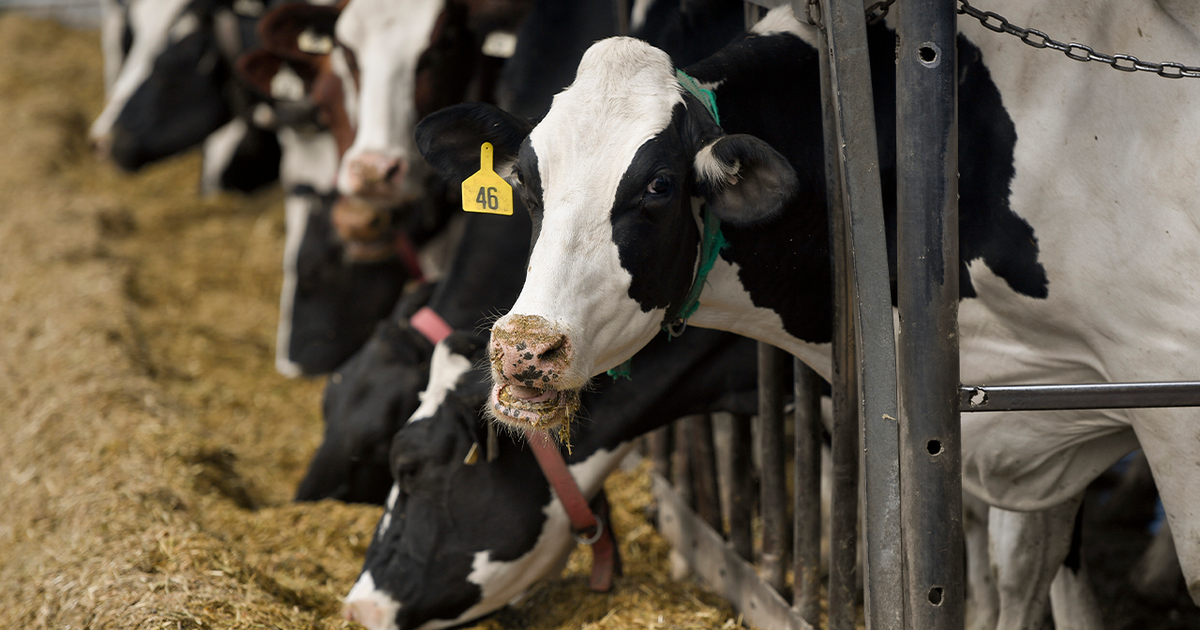
Comment
-
Statewide milk surveillance detects H5N1 at Stearns County dairy
Publish Date
March 24, 2025
H5N1 influenza has been confirmed in a Stearns County dairy herd from samples collected as part of Minnesota’s milk surveillance plan. The USDA’s National Veterinary Services Laboratories confirmed the results March 21, and the Board of Animal Health has quarantined the herd until they meet testing requirements indicating it’s no longer infected. There is no concern for the safety of the public milk supply, as all milk sold in stores is pasteurized to kill bacteria and viruses, and pasteurization has been shown to effectively eliminate active H5N1 virus present in milk.
“While under quarantine, the herd will be able to apply for movement permits for animals and animal products such as waste milk and manure. Milk sold for pasteurization does not need a permit and is allowed to go to processing to facilitate business while keeping the risk of the spread of disease low,” said State Veterinarian, Dr. Brian Hoefs. “Our surveillance and response approach to H5N1 is a team effort to ensure we’re covering all angles where it’s detected and limiting its ability to spread.”
The Minnesota Department of Agriculture (MDA) is conducting testing of pre-pasteurized, or raw, cow milk samples already collected from each of Minnesota's approximately 1,600 dairy farms on a monthly basis. These routinely collected bulk milk samples, which are taken before the pasteurization process, are subsampled by industry labs and sent for H5N1 testing to the Minnesota Veterinary Diagnostic Laboratory at the University of Minnesota.
"Identifying which dairy herds are infected is important so we can prevent disease spread and protect both animal and human health," MDA Commissioner Thom Petersen said. "Regular sampling and testing will allow the MDA and partners to identify where the virus is present, monitor trends, and prevent spread of the virus in order to protect unaffected dairy herds and poultry flocks."
The Board is notified of any preliminary detections of the virus in samples and responds by sending a case manager to the affected farm to issue a quarantine and guide the producer through the entire response process. The Minnesota Department of Health (MDH) also monitors the health of people who have direct contact with infected animals or their environment and provides public health recommendations to help reduce the risk for infection. MDH also provides testing, antivirals, and personal protective equipment (PPE) as needed. The risk to the public from this virus remains low at this time. People who work with or have direct contact with infected animals or their environment are at most risk for getting sick.
Dairy farmers should monitor their herd and contact their veterinarian immediately if cows appear sick. H5N1 symptoms in dairy mostly affect late-stage lactating cows and include fever, a drop in milk production, loss of appetite, and changes in manure consistency. Biosecurity reduces the risk of disease spreading onto or off farms:- Keep a log of farm visitors and ensure they follow your farm protocols.
- Milk any sick cows last, after your healthy herd.
- Keep feed covered and clean up feed spills immediately.
- Provide cows a clean source of water kept secure from wildlife, especially waterfowl.
Dairy farms are always required to dispose of milk from sick animals to remove it from the milk supply. In addition to an affected herd disposing of milk from sick cows and isolating them, the Board quarantine also requires the farm to have three consecutive negative milk tests to be released from quarantine.
Farmers can request a one-time distribution of PPE from MDH if they’re unable to get it through their regular sources. People who have questions about avian influenza and human health can contact MDH at 651-201-5414.
The Board will report any new detections and updates on cow cases in Minnesota on its website. Please note, this herd was previously infected in July 2024 and will not be categorized as a new herd on the website dashboard. Instead, it remains categorized as “Stearns MN 010” and any new information will be posted in that row of data.
Comment
-
Detections of Highly Pathogenic Avian Influenza in Mammals
Last Modified: April 15, 2025
...
State County Date Collected Date Detected HPAI Strain Species...Minnesota Anoka 12/28/2024 04/08/2025 EA H5N1 Fisher
https://www.aphis.usda.gov/livestock...ctions/mammalsComment



Comment