Announcement

Collapse
No announcement yet.

US - California: Following Bird Flu Detections ​State Secures Broad Voluntary Recall of Raw Milk and Cream to Protect Consumers - Raw Farm LLC - Dec. 3, 2024 - New Recall Dec 14th

Collapse
X
 
  • Filter
  • Time
  • Show
Clear All
new posts

  • US - California: Following Bird Flu Detections ​State Secures Broad Voluntary Recall of Raw Milk and Cream to Protect Consumers - Raw Farm LLC - Dec. 3, 2024 - New Recall Dec 14th

    Source: https://www.latimes.com/environment/...ornia-raw-milk

    Bird flu virus detected in California raw milk
    By Susanne RustStaff Writer
    Nov. 24, 2024 2:35 PM PT


    State health officials confirmed Sunday that H5N1 bird flu virus was detected in a retail sample of raw milk from the Fresno-based Raw Farm dairy.

    The sample was collected by officials with the Santa Clara County public health office.

    Raw Farm has issued a voluntary recall for all quart and half-gallon sized milk products produced on Nov. 9, with an expiration date of Nov. 27, with a lot ID of #20241109.

    So far, there have been no reports of illness associated with this recall...
    Last edited by Michael Coston; December 15, 2024, 04:53 AM.

  • #2
    Source: https://goldrushcam.com/sierrasuntim...luntary-recall

    California Department of Public Health (CDPH) Warns Against Drinking Single Lot of Raw Milk from Fresno County Dairy Following Bird Flu Detection; Secures Voluntary Recall
    Last Updated: Sunday, 24 November 2024 15:21
    Published: Sunday, 24 November 2024 15:21​

    No illnesses have been reported; Pasteurized milk is safe to drink​

    What You Need to Know: CDPH warns consumers not to drink one batch of cream top, whole raw milk from Raw Farm, LLC of Fresno County due to a detection of bird flu virus. Raw Farm, LLC issued a voluntary recall at the state’s request of the affected lot code 20241109 with a Best By date of 11/27/2024. Consumers should immediately return any remaining product to the store where it was purchased. Pasteurized milk remains safe to drink​

    November 24, 2024 - Sacramento –​ The California Department of Public Health (CDPH) today is warning the public to avoid consuming one batch of cream top, whole raw milk produced and packaged by Raw Farm, LLC of Fresno County due to a detection of bird flu virus in a retail sample. At the state’s request, the company has issued a voluntary recall of the affected raw milk with lot code 20241109 and Best By date of 11/27/2024 printed on the packaging.​

    No illnesses associated with this lot of raw milk have been reported. Out of an abundance of caution, and due to the ongoing spread of bird flu in dairy cows, poultry, and sporadic human cases, consumers should not consume any of the affected raw milk. Customers should immediately return any remaining product to the retail point of purchase. CDPH is also notifying retailers to remove the affected raw milk from their shelves.​​

    The County of Santa Clara Public Health Laboratory has been testing raw milk products from retail stores as a second line of consumer protection. The county identified bird flu in one sample of raw milk purchased at a retail outlet. The testing was then verified by the California Animal Health and Food Safety Laboratory System.​

    Risks Associated with Raw Milk

    Public health experts have long warned consumers against consuming raw milk or raw milk products due to elevated risks of foodborne illness. Outbreaks due to Salmonella, Listeria monocytogenes, toxin producing E. coli, Brucella, Campylobacter, and many other bacteria have all been reported related to consuming raw dairy products. Raw milk products are not pasteurized, a heating process that kills bacteria and viruses such as bird flu.​..

    Comment


    • #3

      From:
      "CDPH Media" <media@cdph.ca.gov>
      To: "sharon sanders" <flutrackers@earthlink.net>
      Subject: NEWS RELEASE: California Acts to Protect Public Health: CDPH Warns Against Drinking Single Lot of Raw Milk Following Bird Flu Detection; Secures Voluntary Recall
      Date: Nov 24, 2024 6:03 PM​


      FOR IMMEDIATE RELEASE

      November 24, 2024

      NR24-039

      CONTACT: media@cdph.ca.gov


      California Acts to Protect Public Health:
      CDPH Warns Against Drinking Single Lot of Raw Milk Following Bird Flu Detection; Secures Voluntary Recall


      No illnesses have been reported; Pasteurized milk is safe to drink
      What You Need to Know: CDPH warns consumers not to drink one batch of cream top, whole raw milk from Raw Farm, LLC of Fresno County due to a detection of bird flu virus. Raw Farm, LLC issued a voluntary recall at the state’s request of the affected lot code 20241109 with a Best By date of 11/27/2024. Consumers should immediately return any remaining product to the store where it was purchased. Pasteurized milk remains safe to drink.
      SACRAMENTO – The California Department of Public Health (CDPH) today is warning the public to avoid consuming one batch of cream top, whole raw milk produced and packaged by Raw Farm, LLC of Fresno County due to a detection of bird flu virus in a retail sample. At the state’s request, the company has issued a voluntary recall of the affected raw milk with lot code 20241109 and Best By date of 11/27/2024 printed on the packaging.


      No illnesses associated with this lot of raw milk have been reported. Out of an abundance of caution, and due to the ongoing spread of bird flu in dairy cows, poultry, and sporadic human cases, consumers should not consume any of the affected raw milk. Customers should immediately return any remaining product to the retail point of purchase. CDPH is also notifying retailers to remove the affected raw milk from their shelves.


      The County of Santa Clara Public Health Laboratory has been testing raw milk products from retail stores as a second line of consumer protection. The county identified bird flu in one sample of raw milk purchased at a retail outlet. The testing was then verified by the California Animal Health and Food Safety Laboratory System.


      Risks Associated with Raw Milk
      Public health experts have long warned consumers against consuming raw milk or raw milk products due to elevated risks of foodborne illness. Outbreaks due to Salmonella, Listeria monocytogenes, toxin producing E. coli, Brucella, Campylobacter, and many other bacteria have all been reported related to consuming raw dairy products. Raw milk products are not pasteurized, a heating process that kills bacteria and viruses such as bird flu.


      Pasteurized milk and milk products are safe to consume because the heating process kills pathogens, including bird flu, that can cause illness.


      Drinking or accidentally inhaling raw milk containing bird flu virus may lead to illness. In addition, touching your eyes, nose, or mouth with unwashed hands after touching raw milk with bird flu virus may also lead to infection. Symptoms of bird flu infection in humans include eye redness or discharge, cough, sore throat, runny or stuffy nose, diarrhea, vomiting, muscle or body aches, headaches, fatigue, trouble breathing and fever. Anyone who has consumed these specific products, and is experiencing these symptoms, should immediately contact their health care provider or local health department.


      California Regularly Tests Raw Milk
      As part of the state’s bird flu response, testing of raw milk from dairies has been increased to help prevent raw milk consumers from getting the virus. Once bird flu was found in California dairy herds, the California Department of Food and Agriculture (CDFA) began weekly testing of raw milk in bulk tanks. In response to this positive test from a retail milk product, CDFA followed up with testing at both of Raw Farm LLC’s locations—results were negative for the virus—and now will begin testing for bird flu twice per week.


      Pasteurized Milk is Safe to Drink
      Pasteurized milk is safe to drink. Pasteurization, one of the most significant scientific food safety discoveries in human history, is the process of heating milk to specific temperatures for a certain length of time to kill many microorganisms and enzymes that lead to spoilage and illness. Pasteurization kills the bird flu virus and other harmful germs that can be found in raw milk. CDPH advises consumers not to drink raw milk or eat raw milk products due to the risk of foodborne illnesses.


      About Bird Flu
      Since early October, California has reported 29 confirmed human cases of bird flu, 28 of whom had direct contact with infected dairy cows. No person-to-person spread of bird flu has been detected in California or the U.S. To date, all cases have reported mild symptoms (primarily eye infections), and none have been hospitalized. Because bird flu viruses can change and gain the ability to spread more easily between people, public health officials have provided preventive measures and are monitoring animal and human infections carefully.


      Protecting Public Health

      California continues to take swift and comprehensive action in response to the detection of bird flu in dairy cows across the Central Valley, demonstrating a strong commitment to public health and worker safety. While the overall risk to the public remains low, the state is prioritizing containment efforts, raising public awareness, and providing resources to those at higher risk. Key initiatives include the distribution of personal protective equipment (PPE), increased testing, and robust surveillance of infected areas.


      Through coordinated efforts between agencies like CalOES, CDPH and the California Department of Food and Agriculture, California is leading a cross-agency response that includes multilingual outreach to dairy and poultry workers, a targeted social media campaign to promote preventive practices, and media interviews to keep the public informed. Additionally, the state is ensuring that farm workers have access to additional doses of seasonal flu vaccine from the Centers for Disease Control and Prevention (CDC) to reduce concurrent flu risks.


      Specifically, the state is:
      • Working with local, state, and federal partners to monitor bird flu in farm animals and people who work closely with poultry and dairy cows.
      • Distributing protective gear to dairy farms and workers who have contact with infected dairy cows or raw milk to reduce the risk of getting bird flu.
      • Helping ensure individuals with symptoms of or exposure to bird flu have access to testing and treatment.
      • Conducting timely public education efforts to ensure those impacted have information about bird flu.

      How Bird Flu Spreads
      • Touching the eyes, nose, or mouth with unwashed hands after contact with raw milk from an infected cow, or other contaminated items or surfaces.
      • Raw milk from an infected cow splashed into eyes, nose, or mouth.
      • Drinking raw milk from a cow infected with bird flu virus.


      More Resources
      • For the latest information on the state’s bird flu response, visit CDPH’s Bird Flu webpage and CDFA’s H5N1 Bird Flu Virus in Livestock site.
      • For information on the national bird flu response, see CDC's Bird Flu Response Update.
      • For work-related questions or complaints related to bird flu, contact the Cal/OSHA Call Center in English or Spanish at 1-833-579-0927. Employers can contact the California Occupational Health and Safety Division at 800-963-9424 for a free consultation to strengthen their illness and injury safety program.
      • Farmers should contact the California Department of Food and Agriculture’s bird flu hotline at 866-922-2473 if they suspect their animals are infected with bird flu.


      www.cdph.ca.gov

      Comment


      • #4
        Company press release:

        Click image for larger version

Name:	image.png
Views:	302
Size:	255.0 KB
ID:	1001137
        ...

        https://rawfarmusa.com/press-release

        Comment


        • #5
          H5N1 bird flu

          Español

          Last content update: 11/25/24

          The County of Santa Clara Public Health Department has been testing raw milk from local retail stores as part of the county's monitoring program for H5N1 bird flu. On November 21, the county's Public Health Laboratory identified H5 in samples of raw milk produced by Raw Farms LLC, purchased at a retail outlet. The County immediately notified the California Department of Public Health. The raw milk was voluntarily recalled by the company and the state has advised the public to not consume the contaminated raw milk.

          The County of Santa Clara Public Health Department is monitoring a multi-state outbreak of H5N1 bird flu in dairy cows with transmission to humans primarily in dairy and poultry workers. H5N1 bird flu was first detected among cows in California in August 2024. H5N1 bird flu was first detected among humans in California in October 2024.

          To date, there have been no reported cases of H5N1 bird flu in cows or humans in Santa Clara County.

          For more information, including the number of reported H5N1 cases in cow herds and the number of reported human H5N1 cases in California and the rest of the United States, visit the CDC’s H5 Bird Flu: Current Situation Summary webpage.

          What is the Public Health Department doing?

          Sharing information

          The County of Santa Clara Public Health Department is working with health and agriculture partners at the local and state level to ensure stakeholders get accurate information to best protect the health of the community. The Public Health Department shares information with agricultural workers on how to identify sick animals and protect themselves from infection. This is part of the Department’s ongoing work to ensure community safety by preparing in advance for various diseases, even before there are cases here.

          Testing and monitoring for presence of H5 influenza

          The Public Health Department is collecting human influenza samples from healthcare facilities for further testing. This testing can identify if samples contain H5 influenza or a common human influenza strain. As of the latest update, there have been no H5 influenza detections in these human samples from Santa Clara County residents.

          The Department is also monitoring wastewater testing results from the national WastewaterSCAN program.

          To view data on wastewater testing for the H5 influenza subtype in the four Santa Clara County sewersheds, refer to the WastewaterSCAN Dashboard. For data on the level of all influenza virus detected in wastewater in Santa Clara County, refer to the Respiratory virus data dashboard. These dashboards indicate the level of influenza virus particles present in wastewater, but do not indicate how the virus was introduced into the wastewater.

          What can you do?

          The current risk to the general public from H5N1 bird flu is unknown. Risk for dairy workers is likely increasing throughout California, as an increasing number of infected dairy herds are reported California counties outside of Santa Clara County. The winter flu season may contribute to changes in the virus that allow it to develop the ability to spread between humans, because it is possible people will be infected with both H5N1 and a circulating seasonal flu strain.

          While the overall risk remains unknown, people should follow these recommendations:

          Get your seasonal flu shot

          The seasonal flu shot protects against the other strains of influenza currently circulating in the community. Getting your seasonal flu shot decreases the likelihood you'll get sick this winter, and decreases the likelihood you could have both H5N1 and seasonal flu at the same time. Food safety
          • Public Health recently detected H5N1 in a retail sample of raw milk available for purchase in Santa Clara County. This detection increases the concerns around eating and drinking raw milk and raw milk products. We do not know the risks to humans of getting ill with H5N1 from consuming raw milk products that are contaminated with H5N1. Animal studies indicate infection is possible if contaminated products are consumed, as well as through accidental inhalation or splashes to eyes or nose.
          • Health authorities advise you not to prepare or eat unpasteurized (raw) milk or raw cheese. Raw milk and cheese have not gone through a process called pasteurization that kills disease-causing germs. For more information about how raw milk can make you sick, visit the CDC’s Raw Milk webpage.
          • Cook beef and poultry products, including eggs, to the right temperature. For more information on minimal internal temperatures, refer to the CDC’s instructions on preparing and consuming food.
          Avoid contact with wild birds and sick or dead animals
          • Avoid contact with wild birds and keep pets away from wild birds.
          • Avoid surfaces that may be contaminated with bird feces.
          • Avoid unprotected exposures to sick or dead animals. If you find a sick or dead animal, do not attempt to touch or handle the animal with bare hands or clothing.
            • Report dead birds to the California Dead Bird Hotline at (877) 968-2473.
            • For other dead animals, contact your local animal control authority.
          • If you come in contact with wild birds, bird feces, or other animals, avoid touching your eyes, nose, and mouth, and wash hands immediately with warm water and soap.

          If you have job-related or recreational exposure to infected animals, including wild birds, poultry, and dairy cows, you are at greater risk of being exposed to H5N1 bird flu. These jobs may include farmers or workers on poultry and dairy farms, slaughterhouse workers, backyard bird flock owners, veterinarians and veterinary staff, and emergency responders. In addition to the recommendations above, you should:
          • Call your doctor if you feel sick. Symptoms of H5N1 bird flu can include cough, sore throat, fever, and red or watery eyes.
          • Get your seasonal flu vaccine. Everyone - especially workers at risk for exposure to bird flu - should get a seasonal flu vaccine. Although the seasonal flu vaccine will not protect against bird flu, it can decrease the risk of being infected with both viruses at the same time and reduce the chance of severe illness from seasonal flu.
          • For workers: Follow CDC recommendations to protect yourself from H5N1 bird flu at work.
          • For employers: Follow all CDC recommendations for worker protection to reduce risk of infection.
          • For backyard flock owners: Follow the U.S. Department of Agriculture (USDA) Defend the Flock recommendations. If you think birds in your flock may have bird flu, follow CDC recommendations to protect yourself.

          Need a doctor or health insurance? Call the County's Patient Access Department at 1 (866) 967-4677 or drop in at 770 S. Bascom Ave. San Jose, CA 95128.

          Learn more

          For more information on H5N1 bird flu, refer to the CDC’s H5 Bird Flu: Current Situation Summary webpage.

          ...

          https://publichealth.santaclaracount...20and%20humans.

          Comment


          • #6
            Excerpt From the text above (Post #5):
            ...
            The Department is also monitoring wastewater testing results from the national WastewaterSCAN program.

            To view data on wastewater testing for the H5 influenza subtype in the four Santa Clara County sewersheds, refer to the WastewaterSCAN Dashboard. For data on the level of all influenza virus detected in wastewater in Santa Clara County, refer to the Respiratory virus data dashboard. These dashboards indicate the level of influenza virus particles present in wastewater, but do not indicate how the virus was introduced into the wastewater.
            ​...

            WastewaterSCAN
            H5, Santa Clara, CA
            Last 6 weeks


            Click image for larger version  Name:	image.png Views:	1 Size:	95.4 KB ID:	1001229https://data.wastewaterscan.org/trac...ChartId=d45a45

            Comment


            • #7
              California: CDPH Statement on Recall of 2nd Batch Of Raw Milk Following Bird Flu Detection


              State Laws on Sale of Raw Milk Products - Credit CDC


              #18,451

              For the second time this week California's Department of Public Health is warning people not to consume raw milk by Raw Farm, LLC of Fresno County, after a retail product on the shelf tested positive for the H5 virus.

              This time, the recalled lot (20241119) has a best used by date of 12/07/24.

              Customers are urged not to drink the product and to return any remaining product to the store where it was purchased. While raw milk is legal in California (see map above), the CDPH (along with most public health entities) does not consider it safe.


              With the recent introduction of the avian HPAI H5N1 virus to dairy cattle, the risks from consumption have only increased.

              The full CDPH press release follows (along with photos of the product).
              CDPH Warns Against Drinking Second Lot of Raw Milk Following Bird Flu Detection


              November 27, 2024
              NR24-042​


              Voluntary recall underway; Pasteurized milk is safe to drink​

              ​​What You Need to Know: CDPH is issuing another warning to Californians not to consume an additional batch of cream top, whole raw milk from Raw Farm, LLC of Fresno County due to a second detection of bird flu virus. Raw Farm, LLC issued a voluntary recall at the state’s request of the affected lot code 20241119 with a Best By 12/07/2024. Consumers should immediately return any remaining product to the store where it was purchased. Pasteurized milk remains safe to drink.

              ​Sacramento – The California Department of Public Health (CDPH) is issuing a second warning to Californians to not consume raw milk produced and packaged by Raw Farm, LLC of Fresno County due to a detection of bird flu virus in a second retail sample. At the state’s request, the company has issued a voluntary recall of the affected milk lot code number 20241119 with a Best By date of 12/07/2024 printed on the packaging.


              No human bird flu cases associated with the product have been detected. As the state continues to investigate the link between bird flu detections in retail raw milk and the ongoing spread of bird flu in dairy cows, poultry, and sporadic human cases, consumers are strongly urged to not consume any of the affected raw milk. Customers should immediately return any remaining product to the retail point of purchase.

              The California Department of Food and Agriculture (CDFA) was onsite at Raw Farm’s milk processing facility today, November 27, collecting additional samples of stored bulk tank milk and bottled products. Results from that additional testing are pending.


              As with the testing that led to the November 24 voluntary recall notice, the Santa Clara County Public Health Laboratory tested raw milk products from retail stores in their county as a second line of consumer protection. The county identified bird flu in this second sample of raw milk purchased at a retail outlet.

              Risks Associated with Raw Milk

              ​Public health experts have long warned consumers against consuming raw milk or raw milk products due to elevated risks of foodborne illness. Outbreaks due to Salmonella, Listeria monocytogenes, toxin producing E. coli, Brucella, Campylobacter, and many other bacteria have all been reported related to consuming raw dairy products. Raw milk products are not pasteurized, a heating process that kills bacteria and viruses such as bird flu. ​

              Pasteurized milk and milk products are safe to consume because the heating process kills pathogens, including bird flu, that can cause illness.

              Drinking or accidentally inhaling raw milk containing bird flu virus may lead to illness. In addition, touching your eyes, nose, or mouth with unwashed hands after touching raw milk with bird flu virus may also lead to infection. Symptoms of bird flu infection in humans include eye redness or discharge, cough, sore throat, runny or stuffy nose, diarrhea, vomiting, muscle or body aches, headaches, fatigue, trouble breathing and fever. Anyone who has consumed these specific products, and is experiencing these symptoms, should immediately contact their health care provider or local health department.

              California Regularly Tests Raw Milk

              As part of the state’s bird flu response, testing of raw milk from dairies has been increased to help prevent raw milk consumers from getting the virus. Once bird flu was found in California dairy herds, the California Department of Food and Agriculture (CDFA) began regular testing of raw milk in bulk tanks. In response to these recent positive tests from two retail raw milk batches, CDFA followed up with immediate additional sampling and testing at Raw Farm.

              Pasteurized Milk is Safe to Drink
              Pasteurized milk is safe to drink. Pasteurization, one of the most significant scientific food safety discoveries in human history, is the process of heating milk to specific temperatures for a certain length of time to kill many microorganisms and enzymes that lead to spoilage and illness. Pasteurization kills the bird flu virus and other harmful germs that can be found in raw milk. CDPH advises consumers not to drink raw milk or eat raw milk products due to the risk of foodborne illnesses. ​

              About Bird Flu
              Since early October, California has reported 29 confirmed human cases of bird flu, 28 of whom had direct contact with infected dairy cows. No person-to-person spread of bird flu has been detected in California or the U.S. To date, all cases have reported mild symptoms (primarily eye infections), and none have been hospitalized. Because bird flu viruses can change and gain the ability to spread more easily between people, public health officials have provided preventive measures and are monitoring animal and human infections carefully. ​

              Protecting Public Health
              California continues to take swift and comprehensive action in response to the detection of bird flu in dairy cows across the Central Valley, demonstrating a strong commitment to public health and worker safety. While the overall risk to the public remains low, the state is prioritizing containment efforts, raising public awareness, and providing resources to those at higher risk. Key initiatives include the distribution of personal protective equipment (PPE), increased testing, and robust surveillance of infected areas.


              Through coordinated efforts between agencies like CDPH, the California Department of Food and Agriculture, and CalOES, California is leading a cross-agency response that includes multilingual outreach to dairy and poultry workers, a targeted social media campaign to promote preventive practices, and media interviews to keep the public informed. Additionally, the state is ensuring that farm workers have access to additional doses of seasonal flu vaccine from the Centers for Disease Control and Prevention (CDC) to reduce concurrent flu risks.

              Specifically, the state is:
              • Working with local, state, and federal partners to monitor bird flu in farm animals and people who work closely with poultry and dairy cows.
              • Distributing protective gear to dairy farms and workers who have contact with infected dairy cows or raw milk to reduce the risk of getting bird flu.
              • Helping ensure individuals with symptoms of or exposure to bird flu have access to testing and treatment. ​
              • Conducting timely public education efforts to ensure those impacted have information about bird flu.
              How Bird Flu Spreads
              • Touching the eyes, nose, or mouth with unwashed hands after contact with raw milk from an infected cow, or other contaminated items or surfaces.
              • Raw milk from an infected cow splashed into eyes, nose, or mouth.
              • Drinking raw milk from a cow infected with bird flu virus. ​
              More Resources
              • For the latest information on the state’s bird flu response, visit CDPH’s Bird Flu webpage and CDFA’s H5N1 Bird Flu Virus in Livestock​ site.
              • For information on the national bird flu response, see CDC's Bird Flu Response Update.
              • For work-related questions or complaints related to bird flu, contact the Cal/OSHA Call Center in English or Spanish at 1-833-579-0927. Employers can contact the California Occupational Health and Safety Division at 800-963-9424 for a free consultation to strengthen their illness and injury safety program. ​
              • Farmers should contact the California Department of Food and Agriculture’s bird flu hotline at 866-922-2473 if they suspect their animals are infected with bird flu.


              Photo Credit CDPH


                State Laws on Sale of Raw Milk Products - Credit CDC #18,451 For the second time this week California's Department of Public Health is wa...
              All medical discussions are for educational purposes. I am not a doctor, just a retired paramedic. Nothing I post should be construed as specific medical advice. If you have a medical problem, see your physician.

              Comment


              • #9
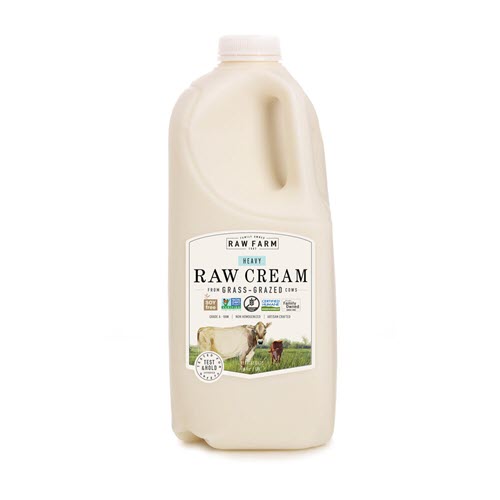
                ​State Secures Broad Voluntary Recall of Raw Milk and Cream to Protect Consumers


                December 3, 2024

                NR24-044​


                Recall includes all Raw Farm, LLC raw milk and cream remaining on retail shelves; CDPH warns consumers against consuming any raw milk products from quarantined farm

                What You Need to Know: California has secured a broad, voluntary recall of all Raw Farm, LLC raw milk and cream products due to possible bird flu contamination. Californians are strongly encouraged not to consume any raw milk or cream products in their possession or still on store shelves. Pasteurized milk remains safe to drink.


                Sacramento ​– Continuing its action to protect public health, the state has secured a broad, voluntary recall of all raw whole milk and cream products from Raw Farm, LLC that remain on retail shelves following multiple bird flu virus detections in the company’s milk and dairy in the past week. Raw Farm milk products have tested positive for bird flu at both retail and dairy storage and bottling sites in recent days.

                Today’s expanded recall ensures that all sizes of Raw Farm milk and cream, produced between November 9 and November 27, are pulled from retail shelves. The affected lot numbers are 20241109 through 20241127, which includes the two lots recalled last week (November 27 and November 24​).


                Customers should immediately return any remaining product to the retail point of purchase.

                Public health officials identified the bird flu virus in retail products from Raw Farm, LLC last week. Additional testing by the California Department of Food and Agriculture (CDFA) of bulk milk storage and bottled products at Raw Farm’s bottling facility showed the presence of the bird flu virus. All milk tested by CDFA remained at the Raw Farm plant and was not released to consumers. As the disease investigation continues, Raw Farm is cooperating fully with CDPH and CDFA.

                While this voluntary recall only applies to raw whole milk and cream, due to multiple bird flu detections in the company's operation the California Department of Public Health (CDPH) urges consumers to avoid consuming any Raw Farm products for human consumption including raw milk, cream, cheese, and kefir, as well as raw milk pet food topper and pet food kefir marketed to pet owners.

                In addition to the statewide voluntary recall, CDFA has placed the farm under quarantine, suspending any new distribution of its raw milk, cream, kefir, butter and cheese products produced on or after November 27.

                No human bird flu cases associated with the product have been confirmed to date, and the state is working closely with federal and local partners to investigate the situation and better understand how it might impact consumers. California continues to monitor and respond to bird flu outbreaks in dairy cows and poultry. Bird flu virus levels have been demonstrated to be high in raw milk from infected cows, and sporadic human cases identified in workers in close contact with infected dairy cows and their milk indicate that raw milk is infectious to humans. ​Risks Associated with Raw Milk


                Public health experts have long warned consumers against consuming raw milk or raw milk products due to elevated risks of foodborne illness. Outbreaks due to Salmonella, Listeria monocytogenes, toxin producing E. coli, Brucella, Campylobacter, and many other bacteria have all been reported related to consuming raw dairy products. Raw milk products are not pasteurized, a heating process that kills bacteria and viruses such as bird flu.
                Pasteurized milk and pasteurized milk products are safe to consume because the heating process kills pathogens, including bird flu, that can cause illness.
                Drinking or accidentally inhaling raw milk containing bird flu virus may lead to illness. In addition, touching your eyes, nose, or mouth with unwashed hands after touching raw milk with bird flu virus may also lead to infection. Symptoms of bird flu infection in humans include eye redness or discharge, cough, sore throat, runny or stuffy nose, diarrhea, vomiting, muscle or body aches, headaches, fatigue, trouble breathing and fever. Anyone who has consumed these specific products and is experiencing these symptoms, should immediately contact their health care provider or local health department. Pet Safety and Raw Milk Pet Food Products

                ​CDPH advises consumers to avoid raw milk “pet food topper” and “pet food kefir” products marketed to pet owners. They should neither eat this food themselves nor feed it to their pets. Cats, dogs, and other animals may become sick with bird flu after drinking raw milk. Cats on infected dairy farms in multiple states have died from bird flu, most likely from drinking raw milk from infected cows. CDPH encourages pet owners to avoid feeding their pets raw pet food products in general, including raw milk-based products. To further limit risk to pets, pet owners should also keep their pets away from sick or dead birds.​​ California Regularly Tests Raw Milk


                As part of the state’s bird flu response, testing of raw milk from dairies has been increased to help prevent raw milk consumers from getting the virus. Once bird flu was found in California dairy herds, the California Department of Food and Agriculture (CDFA) began regular testing of raw milk in bulk tanks. In response to these recent positive tests from two retail raw milk batches, CDFA followed up with immediate additional sampling and testing at Raw Farm. Pasteurized Milk is Safe to Drink

                Pasteurized milk is safe to drink. Pasteurization, one of the most significant scientific food safety discoveries in human history, is the process of heating milk to specific temperatures for a certain length of time to kill many microorganisms and enzymes that lead to spoilage and illness. Pasteurization kills the bird flu virus and other harmful germs that can be found in raw milk. CDPH advises consumers not to drink raw milk or eat raw milk products due to the risk of foodborne illnesses. About Bird Flu


                Since early October, California has reported 31 confirmed human cases of bird flu, 30 of whom had direct contact with infected dairy cows. No person-to-person spread of bird flu has been detected in California or the U.S. To date, all cases have reported mild symptoms (primarily eye infections), and none have been hospitalized. Because bird flu viruses can change and gain the ability to spread more easily between people, public health officials have provided preventive measures and are monitoring animal and human infections carefully. Protecting Public Health

                California continues to take swift and comprehensive action in response to the detection of bird flu in dairy cows across the Central Valley, demonstrating a strong commitment to public health and worker safety. While the overall risk to the public remains low, the state is prioritizing containment efforts, raising public awareness, and providing resources to those at higher risk. Key initiatives include the distribution of personal protective equipment (PPE), increased testing, and robust surveillance of infected areas.
                Through coordinated efforts between CDPH, the California Department of Food and Agriculture, California Office of Emergency Services (CalOES), and other agencies, California is leading a cross-agency response that includes multilingual outreach to dairy and poultry workers, a targeted social media campaign to promote preventive practices, and media interviews to keep the public informed. Additionally, the state is ensuring that farm workers have access to additional doses of seasonal flu vaccine from the Centers for Disease Control and Prevention (CDC) to reduce concurrent flu risks.
                Specifically, the state is:
                • Working with local, state, and federal partners to monitor bird flu in farm animals and people who work closely with poultry and dairy cows. 
                • Distributing protective gear to dairy farms and workers who have contact with infected dairy cows or raw milk to reduce the risk of getting bird flu. 
                • Helping ensure individuals with symptoms of or exposure to bird flu have access to testing and treatment. 
                • Conducting timely public education efforts​ to ensure those impacted have information about bird flu. 
                How Bird Flu Spreads
                • Touching the eyes, nose, or mouth with unwashed hands after contact with raw milk from an infected cow, or other contaminated items or surfaces. 
                • Splashing raw milk from an infected cow into eyes, nose, or mouth.
                • Drinking raw milk from a cow infected with bird flu virus. 
                More Resources
                • For the latest information on the state’s bird flu response, visit CDPH’s Bird Flu webpage​ and CDFA’s H5N1 Bird Flu Virus in Livestock site. 
                • For information on the national bird flu response, see CDC's Bird Flu Response Update​. 
                • ​For work-related questions or complaints related to bird flu, contact the Cal/OSHA Call Center in English or Spanish at 1-833-579-0927. Employers can contact the California Occupational Health and Safety Division at 800-963-9424 for a free consultation to strengthen their illness and injury safety program. 
                • ​Farmers should contact the California Department of Food and Agriculture’s bird flu hotline at 866-922-2473 if they suspect their animals are infected with bird flu.


                Page Last Updated : December 3, 2024​


                Comment


                • #10
                  California: CDFA Announces Another Recall of H5 Contaminated Raw Milk


                  #18,487

                  Over the past month we've seen several recalls of raw milk in California due to H5 contamination (see here, here, and here), and last week we saw the report of the deaths of two house cats after they were fed raw milk in Los Angeles.
                  Also last week, in Emerg. Microbes & Inf.: Marked Neurotropism and Potential Adaptation of H5N1 Clade 2.3.4.4.b Virus in Naturally Infected Domestic Cats, we looked at a report on the HPAI H5 infection of a house full of domestic cats (n=10) in South Dakota, all of which died, many with severe neurological symptoms.

                  Over the past year we've seen literally dozens of cats whose deaths were linked to HPAI H5 exposure.

                  Yesterday the California Department of Food and Agriculture announced another recall of H5 contaminated raw milk, this time produced and packaged by Valley Milk Simply Bottled of Stanislaus County.

                  First the announcement, after which I'll have a postscript.

                  CDFA ANNOUNCES RECALL OF RAW MILK PRODUCED AT “VALLEY MILK SIMPLY BOTTLED” OF STANISLAUS COUNTY

                  Consumers urged to not consume raw cow milk due to Influenza-A H5N1 contamination.

                  Release #24-121


                  Español

                  SACRAMENTO, December 14, 2024 – Raw milk produced and packaged by Valley Milk Simply Bottled of Stanislaus County is the subject of a statewide recall and quarantine order by the California Department of Food and Agriculture (CDFA). The recall order came following the detection of Influenza-A H5N1 (bird flu) virus in samples taken from a raw milk bulk tank at the Valley Milk Simply Bottled dairy farm.

                  The order applies to all “Valley Milk Simply Bottled Raw Cow Milk” and “DESI Milk Raw Cow Milk” distributed in quart (32 oz), half-gallon (64 oz), and one-gallon (128 oz) plastic jugs with a code date marked on the container of DEC 23 2024 through DEC 30 2024.

                  Consumers are strongly urged to not consume any product remaining in their refrigerators and retailers are to pull the product immediately from their shelves. No illnesses have been reported.

                  Risks Associated with Raw Milk

                  Drinking raw milk containing bird flu virus may lead to infection with this rare, emerging flu virus. Symptoms of bird flu infection in humans include eye redness or discharge, cough, sore throat, runny or stuffy nose, diarrhea, vomiting, muscle or body aches, headaches, fatigue, trouble breathing and fever.

                  While raw milk sales are legal in California and production practices are highly regulated, without the critical food safety step of pasteurization, public health experts have long warned consumers against consuming raw milk or raw milk products due to elevated risks of foodborne illness. Due to this elevated risk, all raw milk products are sold with a warning label that states the product may contain harmful pathogens. Outbreaks due to Salmonella, Listeria monocytogenes, toxin producing E. coli, Brucella, Campylobacter, and many other bacteria have all been reported related to consuming raw dairy products.

                  Pasteurized Milk is Safe to Drink

                  Pasteurized milk is safe to drink. Pasteurization, one of the most significant scientific food safety discoveries in human history, is the process of heating milk to specific temperatures for a certain length of time to kill many microorganisms and enzymes that lead to spoilage and illness. Pasteurization kills the bird flu virus and other harmful germs that can be found in raw milk. The California Department of Public Health advises consumers not to drink raw milk or eat raw milk products due to the risk of foodborne illnesses.

                  Protecting Against Bird Flu


                  CDFA has been working with the USDA as well as local and state partners to monitor bird flu in farm animals and the people who work closely with them. This incident is national in scope for both birds and cows following the initial introduction of the disease in 2022. CDFA conducts extensive bird flu testing throughout the state and establishes quarantine boundaries where necessary to protect animal and human health.

                  The `raw milk' movement in the United States continues to grow, despite ample evidence of its dangers. A 2022 study published in the Journal of Food Protection reported that:

                  Results show that 4.4% of U.S. adults reported consuming raw milk at least once in the past year, with 1.6% reporting frequent consumption of raw milk (once per month or more often) and 1.0% reporting consumption once per week or more often.

                  Which suggests that several million people in the United States regularly consume raw milk, a practice that even without avian flu,carries a number of health risks.

                  Given that only a handful of states are actually testing raw milk for H5 contamination - and even when they do, the product can still end up on store shelves - this is potentially a huge loophole for the virus to exploit.

                  And given its recent string of successes, we really don't want to be giving aid and comfort to this virus.


                  #18,487 Over the past month we've seen several recalls of raw milk in California due to H5 contamination (see here , here , and here ), an...

                  All medical discussions are for educational purposes. I am not a doctor, just a retired paramedic. Nothing I post should be construed as specific medical advice. If you have a medical problem, see your physician.

                  Comment

                  Working...
                  X