-
wahis.woah.org/#/in-review/7357
-
Translation Google
SAG confirms case of avian influenza H5N1 in backyard birds in the Valparaíso region
Sent by Communications on Sat, 07/03/2026 - 16:08
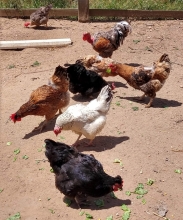
As part of the ongoing health surveillance conducted by the Agricultural and Livestock Service (SAG), the first case of highly pathogenic avian influenza (H5N1) in backyard poultry was confirmed in the town of El Melón, in the municipality of Nogales, Valparaíso Region.
The case was detected following a report of poultry mortality. Samples analyzed by the official laboratory confirmed the presence of the virus.
The detection comes after the presence of avian influenza in wild birds (coscoroba swans) in the El Yali Wetland, in the same region, was confirmed earlier this week.
Similarly, a complaint received in the Maule region allowed for the collection of samples from wild birds in the El Colorado area, in San Clemente, whose analysis confirmed the presence of the H5N1 virus in coscoroba swans.
In response to each of these detections, the SAG has activated the established protocols for disease control, with the aim of containing its spread within the country. Furthermore, it has reinforced health surveillance in various regions, taking into account the movement of wild birds during this time of year.
In parallel, actions are being coordinated with the agencies that make up the Technical Committee on Avian Influenza, headed by Senapred. This committee includes the Ministry of Agriculture, through SAG, the Ministry of Health, the National Fisheries Service, Conaf, and other public services; close communication is also being maintained with the private sector linked to the poultry industry.
It is important to note that, as there are no positive cases in commercial farms, Chile maintains its sanitary status as a country free of highly pathogenic avian influenza.
Biosecurity measures
SAG is calling on all poultry owners, small, medium and large, to reinforce biosecurity measures, considering that the virus is present in wild birds in the country, which increases the risk of contact with farmed or domestic birds.
The public's cooperation is also requested. In the event of detecting mass bird mortality, it is recommended not to touch or handle them and to notify SAG through the following channels:- User Service Center by calling 22 345 1100 or writing to the email address oficina.informaciones@sag.gob.cl .
...
-
Source: https://www.radioagricultura.cl/noti...gins_20260314/
SAG Confirms New Cases of H5N1 Avian Influenza in Domestic Poultry in O’Higgins Region
By Constanza Fuentes
March 14, 2026
The Agricultural and Livestock Service (SAG) confirmed two new cases of H5N1 avian influenza in backyard poultry in the O’Higgins Region.
The infections were detected in Pumanque and Las Cabras, following reports of poultry deaths. Samples were analyzed at the SAG's official laboratory in Lo Aguirre, where the presence of the virus was confirmed.
Health Protocols Activated
Following the confirmation, the SAG activated the protocols established by the World Organisation for Animal Health (OIE) to prevent the spread of the disease.
In addition, health surveillance was reinforced in backyard poultry farms, poultry farms, and bodies of water, due to the movement of wild birds during the migration period.
These detections add to previous cases of avian influenza in wild birds in the El Yali wetland and in San Clemente, as well as a backyard in Nogales...Comment
-
Related to Shiloh's post above:
Translation Google
SAG confirms two cases of H5N1 avian influenza in backyard birds in the O'Higgins region
Sent by Communications on Sat, 14/03/2026 - 13:14
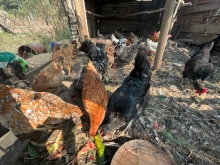
Within the framework of the National Health Emergency System for highly pathogenic avian influenza (HPAI), established by the Agricultural and Livestock Service (SAG) on March 4, two new cases of the H5N1 virus were confirmed: one in a backyard poultry farm in the town of Pumanque and another in Las Cabras, in the O'Higgins Region. The confirmations were made through samples analyzed at the Service's official laboratory in Lo Aguirre, following two reports of domestic bird mortality.
These detections in the O'Higgins region add to the previous confirmations of avian influenza in wild birds (coscoroba swans) in the El Yali wetland, in Valparaíso and in San Clemente, in El Maule, and then in a backyard in the commune of Nogales, also in the Valparaíso region.
In response to the cases in the O'Higgins Region, the Chilean Agricultural and Livestock Service (SAG) has activated the protocols established by the World Organisation for Animal Health (WOAH) for disease control in the region, in order to prevent its spread to other areas of the country. Increased sanitary surveillance continues in bodies of water, backyards, and livestock farms throughout the country, taking into account the movement of wild birds during this time of year when they return from migrating north from the Southern Hemisphere.
In parallel, all the agencies that make up the Technical Committee on Avian Influenza, headed by Senapred, are informed and on alert, including the Ministry of Agriculture, through SAG, the Ministry of Health, the National Fisheries Service, Conaf and other public services; also maintaining close communication with the private sector linked to the poultry industry.
It is important to note that, as there are no positive cases in commercial farms, Chile maintains its sanitary status as a country free of highly pathogenic avian influenza.
Biosecurity measures
The Chilean Agricultural and Livestock Service (SAG) is urging all poultry owners to reinforce biosecurity measures, given that the virus is present in wild birds in the country, increasing the risk of contact with farm or domesticated birds. This means keeping them in a protected coop at all times, where food and water cannot be shared with wild birds that may be carrying the virus.
The public's cooperation is also requested: if you detect birds with symptoms such as incoordination, ruffled feathers, bluish coloration on the crest, wattles or legs, prostration or mass death, do not touch or handle them, as the virus can potentially be transmitted to mammals including humans, and notify the SAG through the following channels:- User Service Center by calling 22 345 1100 or writing to the email address oficina.informaciones@sag.gob.cl .
Comment
-
Source: https://www.biobiochile.cl/noticias/...3/19/undefined
Thursday, March 19, 2026 | 11:00 AM
SAG Detects New Case of H5N1 Avian Influenza in Backyard Poultry in Melipilla
Benjamín Brante
Published by Noelia Ortega Sanhueza
The Agricultural and Livestock Service (SAG) confirmed a case of highly pathogenic avian influenza in backyard poultry in the Bollenar sector of the Melipilla commune, after analyzing samples from a report of domestic bird deaths.
This comes after a series of recent detections in wild birds, due to the activation of the National Health Emergency System in early March.
According to the agency, the protocols established by the World Organisation for Animal Health (OIE) have already been implemented to contain the spread of the virus, along with strengthened health surveillance in bodies of water, backyards, and production facilities.
From the production sector, Patricio Kurte, General Manager of Chilehuevos, emphasized that the industry is facing this scenario in better conditions than in previous outbreaks, highlighting advances such as mandatory biosecurity measures, the availability of insurance, and training for producers.
Despite this, he warned that the virus has remained in the country since its arrival in 2023, explaining that its visibility is partly due to variations in viral load and detection rates.
For his part, Carlos Pérez, an infectious disease specialist and Dean of the Faculty of Medicine at Universidad San Sebastián, explained that avian influenza is a viral infection that primarily affects birds, although it can be transmitted to humans in exceptional cases.
Along the same lines, he stressed the importance of prevention, given its highly transmissible nature.
Despite this new outbreak, SAG (the Chilean Agricultural and Livestock Service) clarified that Chile maintains its sanitary status, as no cases have been registered in commercial farms.
Authorities also stressed the importance of citizen collaboration in containing the disease.Comment
-
Related to Shiloh's post above:
Translation Google
SAG confirms a case of avian influenza H5N1 in backyard birds in the Metropolitan Region
Sent by Communications on Wed, 03/18/2026 - 2:07 PM
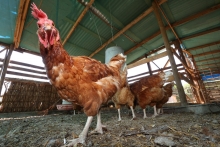
Following a report of domestic bird mortality, analyses by the official laboratory of the Agricultural and Livestock Service (SAG) confirmed the presence of highly pathogenic avian influenza (HPAI) H5N1 in a backyard in the Bollenar sector, Melipilla commune, in the Metropolitan Region.
The announcement comes in the context of the activation, on March 4, of the SAG's National Health Emergency System after the detection of this virus in wild birds (coscoroba swans) in the El Yali wetland, Valparaíso region; followed by a case in wild birds in San Clemente, Maule; a backyard outbreak in the commune of Nogales, Valparaíso; and two backyard outbreaks in O'Higgins, in the communes of Pumanque and Las Cabras.
The SAG (Chilean Agricultural and Livestock Service) has already activated the protocols established by the World Organisation for Animal Health (WOAH) for disease control, in order to prevent its spread to other areas of the country. Sanitary surveillance continues to be strengthened in both bodies of water and backyards, as well as biosecurity measures in production facilities, given that this is the time of year when migratory birds return to the Northern Hemisphere.
This new case has been reported to the Technical Committee on Avian Influenza, headed by Senapred, and where the Ministry of Health, the National Fisheries Service, Conaf and other public services participate; also maintaining close communication with the private sector linked to the poultry industry.
It is important to note that, as there are no positive cases in commercial farms, Chile maintains its sanitary status as a country free of highly pathogenic avian influenza.
The importance of reporting
The Chilean Agricultural and Livestock Service (SAG) is urging all poultry owners to reinforce biosecurity measures, given that the virus is present in wild birds in the country, increasing the risk of contact with farm or domesticated birds. This means keeping them in a protected coop at all times, where food and water cannot be shared with wild birds that may be carrying the virus.
The public's cooperation is also requested: if you detect birds with symptoms such as incoordination, ruffled feathers, bluish coloration on the crest, wattles or legs, prostration or mass death, do not touch or handle them, as the virus can potentially be transmitted to mammals including humans, and notify the SAG through the following channels:- User Service Center by calling 22 345 1100 or writing to the email address oficina.informaciones@sag.gob.cl .
- Weekends (Saturday and Sunday, from 9 a.m. to 6 p.m.) contact via WhatsApp +56 938663611.
The Agroseguros Free Exotic Disease Insurance for Poultry is currently in effect. This group insurance policy, which includes a 100% government subsidy, compensates producers when the SAG (Chilean Agricultural and Livestock Service) orders the sanitary culling of birds due to avian influenza or other exotic diseases, provided the established requirements are met. For more information, please visit www.agroseguros.cl
Category
Avian Influenza (AI)
News Date
Wednesday, March 18, 2026 - 12:00
https://www.sag.gob.cl/noticias/sag-...-metropolitanaComment
-
Source: https://www.maray.cl/pais/20/03/2026...-la-araucania/
SAG Confirms First Case of Avian Influenza in Domestic Birds in La Araucanía
March 20, 2026 163
The Agricultural and Livestock Service (SAG) confirmed the detection of the first case of highly pathogenic avian influenza (HPAI) H5N1 in domestic birds in the La Araucanía region, specifically in a backyard flock in the municipality of Renaico.
With this new outbreak, four regions in the country now have cases of the disease in domestic birds: Valparaíso, Metropolitan, and O’Higgins, in addition to La Araucanía. Meanwhile, the Maule region is registering cases in wild birds, according to the health authority.
Given this situation, SAG has reinforced animal health surveillance nationwide, with an emphasis on the early detection of new cases and continuous monitoring at various points throughout the country.
Despite the spread of the virus in domestic and wild birds, the agency confirmed that Chile maintains its status as a country free of highly pathogenic avian influenza in commercial poultry.
The agency also stated that it will continue to strengthen surveillance in bodies of water and backyard poultry farms, as well as intensify biosecurity measures in production facilities. These actions are being taken in a context marked by the return of migratory birds to the Northern Hemisphere, considered the main vectors of the virus, which increases the risk of its spread in the country.Comment
-
Related to Shiloh's post above:
Translation Google
SAG confirms first case of avian influenza in a backyard farm in La Araucanía and reinforces measures for timely detection throughout the country
Sent by Communications on Fri, 20/03/2026 - 17:25
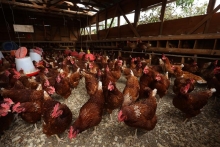
The Agricultural and Livestock Service (SAG) confirmed the first case of highly pathogenic avian influenza (HPAI) H5N1 in domestic birds in the Araucanía Region, detected in a backyard flock in the municipality of Renaico. With this new outbreak, there are now four regions in the country where domestic birds have been affected by the disease: Valparaíso, Metropolitan, and O'Higgins, in addition to the Maule Region, which has reported cases in wild birds.
In response to this scenario, SAG reinforced animal health surveillance nationwide and strengthened timely detection, adding an emergency WhatsApp service for receiving complaints on weekends, available on Saturdays and Sundays between 9:00 a.m. and 6:00 p.m. at the number +56 938663611, thus expanding the coverage of the citizen service system.
Despite these findings, Chile maintains its status as a country free of highly pathogenic avian influenza in commercial poultry. The Chilean Agricultural and Livestock Service (SAG) continues to strengthen surveillance in bodies of water and backyard poultry farms, along with intensifying biosecurity measures in production facilities, considering that migratory birds—the main carriers of the virus—return to the Northern Hemisphere at this time of year, increasing the risk of spread.
It should be noted that the SAG (Chilean Agricultural and Livestock Service) declared a National Animal Health Emergency after the first detection of the virus in wild birds (coscoroba swans) in the El Yali wetland, in the Valparaíso Region. Subsequently, cases were confirmed in San Clemente (Maule Region), a backyard outbreak in Nogales (Valparaíso Region), two outbreaks in the O'Higgins Region—in Pumanque and Las Cabras—, an outbreak in Melipilla (Metropolitan Region), and the recent positive case in La Araucanía.
To keep the public informed and facilitate decision-making based on reliable data, SAG has launched an online viewer with updated information on the animal health emergency, including confirmed outbreaks, affected birds, and properties under surveillance, among other relevant data. It is available at www.sag.cl or directly at https://bit.ly/47N7HCn
Timely reports
The SAG (Chilean Agricultural and Livestock Service) reiterates its call to poultry farmers to reinforce biosecurity measures, given the presence of the virus in wild birds, which increases the risk of transmission to farm or domesticated birds. Key recommendations include keeping poultry in protected areas, avoiding contact with wild birds, and ensuring that food and water are not shared.
Likewise, the collaboration of the community is requested; if birds are detected with signs such as: incoordination, ruffled feathers, bluish coloration in the crest, wattles or legs, lethargy or unusual mortality, their handling should be avoided and SAG should be notified immediately, since the virus can be transmitted to mammals, including humans.
In this context, the Service reminds poultry owners to learn about Agroseguros' Exotic Disease Insurance for Poultry, a free benefit that provides compensation when the SAG (Agricultural and Livestock Service) orders the sanitary culling of birds due to diseases such as avian influenza. To access the insurance, it is essential to meet the established requirements, including filing a timely report, as birds that die before the first inspection are not covered. More information is available at www.agroseguros.cl .
Complaints can be made through the User Service Center, by calling 22 345 1100 or writing to oficina.informaciones@sag.gob.cl , and during weekends (Saturday and Sunday, between 9:00 and 18:00 hours) WhatsApp +56 938663611 will be available.
Category
Avian Influenza (AI)
News Date
Friday, March 20, 2026 - 12:00

Comment
-
Translation Google
SAG suspends certification of poultry exports after confirmation of avian influenza in a commercial flock
Sent by Communications on Wed, 25/03/2026 - 17:04

The Agricultural and Livestock Service (SAG) reported the first confirmed case of avian influenza in laying hens at an industrial facility in the municipality of Talagante, in the Metropolitan Region. In response, sanitary protocols were activated to contain and eradicate the disease as quickly as possible, and in accordance with international regulations, Chile has suspended the certification of all poultry exports.
The Chilean Agricultural and Livestock Service (SAG) has already notified the World Organisation for Animal Health (WOAH) of this animal health event and, in parallel, will initiate discussions through its agricultural attachés in the main markets to which Chile exports poultry products. These discussions will assess the various cases with a view to resuming poultry export certification as soon as possible. In this context, coordination will continue with countries with which Chile has animal health zoning agreements, such as the United States, Canada, Mexico, Colombia, and the United Kingdom. The situation will also be addressed individually with other markets to expedite the reopening process and restore shipments in the shortest possible time.
It is important to note that the domestic supply of poultry products, such as poultry meat and eggs, is assured, also considering that their consumption does not represent a risk to public health.
It should be noted that this case is part of a nationwide outbreak of the disease, which has already been detected in the Valparaíso, Metropolitan, O'Higgins, Maule, La Araucanía, and Magallanes regions, affecting both wild and backyard birds. In this context, the SAG (Agricultural and Livestock Service) has been working in coordination with the Avian Influenza Technical Committee, led by Senapred (National Service for Disaster Prevention, Mitigation and Response), since the first case was detected in wild birds in the El Yali wetland, Valparaíso region, on March 4th. Sernapesca (National Fisheries Service), Conaf (National Forestry Corporation), the Ministry of Health, and other agencies also participate in this committee.
Maximize biosecurity measures
Given this situation, the SAG reiterates its urgent call to poultry farmers to take extreme biosecurity measures and keep their birds in closed and protected coops at all times to avoid any contact with wild birds, as well as to properly store water and feed. These actions are essential to prevent infections and protect national poultry production.
It is also crucial to act promptly, as timely notification is key to containing the disease. If you observe suspicious signs—such as incoordination, ruffled feathers, bluish discoloration of the comb, wattles, or legs, lethargy, or unusual deaths—do not handle the birds and report it immediately to SAG (the Chilean Agricultural and Livestock Service). There are several ways to report: you can call the User Service Center Monday through Friday, from 9:00 a.m. to 6:00 p.m., email oficina.informaciones@sag.gob.cl , or use WhatsApp at +56 938663611, which is available on weekends.
The Service reminds farmers that Agroseguros' Exotic Disease Insurance for Poultry is available, a free benefit that provides compensation in cases of euthanasia ordered by the authorities. To access this insurance, it is essential to file a claim on time and meet the requirements. More information is available at www.agroseguros.cl
Category
Avian Influenza (AI)
News Date
Wednesday, March 25, 2026 - 12:00
Comment
-
Source: https://www.24horas.cl/actualidad/na...-nuble-y-maule
First case of avian influenza in backyard chickens in Ñuble and a new one in Maule
To date, a total of 19 confirmed outbreaks have been registered in different regions of the country.
24horas.cl
Aton Chile
Friday, April 3, 2026
The Agricultural and Livestock Service (SAG) confirmed the first case of highly pathogenic avian influenza (HPAI) subtype H5N1 in backyard poultry in the Ñuble region, in the La Primavera sector of the San Carlos commune.
Following the confirmation, health protocols were immediately activated, including quarantine of the property and surveillance in the area.
The case involves a backyard flock of chickens, geese, and ducks, not associated with a commercial farm. The measures include a limited surveillance radius by SAG, with monitoring of backyard poultry producers.
Furthermore, the Chilean Agricultural and Livestock Service (SAG) confirmed a new case of avian influenza in the Maule Region, specifically in the municipality of San Rafael, detected in poultry, specifically chickens and turkeys.
In response, the Service immediately activated sanitary protocols, including eliminating the source of the outbreak and cleaning and disinfecting the affected premises, to prevent the spread of the disease and safeguard the country's animal health.
Since the detection of the first case of avian influenza in a wild bird in the Valparaíso Region in early March (at which time a National Animal Health Emergency was declared), the Service has reported a total of 19 confirmed outbreaks to date in seven regions of the country: Valparaíso, Metropolitan, O’Higgins, Maule, Ñuble, La Araucanía, and Magallanes, with more than 700,000 birds affected.
Highly pathogenic avian influenza is a viral disease that primarily affects domestic and wild birds, causing high mortality in these animals and has no cure. To a lesser extent, it has also been detected in some mammals and, rarely, in humans.Comment

- Do not take medical advice from the internet. If you have any medical questions please consult your medical practitioner.
LATEST POSTS - click HERE
Check out the FAQ,Terms of Service & Disclaimers by clicking the link. Please register to be able to post. By viewing this site you are agreeing to our Terms of Service and Acknowledge our Disclaimers.
FluTrackers.com Inc. does not provide medical advice. Information on this web site is collected from various internet resources, and the FluTrackers board of directors makes no warranty to the safety, efficacy, correctness or completeness of the information posted on this site by any author or poster. The information collated here is for instructional and/or discussion purposes only and is NOT intended to diagnose or treat any disease, illness, or other medical condition. Every individual reader or poster should seek advice from their personal physician/healthcare practitioner before considering or using any interventions that are discussed on this website. By continuing to access this website you agree to consult your personal physican before using any interventions posted on this website, and you agree to hold harmless FluTrackers.com Inc., the board of directors, the members, and all authors and posters for any effects from use of any medication, supplement, vitamin or other substance, device, intervention, etc. mentioned in posts on this website, or other internet venues referenced in posts on this website.- We are not asking for any donations. Do not donate to any entity who says they are raising funds for us.

 Tweet
Tweet
Comment