
 Tweet
Tweet
This is a thread for the discussion of Pregnancy, Childbirth and Breastfeeding.
-
-
Re: Pregnancy, Childbirth and Breastfeeding
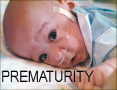
I am new member and a nursing mother. My baby is now 8 months old, but was born 6 1/2 weeks premature. We spent the first 4 months of his life socially isolating ourselves to help prevent exposure to the seasonal colds and influenza. We practiced strict handwashing techniques and even wore masks in our home when we became ill. We (and our insurance company) paid over $2,250 USdollars per month to give our preemie an anti-viral shot called Synagis to help prevent RSV. I was strongly encouraged by our pediatrician to continue to breastfeed as long as possible. When our family did become ill with a bad cold, the doctor said it was the best thing for our baby that I had it so he could benefit from the antibodies in my breast milk. I have read some old WHO recommendations on how to continue breastfeeding in the presence of severe stress (it even gave recommendations on how to re-teach your body to produce milk after years of not nursing and feed yours/or other infants) It is a definite concern of mine to be able to care and provide for my family during a pandemic. I quit my job as an R.N. in a hospital on a cardio-pulmonary unit to be able to care for my children. They have been much healthier since I have stayed home. It's interesting, since I practiced very good hygiene and handwashing techniques. I have read sources that suggest no one should plan to get pregnant during these uncertain times. I suppose that was said during the 1918's, or the World Wars. Though I have faith, I do fear.... and that's why I'm here. -
Re: Pregnancy, Childbirth and Breastfeeding
I am not pregnant nor breastfeeding at this time. However, I have had 5 pregnancies which resulted in 3 beautiful children (now 9, 7 & 5). I can say without hesitation that I would not want to be pregnant during a pandemic. Many (most?) women experience healthy uncomplicated pregnancies and childbirth. But, the statistics on failed pregnancies and difficult pregnancies alone make the prospect of needing health care highly likely.
My experience:
1st pregnancy ended in an incomplete miscarriage at 12 weeks. I needed medical intervention to complete the miscarriage.
2nd pregnancy was an etopic pregnancy - the fetus was growing in my fallopian tube and required surgical removal and a 3-4 week recovery at home.
3rd pregnancy - My amniotic sac was leaking for days (thought I was peeing myself :o )then it ruptured at 28 weeks (12 weeks shy of 40 week normal gestation) - miraculously, I didn't go into spontaneous labor and was able to hold out in the hospital for 16 days until giving birth at 30 weeks. Delivered a chubby 3lb10oz baby who didn't need respiratory aids or any interventions which is extremely rare!
4th pregnancy - During a routine checkup at 24 weeks, the doctor discovered that my cervix was dilated 1cm and was thinning. Without having a cerclage(stitch closure of the cervix) and complete bedrest, I would have lost my baby - In spite of numerous trips to the ER to stop my premature labor throughout the last 4 mos, I needed to be induced after 12 hours of unproductive labor Delivered a prefect, healthy baby at full term. (Also, I had gestational diabetes, during this pregnancy, which was uncontrollable even with insulin injections)
5th pregnancy - Had a cerclage done at 16 weeks since it was known from previous experience that I had an incompetent cervix. Spent almost all of the remaining 5mos of gestation on complete bedrest with numerous premature labor scares. Delivered normally, at full term, a healthy baby.
We are done having babies Got that fixed after the 3rd child was born. My experiences are not the norm, of course. My point is: things can and do go wrong even in healthy women with good nutrition and care. Without medical intervention, I would most likely have 0 children instead of 3. Ideally, pregnancy and childbirth are completely normal and natural events - they just weren't in my case.
Since my pandemic plan calls for complete isolation, I wouldn't risk becoming pregnant if I was able.
I have some more ideas that need a little research. I'll try to post more on this topic at a later time. But, in the meantime, if anyone would like to ask questions about my experience, post here or PM me."In the beginning of change, the patriot is a scarce man (or woman https://flutrackers.com/forum/core/i...ilies/wink.png), and brave, and hated and scorned. When his cause succeeds, the timid join him, for it then costs nothing to be a patriot."- Mark TwainReason obeys itself; and ignorance submits to whatever is dictated to it. -Thomas PaineComment
-
Re: Pregnancy, Childbirth and Breastfeeding
A Book for Midwives
Care for pregnancy, birth, and women's health
by Susan Klein, Suellen Miller, and Fiona Thomson
paperback
544 pages, illustrated
English ed. ISBN: 0-942364-23-6
Revised 2005
Originally published in 1995, A Book for Midwives has proved a vital resource for practicing midwives and midwifery training programs around the world. This new edition, just released, preserves the original book's clear language, medical accuracy, and focus on simple, low-cost treatments, but has been reorganized and extensively revised to better support care during labor and management of obstetric emergencies.
Chapters have been expanded and/or updated to cover lifesaving reproductive health information, and to recognize the broad role of midwives in providing women's health care.
* Table of Contents
* Introduction-Chapter 3: Words to midwives, Treating health problems, A woman's body in pregnancy
* Chapters 4-6: Helping women stay healthy, Preventing infection, Common changes in pregnancy
* Chapters 7-8: Learning a pregnant woman's health history, Prenatal checkups
* Chapters 9-11: Getting ready for labor and birth, Giving good care during labor and birth, Opening: stage 1 of labor
* Chapters 12-13: Pushing: stage 2 of labor, The birth of the placenta: stage 3 of labor
* Chapters 14-16: The first few hours after the birth, The first weeks after the birth, Breastfeeding
* Chapters 17-18: Family Planning, Sexually transmitted infections (STIs)
* Chapter 19: Advanced skills for pregnancy and birth
* Chapters 20-21: The pelvic exam: How to examine a woman's vagina and womb, How to insert an IUD
* Chapter 22: Helping a woman after a pregnancy ends early
* Chapter 23: Manual vacuum aspiration
* Chapter 24-25; Appendices: Getting medical help, Homemade tools and teaching materials, Medicines (green pages), To learn more, Technical and medical words, Index (yellow pages), Due date calculator
Heavily illustrated, clearly written, and developed with the participation of community-based midwives, midwifery trainers, and medical specialists around the world, it is equally useful in a rural village or urban clinic, as a training manual for students or as a reference for an experienced midwife.
The book can be downloaded for free at this link: http://www.hesperian.org/publication...d.php#midwives
(scroll down to find the book/chapters you want)"In the beginning of change, the patriot is a scarce man (or woman https://flutrackers.com/forum/core/i...ilies/wink.png), and brave, and hated and scorned. When his cause succeeds, the timid join him, for it then costs nothing to be a patriot."- Mark TwainReason obeys itself; and ignorance submits to whatever is dictated to it. -Thomas PaineComment
-
Kangaroo care
Kangaroo care was first introduced to support mother & babies in places where incubators and health care access is limited or non-existent. The method is based upon the baby being carried 24 hours per day by the mother. In my case and many others, even limited time spent skin to skin has great benefits for both mother and child.
There are a number of sites that describe and provide support for those interested in Kangaroo care. Here are a couple.
Brief description of method and benefits:
Review of studies on benefits of Kangaroo: http://kangaroo.javeriana.edu.co/ing...tm#description
MY KANGAROO EXPERIENCEEVALUATIONS AND REFERENCES ON KMC
From 1986 to date: Evaluations of some of the components of Kangaroo
Mother Care:
? Limited skin-to-skin contact.
? In-hospital kangaroo position for a few hours.
? Breastfeeding
? Early discharge
In 1991, Gene Anderson produced an exhaustive review of published and unpublished evidences mainly about responses and effects of limited skin-to-skin contact in hospitalized patients in developed countries. Reviewed studies included true Randomized Controlled Trials, observational controlled studies and case series. Outcomes varied from survival to specific physiologic parameters. Papers were classified according to their designs and to the overall quality of the evidence.
Regarding infants under skin-to-skin contact, Anderson?s major findings were:
1. Temperature regulation is at least as good as that obtained inside an incubator. Some pieces of evidence suggest that it is even better.
2. Regular breathing patterns, with a decrease of apneic episodes and periodic respiration are more frequent than in non exposed infants.
3. Transcutaneous O2 levels do not decrease.
4. Improved regulation of infant?s behavioral state: longer alertness periods, less crying, etc.
5. No additional risk for infection.
6. Higher rates and higher duration of breast feeding.
Regarding parents:
1. Mothers reported self-confidence, feeling of fulfillment and less stress.
2. Mothers had more confidence in breast feeding.
When reviewing some of the papers quoted by Anderson, it can be found statements about a reduction of hospital stay associated with limited skin-to-skin contact and a positive change of attitude among health personnel.
After my first child was born 10 weeks early, a friend loaned me a book on Kangaroo Care. It was a novel idea for me. What was even more surprising was that the dozens of healthcare people I encountered in the hospital were completely ignorant of Kangaroo care. They weren't adverse to my desire to try it but were somewhat sceptical of any benefits it might provide.
I held my baby for several hours a day - talked and sang to her and we napped together (in a rocking chair or recliner - completely supported and safe). Most evenings after work, my husband would visit and he took his turn holding our baby skin to skin. I was never quite sure who benefited most from his time with her. Without hesitation, I attribute my baby's amazing growth, health and early release from the hospital to our practicing Kangaroo care on her.
We ere given 3 conditions that must be met before our baby could come home with us.
1. Maintain normal body temperature.
2. Take all feedings by mouth (versus by tube insert in GI track through the nose or mouth)
3. Increase weight to 5 lbs ?oz.
I was told by several nurses in the Neonatal Intensive Care Unit (NICU) that preemies are not capable of breastfeeding until they are 33-34 weeks gestational age. I finally found a nurse on the late shift who agreed to let me try breastfeeding. At 31 1/2 weeks, on the first try, my baby latched on and fed with no problem!
I was told that our child would burn too many calories by breastfeeding and should have only one breastfeeding per day. They said that breastfeeding would slow down her weight gain and that GI tube feedings were best. I disagreed and pressed for more breastfeedings, increasing by one per day until all her feedings were by breast except for the few hours a day that I left the hospital to go home to rest & shower.
We were told that our baby would probably be in the hospital at least until her scheduled due date (10 weeks after actual birth). She was released when she was only 18 days old!"In the beginning of change, the patriot is a scarce man (or woman https://flutrackers.com/forum/core/i...ilies/wink.png), and brave, and hated and scorned. When his cause succeeds, the timid join him, for it then costs nothing to be a patriot."- Mark TwainReason obeys itself; and ignorance submits to whatever is dictated to it. -Thomas PaineComment
-
Re: Pregnancy, Childbirth and Breastfeeding
When an Emergency Strikes Breastfeeding Can Save Lives, Part 2
September 1, 2005 ( Schaumburg , IL ) When an emergency occurs, such as the recent Hurricane Katrina in the Gulf Coast, breastfeeding saves lives.
Breastfeeding protects babies from the risks of a contaminated water supply. It provides protection against respiratory illnesses and diarrhea--diseases that can be fatal in populations displaced by disaster.
The basics of breastfeeding during an emergency are much the same as they are in normal times. Continuing to breastfeed whenever the baby seems hungry maintains a mother?s milk supply and provides familiar comfort. The release of hormones while a mother is breastfeeding relieves stress and anxiety and is calming to both mother and baby.
IF A MOTHER HAS JUST GIVEN BIRTH
If it is within even five days of the birth a mother can have a full milk supply quickly by putting the baby to the breast immediately and breastfeeding the baby, every two to three hours or more frequently. Breast milk is 87% water, so the mother should drink to thirst plus a little bit more. Drinking too much water is not recommended as the mother will be uncomfortable and no additional milk will be produced.
RELACTATION INFORMATION
If a mother has not just recently given birth, but it is up to six months after birth she can relactate by putting baby to the breast, or express the breast, every two hours. Initially she may be producing only drops per day. Some mothers find that their supply increases by about one ounce every 24 hours. Mother then decreases the amount of formula, or donated human milk from another mother, by about one ounce a day. The younger the baby the sooner it will be to establish a full milk supply.
Breastfeeding During Emergencies
Q. How does breastfeeding save lives and prevent illnesses during an emergency?
A. Breastfeeding protects babies from the risks of a contaminated water supply. It provides protection against respiratory illnesses and diarrhea?diseases that can be fatal in populations displaced by disaster. This is especially important during disruption of power, water and other services.
Lawrence M. Gartner, M.D., chair of the Section on Breastfeeding of the American Academy of Pediatrics and Health Advisory Council Member of La Leche League International (LLLI) states: ?Human milk is a valuable resource that can not only protect the vulnerable infant from disease, but can also promote psychological health and comfort during stressful times. Human milk reduces pain and promotes more rapid healing after injuries and infections.?
As natural disasters in recent years have demonstrated, the ability to transport and store water, food and other necessities is greatly diminished during and following catastrophic destruction. Human milk is readily available and provides all the necessary nutrition needed by an infant. In fact, according to the American Academy of Pediatrics and other health organizations around the world, exclusive breastfeeding, i.e., breastfeeding without the introduction of any other foods or water is the ideal infant feeding method for all babies during the first six months.
In special situations such as when complementary foods are not available, many infants have been exclusively fed on human milk for more than six months.
Q. How does a mother breastfeed a baby during or after an emergency?
A. The basics of breastfeeding during an emergency are much the same as they are in more stable times. Continuing to breastfeed whenever the baby seems hungry maintains a mother?s milk supply and provides familiar comfort. Measures that keep a mother safe, well-nourished, and free from illness will help protect her baby and her milk supply.
Babies breastfeed for more than just food. If a baby has just nursed and wants more nursing that is fine and is to be encouraged. The release of hormones while a mother is breastfeeding relieves stress and anxiety and is calming to both mother and baby. Babies' lives are saved every day by mothers who breastfeed them in spite of natural disasters.
For more information on breastfeeding during an emergency, check out this page on the La Leche League Web site at www.lalecheleague.org/emergency.html
La Leche League Leaders are trained community volunteers who answer questions about breastfeeding. Contact an LLL Leader in the US on our Web site or call 800 LA LECHE, Option 4.
Since 1956 La Leche League International, a nonprofit organization now in over 60 countries, has helped mothers worldwide to breastfeed through mother-to-mother support, encouragement, and education.
Contact Information: Mary Lofton at (847) 519-7730, ext. 271 or Katy Lebbing ext. 245.
Last updated Monday, October 2, 2006 by njb.Comment
-
Re: Pregnancy, Childbirth and Breastfeeding
Reading through this thread, I was reminded that I once heard that mothers of adopted children can breastfeed their child. I am curious about the implications for breastfeeding older children or orphaned babes, during a pandemic or post pandemic world. Does someone know if the calories required to produce quality breastmilk would be less, more or equivalent to calories needed for the child's nutrition? Would starting to breastfeeding during a pandemic (assuming baby/child is not currently breastfed) simply a trade off of caloric intake? Would there be any other therapeutic benefits (ie antibodies passed through milk)? Just wondering..."In the beginning of change, the patriot is a scarce man (or woman https://flutrackers.com/forum/core/i...ilies/wink.png), and brave, and hated and scorned. When his cause succeeds, the timid join him, for it then costs nothing to be a patriot."- Mark TwainReason obeys itself; and ignorance submits to whatever is dictated to it. -Thomas PaineComment
-
Re: Pregnancy, Childbirth and Breastfeeding
What are the benefits of breastfeeding my baby?
There are many benefits to breastfeeding your baby! "Human milk provides the specific nutrients that babies need to grow, both in size and maturity... " (THE WOMANLY ART OF BREASTFEEDING, 7th Revised Edition, page 340). Your milk is made to order for your baby. Research points to the significant value to infants, mothers, families and the environment from breastfeeding.
Benefits for Baby
Chapter 18 of THE WOMANLY ART OF BREASTFEEDING, 7th Revised Edition, "Human Milk for Human Babies ," documents the benefits of breastfeeding such as the antibodies in it to protect the baby from illness. For example, a study in the Philippines showed that, "Deaths from respiratory infections and diarrhea were eight to ten times higher in babies who were artificially fed than in those who were even partiaully breastfed for six months " (THE WOMANLY ART OF BREASTFEEDING, 7th Revised Edition, page 350). Breastfed babies have a decreased likelihood for allergies and dental caries. They also benefit from appropriate jaw, teeth and speech development as well as overall facial development. This means that people who were artificially fed may experience more trips to doctors and dentists
Benefits for Mother
Chapter 19 of THE WOMANLY ART OF BREASTFEEDING, "How Breastfeeding Affects a Mother," describes some of the physical benefits of breastfeeding for the mother such as reduced rates of breast cancer and ovarian cancer. The time saved for mother is immense also. As a breastfeeding mother, you can feed your baby even during stressful times such as when normal supplies of food and water are not available.
Benefits for Employers
Breastfed babies are healthier babies; thus, mothers who are employed outside the home are likely to miss fewer days of work according to a study in the BREASTFEEDING ANSWER BOOK, 3rd Revised edition. on page 242, To learn more about working and breastfeeding see our collection of breastfeeding resources.
Benefits for the Environment
The article "A Quick Look at Breastfeeding's Most Revolutionary Year Yet," by Dia Michels describes the environmentally friendly benefits of breastfeeding. Simply put, human milk is delivered without excess packaging or processing and thus contributes to the health of our planet.Comment
-
Re: Pregnancy, Childbirth and Breastfeeding
What are the benefits of breastfeeding my toddler?
Toddlers breastfeed for many of the same reasons infants breastfeed: for nutrition, comfort, security, for a way to calm down and for reassurance. Mothers breastfeed their toddlers for many of the same reasons they breastfeed their infants: they recognize their children's needs, they enjoy the closeness, they want to offer comfort, and they understand the health benefits. (See the FAQ, "What are the Benefits of Breastfeeding My Baby?" for more information.) The American Academy of Pediatrics currently recommends that "Breastfeeding should be continued for at least the first year of life and beyond for as long as mutually desired by mother and child.." * The World Health Organization and UNICEF recommend that babies be breastfed for at least two years.
Breastfeeding a toddler helps with the child's ability to mature. Although some experts say a toddler who is not weaned will have difficulty becoming independent, it's usually the fearful, clingy children that have been pushed into situations requiring too much independence too soon. A breastfeeding toddler is having his dependency needs met. The closeness and availability of the mother through breastfeeding is one of the best ways to help toddlers grow emotionally.
Breastfeeding can help a toddler understand discipline as well. Discipline is teaching a child about what is right and good, not punishment for normal toddler behavior. To help a toddler with discipline, he needs to feel good about himself and his world. Breastfeeding helps a toddler feel good about himself, because his needs are being met.
Just as babies do, toddlers receive health benefits from breastfeeding. Your milk continues to provide immunities and vitamins, and can help protect your toddler from illness and allergies. If your toddler does get sick, nursing will help comfort him. In fact, a toddler with an upset stomach may be able to tolerate nothing but human milk.
Toddlers have a huge world to explore, and breastfeeding provides them (and their mothers!) with some quiet time in their busy, waking hours.
*See "Breastfeeding and Use of Human Milk" in PEDIATRICS Vol. 115 No. 2 February 2005, pp. 496-506Comment
-
Re: Pregnancy, Childbirth and Breastfeeding
FDA has this to say http://www.fda.gov/fdac/reprints/breastfed.htmlOriginally posted by Niko View Post
...Breast-fed babies have fewer illnesses because human milk transfers to the infant a mother's antibodies to disease. About 80 percent of the cells in breast milk are macrophages, cells that kill bacteria, fungi and viruses. Breast-fed babies are protected, in varying degrees, from a number of illnesses, including pneumonia, botulism, bronchitis, staphylococcal infections, influenza, ear infections, and German measles. Furthermore, mothers produce antibodies to whatever disease is present in their environment, making their milk custom-designed to fight the diseases their babies are exposed to as well....Comment

Comment