Announcement

Collapse
No announcement yet.

Iceland - Outbreaks of highly pathogenic avian influenza H5N1, H5N5 in wild birds 2023+

Collapse
X
 
  • Filter
  • Time
  • Show
Clear All
new posts

  • Iceland - Outbreaks of highly pathogenic avian influenza H5N1, H5N5 in wild birds 2023+

    Iceland - Influenza A viruses of high pathogenicity (Inf. with) (non-poultry including wild birds) (2017-) - Immediate notification


    GENERAL INFORMATION

    COUNTRY/TERRITORY OR ZONE
    COUNTRY/TERRITORY

    ANIMAL TYPE
    TERRESTRIAL

    DISEASE CATEGORY
    Listed disease

    EVENT ID
    5254

    DISEASE
    Influenza A viruses of high pathogenicity (Inf. with) (non-poultry including wild birds) (2017-)

    CAUSAL AGENT
    Highly pathogenic avian influenza virus

    GENOTYPE / SEROTYPE / SUBTYPE
    H5N5

    START DATE
    2023/09/17

    REASON FOR NOTIFICATION
    New strain in the country

    DATE OF LAST OCCURRENCE - CONFIRMATION DATE
    2023/09/29

    EVENT STATUS
    On-going

    END DATE - SELF-DECLARATION
    NO REPORT INFORMATION

    REPORT NUMBER
    Immediate notification

    REPORT ID
    IN_163032

    REPORT REFERENCE - REPORT DATE
    2023/10/02

    REPORT STATUS
    Validated

    NO EVOLUTION REPORT

    EPIDEMIOLOGY

    SOURCE OF EVENT OR ORIGIN OF INFECTION
    Unknown or inconclusive

    EPIDEMIOLOGICAL COMMENTS
    No epidemiological comment

    QUANTITATIVE DATA SUMMARY

    MEASURING UNIT
    Animal

    SpeciesSusceptibleCasesDeathsKilled and Disposed ofSlaughtered/ Killed for commercial useVaccinated White-tailed Eagle (WILD)NEW-11000TOTAL-11000

    DIAGNOSTIC DETAILS

    CLINICAL SIGNS
    YES

    METHOD OF DIAGNOSTIC
    Diagnostic test
    Real-time reverse transcription polymerase chain reaction (rRT-PCR) Institute for Experimental Pathology, University of Iceland White-tailed Eagle ob_125673 2023/09/29 Positive


  • #2
    Translation Google

    A rare bird flu virus from a strain that has not been detected in Iceland before was found in a sea urchin and an eider

    DV Editorial Board
    Tuesday, October 3, 2023 3:47 p.mA rare bird flu virus from a strain that has not been detected in Iceland before was found in a sea urchin and an eider

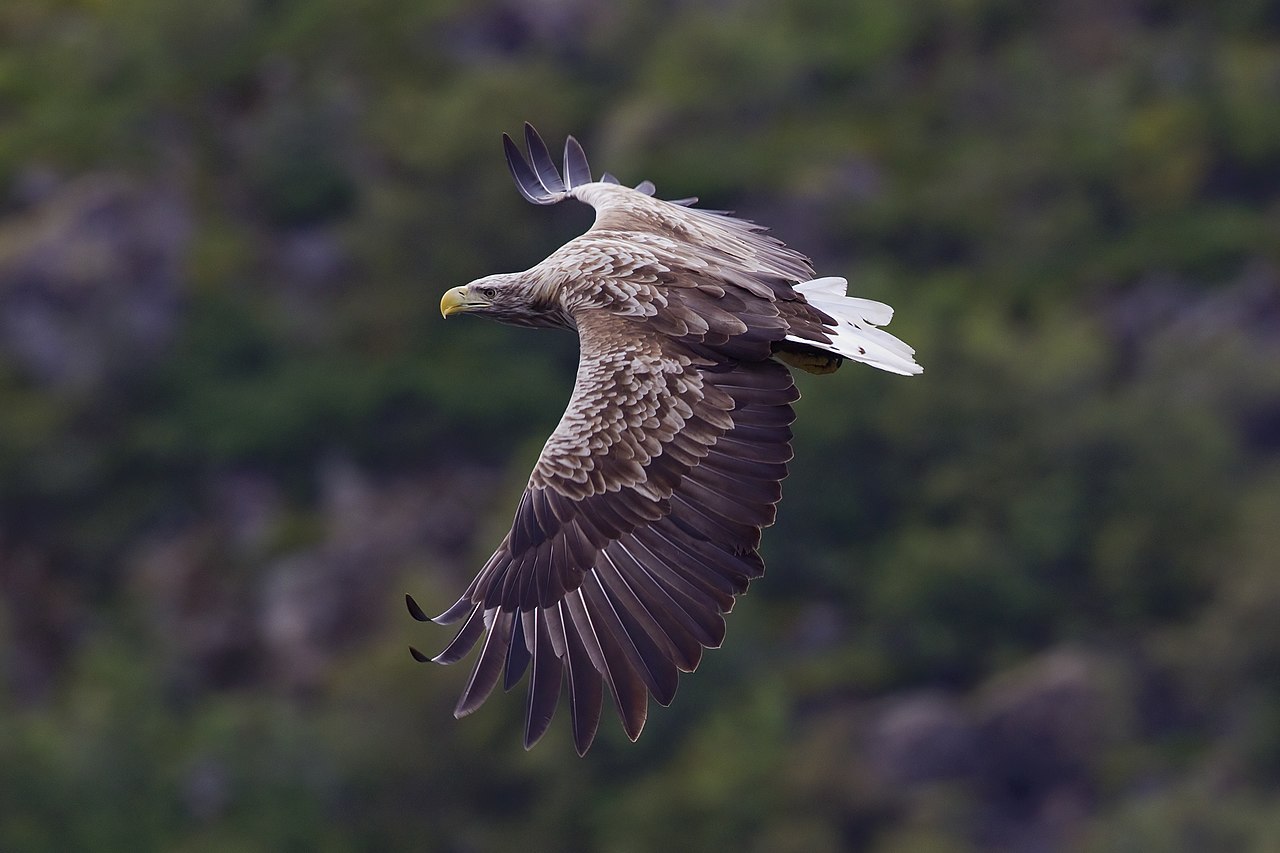
    Matvælastofnun reported on its website earlier today that in samples taken from a sea urchin that was found dead on a cutter off Barðaströnd in mid-September, dangerous bird flu viruses of a strain that has not been detected in Iceland before and is not common, HPAI H5N5, were found. . Since then, the institute has received information from the University of Iceland's Experimental Station at Keldum, that an eagle that was found dead in Ólafsfjörður a short time ago was infected with the same strain of bird flu virus.

    The Norwegian Food Agency says these analyzes highlight the importance of ensuring good quarantine when dealing with poultry and other birds in captivity. The organization also reminds that reports from the public about the discovery of sick and dead wild birds are a key element in monitoring the presence and spread of bird flu.

    Few reports of sick or dead wild birds have been received by Matvælastofnun since this spring, after the mass death of ptarmigan, puffins and other blackbirds subsided. It was previously reported that bird flu was not detected in them. As of July, only five samples have been taken from wild birds. Three of them were found to be negative for avian flu, while two were positive, the previously mentioned samples from sea urchins and eiders.

    The viruses detected in those samples are from the HPAI H5N5 strain, which is not common, and the Swedish Food Agency says this is the first diagnosis of this strain in Iceland. Questions arise about where the virus came from. The strain that has been dominant in Europe and elsewhere since October 2021 is HPAI H5N1. During the same period, HPAI H5N5 was detected in only four samples in Europe, all from wild birds in Norway and Sweden, and in a few samples from wild birds, red foxes and skunks in eastern Canada. With complete sequencing of the viruses from the sea eagle and the osprey, it will hopefully be possible to determine whether this strain arrived from Europe or now in late summer with the arrival of migratory birds from breeding grounds in the western Atlantic.

    The Swedish Food Agency emphasizes that, based on the data available at this point in time, it can be assumed that the spread of the deadly bird flu virus is low in Iceland and that the risk of infection for poultry and other birds in captivity is therefore low. However, it is important that all bird owners know how to prevent infection. The Swedish Food Agency asks the public to continue to report the discovery of sick and dead wild birds . The notifications are a very important part of monitoring the presence and spread of infection.

    Matvælastofnun greindi frá því á vefsíðu sinni fyrr í dag að í sýnum sem tekin voru úr haferni sem fannst dauður á skeri úti fyrir Barðaströnd um miðjan september hafi fundist skæðar fuglaflensuveirur af stofni sem hafi ekki greinst hér á landi áður og sé ekki algengur, HPAI H5N5. Í dag hafi síðan s


    ----------------------------------------

    Avian flu in sea urchins and eiders

    News - 03.10.2023

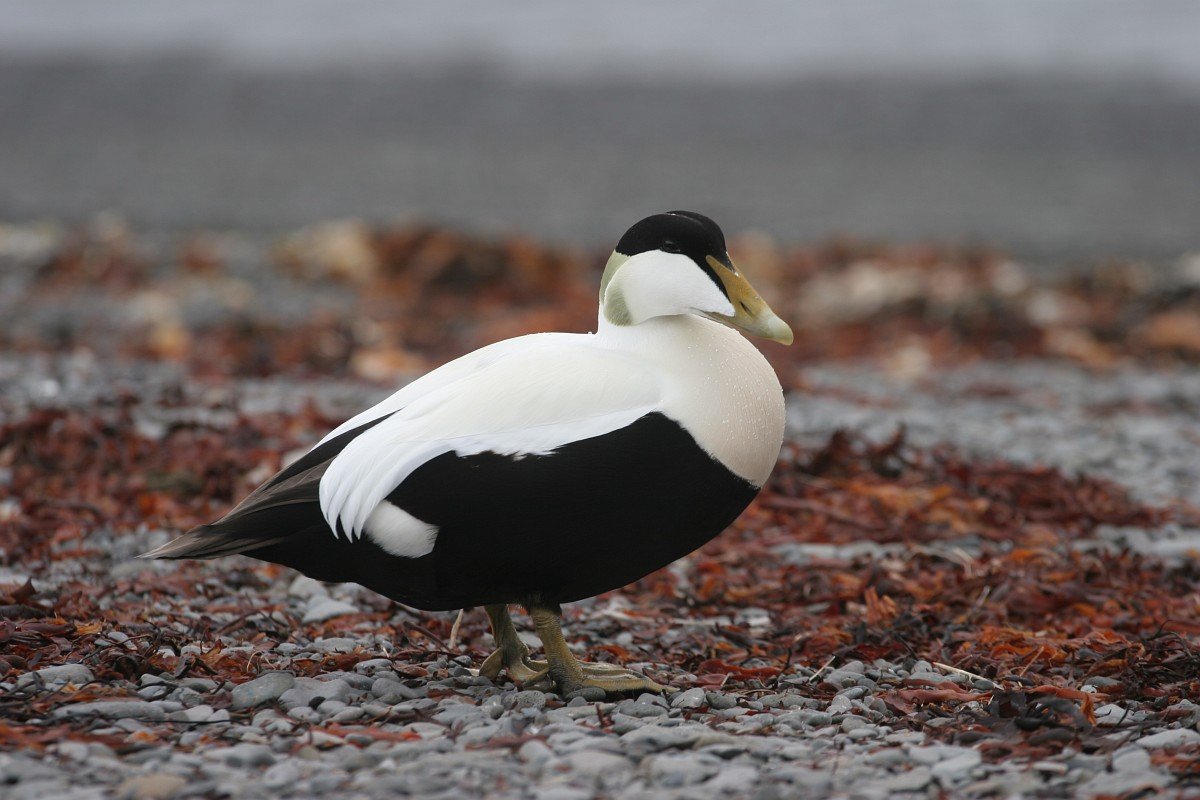
    In samples taken from a sea urchin that was found dead on a cutter outside Barðaströnd in mid-September, severe bird flu viruses of a strain that has not been detected in Iceland before and is not common, HPAI H5N5, were found. The samples were studied at the University of Iceland's Experimental Station in Keldum. Today, the Food Agency received information from Keld that an eider that was found dead in Ólafsfjörður recently was infected with the same strain of bird flu virus. These analyzes highlight the importance of ensuring good quarantine when dealing with poultry and other captive birds. The Norwegian Food Agency reminds that reports from the public about the discovery of sick and dead wild birds are a key element in monitoring the presence and spread of bird flu.

    Few reports of sick or dead wild birds have been received by Matvælastofnun since spring, after the mass death of ptarmigan, puffins and other blackbirds subsided. It has been previously reported that bird flu was not detected in them . As of July, only five samples have been taken from wild birds. Three of them tested negative for bird flu, while two tested positive. The birds that tested positive were, on the one hand, a young sea eagle that died on September 17th on a cut in Breiðafjörður, and on the other hand, an eagle that was found dead on Ólafsfjörður on September 21st.

    The viruses detected are from the HPAI H5N5 strain, which is not common, and these are the first diagnoses of this strain in Iceland. A question arises as to where the virus came from. The strain that has been dominant in Europe and elsewhere since October 2021 is HPAI H5N1. During the same period, HPAI H5N5 has been detected in only four samples in Europe, all from wild birds in Norway and Sweden, and in a few samples from wild birds, red foxes and skunks in eastern Canada. With the complete sequencing of the viruses from the osprey and the eider it will hopefully be possible to determine whether this strain arrived from Europe or now in late summer with the arrival of migratory birds from nesting sites in the western Atlantic.

    Based on the data available at this point in time, it can be assumed that the spread of avian influenza viruses is low in this country and the risk of infection for poultry and other birds in captivity is therefore low. Still, it is important that all bird owners take preventive measures to protect their birds as much as possible against infection from wild birds, and the Swedish Food Agency asks the public to continue to report the discovery of sick and dead wild birds . The notifications are a very important part of monitoring the presence and spread of infection.


    Í sýnum sem tekin voru úr haferni sem fannst dauður á skeri úti fyrir Barðaströnd um miðjan september fundust skæðar fuglaflensuveirur af stofni sem hefur

    Comment


    • #3
      The WAHIS report only includes an eagle. I do not see where the sea urchin come into this, it seems highly unlikely that it would be susceptible, and I can find no other reference to it. Translation error? fannst í haferni og æðarfugli. Google just translates hanferni as Ocean

      Comment


      • #4
        Originally posted by JJackson View Post
        The WAHIS report only includes an eagle. I do not see where the sea urchin come into this, it seems highly unlikely that it would be susceptible, and I can find no other reference to it. Translation error? fannst í haferni og æðarfugli. Google just translates hanferni as Ocean
        I am not sure. Norovirus has been found in sea urchins. Why not flu? I guess we will wait and see. Could be a translation machine oddity, or not. In any event the above is just another example of the spread of avian flu among the world's wildlife.


        Norovirus contamination of sea urchins (Paracentrotus lividus): Potential food risk for consumers

        Author links open overlay panelNânci Santos-Ferreira a, João Rodrigo Mesquita b c, Enrique Rivadulla d, Ângela S. Inácio a, Maria São José Nascimento c e, Jesus Romalde d, Paulo Martins da Costa a b

        Cite
        https://doi.org/10.1016/j.foodcont.2019.107041Get rights and content


        Highlights


        • First report on the norovirus contamination of sea urchins.


        • Norovirus was detected in bacteriologically safe urchins.


        • Sea urchin gonads were contaminated with norovirus GI and GII.


        • Sea urchin gonads could pose a public health risk if consumed raw.
        Abstract


        Sea urchin gonads are today considered a gourmet food but despite eaten raw, not much attention has been given to microbiological quality. This study evaluated the microbial (bacterial and viral) contamination and adequacy to current European regulations of Paracentrotus lividus sea urchins produced in Portugal.

        Four batches of 10 sea urchins were collected (September 2016 to May 2017) from the sea floor of a natural urchin growing area located in the north of Portugal. Sea urchin gonad batches were analysed for E. coli and Salmonella spp. as governed by the Commission Regulation (EC) No 2073/2005, modified by regulation (EC) No 2015/2285, on microbiological criteria for foodstuffs. Hepatitis A virus, norovirus GI and norovirus GII were also searched for following ISO 15216-1:2017.

        The four batches were all within the sanitary limits imposed by legislation for E. coli and Salmonella spp. Two batches were found positive for norovirus (one positive for norovirus GI, the other for both norovirus GI and GII), presenting viral concentrations that ranged from 8.7 × 10³ and 3.2 × 10⁴ genome copies/g. Sequencing and phylogenetic analysis showed that the obtained sequence clustered with norovirus GI.2.

        This study is the first evaluating the presence of human pathogenic viruses in live echinoderms and the first reporting NoV contamination of bacteriologically safe sea urchin gonads. NoV infection risk related to consumption of raw sea urchin gonads is in urgent need for evaluation.

        source: https://www.sciencedirect.com/scienc...56713519306309

        Comment


        • #5
          Running the headline through the Bing Translator yields `Virulent avian influenza virus of a strain not previously detected in Iceland was found in sea eagles and eider birds'

          I assume its just a Google translation glitch.
          All medical discussions are for educational purposes. I am not a doctor, just a retired paramedic. Nothing I post should be construed as specific medical advice. If you have a medical problem, see your physician.

          Comment


          • #6
            "Urchin" was a wrongly translated word by Google Translate.

            Excerpt from post #2

            Skæðar veirur í haferni og æðarfugli
            Í sýnum sem tekin voru úr dauðum haferni sem fannst á skeri úti fyrir Barðaströnd og í æðarfulgi sem fannst á Ólafsfirði í síðasta mánuði fundust skæðar fuglaflensuveirur. Veirurnar eru af stofninum HPAI H5N5, sem hefur ekki greinst hér á landi áður og er ekki algengur. Stofninn sem hefur verið ríkjandi í Evrópu og...

            Translated with ImTranslator

            Viral viruses in sea eagles and eiders
            Samples taken from dead sea eagles found on a cutter off Barðaströnd and in eider fulfil found in Ólafsfjörður last month found virulent avian influenza viruses. The viruses are of the strain HPAI H5N5, which has not been detected in Iceland before and is not common. The strain that has been dominant in Europe and...​

            Comment


            • #7
              Iceland - Influenza A viruses of high pathogenicity (Inf. with) (non-poultry including wild birds) (2017-) - Follow up report 1


              GENERAL INFORMATION

              COUNTRY/TERRITORY OR ZONE
              COUNTRY/TERRITORY

              ANIMAL TYPE
              TERRESTRIAL

              DISEASE CATEGORY
              Listed disease

              EVENT ID
              5254

              DISEASE
              Influenza A viruses of high pathogenicity (Inf. with) (non-poultry including wild birds) (2017-)

              CAUSAL AGENT
              Highly pathogenic avian influenza virus

              GENOTYPE / SEROTYPE / SUBTYPE
              H5N5

              START DATE
              2023/09/17

              REASON FOR NOTIFICATION
              New strain in the country

              DATE OF LAST OCCURRENCE - CONFIRMATION DATE
              2023/09/29

              EVENT STATUS
              On-going

              END DATE - SELF-DECLARATION

              NO REPORT INFORMATION

              REPORT NUMBER
              Follow-up report 1

              REPORT ID
              FUR_163130

              REPORT REFERENCE - REPORT DATE
              2023/10/05

              REPORT STATUS
              Validated

              NO EVOLUTION REPORT

              EPIDEMIOLOGY

              SOURCE OF EVENT OR ORIGIN OF INFECTION
              • Unknown or inconclusive
              EPIDEMIOLOGICAL COMMENTS
              No epidemiological comment

              QUANTITATIVE DATA SUMMARY

              MEASURING UNIT
              Animal

              SpeciesSusceptibleCasesDeathsKilled and Disposed ofSlaughtered/ Killed for commercial useVaccinated White-tailed Eagle (WILD)NEW------TOTAL-11000 Common Eider (WILD)NEW-11000TOTAL-11000 All speciesNEW-11000TOTAL-22000

              DIAGNOSTIC DETAILS

              CLINICAL SIGNS
              YES

              METHOD OF DIAGNOSTIC
              Diagnostic test
              Real-time reverse transcription polymerase chain reaction (rRT-PCR) Institute for Experimental Pathology, University of Iceland White-tailed Eagle ob_125673 2023/09/29 Positive

              Comment


              • #8
                Iceland - Influenza A viruses of high pathogenicity (Inf. with) (non-poultry including wild birds) (2017-) - Follow up report 2


                GENERAL INFORMATION

                COUNTRY/TERRITORY OR ZONE
                COUNTRY/TERRITORY

                ANIMAL TYPE
                TERRESTRIAL

                DISEASE CATEGORY
                Listed disease

                EVENT ID
                5254

                DISEASE
                Influenza A viruses of high pathogenicity (Inf. with) (non-poultry including wild birds) (2017-)

                CAUSAL AGENT
                Highly pathogenic avian influenza virus

                GENOTYPE / SEROTYPE / SUBTYPE
                H5N5

                START DATE
                2023/07/08

                REASON FOR NOTIFICATION
                New strain in the country

                DATE OF LAST OCCURRENCE - CONFIRMATION DATE
                2023/09/29

                EVENT STATUS
                On-going

                END DATE - SELF-DECLARATION

                NO REPORT INFORMATION

                REPORT NUMBER
                Follow-up report 2

                REPORT ID
                FUR_163871

                REPORT REFERENCE - REPORT DATE
                2023/11/14

                REPORT STATUS
                Validated

                NO EVOLUTION REPORT


                EPIDEMIOLOGY SOURCE OF EVENT OR ORIGIN OF INFECTION
                • Unknown or inconclusive
                EPIDEMIOLOGICAL COMMENTS
                No epidemiological comment

                QUANTITATIVE DATA SUMMARY

                MEASURING UNIT
                Animal

                SpeciesSusceptibleCasesDeathsKilled and Disposed ofSlaughtered/ Killed for commercial useVaccinated Common Raven (WILD)NEW-11000TOTAL-11000 White-tailed Eagle (WILD)NEW------TOTAL-11000 Black-legged Kittiwake (WILD)NEW-21100TOTAL-21100 Common Eider (WILD)NEW------TOTAL-11000 All speciesNEW-32100TOTAL-54100

                DIAGNOSTIC DETAILS

                CLINICAL SIGNS
                YES

                METHOD OF DIAGNOSTIC
                Diagnostic test
                Real-time reverse transcription polymerase chain reaction (rRT-PCR) Institute for Experimental Pathology, University of Iceland White-tailed Eagle ob_125673 2023/09/29 Positive
                ​​https://wahis.woah.org/#/in-review/5254

                Comment


                • #9
                  Iceland - Influenza A viruses of high pathogenicity (Inf. with) (non-poultry including wild birds) (2017-) - Follow up report 3


                  GENERAL INFORMATION

                  COUNTRY/TERRITORY OR ZONE
                  COUNTRY/TERRITORY

                  ANIMAL TYPE
                  TERRESTRIAL

                  DISEASE CATEGORY
                  Listed disease

                  EVENT ID
                  5254

                  DISEASE
                  Influenza A viruses of high pathogenicity (Inf. with) (non-poultry including wild birds) (2017-)

                  CAUSAL AGENT
                  Highly pathogenic avian influenza virus

                  GENOTYPE / SEROTYPE / SUBTYPE
                  H5N5

                  START DATE
                  2023/07/08

                  REASON FOR NOTIFICATION
                  New strain in the country

                  DATE OF LAST OCCURRENCE - CONFIRMATION DATE
                  2023/09/29

                  EVENT STATUS
                  On-going

                  END DATE - SELF-DECLARATION

                  NO REPORT INFORMATION

                  REPORT NUMBER
                  Follow-up report 3

                  REPORT ID
                  FUR_164575

                  REPORT REFERENCE - REPORT DATE
                  2023/12/21

                  REPORT STATUS
                  Validated

                  NO EVOLUTION REPORT

                  EPIDEMIOLOGY

                  SOURCE OF EVENT OR ORIGIN OF INFECTION
                  • Unknown or inconclusive
                  EPIDEMIOLOGICAL COMMENTS
                  No epidemiological comment

                  QUANTITATIVE DATA SUMMARY

                  MEASURING UNIT
                  Animal
                  SpeciesSusceptibleCasesDeathsKilled and Disposed ofSlaughtered/ Killed for commercial useVaccinated Common Raven (WILD)NEW-22000TOTAL-33000 White-tailed Eagle (WILD)NEW------TOTAL-11000 Black-legged Kittiwake (WILD)NEW------TOTAL-21100 Common Eider (WILD)NEW------TOTAL-11000 All speciesNEW-22000TOTAL-76100

                  DIAGNOSTIC DETAILS

                  CLINICAL SIGNS
                  YES METHOD OF

                  DIAGNOSTIC

                  Diagnostic test
                  Real-time reverse transcription polymerase chain reaction (rRT-PCR) Institute for Experimental Pathology, University of Iceland White-tailed Eagle ob_125673 2023/09/29 Positive
                  https://wahis.woah.org/#/in-review/5254

                  Comment


                  • #10
                    Click image for larger version

Name:	image.png
Views:	98
Size:	92.5 KB
ID:	998354Click image for larger version

Name:	image.png
Views:	93
Size:	95.5 KB
ID:	998355https://wahis.woah.org/#/in-review/5937

                    Comment


                    • #11
                      Avian Influenza Identified In Seagull


                      Published November 20, 2024 Words by
                      Jóhannes Bjarkason
                      Photo by
                      The Reykjavík Grapevine


                      A case of avian influenza, or bird flu, was identified in a seagull captured near Tjönun, Reykjavík’s central pond. The bird was transported to the University of Iceland’s Institute for Experimental Pathology where the infection was confirmed.

                      The Icelandic Food and Veterinary Authority (MAST) implore the public to report sick or dead birds. This is the first case identified in a wild bird in the capital area this year.

                      In a conversation with RÚV, MAST speciality veterinarian Birgitte Brugger said there was no cause for concern given the low numbers of reported infections.

                      Birgitte emphasised people must not touch infected or dead birds.

                      “We don’t want to give the virus an opportunity to adapt to other animals, mammals and people. That’s why it’s important to not touch them,” Birgitte said to RÚV.

                      In October, MAST issued an uncertainty phase following the confirmation of H5N5 infections among two birds in North and Southeast Iceland.​
                      A case of avian influenza, or bird flu, was identified in a seagull captured near Tjönun, Reykjavík’s central pond. The...
                      CSI:WORLD http://swineflumagazine.blogspot.com/

                      treyfish2004@yahoo.com

                      Comment


                      • #12
                        Iceland MAST: HPAI H5N1 Reported In Wild Birds in Capital


                        #19,042


                        Until about a decade ago, the prevailing notion was that the Atlantic and Pacific oceans were too vast to support the transoceanic spread of HPAI H5 via migratory birds.

                        Still, a number of researchers thought it was possible (see 2014's PLoS One: North Atlantic Flyways Provide Opportunities For Spread Of Avian Influenza Viruses) with Iceland or Greenland cited as possible staging areas for bird flu.

                        In 2017, in Iceland Warns On Bird Flu, we saw reports suggesting that European birds carrying avian flu may have reached Iceland, as it is the first major landing spot for wing-weary travelers, followed by Greenland (see 2016's Avian Flu Surveillance In Greenland).

                        In late 2021, all doubts were erased after HPAI H5 arrived in Eastern Canada and Western Canada via two different routes; across the Pacific and the Atlantic (Multiple Introductions of H5 HPAI Viruses into Canada Via both East Asia-Australasia/Pacific & Atlantic Flyways).


                        Changes in the virus - specifically the HPAI H5 clade 2.3.4.4b virus - have been credited with this arrival, but the rapid spread of older H5N1 clades across Europe and into the Middle East and Africa over 2004-2007 also suggest long-distance carriage.

                        Over the past couple of years, Iceland has only reported the H5N5 subtype (see More Reports On HPAI H5N5 In Iceland) including spillovers into foxes and domestic cats (see Icelandic Food and Veterinary Authority (MAST) : H5N5 Infection In Domestic Cat).

                        After an absence of two and a half years, Iceland's MAST is once again reporting outbreaks of HPAI H5N1. Their (translated) announcement follows:

                        Avian influenza strain detected in wild birds in the capital area
                        News - 03.02.2026

                        The Icelandic Food and Veterinary Authority recently received reports of bird deaths in the capital area. One bird, a mallard, was found at Tjörnin in Reykjavík and the other bird, a swan, at Ögurhvarf in Kópavogur. Samples were taken and they were found to be infected with the H5N1 strain of avian influenza. This was confirmed by the University of Iceland's Pathology Laboratory at Keldur yesterday.

                        The same strain of the highly pathogenic avian influenza virus H5N1 was last detected in July 2023 in Iceland. Since then, only the other highly pathogenic strain H5N5 has been found. At this stage, little is known about the origin of the infection, but it can be assumed that it recently entered the country with migratory birds or that it arrived last autumn and remained undetected until now. Genetic studies of the virus will be carried out and may shed light on whether it is of European origin or from North America. Little is known about the spread of the virus at present, but there is no evidence of increased mortality in wild birds in the southwest corner of the country or elsewhere.

                        The H5N5 variant has been detected in isolated wild birds across the country last fall, although cases have been decreasing and it appears to have disappeared in November 2025 or at least not been found since. In this country, there are also examples of mammals, such as foxes, minks and cats, falling ill with this variant of the virus, but the last cases were confirmed in October 2025, when
                        three foxes were diagnosed with avian influenza of the H5N5 variant .

                        The avian influenza alert level has been at an uncertain level since this fall and will remain unchanged for the time being.

                        In light of this, the Icelandic Food and Veterinary Authority has issued a recommendation to poultry farmers, emphasizing stricter infection control measures to prevent infection in poultry from wild birds. Other bird owners are also encouraged to ensure strong infection control measures when handling their bird flocks and to be vigilant for signs of disease in birds or abnormal deaths in them and to
                        report such cases to the Authoritywithout delay .

                        The Icelandic Food and Veterinary Authority also encourages the public to report sick and dead birds and wild mammals they find to the agency. This is done by clicking on “
                        Suggestions and Inquiries” on the front page of  www.mast.is. It is important to describe the location of the meeting place well, preferably with coordinates, and to include a picture. The general rule is that the carcass of a wild bird is left lying around. If, on the other hand, the carcass is located in such a way that it is considered desirable to remove it, for example near people's homes, it is necessary to take care of personal and infectious protection and use disposable gloves, goggles and virus-resistant masks for the task. The carcass should then be placed in a double plastic bag and disposed of in general waste, according to the Icelandic Food and Veterinary Authority's instructions .

                        The strains of the bird flu virus that are currently most prevalent in Europe and elsewhere generally do not cause infections in people. This applies to both strains that have been detected in Iceland since the fall (H5N5 and H5N1). Isolated infections have occurred abroad, but in individuals who have been in close contact with sick birds without taking precautions. The chances of infection from birds to people are therefore very low, but infection can never be ruled out and people must always take precautions when handling sick and dead birds.

                        Further information and other instructions can be found on the Icelandic Food and Veterinary Authority's information page on avian influenza.

                        Iceland's Office of the Director of Health also issued the following brief statement:

                        Avian influenza of the H5N1 strain is detected in wild birds
                        February 2, 2026

                        The Icelandic Food and Veterinary Authority has published a report on the detection of influenza viruses of the H5N1 strain in wild birds in the capital area.

                        An H5N1 strain was last detected in a wild bird in Iceland in 2023, but since then only strains of the H5N5 type have been detected, in both wild birds and mammals.

                        The Chief Epidemiologist would like to draw special attention to MAST's guidelines on appropriate responses if a carcass is discovered in a public place, which are mentioned in
                        the news report .

                        A considerable amount of influenza is still being detected in people, but there have been no signs of H5 strains in people in this country.

                        Further information about avian influenza can be found on
                        the website of the Director of Health .

                        The Chief Epidemiologist publishes weekly news on respiratory infections , and the epidemiology of various respiratory infections can be viewed on the regularly updateddashboard of the Office of the Director of Health.

                        Epidemiologist

                        While this is not the first arrival of HPAI H5 to Iceland, the $64 question this time is whether these recent reports reflect continued westward spread of European HPAI viruses, or an eastward expansion of North America HPAI viruses.

                        Either way, this is another opportunity for genetic mixing of HPAI H5 viruses, and that rarely turns out to be good news.


                          #19,042 Until about a decade ago, the prevailing notion was that the Atlantic and Pacific oceans were too vast to support the transoceanic...

                        All medical discussions are for educational purposes. I am not a doctor, just a retired paramedic. Nothing I post should be construed as specific medical advice. If you have a medical problem, see your physician.

                        Comment

                        Working...
                        X