Tweet
Tweet
Translation Google
11/21/2024— Expertise
...
Swine flu influenza virus: preventing transmission between animals and humans
Like all influenza A viruses, those responsible for influenza in pigs are constantly evolving. Anses has conducted an expert appraisal on the factors of introduction of these viruses into a pig farm and their transmission between pigs and humans. In the event of introduction into a farm, there is a risk of reassortment in pigs with other influenza viruses. Such reassortment could constitute a source of emergence of new viruses with panzootic or pandemic potential.
A threat to animal and human health
Swine flu is a highly contagious viral respiratory disease of pigs. It is very common in French farms but is generally associated with moderate clinical signs (25% of severe cases) without seasonality. Pigs can be infected by swine influenza viruses but also by human or avian influenza viruses. This co-infection can facilitate the emergence of new influenza viruses called reassortants: by combining the genes of several influenza viruses of different origins, they could become more virulent or facilitate their transmission to other species.
Swine influenza type A viruses can be transmitted between animals and humans. Cases of transmission of these viruses to humans have been identified in several countries and for the first time in France in 2021 in a farmer in Brittany . In view of the risk to human and animal health that these viruses represent, ANSES was asked to assess the risk of introduction and persistence of these viruses in pig farms, as well as the risk of transmission of these viruses between pigs and humans. A virus particularly persistent in pig farms
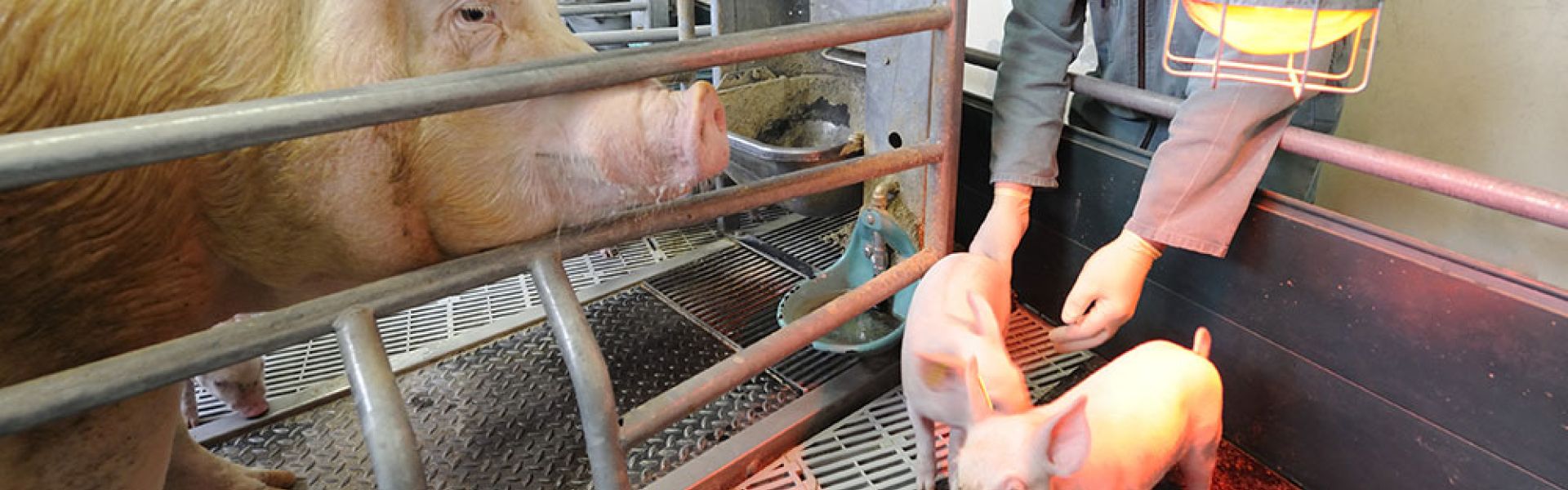
Anses' expertise aims to assess the risk of introducing a type A influenza virus into a pig farm by different routes: by animals, by humans, or by the environment. It appears that live pigs, particularly young sows, are the most important source of introduction. Thus, in order to reduce this risk, the Agency recommends organizing screening of animals introduced into farms before their movements . The Agency emphasizes that the movement of animals between farms, but also between regions and countries and/or continents, are major contributors to the spread of these viruses and therefore to the emergence of reassortant viruses. To this end, the Agency recalls that compliance with biosecurity measures on a daily basis on farms is essential, particularly when introducing animals. Indeed, once influenza viruses are introduced into a farm, they are particularly persistent, particularly given current models of intensive farming. This persistence is strongly conditioned by the immunological status of the pigs, the so-called "band" breeding management, i.e. with animals of the same age and the same physiological stage and the structure of the buildings, in particular that of the air circuits.
Humans are also a very important source of introduction of influenza viruses in pig farming. The Agency therefore recommends following the recommendations of the High Authority of Health for the vaccination against seasonal flu of people working on pig farms. In addition, people with flu symptoms should not enter the farms and, during the period of circulation of seasonal flu, farmers and other people working in contact with pigs must wear personal protective equipment: masks, goggles/visors, gloves, etc.
Greater vigilance to identify as early as possible the emergence of new influenza A viruses
Even if the risk of human-to-human transmission of porcine viruses is low with the viruses currently circulating, ANSES is calling for increased surveillance of influenza viruses in pigs and humans . This means, in particular, continuing and improving collaborations and information exchanges between all stakeholders: scientists and professionals (veterinarians, doctors, breeders, etc.). At the national and international level, this will make it possible to study all circulating viral strains to identify the appearance of reassortant viruses.
The Agency also suggests studying the possibility of extending the SAGA (Active Surveillance of Avian Influenza) protocol to swine flu , which aims to detect cases of transmission from animals to humans early, in order to improve responsiveness. The establishment of a surveillance network is therefore necessary to identify as early as possible the emergence of new influenza A viruses that could be transmitted to humans and their capacity to trigger human-to-human transmission.
...