
 Tweet
Tweet
Translation Google
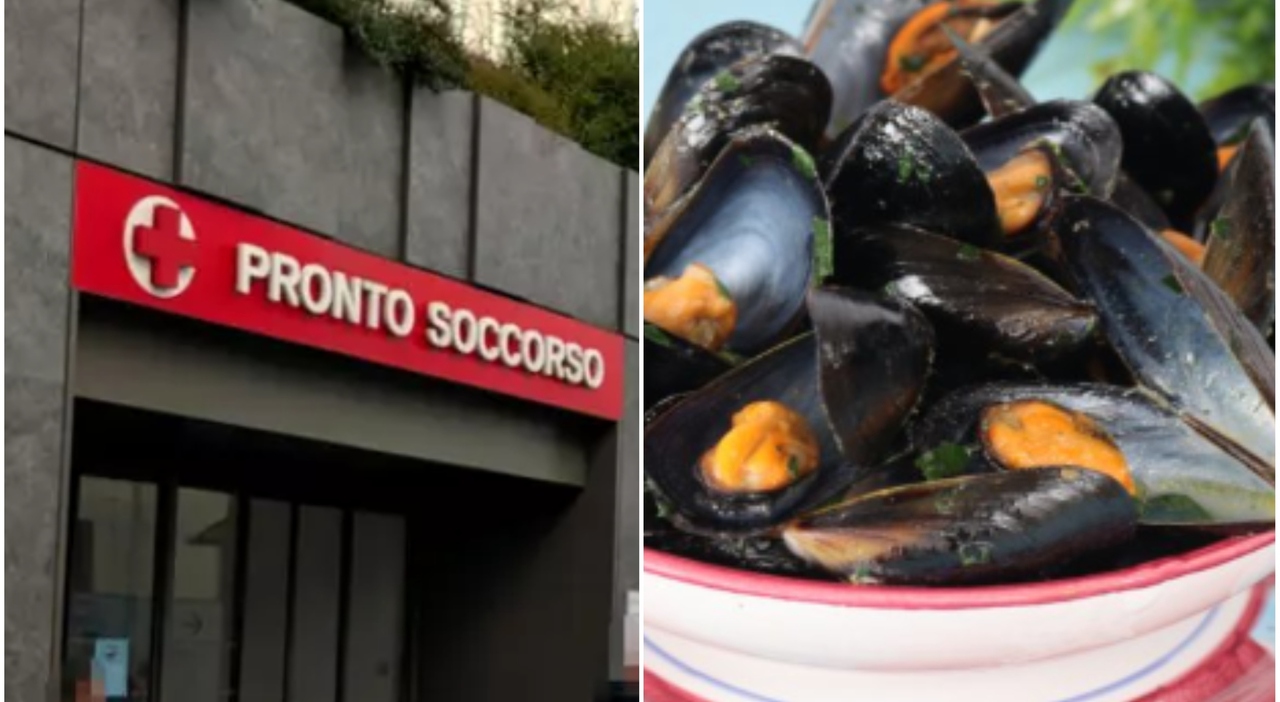
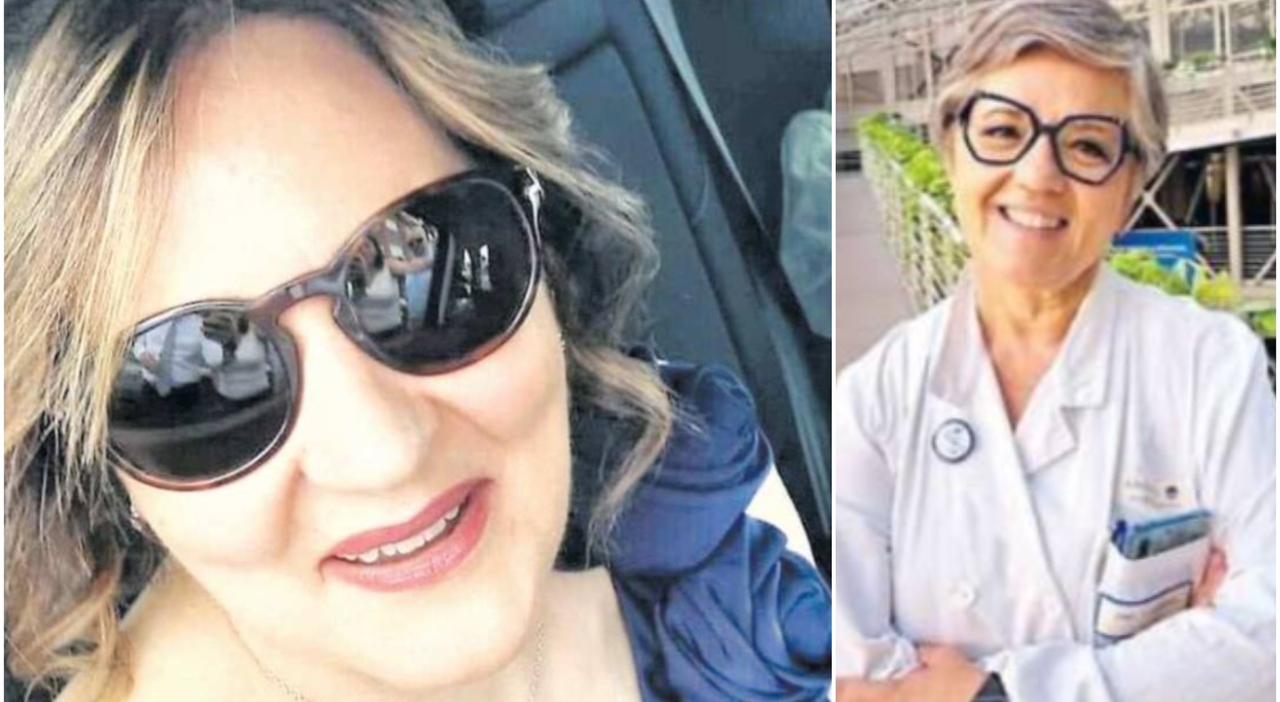
Mother and 15-year-old daughter die from food poisoning
Discharged twice, a fish dinner likely fatal. Her father was admitted to the Spallanzani hospital.
CAMPOBASSO , December 28, 2025, 7:35 PM
by Domenico Palesse
A tragedy that has shocked an entire community, that of the small Molise town of Pietracatella.
A mother and her 15-year-old daughter died at Campobasso hospital from suspected food poisoning, most likely caused by fish, mushrooms, or other foods consumed during the Christmas holidays. Fulminant hepatitis is the primary cause. The cause of death will be determined by an autopsy, ordered by the Molise capital's prosecutor's office, which has also opened an investigation to verify the medical history of the two women.
According to initial reconstructions, it appears that both girls visited the emergency room twice for symptoms suggestive of poisoning, but were then sent home. The fifteen-year-old's father was also admitted to intensive care at Campobasso Hospital before being transferred to the Spallanzani Hospital in Rome for further tests. The older sister's health, however, is not cause for concern; she apparently did not partake in the fatal meal.
The young woman was transferred to Rome as a precaution and will remain at the Spallanzani Hospital with her father until the situation is clearer and further risks are averted. The first to be admitted to the Cardarelli Hospital was the 15-year-old, a classical high school student. On Saturday afternoon, her health worsened, and she was taken back to the emergency room, where it was decided to admit her. That evening, her condition deteriorated "unusually rapidly," as explained by the head of the intensive care unit, Vincenzo Cuzzone, and she died around 11:00 PM. Following her death, doctors also decided to admit the girl's mother, aged 50, who was exhibiting symptoms similar to her daughter's.
In this case, too, the clinical condition rapidly deteriorated, culminating in death. "The clinical picture had a truly rare progression, rapidly leading to death despite the intensive support we implemented," explained Dr. Cuzzone.
While awaiting the autopsies, which are expected to be conducted as early as Tuesday, the most likely hypothesis is that the family ate something toxic over the holidays that caused fulminant hepatitis. "They began experiencing these symptoms after a meal," the Cardarelli doctors said. "There was liver failure, followed by a cascade of events, one after the other, with truly extraordinary rapidity, that led to multi-organ failure. The other sister is fine; she hasn't had the same symptoms as her family. It appears she didn't eat with them that day. These days, it's also difficult to pinpoint the exact meal the episode refers to."
The investigation by the Campobasso Flying Squad, which has already seized food from the family's home in Pietracatella, will clarify the situation. "We are shocked; it's a tragedy that leaves us speechless," commented the mayor of the Molise village, Antonio Tommasone. "The town is in disbelief at such a tragedy. I extend my condolences and those of the entire community to the family."
To honor the memory of the young woman and her mother, the administration has decided to cancel all Christmas events. Many residents rushed to the Campobasso hospital today, including the local parish priest, to express their sympathy to the family. Along with their dismay, many expressed anger. "This is the reality of Molise," said a Pietracatella resident. "The three or four hospitals we have put together aren't worth a single good one. I know they've been here three times, and the doctors have understood nothing. I don't think a 15-year-old girl and a 50-year-old mother can die like this in twelve hours."

---------------------------------------------------------------------------------------------
Suffering from Christmas dinner poisoning, Antonella Di Ielsi and her daughter Sara Di Vita had eaten fish, mussels, and mushrooms. They suspected fulminant hepatitis.
Nausea and severe pain: the tragedy in Campobasso. Autopsies ordered.
by Claudia Guasco
Monday, December 29, 2025, 6:07 AM - Last updated: December 30, 12:16 AM
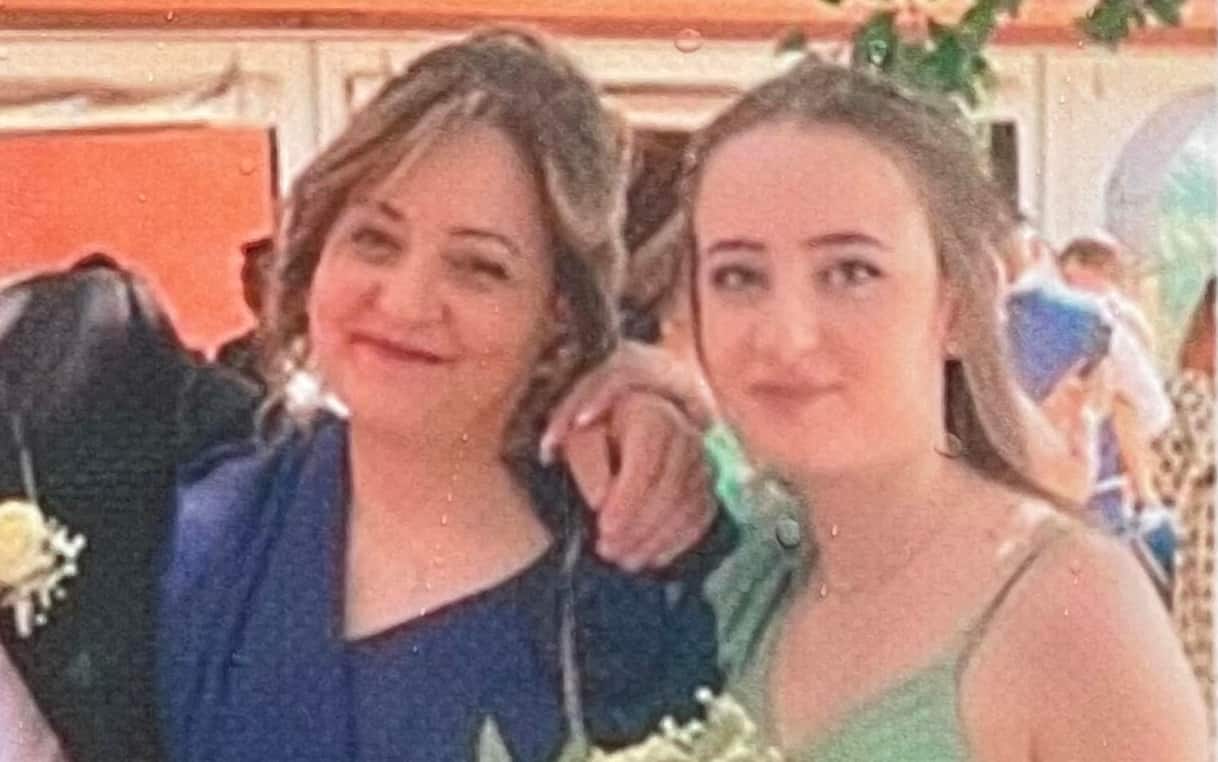
A Christmas Eve dinner among relatives, about ten people gathered for the holidays. The table was laden with fish and seafood, especially mussels, but also mushrooms and other dishes. However, one of these dishes was contaminated and proved fatal for a family from Pietracatella, in the province of Campobasso. Sara Di Vita , a fifteen-year-old high school student, and her mother, Antonella Di Ielsi , fifty, who worked in her husband's accounting firm and was active in local associations, died within hours of each other in the intensive care unit of Cardarelli Hospital. Fulminant hepatitis was the primary hypothesis. Gianni Di Vita, the former mayor of Pietracatella and the father and husband of the two victims, exhibited similar symptoms and was transferred to the intensive care unit of the Spallanzani Hospital in Rome. As a precaution, he was accompanied by his eldest daughter, who, despite showing no symptoms, will undergo all the necessary tests.
THE INVESTIGATION
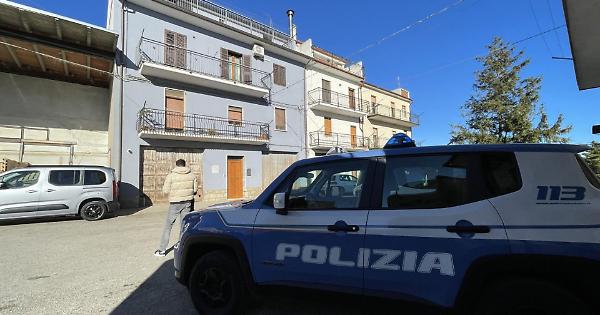
Yesterday afternoon, officers from the Campobasso Flying Squad visited Di Vita's home and seized the food present to determine the cause of her illnesses. This was a wide-ranging investigation, given that the other dinner attendees are well. Autopsies will be performed tomorrow, as ordered by the Prosecutor's Office, which has opened an investigation with no suspects at this time, also to determine the medical history of the two women. According to an initial reconstruction, in fact, around Christmas, the girl, her mother, and her father felt ill, so much so that they visited the emergency room twice, before returning home. However, in the hours that followed, her condition worsened, leading to her re-hospitalization on Saturday. Sara was the first to present at the Cardarelli Hospital: nausea, vomiting, and abdominal pain were haunting her. When her condition became unbearable two days ago in the afternoon, she was taken back to the emergency room and hospitalization was decided. But that evening, her condition deteriorated "unusually rapidly," explains Vincenzo Cuzzone, head of the intensive care unit, and she died around 11 p.m. Following her death, doctors also decided to hospitalize the girl's mother, Antonella Di Ielsi, who was exhibiting the same signs of food poisoning as her daughter. Her condition also rapidly deteriorated, ultimately taking her life. "The clinical picture had a truly rare progression that led rapidly to death despite the intensive care support we implemented," Cuzzone points out. "They began to experience these symptoms after a meal, but this is fragmentary information gathered from the family, who were shocked," the doctor adds. "There was liver failure and then a cascade of events, one after the other, with truly uncanny speed, that led to multi-organ failure. The other sister is fine; she didn't have the same symptoms as her family. It appears she didn't eat with them that evening." These days, however, it is also difficult to trace exactly which meal the episode refers to."
THE SEIZURE
Sara arrived at the emergency room with nausea, vomiting, and abdominal cramps, "all generic symptoms," notes the head of the intensive care unit: "After her death, and the sudden and rapid progression, we asked the family to take her mother to the hospital as well, as relatives reported the same ailments she was suffering from. We tried to anticipate the situation, but unfortunately, that wasn't enough." The cause will be determined by autopsy results and tests on food collected from the home, including preserves, pickled vegetables, and cured meats, which may have developed the deadly botulism. For the small community of Pietracatella, a town of 1,200 where everyone knows each other and Di Vita serves as a city councilor, the deaths of Sara and Antonella are an incomprehensible tragedy. "We are shocked; it's a tragedy that leaves us speechless," says a shocked mayor Antonio Tommasone. "The town is incredulous in the face of such a tragedy. I express my condolences and those of the entire community." The administration has decided to cancel all Christmas events. Many residents gathered yesterday at Campobasso hospital, including the town's parish priest, to support the Di Vitas. There is dismay over the family's grief, but also anger over two lives lost, which some blame on a healthcare system they describe as neglected. "This is the reality of Molise," blurts out a Pietracatella resident. "The three or four hospitals we have, put together, aren't worth one good one. I know I've been here three times and the doctors have understood nothing. I don't think a 15-year-old girl and a 50-year-old mother can die like this in twelve hours."
----------------------------------------------------------------------------
Poisoned by Christmas dinner, the expert: "Seafood, oil-preserved foods, and preserves. If not properly preserved, they are lethal."
Interview with Patrizia Laurenti, associate professor of Hygiene at the Catholic University and director of Hygiene at Gemelli Hospital: she discusses the deaths of a mother and daughter in Campobasso.
Poisoned by Christmas dinner, the expert: "Seafood, oil-preserved foods, and preserves. If not properly preserved, they are lethal."
49
by C. Gu.
Monday, December 29, 2025, 6:16 AM - Last updated: December 30, 12:16 AM
Seafood, fish, and mushrooms. But also vegetables preserved in oil and foods left at room temperature, without being refrigerated. "To prevent food poisoning, we must pay close attention to the origin of the foods we consume, but above all, we must remember that any food, if stored in unsuitable conditions, can have serious consequences for our health," explains Patrizia Laurenti, associate professor of Hygiene at the Catholic University and Director of Hygiene at Gemelli Hospital.
What causes food poisoning, Dr. Laurenti?
They can be microbial in origin, therefore linked to the consumption of foods containing microorganisms or their toxins, i.e., poisons, or they can derive from contaminants that can produce a very powerful neurotoxin, such as botulism. Another example is the ingestion of foods such as mushrooms, which contain naturally toxic substances. Contaminated foods can be of plant or animal origin. What they have in common is the rapid onset of action (hours or days) and significant symptomatic involvement, which varies depending on individual sensitivities.
It is always advisable to pay maximum attention to fish and seafood.
"We must be extremely cautious; there's a risk they may contain pathogenic microorganisms such as salmonella, hepatitis viruses, and Escherichia coli. However, they generally don't cause severe symptoms and have an incubation period of a few hours. The greatest danger for these foods is eating them raw. Cooking them is a lifesaver; for sushi and sashimi, freezing them is essential to destroy the anisakis worm."
What precautions should be taken when it comes to food?
First and foremost, always source foods whose origin is known, through controlled and certified supply chains. This is especially true for mushrooms and seafood, which are often collected by people for pleasure: local health authorities have mycological inspectorates, and it's always a good idea to have them checked by experts. Also, be very careful about botulinum toxin, a neurotoxin produced when food is preserved in oil. Jars of homemade vegetables are at risk, as the spore, in the absence of oxygen, reactivates and produces one of the most dangerous poisons, causing cranial nerve paralysis and then respiratory paralysis. These products should be acidified to keep the pH low or brought to a boil before consumption, especially vegetable soups. A cream of artichoke soup, not heated to the right temperature, recently claimed a life. Or, in the case of homemade pesto, it should always be frozen before consumption. I'm referring to the home-made product, not the industrial one, where all the necessary precautions are taken.
Another crucial issue is that of conservation.
Rule one: never store food, especially leftovers, at room temperature. This is especially important during the holiday season, when abundantly cooked dishes are served again between Christmas and New Year's. They should be refrigerated and reheated thoroughly before serving, almost to boiling point. Remember this before serving broth or yesterday's roast.
What should be done when symptoms of poisoning appear?
Go to the emergency room and help the doctors formulate a diagnosis. Remember what you ate, and whether you sat at the table with other people. Doctors are responsible for further diagnostic investigations, but they also need to compare the symptoms: they must match what the patient ate, with whom, and how long ago. Prevention and prompt diagnosis are essential to avoid the harmful consequences of food poisoning.
Mother and 15-year-old daughter die from food poisoning
Discharged twice, a fish dinner likely fatal. Her father was admitted to the Spallanzani hospital.
CAMPOBASSO , December 28, 2025, 7:35 PM
by Domenico Palesse
A tragedy that has shocked an entire community, that of the small Molise town of Pietracatella.
A mother and her 15-year-old daughter died at Campobasso hospital from suspected food poisoning, most likely caused by fish, mushrooms, or other foods consumed during the Christmas holidays. Fulminant hepatitis is the primary cause. The cause of death will be determined by an autopsy, ordered by the Molise capital's prosecutor's office, which has also opened an investigation to verify the medical history of the two women.
According to initial reconstructions, it appears that both girls visited the emergency room twice for symptoms suggestive of poisoning, but were then sent home. The fifteen-year-old's father was also admitted to intensive care at Campobasso Hospital before being transferred to the Spallanzani Hospital in Rome for further tests. The older sister's health, however, is not cause for concern; she apparently did not partake in the fatal meal.
The young woman was transferred to Rome as a precaution and will remain at the Spallanzani Hospital with her father until the situation is clearer and further risks are averted. The first to be admitted to the Cardarelli Hospital was the 15-year-old, a classical high school student. On Saturday afternoon, her health worsened, and she was taken back to the emergency room, where it was decided to admit her. That evening, her condition deteriorated "unusually rapidly," as explained by the head of the intensive care unit, Vincenzo Cuzzone, and she died around 11:00 PM. Following her death, doctors also decided to admit the girl's mother, aged 50, who was exhibiting symptoms similar to her daughter's.
In this case, too, the clinical condition rapidly deteriorated, culminating in death. "The clinical picture had a truly rare progression, rapidly leading to death despite the intensive support we implemented," explained Dr. Cuzzone.
While awaiting the autopsies, which are expected to be conducted as early as Tuesday, the most likely hypothesis is that the family ate something toxic over the holidays that caused fulminant hepatitis. "They began experiencing these symptoms after a meal," the Cardarelli doctors said. "There was liver failure, followed by a cascade of events, one after the other, with truly extraordinary rapidity, that led to multi-organ failure. The other sister is fine; she hasn't had the same symptoms as her family. It appears she didn't eat with them that day. These days, it's also difficult to pinpoint the exact meal the episode refers to."
The investigation by the Campobasso Flying Squad, which has already seized food from the family's home in Pietracatella, will clarify the situation. "We are shocked; it's a tragedy that leaves us speechless," commented the mayor of the Molise village, Antonio Tommasone. "The town is in disbelief at such a tragedy. I extend my condolences and those of the entire community to the family."
To honor the memory of the young woman and her mother, the administration has decided to cancel all Christmas events. Many residents rushed to the Campobasso hospital today, including the local parish priest, to express their sympathy to the family. Along with their dismay, many expressed anger. "This is the reality of Molise," said a Pietracatella resident. "The three or four hospitals we have put together aren't worth a single good one. I know they've been here three times, and the doctors have understood nothing. I don't think a 15-year-old girl and a 50-year-old mother can die like this in twelve hours."
---------------------------------------------------------------------------------------------
Suffering from Christmas dinner poisoning, Antonella Di Ielsi and her daughter Sara Di Vita had eaten fish, mussels, and mushrooms. They suspected fulminant hepatitis.
Nausea and severe pain: the tragedy in Campobasso. Autopsies ordered.
by Claudia Guasco
Monday, December 29, 2025, 6:07 AM - Last updated: December 30, 12:16 AM
A Christmas Eve dinner among relatives, about ten people gathered for the holidays. The table was laden with fish and seafood, especially mussels, but also mushrooms and other dishes. However, one of these dishes was contaminated and proved fatal for a family from Pietracatella, in the province of Campobasso. Sara Di Vita , a fifteen-year-old high school student, and her mother, Antonella Di Ielsi , fifty, who worked in her husband's accounting firm and was active in local associations, died within hours of each other in the intensive care unit of Cardarelli Hospital. Fulminant hepatitis was the primary hypothesis. Gianni Di Vita, the former mayor of Pietracatella and the father and husband of the two victims, exhibited similar symptoms and was transferred to the intensive care unit of the Spallanzani Hospital in Rome. As a precaution, he was accompanied by his eldest daughter, who, despite showing no symptoms, will undergo all the necessary tests.
THE INVESTIGATION
Yesterday afternoon, officers from the Campobasso Flying Squad visited Di Vita's home and seized the food present to determine the cause of her illnesses. This was a wide-ranging investigation, given that the other dinner attendees are well. Autopsies will be performed tomorrow, as ordered by the Prosecutor's Office, which has opened an investigation with no suspects at this time, also to determine the medical history of the two women. According to an initial reconstruction, in fact, around Christmas, the girl, her mother, and her father felt ill, so much so that they visited the emergency room twice, before returning home. However, in the hours that followed, her condition worsened, leading to her re-hospitalization on Saturday. Sara was the first to present at the Cardarelli Hospital: nausea, vomiting, and abdominal pain were haunting her. When her condition became unbearable two days ago in the afternoon, she was taken back to the emergency room and hospitalization was decided. But that evening, her condition deteriorated "unusually rapidly," explains Vincenzo Cuzzone, head of the intensive care unit, and she died around 11 p.m. Following her death, doctors also decided to hospitalize the girl's mother, Antonella Di Ielsi, who was exhibiting the same signs of food poisoning as her daughter. Her condition also rapidly deteriorated, ultimately taking her life. "The clinical picture had a truly rare progression that led rapidly to death despite the intensive care support we implemented," Cuzzone points out. "They began to experience these symptoms after a meal, but this is fragmentary information gathered from the family, who were shocked," the doctor adds. "There was liver failure and then a cascade of events, one after the other, with truly uncanny speed, that led to multi-organ failure. The other sister is fine; she didn't have the same symptoms as her family. It appears she didn't eat with them that evening." These days, however, it is also difficult to trace exactly which meal the episode refers to."
THE SEIZURE
Sara arrived at the emergency room with nausea, vomiting, and abdominal cramps, "all generic symptoms," notes the head of the intensive care unit: "After her death, and the sudden and rapid progression, we asked the family to take her mother to the hospital as well, as relatives reported the same ailments she was suffering from. We tried to anticipate the situation, but unfortunately, that wasn't enough." The cause will be determined by autopsy results and tests on food collected from the home, including preserves, pickled vegetables, and cured meats, which may have developed the deadly botulism. For the small community of Pietracatella, a town of 1,200 where everyone knows each other and Di Vita serves as a city councilor, the deaths of Sara and Antonella are an incomprehensible tragedy. "We are shocked; it's a tragedy that leaves us speechless," says a shocked mayor Antonio Tommasone. "The town is incredulous in the face of such a tragedy. I express my condolences and those of the entire community." The administration has decided to cancel all Christmas events. Many residents gathered yesterday at Campobasso hospital, including the town's parish priest, to support the Di Vitas. There is dismay over the family's grief, but also anger over two lives lost, which some blame on a healthcare system they describe as neglected. "This is the reality of Molise," blurts out a Pietracatella resident. "The three or four hospitals we have, put together, aren't worth one good one. I know I've been here three times and the doctors have understood nothing. I don't think a 15-year-old girl and a 50-year-old mother can die like this in twelve hours."
----------------------------------------------------------------------------
Poisoned by Christmas dinner, the expert: "Seafood, oil-preserved foods, and preserves. If not properly preserved, they are lethal."
Interview with Patrizia Laurenti, associate professor of Hygiene at the Catholic University and director of Hygiene at Gemelli Hospital: she discusses the deaths of a mother and daughter in Campobasso.
Poisoned by Christmas dinner, the expert: "Seafood, oil-preserved foods, and preserves. If not properly preserved, they are lethal."
49
by C. Gu.
Monday, December 29, 2025, 6:16 AM - Last updated: December 30, 12:16 AM
Seafood, fish, and mushrooms. But also vegetables preserved in oil and foods left at room temperature, without being refrigerated. "To prevent food poisoning, we must pay close attention to the origin of the foods we consume, but above all, we must remember that any food, if stored in unsuitable conditions, can have serious consequences for our health," explains Patrizia Laurenti, associate professor of Hygiene at the Catholic University and Director of Hygiene at Gemelli Hospital.
What causes food poisoning, Dr. Laurenti?
They can be microbial in origin, therefore linked to the consumption of foods containing microorganisms or their toxins, i.e., poisons, or they can derive from contaminants that can produce a very powerful neurotoxin, such as botulism. Another example is the ingestion of foods such as mushrooms, which contain naturally toxic substances. Contaminated foods can be of plant or animal origin. What they have in common is the rapid onset of action (hours or days) and significant symptomatic involvement, which varies depending on individual sensitivities.
It is always advisable to pay maximum attention to fish and seafood.
"We must be extremely cautious; there's a risk they may contain pathogenic microorganisms such as salmonella, hepatitis viruses, and Escherichia coli. However, they generally don't cause severe symptoms and have an incubation period of a few hours. The greatest danger for these foods is eating them raw. Cooking them is a lifesaver; for sushi and sashimi, freezing them is essential to destroy the anisakis worm."
What precautions should be taken when it comes to food?
First and foremost, always source foods whose origin is known, through controlled and certified supply chains. This is especially true for mushrooms and seafood, which are often collected by people for pleasure: local health authorities have mycological inspectorates, and it's always a good idea to have them checked by experts. Also, be very careful about botulinum toxin, a neurotoxin produced when food is preserved in oil. Jars of homemade vegetables are at risk, as the spore, in the absence of oxygen, reactivates and produces one of the most dangerous poisons, causing cranial nerve paralysis and then respiratory paralysis. These products should be acidified to keep the pH low or brought to a boil before consumption, especially vegetable soups. A cream of artichoke soup, not heated to the right temperature, recently claimed a life. Or, in the case of homemade pesto, it should always be frozen before consumption. I'm referring to the home-made product, not the industrial one, where all the necessary precautions are taken.
Another crucial issue is that of conservation.
Rule one: never store food, especially leftovers, at room temperature. This is especially important during the holiday season, when abundantly cooked dishes are served again between Christmas and New Year's. They should be refrigerated and reheated thoroughly before serving, almost to boiling point. Remember this before serving broth or yesterday's roast.
What should be done when symptoms of poisoning appear?
Go to the emergency room and help the doctors formulate a diagnosis. Remember what you ate, and whether you sat at the table with other people. Doctors are responsible for further diagnostic investigations, but they also need to compare the symptoms: they must match what the patient ate, with whom, and how long ago. Prevention and prompt diagnosis are essential to avoid the harmful consequences of food poisoning.


Comment