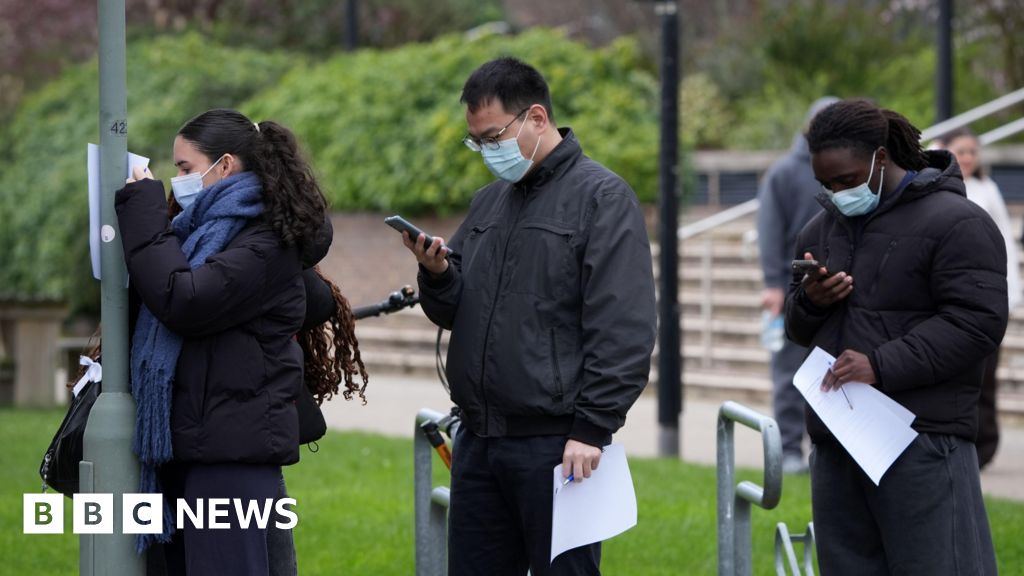
Announcement

Collapse
No announcement yet.

UK - Cases of invasive meningococcal disease confirmed in Kent

Collapse
X
 
  • Filter
  • Time
  • Show
Clear All
new posts

  • UK - Cases of invasive meningococcal disease confirmed in Kent

    Click image for larger version

Name:	image.png
Views:	586
Size:	47.3 KB
ID:	1031583
    /https://en.wikipedia.org/wiki/Kent
    -------------------------------------------------------------------------------------------------------------
    Cases of invasive meningococcal disease confirmed in Kent


    Statement issued by the UK Health Security Agency on 15 March 2026.

    From: UK Health Security Agency

    Published 16 March 2026
    The UK Health Security Agency (UKHSA) and NHS are arranging antibiotics for some students in the Canterbury area of Kent following a number of cases of invasive meningococcal disease. The specific strain has not been identified at the present time.

    From 13 to 15 March 2026, 13 cases were notified with signs and symptoms of meningitis and septicaemia to UKHSA. Sadly, 2 people are known to have died.

    UKHSA and the University of Kent are issuing advice to staff and students. Specialists at UKHSA are interviewing affected individuals and their families to help identify all close contacts and arrange antibiotics to limit spread.

    Anyone who becomes unwell with symptoms of meningitis and septicaemia should seek medical help urgently at the closest Accident and Emergency Department or by dialling 999. Early treatment can be lifesaving.

    Trish Mannes, UKHSA Regional Deputy Director for the South East, said:
    We understand that many people at the university and in the wider community will be affected by this sad news and we would like to offer our condolences to the friends and family involved.

    Students and staff will understandably be feeling worried about the risk of further cases; however, we would like to reassure them that close contacts of cases have been given antibiotics as a precautionary measure. Advice and support is being offered to the wider student community, and to local hospitals and NHS 111, and we’re monitoring the situation closely.

    Meningococcal disease can progress rapidly, so it’s essential that students and staff are alert to the signs and symptoms of meningococcal meningitis and septicaemia, which can include a fever, headache, rapid breathing, drowsiness, shivering, vomiting and cold hands and feet. Septicaemia can also cause a characteristic rash that does not fade when pressed against a glass.

    Students are particularly at risk of missing the early warning signs of meningitis because they can be easily confused with other illnesses such as a bad cold, flu or even a hangover. That’s why it’s vital that, if a friend goes to bed unwell, you check on them regularly and don’t hesitate to seek medical help by contacting their GP or calling NHS 111 if they have these symptoms or you’re concerned about them. This could save their life.


    Background


    Meningococcal disease (meningitis and septicaemia) is an uncommon but serious disease caused by meningococcal bacteria. Very occasionally, the meningococcal bacteria can cause serious illness, (inflammation of the lining of the brain) and septicaemia (blood poisoning), which can rapidly lead to sepsis.

    The onset of illness is often sudden and early diagnosis and treatment with antibiotics are vital.

    Early symptoms, which may not always be present, include:
    • a rash that doesn’t fade when pressed with a glass
    • sudden onset of high fever
    • severe and worsening headache
    • stiff neck
    • vomiting and diarrhoea
    • joint and muscle pain
    • dislike of bright lights
    • very cold hands and feet
    • seizures
    • confusion/delirium
    • extreme sleepiness/difficulty waking

    Young people going on to university or college for the first time are particularly at risk of meningitis because they mix with so many other students, some of whom are unknowingly carrying the bacteria at the back of their nose and throat.

    There are numerous strains of the meningococcal infection. The MenACWY vaccination gives good protection against MenA, MenC, MenW, and MenY. It is routinely offered to teenagers in school Years 9 and 10. However, this vaccine does not protect against all forms of meningitis. Other strains such as MenB can circulate in young adults, which is why it’s important to know how to spot the symptoms of meningitis and septicaemia as early detection and treatment can save lives. Further information on meningococcal diseasehttps://www.gov.uk/government/news/c...firmed-in-kent

  • #2
    Cases of invasive meningococcal disease notified in Kent


    Club Chemistry contacts asked to come forward for antibiotics if they visited club between 5 and 7 March 2026.
    From: UK Health Security Agency
    Published 16 March 2026 Last updated 17 March 2026 — See all updates

    Update 17 March

    The UK Health Security Agency is continuing to investigate an outbreak of meningococcal disease in Kent. As of 5pm on 16 March, 4 laboratory cases are confirmed and 11 notifications remain under investigation, bringing the total to 15. Sadly, this includes 2 people who are known to have died. This is a rapidly evolving situation and there may be further cases as those with symptoms are encouraged to seek medical advice.

    Investigations have confirmed that some of the cases are group B meningococcal disease. From 2015, the MenB vaccine has been available on the NHS as part of routine childhood immunisations and so those aged over 10 have not received it as part of the routine schedule.

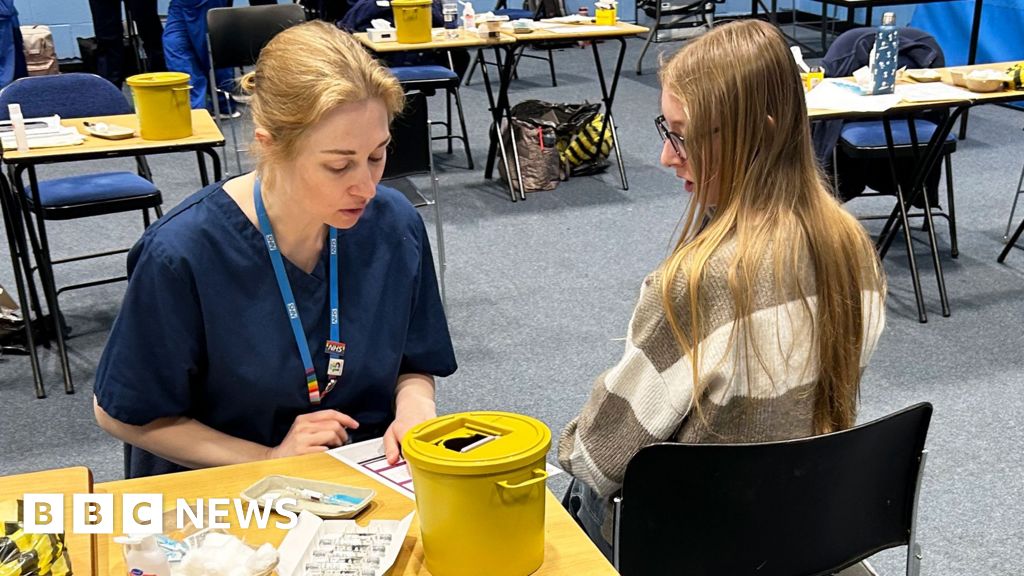
    Given the severity of the situation, a small targeted vaccination programme will begin starting with students resident at Canterbury Campus Halls of Residence at the University of Kent in the coming days. The vaccination programme may be expanded further as UKHSA continues to assess any ongoing risk to other populations. For now, the priority remains for those offered antibiotics to come forward as this is highly effective at preventing the disease and transmission.

    Some of the cases visited Club Chemistry in Canterbury between 5 and 7 March prior to becoming unwell. UKHSA’s health protection team is working closely with the nightclub and partners including the University of Kent to limit the spread. Students needing antibiotics have been offered them through the university.

    The UKHSA is advising anyone who visited Club Chemistry on 5 March, 6 March or 7 March to come forward for preventative antibiotic treatment as a precautionary measure. This can be collected from the following sites:
    1. Gate Clinic, Kent and Canterbury Hospital, Ethelbert Road, Canterbury, CT1 3NG - open from 8.30am to 7.30pm on Tuesday 17 March.
    2. Westgate Hall, Westgate Hall Road, Canterbury, Kent, CT1 2BT. Planned to be open from 8.30am to 7.30pm on Tuesday 17 March.
    3. Carey Building, Thanet Hub, Margate Northwood Rd, Westwood, Broadstairs, CT10 2WA. Planned to be open from 8.30am to 7.30pm on Tuesday 17 March.
    4. Senate Building at University of Kent, CT2 7NZ – open from 9am to 8pm on Tuesday 17 March.

    Meningococcal disease can progress rapidly. Signs and symptoms of meningococcal meningitis and septicaemia can include a fever, headache, rapid breathing, drowsiness, shivering, vomiting and cold hands and feet. Septicaemia can also cause a characteristic rash that does not fade when pressed with a glass.

    Early symptoms can often be confused with other illnesses such as a cold, flu or hangover and students are particularly at risk of missing the early warning signs. If you or anyone you know develops any of these symptoms, seek medical help immediately by contacting a GP, calling NHS 111 or dialling 999 in an emergency. Knowing the signs and taking early treatment can be lifesaving.

    Trish Mannes, UKHSA Regional Deputy Director for the South East, said:
    People who need antibiotic treatment are responding to our calls to come forward and we are working closely with the NHS to ensure these are offered at the various sites throughout today.

    Once again we remind anyone who visited Club Chemistry between 5 and 7 March to come forward for preventative antibiotic treatment as a precaution, as well as those offered antibiotics at the university.

    Investigations have now confirmed that some of the cases are Men B. It is important to be aware that the MenACWY vaccine routinely offered to teenagers does not protect against Men B, which is why knowing the symptoms and seeking early treatment is so important.

    If you think you may have symptoms of meningitis, do not hesitate to seek medical help by contacting your GP or calling NHS 111.


    As part of the incident response, UKHSA has written to schools in Kent providing guidance and advice, and continues to work with schools where cases have been identified.

    Background

    Meningococcal disease (meningitis and septicaemia) is an uncommon but serious disease caused by meningococcal bacteria. Very occasionally, the meningococcal bacteria can cause serious illness, (inflammation of the lining of the brain) and septicaemia (blood poisoning), which can rapidly lead to sepsis.

    The onset of illness is often sudden and early diagnosis and treatment with antibiotics are vital.

    Early symptoms, which may not always be present, include:
    • a rash that does not fade when pressed with a glass
    • sudden onset of high fever
    • severe and worsening headache
    • stiff neck
    • vomiting and diarrhoea
    • joint and muscle pain
    • dislike of bright lights
    • very cold hands and feet
    • seizures
    • confusion/delirium
    • extreme sleepiness/difficulty waking

    Young people going on to university or college for the first time are particularly at risk of meningitis because they newly mix with so many other students, some of whom are unknowingly carrying the bacteria at the back of their nose and throat.

    There are numerous strains of the meningococcal infection. The MenACWY vaccination gives good protection against MenA, MenC, MenW, and MenY. It is routinely offered to teenagers in school Years 9 and 10. However, this vaccine does not protect against all forms of meningococcal infection. Other strains such as MenB can circulate in young adults, which is why it’s important to know how to spot the symptoms of meningitis and septicaemia as early detection and treatment can save lives.

    Further information on meningococcal disease...

    Comment


    • #3
      Translation Google

      An "unprecedented" meningitis epidemic hits England

      An unprecedented outbreak of meningitis has struck England. Fifteen cases, including two deaths, have been identified in the Canterbury region (southeast England), prompting Health Secretary Wes Streeting to alert Parliament to the seriousness of the situation. A case was reported on Saturday by French authorities, involving a person in France who had attended the University of Kent in Canterbury.

      Published on:17/03/2026 - 15:35

      By : FRANCE 24

      The outbreak of meningococcal meningitis in England , with fifteen cases reported to authorities including two fatalities, is "unprecedented," British Health Minister Wes Streeting told Parliament on Tuesday, March 17.

      A case was reported on Saturday by French authorities and concerns a person in France who attended the University of Kent in Canterbury (southeast England), the minister added, without further details.


      "The majority of cases are linked to the Club Chemistry nightclub," frequented by Canterbury students, "between March 5 and 7," Wes Streeting said.

      Although rarer than viral meningitis, bacterial meningitis kills rapidly when left untreated and, even if treated, results in high mortality and a high risk of long-term consequences.

      Some 700 doses of "preventive" antibiotics have been administered to young people who may have been exposed, in an attempt to stop this "unprecedented epidemic," he added.

      A total of fifteen cases, all resulting in hospitalizations, have been reported to the UK's health security agency, UKHSA, since Friday. Four of these – including the two fatal cases – are rare and very serious infections caused by meningococcal disease "belonging to group B".

      A "targeted vaccination program"

      The two people who died are an 18-year-old student in her final year at Queen Elizabeth's Grammar School in Faversham, named Juliette, and a 21-year-old student at the University of Kent.

      Anyone who visited the nightclub on those dates should "come forward to receive preventative antibiotic treatment," said Trish Mannes, deputy director of UKHSA in the region.

      According to the owner of Club Chemistry, some 2,000 people visited the establishment during the three evenings mentioned.

      A "targeted vaccination program" against this infection, offered to infants since 2015, is also to take place for students in university residences on the University of Kent campus, the agency said.

      The first cases were reported on Friday, and questions arose about the speed and communication of the health authorities in the face of the epidemic.

      The Health Minister responded on Tuesday that the UKHSA had acted "as quickly and as thoroughly as possible".

      (With AFP)

      Une épidémie de méningite jugée “sans précédent” frappe l’Angleterre. Quinze cas, dont deux décès, ont été recensés dans la région de Canterbury (sud-est du pays), poussant le ministre de la Santé Wes…

      Comment


      • #4
        'Explosive' meningitis outbreak unprecedented – officials

        2 hours ago
        Vicky Castleand Joshua Askew, South East
        ...
        Susan Hopkins, chief executive of the UK Health Security Agency (UKHSA), said there was an "explosive nature" to the outbreak, while deputy chief medical officer Dr Thomas Waite said it was the quickest growing outbreak he had seen in his career.
        ...
        Hopkins said it looked as though there had been a "super spreader event", with the outbreak ongoing within university halls of residences, where there would have been parties and social mixing.

        She said she could not yet confirm where the initial infection came from.
        ...
        Hopkins said in her 35 years in medicine, it was the most cases she had seen in a single weekend with this type of infection.
        ...
        Laboratory scientists are urgently trying to work out if the spread was caused by a possible mutant strain of menB.

        The genome of the menB strain identified in the outbreak is undergoing whole genome sequencing to see if there are any differences to known strains.
        ...
        More than 30,000 people across Canterbury have been contacted by the UKHSA, which called the outbreak "particularly large".
        ...
        The five schools with confirmed or suspected cases are Queen Elizabeth's Grammar School in Faversham, Norton Knatchbull School and Highworth Grammar School in Ashford, Simon Langton Grammar School for Boys in Canterbury and the Canterbury Academy.

        Highworth Grammar School said on Tuesday that a Year 13 student was in hospital with a suspected case of meningitis.
        ...
        Officials confirm 15 cases of meningitis following an outbreak in Kent, in which two people died.

        Comment


        • #5

          hat tip Pathfinder

          Update 18 March


          The UK Health Security Agency is continuing to investigate an outbreak of meningococcal disease in Kent. As of 5pm on 17 March, 9 laboratory cases are confirmed and 11 notifications remain under investigation, bringing the total to 20. Six of the confirmed cases are confirmed to be group B meningococcal disease.

          Sadly 2 people have died, with no further deaths since the last update.


          One individual who had resided in Kent presented to a London hospital with no community contacts in London. All those affected who are currently linked to the outbreak are young adults. UKHSA is aware of a baby with confirmed Meningococcal group B infection who is not currently linked to the outbreak but UKHSA will continue to investigate this case.

          This is a rapidly evolving situation and there may be further cases as those with symptoms are encouraged to seek medical advice.

          Antibiotics remain the most effective treatment to limit the spread of invasive meningococcal disease. So far, over 2,500 doses have been given to students, close contacts and others including some of those who attended Club Chemistry between 5 and 7 March.

          GPs across the country will today be advised to prescribe antibiotics to anyone who visited Club Chemistry between 5 and 7 March and to University of Kent students, if they have been asked to seek preventative treatment. This is so that anyone who has travelled home, or away from Kent, can easily access this important preventative treatment close to them.

          Given the severity of the outbreak, and as an additional precautionary measure, a targeted vaccination programme will begin, starting with students that are residents of the Canterbury Campus Halls of Residence at the University of Kent who will be contacted directly. Initially, it’s expected that up to 5,000 students will be contacted and offered the vaccine. UKHSA will continue to assess ongoing risk to other populations and the programme may be extended.

          UKHSA also continues to advise anyone who visited Club Chemistry on 5, 6 or 7 March to come forward for preventative antibiotic treatment as a precautionary measure. This can be collected from the following sites, which remain open whilst people are still coming forward for the preventative treatment:
          1. Gate Clinic, Kent and Canterbury Hospital, Ethelbert Road, Canterbury, CT1 3NG - open from 8.30am to 7.30pm.
          2. Westgate Hall, Westgate Hall Road, Canterbury, Kent, CT1 2BT- open from 8.30am to 7.30pm.
          3. Carey Building, Thanet Hub, Margate Northwood Rd, Westwood, Broadstairs, CT10 2WA - open from 8.30am to 7.30pm.
          4. Senate Building at University of Kent, CT2 7NZ – open from 9am to 8pm.

          Meningococcal disease can progress rapidly. Signs and symptoms of meningococcal meningitis and septicaemia can include a fever, headache, rapid breathing, drowsiness, shivering, vomiting and cold hands and feet. Septicaemia can also cause a characteristic rash that does not fade when pressed with a glass.

          Early symptoms can often be confused with other illnesses such as a cold, flu or hangover and students are particularly at risk of missing the early warning signs. If you or anyone you know develops any of these symptoms, seek medical help immediately by contacting a GP, calling NHS 111 or dialling 999 in an emergency. Knowing the signs and taking early treatment can be lifesaving.

          Trish Mannes, UKHSA Regional Deputy Director for the South East, said:
          Around 2,500 doses of antibiotics have now been administered across sites in Kent and we continue to encourage close contacts to come forward for the treatment. This includes those offered at the University of Kent and anyone who visited Club Chemistry between 5-7 March. This is the main intervention that will help protect people and halt the spread of the outbreak.

          As a further precaution and together with the NHS, we are beginning to roll out a targeted MenB vaccination programme. This will initially be offered to 5,000 university of Kent students resident at the Canterbury campus, with the possibility that it may be extended, as it is kept under continual review.

          If you think you may have symptoms of meningitis, don’t hesitate to seek medical help by contacting your GP or calling NHS 111. Seeking early treatment can save lives.

          UKHSA is coordinating a national response to the outbreak. This does not mean a national NHS incident has been declared. A national incident is a formal operational status used when the health service is under significant system-wide pressure, which is not the case with this outbreak. NHS services continue to operate as normal.

          more...https://www.gov.uk/government/news/c...update-history

          Comment


          • #6
            Click image for larger version  Name:	image.png Views:	2 Size:	5.7 KB ID:	1031702

            University response to the meningitis cases in Canterbury

            Katherine Moss
            17 March 2026

            Statement


            The following is the latest statement from the University of Kent (updated at 1:15pm on 18 March) regarding the response to cases of meningitis in Canterbury.

            ‘Today, the University – in partnership with the UK Health Security Agency (UKHSA) – are rolling out the first targeted Meningitis B vaccination programme to all students living on our Canterbury campus. Alongside this, we will continue to offer precautionary antibiotics to staff and students that may be affected.

            This is part of our ongoing commitment to offer a swift response and reassurance to support Kent students at this difficult time.’

            Former statement shared on 16 March

            ‘We recognise that this is a very sad and worrying time for our community and we are doing everything we can to offer advice and support.

            This is a regional public health matter and not specific to the University. The response is being led by the UK Health Security Agency (UKHSA) and we are working with them and partners as the situation unfolds.

            Known contacts of existing cases in our community have been contacted and advised on next steps. Students impacted are being offered antibiotic treatment on our Canterbury campus.

            We have contacted all our students and staff to ensure they have all the latest advice and support they need, and we will continue to update via email and social media.

            As a further precautionary measure there will be no in person assessments or exams this week – students have been contacted directly with details on alternative arrangements.

            We will continue to share updates as more information becomes available.’


            More information and guidance from the UKHSA is available here.


            ------------------------------------------------------------------------------------------------------------------------------
            Click image for larger version  Name:	image.png Views:	2 Size:	10.4 KB ID:	1031701
            Click image for larger version  Name:	image.png Views:	2 Size:	200.2 KB ID:	1031698
            Click image for larger version  Name:	image.png Views:	2 Size:	799.0 KB ID:	1031699Click image for larger version  Name:	image.png Views:	2 Size:	938.4 KB ID:	1031700


            Club Chemistry၊ Canterbury .နှစ်သက်သူ ၃၅,၃၈၂ ဦး · ၂,၈၅၅ ဦး ဒီအကြောင်းပြောနေသည် · ၂၉,၂၆၂ ဦး ဤနေရာတွင် ရှိခဲ့ကြသည် . Canterbury's iconic nightlife venue Tap the link for tickets, infor and more...

            Comment


            • #7
              Update 19 March


              The UK Health Security Agency is continuing to investigate an outbreak of meningococcal disease in Kent.

              As of 5pm on 18 March, 15 laboratory cases are confirmed and 12 notifications remain under investigation, bringing the total to 27. Sadly, 2 people have died, with no further deaths since the last update. Notified cases are released on a daily basis.

              Preventative antibiotic treatment continues to be given to University of Kent students, and to anyone who visited Club Chemistry in Canterbury between 5 and 7 March, as well as to close contacts of those who are confirmed or suspected to have meningococcal disease.

              To ensure that these can be easily accessed by anyone who has since travelled home or away from Kent, antibiotics are available from GPs across the country to anyone who has been asked to seek preventative treatment.

              Currently, cases have been confirmed in students at 4 schools in Kent, as well as one student at a higher education institution in London (who is confirmed to be directly linked to the outbreak).

              While preventative antibiotic treatment remains the most important measure in controlling the outbreak, a targeted MenB vaccination programme is also being introduced for longer term protection. A vaccination programme has started for students and staff who live in or work in the halls at the University of Kent Canterbury Campus - approximately 5,000 students.

              The vaccination programme will be expanded as required as UKHSA continues to assess any ongoing risk to other population groups.

              While2 doses of the MenB vaccine helps protect individuals from getting ill with the disease, it does not prevent people from carrying and spreading the bacteria in the community. This programme is therefore being targeted towards those identified as potentially being at ongoing increased risk of exposure.

              more..... https://www.gov.uk/government/news/c...update-history

              Comment


              • #8
                Kent’s meningitis outbreak was years in the making – here’s why

                Published: March 18, 2026 8:28am EDT

                Philip Broadbent
                Wellcome Multimorbidity PhD Fellow & Public Health Registrar, University of Glasgow
                ...
                Two young people are dead and 20 are receiving treatment after a meningitis outbreak at the University of Kent. The students caught up in it belong to a generation that has never been routinely vaccinated against the strain responsible.

                That is not because a vaccine doesn’t exist. It does. Bexsero, which protects against meningococcal group B disease (the strain responsible for the Kent outbreak) has been available since 2013. The UK even became the first country in the world to add it to its national immunisation schedule, in September 2015.

                But only for babies.

                Every student at university today was born before July 2015, meaning every one of them missed the cut-off. The NHS never offered them the jab and no catch-up programme was ever provided. A decade of students has passed through higher education with no routine protection against the most common form of bacterial meningitis.


                The decision not to extend the programme beyond infants reflects a genuine tension at the heart of vaccine policy. The government’s advisory body, the joint committee on vaccination and immunisation (JCVI) concluded that the benefit, real as it was, did not clear the economic threshold required to justify the cost.

                With many vaccines, the benefit extends beyond the person vaccinated. Vaccinate enough people and the disease runs out of hosts, protecting even those who never received the jab – this is known as herd immunity. Bexsero does not work that way. It protects the person who receives it, but it does not reduce the amount of bacteria people carry in their throats and pass on to others.

                Vaccinating a baby stops that baby getting ill; it does nothing to stop the bacteria circulating in the wider population. With no such ripple effect to factor in, the JCVI judged the benefit too narrow to justify extending the programme.

                What that calculation did not fully account for was the particular danger of university life.

                Meningococcal bacteria spread through close contact: kissing, sharing drinks, coughing in crowded spaces. Universities, with their halls of residence, freshers’ weeks and nightclubs, are among the most efficient environments imaginable for transmission.

                A study tracking students during their first week at a UK university found that the proportion carrying the bacteria in their throats jumped from less than 7% on day one to over 23% by day four. By December of that year, in catered halls, the figure had reached 34%.

                In the US, research found that first-year undergraduate students face a risk of meningococcal B disease almost 12 times higher than their non-student peers of the same age. Living in halls of residence amplified that risk further still.

                None of this is new. The link between university life and meningococcal risk has been established for decades. The question that the tragic events in Kent force policymakers to consider is whether that increased risk was adequately factored into the original decision.

                Parents who wanted to protect their children privately could. Many of them did. A full course of Bexsero requires two doses for anyone over the age of 11. At most UK pharmacies, each dose costs around £110, making the full course £220 or more. Some private clinics charge considerably more.

                As one public health expert at the London School of Hygiene and Tropical Medicine put it, the availability of private vaccination creates a situation where access depends on ability to pay. That inequality is now playing out in real time.

                Following the Kent outbreak, bookings for private meningitis B vaccinations at Superdrug surged to 65 times their normal level. The families rushing to book appointments are inevitably those who can afford to. Those who cannot are left hoping the outbreak does not reach their child.

                Long-term costs


                Vaccine policy is genuinely difficult. Every decision involves trade-offs and the resources available to public health are not unlimited. But the economic case for keeping the programme infant-only has grown shakier since 2015.

                A re-analysis published in the journal Value in Health in 2021 found that when a fuller picture of the disease’s burden is included (for example, long-term care, loss of earnings, the ripple effects on families) the cost per year of healthy life gained falls below the NHS’s standard threshold for approving treatments. The short-term saving from not vaccinating teenagers may be generating long-term costs the original calculation never captured.

                There is also the cost of the outbreak itself. More than 30,000 people in the Canterbury area have been contacted by health authorities. Thousands of doses of antibiotics were distributed. A targeted vaccination campaign has been launched for students in halls of residence. Emergency responses to outbreaks are not without cost, and they cannot undo the harm already done.

                Health Secretary Wes Streeting told parliament this week that he would ask the JCVI to reexamine eligibility for meningitis vaccines in light of the outbreak. That review is welcome, and overdue.

                The first cohort of babies vaccinated in 2015 will not reach university age until 2033. Until then, the students arriving at freshers’ week each autumn will do so without routine protection. Unless policy changes.

                ...

                A vaccine has existed since 2013. The UK was first to adopt it. But a decade of students never received it – and are now paying the price.

                ​​

                Comment


                • #9
                  Cases of invasive meningococcal disease notified in Kent

                  Latest updates from the ongoing outbreak.


                  From: UK Health Security Agency
                  Published 16 March 2026 Last updated 20 March 2026 — See all updates

                  Click image for larger version  Name:	image.png Views:	1 Size:	17.1 KB ID:	1031802

                  Update 20 March


                  The UK Health Security Agency is continuing to investigate an outbreak of meningococcal disease in Kent.

                  As of 5pm on 19 March, 18 laboratory cases are confirmed and 11 notifications remain under investigation, bringing the total to 29. Sadly, 2 people are known to have died, with no further deaths since the last update.

                  Notified cases are released on a daily basis.

                  As part of investigations, UKHSA laboratories have completed an initial genetic analysis of a meningococcal strain isolated during this outbreak. Results have confirmed that the Bexsero vaccine currently being offered in Kent should provide protection against the strain identified. The strain belongs to a group of bacteria known as group B meningococci, sequence type 485 belonging to the larger clonal complex ST-41/44.

                  Similar strains have been circulating in the UK for around 5 years but detailed analysis of the outbreak pathogen is required. UKHSA is publishing the available data so that national and international partners can also carry out further scientific research.

                  UKHSA would like to thank partners including the NHS and the University of Kent, for their rapid support in ensuring that antibiotics and vaccination are offered to those who need it. As of 5pm on Thursday 19 March, 2,360 vaccinations have been given and over 9,000 doses of antibiotics have been administered.

                  For further details on the current vaccination rollout and details on clinics, see our statement from yesterday.

                  Notification on expansion of Meningitis B vaccination offer to Kent students has also been published.

                  Meera Chand, Strategic Response Director, said:
                  The latest laboratory analysis by UKHSA confirms that the vaccine being offered to students and other eligible groups should cover this circulating strain of MenB, with further analysis ongoing to understand more about the strain.

                  It’s vital that people are aware of the signs and symptoms of invasive meningococcal disease and seek immediate medical attention if they or anyone they know develops symptoms. The risk to the wider population remains low and UKHSA continues to work with partners to identify contacts and offer necessary treatment.


                  Further information about the vaccination programme can be found in the recent UKHSA blog.

                  Background


                  This genome has UKHSA identifier (1926231), it will be on pubMLST.org identifier (190637).

                  Meningococcal disease (meningitis and sepsis) is an uncommon but serious disease caused by meningococcal bacteria. Very occasionally, the meningococcal bacteria can cause serious illness, (inflammation of the lining of the brain) and sepsis (blood poisoning).

                  The onset of illness is often sudden and early diagnosis and treatment with antibiotics are vital.

                  Early symptoms, which may not always be present, include:
                  • a rash that doesn’t fade when pressed with a glass
                  • sudden onset of high fever
                  • severe and worsening headache
                  • stiff neck
                  • vomiting and diarrhoea
                  • joint and muscle pain
                  • dislike of bright lights
                  • very cold hands and feet
                  • seizures
                  • confusion/delirium
                  • extreme sleepiness/difficulty waking

                  Young people going on to university or college for the first time are particularly at risk of meningitis because they newly mix with so many other students, some of whom are unknowingly carrying the bacteria at the back of their nose and throat.

                  There are numerous strains of the meningococcal infection. The MenACWY vaccination gives good protection against MenA, MenC, MenW, and MenY and is routinely offered to teenagers in school Years 9 and 10. However, this vaccine does not protect against all forms of meningococcal infection. Other strains such as MenB can circulate in young adults, which is why it’s important to know how to spot the symptoms of meningitis and sepsis as early detection and treatment can save lives.

                  Further information on meningococcal disease​...

                  Comment


                  • #10
                    Cases of invasive meningococcal disease notified in Kent


                    Latest updates from the ongoing outbreak. From: UK Health Security Agency
                    Published 16 March 2026 Last updated 21 March 2026 — See all updates

                    Click image for larger version

Name:	image.png
Views:	243
Size:	17.1 KB
ID:	1031879

                    Update 21 March


                    The UK Health Security Agency is continuing to investigate an outbreak of meningococcal disease in Kent.

                    As of 5pm on 20 March, 23 laboratory cases are confirmed and 11 notifications remain under investigation, bringing the total to 34. Sadly, 2 people are known to have died, with no further deaths since the last update. Notified cases numbers are published on a daily basis.

                    Yesterday (Friday 20 March) UKHSA provided an update on initial genetic analysis of a the meningococcal strain isolated during this outbreak and details on the expansion of the vaccination offer to Kent students.

                    UKHSA would like to thank partners including the NHS and the University of Kent, for their rapid support in ensuring that antibiotics and vaccination are offered to those who need it. As of 5pm on Friday 20 March, 4,500 vaccinations have been given and over 10,500 doses of antibiotics have been administered.

                    Dr Ben Rush, Consultant in Communicable Disease Control at UKHSA said:
                    We continue to remain vigilant for new cases and work closely with NHS England and local authorities across the country to ensure enhanced surveillance is in place. Any new cases will be identified quickly and responded to.

                    It’s reassuring to have seen so many eligible young people come forward for antibiotics and vaccination and we’d like to thank everyone involved in this effort so far.

                    It’s vital that people are aware of the signs and symptoms of invasive meningococcal disease and seek immediate medical attention if they or anyone they know develops symptoms. The risk to the wider population remains low and UKHSA continues to work with partners to identify contacts and offer necessary treatment.
                    ​...

                    Comment


                    • #11
                      Cases of invasive meningococcal disease notified in Kent

                      Latest updates from the ongoing outbreak.

                      From: UK Health Security Age
                      Published 16 March 2026
                      Last updated 22 March 2026 — See all updates


                      Update 22 March


                      The UK Health Security Agency is continuing to investigate an outbreak of meningococcal disease in Kent.

                      As of 12:30pm on 21 March, 20 laboratory cases are confirmed and 9 notifications remain under investigation, bringing the total to 29. This means that the number of confirmed cases has decreased by 3 since yesterday’s update. Some cases initially classified as confirmed cases have been reclassified following further laboratory results and clinical investigation. As further laboratory assessments are completed, we expect some further probable cases to be downgraded in the coming days. Sadly, 2 people are known to have died, with no further deaths since the last update. Notified cases numbers are published on a daily basis.

                      UKHSA would like to thank partners including the NHS and the University of Kent, for their rapid support in ensuring that antibiotics and vaccination are offered to those who need it.

                      Eligible University of Kent students who have returned home can now access both the MenB vaccination and preventative antibiotic treatment from their local GP practice. For any eligible students who have returned, or will return to Scotland, please contact your local NHS Board’s Health Protection Team (HPT) in the first instance.

                      While the MenB vaccination offers the best longer-term protection for those affected by this outbreak, taking preventative antibiotics is the most important immediate action in response to the current outbreak.

                      Dr Sherine Thomas, Infectious Diseases Consultant at UKHSA, said:
                      We continue to remain vigilant for new cases and work closely with NHS England and local authorities across the country, to ensure that any new cases identified are responded to as quickly as possible.

                      It’s reassuring to have seen so many eligible young people come forward for antibiotics and vaccination and we’d like to thank everyone involved in this effort so far.

                      Although the risk to the wider population remains low, it is still really important that people know the symptoms of invasive meningococcal disease and seek immediate medical attention if they or anyone they know develops them. UKHSA continues to work with partners to identify contacts and offer necessary treatment.


                      ...
                      https://www.gov.uk/government/news/c...firmed-in-kent

                      Comment


                      • #12
                        Cases of invasive meningococcal disease notified in Kent


                        Latest updates from the ongoing outbreak.
                        From: UK Health Security Agency
                        Published 16 March 2026
                        Last updated 23 March 2026 — See all updates

                        Update 23 March

                        The UK Health Security Agency is continuing to investigate an outbreak of meningococcal disease in Kent.

                        No new cases have been confirmed since yesterday’s update.

                        Notified cases numbers are published on a daily basis.

                        As of 12.30pm on 22 March, 20 laboratory cases are confirmed and 9 notifications remain under investigation, bringing the total to 29.

                        Background


                        For information on current vaccination eligibility and clinic locations, see the Kent and Medway ICS page.

                        Further information about the vaccination programme can be found in the recent UKHSA blog Meningitis B outbreak: what you need to know.

                        This genome has UKHSA identifier (1926231), it will be on pubMLST.org identifier (190637).

                        The number of confirmed and probable cases can change when:
                        • a case is laboratory confirmed
                        • clinical assessment changes, including when new laboratory results are available
                        • further epidemiological information is available

                        Reclassification of confirmed cases can occur particularly when more sophisticated laboratory tests are undertaken. These tests often take longer than initial testing carried out in local laboratories. In England the Meningococcal Reference Unit (MRU) in Manchester provides confirmatory laboratory reference services for meningococcal disease.

                        If you have returned home outside of the UK, vaccination can be provided when you return to the University.

                        Meningococcal disease (meningitis and sepsis) is an uncommon but serious disease caused by meningococcal bacteria. Very occasionally, the meningococcal bacteria can cause serious illness, (inflammation of the lining of the brain) and sepsis (blood poisoning).

                        The onset of illness is often sudden and early diagnosis and treatment with antibiotics are vital. Early symptoms, which may not always be present, include:
                        • a rash that doesn’t fade when pressed with a glass
                        • sudden onset of high fever
                        • severe and worsening headache
                        • stiff neck
                        • vomiting and diarrhoea
                        • joint and muscle pain
                        • dislike of bright lights
                        • very cold hands and feet
                        • seizures
                        • confusion/delirium
                        • extreme sleepiness/difficulty waking

                        Young people going to university or college for the first time are particularly at risk of meningitis because they mix with so many other students, some of whom are unknowingly carrying the bacteria at the back of their nose and throat.

                        There are numerous strains of the meningococcal infection. The MenACWY vaccination gives good protection against MenA, MenC, MenW, and MenY and is routinely offered to teenagers in school Years 9 and 10. However, this vaccine does not protect against all forms of meningococcal infection. Other strains such as MenB can circulate in young adults, which is why it’s important to know how to spot the symptoms of meningitis and sepsis as early detection and treatment can save lives.

                        Further information on meningococcal disease​...

                        Comment


                        • #13
                          Cases of invasive meningococcal disease notified in Kent

                          Latest updates from the ongoing outbreak. From: UK Health Security Agency
                          Published 16 March 2026
                          Last updated 25 March 2026 See all updates

                          Click image for larger version

Name:	image.png
Views:	128
Size:	17.1 KB
ID:	1032000

                          Update 25 March


                          The UK Health Security Agency is continuing to investigate an outbreak of meningococcal disease in Kent.

                          No new cases have been confirmed since yesterday’s update.

                          As of 12.30pm on 24 March, 20 laboratory cases are confirmed and 2 notifications remain under investigation, bringing the total to 22.


                          Notified cases numbers are published on a daily basis.

                          Further information on meningococcal disease is available.

                          The latest update is a decrease on previously published data. As rapid initial diagnosis continues to ensure timely clinical public health response, some cases initially classified as confirmed or probable meningococcal disease have been removed with alternative diagnosis after further testing.

                          Background


                          For information on current vaccination eligibility and clinic locations, see the Kent and Medway ICS page.

                          Further information about the vaccination programme can be found in the recent UKHSA blog Meningitis B outbreak: what you need to know.

                          This genome has UKHSA identifier (1926231), it will be on pubMLST.org identifier (190637).

                          The number of confirmed and probable cases can change when:
                          • a case is laboratory confirmed
                          • clinical assessment changes, including when new laboratory results are available
                          • further epidemiological information is available

                          Reclassification of confirmed cases can occur particularly when more sophisticated laboratory tests are undertaken. These tests often take longer than initial testing carried out in local laboratories. In England the Meningococcal Reference Unit (MRU) in Manchester provides confirmatory laboratory reference services for meningococcal disease.

                          If you have returned home outside of the UK, vaccination can be provided when you return to the University.

                          Young people going to university or college for the first time are particularly at risk of meningitis because they mix with so many other students, some of whom are unknowingly carrying the bacteria at the back of their nose and throat.

                          Update 24 March


                          The UK Health Security Agency is continuing to investigate an outbreak of meningococcal disease in Kent.

                          No new cases have been confirmed since yesterday’s update.

                          As of 12.30pm on 23 March, 20 laboratory cases are confirmed and 3 notifications remain under investigation, bringing the total to 23.

                          Notified cases are released on a daily basis.

                          The latest update is a decrease on previously published data. As rapid initial diagnosis continues to ensure timely clinical public health response, some cases initially classified as confirmed or probable meningococcal disease have been removed with alternative diagnosis after further testing.

                          Note: When Gram-negative diplococci are identified in a normally sterile site, the individual is provisionally treated as a confirmed case. This approach ensures prompt management while awaiting more advanced microbiological testing. Subsequent confirmatory tests may identify alternative bacterial causes rather than meningococcus. In such instances, these individuals are downgraded from the outbreak case definition, although the true cause of their illness is still identified and managed appropriately. Equally probable cases may be escalated to confirmed cases as diagnostic tests become available or removed from the case list following the results of diagnostic testing.

                          UKHSA has worked with academic experts from across the UK to produce a technical briefing. This rapid briefing has been produced after the first week of the invasive meningococcal disease (IMD) outbreak. It is published to share data on the outbreak for the use of government and academic partners. It includes early evidence and preliminary analyses which may be subject to change. The first outbreak bacterial genome has also been published.

                          Professor Robin May, Chief Scientific Officer at the UK Health Security Agency, said:
                          This preliminary analysis offers strong reassurance that our existing vaccinations and antibiotic treatment offer will be effective against this strain.

                          In collaboration with the research community, we will continue intensive laboratory investigations of the strain to determine how the spread of the outbreak may have been influenced by the bacterial strain, social or environmental conditions, and population immunity.


                          In response to the ongoing outbreak, ministers have agreed that vaccination will be extended to include Year 11s in schools where the vaccination offer has already been made. Widening the vaccine offer is a precautionary measure to ensure longer-term protection, whilst helping to minimise disruption to school attendance at a critical time in the academic year.

                          ...

                          Comment


                          • #14
                            Hospital waited two days before raising alarm about meningitis outbreak

                            3 hours ago

                            Nick Triggle
                            Health correspondent

                            ...
                            The hospital - which is run by East Kent Hospitals NHS Trust - admitted to the BBC it had missed an opportunity to alert the UKHSA sooner. It said it had waited until there was a formal diagnosis via a confirmed test.
                            ...
                            "Delaying reporting a case is indefensible," said Prof Paul Hunter, an expert in infectious disease at the University of East Anglia. "You don't wait for a formal diagnosis when it comes to meningitis – you report it straight away so it can be investigated.
                            ...
                            He added: "You had significant numbers of young people developing symptoms as the days went by, but they were unaware there was an outbreak. If they had known, they may have come forward for treatment sooner."
                            ...

                            Experts say the wait was indefensible and possibly delayed identification of the outbreak.

                            Comment


                            • #15
                              Research and analysis

                              Notified cases of invasive meningococcal disease


                              Updated 31 March 2026


                              Overview


                              The UK Health Security Agency (UKHSA) has been investigating an invasive meningococcal disease (IMD) outbreak first detected in March 2026.

                              This release provides an up-to-date count of confirmed or probable notified cases connected to the incident. With no additional cases reported in recent days the frequency of updates has changed. After 27 March 2026, outbreak data will be updated on Tuesdays and Thursdays at 09:30am.

                              Case numbers refer to the position at 12:30pm the previous day, and include only those defined as either confirmed or probable.

                              As this is a live incident, there will be additional suspected cases notified to UKHSA, which need to be actively investigated. These will not be reported until the investigation determines that they should be included as either confirmed or probable cases, or discarded as not related to the incident.

                              Case counts attached to the incident are provisional and subject to change (upwards or downwards) as intelligence about their connection to the incident improves, clinical assessment changes, or further microbiological characterisation becomes available. In outbreaks, case definitions are updated as new intelligence comes to light, which may affect the counts.

                              Notified cases of invasive meningococcal disease linked to Canterbury, Kent


                              As of 12:30pm on 30 March 2026, UKHSA has been notified of 21 confirmed cases of invasive meningococcal disease with epidemiological links to Canterbury, Kent.

                              All of the 21 confirmed cases are meningococcal group B (MenB). 17 of these have the outbreak strain subtype P1.12-1,16-183.

                              All cases have been hospitalised.

                              There have been 2 deaths since the start of the incident.
                              ...

                              (screenshot)

                              Click image for larger version

Name:	image.png
Views:	78
Size:	53.8 KB
ID:	1032343
                              Click image for larger version

Name:	image.png
Views:	60
Size:	36.0 KB
ID:	1032344
                              ​...

                              https://www.gov.uk/government/public...coccal-disease

                              Comment

                              Working...
                              X