Announcement

Collapse
No announcement yet.

Cruise ship - Hantavirus confirmed in 6 passengers, 2 more probable cases - 3 total cruise deaths (2 confirmed, 1 probable) - May 3+ - Several govs & WHO involved

Collapse
X
 
  • Filter
  • Time
  • Show
Clear All
new posts

  • [emphasis is mine]

    CDPH
    Aware of CaliforniaPassengersExposed to Andes Hantavirus OutbreakonInternational Cruise Ship

    May 8, 2026
    NR26-017
    Risk to the Public is ExtremelyLow, CDPH Coordinating with CDC and Local Public Health

    What You Need to Know:CDPH is closely coordinating with federal and local health partners following notification that California residents were aboard the MV Hondius, a cruise ship that experienced an outbreak of Andes hantavirus. One individual has returned to the state and is in contact with local public health officials regarding their exposure. The risk to the public remains extremely low.


    SACRAMENTO– The California Department of Public Health (CDPH) is closely coordinating with federal and local health partners following CDC notification that California residents were aboard the cruise ship MV Hondius, which is experiencing an outbreak of Andes hantavirus. One of the individuals has returned home and is in contact with local public health officials. At least one other remains on board the ship.

    Public health protocol is to do daily symptom monitoring and reporting. As there are no known cases of Andes hantavirus infection from people without symptoms, and any spread has usually been limited to people with prolonged close contact with an ill person with this virus, the risk to the general public in California is extremely low.

    "We understand that news of an unusual outbreak can be concerning," said Dr. Erica Pan, State Public Health Officer and CDPH Director. "At this time, local, state, national and global public health partners are working together to assess and care for people who may have been exposed and prevent spread of the virus. Unlike influenza and COVID-19, years of experience in South America have shown that this Andes hantavirus rarely spreads between people."

    The state will continue to coordinate closely with the federal government and local health departments to monitor the situation and provide testing support to this infectious disease response. ​

    CDPH Monitoring
    Local health officials are in contact with the one returned passenger. At this time, public health protocol includes daily temperature checks and assessment for any symptoms consistent with hantavirus, and direction to modify activities.

    To protect privacy, no additional identifying information about the returned passenger will be released.

    CDPH has been notified by the federal government that a second California resident is still on board the MV Hondius. As of May 8, CDPH has been informed that there are no ill passengers on board, and the federal government is working to secure the safe return of all United States passengers. ​

    CDPH Lab Supporting Federal Response
    California is supporting the national response by fast‑tracking clinical testing capacity for Andes hantavirus samples at its Viral and Rickettsial Disease Laboratory (VRDL). CDPH VRDL is the only public health laboratory in the U.S. with a validated diagnostic hantavirus PCR assay specifically for Sin Nombre virus (SNV), the type of hantavirus that is native to California and North America. This test can also detect other hantaviruses, including Andes virus, which is responsible for the cruise ship outbreak.

    CDPH VRDL is providing consultation to other state public health laboratories across the country to support hantavirus PCR testing capacity. ​

    About Hantavirus & Transmission Risk
    Hantavirus is a group of viruses that spread through the urine, droppings (feces), and saliva of wild rodents. Hantaviruses include both the Sin Nombre and Andes virus strains. The Andes hantavirus identified in this cruise ship outbreak is found in the southern Andes region of Argentina and Chile. Andes hantavirus has also been associated with rare human‑to‑human transmission after close, prolonged contact with an ill infected person.

    Andes hantavirus is different than the Sin Nombre hantavirus, which is native to California and North America. Sin Nombre hantavirus has not been associated with person-to-person transmission.

    From 1980 to 2025, 99 California residents have been diagnosed with Sin Nombre hantavirus infection.

    Hantavirus Pulmonary Syndrome (HPS) is a rare but severe respiratory illness that can develop following exposure. Early symptoms resemble influenza, can include gastrointestinal symptoms, and can progress rapidly to life‑threatening respiratory distress. The fatality rate is approximately 30 - 40 percent. There is no antiviral treatment for hantavirus and HPS typically needs aggressive critical medical supportive care.


    More information is available on CDPH's hantavirus website and from the CDC

    Comment


    • Click image for larger version

Name:	image.png
Views:	949
Size:	12.6 KB
ID:	1034380

      Hantavirus cluster linked to cruise ship travel, Multi-country

      8 May 2026

      Situation at a glance

      On 2 May 2026, a cluster of passengers with severe respiratory illness aboard a cruise ship was reported to the World Health Organization (WHO). At that time, according to the ship operator, 147 passengers and crew were onboard, and 34 passengers and crew had previously disembarked. Since the last Disease Outbreak News published on 4 May, three of the suspected cases were confirmed, and one additional confirmed case was reported. As of 8 May, a total of eight cases, including three deaths (case fatality ratio 38%), have been reported. Six cases have been laboratory-confirmed as hantavirus infections, with all identified as Andes virus (ANDV). Through the International Health Regulations (2005) (IHR) channel, National IHR Focal Points (NFPs) have all been informed and are supporting international contact tracing. WHO assesses the risk to the global population posed by this event as low and will continue to monitor the epidemiological situation and update the risk assessment. The risk for passengers and crew on the ship is considered moderate.

      Description of the situation


      On 2 May 2026, WHO received notification from the National IHR Focal Point of the United Kingdom of Great Britain and Northern Ireland (hereafter referred to as the United Kingdom) regarding a cluster of severe acute respiratory illness, including two deaths and one critically ill passenger, aboard a Dutch-flagged cruise ship.

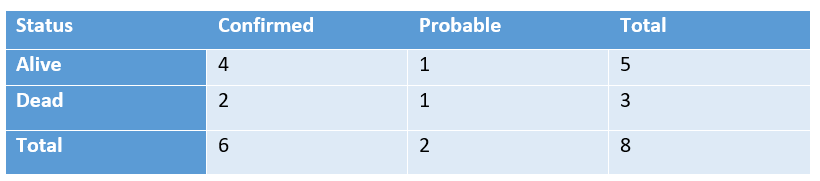
      Since the last Disease Outbreak News was published on 4 May, three of the suspected cases were confirmed, and one additional confirmed case was reported. As of 8 May, a total of eight cases (six confirmed and two probable cases), including three deaths (two confirmed and one probable), case fatality ratio 38%, have been reported. All six laboratory-confirmed cases were identified as Andes virus through virus specific polymerase chain reaction (PCR) or sequencing.

      Two medical evacuation flights, from Cabo Verde, carrying two symptomatic confirmed patients and one previously suspected case landed in the Netherlands on 6 and 7 May. As of 8 May, four patients are currently hospitalised, one in intensive care in Johannesburg, South Africa, two in different hospitals in the Netherlands and the other in Zurich, Switzerland. The previously suspected case was transferred directly to Germany, where she was tested, and both PCR and serology tests were negative for Andes virus, she is therefore no longer considered to be a case.

      Contact tracing of passengers who disembarked in St Helena is ongoing; passengers have been contacted and advised to self-monitor for symptoms. Additionally, passengers who travelled on the same flight from St Helena to South Africa with one of the cases who was subsequently confirmed, have been contacted.

      On 6 May, the ship left Cabo Verde, heading to the Canary Islands, Spain where disembarkation is planned.

      Further investigations into the potential exposure of the first case and the source of the outbreak are ongoing in collaboration with authorities in Argentina and Chile. The outbreak is being managed through a coordinated international response, including in-depth epidemiological investigations, case isolation and clinical management, medical evacuations, laboratory testing and international contact tracing and monitoring.

      Summary of confirmed and probable cases:

      Case 1: An adult male who boarded the ship on 1 April, after more than three months of travel in Argentina, Chile, and Uruguay. Developed symptoms on 6 April and died onboard on 11 April. No microbiological tests were performed. He is considered a probable case.

      Case 2: An adult female, who was a close contact of case 1, who travelled and boarded the ship with him, went ashore at Saint Helena on 24 April with gastrointestinal symptoms. She subsequently deteriorated on a flight to Johannesburg, South Africa, on 25 April. She died on 26 April in a Johannesburg clinic. On 4 May, she was subsequently confirmed by PCR testing with hantavirus infection.

      Case 3: An adult male who developed symptoms on 24 April. He was disembarked and medically evacuated from Ascension Island on 27 April and is currently hospitalised in an Intensive Care Unit (ICU) in Johannesburg, South Africa. PCR testing confirmed hantavirus infection on 2 May, and Andes virus was confirmed through sequencing.

      Case 4: An adult female, with onset of symptoms (fever and general malaise) on 28 April, later presenting with pneumonia, died on 2 May. A post-mortem sample was collected and sent to the Netherlands with the evacuated patients, where it was confirmed to be Andes virus.

      Case 5: An adult male, working as the ship doctor, reported onset of symptoms on 30 April, including fever, fatigue, muscle pain, and mild respiratory symptoms. His samples confirmed PCR positivity for Andes virus on 6 May. The case was medically evacuated to the Netherlands on 6 May and is currently stable in isolation.

      Case 6: An adult male, working as a ship guide. Onset of symptoms was reported on 27 April with mild respiratory and gastrointestinal symptoms. Laboratory samples confirmed PCR positivity for Andes virus on 6 May. The case was medically evacuated to the Netherlands on 7 May and is currently stable in isolation.

      Case 7: An adult male, who disembarked in St Helena on 22 April and flew back to Switzerland on 27-28 April, through South Africa and Qatar. He started experiencing symptoms on 1 May after arrival in Switzerland, where he immediately self-isolated and reported to local public health authorities. He is currently hospitalised and in isolation in Switzerland. His samples confirmed PCR positivity for Andes virus on 5 May.[1]

      Case 8: An adult male, who disembarked in Tristan da Cunha on 14 April. Onset of symptoms was reported on 28 April with diarrhoea and two days later with fever. He is currently stable and in isolation. He is currently a probable case until laboratory confirmation.

      One case previously reported as suspected has now been reclassified as a non-case after testing negative for Andes virus through PCR and serology. Nevetheless, monitoring continues until the end of their incubation period from last exposure.

      Table 1. Distribution of reported Andes hantavirus cases by case status and outcome, as of 8 May 2026

      Hantavirus_table

      Operational outbreak case definitions


      Suspected case: anyone who shared or visited a conveyance where there has been a confirmed or probable ANDV case AND with acute (or history of) symptoms compatible with ANDV infection, including fever (38°C or above), myalgia, chills, acute gastrointestinal (e.g. nausea, vomiting, diarrhoea, abdominal pain) or acute respiratory (e.g. cough, shortness of breath, chest pain, difficulty breathing) symptoms.


      Probable case: a person with signs and symptoms of a suspected case that has been evaluated by a health professional AND a known epidemiological link with a confirmed or probable ANDV case AND for which laboratory results have not been conducted.


      Confirmed case: a person with laboratory confirmation of ANDV through RT-PCR or serology testing.


      Non-case*: a suspected or probable case who tests negative for ANDV by RT-PCR or serology.

      *Non-cases who develop symptoms compatible with the suspected case definition after a negative test and within the maximum incubation period after last exposure to a probable or confirmed case should be retested and reclassified as appropriate.


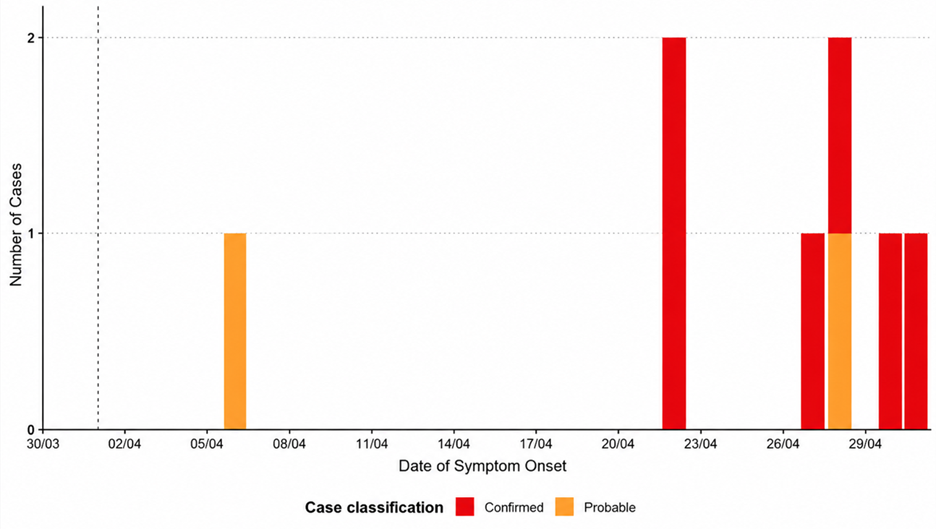
      Figure 1. Epidemiological curve of Andes hantavirus cases reported to WHO as of 8 May 2026, 17:00.

      Hantavirus _Epi curve 2026

      Based on currently available information, the working hypothesis is that case 1 most probably acquired the infection prior to boarding through environmental exposure during activities he conducted in Argentina and Chile. Investigations are ongoing to assess the full itinerary of his activities and possible exposure factors. Current evidence points to subsequent human-to-human transmission onboard (Figure 1), given documented epidemiological links of some of the subsequent cases with case 1 during his illness, and the timing of their symptom onset, which clusters around the most likely incubation periods previously documented for ANDV. However, ongoing epidemiological and sequencing investigations will help better understand the epidemiological links between cases and their most likely exposure.

      Epidemiology


      Hantavirus cardiopulmonary syndrome (HCPS), also known as hantavirus pulmonary syndrome (HPS), is a zoonotic, viral respiratory disease caused by hantaviruses of the genus Orthohantavirus, family Hantaviridae, order Bunyavirales. More than 20 viral species have been identified within this genus. In the Americas, Sin Nombre virus is the predominant cause of HPS in North America, while Orthohantavirus andesense is responsible for most cases in South America.

      Hantaviruses found in Europe and Asia are known to cause haemorrhagic fever with renal syndrome (HFRS), which primarily affects the kidneys and blood vessels. Human-to-human transmission has not been documented in this part of the world.

      Human Hantavirus infection is primarily acquired through contact with the urine, faeces, or saliva of infected rodents or by touching contaminated surfaces. Exposure typically occurs during activities such as cleaning buildings with rodent infestations, though it may also occur during routine activities in heavily infested areas. Human cases are most commonly reported in rural settings, such as forests, fields, and farms, where rodents are present, and opportunities for exposure are greater. HPS is characterized by headache, dizziness, chills, fever, myalgia, and gastrointestinal symptoms, such as nausea, vomiting, diarrhoea, and abdominal pain, followed by sudden onset of respiratory distress and hypotension. Symptoms of HPS typically occur from 1-6 weeks after initial exposure to the virus. However, symptoms may appear as early as one week and as late as eight weeks following exposure.

      Hantavirus infections are relatively uncommon globally. In 2025, in the Region of the Americas, eight countries reported 229 cases and 59 deaths with a CFR of 25.7%.[2] In the European Region, 1885 hantavirus infections were reported in 2023 (0.4 per 100 000), marking the lowest rate observed between 2019 and 2023.[3] In East Asia, particularly China and the Republic of Korea, hantavirus haemorrhagic fever with renal syndrome (HFRS) continues to account for many thousands of cases annually, although incidence has declined in recent decades.

      Hantavirus infections are associated with a case fatality rate of <1–15% in Asia and Europe and up to 50% in the Americas. While there are no licensed treatment nor vaccines for hantavirus infections, early supportive care and immediate referral to a facility with a complete ICU can improve survival.

      Environmental and ecological factors affecting rodent populations can influence disease trends seasonally. Since hantavirus reservoirs are sylvatic rodents, transmission can occur when people come into contact with rodent habitats.

      Although uncommon, limited human‑to‑human transmission of HPS due to Andes virus has been reported in community settings involving close and prolonged contact. Secondary infections among healthcare workers have been previously documented in healthcare facilities, though remain rare. Secondary transmission appears most likely during the early phase of illness, when the virus is more transmissible.[4] Currently, little evidence is available due to the scarcity of hantavirus outbreak related to human-to-human transmission.

      Public health response


      Authorities from States Parties involved in the management of the event to date – Argentina, Cabo Verde, Chile, Germany, the Netherlands, South Africa, Spain, Switzerland, and the United Kingdom – WHO, and partners have initiated coordinated response measures including:
      • Ongoing engagement between WHO and the National IHR Focal Points of Argentina, Cabo Verde, Chile, Germany, the Netherlands, South Africa, Spain, Switzerland and the United Kingdom, to ensure timely information sharing and coordination of response actions. International contact tracing involving partners is ongoing.
      • Passengers onboard have been advised to practice physical distancing and remain in their cabins where possible, while on the cruise ship.
      • One expert from WHO and one from the European Centre for Disease Prevention and Control (ECDC) are on board the ship for the provision of public health advice to passengers during the journey.
      • Epidemiological investigations are underway to determine the source of exposure.
      • WHO shared information about the event, technical guidance on the management of hantavirus on board the ship, a technical note for the disembarkation and onward management of passengers and crew, information on the management of contacts of Andes virus cases, its rapid risk assessment of the associated public health risk, case investigation forms and details on primers and probes for Andes virus detection with National IHR Focal Points globally through its secure Event Information Site for IHR NFPs to support States Parties in responding to the event.
      • The National IHR Focal Points of countries with cases have shared passenger and crew lists with the National IHR Focal Points of the respective countries, according to each person’s nationality. IHR NFP international contact tracing efforts are ongoing for conveyances.
      • The National IHR Focal Point of Argentina requested information, which has been provided, on the first two cases to reconstruct their travel itinerary in the Southern Cone subregion of the Americas and assess any potential exposure to hantavirus.
      • In line with the Working Arrangement between the WHO Emergency Medical Team (EMT) Secretariat and the EU Emergency Response Coordination Centre (ERCC), the EMT Secretariat has launched formal discussions to support the clinical management and medical evacuation of symptomatic passengers. EU Health Task Force (EUHTF) has also been activated for support.
      • Logistic support has been provided, including sample collection items. WHO supported the shipment of samples to the Institut Pasteur de Dakar, Senegal.
      • Laboratory testing and confirmation of hantavirus infection have been conducted at the National Institute for Communicable Diseases (NICD) of South Africa. Identification of Andes virus was performed through genomic sequencing at NICD and virus-specific PCR at Geneva University Hospitals, Switzerland.
      • WHO supported collaboration across laboratories to ensure further timely testing, involving laboratories in Senegal, the United Kingdom, the Netherlands and Argentina. Further testing is currently on-going including serology, sequencing and metagenomics.
      • WHO has developed guidance documents in support of countries affected by the event, including covering management of the event on the ship, investigation of cases, disembarkation and management of returning passengers and crew members.
      • Risk communication coordination and support are being provided to ensure sharing of regular, timely and evidence-based information. WHO has activated three-level coordination and is supporting national authorities in implementing risk-based, evidence-informed public health measures in accordance with the provisions of the IHR and related WHO technical guidance documents.
      WHO risk assessment


      WHO currently assesses the public health risk related to the cruise ship as moderate, and at the Global level as low for the following reasons:
      • The disease can have a high case fatality ratio, reaching 40-50%, particularly among elderly individuals and those with co-morbidities. The average age of passengers on board the ship is 65 years old.
      • Andes virus has demonstrated limited human-to-human transmission in previous outbreaks, typically occurring among close contacts and within household settings, generally requiring prolonged close exposure. Transmission can usually be contained through early detection, isolation of cases, clinical management, and contact tracing. However, the ship environment presents an increased risk due to close living quarters, shared indoor spaces, prolonged exposure, and frequent interpersonal interactions, all of which may facilitate transmission.
      • Investigations on the travel history and potential exposures of the first case in the Southern Cone subregion of the Americas are ongoing and suggest possible exposure to rodents during bird watching activities. Viral sequencing analyses are also ongoing and will compare the ANDV strain associated with this outbreak with strains circulating in Argentina, Chile and Uruguay, where the disease is enzootic.
      • Additional cases may occur among individuals exposed before implementation of containment measures. However, the current response, including rapid isolation of any new suspect cases and the monitoring of contacts, is expected to limit the risk of further spread.
      • As there is no specific antiviral treatment for HPS, suspected cases require prompt transfer to an adequately equipped emergency department or intensive care unit, where available, for close monitoring and supportive management to improve chances of recovery. Consequently, rapid transfer to a mainland healthcare facility is required, which may be challenging under the current conditions.

      More detailed epidemiological, clinical and laboratory investigations are required to inform further iterations of this risk assessment.

      WHO advice


      WHO advises that States Parties involved in this event continue public health coordination and management efforts on board conveyances and in countries where cases and/or contacts are present or will be returning to.

      This includes contact tracing and monitoring detection, investigation, reporting of suspected cases, laboratory testing of suspected cases, case management, infection prevention and control measures, and clear and transparent communication to affected individuals and the general public.

      In the context of the current outbreak, people on board the affected ship and flights should practice frequent hand hygiene, monitor any early symptoms, including headache, dizziness, chills, fever, myalgia, and gastrointestinal problems, such as nausea, vomiting, diarrhoea, and abdominal pain, for 42 days after last potential exposure. Should any early symptoms or sudden onset of respiratory distress occur, people should immediately inform health authorities and self-isolate until medical evaluation is conducted. If respiratory symptoms are present, people should practice respiratory etiquette and wear a medical mask.

      A precautionary approach should be applied to contact identification, classification, tracing and follow-up, particularly for persons exposed on board of the ship or during travel. Contacts should be classified according to exposure risk, considering the intensity and duration of exposure, proximity to the case, exposure to enclosed or shared spaces, and use of personal protective equipment.

      High-risk contacts may include cabin mates, intimate partners, persons with prolonged close indoor exposure, healthcare workers with unprotected exposure, and individuals handling contaminated materials or body fluids without appropriate personal protective equipment.

      High-risk contacts should undergo active symptom monitoring by a local public health authority for 42 days following the last exposure, while low-risk contacts should undertake passive self-monitoring and seek medical evaluation if symptoms occur. Contact investigations should use available information sources, including interviews, passenger manifests, seating arrangements and activity logs, to improve completeness of contact identification. Current evidence does not support usefulness of routine laboratory testing or quarantine of asymptomatic contacts.

      Early recognition of suspected cases, prompt isolation, and consistent adherence to recommended infection prevention and control measures remain essential to protect healthcare personnel, other passengers and crew members.

      In healthcare environments, standard precautions* should be applied for all patients, including hand hygiene, environmental cleaning and waste management. In addition to standard precautions, transmission-based precautions should be implemented for management of suspect or confirmed cases. For aerosol-generating procedures, airborne precautions should be used. [5]

      When HPS is suspected, patients should be promptly transferred to an emergency department or intensive care unit for close monitoring and supportive management.

      Initial management should include supportive care with antipyretics and analgesics as needed. For confirmed hantavirus, antibiotics are not routinely indicated. However, before a definitive diagnosis is established (and bacterial infection is a diagnostic possibility), or if superadded bacterial infection is suspected, empiric broad-spectrum antibiotics may be appropriate. Clinical management relies primarily on careful fluid administration, hemodynamic monitoring, and respiratory support. Given the rapid progression of HCPS, close monitoring and early transfer to ICU are critical for more severe cases. Mechanical ventilation, meticulous volume control, and vasopressors may be required. For severe cardiopulmonary insufficiency, extracorporeal mechanical oxygenation may be lifesaving. In severe cases of renal dysfunction, dialysis may be required.

      Although ribavirin has shown efficacy against hantavirus haemorrhagic fever with renal syndrome, it has not demonstrated effectiveness for HCPS and is not licensed for either treatment or prophylaxis of hantavirus pulmonary syndrome. At present, there is no specific antiviral treatment approved for HCPS; a number of existing drugs have antiviral activity in laboratory studies but not yet demonstrated in human disease.

      Public health awareness efforts should focus on improving early detection, ensuring timely treatment, and reducing exposure risks. Preventive measures should address occupational and ecotourism-related exposures, emphasize infection prevention and control measures, and include rodent control strategies. Most routine tourism activities carry little or no risk of exposure to rodents or their excreta.

      Risk communication and community engagement (RCCE) interventions should prioritize transparent, timely, and culturally appropriate communications to raise awareness of hantavirus transmission risks—particularly. RCCE strategies should support coordinated, timely and aligned evidence based information to ensure concerned people receive clear, consistent and actionable information and explanations of the public health measures. Operational measures should integrate RCCE activities through the whole event. The implementation of integrated environmental management strategies aimed at reducing rodent populations is also recommended.

      *Standard precautions refer to a set of practices that are applied to the care of patients, regardless of the state of infection (suspicion or confirmation), in any place where health services are provided. These practices aim to protect both healthcare professionals and patients and include hand hygiene, use of personal protective equipment, respiratory hygiene and cough etiquette, safe handling of sharps materials, safe injection practices, use of sterile instruments and equipment and cleaning of hospital environments and the environment. Adapted from “Standard precautions for the prevention and control of infections: aide-memoire”- WHO, 2022. Available at https://www.who.int/publications/i/i...IHS-IPC-2022.1

      WHO advises against the application of any travel or trade restrictions based on the current information available on this event.​
      ...

      On 2 May 2026, a cluster of passengers with severe respiratory illness aboard a cruise ship was reported to the World Health Organization (WHO). At that time, according to the ship operator, 147 passengers and crew were onboard, and 34 passengers and crew had previously disembarked. Since the last Disease Outbreak News published on 4 May, three of the suspected cases were confirmed, and one additional confirmed case was reported. As of 8 May, a total of eight cases, including three deaths (case fatality ratio 38%), have been reported. Six cases have been laboratory-confirmed as hantavirus infections, with all identified as Andes virus (ANDV). Through the International Health Regulations (2005) (IHR) channel, National IHR Focal Points (NFPs) have all been informed and are supporting international contact tracing. WHO assesses the risk to the global population posed by this event as low and will continue to monitor the epidemiological situation and update the risk assessment. The risk for passengers and crew on the ship is considered moderate.

      Comment


      • From:
        "Media (CDC)" <sohco@CDC.GOV>
        To: <MMWR-MEDIA@LISTSERV.CDC.GOV>
        Subject: Statement on the M/V Hondius Cruise Ship
        Date: May 8, 2026 7:28 PM​


        Media Statement


        For Immediate Release


        Friday, May 8, 2026


        Contact: CDC Media Relations

        (404) 639-3286


        CDC Provides Update on Hantavirus Outbreak Linked to M/V Hondius Cruise Ship


        The U.S. government is actively monitoring and responding to a hantavirus outbreak linked to the M/V Hondius cruise ship. At this time, the risk to the American public remains extremely low.
        CDC developed health guidance for impacted American passengers, which was delivered by the U.S. Department of State. CDC's premier infectious disease experts are continuing to work closely with international partners to develop consistent monitoring guidance. This guidance will be distributed today, in addition to resources targeted for state and local health departments.
        The U.S. government's top priority is the safe repatriation of American passengers. These individuals are planned to be evacuated on a U.S. government medical repatriation flight to Offutt Air Force Base in Omaha, Nebraska, where they will be transported to the National Quarantine Center at the University of Nebraska, Omaha.
        The CDC deployed a team of epidemiologists and medical professionals to the Canary Islands, where the M/V Hondius is expected to dock. The team will conduct an exposure risk assessment for each American passenger and provide recommendations for the level of monitoring required. An additional CDC team will deploy to Offutt AFB to support public health assessment of returning passengers.
        https://www.cdc.gov/hantavirus/about/index.html
        https://www.cdc.gov/hantavirus/about/andesvirus.html


        Comment


        • Click image for larger version  Name:	image.png Views:	3 Size:	7.4 KB ID:	1034387

          Nebraska Medicine/UNMC asked to monitor U.S. citizens from cruise ship hantavirus outbreak


          May 8, 2026

          Nebraska Medicine and the University of Nebraska Medical Center have been asked by federal partners to receive and monitor U.S. citizens from the cruise ship associated with a hantavirus outbreak. These individuals will be observed in the National Quarantine Unit, located on the campus of Nebraska Medical Center and UNMC. Nebraska Medicine and UNMC are working closely with the Douglas County Health Department, Nebraska Department of Health and Human Services, and federal health partners to coordinate the effort.

          The National Quarantine Unit is the only federally funded quarantine unit in the United States, designed specifically to safely house and monitor people who may have been exposed to high-consequence infectious diseases.

          “We are prepared for situations exactly like this,” said Michael Ash, MD, CEO of Nebraska Medicine. “Our teams have trained for decades alongside federal and state partners to make sure we can safely provide care while protecting our staff and the broader community. We are proud to support this national effort.”

          At this time, the individuals being monitored are well with no symptoms of illness. The quarantine process allows for careful observation during the incubation period of the virus while eliminating any potential risk of spread.

          “This request reflects the longstanding partnership between the University of Nebraska Medical Center and federal health agencies, as well as the trust placed in our teams,” said H. Dele Davies, MD, interim chancellor of UNMC. “For decades, we have invested in the people, facilities and training needed to respond to emerging infectious diseases, and we stand ready to support this effort while continuing to prioritize safety.”

          Nebraska Medical Center also is home to the Nebraska Biocontainment Unit, a highly specialized facility designed to care for patients with high-consequence infectious diseases. Should anyone develop symptoms, they can be safely treated in this unit.

          “Our role is to provide a controlled, safe environment where people can be monitored and, if needed, cared for using the highest safety standards,” said John Lowe, PhD, director of the Global Center for Health Security. “We work closely with national partners to ensure every step, from transport, to monitoring, to potential treatment, is handled with precision and care.”

          The World Health Organization has identified the hantavirus strain that impacted the cruise ship as Andes virus, which is rare, but can be transmitted from person to person. This spread is usually limited to people who have close contact with the infected person. WHO currently assesses the risk to the global population from this event as low and continues to monitor the situation.

          Nebraska Medicine and UNMC have a long history of responding to global infectious disease threats. The organization safely treated patients during the 2014 Ebola outbreak and cared for some of the first Americans diagnosed with COVID-19 in 2020.

          “We understand situations like this can raise questions,” Dr. Ash said. “People should know these facilities were specifically designed to prevent exposure to the public. There is no risk to the community from people being cared for in these units.”

          “Nebraska has a proud tradition of stepping up for our fellow Americans in moments of need, and we are fully committed to support our federal, state and local partners in this mission,” said Gov. Jim Pillen. “Nebraska is the world leader in dealing with infectious disease, our professionals in this field at the State and at the University of Nebraska Medical Center will ensure the safe quarantine of these Americans. Our state public health team is fully engaged with our federal and University partners, and my office is in constant touch with President Trump, Secretary Kennedy, and their teams."

          “We are honored to once more serve fellow Americans with the world class resources of UNMC and Nebraska Medicine,” said Jeffrey P. Gold, MD, president of the University of Nebraska. “Our extensive experience with high consequence infectious diseases over the past decade is the foundation of confidence in our willingness to once more provide these critical services to the nation.”

          Nebraska Medicine will continue to coordinate with federal, state and local public health partners and will provide updates as appropriate.

          About the National Quarantine Unit


          The NQU inside the Dr. Edwin G. & Dorothy Balbach Davis Global Center, is the only federally funded resource of its kind. It is specifically designed to provide first-class quarantine and isolation care to individuals exposed to highly hazardous communicable diseases. Its 20 rooms employ individual negative air pressure systems, are single occupancy with en suite bathroom facilities and contain exercise equipment and Wifi connectivity for patients requiring longer stays.

          The NQU's all-volunteer team is comprised of highly skilled nurses, physicians and allied health professionals who complete quarterly training in specialized infection prevention and control processes as well as participate in exercises and drills. They are committed to maintaining the advanced skills necessary for attending to the unique needs of individuals requiring monitoring.

          About the Nebraska Biocontainment Unit

          The Nebraska Biocontainment Unit was dedicated in 2005. The NBU is a collaborative project involving Nebraska Medicine and the University of Nebraska Medical Center. In addition to providing medical care for patients with high consequence infectious diseases, the unit has active research and outreach training programs for the region and nation. It is funded by HHS ASPR and is a Level 1 Special Pathogen Treatment Center which undergoes annual readiness assessments. Unit personnel consist of a voluntary staff of select physicians, nursing, nursing assistants and respiratory therapists specially trained in high-level isolation and bio preparedness.

          The NBU was activated in the fall of 2014 to receive U.S. citizens with Ebola virus disease medically evacuated from Africa. The outstanding staff received numerous awards for its courageous and extraordinary level of care including recognition from the White House, the Nebraska Legislature and the University of Nebraska Board of Regents. In addition, they were honored as "Midlanders of the Year" by the Omaha World-Herald. In 2020, the NBU and NQU were again activated for the care and management of U.S. citizens from Wuhan, China, and the Diamond Princess Cruise ship for COVID-19.

          Visit our Hantavirus Information page for the latest updates, monitoring information, FAQs and guidance from Nebraska Medicine and UNMC experts.


          Nebraska Medicine and the University of Nebraska Medical Center have been asked by federal partners to receive and monitor U.S. citizens from the cruise ship associated with a hantavirus outbreak. These individuals will be observed in the National Quarantine Unit, located on the campus of Nebraska Medical Center and UNMC.

          Comment


          • En dansk statsborger, der har opholdt sig på samme fly som en person smittet med hantavirus, er blevet testet negativ for hantavirus.


            Update by National Serum Institute May 8, 2026 (at 22:30 /10:30PM)

            Danes' test for hantavirus is negative

            ​​​​​​A Danish citizen who was on the same flight as a person infected with hantavirus has tested negative for hantavirus.
            Last edited on May 8, 2022​

            Statens Serum Institut (SSI) has analyzed samples from a Danish citizen who was
            on the same flight as a now deceased Dutch citizen who was infected with hantavirus and who had previously been on board the cruise ship MV Hondius.
            SSI can now conclude that the Dane's test results for hantavirus are negative, and a normally circulating cold virus has been detected in material from the respiratory tract.
            Thus, hantavirus has not been detected in the person in question.

            "We received the sample around 3 pm on Friday afternoon and had a response about six hours later. The process reflects both a rapid laboratory response and close collaboration between SSI, the Danish Patient Safety Agency, the Danish Health Authority and the regions," says Uffe Vest Schneider, Head of Department for Virology and Microbiological Preparedness at SSI.
            The sample has been analyzed with several molecular tests (PCR), which can detect genetic material from viruses, and the result is considered reliable.
            The Danish Patient Safety Agency is in contact with the person who is in isolation.

            A total of two Danish citizens have been exposed to possible infection in connection with the cruise ship MV Hondius, and the Danish Patient Safety Agency
            is following both of these individuals.

            SSI continues to monitor developments and is in regular contact with relevant national and international authorities.

            Hantavirus is a group of viruses that are primarily transmitted from rodents to humans, typically through inhalation of dust from feces. The disease often causes flu-like symptoms, but in some cases can develop into a serious illness affecting the lungs and kidneys. In rare cases, certain variants – including the Andean virus from South America, which is involved in the current outbreak – can be transmitted from person to person.​

            Comment


            • CDC HAN #00528: 2026 Multi-country Hantavirus Cluster Linked to Cruise Ship


              WHO Epi Chart of Probable & Confirmed Cases

              #19,151

              While it remains to be seen whether the hantavirus outbreak aboard the m/v Hondius has `legs' , overnight the CDC published its first HAN advisory on the outbreak.

              The CDC’s Health Alert Network (HAN) is designed to ensure that communities, agencies, health care professionals, and the general public are able to receive timely information on important public health issues.


              Given the extended incubation period, and the co-circulation of other respiratory and gastrointestinal illness this time of year, we are likely to hear of a lot of `suspected' cases in the days and weeks ahead.

              While most will probably turn out to be false alarms, it is imperative that physicians maintain a high index of suspicion when dealing with epidemiologically linked patients.


              While primarily of interest to clinicians, I've reproduced the CDC HAN below. Follow the link for references.
              2026 Multi-country Hantavirus Cluster Linked to Cruise Ship
              May 8, 2026

              Distributed via the CDC Health Alert Network
              May 8, 2026
              CDCHAN-00528

              Summary

              The Centers for Disease Control and Prevention (CDC) is issuing this Health Alert Network (HAN) Health Advisory to inform clinicians and health departments about a new cluster of hantavirus disease cases caused by infection with Andes virus. Hantavirus disease can cause severe illness and can be fatal. Clinicians should be aware of the potential for imported cases, although the risk of broad spread to the United States is considered extremely unlikely at this time. As a precaution, this Health Advisory summarizes CDC's recommendations for U.S. public health departments, clinical laboratories, and healthcare workers about hantavirus disease case identification, testing, and biosafety considerations in clinical laboratories.

              Background

              On May 2, 2026, the World Health Organization (WHO) was notified of a cluster of severe acute respiratory illness (SARI) among passengers and crew of a cruise ship in the Atlantic Ocean. The cluster included two deaths and one critically ill passenger, whose laboratory tests confirmed hantavirus. On May 6, 2026, WHO confirmed that the type of hantavirus responsible for this outbreak is the Andes virus. As of May 8, 2026, WHO has reported eight cases (six confirmed and two suspected), including three deaths. Investigations are ongoing to assess exposure risk of all Americans passengers on the cruise ship or who may have been exposed to an infected cruise ship passenger on an aircraft.

              The cruise ship departed from Ushuaia, Argentina, on April 1, 2026, and traveled across the South Atlantic Ocean, stopping at several remote locations, including Antarctica, South Georgia Island, Tristan da Cunha, Saint Helena, and Ascension Island. It carried 147 people (86 passengers and 61 crew) from 23 different countries. The extent of their contact with wildlife before or during the expedition is unknown.

              CDC is working with partners (federal government, state and local and international) on safely repatriating American passengers from the cruise ship to a facility in Nebraska with specialized medical capabilities. On May 7, 2026, CDC sent a team to meet the cruise ship in the Canary Islands, Spain following travel from Cape Verde, South Africa. The team is prepared to assess exposure risk among U.S. passengers and determine appropriate monitoring measures.

              CDC is also coordinating with international partners to align public health guidance and has already issued health guidance to affected Americans via the State Department. The risk to the public's health in theUnited States is considered extremely low at this time. As a precaution, CDC is working to increase awareness of the outbreak among travelers, public health agencies, laboratories, and healthcare professionals nationwide.

              Hantavirus pulmonary syndrome

              Hantaviruses are a group of viruses that can cause severe illness and death. They are most commonly transmitted (spread) to humans through contact with infected rodents (e.g., urine, droppings, saliva). Rarely, infection can occur from rodent bites or scratches. From 1993 through 2023, a total of 890 laboratory-confirmed
              cases of hantavirus were reported in the United States.

              In the Americas, hantaviruses can cause hantavirus pulmonary syndrome (HPS), a severe and potentially deadly disease that affects the lungs. HPS can be life-threatening. Among patients who have severe respiratory symptoms, the case fatality rate has been estimated at approximately 38%.

              Andes virus, confirmed as the cause of this hantavirus outbreak, is the only type of hantavirus that has been documented to spread from person-to-person. Although rare, spread between people has typically required close, prolonged contact with a symptomatic person. This could include direct physical contact, prolonged time spent in close or enclosed spaces, and exposure to the infected person's saliva, respiratory secretions, or other body fluids (e.g., kissing, sharing utensils, handling contaminated bedding).

              Symptoms of HPS caused by Andes virus usually appear within 4-42 days after exposure. Early symptoms can include fever, fatigue, and muscle aches, especially in large muscle groups like the thighs, hips, back, or shoulders. Early symptoms such as fever, headache, muscle aches, nausea, and fatigue can be easily confused with influenza or other viral illnesses. About half of all HPS patients have experienced headaches, dizziness, chills, and gastrointestinal symptoms, including nausea, vomiting, diarrhea, and abdominal pain. Late symptoms of HPS appear approximately 4-10 days after the initial phase of illness and can include coughing, shortness of breath, and chest tightness Individuals are generally only infectious while symptomatic.

              Early diagnosis of HPS can be difficult, especially within the first 72 hours of symptoms, before the virus can be accurately detected in body secretions and excretions. Repeat diagnostic testing is often done 72 hours after symptom onset. CLIA assays for detection of New World hantavirus IgM and IgG antibodies are available at CDC, some state public health laboratories, and Quest Diagnostics.

              For questions or concerns about submitting a specimen, please contact your 
              state or local health department or CDC's Emergency Operations Center at 770-488-7100.

              No specific treatment is recommended for hantavirus infection; early supportive care is critical even before the diagnosis is confirmed. Patients with suspected HPS can deteriorate rapidly, and delayed care reduces the chance of survival. In severe cases, extra-corporeal membrane oxygenation (ECMO) can significantly improve survival (up to ~80%) if started early. Usually, the critical phase of disease is fairly short, and survivors can recover quickly.

              Recommendations for Healthcare Providers
                • In healthcare settings, for patients with suspected or confirmed Andes virus infection, CDC recommends patient placement in an airborne infection isolation room and the use of a gown, gloves, eye protection, and an N95 or higher-level respirator when entering the patient's room.
              • Include HPS in the differential diagnosis for an ill person who has compatible symptoms AND who has reported epidemiological risk factors, including at least one of the following, within the 42 days before symptoms onset:
                • Had direct physical contact, or spent time in close or enclosed spaces, with a symptomatic person with confirmed or suspected Andes virus infection or with any objects contaminated by their body fluids.
                • Had exposure to an infected person's saliva, respiratory secretions, or other body fluids (e.g., kissing, sharing utensils, handling contaminated bedding).
                • Experienced a breach in infection prevention and control precautions that resulted in potential contact with body fluids of a patient with suspected or confirmed Andes virus infection.
              • Consider and perform diagnostic testing for more common illnesses as well, such as COVID-19, influenza, and other common causes of gastrointestinal and febrile illnesses in an acutely ill patient with epidemiological risk factors and compatible symptoms.

              For More Information

              General Resources


              ​,
              CDC HAN #00528: 2026 Multi-country Hantavirus Cluster Linked to Cruise Ship

              All medical discussions are for educational purposes. I am not a doctor, just a retired paramedic. Nothing I post should be construed as specific medical advice. If you have a medical problem, see your physician.

              Comment


              • This relates to posts #93, 95, and 103 shared by Commonground and Sharon

                Spain - Minister of Health on X:

                ​(screenshots)


                Click image for larger version

Name:	image.png
Views:	597
Size:	56.1 KB
ID:	1034423
                8:19 AM · May 8, 2026
                --------------------------------------------------------------------------------------------------
                Click image for larger version

Name:	image.png
Views:	581
Size:	36.6 KB
ID:	1034424
                1:17 PM · May 8, 2026
                ----------------------------------------------------------------------------------------​

                Translation Google

                The woman admitted to a hospital in Alicante with suspected hantavirus continues to have a cough and mild symptoms.

                Published: 09/05/2026 13:44
                Updated: 09/05/2026 · 13:48

                ALICANTE (EFE). The first person hospitalized in Spain with suspected hantavirus, a 32-year-old woman, remains hospitalized at the San Juan University Hospital in Alicante with mild symptoms and episodes of coughing.

                Health sources informed EFE this Saturday that the woman is still in the same negative-pressure isolation room in the Pulmonology ward since she arrived from her home on Friday.

                She is awaiting the results of the hantavirus PCR test sent to the National Microbiology Center in Madrid, where it arrived early Saturday morning.

                The woman resides in Playa de San Juan, Alicante, and is being monitored after presenting mild symptoms following her travel on the same plane that evacuated a Dutch woman who had traveled on the MV Hondius cruise ship and who later became the first person to die from hantavirus.

                The results of the hantavirus PCR test are expected to be available within 24 to 48 hours, starting at 3:00 AM this Saturday . According to the health protocol, if the result is negative, the same test will be repeated after 24 hours to avoid a false negative.

                If the second PCR test is also negative, the patient will be considered a contact in quarantine and will be transferred to the Gómez Ulla Hospital in Madrid.

                If the PCR test is positive, the woman will be transferred to the High-Level Isolation and Treatment Unit at La Fe Hospital in Valencia .


                Comment


                • Click image for larger version

Name:	image.png
Views:	576
Size:	8.2 KB
ID:	1034427
                  ...​Click image for larger version

Name:	image.png
Views:	590
Size:	567.6 KB
ID:	10344267:04 AM · May 9, 2026

                  Comment


                  • Translation Google

                    Hantavirus: A crew member of the "Honduus" is Swiss

                    Keystone-SDA

                    A Swiss crew member is on board the cruise ship "Honduus," which has been affected by a hantavirus outbreak. He is asymptomatic but is considered a contact case, the director of the Federal Office of Public Health (FOPH) told Swiss German radio SRF.

                    This content was published on May 9, 2026 - 2:57 PM

                    (Keystone-ATS) This man had been in contact with infected individuals on board. He is still on the ship in question. "Fortunately, he is doing well," added Anne Lévy, director of the Federal Office of Public Health (FOPH). The responsibility now lies with the World Health Organization (WHO). As soon as the ship arrives on the island of Tenerife, the WHO will decide on the next steps for the patients, explained Ms. Lévy.

                    The operator Oceanwide Expeditions stated that currently, no one on board the Hondius is exhibiting symptoms. According to the operator, the cruise ship is scheduled to arrive Sunday morning at the port of Granadilla, Tenerife.

                    Once the ship docks in the port of this Spanish island off the west coast of Africa, medical measures and the potential return of passengers will be the responsibility of the authorities. The ship left Cape Verde on Wednesday evening bound for the Canary Islands. The Hondius had originally begun its voyage in early April in southern Argentina.

                    In an update published Friday evening, the WHO reported six confirmed cases of hantavirus and two suspected cases. Three of these eight people have died. They are an elderly couple from the Netherlands and a woman from Germany.

                    A Swiss patient hospitalized

                    The Swiss patient who contracted hantavirus aboard the Hondius remains at the University Hospital of Zurich (USZ). The Federal Office of Public Health (FOPH) is in contact with him and his condition is good, Ms. Lévy added.


                    According to the Federal Office of Public Health (FOPH), his wife remains in self-isolation at home as a precaution. The couple had already left the cruise ship at the end of April and returned to Switzerland. Subsequently, the man developed symptoms.

                    A person residing in Geneva is also in home isolation. They took a flight from the island of Saint Helena to Johannesburg, South Africa, on which another seriously ill person was also traveling, the Federal Office of Public Health (FOPH) reported on Friday. The person quarantined in Geneva was not on board the cruise ship.

                    “I find it encouraging to see that people are demonstrating such strong individual responsibility,” Ms. Lévy emphasized regarding the self-isolation of those affected. The Federal Office of Public Health (FOPH) does not expect any new infections in Switzerland: “It takes a few days to determine whether someone is ill or not. Given that no one else has come forward so far, we are confident,” Ms. Lévy stated.

                    Un membre d'équipage suisse se trouve à bord du paquebot MV Hondius, touché par une épidémie d'hantavirus. Il ne présente aucun symptôme, mais est considéré comme un cas contact, a déclaré la directrice de l'OFSP à la radio alémanique SRF.

                    Comment


                    • Click image for larger version  Name:	image.png Views:	4 Size:	24.8 KB ID:	1034446

                      8 May 2026

                      End-of-Week 1 Update: Hantavirus Response and International Coordination – 8 May 2026


                      As we reach the end of the week, the St Helena Government (SHG) is providing a summary update on the hantavirus response. Whilst international efforts continue, we are highlighting the coordination between local and global health partners that has shaped the response to date.

                      The current international response was initiated by the early observations of officials in both St Helena and Ascension. Our local professionals worked quickly to alert health partners around the world, via colleagues at the United Kingdom Health Security Agency, of potential connections to deaths of passengers of the MV Hondius shortly after the vessel’s visit to St Helena.

                      Whilst the specific identification of the hantavirus was only confirmed following the World Health Organisation’s (WHO) formal declaration, this early communication helped international authorities begin the coordination and tracking efforts now fully underway.

                      Daily coordination and incident management meetings, hosted by UKHSA, are being attended by members of the Health & Social Care Portfolio to ensure the most robust, reliable and up to date information is provided to and from St Helena.

                      Local Preparedness and Medical Supplies

                      Whilst there remain no confirmed or suspected cases on St Helena, we continue to operate out of an abundance of caution. We can confirm that a shipment of additional medical supplies from the UK is on Ascension and due to arrive on the next Airlink flight, bolstering our local stocks to in the event of any potential developments.

                      Amongst this consignment are thermometers for those persons in isolation to measure their temperatures. This allows for precise daily temperature checks as part of our active monitoring by health officials.

                      Regional Update: Tristan da Cunha

                      We have been informed that, regrettably, an individual on Tristan da Cunha has been identified as a suspected case. The key point is that this gentleman was a passenger on the ship; all confirmed cases to date have been limited to passengers on MV Hondius who spent prolonged periods in close contact.

                      It is a positive sign that the individual has not entered the respiratory distress stage of the virus. We understand that he is currently stable, and SHG will receive a further update later today. We remain in close communication with our counterparts in Tristan da Cunha as they monitor the situation, and we wish this individual well, hoping for a full recovery.


                      Weekly Summary and Contact Tracing
                      • Case Status: Zero suspected cases of Andes hantavirus on St Helena.
                      • Contact Tracing: We have now advised 22 individuals to enter isolation on St Helena. There are 83 people in the lower risk category.
                      • Daily Updates: Official updates will continue to be issued daily on weekdays to keep the public informed. The next update is expected to be issued on Monday 11 May 2026.
                      • Radio talks: Radio talks with a Public Health professional and a senior government official will continue on Monday, Wednesday and Fridays and will continue until further notice.

                      Information and Guidance

                      The community is reminded that hantavirus does not spread through casual social contact and the risk to the general public remains low.

                      For further information and answers to frequently asked questions, please visit our dedicated Q&A page: www.sainthelena.gov.sh/documents/Hantavirus-QA-07.05.26.pdf. Enquiries can be emailed to communications@sainthelena.gov.sh

                      Anyone who has had direct contact with the MV Hondius and develops a fever or muscle aches is advised to call the Hantavirus Screening Line on 25949 for guidance before attending the hospital or a clinic.

                      We encourage the public to continue to utilise official SHG communications channels for informed updates and thank you for your continued support.

                      #StHelena #PublicHealth #GlobalHealth #TristanDaCunha #WHO

                      www.facebook.com/StHelenaGovt

                      As we reach the end of the week, the St Helena Government (SHG) is providing a summary update on the hantavirus response. Whilst international efforts continue, we are highlighting the coordination between local and global health partners that has shaped the response to date. The current international response was initiated by the early observations of […]

                      Comment


                      • Click image for larger version  Name:	image.png Views:	3 Size:	7.7 KB ID:	1034448
                        Rapid risk assessment: Hantavirus (Andes virus) outbreak on international cruise ship


                        Assessment completed: May 8, 2026 (based on information available up to May 7, 2026)

                        On this pageReason for the assessment


                        Canadian travellers have been identified as passengers on the MV Hondius cruise ship where there is an Andes virus (ANDV) outbreak and on flights carrying passengers infected with ANDV, a specific strain of hantavirus (see Event summary). This is the first documented ANDV outbreak in a cruise ship setting.Footnote1 There is a need to identify and inform appropriate public health actions, including border measures, contact tracing, and risk communication. ANDV is not endemic to Canada and is epidemiologically distinct from the hantavirus strain endemic in Canada (the Sin Nombre virus).Footnote2

                        Risk question


                        What is the likelihood and impact of a traveller infected with ANDV in connection with the MV Hondius cruise ship outbreakFootnotea entering Canada within the next two weeks?

                        Risk statement


                        The overall risk of acquiring ANDV for the general population in connection with the ongoing cruise ship outbreak is low (moderate uncertainty), given that onward spread within Canada is not expected, even if an infected individual were to arrive in Canada.

                        The likelihood of importation of ANDV into Canada in the next two weeks is moderate (moderate uncertainty). Six Canadians were on the vessel when it departed Argentina and four remain on board. Additionally, a few Canadians were on flights carrying symptomatic individuals and may have been in close contact with those infected. The impact on those infected is expected to be major (low uncertainty) as ANDV illness often requires hospitalization and can result in death. If importation into Canada was to occur, the impact of ANDV on the general population in Canada would be minor (low uncertainty), given that close, prolonged contact is required for person-to-person spread of ANDV, making onward spread unlikely. However, exposure is more likely for close contacts of cases and health care workers not using sufficient personal protective equipment (PPE).

                        These risk levels could change if evidence were to emerge suggesting that person-to-person transmission is occurring beyond close contacts.

                        Event summary (current situation as of May 7, 2026)


                        A cluster of Andes virus (ANDV) infections has been reported among passengers of the cruise ship MV Hondius. Eight cases have been reported, including three deaths and three hospitalizations. Five of the eight cases have been confirmed as hantavirus, and the other three are suspected. The MV Hondius was carrying 147 passengers and crew, 6 of whom were reported to be Canadian nationals. To date, all Canadians known to have been aboard the MV Hondius are asymptomatic. Canadians identified as vessel passengers (2), and a contact of a symptomatic individual on an aircraft (1) have returned home and have received guidance to self-quarantine and are being monitored by local authorities. On May 5th, a confirmed case disembarked the MV Hondius and travelled from the island of St. Helena to Johannesburg, South Africa, via commercial airplane and then spent a short period on a flight bound for The Netherlands; 6 Canadians were on one or the other flight but are not considered high-risk contacts. Exposures and modes of transmission between all 8 cases is currently unconfirmed; investigations are ongoing.

                        Considerations for pathogens with pandemic potential


                        At this time, ANDV is not considered to be a pathogen with pandemic potential. While person-to-person transmission of ANDV has been reported in the past, to date it has mainly been associated with close and prolonged contact and has not demonstrated the capacity for widespread prolonged transmission.Footnote3 Additionally, there is evidence from in vivo passage studies that ANDV has high genomic stability and does not mutate easily.Footnote4

                        Risk assessment details
                        Likelihood of importation into Canada: Moderate [Moderate]
                        • Person-to-person transmission of ANDV has only been documented following prolonged close contact.Footnote1Footnote3 The environment on a cruise ship and aircrafts creates a unique situation of increased exposure risk to passengers and crew, due to crowding in confined spaces.
                        • At this time, none of the remaining passengers on the MV Hondius are symptomatic, and operators of the ship have implemented a variety of infection prevention and control measures including disinfection of rooms and advising passengers to remain in their cabins where possible, wear medical masks when outside cabins, and practice maximal physical distancing. Medical assessment of all passengers and crew is being completed to assess individual risk of infection prior to disembarkation. Current containment measures, particularly rapid isolation of any new suspected cases, should limit the risk of further spread on the ship.
                        • None of the cases to date are Canadian.
                        • The three Canadians identified as MV Hondius passengers (2) or a contact of an infected individual (1) who have returned to Canada are currently asymptomatic, have been guided by their home jurisdictions to self-quarantine, and will continue to be monitored for any changes.
                        • The incubation period of ANDV is between 1 and 8 weeks, with most individuals becoming symptomatic between 2-4 weeks after exposure.Footnote3 It is possible that currently asymptomatic individuals may become infectious and develop symptoms during the risk assessment period.
                        • The investigation is ongoing and there is engagement between the WHO, IHR focal points, and health authorities to share information and contact any individuals potentially exposed.
                        Impact on infected individuals:
                        Major [Moderate]
                        • Clinical presentation following infection typically includes fever, headache, muscle aches and gastrointestinal symptoms such as abdominal pain, nausea or vomiting and may progress rapidly to cough, shortness of breath, accumulation of fluid in the lungs and shock with a case fatality rate (CFR) of up to 50%.Footnote4 Clinical presentation may not be fully understood at this time due to lack of historic cases globally.
                        • The current CFR of this outbreak is 37.5% (3/8 cases) with 3 individuals currently in hospital. Clinical presentation associated with this outbreak has been varied, with one individual exhibiting a mild fever and two individuals with mild respiratory and gastrointestinal symptoms.
                        • There are no specific antiviral treatments, and early supportive care is critical. Ribavirin has been shown to improve outcomes for cases with haemorrhagic fever with renal syndrome.Footnote5
                        Population level impact for population in Canada:
                        Minor [Low]
                        • Given the close, prolonged contact required for person-to-person spread of ANDV, should an infected individual arrive in Canada, it is unlikely there will be onward spread.
                        • In 2018-19, an outbreak of ANDV in Argentina (34 cases, 11 deaths) occurred due to person-to-person transmission following a single zoonotic exposure. Person-to-person transmission occurred primarily at social gatherings with prolonged, close contact.Footnote3
                        • High-risk contacts of infected individuals (e.g., spouses, healthcare workers without sufficient PPE) may be at elevated likelihood of being exposed. Notably, no nosocomial infections to healthcare workers occurred in the 2018 ANDV outbreak in Argentina.Footnote3
                        • Should an infected individual arrive, Canada has contact tracing, infection control, diagnostic,Footnote6 and treatment protocols and capabilities, and appropriate PPE in healthcare settings. The rodent species that carries ANDV does not live in Canada, limiting the potential for ANDV to enter local animal populations and cause domestic zoonotic exposures.
                        • There is the potential for indirect impacts associated with an importation, such as public anxiety and increased alarm from media coverage.
                        Limitations, knowledge gaps, and uncertainties


                        The overall uncertainty in this assessment is moderate, due to the following:
                        • The specific exposure history (timing, duration and closeness of any contact) of some of the contacts that will be repatriated to Canada in the next two weeks, related to this event.
                          • For example, the number of Canadians considered contacts on the airline flights with symptomatic individuals and their proximity to these symptomatic individuals while on the aircraft.
                        • The evidence for person-to-person transmission during this event based on an epidemiological analysis of the event and if so, how easily the virus is being transmitted (e.g., the risk of transmission at different time points in the evolution of infection including the prodromal period, for different proximity, types and durations of exposure, characteristics of cases and contacts, and estimates of the basic reproduction number associated with this outbreak).
                        • If the present ANDV differs from recently circulating ANDV in endemic areas.

                        Factors that would decrease the risk include the ongoing assessments on board the ship and also planned by the Spanish authorities on arrival to Tenerife, implementation of sufficient infection control and public health measures including quarantine measures that effectively prevent onward spread on the ship, passengers following public health protocols as they disembark from the ship as well as en route home to Canada, followed by self-quarantine for the duration of the potential incubation period upon arrival in Canada.

                        Proposed actions
                        • At this time, the precautionary principle should be utilized to assume ANDV is spreading person-to-person, presenting a risk to contacts of infected persons. ANDV should be treated as a communicable disease as noted in the Quarantine Act. Adhere to all established case and contact follow-up protocols and infection control and prevention guidance for provincial, territorial, and local jurisdictions, including those applicable to healthcare facilities and medical professionals.
                        • Contacts should be monitored per WHO guidelines and should compatible symptoms develop, be promptly taken into appropriate health care settings with infection control measures in place during and after the transfer.
                        • Continue timely coordinated risk communications informing people in Canada of the ANDV outbreak, the level of risk, actions taken by public health authorities, and provide concrete actions individuals can take to protect themselves from hantavirus in general (not ANDV specifically).
                        • Enhance targeted communications to healthcare professionals for awareness and readiness in implicated jurisdictions to support early detection, diagnosis/testing, management, and notifying public health authorities as per their protocols.
                        Reassessment


                        This situation is rapidly evolving. The risk assessment team will reconvene to review new evidence and evaluate the need for reassessment if there is new evidence changing our understanding of person-to-person transmission of ANDV or if the situation escalates.

                        Methods


                        This assessment was completed by the Public Health Agency of Canada. The rapid risk assessment (RRA) methodology is based on the World Health Organization (WHO) Member State RRA tool.Footnote7 Likelihood, impact, and overall risk were estimated using previously described scales and risk matrix (see risk assessment methods page), and capacity to respond was estimated using the WHO tool.Footnote7 The overall risk level for the general population was obtained using the overall population impact estimate, as it contains the driving component of risk for the general population, i.e., impact given that onward spread within Canada is not expected.
                        ​...

                        Comment


                        • Click image for larger version  Name:	image.png Views:	2 Size:	17.2 KB ID:	1034450
                          Translation Google

                          Hantavirus cases on board the MV Hondius: update from French health authorities

                          Published on 07.05.26

                          French health authorities are closely monitoring the situation related to several cases of Hantavirus infection reported on board the cruise ship mv Hondius, currently en route to the Canary Islands.
                          ...
                          The Ministry of Health is working closely with the Ministry for Europe and Foreign Affairs to prepare for the repatriation of the five French nationals on board, currently confined to the cabin with appropriate health arrangements.
                          ...
                          Situation of French nationals

                          In conjunction with the Crisis and Support Centre of the Ministry for Europe and Foreign Affairs, the five French nationals are being monitored and are currently in good health
                          .


                          In addition, a separate situation is being monitored:
                          • 8 French nationals not on the cruise ship have been identified as contacts of a confirmed case after he left the ship during an international flight on April 25, 2026 between Saint Helena and Johannesburg;
                          • Following the appearance of mild symptoms in one of these people, diagnostic tests are underway and isolation measures have been applied.
                          • As a precaution, the other identified individuals were contacted individually by the regional health agencies (ARS) and offered temporary isolation measures and access to testing.
                          At this stage:
                          • The WHO assesses the risk to the global population as low;
                            available evidence indicates limited human-to-human transmission, occurring only under conditions of close and prolonged contact. The prevailing hypothesis is that of initial exposure in Argentina, followed by limited transmission on board the ship.
                          Hantavirus reminders

                          Hantaviruses are viruses transmitted primarily by infected rodents, via the inhalation of contaminated particles.

                          The Andes virus is distinguished by the possibility of human-to-human transmission during close and prolonged contact.

                          After an incubation period of 1 to 6 weeks, the illness typically begins with flu-like symptoms (fever, fatigue, muscle aches) and, in severe cases, can progress to severe respiratory or kidney damage.

                          Authorities are being mobilized.

                          The situation is being closely monitored by French health authorities, in conjunction with the WHO, European authorities and the Ministry for Europe and Foreign Affairs.

                          The measures implemented are subject to change based on international recommendations.

                          At this stage, there is no evidence to suggest widespread and sustained human-to-human transmission of the virus.

                          Stéphanie Rist, Minister of Health, Families, Autonomy and Persons with Disabilities: "Faced with this situation, my priority is clear: to educate the public about the situation and do everything possible to protect those who may have been in contact with the virus. I want to reassure everyone about the risk of transmission of the virus, which the WHO considers low, and the mobilization of health authorities."

                          Press contact:

                          Ministry of Health, Families, Autonomy
                          and Persons with Disabilities
                          - Office of Ms. Stéphanie Rist

                          - Tel: +33 1 87 05 97 89 -
                          sec.presse.sfaph@sante.gouv.fr


                          https://sante.gouv.fr/actualites-pre...-des-autorites

                          Comment


                          • Spain -

                            See also post #112


                            Translation Google

                            Three contacts in Spain linked to the hantavirus outbreak: one woman in Alicante and two in Catalonia from the same plane as a deceased woman

                            NationalNews
                            May 9, 2026 - 7:49 AM
                            20 minutes |

                            The one in Alicante has mild symptoms and the test results will be known this Saturday; the other two are asymptomatic.

                            There are three people in Spain who have had contact with the Dutch woman who died from hantavirus on the MV Hondius cruise ship : a woman in Alicante , a South African woman who is already in her country but who spent a week in Barcelona and a third contact revealed this Friday, also in Catalonia .

                            The 32-year-old woman from Alicante traveled on the same plane as an evacuee from the MV Hondius cruise ship, who later died in a hospital in Johannesburg, South Africa.

                            "The person reported compatible symptoms, mainly symptoms related to cough, but general well-being, while at their family home in Alicante," said the Secretary of State for Health, Javier Padilla, on Friday.

                            "She has mild symptoms that, were it not for this contact, would have gone completely unnoticed ." When questioned in an interview on Cadena SER about when the test results would be available, the Secretary of Health revealed they would be available sometime on Saturday.

                            Meanwhile, the woman is in a negative pressure room at a hospital in San Juan de Alicante.

                            The second case involves a South African citizen , who was also in contact with the deceased and who, after spending a week in Barcelona, ​​has already returned to South Africa.

                            Regarding this second case, the Secretary of State confirmed that "the individual was in Barcelona for a week and has already returned to South Africa." Therefore, he emphasized, they will now attempt to contact this person "who is in South Africa," but without "establishing any measures at this time." Based on the information obtained, "the necessary measures will be taken."

                            Officials from the Catalan government are evaluating the activities of this South African woman in Barcelona. Catalan authorities consider the possibility that she was infected to be extremely remote , but as a precaution, they are investigating her activities and potential contacts in Barcelona.

                            Finally, the newly identified case is a 45-year-old woman residing in Catalonia who is asymptomatic . "She is asymptomatic and perfectly fine," confirmed the Secretary of State for Health, Javier Padilla.

                            According to the epidemiological investigation carried out, this person had not been initially identified due to a change of seat on the plane, a circumstance that made it difficult to locate them in the first reconstruction of contacts.

                            According to the protocol approved this Friday morning by the Alerts and Preparedness and Response Plans Committee, it is considered to meet contact criteria , so the planned monitoring and surveillance measures will be activated.

                            Since the case has been identified by the autonomous community, which has already initiated the corresponding measures, and with the aim of avoiding the interaction of a greater number of people during a possible transfer, it has been agreed with the Catalan health authorities that the quarantine will be carried out in the facilities of a hospital center in Catalonia.​


                            ---------------------------------------------------------------------------------
                            (Screenshots)

                            Click image for larger version  Name:	image.png Views:	5 Size:	23.1 KB ID:	1034452

                            3:04 PM · May 8, 2026

                            Click image for larger version  Name:	image.png Views:	5 Size:	25.7 KB ID:	1034453

                            Click image for larger version  Name:	image.png Views:	5 Size:	26.3 KB ID:	1034454

                            Click image for larger version  Name:	image.png Views:	5 Size:	25.1 KB ID:	1034455

                            Comment


                            • From a post on twitter

                              Statement from the International Hantavirus Society ... regarding Andes virus transmission and the current outbreak investigation "the available epidemiological and virological evidence strongly supports the conclusion that human-to-human transmission of ANDV should no longer be regarded as merely hypothetical or unproven. " Current evidence does not support describing Andes virus as ‘barely transmissible’
                              This statement summarizes current scientific evidence regarding Andes virus (ANDV) transmission dynamics, including documented person-to-person transmission, outbreak epidemiology, infection control considerations and implications for public health management during the ongoing cruise ship outbreak investigation in the South Atlantic. The document was prepared by members of the International Society for Hantaviruses (ISH) and the international hantavirus scientific and medical community.
                              CSI:WORLD http://swineflumagazine.blogspot.com/

                              treyfish2004@yahoo.com

                              Comment


                              • Spain - Minister of Health on X:

                                (screenshot)


                                Click image for larger version

Name:	image.png
Views:	318
Size:	24.4 KB
ID:	1034460
                                12:38 PM · May 9, 2026

                                Comment

                                Working...
                                X