

 Tweet
Tweet
The above report counts 1155 confirmed cases, including 304 deaths, 138 recoveries, and 326 patients under care. The sum of those last three numbers is 768. Where are the other nearly 400 confirmed cases? Missing in the community? Lost to follow-up? Or recovered having never been hospitalized?
-
-
-
Nizi
Google map
------------------------------------------------------------------------------------------------------------------------------
Translation Google
Ituri: The Ebola response faces numerous challenges in Nizi
Published on Sun, 28/06/2026 - 08:04 | Modified on Sun, 28/06/2026 - 08:04
Teams engaged in the fight against Ebola in Ituri face several challenges, despite their determination to defeat the disease. In Nizi, in the Djugu territory, health authorities are warning of continued virus transmission and a lack of essential infrastructure for effective treatment.
The situation remains worrying in the Nizi health zone, located north of Bunia. Health officials are reporting community deaths almost daily, evidence that the virus continues to circulate actively within the population.
Faced with this situation, the chief medical officer for the area is sounding the alarm. He denounces the lack of personnel, logistical support, and financial resources. Even more worrying, the area has neither an Ebola treatment center nor a laboratory capable of rapidly analyzing samples, yet no patient has been declared cured there.
The doctor is advocating for the urgent installation of these infrastructures in Nizi, as well as the establishment of transit centers in Lopa, Linji and Iga-Barrière, in order to improve the care of patients and limit the spread of the virus.
According to the latest statistics from the National Institute of Public Health, the Nizi health zone already has 30 confirmed cases, including six deaths.
Comment
-
SitRep N°044/MVB_27/06/2026- juin 28, 2026
- Posted by insp.cd
(images translated by Google)
...
...
...
...
...
Comment
-
-
Even the Director General of the Africa CDC doesn't know.Originally posted by alert View Post
Whereabouts of nearly 300 people with Ebola unknown in DR Congo | Global development | The GuardianFigures on the number of patients who have recovered and those being treated, as well as deaths, indicate 297 people who tested positive are unaccounted for.
“This is a concern that we have. Where are these people?” asked Kaseya.
Reminiscent of the data gaps in the West African outbreak, leading to the absurdly low CFR in Sierra Leone.Comment
-
EBOLA BUNDIBUGYO VIRUS DISEASE OUTBREAK Democratic Republic of the Congo | Uganda Weekly External Situation Report 07, Data as of 28 June 2026
Event description
The Bundibugyo virus disease (BVD) outbreak remains active, with ongoing transmission in the Democratic Republic of the Congo and one imported case reported in France in a physician returning from the affected country. In the Democratic Republic of the Congo, the number of confirmed cases continue to rise , and an additional health zone reported cases during the current reporting week. No new confirmed cases were reported in Uganda over the past week.
Democratic Republic of the Congo
Since the last update of 21 June 2026 (Situation Report #6), cumulative case incidence in the Democratic Republic of the Congo has increased by 24.7%, with 259 new confirmed cases reported. Cumulative deaths also increased by 41.2%, with 110 new confirmed deaths recorded during the reporting period. An additional health zone, Mandima in Ituri Province, reported its first confirmed case, bringing the total number of affected health zones since the start of the outbreak to 35.
Weekly External Situation Report 07, Data as of 28 June 2026
https://www.afro.who.int/countries/uganda/publication/ebola-bundibugyo-virus-disease-outbreak-democratic-republic-congo-3
------------------------------------------------------------------------------------------------------------------------------------------------------
...Comment
-
Translation Google
Ebola in Ituri: only one in ten patients presents hemorrhagic symptoms
June 30, 2026
Bunia, June 30, 2026 (ACP).– Only one in ten patients infected with the Bundibugyo strain of the Ebola virus presents hemorrhagic symptoms, a clinical feature that complicates early diagnosis and delays consultation for patients in Ituri, in the Northeast of the Democratic Republic of Congo (DRC), a response official revealed on Monday during the official launch of the “ PANTHER ” project aimed at evaluating an antiviral treatment.
" The current epidemic due to the Ebola Bundibugyo virus is also distinguished by an atypical clinical picture: only one patient in ten presents hemorrhagic symptoms. This disorients our clinicians as well as the population, which continues to associate Ebola with visible bleeding, thus delaying consultation ," said Professor Pierre Akilimali, incident manager of the 17th Ebola epidemic in Ituri.
The current epidemic, he continued, " represents a particular challenge that distinguishes it from previous ones. It is characterized by a complex operational context, high population mobility, persistent insecurity, and the exploitation of mines by gold miners, factors that promote the spread of the virus ."
Mr. Akilimali indicated that this unusual clinical presentation requires increased awareness to encourage people to seek medical help as soon as the first symptoms appear, even in the absence of bleeding.
He specified that early symptomatic management has reduced the case fatality rate to around 25%, while the "PANTHER" study is evaluating a promising antiviral treatment as well as other therapeutic options against this strain of the virus.
ACP/M/N

Comment
-
Translation Google
Congo: Authorities are tracking a potential spread of Ebola to two new provinces
Published on 30/06/2026 at 21:42
...
In Tshopo province, health workers are tracing individuals who may have come into contact with the body of a pregnant woman who died of Ebola in the Niania health zone in Ituri, according to a report from the Ministry of Health dated June 29 seen by Reuters.
The patient fell ill on June 18 and died on June 27, the report states. Her body was transported by motorcycle approximately 300 km west to the city of Kisangani, in the neighboring province of Tshopo, where a sample taken at the morgue tested positive for the Ebola virus.
The report highlights that the body's transit through multiple health zones before diagnosis generated a high risk of transmission. Authorities have launched contact tracing operations across the province.
In addition, a senior health official, speaking on condition of anonymity, told Reuters that two people identified as contacts of Ebola cases in Niania, who had been placed in isolation for testing, had fled to Haut-Uele province.
...
One of the two individuals tested positive for Ebola, the official stated, while the second is awaiting a confirmatory test. Both have since been located and are being transferred to Niania, while health teams search for anyone they may have come into contact with in Haut-Uele.
Comment
-
(Images translated by Google)
SitRep N°046/MVB_29/06/2026- July 1, 2026
- Posted by insp.cd
...

--------------------------------------------------------------------------------------------------------------------------------------------
...
...
Comment
-
Images translated by Google
SitRep N°047/MVB_30/06/2026- juillet 2, 2026
- Posted by insp.cd
...
...
...
Comment
-
Patient enrolment begins in a scientific trial to identify the first effective treatments for Bundibugyo virus disease
2 July 2026
News release
Geneva/Oxford/Ituri
In a major international effort to evaluate potential treatments for Ebola disease due to Bundibugyo virus (BVD), the PARTNERS clinical trial has opened enrolment today for patients in the Democratic Republic of the Congo.
The PARTNERS (Platform Adaptive Randomised Trial for New and Repurposed Filovirus TreatmentS) trial will assess whether two antiviral therapies – a monoclonal antibody (MBP134) and remdesivir – can improve survival among people diagnosed with BVD. It will also evaluate whether combining the two antivirals provides additional benefits.
The trial, sponsored by the World Health Organization (WHO), has been coordinated by the Institut National pour la Recherche Biomédicale (INRB) in the Democratic Republic of the Congo, the Institute of Tropical Medicine in Belgium, and the University of Oxford in the United Kingdom, in collaboration with international research, clinical and humanitarian partners, and supported by Africa CDC.
Since the start of the outbreak, over 1400 people have been diagnosed with BVD, nearly 210 people have recovered and nearly 440 people have died of the disease in the Democratic Republic of the Congo. While effective treatments have been developed for Ebola virus disease, none are currently approved for Bundibugyo virus disease, and no treatment has been shown to work across all virus types that cause Ebola diseases.
These treatments were selected for the trial by the WHO Technical Advisory Group after a thorough review of scientific evidence, including preclinical research and safety data, and evidence from previous outbreak responses. People enrolled in the clinical trial will be provided with close support and follow-up for at least 28 days after enrolment.
“Even without approved therapeutics, people are recovering from this disease, but of course, we could save many more lives with safe and effective therapeutics in our toolkit," said Dr Tedros Adhanom Ghebreyesus, WHO Director-General. “The PARTNERS trial, established with national authorities and scientific partners in record time, offers real hope that we can deliver concrete results for – and with – the communities at the heart of the outbreak.”
The trial has been established as a platform trial, which allows for additional treatments to be added as they become available following assessment by the WHO Technical Advisory Group.
"We urgently need treatments that can help people affected by Bundibugyo virus disease. One of the key lessons from recent outbreaks is that research needs to happen alongside the response, not after it,” said Professor Amanda Rojek, PARTNERS Trial Operations Lead and Associate Professor of Health Emergencies, at the Pandemic Sciences Institute, University of Oxford. “The PARTNERS trial gives us an opportunity to evaluate potential treatments during the outbreak itself, so that the evidence generated can help inform patient care when it is needed most – in months rather than years.”
Prof Jean-Jacques Muyembe-Tamfum, Director-General of the Institut National de Recherche Biomédicale (INRB) added, “By integrating this trial into clinical care, we are giving patients access to promising investigational treatments while generating the evidence needed to improve care for current and future outbreaks. “
The randomized, controlled trial is enrolling patients of any age with confirmed BVD. The participating treatment units will provide patients with early supportive care, including oral or intravenous fluids, electrolyte replacement, oxygen support, blood pressure management, and pain control in line with WHO treatment guidelines.
“In responding to Bundibugyo virus disease, the Democratic Republic of the Congo is demonstrating its strong commitment to science and research,” said Dr Samuel Roger Kamba, Minister of Health of the DRC. “The launch of the PARTNERS clinical trial represents a significant step forward, offering renewed hope to patients, their families, and affected communities. Findings from this study could contribute to identifying more effective therapeutic options, helping to save lives during the current outbreak while strengthening global preparedness for future Ebola epidemics.”
The trial is being delivered in partnership with the Ministry of Public Health of the Democratic Republic of the Congo, ALIMA (The Alliance for International Medical Action) and outbreak response teams from Médecins Sans Frontières (MSF). The study data will be regularly reviewed by an independent data and safety monitoring board.
The PARTNERS trial is expected to assess whether monoclonal antibodies and antiviral therapies can improve outcomes for patients with BVD and reduce mortality in affected communities. It is designed to operate seamlessly across multiple outbreaks, providing a sustainable research platform to generate evidence on safe and effective treatments for Ebola and Marburg diseases.
...
Comment
-
Translation Google
Ebola in Bunia: opening of a screening center at the Kigonze displaced persons site
Published on Fri, 03/07/2026 - 11:12 | Modified on Fri, 03/07/2026 - 11:12
A health center for the care of displaced persons has been operational since Thursday, July 2nd, at the Kigonze site (Bunia). This emergency facility aims to provide primary care and accelerate the detection of suspected Ebola cases in this camp, which shelters nearly 17,000 displaced people and faces a worrying daily mortality rate.
A public health emergency in the face of daily deaths
The Kigonze site has been severely impacted by the Ebola epidemic since its official declaration on May 15th, with deaths recorded regularly, some of which are formally linked to the Ebola virus. To illustrate the situation, three more deaths were reported this Thursday before midday.
Faced with this tragedy, the Congolese government and its partners have activated this new health protocol. The health center will pursue very specific objectives:
Free and continuous primary healthcare for site residents
Systematic and rapid screening of all suspected Ebola cases
The safe referral and transfer of identified patients to specialized treatment centers.
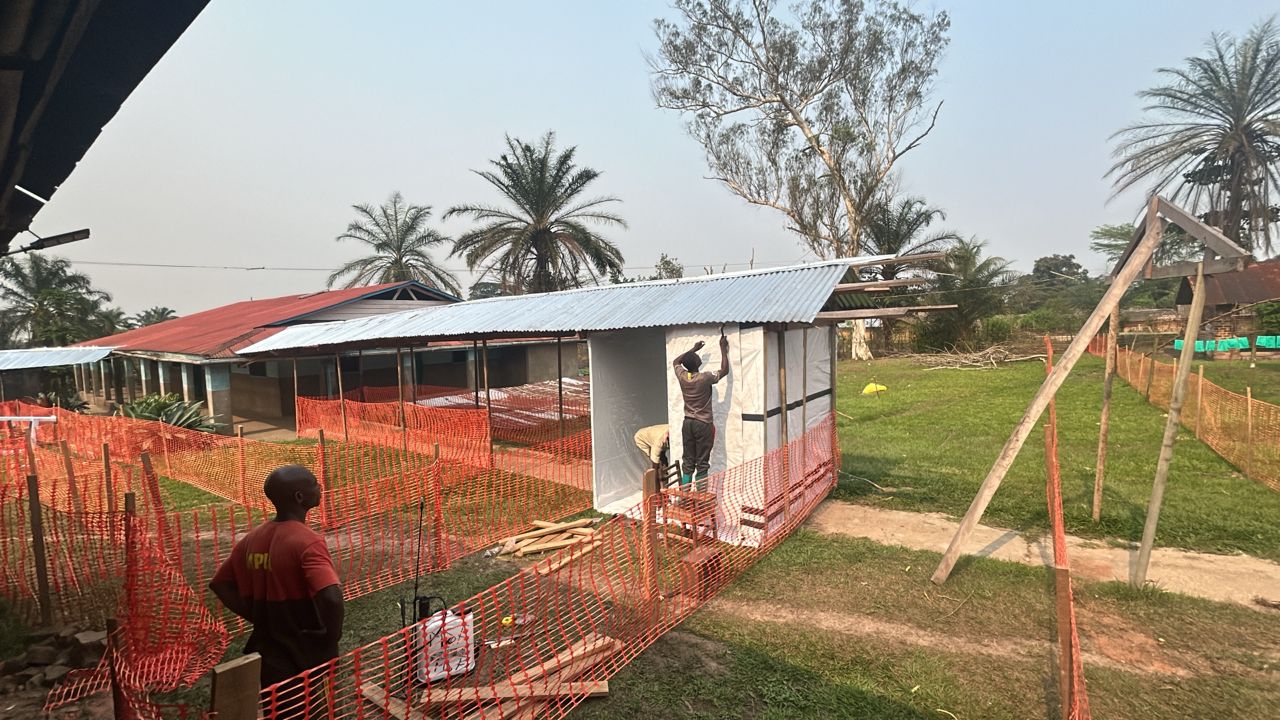
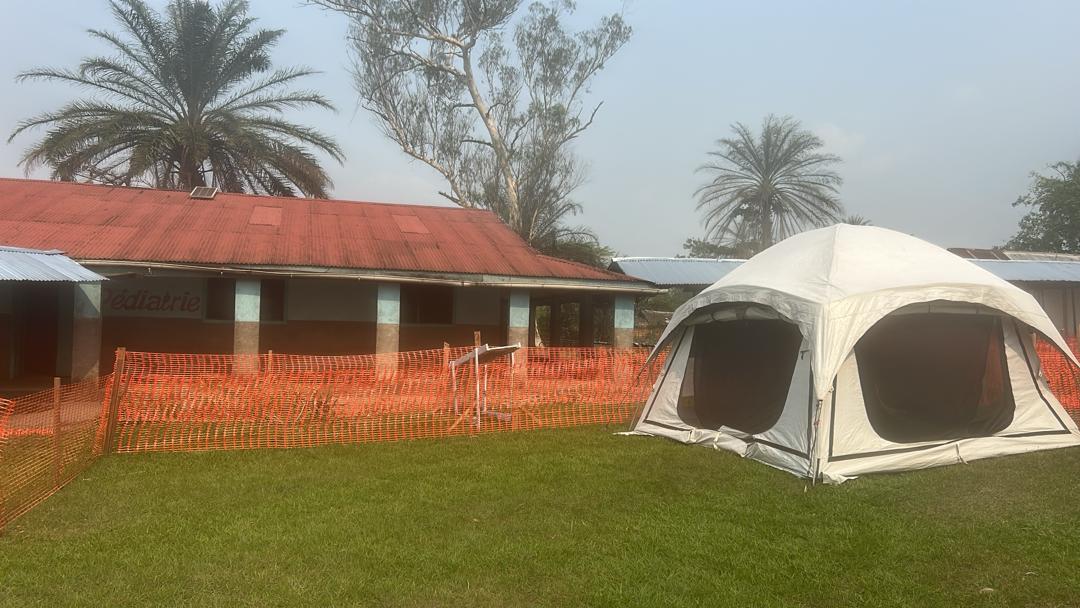
In addition to this healthcare offering, a transit center specifically dedicated to patients infected with the virus is under construction on the site.
Relieving pressure on Bunia's hospitals
The managers of the Kigonze site expressed their relief at these facilities. According to them, these structures will drastically reduce the mortality rate and break the chain of community transmission.
One of the site's managers emphasizes the crucial time savings for patient survival:
“ We were very concerned about the need to set up a health center on the site to allow displaced people to receive care quickly, as other health facilities are already overwhelmed. Some patients were delayed receiving treatment due to a lack of space. The opening of this center therefore addresses a concern of all displaced people. Now, when someone falls ill, they can go there quickly to receive treatment .”
Persistent disparities exist between displacement sites.
While the situation is improving in Kigonze, concerns remain for the other camps on the outskirts of Bunia. This is particularly true of the ISP (Higher Pedagogical Institute) site, which alone houses approximately 13,000 displaced people.
In this camp, humanitarian actors regret that prevention measures, health controls and hygiene measures against the Ebola virus remain largely insufficient.
Comment
-
Ebola disease caused by Bundibugyo virus, Democratic Republic of the Congo & Uganda
3 July 2026
Situation at a glance
The Bundibugyo virus disease (BVD) outbreak in the Democratic Republic of the Congo continues to evolve rapidly, with sustained transmission and increasing numbers of reported cases. As of 1 July, a cumulative of 1460 confirmed cases, including 452 deaths, have been reported from the Democratic Republic of the Congo. As of 2 July, Uganda has reported 20 confirmed cases including two deaths, as well as one probable case who has died. In addition, on 24 June 2026, French authorities notified WHO of a laboratory-confirmed case of Ebola disease caused by Bundibugyo virus in a medical doctor returning from the Democratic Republic of the Congo. In Uganda, the outbreak remains epidemiologically linked to transmission originating in the Democratic Republic of the Congo, with evidence of both imported infections and secondary transmission among contacts and healthcare workers. Uganda has not reported any new cases since 21 June 2026. National authorities in the two affected countries, in collaboration with WHO and partners, are implementing an extensive set of response measures. A regional preparedness and prioritization framework continues to guide readiness activities across the African Region.
Description of the situation
Since the last Disease Outbreak News was published on 19 June 2026, the number of confirmed cases and deaths have increased rapidly in the Democratic Republic of the Congo. In total, 1481 confirmed cases; 1460 from the Democratic Republic of the Congo, 20 from Uganda and one from France (linked to DRC); and 454 deaths including two from Uganda, have been reported. At least 229 patients have recovered from the disease; 213 patients from the Democratic Republic of the Congo and 16 patients from Uganda.
Figure 1. Distribution of confirmed cases of Bundibugyo virus disease in the Democratic Republic of the Congo as of 1 July and Uganda as of 2 July
Democratic Republic of the Congo
Since 19 June when the last Disease Outbreak News was published, an additional 564 confirmed cases, including 220 confirmed deaths, have been reported from the Democratic Republic of the Congo. The increase is in part due to the scale up of surveillance activities, testing and diagnostic capacities.
As of 1 July 2026, a total of 1460 confirmed cases including 452 deaths (crude case fatality ratio [CFR] 30.9%) have been reported from the Democratic Republic of Congo. So far, 213 patients have recovered. Cases have been reported from 36 health zones (HZ) from Ituri (24/36 HZ), North Kivu (11/35 HZ) and South Kivu provinces (1/34 HZ).[1] To date, 102 confirmed cases including 25 deaths have been reported among health and care workers.
Of the 36 affected health zones, the outbreak remains active in 21 health zones from where cases have been reported in the past 21 days. The remaining health zones have not reported any new cases during this period. In the past 21 days, 838 confirmed cases, including 314 confirmed deaths, have been reported.
Ituri Province remains the most affected, accounting for 91.3% (1333/1460) of all confirmed cases and 84% (380/452) of all reported deaths nationwide. Within the province, the highest number of confirmed cases have been reported from Bunia (416 cases), Rwampara (308 cases), Mongbwalu (270 cases), Nyankunde (95 cases), and Nizi (65 cases) health zones. As of 1 July, the outbreak has spread to three additional health zones in the province. Following epidemiological investigations, three confirmed cases with travel history from Nia Nia health zone in Ituri province have been reported on 30 June in Wamba health zone in Haut Uele Province and Kisangani in Tshopo province. These cases have been reported under Nia Nia health zone. Response activities, including contact tracing and follow-up, are ongoing in both provinces. Of the total confirmed cases, 17 are yet to be assigned to a specific health zone.
As of 1 July, 10 821 contacts have been identified and are under follow-up across Ituri (8376), and North Kivu (2445). Of these, 8954 contacts have been followed up, corresponding to follow-up rates of 83.2% in Ituri, and 81% in North Kivu. Previously listed contacts from South Kivu province have completed 21 days of follow up. In addition, 107 contacts of the case reported in France have been listed and are under follow up in Kinshasa.
The outbreak is unfolding in a complex humanitarian and conflict-affected environment, characterized by highly mobile and often displaced populations, often lacking access to basic services, including food, clean water, shelter, healthcare and protection which poses an increased risk of transmission to the populations living in overcrowded internally displaced camps. These dynamics, combined with increasing security-related incidents affecting health facilities, have posed additional operational challenges in affected provinces, such as constrained access for response teams, disrupted surveillance and response activities, and heightened risk of undetected transmission. These conditions underscore the need for response efforts to be led by local leaders and anchored in communities.
Figure 2: Number of confirmed cases (n = 1460), in the Democratic Republic of the Congo, by date of reporting, as of 1 July 2026
Figure 3: Number of deaths among confirmed cases (n = 452), in the Democratic Republic of the Congo, by date of reporting, as of 1 July 2026.
NB: Newly reported confirmed cases/deaths may be part of the backlog of samples and therefore not necessarily newly acquired infections.
Uganda
The last confirmed case was reported to be identified on 21 June 2026. As of 2 July 2026, a cumulative of 20 confirmed cases including two deaths in imported cases (reported on 15 May and 5 June), and one probable case who has died, have been reported. Of the confirmed cases, 15 are imported cases, while five are secondary cases among contacts and health workers with links to imported cases from the Democratic Republic of the Congo. The cases have been reported in two districts, Kampala and Wakiso, both part of the Kampala Metropolitan Area. To date, there has been no documented community transmission in Uganda. Exposure risks are associated with healthcare settings and cross-border movements. Following case reclassification, the number of affected healthcare workers was revised from five to four. In total, 16 recoveries have been reported to date.
Of the 831 contacts listed as of 28 June, 821 contacts have completed their 21-day follow-up period as of 2 July.
Figure 4: Number of confirmed cases (n = 20), in Uganda by date of reporting, as of 2 July 2026

France:
On 24 June 2026, French authorities notified WHO of a laboratory-confirmed case of Ebola disease caused by Bundibugyo virus in a middle-aged male medical doctor returning from the Democratic Republic of the Congo. The patient had been deployed for five weeks in Ituri Province, where he was involved in the care of patients with BVD. Upon arrival at Charles de Gaulle Airport on 23 June 2026, the patient self-reported symptoms to airport health authorities, prompting immediate isolation and referral to a designated high-containment healthcare facility.
At the time of reporting, the patient was clinically stable and had no fever, with no reported vomiting, diarrhoea, or haemorrhagic manifestations during travel. PCR testing detected Bundibugyo virus. Comprehensive contact tracing has been initiated in the Democratic Republic of the Congo and in France.
Epidemiology
Bundibugyo virus disease (BVD) is a severe Ebola disease caused by the Bundibugyo virus, one of the Orthoebolavirus species. It is a zoonotic disease, with fruit bats suspected to be the natural reservoir. Human infection is thought to occur through close contact with the blood or secretions of infected wildlife, such as bats or non-human primates, and it subsequently spreads from person to person through direct contact with the blood, secretions, organs, or other bodily fluids of infected individuals or contaminated surfaces or items. Transmission is particularly amplified in health-care settings when infection prevention and control (IPC) measures are inadequate, and during unsafe burial practices involving direct contact with the deceased.
The incubation period for BVD ranges from two to 21 days, and individuals are not infectious until symptom onset. Early symptoms such as fever, fatigue, muscle pain, headache, and sore throat, are non-specific, which complicates clinical diagnosis and can delay detection. These symptoms then progress to gastrointestinal symptoms, organ dysfunction, and in some cases haemorrhagic manifestations. CFRs in the past two BVD outbreaks, reported in Uganda and in the Democratic Republic of the Congo in 2007 and 2012 were 30% and 50%, respectively.
Differentiating BVD from other endemic febrile illnesses such as malaria is challenging without laboratory confirmation using PCR or antigen/antibody-based assays. Outbreak control relies on rapid case identification, isolation and care, contact tracing, safe burials, and strong community engagement, as no approved vaccines or specific treatments currently exist for BVD.
Public health response
Health authorities in the Democratic Republic of the Congo and Uganda, in collaboration with WHO and partners, are implementing extensive public health measures including implementing the continental response plan, engaging donors and mobilizing additional resources to address critical funding gaps and sustain response operations across affected and at-risk areas.
For further information about public health response actions by the respective Ministry of Health, WHO, and partners, please refer to the latest situation reports published by the WHO Regional Office for Africa Ebola Bundibugyo Virus Disease Outbreak Democratic Republic of the Congo | Uganda Weekly External Situation Report | WHO | Regional Office for Africa
WHO risk assessment
On 6 June 2026, WHO reassessed the risk of the outbreak of BVD to incorporate newly available information and align with the WHO Temporary Recommendations. The risk for countries sharing land borders with countries with documented Bundibugyo virus (BVDV) detection, currently the Democratic Republic of the Congo and Uganda, has been separated out from the risk for other countries in the African Region.
The risk in the Democratic Republic of the Congo remains assessed as very high due to ongoing transmission and the continued expansion of the outbreak into new health zones, increasing the potential for further national and regional spread.
The risk in Uganda is assessed as high due to confirmed cross-border spread through imported cases and ongoing epidemiological links along the eastern Democratic Republic of the Congo–western Uganda corridor, historically affected by Ebola outbreaks, including Bundibugyo and Sudan virus disease outbreaks.
The risk for countries with land borders adjoining countries with documented BDBV detection is assessed as high due to sustained population mobility linked to cross-border trade and mining activities, variation in capacities and experience of BVD response, and variable levels of readiness.
The risk for the rest of the Africa region and at the global level is assessed as low.
For further information, please see the WHO Rapid Risk Assessment – Ebola disease caused by Bundibugyo virus, Democratic Republic of the Congo, Uganda and countries with land borders adjoining countries with documented BDBV detection v3.
WHO advice
WHO advises against any restriction of travel to, or trade with, the Democratic Republic of the Congo or Uganda based on the currently available information. WHO continues to closely monitor and, where necessary, verify travel and trade measures in relation to this event.
For further information on the considerations for implementing border health and international travel-related temporary recommendations, please see the relevant technical note issued on 26 May 2026.
The Temporary Recommendations issued to State Parties on 22 May 2026 underscore the importance of coordinated outbreak control, enhanced cross‑border collaboration, and sustained surveillance and preparedness to prevent further regional spread and ensure an effective public health response.
WHO has convened several technical advisory groups, including the Strategic Advisory Group of Experts on Immunization (SAGE) to assess candidate vaccines and therapeutics for BVD. Key recommendations made are available in the news release published on 28 May 2026.
Regular Information products on the outbreak of BVD in the Democratic Republic of the Congo and Uganda- Daily update: Epidemiological update on BVD outbreak in Democratic Republic of the Congo and Uganda
- Published Weekly: Weekly External Situation Report on Ebola Bundibugyo Virus Disease Outbreak, Democratic Republic of the Congo | Uganda
- Published Fortnightly: Disease Outbreak News | All Hazards Public Health Events, Ebola disease caused by Bundibugyo virus, Democratic Republic of the Congo
Comment
-




Comment