• FluTrackers.com Inc. does not provide medical advice. Information on this web site is collected from various internet resources, and the FluTrackers board of directors makes no warranty to the safety, efficacy, correctness or completeness of the information posted on this site by any author or poster. The information collated here is for instructional and/or discussion purposes only and is NOT intended to diagnose or treat any disease, illness, or other medical condition. Every individual reader or poster should seek advice from their personal physician/healthcare practitioner before considering or using any interventions that are discussed on this website. By continuing to access this website you agree to consult your personal physican before using any interventions posted on this website, and you agree to hold harmless FluTrackers.com Inc., the board of directors, the members, and all authors and posters for any effects from use of any medication, supplement, vitamin or other substance, device, intervention, etc. mentioned in posts on this website, or other internet venues referenced in posts on this website.
  • We are not asking for any donations. Do not donate to any entity who says they are raising funds for us.

Vietnam: Several Tigers & lions died suspected of being infected with A/H5N1 flu at zoo, one is test confirmed positive, more possible at a reserve, n

Shiloh

Editor, Senior Moderator
Source: https://danviet.vn/ho-bao-su-tu-che...hung-voi-nguoi-tiep-xuc-20241001151311828.htm

Tiger dies suspected of being infected with A/H5N1 flu, no symptoms recorded in people exposed
Tran Khanh Tuesday, October 1, 2024 15:55 PM (GMT+7)
After many tigers died suspected of being infected with A/H5N1 flu in Long An and Dong Nai provinces, the Pasteur Institute in Ho Chi Minh City said that there have been no cases of people in close contact showing symptoms of respiratory infection.

Tiger dies suspected of being infected with A/H5N1 flu

According to the announcement on September 30 of the Pasteur Institute of Ho Chi Minh City about the recording of wild animals infected with A/H5N1 flu, the Veterinary Department of Region VI confirmed the death of a tiger and the positive test result for A/H5N1 flu virus at My Quynh Zoo (Long An) and the death of a tiger of unknown cause at Vuon Xoai tourist area (Dong Nai).

At the same time, the Pasteur Institute also received a report from the Long An Province Center for Disease Control on the results of an investigation into people in close contact with animals infected with A/H5N1 influenza.

Specifically, from August to September 16, at My Quynh Zoo (Tan My Commune, Duc Hoa District, Long An), 30 tigers and lions died (27 tigers and 3 lions).

Of these, 3 tigers were newly imported from the Mango Garden Eco-tourism Company Limited, Bien Hoa City (Dong Nai) on September 6. The remaining individuals originated from the zoo.

On September 11, the Central Veterinary Diagnosis Center issued Test Result Response Form No. 6460/CD-XN regarding the detection of avian influenza virus A/H5N1 in tiger specimens collected at this zoo (August 16).

In Dong Nai, according to quick information from the Veterinary Department of Region VI in the Vuon Xoai eco-tourism area, 11 Bengal tigers and 1 black panther have died.

Staff of the Bien Hoa City Animal Husbandry and Veterinary Station conducted clinical examinations and random autopsies on the two dead tigers mentioned above.

Initial diagnosis of the two Bengal tigers that died was suspected to be due to pneumonia. The cause of death has not yet been determined.

Long An province identified 3 My Quynh zoo employees who had direct contact with tigers, and in Dong Nai province, preliminary information shows that about 30 people had contact with tigers.

Currently, authorities have not recorded any close contacts showing symptoms of respiratory infection.

Mr. Nguyen Vu Thuong - Deputy Director of the Pasteur Institute of Ho Chi Minh City said that the Institute is continuing to direct and support the Centers for Disease Control of Long An and Dong Nai provinces to respond to the control and limit the risk of the virus spreading to humans.

 
Translation Google

10/01/2024 20:31 GMT+7

Dozens of tigers and leopards died from suspected A/H5N1 flu infection in Dong Nai and Long An

Author
A LOC

Many tigers and leopards have died at two tourist areas in Dong Nai and Long An provinces, suspected of being infected with A/H5N1 flu.

On October 1, speaking with Tuoi Tre Online, a representative of the Mango Garden tourist area (Bien Hoa City, Dong Nai) confirmed that the unit is verifying and clarifying the cause of the death of about 20 tigers and 1 leopard in the tourist area.

Initial information shows that the tigers and leopards show signs of illness. Currently, there are still a few dozen tigers and leopards in the tourist area.

The leader of the Department of Agriculture and Rural Development of Dong Nai province also said that he was aware of the incident. "It happened not only in Dong Nai but also in Long An. The Department is checking again," the leader informed.

Previously, on September 30, the Pasteur Institute of Ho Chi Minh City also sent a document to the Department of Preventive Medicine (Ministry of Health) regarding the recording of wild animals infected with A/H5N1 flu .

This unit has received information shared from the Veterinary Department of Region VI about the recording of dead tigers and leopards with positive test results for influenza A/H5N1 virus.

Address at My Quynh Zoo, Tan My Commune, Duc Hoa District, Long An and at Vuon Xoai Tourist Area, Dong Nai Province.

Specifically, in Long An province, from August to September 16, 2024, at My Quynh Zoo (Long An), 30 tigers and lions died (27 tigers and 3 lions).

Among them are 3 newly imported tigers from Vuon Xoai Eco- tourism Company Limited , Bien Hoa City, Dong Nai on September 6.

The remaining individuals originated from the zoo, and test results showed that the tiger samples taken at the zoo were positive for influenza A/H5N1.

At the Mango Garden eco-tourism area (Dong Nai), 11 Bengal tigers ( Panthera tigris ) and 1 black panther ( Panthera pardus ) died.

Test results on the two random tigers that died above, the initial diagnosis is suspected to be pneumonia. The test results for the cause are not yet available.

There have been no reports of close contacts showing symptoms of respiratory infection.

In Long An province, it was determined that 3 zoo employees had direct contact with the tiger, while in Dong Nai province, preliminary information showed that about 30 people had contact with the tiger.

Currently, the health sector has actively coordinated with the veterinary and forestry sectors to respond to the disease situation and limit the risk of infection to humans.

At the same time, investigate and identify close contacts to monitor their health , including staff directly caring for animals and related people.

...

https://tuoitre.vn/hang-chuc-con-ho...n1-tai-dong-nai-long-an-20241001200928957.htm
 
Media Reports of Tiger Deaths Due to H5N1 In Vietnam


AVvXsEgUefXxEXRPuzpp3E6mP-QyWS8NS8xVFxYOhV75q59nFypqSCIbDQRZdyldPw-dPkY2kWDihCt3-ko3_1K-2N75Y74I-RUJuGpCwur5kdboWSBjVmTiR4Jy7mFkZg7eVqm7izqOIIgR1cVXM-GwxGSpEn8y-mZhAsZfFIfflmUaedFTkmgQH89x8A=w320-h255

#18,329


Two decades ago a number of Southeast Asian zoos found to their dismay what happens when you feed bird flu infected chicken carcasses to tigers and leopards.

The following comes from a World Health Organization GAR report from 2006.
28 February 2006
(EXCERPTS)
Several published studies have demonstrated H5N1 infection in large cats kept in captivity. In December 2003, two tigers and two leopards, fed on fresh chicken carcasses, died unexpectedly at a zoo in Thailand.
Subsequent investigation identified H5N1 in tissue samples.
In February 2004, the virus was detected in a clouded leopard that died at a zoo near Bangkok. A white tiger died from infection with the virus at the same zoo in March 2004.
In October 2004, captive tigers fed on fresh chicken carcasses began dying in large numbers at a zoo in Thailand. Altogether 147 tigers out of 441 died of infection or were euthanized. Subsequent investigation determined that at least some tiger-to-tiger transmission of the virus occurred.


In the 20 years since then, we've seen this pattern repeated a number of times, including 2016's Fatal H5N1 Infection In Tigers By Different Reassortant Viruses - China.

The more recent subclades of HPAI H5N1 have proved - if anything - to be even more pathogenic in felines, and we've seen record setting outbreaks among domestic felines in Europe, Asia, and the United States over the past couple of years.
Today, several Vietnamese media outlets are reporting on the deaths of multiple tigers (and other large cats) at at least two zoos/nature preserves in Vietnam. According to these reports (FluTrackers already has a thread on these reports), at least one cat has tested positive for H5N1.

I've been unable to find anything `official' on any of the government websites, and as of this writing nothing has been posted by WOAH. However, Vietnamese media are licensed by the government, and tend to be pretty reliable.​


Typical of the reporting are the following excerpts from a translated report from the INTECH Technology Observer, which is licensed by the Hanoi Department of Information and Communications.

Investigate and identify people in close contact with dead tigers at the zoo infected with A/H5N1 flu

Manh Thang • 01/10/2024 20:41

Many tigers raised at a zoo in Long An province died and tested positive for the A/H5N1 flu virus, including 3 newly imported from the Mango Garden Eco-tourism Company Limited (Dong Nai).

On October 1, the Dong Nai Province Center for Disease Control is coordinating with relevant agencies to clarify the details related to the case of several tigers at the Mango Garden Eco-tourism Area (Phuoc Tan Ward, Bien Hoa City, Dong Nai) dying of suspected pneumonia.

According to information exchanged from the Veterinary Department of Region VI, at the Mango Garden Eco-tourism Area, 11 Bengal tigers (Panthera tigris) and 1 black panther (Panthera pardus) died. Animal Husbandry and Veterinary staff of Bien Hoa City conducted clinical examinations and random autopsies on the 2 dead tigers. Initial diagnosis of the 2 Bengal tigers' deaths was suspected to be due to pneumonia. The results of the test results on the cause are not yet available.

(SNIP)
Previously, on September 30, the Pasteur Institute of Ho Chi Minh City reported to the Department of Preventive Medicine (Ministry of Health) about the recording of wild animals infected with influenza A/H5N1.

(SNIP)
Specifically, from August 2024 to September 16, 2024 at My Quynh Zoo, 27 tigers and 3 lions died, including 3 newly imported tigers from Vuon Xoai Eco-tourism Company Limited (Dong Nai) on September 6, 2024. The remaining individuals originated from My Quynh Zoo. In Long An province, 3 My Quynh Zoo staff members were identified as having direct contact with tigers. In Dong Nai province, about 30 people had contact with tigers. Currently, no people in close contact with tigers have been recorded to have symptoms of respiratory infection.

(Continue . . . )

At this point, we don't know what version (clade and/or genotype) of HPAI H5N1 is involved in these feline deaths, but Southeast Asia has reported an uptick in human infections since early 2023, and is increasingly on our radar.

Last April in - FAO Statement On Reassortment Between H5N1 Clade 2.3.4.4b & Clade 2.3.2.1c Viruses In Mekong Delta Region - we learned that a new genotype - made up of an older clade and the current 2.3.4.4b clade of H5N1 - had emerged in Southeast Asia.​


The FAO wrote:

In Asia, several clades continue to circulate, including A(H5N1) 2.3.4.4b, 2.3.2.1c and others, which can lead to reassortment and the appearance of viruses with new characteristics. A novel reassortant influenza A(H5N1) virus has been detected across the Greater Mekong Subregion (GMS), causing infections in both humans and poultry since mid- 2022.

This virus has recently caused human outbreaks in Cambodia early this year. This virus contains the surface proteins from clade 2.3.2.1c that has circulated locally, but internal genes from a more recent clade 2.3.4.4b virus.

The introduction and widespread circulation of this reassortant influenza A(H5N1) virus into the GMS poses a significant risk to both animal and human health, given the historical impact of HPAI outbreaks in the region. Further, this reassortment event indicates not only the adaptive capacity of the virus but also the ever-present risk of the emergence of new, potentially more virulent strains.

A reminder that H5N1 continues to spread, and evolve, around the globe and that we should not focus entirely what it is doing in North America.

With novel influenza, a threat anywhere can quickly become a threat everywhere.

https://afludiary.blogspot.com/2024/10/media-reports-of-tiger-deaths-due-to.html

 
Source: https://soha.vn/dieu-tra-xac-dinh-n...n-thu-nhiem-cum-a-h5n1-198241002064450354.htm

Investigate and identify people in close contact with dead tigers at the zoo infected with A/H5N1 flu
Manh Thang |10/02/2024 06:45


Many tigers raised at a zoo in Long An province died and tested positive for the A/H5N1 flu virus, including 3 newly imported from the Mango Garden Eco-tourism Company Limited (Dong Nai).

On October 1, the Dong Nai Province Center for Disease Control is coordinating with relevant agencies to clarify the details related to the case of several tigers at the Mango Garden Eco-tourism Area (Phuoc Tan Ward, Bien Hoa City, Dong Nai) dying of suspected pneumonia.​

According to information exchanged from the Veterinary Department of Region VI, at the Mango Garden Eco-tourism Area, 11 Bengal tigers (Panthera tigris) and 1 black panther (Panthera pardus) died. Animal Husbandry and Veterinary staff of Bien Hoa City conducted clinical examinations and random autopsies on the 2 dead tigers. Initial diagnosis of the 2 Bengal tigers' deaths was suspected to be due to pneumonia. The results of the test results on the cause are not yet available.

The health sector is coordinating with the veterinary and forestry sectors to implement solutions to limit the risk of infection to humans. Investigate and identify people in close contact to monitor their health, including staff directly caring for animals and related people. Communicate about avian influenza prevention in high-risk areas. In addition, establish a monitoring team and report to competent authorities on the risk of A/H5N1 influenza in the area.

Previously, on September 30, the Pasteur Institute of Ho Chi Minh City reported to the Department of Preventive Medicine (Ministry of Health) about the recording of wild animals infected with influenza A/H5N1. Accordingly, the Pasteur Institute received information shared by the Veterinary Department of Region VI about the recording of a dead tiger with a positive test result for influenza A/H5N1 virus at My Quynh Zoo (Tan My Commune, Duc Hoa District, Long An Province) and a tiger that died of unknown cause at Vuon Xoai Eco-tourism Area (Bien Hoa City).

Specifically, from August 2024 to September 16, 2024 at My Quynh Zoo, 27 tigers and 3 lions died, including 3 newly imported tigers from Vuon Xoai Eco-tourism Company Limited (Dong Nai) on September 6, 2024. The remaining individuals originated from My Quynh Zoo. In Long An province, 3 My Quynh Zoo staff members were identified as having direct contact with tigers. In Dong Nai province, about 30 people had contact with tigers. Currently, no people in close contact with tigers have been recorded to have symptoms of respiratory infection.

The Pasteur Institute of Ho Chi Minh City is continuing to direct and support the Centers for Disease Control of Long An and Dong Nai provinces to respond to control and limit the risk of H5N1 virus spreading to humans.​
 
Vietnam: Govt. Confirmation Of `Dozens' Of Tiger Deaths (H5N1 Suspected)


khu_du_lich_vuon_xoai_co_nuoi_nhieu_ca_the_ho_anh_ctv_-_khong_dong_logo.jpg


Credit VOV.gov.vn

#18,330

Yesterday we saw numerous Vietnamese media reports of dozens of tigers dying from suspected HPAI H5N1 at two Zoos in Vietnam. While I was unable to find any government confirmation, Vietnamese media is tightly regulated, making these reports highly credible.

Overnight Vietnam's government run Voice of Vietnam website carried the following (translated) report which confirms the earlier media reports.​

Dozens of tigers in Dong Nai died from suspected eating infected chicken

VOV.VN - Dong Nai Province Forest Protection Department has just informed about the death of 17 tigers at Vuon Xoai Tourist Area suspected of being infected with A/H5N1 flu.

Mr. Ngo Van Vinh - Head of the Dong Nai Provincial Forest Protection Department said: On the morning of October 2, the Region VI Veterinary Department went to the Mango Garden Tourist Area, Dong Nai Province to inspect and collect samples of the dead tiger to report to the Ministry of Health.

Previously, 17 tigers and 1 leopard at the Mango Garden Tourist Area died, so the relevant unit took samples and sent them to a company with testing functions for testing. The results detected A/H5N1 flu.

Initially, authorities suspected that the tigers and leopards in the tourist area were infected because they were fed chicken. Recently, imported chickens from abroad could also be the source of the disease.

It is known that the 17 dead tigers were Bengal tigers, a rare animal group.
Currently, the Mango Garden Tourist Area is coordinating with the authorities to verify and clarify the cause of the incident.


Thus far, I can find no reporting on the Vietnamese MOH website, and I'm having difficulty connecting to their Ministry of Agriculture website (MDARD), which continually times out. As yet, no report appears to have been filed with WOAH.

We've looked at the susceptibility of felines to avian flu - and to H5N1 in particular - many times (see HPAI H5: Catch As Cats Can). While only rarely reported, we've even seen the transmission of avian (H7N2) influenza from cats to humans (see EID Journal: Avian H7N2 Virus in Human Exposed to Sick Cats).​

Since last March, we've seen a steep increase in the number of HPAI infected cats in the United States (see USDA Adds 16 Additional Cats To Mammals with HPAI H5N1 List (n=53)). Due to the risks of exposure, last April the CDC released Guidance for Veterinarians: Evaluating & Handling Cats Potentially Exposed to HPAI H5N1.

The loss of these majestic cats in Vietnam is another reminder that HPAI H5N1 is becoming increasingly entrenched in our environment - and while human infections remain thankfully rare - every spillover into a mammalian host is another opportunity for the virus to evolve and adapt.​

We ignore these warning signs at considerable risk to our food supply, our economy, and potentially to our public health.


https://afludiary.blogspot.com/2024/10/vietnam-govt-confirmation-of-dozens-of.html
 
Translation Google

Investigation into people in contact with dead tiger suspected of having A/H5N1 flu

DONG NAI: Through investigation, 30 people have come into contact with the dead tiger at the Mango Garden Tourist Area. Currently, veterinarians have taken samples from 2 dead tigers to test for influenza A/H5N1.

More than 40 tigers died in Dong Nai and Long An: The cause is being investigated

On October 2, Director of Dong Nai Department of Health Le Quang Trung said that through investigation, a total of 30 people who had contact with the dead tigers are currently in good health, and no cases of respiratory infections have been recorded. Veterinary forces have also taken samples from two dead tigers to test for A/H5N1 influenza. However, the official cause of death of the tigers and leopards has not yet been determined, with initial reports of some tigers suffering from pneumonia.

As reported by the Vietnam Agriculture Newspaper, on the morning of October 2, the interdisciplinary delegation of Dong Nai continued to inspect the Vuon Xoai Eco-tourism Area (Dong Nai). Mr. Ngo Van Sang, Director of Vuon Xoai Eco-tourism Area Company Limited, announced that on September 6, during the feeding process, the staff discovered that some tigers had stopped eating, were weak, and had runny noses. The zoo veterinarians intensified active treatment with a number of antibiotics and antiviral drugs, but on September 8, the tigers began to die.

According to Mr. Sang, as of today (October 2), a total of 20 tigers and 1 leopard have died. The dead tigers weighed an average of 25 to 200kg. The tigers’ bodies are currently being kept in a refrigerated container at the Mango Garden Ecotourism Area.

Mr. Nguyen Ba Phuc, a tiger caretaker at Vuon Xoai Ecotourism Area, said that the tigers are kept in a large area, and are taken care of by staff every day and fed with chicken bought from outside. On September 6, the unit transported 3 tigers to My Quynh Zoo (Long An) and just a few days later, the tigers at Vuon Xoai Ecotourism Area showed signs of lethargy, stopped eating, had a fever and died.

After receiving information about the deaths of many tigers in Vuon Xoai Tourist Area, Dong Nai Department of Health directed the provincial Center for Disease Control to coordinate with relevant departments and branches to investigate the cause . At the same time, monitor the health of all people who have come into contact with these tigers.

Previously, the Pasteur Institute of Ho Chi Minh City also announced that 27 tigers at My Quynh Zoo (Long An Province) died between August and September 2024. Test samples of these tigers tested positive for the A/H5N1 avian influenza virus. Of these 27 tigers, 3 were imported from Vuon Xoai Eco-tourism Company Limited (Dong Nai) on September 6, 2024.

The representative of the Mango Garden Ecotourism Area said that currently, there are still 35 living Bengal tigers in the tourist area and other rare wild animals are being taken care of and strictly protected due to the death of many Bengal tigers and 1 black panther in just the last 3 weeks.

It is known that the total number of rare wild animals at Vuon Xoai Tourist Area has grown to tens of thousands of individuals. Of these, the most numerous are crocodiles with more than 10 thousand individuals, thousands of ostriches and hundreds of monkeys.

As soon as the tigers died, Vuon Xoai Tourist Area coordinated with the authorities to isolate the area, take samples for testing, and disinfect the cage area. To prevent the spread of infection, the tourist area isolated the tiger breeding area and monitored all animals in the tourist area to ensure the safety of other animals.
...

https://nongnghiep.vn/dieu-tra-nguoi-tiep-xuc-voi-ho-chet-nghi-mac-cum-a-h5n1-d402140.html
 
Translation Google

People in contact with dead tiger suspected of having A/H5N1 flu are in stable health

[TABLE="class: hp-post-datetime"]
[TR]
[TD]
time.png
[/TD]
[TD]02.10.2024 02:41[/TD]
[/TR]
[/TABLE]
On October 2, the Department of Health leader said that after receiving information about the deaths of many tigers in the Mango Garden Tourist Area, the Department of Health directed the provincial Center for Disease Control to coordinate with relevant departments and agencies to investigate the cause. At the same time, monitor the health of those who have come into contact with these tigers.

Accordingly, through investigation, a total of 30 people have come into contact with the dead tigers. Currently, these people are in normal health, no one has been recorded with symptoms of respiratory infection. Veterinary forces have also taken samples of 2 dead tigers to test for influenza A/H5N1. When the exact results are available, the health sector will announce later.

Previously, the Pasteur Institute of Ho Chi Minh City also announced that 27 tigers at My Quynh Zoo (Long An province) died between August 2024 and September 16, 2024. Test samples of these tigers tested positive for the A/H5N1 avian influenza virus. Notably, of these 27 tigers, 3 were imported from Vuon Xoai Eco-tourism Company Limited (Dong Nai province) on September 6, 2024.
H%E1%BB%95%20t%E1%BA%A1i%20v%C6%B0%E1%BB%9Dn%20xo%C3%A0i.jpg

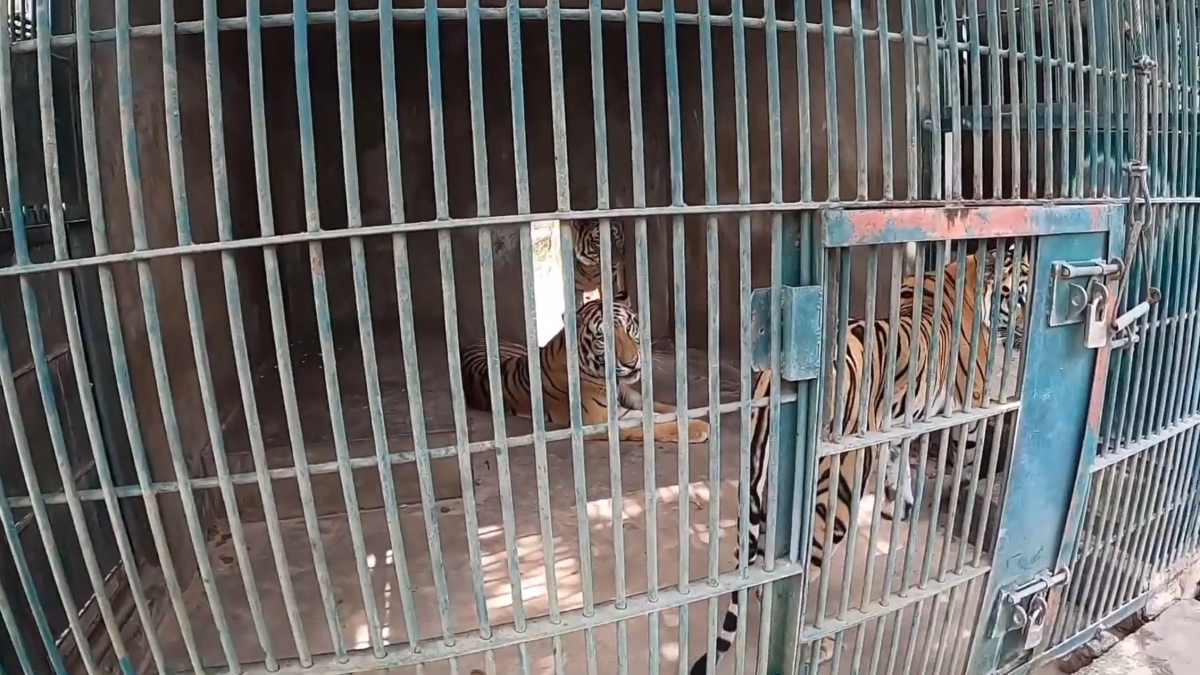
Tigers are raised at Mango Garden Tourist Area (Bien Hoa City, Dong Nai).

It is known that H5N1 is a type of influenza A virus that can cause dangerous infectious diseases in poultry, which is why H5N1 is also called avian influenza. Influenza A/H5N1 can be transmitted from poultry to humans. When infected, the mortality rate can be up to 60%. The H5N1 virus can infect and cause illness in humans when we come into contact with poultry carrying the disease without protection. Some activities that can cause people to be infected include: contacting or touching sick poultry; touching or inhaling secretions of sick poultry; contact (slaughtering, processing with infected meat sources; eating uncooked poultry or eggs.

There is currently no specific treatment for avian influenza in humans, nor is there a vaccine to prevent the disease.

Hoan Le


https://dongnaicdc.vn/nguoi-tiep-xuc-voi-ho-chet-nghi-mac-cum-a-h5n1-co-suc-khoe-on-dinh
 
Source: https://dantri.com.vn/xa-hoi/20-con...inh-voi-virus-cum-ah5n1-20241003044249764.htm

20 dead tigers in Dong Nai: Samples tested positive for influenza A/H5N1 virus
Hoang Binh
Hoang Binh
Thursday, October 3, 2024 - 07:30
00:00 / 01:53
(Dan Tri) - Samples (blood and organs) of two tigers that died at the Mango Garden Eco-tourism Area (Dong Nai) tested positive for the A/H5N1 flu virus.

The Department of Animal Husbandry and Veterinary Medicine of Dong Nai province has just announced the test results from the Central Veterinary Diagnosis Center, confirming that two samples from a dead tiger at the Vuon Xoai Eco-tourism Area (Bien Hoa City, Dong Nai) were both positive for the A/H5N1 influenza virus.

According to initial information, samples (blood and organs) of two tigers at the tourist area were taken on September 22 and sent to the Central Veterinary Diagnosis Center for analysis. The test results just announced showed that both samples were positive for the A/H5N1 virus.
20 dead tigers in Dong Nai: Samples tested positive for A/H5N1 influenza virus - 1

Authorities inspect tiger cages at Vuon Xoai Eco-tourism Area (Photo: Phu Viet).

Before dying, these tigers showed symptoms such as loss of appetite, poor health, runny nose and high fever. According to information from the Mango Garden Ecotourism Area, these tigers were fed chicken meat provided by a company in Ho Nai Ward, Bien Hoa City.

To clarify the source of the infection, the authorities will investigate and trace the source of the chicken meat supplied to the tourist area. At the same time, measures such as zoning, disinfection and prevention of the spread of the disease will be implemented.

Previously, on October 2, the working group of the Veterinary Department of Region VI in coordination with the Department of Animal Husbandry and Veterinary Medicine of the province and the Center for Disease Control of Dong Nai province worked with the Vuon Xoai eco-tourism area about the mass tiger deaths.

The Veterinary Working Group of Region VI requested the Animal Husbandry and Veterinary Department of Dong Nai province to collect more samples from the tigers and test for A/H5N1 influenza to determine whether the disease is transmitted to multiple species. The source of the disease cannot be ruled out from food because of the simultaneous appearance of infection symptoms. Along with that, the Mango Garden Eco-tourism Area needs to proactively implement measures to prevent A/H5N1 influenza, build a strict process in controlling the source of animal feed, controlling the quality and tracing the origin of food.

Previously, the Veterinary Department of Region VI recorded 27 tigers and 3 lions dead at My Quynh Zoo (Duc Hoa District, Long An Province). Samples at My Quynh Zoo also tested positive for the A/H5N1 influenza virus.

 
Google translation


20 tigers and 1 leopard killed by A/H5N1 flu virus were destroyed

The interdisciplinary delegation of Dong Nai province met to discuss a plan to handle the number of tigers and leopards killed by A/H5N1 flu virus at Vuon Xoai tourist area on the afternoon of October 3.

The provincial Animal Husbandry and Veterinary Department announced the test results from the Central Veterinary Diagnosis Center that 2 tiger samples taken at Vuon Xoai tourist area were both positive for A/H5N1 flu virus.

Representatives of the units in the interdisciplinary delegation of Dong Nai province agreed to destroy all 20 tigers and 1 leopard that died from A/H5N1 flu virus.​

The method of destruction is burning, then burying, to limit the spread of the disease to other sensitive species. The destruction site is located right in the Mango Garden tourist area, under the supervision of functional forces.

The Dong Nai Province Interdisciplinary Delegation requested the Mango Garden Tourist Area to continue to closely monitor the disease situation with the remaining tigers and leopards; strictly implement daily cleaning, disinfection, and sterilization. Mango Garden Tourist Area does not import or export animals into or out of the entire breeding area where sick or dead tigers and leopards have been found. At the same time, limit people's contact with animals in the quarantine area during the epidemic.

https://danviet.vn/dong-nai-thong-n...-nhiem-virus-cum-a-h5n1-20241003175311186.htm
 
Dead tigers in Vietnam test positive for H5N1

​Thu, Oct 03 2024 06:42:49 PM​

Hanoi, Oct 3 (IANS): Two samples taken from dead tigers in Vietnam have tested positive for H5N1 bird flu virus, local media reported.​ ...

The animals refused to eat, showed fatigue, and had fever after eating chicken meat and chicken heads provided by a local company, Xinhua news agency reported quoting the Vietnam News Agency

Phan Van Phuc, head of the Department of Infectious Disease Prevention and Control at the Dong Nai Center for Disease Control, said it was likely that the deceased tigers were infected with the H5N1 virus from infected chicken meat.

Authorities are tracing the origin of the chicken to determine the infection source, he said. ...

The Ministry of Agriculture and Rural Development has recently reported sporadic cases of avian flu among poultry in several localities.

https://daijiworld.com/news/newsDisplay?newsID=1232269
 
Destroying more than 1.6 tons of tigers and leopards killed by A/H5N1 flu at Vuon Xoai tourist area

Binh Nguyen 16:14, 03/10/2024 Dong Nai Newspaper on Google News

(DN) - On the afternoon of October 3, the Dong Nai Province Interdisciplinary Delegation, including the Department of Animal Husbandry and Veterinary Medicine, the Department of Natural Resources and Environment, the Center for Disease Control, representatives of the Bien Hoa City People's Committee, the Bien Hoa City Forest Protection Department, the Department of Police Investigation of Crimes on Corruption, Economy, Smuggling, and Environment, met to discuss a plan to handle the dead tigers and leopards at Vuon Xoai tourist area.

At the meeting, the representative of the Department of Animal Husbandry and Veterinary Medicine announced the test results from the Central Veterinary Diagnosis Center (Department of Animal Health) that two tiger samples taken at the Vuon Xoai tourist area were positive for the H5N1 avian influenza virus.

Representatives of the units in the interdisciplinary team agreed to destroy all 20 tigers and 1 leopard weighing more than 1.6 tons because they were infected with A/H5N1 influenza at the Vuon Xoai tourist area to limit the spread of the disease to other susceptible species. In particular, the People's Committee of Phuoc Tan Ward, Bien Hoa City will decide to destroy the dead tigers and leopards. The method of destruction is burning, then burying. The destruction site is right on the premises of the Vuon Xoai tourist area and under the supervision of the functional forces.

The interdisciplinary team also requested Vuon Xoai tourist area to continue to closely monitor the disease situation for the remaining tigers and leopards in the herd, quarantine sick animals and immediately report to the Forest Protection Department and local veterinary agencies when detecting cases of wild animals being sick, suspected of being sick or dead.

In addition, strictly implement daily cleaning, disinfection and sterilization. Do not import or export animals to or from the entire area where sick or dead tigers and leopards are kept. Limit people from coming into contact with animals in the quarantine area during the epidemic. In particular, those who care for and approach the animals must be fully equipped with protective gear to ensure that they are not infected with the disease. The tourist area must monitor the health of those who have come into contact with dead tigers and leopards to have timely treatment. The unit must coordinate with the authorities in taking samples to monitor suspected infected subjects, and organize avian influenza vaccination for susceptible animals.

Binh Nguyen

https://baodongnai.com.vn/tin-moi/2...-cum-ah5n1-tai-khu-du-lich-vuon-xoai-91a52ca/
 
October 4, 2024
Dozens of zoo tigers die after contracting bird flu in southern Vietnam

​Excerpt:

The 30 staff members who were taking care of the tigers tested negative for bird flu and were in normal health condition, VNExpress reported. Another outbreak also occurred at a zoo in nearby Long An province, where 27 tigers and 3 lions died within a week in September, the newspaper said.

https://www.galvnews.com/news_ap/in...cle_54fde9fc-f345-5f38-9238-c202843cd59b.html
 
Translation Google

Mass tiger deaths in Mango Garden Tourist Area: Investigating the origin of food

Le Lam
10/04/2024 14:14 GMT+7

Regarding the mass death of tigers in the Mango Garden Tourist Area (Bien Hoa City), the Department of Animal Husbandry and Veterinary Medicine of Dong Nai province is urgently investigating the origin of food to find the source of infection with the H5N1 flu virus.

Regarding the mass death of tigers in the Mango Garden Tourist Area , on October 4, speaking with Thanh Nien reporter , Mr. Nguyen Truong Giang, Head of the Department of Animal Husbandry and Veterinary Medicine of Dong Nai province, said that they are urgently investigating the origin of the food to find the source of the H5N1 flu virus.

According to Mr. Giang, the route of H5N1 infection for the tigers in the Mango Garden Tourist Area has not yet been determined . But there are two high possibilities: infection from food sources and from wild birds carrying the pathogen.

Mr. Giang said: "As for wild birds, we have not discovered any dead birds in the Mango Garden Tourist Area, so everything is focused on investigating the food source."

According to Mr. Giang, the initial determination of the source of food for the tigers was chicken, supplied by a company in Trang Bom. After working with the company, they said they imported it from many other places. "To clarify the origin and route of the food, we have invited the Mango Garden Tourist Area, the company and related contacts to be present at the headquarters tomorrow (October 5) to work," said Mr. Giang.

As for the 30 people who had contact with the dead tigers, the Dong Nai Provincial Center for Disease Control (CDC) has worked with them and recorded their health status. Responding to Thanh Nien reporters on the same morning, Mr. Tran Minh Hoa, Director of CDC Dong Nai, said that the health of the above people is currently normal, and no symptoms of respiratory infection have been recorded.

Previously, Thanh Nien reported that from September 8 to September 30, 20 tigers and 1 leopard died at Vuon Xoai Tourist Area . On October 2, the test results of 2 tiger samples here showed positive results for H5N1 flu virus. The next day (October 3), Dong Nai province authorities destroyed all 21 dead tigers and leopards by burning and burying them right in the Vuon Xoai Tourist Area.

According to the report of Vuon Xoai Tourist Area, there are a total of 68 species with 748 wild animals being raised here. Among them are 42 tigers and 2 leopards (from September 8 to now, 20 tigers and 1 leopard have died).

To prevent the spread of H5N1 flu, the Department of Animal Husbandry and Veterinary Medicine of Dong Nai province requires the Mango Garden Tourist Area to strictly carry out daily cleaning and disinfection; not import or export animals into or out of the entire breeding area where tigers and leopards died; and limit people's contact with animals in the quarantine area during the epidemic.

At the same time, the health of those who have come into contact with dead tigers and leopards must be monitored to ensure timely treatment. Those who care for and approach the animals in the coming time must be fully equipped with protective gear to avoid disease transmission.

https://thanhnien.vn/vu-ho-chet-han...-xet-nguon-goc-thuc-an-185241004133851347.htm
 
Translation Google

News

10/04/2024 09:02 GMT+7

51 tigers, leopards, lions die from bird flu: Tracing the origin of food

A LOC and 3 other authors


Regarding the tiger death case in Dong Nai, on the afternoon of October 3, Dong Nai province authorities decided to destroy all 20 tigers and 1 leopard that died at the Vuon Xoai tourist area.

The interdisciplinary team requested the Mango Garden tourist area to continue monitoring the disease situation in the herd, isolating sick animals, strictly implementing daily disinfection, and limiting people from contacting risky areas during the disease handling process.

In particular, staff must be fully equipped with protective gear and monitor the health of those who come into contact with dead tigers and leopards to provide timely treatment.

Tiger died unusually

Explaining the death of the tigers and leopards, Mr. Ngo Van Sang, director of Vuon Xoai Eco-tourism Company Limited (Vuon Xoai tourist area), said: "The tigers started dying on September 8 and died very quickly. In just the first two days, 11 tigers and 1 leopard died. As soon as the dead animals were discovered, the unit reported to the authorities to take samples and disinfect the cages."

According to test results from the Central Veterinary Diagnosis Center (Department of Animal Health), both tiger samples that died in the Mango Garden tourist area tested positive for influenza A/H5N1 .

Initial analysis results, the doctor said that white blood cells were elevated, bacterial infections caused by viruses, bacteria or parasites; blood creatinine was 10 times higher than normal, leading to kidney and heart failure, congestion due to acute bacterial infections, etc.

Mr. Nguyen Ba Phuc, who raised tigers in the Mango Garden tourist area, said that before they died, the tigers showed signs of fever and lethargy for a week, with sad faces... On September 22, the last tiger (the 20th) showed signs of illness and died. Since then, no more tigers have died.

"There was a tiger cub that I picked up and played with normally, but after 5 minutes of being put down, it struggled and died," said Mr. Phuc.

According to a representative of the Dong Nai Department of Animal Husbandry and Veterinary Medicine, the characteristics of the Mango Garden tourist area are that there are many sources of infection such as wild birds, rare captive birds, food supplies, and more than 300 birds that have not been vaccinated against bird flu right next to the tiger cage.

Dong Nai Animal Husbandry and Veterinary Department has verified the origin of the food. Initially, the source of chickens supplied to the tigers was determined to be from a slaughterhouse in Trang Bom district. The department is continuing to work to verify the cause and collect samples for disease monitoring. If there are signs, it will report to the police to coordinate the tracing.

Dr. Phan Van Phuc, head of the Department of Infectious Disease Prevention and Control at the Dong Nai Center for Disease Control, said that the tigers died from two stages of illness. The first was a synchronous infection, possibly from food or wild birds, so some tigers were sick and some were not.

Next is the internal infection stage, no longer related to the source of infection. The time of infection and disease onset is about 6 - 7 days.

According to the assessment, the tigers showed symptoms at the same time, so it is suspected that the source of the disease was food.

"It is necessary to trace the origin of food to find the cause and prevent the spread. The avian influenza agent is usually found in poultry, there is no evidence of transmission from human to human, but from poultry to human has occurred in many countries. The mortality rate due to avian influenza infection is high, from 30 - 60%, depending on the virulence," said Mr. Phuc.

Regarding the prevention of human infection, Mr. Phuc emphasized that it is necessary to strictly implement protection measures for people entering and leaving high-risk areas. In particular, unit leaders must be responsible for enforcing compliance by employees, not being lax or subjective.

At the same time, use stronger chemicals to disinfect the outside of the barn. Monitor all people involved in care, transportation, cleaning, food and medicine delivery...

"It is necessary to monitor health, if there are any unusual signs, it is necessary to report to the medical staff immediately for the earliest intervention," said Mr. Phuc.

Long An: source of infection unknown

On October 3, Mr. Huynh Huu Dung - Director of the Center for Disease Control of Long An province - said that the health of three people who had direct contact with and cared for the dead animals at My Quynh zoo (Bau Cong hamlet, Tan My commune, Duc Hoa district, Long An) is still normal, with no recorded cough or fever.

The three people include a zoo veterinarian and two animal care and feeding staff.

In addition, during the process of the animals dying, inspection teams came to contact and work at the zoo, including officers from the Forestry Department and the Department of Animal Husbandry, Veterinary and Aquatic Products of Long An province. Up to now, the health of the officers is also normal.

"On September 19, the center received a case of a dead tiger, which tested positive for the A/H5N1 flu virus. On September 20, we coordinated with the Duc Hoa District Medical Center and the Tan My Commune People's Committee to conduct an inspection.

Influenza A/H5N1 is a dangerous infectious disease of group A according to the Law on Prevention and Control of Infectious Diseases. The disease is often serious and has a high mortality rate in humans.

When the virus was detected in dead tigers at the zoo, we requested that personal protective measures be taken when handling the virus to avoid transmission to humans.

Regarding the three people at the zoo who had contact with the dead tigers, CDC Long An has requested the local health center to strengthen monitoring and surveillance, requiring those who have contact with symptoms of high fever, cough, and difficulty breathing to immediately notify the local health department for isolation, sampling, treatment, and timely handling.

"For the officers of the inspection team who have come down to work, they also need to monitor their health status similarly. The time is 21 days from the last time they came into contact with the dead tiger," Mr. Dung added.

From August 11 to September 16, a total of 27 tigers and 3 lions died at My Quynh Zoo. Of these, 3 were newly imported tigers from Dong Nai, while the remaining 24 tigers and 3 lions were already at the zoo.

51 tigers, leopards, lions die from bird flu

Mango Garden tourist area has 42 tigers and 2 leopards, of which 12 tigers were imported from South Africa. The tigers then reproduced and increased in number to their current state.

On September 8, 4 tigers and 1 leopard died unexpectedly. In the following days, more tigers died. So far, 20 tigers and 1 leopard have died. Before dying, the animals showed common symptoms such as loss of appetite, fever, and weakness...

On September 30, the Pasteur Institute of Ho Chi Minh City sent a document to the Department of Preventive Medicine (Ministry of Health) regarding the recording of wild animals infected with A/H5N1 flu.

In addition to Dong Nai, from August to September 16, 2024, at My Quynh Zoo (Long An), 27 tigers and 3 lions died. Of these, 3 tigers were newly imported from Vuon Xoai Eco-tourism Company Limited, Bien Hoa City, Dong Nai on September 6. Test results showed that the tiger samples taken at the zoo were positive for influenza A/H5N1.

Thus, both Dong Nai and Long An have 51 tigers, leopards and lions that died due to bird flu infection.

Saigon Zoo: H5N1 vaccine for tigers not available

Following the deaths of many tigers and lions in Long An and Dong Nai due to the epidemic, many people are worried about the tigers at Saigon Zoo and Botanical Garden because they are located in a similar climate and soil area.

Speaking to Tuoi Tre, Mr. Mai Khac Trung Truc - Director of the Animal Enterprise, Saigon Zoo and Botanical Gardens - said that most tigers in the unit die of old age, very few of them are sick. Tigers in the zoo and botanical gardens often have a longer lifespan than in the wild. When they reach old age, they eat less and have poor health and die, not from disease.

For infectious diseases of cats and dogs, the unit injects rabies vaccines that prevent many diseases in one injection. In addition, the tigers are also checked for parasites and dewormed.

"There is no H5N1 vaccine for tigers. There is no vaccine for this disease yet. Most of the vaccines are for common, infectious diseases in cats and dogs," Mr. Truc explained further.

Every day at 6:30 am, staff come in to clean the cage. Food is taken from the processor and the supplier is quarantined, ensuring food safety and hygiene. Usually, the tigers are fed at 2 pm. Drinking water is arranged in two locations: one is a flowing water point like a waterfall, a natural stream; the other is a water storage point. The tigers will choose according to their preferences and choices.

https://tuoitre.vn/51-con-ho-bao-su...-truy-nguon-goc-thuc-an-20241004075224115.htm
 
Translation Google

Testing other animals at Mango Garden Tourist Area after tiger death

Hoang Binh
Saturday, October 5, 2024 - 19:40

(Dan Tri) - Authorities have taken pooled samples of animals raised at the Mango Garden Eco-tourism Area (Dong Nai) to prevent the spread of the A/H5N1 flu virus.

On October 5, the Department of Animal Husbandry and Veterinary Medicine of Dong Nai province announced the results of testing pooled samples from animals raised at the Vuon Xoai Eco-tourism Area, including chickens, peacocks, parrots, flamingos, purple-rumped pheasants, mandarin ducks and pheasants.

Accordingly, no avian influenza A/H5N1 virus was detected in the samples sent to the Dong Nai Province Veterinary Diagnostic and Testing Station.

According to the report, the Mango Garden Ecotourism Area currently raises 68 species of wild animals with a total of 748 animals, all of which have records of imported origin, breeding at the zoo and exchange and transfer. Among them, there are many feathered species that are sensitive to avian influenza such as pheasants, peacocks, parrots, flamingos, pheasants, and mandarin ducks. In addition, there are more than 300 chickens raised near the barn area.

On the same morning, the Department of Animal Husbandry and Veterinary Medicine of Dong Nai province worked with the leaders of Vuon Xoai Eco-tourism Area and the units supplying chickens for animal feed here. According to the representative of the tourist area, the source of animal feed is provided by a business household in Bac Son commune, Trang Bom district. This business household imports chickens from many other enterprises in Dong Nai province. From August 6 to September 6, the tourist area imported a total of nearly 6.6 tons of chicken meat products, including more than 5.1 tons of chicken heads and necks and nearly 1.5 tons of chicken breasts, with a daily or weekly import frequency depending on the time.

At the meeting, the Department of Animal Husbandry and Veterinary Medicine of Dong Nai province requested the chicken trading unit to provide invoices so that the authorities can continue to trace the origin of chicken used as animal feed at Vuon Xoai Eco-tourism Area.

Previously, on October 3, Dong Nai province authorities destroyed 20 tigers and 1 leopard that died due to suspected infection with A/H5N1 flu.

https://dantri.com.vn/xa-hoi/xet-ng...uon-xoai-sau-vu-ho-chet-20241005192847672.htm
 
[bolding is mine]

Ministry urges temporary shutdown of Vietnamese tourist sites where bird flu killed dozens of tigers, lions

​October 08, 2024

Authorities in Long An and Dong Nai Provinces, both located in southern Vietnam, have been urged to consider temporarily closing two tourist sites following an outbreak of A/H5N1 avian flu, which had left 51 tigers, leopards, and lions dead.

The Ministry of Agriculture and Rural Development confirmed on Monday that it had sent a dispatch to the administrations of the two provinces regarding the management of A/H5N1 virus risks in wildlife.
​-snip-
Chicken meat supplied at the safari park was from Ho Chi Minh City.
-snip-

Despite the complexity of the bird flu outbreak, the safari park and the resort had not coordinated with local wildlife management agencies or animal health authorities to investigate or implement disease prevention measures, according to the ministry.

- Quảng cáo -

The ministry highlighted the significant risk of the virus spreading from wildlife to humans, potentially impacting public health and causing severe losses to the livestock industry.

Therefore, the administrations of the two provinces should direct their Departments of Natural Resources and Environment to investigate the bird flu outbreak among the tigers, lions, and leopards in these tourist areas.

The ministry called for strict measures to prevent further outbreaks, including investigating the food sources, closely monitoring the remaining animals, limiting human contact, and keeping these two facilities closed until the disease is fully controlled.


The agency also asked both provinces to strictly handle any cases of improper wildlife breeding or failure to comply with veterinary and disease reporting regulations.

Any facility found violating these laws and contributing to the spread of the disease should be closed until the outbreak is contained, and those responsible must be held accountable.

The ministry cautioned that the A/H5N1 virus is highly dangerous, posing a threat to poultry, wildlife, and humans.

https://tuoitrenews.vn/news/society...-flu-killed-dozens-of-tigers-lions/82345.html


Translation Google

Proposing to proactively prevent and control A(H5N1) flu transmitted from animals in Dong Nai and Long An areas


10/07/2024

On September 30, 2024, the Pasteur Institute of Ho Chi Minh City issued report No. 3258/PASKSBT with information on the death of many wild animals (tigers, leopards, lions) at zoos and tourist areas in Long An and Dong Nai provinces, of which some dead animals tested positive for influenza A(H5N1) and at the same time recorded many cases of close contact with the above dead wild animals.

To proactively prevent and control influenza A(H5N1), minimizing the risk of transmission from animals to humans, on October 4, 2024, the Department of Preventive Medicine issued urgent document No. 977/DP-DT to the Directors of the Departments of Health of Long An and Dong Nai provinces and the Director of the Pasteur Institute of Ho Chi Minh City, requesting attention and direction to relevant units to implement the following contents:

1. Continue to monitor and investigate the source of infection, implement measures to prevent, control and thoroughly handle outbreaks; strengthen surveillance to detect new cases, especially cases showing signs of severe acute respiratory infections at medical examination and treatment facilities; be ready to organize admission, isolation and treatment according to the instructions of the Ministry of Health.

2. Closely coordinate with the agricultural sector and local authorities in monitoring and early detection of sick and dead animals and avian influenza outbreaks, promptly share information and coordinate to thoroughly handle outbreaks.

3. Strengthen information and propaganda work to prevent the transmission of avian influenza from animals to humans, especially in areas with sick or dead animals and poultry and in high-risk areas.

4. Ensure medicines, supplies, chemicals, and means to promptly support localities in implementing measures to handle outbreaks.

5. Implement the regime of reporting and declaring infectious diseases and epidemics according to the provisions of Circular No. 54/2015/TT-BYT dated December 28, 2015 of the Minister of Health and send updated reports to the Department of Preventive Medicine (email: baocaobtn@gmail.com).

Editorial Board of the website of the Department of Preventive Medicine


https://vncdc.gov.vn/de-nghi-chu-do...vat-tai-khu-vuc-dong-nai-long-an-nd17586.html
 
Translation Google
How dangerous is A/H5N1 flu?
[TABLE="class: hp-post-datetime"]
[TR]
[TD] [/TD]
[TD]08.10.2024 11:18[/TD]
[/TR]
[/TABLE]
Since 2014, Vietnam has recorded 2 cases of A/H5N1 flu and 1 case was recorded as having died on March 23 in Khanh Hoa province. In Dong Nai, more than 20 tigers and a leopard were recently recorded to have died from A/H5N1 flu at the Mango Garden tourist area (Phuoc Tan commune, Bien Hoa city). A/H5N1 flu is a highly virulent strain, infected people often have severe symptoms, with a relatively high mortality rate.

How to distinguish A/H5N1 flu from common flu, what to do to prevent the disease is something many people are interested in. Dr. Phan Van Phuc - Head of the Department of Infectious Disease Prevention, CDC Dong Nai has shared more clearly about this content.
BSCKI%20Phan%20V%C4%83n%20Ph%C3%BAc%20tr%C6%B0%E1%BB%9Fng%20khoa%20ph%C3%B2ng%20ch%E1%BB%91ng%20b%E1%BB%87nh%20truy%E1%BB%81n%20nhi%E1%BB%85m%20CDC%20%C4%90%E1%BB%93ng%20Nai%20copy.jpg

Dr. Phan Van Phuc - Head of Infectious Disease Prevention Department, CDC Dong Nai.

Reporter: Doctor, please tell us how dangerous is the A/H5N1 flu?

Dr. Phan Van Phuc: Since the beginning of 2024, the A/H5N1 flu epidemic has appeared in a number of provinces and cities across the country. In March 2024, a male patient (21 years old, Khanh Hoa province) died from this virus. Notably, in Dong Nai, more than 20 tigers in the Vuon Xoai tourist area (Phuoc Tan commune, Bien Hoa city) died and tested positive for the H5N1 virus. The A/H5N1 flu causes epidemics and deaths in poultry flocks, is a source of infection for A/H5N1 flu to humans and has not been detected for human-to-human transmission. However, some documents or surveys still record the H5N1 virus in mammals, non-avian animals. The evidence is that the test results on tiger samples in the Vuon Xoai tourist area (Phuoc Tan commune, Bien Hoa city) were all positive for the H5N1 virus.

Influenza A/H5N1 is a highly virulent strain, infected people often have severe symptoms, with a relatively high mortality rate.

Reporter: A/H5N1 influenza is a highly virulent strain, so how is it transmitted, doctor?

Dr. Phan Van Phuc: The disease is transmitted through the respiratory tract, through contact with objects contaminated with pathogens, contact with and use of sick or dead poultry infected with influenza A/H5N1, eating poultry meat, poultry products that are not cooked thoroughly or died from infection, or environments contaminated with pathogens. The influenza A/H5N1 virus can infect humans from animals.

Normally, this type of flu still circulates in poultry flocks, it can be transmitted from wild birds to domestic poultry, or it can be transmitted from domestic poultry to each other, then spread from one area to another and is very difficult to control. The virus that causes this disease can spread to people in close contact. Countries in Southeast Asia and Asia still have strains of influenza A/H5N1 circulating every year.

The easiest way for humans to be infected is through direct contact with infected poultry or poultry waste. In addition, the habit of eating raw blood pudding or using raw eggs also increases the risk of bird flu infection. In addition, the virus can also be transmitted through respiratory secretions of sick poultry or inhalation of air containing dust from poultry droppings.

Therefore, people should not be subjective about A/H5N1 flu, must pay attention to disease prevention according to the instructions of the authorities, not let the disease spread in poultry flocks. If we cannot stop the epidemic from poultry, the flu will spread to humans.

Reporter: How can people distinguish the symptoms of influenza A and influenza A/H5N1, doctor?

Dr. Phan Van Phuc: Avian influenza virus belongs to the influenza A virus group. Patients infected with influenza A/H5N1 often have symptoms similar to those of the common flu, which are easily confused and accompanied by some more dangerous signs. To distinguish influenza A from influenza A/H5N1, people need to note that seasonal flu is transmitted from person to person, while influenza A/H5N1 is transmitted from wild birds or poultry to people, and has not been detected to be transmitted from person to person.

Early signs of flu usually begin within 2-5 days of infection such as sudden high fever (over 38 degrees Celsius), chest pain, shortness of breath, fatigue, chills, dizziness; sore throat, cough, often dry cough, cough with phlegm...

As for influenza A/H5N1, symptoms are often severe, such as respiratory failure, acute pneumonia, and multiple organ damage. People infected with influenza A/H5N1 are at risk of severe progression and death. Influenza A/H5N1 requires testing and related epidemiological factors, and can spread into an epidemic in the community.

Reporter: To prevent A/H5N1 flu, what should people do?

Dr. Phan Van Phuc: Currently, there is no evidence that A/H5N1 influenza is transmitted from person to person. However, the H5N1 virus is a highly pathogenic strain of influenza, and infected people often have severe symptoms and a high mortality rate. There is currently no specific treatment for avian influenza in humans, nor is there a vaccine to prevent it.
hhap.jpg

To proactively prevent avian influenza from spreading to humans, do not eat sick, dead poultry or poultry products of unknown origin...

To proactively prevent avian influenza from spreading to humans, people need to take the following measures: Do not eat sick, dead poultry, poultry products of unknown origin, ensure food is cooked and boiled, wash hands with soap before eating; Do not slaughter, transport, buy and sell poultry and poultry products of unknown origin; limit contact with slaughtering, eating wild animals, especially birds; When discovering sick or dead poultry, absolutely do not slaughter and use them but immediately notify local authorities and veterinary units in the area; People raising, transporting, and slaughtering poultry must be equipped with protective gear such as masks, gloves, and boots. People in epidemic areas need to limit contact with sources of infection and practice good personal protection every day, wear masks and wash hands regularly; When entering poultry markets or live poultry trading areas, wear masks, then wash hands with soap; When experiencing symptoms such as fever, cough, chest pain, or difficulty breathing, go immediately to a medical facility for timely consultation, examination, and treatment.

There is currently no specific treatment or vaccine for avian influenza in humans. Therefore, proactive disease prevention is a very necessary measure to protect the health of individuals and the community.

Thank you Dr. Phan Van Phuc!

Mai Lien (t/h)


https://dongnaicdc.vn/cum-a-h5n1-nguy-hiem-nhu-the-nao
 
USAID supported Vietnam to investigate and control the recent A/H5N1 influenza outbreak in captive wild animals

Friday, November 8, 2024

Between August and September 2024, an A/H5N1 influenza outbreak in private zoos in Dong Nai and Long An provinces resulted in the deaths of 41 tigers and one leopard. In October 2024, USAID, in collaboration with the Food and Agriculture Organization (FAO), supported the investigation and response to the outbreak by providing technical assistance to the Ministry of Agriculture and Rural Development (MARD) and its Department of Animal Health (DAH) to identify potential transmission pathways. This included collecting samples from animals and the surrounding environment, conducting training for laboratory staff on whole genome sequencing, and supplying reagents and Nanopore sequencing machines to enhance detection capabilities.

USAID’s support provided essential information on the virus’s genotype, sources of exposure, and transmission patterns, significantly improving the animal health sector’s capacity to detect, prevent, and respond to this zoonotic disease outbreak.

https://www.usaid.gov/vietnam/news/...ah5n1-influenza-outbreak-captive-wild-animals
 
Back
Top Bottom