3rd vaping-related death reported, CDC vows to find out 'what is making people sick'
ByWILLIAM MANSELLSep 6, 2019, 3:48 PM ET
As vaping-related illnesses and deaths continue to climb, the Centers for Disease Control and Prevention is vowing to work with state and federal agencies to figure out what is causing many e-cigarette users to become ill.
“We are working around the clock to find out what is making people sick,” Ileana Arias, the CDC's acting deputy director of non-infectious diseases, told reporters Friday. "The focus of the investigation is narrowing, but we are still faced with complicated questions in this outbreak."
A third person has died from an e-cigarette-related lung illness and another death is under investigation, the CDC said.
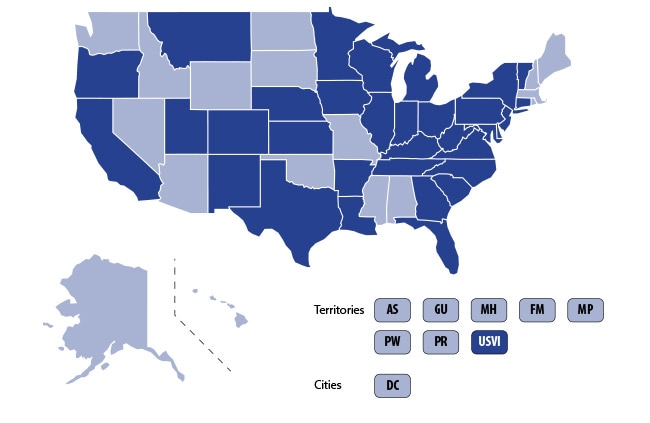
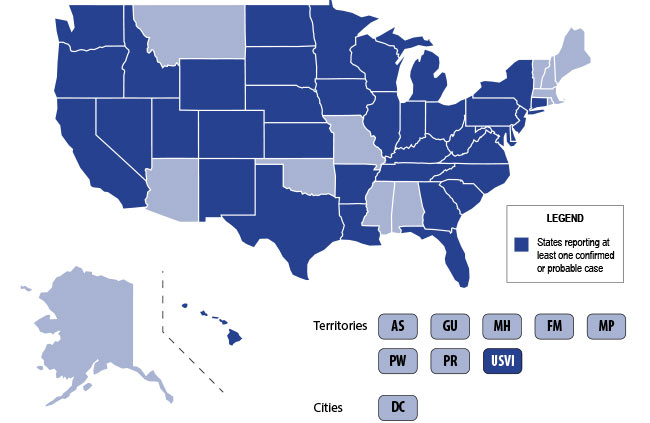
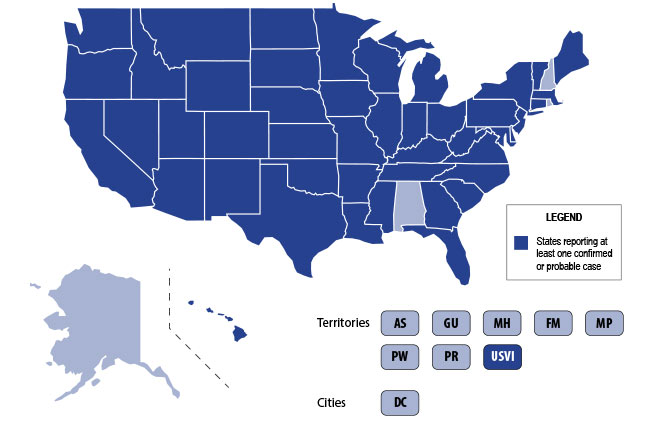
The CDC also said it is aware of 450 possible vaping-related cases in 33 states, including the 215 that have been previously reported. While vaping has been around for more than a decade, the CDC said the recent spike in illnesses started around May and June of this year.
The Los Angeles County Department of Public Health announced it's investigating the county's first known death of a person associated with e-cigarette use. Officials said there are 12 known cases of pulmonary illnesses related to vaping in Los Angeles County. It is unclear if the vaping-related death in Los Angeles is the death the CDC is investigating.
Indiana health officials reported the third known vaping-related death on Friday. As with the previous vaping-related deaths, the patient’s name, age and city were not released publicly.
...
https://abcnews.go.com/US/vaping-rel...ry?id=65435098
Health officials confirm first vaping-related death in Indiana
The Indiana State Department of Health has confirmed the first death of an adult Indiana resident due to severe lung injury who reported vaping.
September 6, 2019 at 10:57 AM CDT - Updated September 6 at 11:38 AM
INDIANA (WFIE) - Health officials have reported the first vaping-related death in Indiana.
The Indiana State Department of Health has confirmed the first death of an adult Indiana resident due to severe lung injury who reported vaping.
Nationally, this is the third reported death. Previous deaths have been reported in Illinois and Oregon.
...
https://www.14news.com/2019/09/06/he...death-indiana/
CDC: Vaping linked to 4 deaths, 450 reported illnesses
Melissa Jenco, News Content Editor
Four people have died from vaping-related lung illnesses, and the number of possible cases has grown to 450, according to the Centers for Disease Control and Prevention (CDC).
“While the investigation is ongoing, CDC has advised that individuals consider not using e-cigarettes because as of now, this is the primary means of preventing severe lung disease,” said Dana Meaney-Delman, M.D., M.P.H., incident manager for the CDC’s 2019 Lung Injury Response. “Of course, e-cigarette use is never safe for youth, young adults and pregnant women.”
The deaths occurred in
Illinois, Oregon, Indiana, and Minnesota. Cases have been reported in 33 states and one territory.
...
https://www.aappublications.org/news...gillness090619
MN Health Officials Confirm State's 1st Vaping Related Death
September 06, 2019 01:43 PM
(ABC 6 News) - Health officials confirmed Friday the first vaping related death in Minnesota.
In a press release the Minnesota Department of Health said the person who died was over 65 years old and died in August after a long and complicated hospitalization.
The Minnesota State Epidemiologist, Dr. Ruth Lynfield, said the patient had a history of underlying lung disease and was hospitalized with a severe lung injury that had progressed to include other conditions.
...
https://www.kaaltv.com/news/minnesota-health-officials-vaping-related-death-latest/5482881/
[FONT="]Initial State Findings Point to Clinical Similarities in Illnesses Among People Who Use E-cigarettes
No single product linked to all cases of lung disease
Press Release
Embargoed Until: Friday, September 6, 2019, 1:00 p.m. ET
Contact: Media Relations
(404) 639-3286
Initial findings from the investigation into serious lung illnesses associated with e-cigarette products point to clinical similarities among those affected. Patients report similar exposures, symptoms and clinical findings and these align with the CDC health advisory released last week. While many of the patients, but not all, reported recent use of THC-containing products, some reported using both THC- and nicotine-containing products. A smaller group reported using nicotine only.
No evidence of infectious diseases has been identified in these patients, therefore lung illnesses are likely associated with a chemical exposure. However, it is too early to pinpoint a single product or substance common to all cases, according to authors of articles published today in the CDC’s Morbidity and Mortality Weekly Report (MMWR) and the New England Journal of Medicine.
“We are committed to finding out what is making people sick,” said Robert R. Redfield, MD, director of the Centers for Disease Control and Prevention. “All available information is being carefully analyzed, and these initial findings are helping us narrow the focus of our investigation and get us closer to the answers needed to save lives.”
CDC, FDA, and state partners are combining information about e-cigarette exposures, results from FDA testing of product samples, and clinical testing results to identify a cause or causes of these illnesses.
“The FDA appreciates the continued collaboration between our federal and state public health partners to get to the bottom of these distressing incidents and gather more information about any products or substances used. We are leaving no stone unturned in following any potential leads and we’re committed to taking appropriate actions as the facts emerge,” said Acting FDA Commissioner Ned Sharpless, M.D. “Our laboratory is working closely with our federal and state partners to identify the products or substances that may be causing the illnesses and have received more than 120 samples from the states so far. The FDA is analyzing these for a broad range of chemicals but no one substance, including Vitamin E acetate, has been identified in all of the samples tested. Importantly, identifying any compounds present in the samples will be one piece of the puzzle but won’t necessarily answer questions about causality, which makes our ongoing work critical.”
CDC launched a multistate investigation into the lung illnesses on August 1, 2019, and has worked closely since then with FDA, states and other public health partners, and clinicians to determine the cause. As of today, more than 25 states have reported possible cases of lung illnesses associated with use of e-cigarette products (e.g., devices, liquids, refill pods, and cartridges).
At least two deaths have been reported to CDC. Additional cases of lung illness are being investigated to determine whether they are linked to e-cigarette use and have similar clinical features. This includes looking back for older cases based on CDC’s case definition. States are in the process of classifying possible cases, and this information will be reported next week.
What CDC is doing
CDC has created an incident command structure to respond to these illnesses and is working with FDA and states to investigate whether the illnesses may be linked to specific devices, ingredients, or contaminants in the devices, or substances associated with e-cigarette product use. On August 30, 2019, states were asked to submit data to CDC about lung illnesses associated with e-cigarette product use, as well as information about the types of e-cigarette products used. CDC is currently receiving data from affected states and will share updates as more information becomes available.
What health care providers can do
CDC encourages clinicians to immediately report possible cases of e-cigarette-associated lung disease to their local or state health department for further investigation. If e-cigarette product use is suspected as a possible cause for a patient’s lung disease, a detailed history of the substances used, the sources, and the devices used should be obtained, as outlined in the HAN (Health Alert Network), and efforts should be made to determine if any remaining product, devices, and liquids are available for testing.
What the public can do
While this investigation is ongoing, people should consider not using e-cigarette products. People who do use e-cigarette products should monitor themselves for symptoms (e.g., cough, shortness of breath, chest pain, nausea, vomiting, abdominal pain, fever) and promptly seek medical attention for any health concerns. Regardless of the ongoing investigation, people who use e-cigarette products should not buy these products off the street and should not modify e-cigarette products or add any substances that are not intended by the manufacturer. E-cigarette products should never be used by youth, young adults, pregnant women, or adults who do not currently use tobacco products.
If you are concerned about your health after using an e-cigarette product, contact your health care provider, or you can also call your local poison control center at 1-800-222-1222. Health care providers also can contact their local poison control center.
CDC and FDA encourage the public to submit detailed reports of any unexpected health or product issues related to tobacco or e-cigarette products to the FDA via the online Safety Reporting Portalexternal icon.
The reports released today in CDC’s MMWR include “Severe Pulmonary Disease Associated with Electronic-Cigarette-Product Use – Interim Guidance” by CDC authors and “Notes from the Field: An outbreak of e-cigarette associated acute lipoid pneumonia — North Carolina, July–August, 2019,” from North Carolina clinicians. The New England Journal of Medicine today released “Preliminary Report: Pulmonary disease associated with e-cigarette use, Illinois and Wisconsin,” with authors from the two states and CDC co-authors.
More information about the investigation is available on the CDC website.[/FONT]
[FONT="] [/FONT] [FONT="]CDC works 24/7 protecting America’s health, safety and security. Whether disease start at home or abroad, are curable or preventable, chronic or acute, or from human activity or deliberate attack, CDC responds to America’s most pressing health threats. CDC is headquartered in Atlanta and has experts located throughout the United States and the world.[/FONT]
[FONT="] [/FONT]
https://www.cdc.gov/media/releases/2...d-illness.html