• FluTrackers.com Inc. does not provide medical advice. Information on this web site is collected from various internet resources, and the FluTrackers board of directors makes no warranty to the safety, efficacy, correctness or completeness of the information posted on this site by any author or poster. The information collated here is for instructional and/or discussion purposes only and is NOT intended to diagnose or treat any disease, illness, or other medical condition. Every individual reader or poster should seek advice from their personal physician/healthcare practitioner before considering or using any interventions that are discussed on this website. By continuing to access this website you agree to consult your personal physican before using any interventions posted on this website, and you agree to hold harmless FluTrackers.com Inc., the board of directors, the members, and all authors and posters for any effects from use of any medication, supplement, vitamin or other substance, device, intervention, etc. mentioned in posts on this website, or other internet venues referenced in posts on this website.
  • We are not asking for any donations. Do not donate to any entity who says they are raising funds for us.

US - USDA Confirms Presence of New World Screwworm in the United States - June 3, 2026 - current

USDA Continues Phased Reopening of Southern Border Ports for Livestock Imports​


USDA’s Animal and Plant Health Inspection Service (APHIS) is continuing its phased reopening of southern border ports for livestock imports from Mexico, supported by enhanced safeguards against New World screwworm (NWS) and ongoing evaluations of animal health conditions.

On October 26, 2026, APHIS will reopen the Columbus, New Mexico, port of entry to cattle imports. If conditions continue to support safe trade and all required inspection arrangements and infrastructure are in place, the next port scheduled to reopen to cattle imports will be Nogales, Arizona, on November 30, 2026.

Additionally, on October 26, 2026, APHIS will resume the importation of equines from Mexico via land crossing through the Santa Teresa, New Mexico, port of entry.

Under APHIS’ updated protocols, horses and other equines imported from Mexico will continue to undergo a rigorous inspection and treatment process prior to export, followed by a seven-day quarantine period before being released into the U.S.  

Equines entering through Santa Teresa will complete quarantine at a USDA-approved facility located on the U.S. side of the border. Quarantine facilities on the Mexican side of the port of entry will remain closed at this time.  

USDA is taking a measured approach to reopening equine imports. Beginning operations at Santa Teresa will allow the agency to evaluate the implementation of the updated safeguards and confirm they are working as intended before expanding to additional locations.  

Following this evaluation, USDA will consider resuming equine imports through other approved ports of entry and approved quarantine facilities, including USDA-approved facilities in Mexico, as conditions warrant and animal health safeguards continue to be met.  Additional information on equine import requirements is available on the APHIS website.

USDA will continue to assess conditions at additional ports of entry and will make further reopening decisions based on animal health risks, operational readiness, and the continued effectiveness of mitigation measures. For the latest information on New World screwworm and USDA’s phased reopening of southern border ports to livestock imports, please visit Screwworm.gov.  

 
via email


[td]

​

USDA Confirms First Detection of New World Screwworm in U.S. Wildlife​

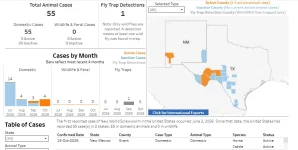
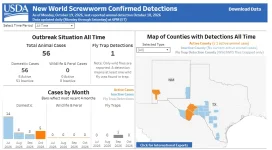
The U.S. Department of Agriculture's (USDA) Animal and Plant Health Inspection Service (APHIS) has confirmed the first detection of New World screwworm (NWS) in wildlife in the United States, in an elk in Pecos County, TX. The elk was located on a game ranch and was reported after being harvested by a hunter.

This detection highlights the critical role hunters, landowners, outdoor enthusiasts, and wildlife professionals play in helping detect and stop the spread of NWS. Early reporting is one of the most important tools we have to protect wildlife, livestock, and pets in the United States.

The Texas Animal Health Commission will modify a previously established infested zone, and USDA and the Texas Parks and Wildlife Department are conducting additional wildlife surveillance in the area.

Hunters Can Make a Difference​

Hunters and others who spend time outdoors near infested areas are often among the first people to encounter affected wildlife, making their observations especially valuable to surveillance and response efforts.

As hunting seasons continue across Texas and other States, hunters are encouraged to stay alert for signs of NWS when observing, harvesting, or processing wildlife.

Watch for:

  • Visible maggots (larvae) in wounds or body openings
  • Open, draining, or enlarging wounds
  • Foul-smelling injuries
  • Animals that appear weak, lethargic, isolated, or in distress
  • Signs of infestation around the nose, mouth, ears, eyes, or genital areas
If you see anything suspicious, report it immediately. Fast reporting helps animal health officials respond quickly and helps limit the pest's spread.

For information on identifying and reporting potential cases in wildlife, please see USDA's wildlife resources at Screwworm.gov Wildlife Information. The site includes signs to watch for, reporting guidance, and additional resources for hunters and outdoor enthusiasts.

Together, we can help protect America's wildlife, livestock, and natural resources from New World screwworm.
​


1792640140504.webp
 
Back
Top Bottom