• FluTrackers.com Inc. does not provide medical advice. Information on this web site is collected from various internet resources, and the FluTrackers board of directors makes no warranty to the safety, efficacy, correctness or completeness of the information posted on this site by any author or poster. The information collated here is for instructional and/or discussion purposes only and is NOT intended to diagnose or treat any disease, illness, or other medical condition. Every individual reader or poster should seek advice from their personal physician/healthcare practitioner before considering or using any interventions that are discussed on this website. By continuing to access this website you agree to consult your personal physican before using any interventions posted on this website, and you agree to hold harmless FluTrackers.com Inc., the board of directors, the members, and all authors and posters for any effects from use of any medication, supplement, vitamin or other substance, device, intervention, etc. mentioned in posts on this website, or other internet venues referenced in posts on this website.
  • We are not asking for any donations. Do not donate to any entity who says they are raising funds for us.

US - HPAI H7N9 Avian Flu (genetically distinct from China) Detected in Tennessee Commercial Poultry Farm - March 5, 2017

sharon sanders

Editor-in-Chief & President
Virus Deadly to Poultry Detected in Tennessee

Sunday, March 05, 2017 | 12:11pm
NASHVILLE — The state veterinarian confirms that a strain of highly pathogenic avian influenza (HPAI) has sickened a commercial chicken breeder flock in Lincoln County.
“Many Tennessee families rely on the poultry industry for their livelihoods, and the state is working closely with local, county and federal partners and the poultry industry to control the situation and protect the flocks that are critical to our state’s economy,” Gov. Bill Haslam said.
HPAI is known to be deadly for domesticated chickens and turkeys. On March 3, a commercial chicken facility in Lincoln County alerted the state veterinarian’s office at the Tennessee Department of Agriculture to an increase in chicken deaths. Testing at state and federal laboratories confirmed the presence of H7 HPAI in samples from that flock.
“Animal health is our top priority,” state veterinarian, Dr. Charles Hatcher, DVM said. “With this HPAI detection, we are moving quickly and aggressively to prevent the virus from spreading.”
The facility is under quarantine, along with approximately 30 other poultry farms within a 10 kilometer radius (6.2 miles) of the site. The affected flock is being depopulated to stop potential spread of the illness, and officials are testing and monitoring other flocks within the quarantined area. No other flocks have experienced an increase in mortality.
HPAI does not pose a risk to the food supply. No affected animals entered the food chain. The risk of human infection with avian influenza during poultry outbreaks is very low. In fact, no transmission to humans was reported during the outbreak that affected commercial poultry farms in the Midwestern United States in 2015. Also, this is not the same strain identified in that outbreak. However, out of an abundance of caution, officials with the Tennessee Department of Health and Tennessee Department of Agriculture are working together to address concerns about the health of individuals who are working on site or had contact with affected birds.
Prior to this HPAI case, the most recent U.S. detection was in January of 2016 in a commercial turkey flock in Indiana.
“Although this is a situation no state wants to face, Tennessee has been actively preparing to respond to HPAI since it was first identified as a threat,” Commissioner of Agriculture Jai Templeton said.
This is the first time highly pathogenic avian influenza has been detected in Tennessee, however low path avian influenza has affected Tennessee poultry flocks in the past. State officials and partners have extensive experience in effectively containing the virus. The plan for the control of avian influenza includes coordination of resources and response, and protocols for quarantine, testing, disposal, cleaning, disinfection and monitoring.
Owners of commercial and backyard poultry flocks are encouraged to closely observe their birds.
* Report a sudden increase in the number of sick birds or bird deaths to the state veterinarian’s office at 615- 837-5120 and/or USDA at 1-866-536-7593
* Prevent contact with wild birds
* Practice good biosecurity with your poultry flock
* Enroll in the National Poultry Improvement Plan
* Follow Animal Health Alert updates

The source of the Lincoln County virus has not yet been determined. This version of H7 HPAI is confirmed as a North American wild bird lineage.
The state veterinarian and staff are focused on animal health and disease prevention. Each year, the Kord Animal Health lab tests approximately 22,000 samples from poultry for avian flu.
- See more at: https://www.tn.gov/agriculture/news/....ajsvkST0.dpuf

https://www.tn.gov/agriculture/news/48946
 
USDA Confirms Highly Pathogenic H7 Avian Influenza in a Commercial Flock in Lincoln County, Tennessee

[FONT=&quot]Last Modified: Mar 5, 2017[/FONT]
[FONT=&quot]Print[/FONT]
[FONT=&quot]Contacts:
Donna Karlsons, 301-851-4107
Donna.L.Karlsons@aphis.usda.gov
Lyndsay Cole, 970-494-7410
Lyndsay.M.Cole@aphis.usda.gov[/FONT]


[FONT=&quot]March 5, 2017, Washington – The United States Department of Agriculture’s (USDA) Animal and Plant Health Inspection Service (APHIS) has confirmed the presence of highly pathogenic H7 avian influenza (HPAI) of North American wild bird lineage in a commercial chicken breeder flock in Lincoln County, Tennessee. This is the first confirmed case of HPAI in commercial poultry in the United States this year. The flock of 73,500 is located within the Mississippi flyway. Samples from the affected flock, which experienced increased mortality, were tested at Tennessee’s Kord Animal Health Diagnostic Laboratory and confirmed at the APHIS National Veterinary Services Laboratories (NVSL) in Ames, Iowa. Virus isolation is ongoing, and NVSL expects to characterize the neuraminidase protein, or “N-type”, of the virus within 48 hours.

APHIS is working closely with the Tennessee Department of Agriculture on a joint incident response. State officials quarantined the affected premises and birds on the property will be depopulated to prevent the spread of the disease. Birds from the flock will not enter the food system.

The Tennessee Department of Agriculture is working directly with poultry workers at the affected facility to ensure that they are taking the proper precautions to prevent illness and contain disease spread. As a reminder, the proper handling and cooking of poultry and eggs to an internal temperature of 165 ˚F kills bacteria and viruses.

As part of existing avian influenza response plans, Federal and State partners are working jointly on additional surveillance and testing in the nearby area. The United States has the strongest AI surveillance program in the world, and USDA is working with its partners to actively look for the disease in commercial poultry operations, live bird markets and in migratory wild bird populations.

USDA will be informing the World Organization for Animal Health (OIE) as well as international trading partners of this finding. USDA also continues to communicate with trading partners to encourage adherence to OIE standards and minimize trade impacts. OIE trade guidelines call on countries to base trade restrictions on sound science and, whenever possible, limit restrictions to those animals and animal products within a defined region that pose a risk of spreading disease of concern. [/FONT]

[FONT=&quot]These virus strains can travel in wild birds without them appearing sick. People should avoid contact with sick/dead poultry or wildlife. If contact occurs, wash your hands with soap and water and change clothing before having any contact with healthy domestic poultry and birds.

All bird owners, whether commercial producers or backyard enthusiasts, should continue to practice good biosecurity, prevent contact between their birds and wild birds, and report sick birds or unusual bird deaths to State/Federal officials, either through their state veterinarian or through USDA’s toll-free number at 1-866-536-7593. Additional information on biosecurity for can be found at www.aphis.usda.gov/animalhealth/defendtheflock.

Additional background
Avian influenza (AI) is caused by an influenza type A virus which can infect poultry (such as chickens, turkeys, pheasants, quail, domestic ducks, geese and guinea fowl) and is carried by free flying waterfowl such as ducks, geese and shorebirds. AI viruses are classified by a combination of two groups of proteins: hemagglutinin or “H” proteins, of which there are 16 (H1–H16), and neuraminidase or “N” proteins, of which there are 9 (N1–N9). Many different combinations of “H” and “N” proteins are possible. Each combination is considered a different subtype, and can be further broken down into different strains. AI viruses are further classified by their pathogenicity (low or high)— the ability of a particular virus strain to produce disease in domestic chickens.[/FONT]
 
Bird Flu Found at U.S. Farm That Supplies Chickens to Tyson

by Megan Durisin and Shruti Singh

March 5, 2017, 7:12 PM CST March 6, 2017, 9:38 AM CST
...
A deadly form of bird flu has been confirmed in a southern Tennessee operation that supplies Tyson Foods Inc. with chickens, marking the first U.S. case at a commercial farm this year...
...
Tennessee borders several of the nation’s largest chicken-meat producing states, including Georgia, Alabama, Arkansas and North Carolina. The virus is believed to spread partly by migratory wild birds, posing the risk that it may reach other farms.

The U.S. southeast was largely spared during the last major U.S. outbreak, which affected turkey and egg farms in the Midwest and led to the death of more than 48 million birds through mid-2015, either from infection or culling. HPAI was found once last year at an Indiana turkey farm.
...
Previous outbreaks have led some nations to restrict shipments of poultry from affected areas. South Korea’s agriculture ministry said Monday it banned shipments of poultry and eggs from the U.S. unless they’ve been heat treated. The Asian nation is already facing surging egg prices and has culled almost 34 million birds amid a domestic bird-flu outbreak. While poultry producers across Europe and Asia have also been grappling with the virus in recent months, Brazil, the world’s largest chicken exporter, has so far remained untouched.
...
Springdale, Arkansas-based Tyson said all flocks within a six-mile radius of the Tennessee farm will be tested and won’t be transported unless they test negative for the virus. Since 2015’s outbreaks, the company’s U.S. poultry operations have been operating under increased biosecurity measures, including not allowing non-essential visitors access to contract farms and disinfecting vehicles to prevent spreading the virus.
...

https://www.bloomberg.com/news/artic...chicken-states
 
[TABLE="class: TableChoisir, border: 0, cellpadding: 0, cellspacing: 0"]
[TR]
[TD]

[TD="width: *, align: left"] Highly pathogenic avian influenza,
United States of America

[/TD]
[TD="width: 1%, align: right"] [/TD]
[/TD]
[/TR]
[TR]
[TD] [TABLE="class: TableChoisir, border: 0, cellpadding: 0, cellspacing: 0"]
[TR]
[TD="class: topbigtabletitle27"]Information received on 06/03/2017 from Dr John Clifford, Official Delegate, Chief Trade Advisor, Animal and Plant Health Inspection Service, United States Department of Agriculture, Washington, United States of America[/TD]
[/TR]
[/TABLE]
[/TD]
[/TR]
[TR]
[TD] Summary
[TABLE="class: TableFoyers, width: 917"]
[TR]
[TD="class: filtrer_th, width: 10%"]Report type[/TD]
[TD="width: 30%"]Immediate notification[/TD]
[/TR]
[TR]
[TD="class: filtrer_th, width: 10%"]Date of start of the event[/TD]
[TD="width: 30%"]01/03/2017[/TD]
[/TR]
[TR]
[TD="class: filtrer_th, width: 10%"]Date of confirmation of the event[/TD]
[TD="width: 30%"]04/03/2017[/TD]
[/TR]
[TR]
[TD="class: filtrer_th, width: 10%"]Report date[/TD]
[TD="width: 30%"]06/03/2017[/TD]
[/TR]
[TR]
[TD="class: filtrer_th, width: 10%"]Date submitted to OIE[/TD]
[TD="width: 30%"]06/03/2017[/TD]
[/TR]
[TR]
[TD="class: filtrer_th, width: 10%"]Reason for notification[/TD]
[TD="width: 30%"]Reoccurrence of a listed disease[/TD]
[/TR]
[TR]
[TD="class: filtrer_th, width: 10%"]Date of previous occurrence[/TD]
[TD="width: 30%"]2016[/TD]
[/TR]
[TR]
[TD="class: filtrer_th, width: 10%"]Manifestation of disease[/TD]
[TD="width: 30%"]Clinical disease[/TD]
[/TR]
[TR]
[TD="class: filtrer_th, width: 10%"]Causal agent[/TD]
[TD="width: 30%"]Highly pathogenic avian influenza virus[/TD]
[/TR]
[TR]
[TD="class: filtrer_th, width: 10%"]Serotype[/TD]
[TD="width: 30%"]H7[/TD]
[/TR]
[TR]
[TD="class: filtrer_th, width: 10%"]Nature of diagnosis[/TD]
[TD="width: 30%"]Laboratory (advanced)[/TD]
[/TR]
[TR]
[TD="class: filtrer_th, width: 10%"]This event pertains to[/TD]
[TD="width: 30%"]a defined zone within the country[/TD]
[/TR]
[/TABLE]
[/TD]
[/TR]
[TR]
[TD] New outbreaks (1)
[TABLE="class: TableFoyers, width: 918"]
[/TABLE]

[/TD]
[/TR]
[TR]
[TD] [TABLE="class: TableFoyers, width: 917"]
[TR]
[TD="class: filtrer_th ta_left, align: left"]Outbreak 1[/TD]
[TD="class: filtrer_th ta_left"]Lincoln County, Lincoln, TENNESSEE[/TD]
[/TR]
[TR]
[TD="class: filtrer_th ta_left"]Date of start of the outbreak[/TD]
[TD]01/03/2017[/TD]
[/TR]
[TR]
[TD="class: filtrer_th ta_left"]Outbreak status[/TD]
[TD]Continuing (or date resolved not provided)[/TD]
[/TR]
[TR]
[TD="class: filtrer_th ta_left"]Epidemiological unit[/TD]
[TD]Farm[/TD]
[/TR]
[TR]
[TD="class: filtrer_th ta_left"]Affected animals[/TD]
[TD] [TABLE="class: TableFoyers, width: 605"]
[TR]
[TD="class: filtrer_th ta_center last"]Species[/TD]
[TD="class: filtrer_th ta_center last"]Susceptible[/TD]
[TD="class: filtrer_th ta_center last"]Cases[/TD]
[TD="class: filtrer_th ta_center last"]Deaths[/TD]
[TD="class: filtrer_th ta_center last"]Destroyed[/TD]
[TD="class: filtrer_th ta_center last"]Slaughtered[/TD]
[/TR]
[TR]
[TD]Birds[/TD]
[TD="class: ta_right"]73500[/TD]
[TD="class: ta_right"] [/TD]
[TD="class: ta_right"]700[/TD]
[TD="class: ta_right"]72800[/TD]
[TD="class: ta_right"]0[/TD]
[/TR]
[/TABLE]
[/TD]
[/TR]
[TR]
[TD="class: filtrer_th ta_left"]Affected population[/TD]
[TD]Commercial chicken broiler-breeder flock[/TD]
[/TR]
[/TABLE]

[/TD]
[/TR]
[TR]
[TD] [TABLE="class: TableFoyers, width: 917"]
[TR]
[TD="class: filtrer_th ta_left, align: left"]Summary of outbreaks[/TD]
[TD="class: filtrer_th ta_left"]Total outbreaks: 1[/TD]
[/TR]
[TR]
[TD="class: filtrer_th ta_left"]Total animals affected[/TD]
[TD] [TABLE="class: TableFoyers, width: 744"]
[TR]
[TD="class: filtrer_th ta_center last"]Species[/TD]
[TD="class: filtrer_th ta_center last"]Susceptible[/TD]
[TD="class: filtrer_th ta_center last"]Cases[/TD]
[TD="class: filtrer_th ta_center last"]Deaths[/TD]
[TD="class: filtrer_th ta_center last"]Destroyed[/TD]
[TD="class: filtrer_th ta_center last"]Slaughtered[/TD]
[/TR]
[TR]
[TD]Birds[/TD]
[TD="class: ta_right"]73500[/TD]
[TD="class: ta_right"]**[/TD]
[TD="class: ta_right"]700[/TD]
[TD="class: ta_right"]72800[/TD]
[TD="class: ta_right"]0[/TD]
[/TR]
[/TABLE]
[/TD]
[/TR]
[TR]
[TD="class: filtrer_th ta_left"]Outbreak statistics[/TD]
[TD] [TABLE="class: TableFoyers, width: 744"]
[TR]
[TD="class: filtrer_th ta_center last"]Species[/TD]
[TD="class: filtrer_th ta_center last"]Apparent morbidity rate[/TD]
[TD="class: filtrer_th ta_center last"]Apparent mortality rate[/TD]
[TD="class: filtrer_th ta_center last"]Apparent case fatality rate[/TD]
[TD="class: filtrer_th ta_center last"]Proportion susceptible animals lost*[/TD]
[/TR]
[TR]
[TD]Birds[/TD]
[TD="class: ta_right"]**[/TD]
[TD="class: ta_right"]0.95%[/TD]
[TD="class: ta_right"]**[/TD]
[TD="class: ta_right"]100.00%[/TD]
[/TR]
[/TABLE]
[/TD]
[/TR]
[TR]
[TD="class: filtrer_th ta_left, colspan: 2"]*Removed from the susceptible population through death, destruction and/or slaughter[/TD]
[/TR]
[TR]
[TD="class: filtrer_th ta_left, colspan: 2"]**Not calculated because of missing information[/TD]
[/TR]
[/TABLE]

[/TD]
[/TR]
[TR]
[TD] Epidemiology
[TABLE="class: TableFoyers, width: 917"]
[TR]
[TD="class: filtrer_th ta_left"]Source of the outbreak(s) or origin of infection[/TD]
[TD]
  • Unknown or inconclusive
[/TD]
[/TR]
[TR]
[TD="class: filtrer_th ta_left"]Epidemiological comments[/TD]
[TD]As part of existing avian influenza response plans, the USDA Animal and Plant Health Inspection Service (APHIS), in conjunction with the Tennessee Department of Agriculture, are responding to the identification of a highly pathogenic avian influenza (HPAI) H7 of North American wild bird lineage detection in a chicken broiler breeder flock. Further virus characterization including N-type is pending. This is the first confirmed case of HPAI in commercial poultry in the United States this year. A comprehensive epidemiological investigation in the surrounding area has begun along with enhanced surveillance and testing. State officials have quarantined the affected premises and implemented movement controls. Depopulation of birds on the premises has been completed.[/TD]
[/TR]
[/TABLE]
[/TD]
[/TR]
[TR]
[TD] [/TD]
[/TR]
[TR]
[TD] Control measures
[TABLE="class: TableFoyers, width: 917"]
[TR]
[TD="class: filtrer_th ta_left"]Measures applied[/TD]
[TD]
  • Movement control inside the country
  • Quarantine
  • Surveillance outside containment and/or protection zone
  • Stamping out
  • Surveillance within containment and/or protection zone
  • Zoning
  • Vaccination prohibited
  • No treatment of affected animals
[/TD]
[/TR]
[TR]
[TD="class: filtrer_th ta_left"]Measures to be applied[/TD]
[TD]
  • Disinfection / Disinfestation
  • Official disposal of carcasses, by-products and waste
[/TD]
[/TR]
[/TABLE]
[/TD]
[/TR]
[TR]
[TD] Diagnostic test results
[TABLE="class: TableFoyers, width: 917"]
[TR]
[TD="class: filtrer_th ta_left"]Laboratory name and type[/TD]
[TD="class: filtrer_th ta_left"]Species[/TD]
[TD="class: filtrer_th ta_left"]Test[/TD]
[TD="class: filtrer_th ta_left"]Test date[/TD]
[TD="class: filtrer_th ta_left last"]Result[/TD]
[/TR]
[TR]
[TD="class: filtrer"]National Veterinary Services Laboratories (NVSL) (National laboratory)[/TD]
[TD="class: filtrer"]Birds[/TD]
[TD="class: filtrer"]virus isolation[/TD]
[TD="class: filtrer"] [/TD]
[TD="class: filtrer cb-centree last"]Pending[/TD]
[/TR]
[TR]
[TD="class: filtrer"]National Veterinary Services Laboratories (NVSL) (National laboratory)[/TD]
[TD="class: filtrer"]Birds[/TD]
[TD="class: filtrer"]virus sequencing[/TD]
[TD="class: filtrer"]04/03/2017[/TD]
[TD="class: filtrer cb-centree last"]Positive[/TD]
[/TR]
[/TABLE]
[/TD]
[/TR]
[TR]
[TD] Future Reporting
[TABLE="class: TableFoyers, width: 917"]
[TR]
[TD="class: filtrer"]The event is continuing. Weekly follow-up reports will be submitted.[/TD]
[/TR]
[/TABLE]
[/TD]
[/TR]
[/TABLE]

...
http://www.oie.int/wahis_2/public/w...?page_refer=MapFullEventReport&reportid=23139
 
USDA Issues Update on Highly Pathogenic Avian Influenza in Tennessee

[FONT=&quot]Last Modified: Mar 7, 2017[/FONT]
[FONT=&quot]Print[/FONT]

[FONT=&quot]Contact:
Donna Karlsons, 301-851-4107
Donna.L.Karlsons@aphis.usda.gov
Lyndsay Cole, 970-494-7410
Lyndsay.M.Cole@aphis.usda.gov[/FONT]


[FONT=&quot]USDA’s National Veterinary Services Laboratories (NVSL) has confirmed the full subtype for the highly pathogenic H7 avian influenza reported in Lincoln County, TN. The virus has been identified as North American wild bird lineage H7N9 HPAI based upon full genome sequence analysis of the samples at the NVSL. All eight gene segments of the virus are North American wild bird lineage. This is NOT the same as the China H7N9 virus that has impacted poultry and infected humans in Asia. While the subtype is the same as the China H7N9 lineage that emerged in 2013, this is a different virus and is genetically distinct from the China H7N9 lineage.[/FONT]

[FONT=&quot]As additional background, avian influenza viruses are classified by a combination of two groups of proteins: hemagglutinin or “H” proteins, of which there are 16 (H1–H16), and neuraminidase or “N” proteins, of which there are 9 (N1–N9). Many different combinations of “H” and “N” proteins are possible. Each combination is considered a different subtype, and subtypes are further broken down into different strains. Genetically related strains within a subtype are referred to as lineage.[/FONT]

[FONT=&quot]USDA continues to work with the Tennessee Department of Agriculture on the joint incident response. Birds on the affected premises have been depopulated, and burial is in progress. An epidemiological investigation is underway to determine the source of the infection.[/FONT]

[FONT=&quot]Federal and state partners continue to conduct surveillance and testing of poultry within an expanded 10-mile radius around the affected premises to ensure all commercial operations in the area are disease-free. In addition, strict movement controls are in place within an established control zone to prevent the disease from spreading. As of yesterday, all commercial premises within the surveillance area had been tested, and all of the tests from the surrounding facilities were negative for disease. Officials will continue to observe commercial and backyard poultry for signs of influenza, and all flocks in the surveillance zone will be tested again.[/FONT]

[FONT=&quot]The rapid testing and response in this incident is the result of extensive planning with local, state, federal and industry partners to ensure the most efficient and effective coordination. Since the previous HPAI detections in 2015 and 2016, APHIS and its state and industry partners have learned valuable lessons to help implement stronger preparedness and response capabilities.[/FONT]

[FONT=&quot]More information about avian influenza can be found on the USDA avian influenza page.[/FONT]
 
Highly Pathogenic Avian Influenza in Tennessee

[FONT=&quot]March 7, 2017 - UPDATE from TN Department of Agriculture[/FONT]
  • USDA’s National Veterinary Services Laboratories (NVSL) confirms the virus that affected the Lincoln County, Tenn. facility is H7N9, of North American wild bird lineage (please see press release, linked below).
  • This is NOT the same as the China H7N9 virus affecting Asia. This virus is genetically distinct from the China H7N9 lineage.
  • No additional poultry within the surveillance area have shown signs of illness.
  • All samples from poultry within the surveillance area have tested negative for HPAI.
  • The surveillance zone is a 10 mile radius of the affected facility.
  • The control/quarantine zone is a 10 km radius of the affected facility.
  • The control/quarantine zone includes approximately 50 other commercial poultry houses.
  • For testing of backyard poultry flocks, only those within the control/quarantine zone will be sampled.
  • The investigation continues to determine the source of the virus.
[FONT=&quot]USDA Press Release[/FONT]
[FONT=&quot]March 6, 2017 - VIDEO: Press Conference at Ellington Agricultural Center
VIDEO: C.E. Kord Diagnostics Lab[/FONT]

[FONT=&quot]March 5, 2017 - Detection in Lincoln County
Tennessee Press Release
USDA Press Release
VIDEO: Dr. Charles Hatcher Comments (Part 1)
VIDEO: Dr. Charles Hatcher Comments (Part 2)[/FONT]


Resources for Poultry Owners

[FONT=&quot]USDA APHIS Avian Influenza Website
Biosecurity for Birds
Biosecurity for Pet Birds
Biosecurity in 6 Simple Steps
Understanding the Response Process
What to Expect if You Suspect[/FONT]


Information for Consumers

[FONT=&quot]Guidance from the Centers for Disease Control:[/FONT]
  • As a general precaution, people should avoid wild birds and observe them only from a distance; avoid contact with domestic birds (poultry) that appear ill or have died; and avoid contact with surfaces that appear to be contaminated with feces from wild or domestic birds.
  • People who have had contact with infected bird(s) should monitor their own health for possible symptoms (for example, conjunctivitis, or flu-like symptoms).
  • People who have had contact with infected birds may also be given influenza antiviral drugs preventatively.
  • Health care providers evaluating patients with possible HPAI H5 infection should notify their local or state health departments which in turn should notify CDC. CDC is providing case-by-case guidance at this time.
  • There is no evidence that any human cases of avian influenza have ever been acquired by eating properly cooked poultry products.
[FONT=&quot]Avian Influenza in Companion Animals (dogs, cats and pet birds)[/FONT]
Related Links

[FONT=&quot]Tennessee Poultry Association
National Poultry Improvement Plan[/FONT]


https://www.tn.gov/agriculture/article/ag-businesses-avianinfluenza
 
Tuesday, March 07, 2017

USDA Identifies Tennessee Bird Flu Virus as HPAI H7N9


[TABLE="class: tr-caption-container, cellpadding: 0, cellspacing: 0"]
[TR]
[TD][/TD]
[/TR]
[TR]
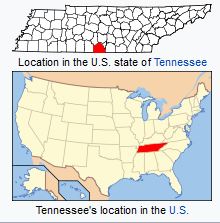
[TD="class: tr-caption"]Credit Wikipedia[/TD]
[/TR]
[/TABLE]


#12,292


Much the same as we saw earlier today with the announcement that theHPAI H5N6 virus in Greece is not of the same lineage as the Asian H5N6 virus, this afternoon we learn the HPAI H7 virus detected over the weekend in Tennessee is an HPAI H7N9 virus - but of different lineage, and genetically distinct - from China's H7N9 virus.
And just as we saw last year with the emergence of an HPAI H7N8 At A Commercial Turkey Farm In Indiana, this H7N9 virus appears to be a reassortant comprised entirely of North American lineage avian flu gene segments.
North American lineage LPAI and HPAI H7 viruses have caused poultry outbreaks in the past, and a small number of human infections have been reported, all described as minor.
In 2008, researchers from the CDC, Emory University, and The Scripps Research Institute collaborated on a study of North American H7 viruses (see PNAS Contemporary North American influenza H7 viruses possess human receptor specificity: Implications for virus transmissibility).

While linked to only mild illness, they wrote:
We identified a low pathogenic H7N2 virus isolated from a man in New York in 2003, A/NY/107/03, which replicated efficiently in the upper respiratory tract of ferrets and was capable of transmission in this species by direct contact. These results indicate that H7 influenza viruses from the North American lineage have acquired sialic acid-binding properties that more closely resemble those of human influenza viruses and have the potential to spread to na?ve animals.
H7 viruses, like all influenza viruses, continue to evolve, and adapt to new hosts - and outbreaks (and new reassortants) always deserve our attention.


The USDA's statement follows: We'll obviously be looking to seeing more epidemiological details, genetic studies, and the results of laboratory animal testing.
USDA Issues Update on Highly Pathogenic Avian Influenza in Tennessee

Last Modified: Mar 7, 2017


USDA’s National Veterinary Services Laboratories (NVSL) has confirmed the full subtype for the highly pathogenic H7 avian influenza reported in Lincoln County, TN. The virus has been identified as North American wild bird lineage H7N9 HPAI based upon full genome sequence analysis of the samples at the NVSL.
All eight gene segments of the virus are North American wild bird lineage. This is NOT the same as the China H7N9 virus that has impacted poultry and infected humans in Asia.While the subtype is the same as the China H7N9 lineage that emerged in 2013, this is a different virus and is genetically distinct from the China H7N9 lineage.

As additional background, avian influenza viruses are classified by a combination of two groups of proteins: hemagglutinin or “H” proteins, of which there are 16 (H1–H16), and neuraminidase or “N” proteins, of which there are 9 (N1–N9). Many different combinations of “H” and “N” proteins are possible. Each combination is considered a different subtype, and subtypes are further broken down into different strains. Genetically related strains within a subtype are referred to as lineage.

USDA continues to work with the Tennessee Department of Agriculture on the joint incident response. Birds on the affected premises have been depopulated, and burial is in progress. An epidemiological investigation is underway to determine the source of the infection.
Federal and state partners continue to conduct surveillance and testing of poultry within an expanded 10-mile radius around the affected premises to ensure all commercial operations in the area are disease-free. In addition, strict movement controls are in place within an established control zone to prevent the disease from spreading. As of yesterday, all commercial premises within the surveillance area had been tested, and all of the tests from the surrounding facilities were negative for disease. Officials will continue to observe commercial and backyard poultry for signs of influenza, and all flocks in the surveillance zone will be tested again.

The rapid testing and response in this incident is the result of extensive planning with local, state, federal and industry partners to ensure the most efficient and effective coordination. Since the previous HPAI detections in 2015 and 2016, APHIS and its state and industry partners have learned valuable lessons to help implement stronger preparedness and response capabilities.

More information about avian influenza can be found on the USDA avian influenza page.
Posted by Michael Coston at 4:46 PM
 
Tennessee bird flu shares name, not genetics, of feared China strain -USDA
by Reuters
Wednesday, 8 March 2017 00:34 GMT

By Tom Polansek

CHICAGO, March 7 (Reuters) - The strain of bird flu that infected a chicken farm in Tennessee in recent days shares the same name as a form of the virus that has killed humans in China, but is genetically distinct from it, U.S. authorities said on Tuesday.
...
"Even though the numbers and the letters are the same, if you look at the genetic fingerprint of that virus, it is different," said Dan Jernigan, director of the influenza division at the National Center for Immunization and Respiratory Diseases at U.S. Centers for Disease Control and Prevention.

Jernigan said the risk to humans from the virus found in Tennessee is low. Genome sequencing shows the H7N9 virus did not have genetic features present in the virus in China that make it easier for humans to become infected, he said.

The virus found in Tennessee likely mutated to become highly pathogenic from a less dangerous, low pathogenic form, he said.
...
Identifying the viruses in Tennessee and China both as H7N9 is similar to having two cars from different states with the same license plate number, said Carol Cardona, avian flu expert at the University of Minnesota.
...
Tyson, the world's biggest chicken company, is "hopeful this is an isolated incident," spokesman Worth Sparkman said.

Authorities have not identified the name of the farm or the town in Lincoln County, Tennessee, where it is located.
...
http://news.trust.org/item/20170308004111-i9hjk
 
merci,

il y a bien longtemps ,j'ai eu ? ?changer avec le concepteur de ceci :

http://dictionnaires.atilf.fr/dictionnaires/

je lui ai reproch? l'absence du dictionnaire des j?suites .

Il a reconnu ce manque.


Donc Sharon,

moi qui ne vit pas aux us ? ?claire moi sur le concept de mensonge , notamment, celui par omission ?


je dis cela car si les am?ricains reconnaissent avoir des H 7 dans la faune sauvage, ceci n'est pas notifi? officiellement ...


Quand on souhaite faire progresser les d?bats au niveau supra national, il est pr?f?rable de disposer d'un code de moral partag?, mais bon, si, m?me les am?ricains ont ?vinc? le mensonge par omission, je doute que cela va aller vite mieux ...
 
merci,

il y a bien longtemps ,j'ai eu ? ?changer avec le concepteur de ceci :

http://dictionnaires.atilf.fr/dictionnaires/

je lui ai reproch? l'absence du dictionnaire des j?suites .

Il a reconnu ce manque.


Donc Sharon,

moi qui ne vit pas aux us ? ?claire moi sur le concept de mensonge , notamment, celui par omission ?


je dis cela car si les am?ricains reconnaissent avoir des H 7 dans la faune sauvage, ceci n'est pas notifi? officiellement ...


Quand on souhaite faire progresser les d?bats au niveau supra national, il est pr?f?rable de disposer d'un code de moral partag?, mais bon, si, m?me les am?ricains ont ?vinc? le mensonge par omission, je doute que cela va aller vite mieux ...


After 11 years tracking diseases online I am skeptical of all information. The media can make mistakes and all governments try to control the message. I have no personal knowledge if the HPAI H7N9 in Tennessee is genetically different than the China strain or not.

Based on the government's reaction to the Gulf Oil Spill I believe that the US government will act to downplay any threat to public health. However, there is a new US administration. Hopefully there will be a new and more candid approach. I believe each individual state will act in that state's best interest as shown by Florida's response to the Zika threat.
 
[TABLE="class: TableChoisir, border: 0, cellpadding: 0, cellspacing: 0"]
[TR]
[TD]

[TD="width: *, align: left"] Highly pathogenic avian influenza,
United States of America

[/TD]
[TD="width: 1%, align: right"] [/TD]
[/TD]
[/TR]
[TR]
[TD] [TABLE="class: TableChoisir, border: 0, cellpadding: 0, cellspacing: 0"]
[TR]
[TD="class: topbigtabletitle27"]Information received on 08/03/2017 from Dr John Clifford, Official Delegate, Chief Trade Advisor, Animal and Plant Health Inspection Service, United States Department of Agriculture, Washington, United States of America[/TD]
[/TR]
[/TABLE]
[/TD]
[/TR]
[TR]
[TD] Summary
[TABLE="class: TableFoyers, width: 915"]
[TR]
[TD="class: filtrer_th, width: 10%"]Report type[/TD]
[TD="width: 30%"]Follow-up report No. 1[/TD]
[/TR]
[TR]
[TD="class: filtrer_th, width: 10%"]Date of start of the event[/TD]
[TD="width: 30%"]01/03/2017[/TD]
[/TR]
[TR]
[TD="class: filtrer_th, width: 10%"]Date of confirmation of the event[/TD]
[TD="width: 30%"]04/03/2017[/TD]
[/TR]
[TR]
[TD="class: filtrer_th, width: 10%"]Report date[/TD]
[TD="width: 30%"]08/03/2017[/TD]
[/TR]
[TR]
[TD="class: filtrer_th, width: 10%"]Date submitted to OIE[/TD]
[TD="width: 30%"]08/03/2017[/TD]
[/TR]
[TR]
[TD="class: filtrer_th, width: 10%"]Reason for notification[/TD]
[TD="width: 30%"]Reoccurrence of a listed disease[/TD]
[/TR]
[TR]
[TD="class: filtrer_th, width: 10%"]Date of previous occurrence[/TD]
[TD="width: 30%"]2016[/TD]
[/TR]
[TR]
[TD="class: filtrer_th, width: 10%"]Manifestation of disease[/TD]
[TD="width: 30%"]Clinical disease[/TD]
[/TR]
[TR]
[TD="class: filtrer_th, width: 10%"]Causal agent[/TD]
[TD="width: 30%"]Highly pathogenic avian influenza virus[/TD]
[/TR]
[TR]
[TD="class: filtrer_th, width: 10%"]Serotype[/TD]
[TD="width: 30%"]H7N9[/TD]
[/TR]
[TR]
[TD="class: filtrer_th, width: 10%"]Nature of diagnosis[/TD]
[TD="width: 30%"]Laboratory (advanced)[/TD]
[/TR]
[TR]
[TD="class: filtrer_th, width: 10%"]This event pertains to[/TD]
[TD="width: 30%"]a defined zone within the country[/TD]
[/TR]
[TR]
[TD="class: filtrer_th ta_left, width: 10%"]Related reports[/TD]
[TD="width: 30%"]Immediate notification (06/03/2017)
Follow-up report No. 1 (08/03/2017) [/TD]
[/TR]
[/TABLE]
[/TD]
[/TR]
[TR]
[TD] [TABLE="class: TableFoyers, width: 915"]
[TR]
[TD="class: filtrer_th ta_left"]Outbreaks[/TD]
[TD]There are no new outbreaks in this report[/TD]
[/TR]
[/TABLE]

[/TD]
[/TR]
[TR]
[TD] Epidemiology
[TABLE="class: TableFoyers, width: 915"]
[TR]
[TD="class: filtrer_th ta_left"]Source of the outbreak(s) or origin of infection[/TD]
[TD]
  • Unknown or inconclusive
[/TD]
[/TR]
[TR]
[TD="class: filtrer_th ta_left"]Epidemiological comments[/TD]
[TD]The USDA Animal and Plant Health Inspection Service (APHIS), in conjunction with the Tennessee Department of Agriculture, are continuing to respond to the identification of a highly pathogenic avian influenza (HPAI) H7N9 of North American wild bird lineage based on full genome sequence analysis in a chicken broiler breeder flock. All eight gene segments of the virus are North American wild bird lineage. This is NOT the same as the China H7N9 lineage that has impacted poultry and infected humans in Asia. Although the subtypes are the same (H7N9) the virus detected in the United States is a very different virus, genetically distinct from the China H7N9 lineage. A comprehensive epidemiological investigation in the surrounding area is continuing and enhanced surveillance and testing has begun. The first round of testing of all commercial poultry premises in a 10 mile (16 kilometer) surveillance zone has been completed with all results negative for avian influenza virus. State officials have quarantined the affected premises and implemented movement controls. Depopulation of birds on the premises has been completed and disposal of the birds is near completion.[/TD]
[/TR]
[/TABLE]
[/TD]
[/TR]
[TR]
[TD] [/TD]
[/TR]
[TR]
[TD] Control measures
[TABLE="class: TableFoyers, width: 915"]
[TR]
[TD="class: filtrer_th ta_left"]Measures applied[/TD]
[TD]
  • Movement control inside the country
  • Quarantine
  • Surveillance outside containment and/or protection zone
  • Stamping out
  • Official disposal of carcasses, by-products and waste
  • Surveillance within containment and/or protection zone
  • Zoning
  • Vaccination prohibited
  • No treatment of affected animals
[/TD]
[/TR]
[TR]
[TD="class: filtrer_th ta_left"]Measures to be applied[/TD]
[TD]
  • Disinfection / Disinfestation
[/TD]
[/TR]
[/TABLE]
[/TD]
[/TR]
[TR]
[TD] Diagnostic test results
[TABLE="class: TableFoyers, width: 915"]
[TR]
[TD="class: filtrer_th ta_left"]Laboratory name and type[/TD]
[TD="class: filtrer_th ta_left"]Species[/TD]
[TD="class: filtrer_th ta_left"]Test[/TD]
[TD="class: filtrer_th ta_left"]Test date[/TD]
[TD="class: filtrer_th ta_left last"]Result[/TD]
[/TR]
[TR]
[TD="class: filtrer"]National Veterinary Services Laboratories (NVSL) (National laboratory)[/TD]
[TD="class: filtrer"]Birds[/TD]
[TD="class: filtrer"]virus isolation[/TD]
[TD="class: filtrer"] [/TD]
[TD="class: filtrer cb-centree last"]Pending[/TD]
[/TR]
[TR]
[TD="class: filtrer"]National Veterinary Services Laboratories (NVSL) (National laboratory)[/TD]
[TD="class: filtrer"]Birds[/TD]
[TD="class: filtrer"]virus sequencing[/TD]
[TD="class: filtrer"]07/03/2017[/TD]
[TD="class: filtrer cb-centree last"]Positive[/TD]
[/TR]
[/TABLE]
[/TD]
[/TR]
[TR]
[TD] Future Reporting
[TABLE="class: TableFoyers, width: 915"]
[TR]
[TD="class: filtrer"]The event is continuing. Weekly follow-up reports will be submitted.[/TD]
[/TR]
[/TABLE]
[/TD]
[/TR]
[/TABLE]

...
http://oie.int/wahis_2/public/wahid...?page_refer=MapFullEventReport&reportid=23161
 
Back
Top