

sharon sanders
Editor-in-Chief & President
Wearing Masks in Travel and Public Transportation Settings
Updated May 3, 2022
Languages
Print
alert icon
As a result of a court order, effective immediately and as of April 18, 2022, CDC’s January 29, 2021 Order requiring masks on public transportation conveyances and at transportation hubs is no longer in effect. Therefore, CDC will not enforce the Order. CDC continues to recommend that people wear masks in indoor public transportation settings at this time.
On This Page
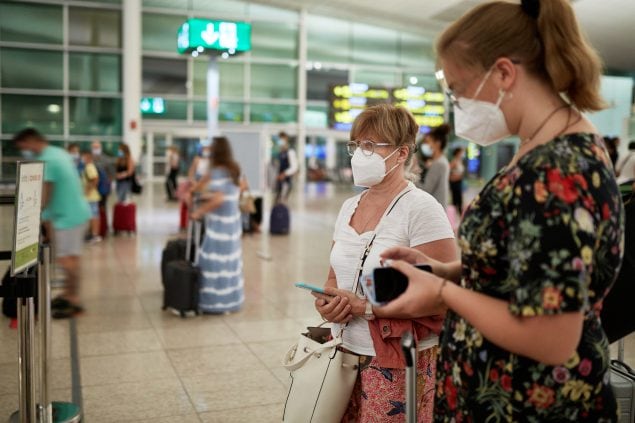
At this time, for people aged 2 years or older—including passengers and workers—CDC recommends properly wearing a well-fitting mask or respirator over the nose and mouth in indoor areas of public transportation (such as airplanes, trains, buses, ferries) and transportation hubs (such as airports, stations, and seaports). When people properly wear a well-fitting mask or respirator, they protect themselves and those around them, and help keep travel and public transportation safer for everyone. Wearing a well-fitting mask or respirator is most beneficial in crowded or poorly ventilated locations, such as airport jetways. CDC also encourages operators of public transportation and transportation hubs to support mask wearing by all people, including employees.
This public health recommendation is based on the currently available data, including an understanding of domestic and global epidemiology, circulating variants and their impact on disease severity and vaccine effectiveness, current trends in COVID-19 Community Levels within the United States, and projections of COVID-19 trends in the coming months.
Along with staying up to date with their COVID-19 vaccines, avoiding crowds, and hand-washing, wearing a well-fitting mask or respirator is one of multiple prevention steps that people can take to protect themselves and others in travel and transportation settings.
People should also follow any requirements and recommendations of state, tribal, local, and territorial authorities, authorities at international destinations, and operators of public transportation or transportation hubs.
For more information about safer travel during the pandemic, see Domestic Travel During COVID-19 and International Travel.
Frequently Asked Questions
When should I wear a mask in travel and public transportation settings?
Why are masks still recommended in travel and public transportation but not in other community settings?
What are other ways I can reduce risk in travel and transportation settings?
Does CDC recommend masks on school buses?
Top of PageOperators of Conveyances and Transportation Hubs
Operators of conveyances and transportation hubs can take steps to help keep travel and public transportation safer for everyone.
Last Updated May 3, 2022
https://www.cdc.gov/coronavirus/2019-ncov/travelers/masks-public-transportation.html
Updated May 3, 2022
Languages
alert icon
As a result of a court order, effective immediately and as of April 18, 2022, CDC’s January 29, 2021 Order requiring masks on public transportation conveyances and at transportation hubs is no longer in effect. Therefore, CDC will not enforce the Order. CDC continues to recommend that people wear masks in indoor public transportation settings at this time.
On This Page
At this time, for people aged 2 years or older—including passengers and workers—CDC recommends properly wearing a well-fitting mask or respirator over the nose and mouth in indoor areas of public transportation (such as airplanes, trains, buses, ferries) and transportation hubs (such as airports, stations, and seaports). When people properly wear a well-fitting mask or respirator, they protect themselves and those around them, and help keep travel and public transportation safer for everyone. Wearing a well-fitting mask or respirator is most beneficial in crowded or poorly ventilated locations, such as airport jetways. CDC also encourages operators of public transportation and transportation hubs to support mask wearing by all people, including employees.
This public health recommendation is based on the currently available data, including an understanding of domestic and global epidemiology, circulating variants and their impact on disease severity and vaccine effectiveness, current trends in COVID-19 Community Levels within the United States, and projections of COVID-19 trends in the coming months.
Along with staying up to date with their COVID-19 vaccines, avoiding crowds, and hand-washing, wearing a well-fitting mask or respirator is one of multiple prevention steps that people can take to protect themselves and others in travel and transportation settings.
People should also follow any requirements and recommendations of state, tribal, local, and territorial authorities, authorities at international destinations, and operators of public transportation or transportation hubs.
For more information about safer travel during the pandemic, see Domestic Travel During COVID-19 and International Travel.
Frequently Asked Questions
When should I wear a mask in travel and public transportation settings?
Why are masks still recommended in travel and public transportation but not in other community settings?
What are other ways I can reduce risk in travel and transportation settings?
Does CDC recommend masks on school buses?
Top of PageOperators of Conveyances and Transportation Hubs
Operators of conveyances and transportation hubs can take steps to help keep travel and public transportation safer for everyone.
- Support wearing of masks or respirators on conveyances and in transportation hubs for everyone aged 2 years or older, including employees.
- If an employer allows voluntary use of filtering facepiece respirators, the employer must follow 29 CFR 1910.134(c)(2)external icon requirements for voluntary respirator use.
- Improve ventilation.
- Keep conveyance ventilation systems on when passengers and workers are on board, including during embarkation and disembarkation processes.
- Open windows on conveyances where feasible.
- Reduce crowding where feasible.
- Promote hand hygiene, such as making hand sanitizer dispensers available and ensuring they are kept filled and working.
Last Updated May 3, 2022
https://www.cdc.gov/coronavirus/2019-ncov/travelers/masks-public-transportation.html