• FluTrackers.com Inc. does not provide medical advice. Information on this web site is collected from various internet resources, and the FluTrackers board of directors makes no warranty to the safety, efficacy, correctness or completeness of the information posted on this site by any author or poster. The information collated here is for instructional and/or discussion purposes only and is NOT intended to diagnose or treat any disease, illness, or other medical condition. Every individual reader or poster should seek advice from their personal physician/healthcare practitioner before considering or using any interventions that are discussed on this website. By continuing to access this website you agree to consult your personal physican before using any interventions posted on this website, and you agree to hold harmless FluTrackers.com Inc., the board of directors, the members, and all authors and posters for any effects from use of any medication, supplement, vitamin or other substance, device, intervention, etc. mentioned in posts on this website, or other internet venues referenced in posts on this website.
  • We are not asking for any donations. Do not donate to any entity who says they are raising funds for us.

US - California H5N1 human cases - October 3, 2024+, 38 CDC confirmed + 1 CDC probable + 3 (Stanislaus&LA counties, SF city) = 40 known cases

Please see:

California - Marin County Investigating Possible Case of Bird Flu H5N1 - December 6, 2024


There is no confirmation on the CDPH site.

This is the 33rd case in that state.


This Marin county case was discounted because there is no confirmation of H5N1 from any entity. I took this case off our list but made a note at the bottom. This would take the California count back down to 32 except that California has added 2 more cases to their list for a total of 34.

Click image for larger version  Name:	Screenshot 2024-12-13 142200.png Views:	1 Size:	54.8 KB ID:	1002458


https://www.cdph.ca.gov/Programs/CID/DCDC/Pages/Bird-Flu.aspx
 
December 13, 2024 - H5 Bird Flu: Current Situation
WHAT TO KNOW
  • H5 bird flu is widespread in wild birds worldwide and is causing outbreaks in poultry and U.S. dairy cows with several recent human cases in U.S. dairy and poultry workers.
  • While the current public health risk is low, CDC is watching the situation carefully and working with states to monitor people with animal exposures.
  • CDC is using its flu surveillance systems to monitor for H5 bird flu activity in people.
​60 Confirmed Total Reported Human Cases in the United States


filedata/fetch?id=1002438&d=1734110667
Additional cases meeting the Council of State and Territorial Epidemiologists (CSTE) probable case definition have been reported by states: 1 case with dairy cow exposure (CA), 3 cases with poultry exposure (WA), and 2 cases with poultry exposure (AZ) and 1 case with no defined exposure (DE). Confirmatory testing at CDC for these cases was negative.​​

https://www.cdc.gov/bird-flu/situation-summary/index.html
 
Soruce: https://www.cdph.ca.gov/Programs/CID/DCDC/Pages/Bird-Flu.aspx


Human Cases in Califo​rnia
[TABLE="class: ms-rteTable-4, cellspacing: 0, width: 52%, height: 80"]
[TR="class: ms-rteTableHeaderRow-4"]
[/TR]
[TR="class: ms-rteTableOddRow-4"]
[TD="class: ms-rteTableEvenCol-4"]34[/TD]
[/TR]
[/TABLE]
​These numbers were last updated on December 13, 2024.
California has 1 additional probable case with dairy cow exposure that meets the Council of State and Territorial Epidemiologists (CSTE) ​probable case definition (PDF)​. That case tested positive by a local lab and confirmatory testing at CDC was negative.​​
Confirmed human case summary during the 2024 outbreak, by exposure source. [TABLE="class: ms-rteTable-4, cellspacing: 0, width: 100%"]
[TR="class: ms-rteTableHeaderRow-4"]
[/TR]
[TR="class: ms-rteTableOddRow-4"]
[TD="class: ms-rteTableEvenCol-4"]​33[/TD]
[TD="class: ms-rteTableOddCol-4"]​0[/TD]
[TD="class: ms-rteTableEvenCol-4"]​1[/TD]
[TD="class: ms-rteTableOddCol-4"]​34[/TD]
[/TR]
[/TABLE]


Source: https://stocktonia.org/news/public-...-two-cases-of-bird-flu-in-san-joaquin-county/

Breaking: Public health groups confirm two cases of Bird flu in San Joaquin County
Scott Linesburgh • Stocktonia 4 minutes ago


Multiple public health organizations have confirmed two cases of Bird flu in San Joaquin County.

San Joaquin County Public Health Services (SJCPHS), California Department of Public Health (CDPH), and the Centers for Disease Control (CDC) recognized the cases, which have occurred in farm workers with known exposure to infected animals. Both individuals have had mild symptoms and are recovering.

Currently there are 34 confirmed human cases in California.​..

 
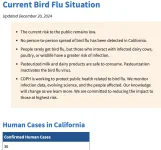
Current Bird Flu Situation


Updated December 20, 2024
  • ​​​The current risk to the public remains low. ​​
  • No person-to-person spread of bird flu has been detected in California.
  • People rarely get bird flu, but those who interact​ with infected dairy cows, poultry, or wildlife ​have a greater risk of infection.​​
  • Pasteurized milk and dairy products are safe to consume. Pasteurization inactivates the bird flu virus.​​
  • CDPH is working to protect public health related to bird flu. We monitor infection data, evolving science, and the people affected. Our knowledge will change as we learn more. We are committed to reducing the impact to those at highest risk.
Human Cases in Califo​rnia​ [TABLE="cellspacing: 0"]
[TR]
[/TR]
[TR]
[TD]36[/TD]
[/TR]
[/TABLE]
​These numbers were last updated on December 20, 2024.

California has 1 additional probable case with dairy cow exposure that meets the Council of State and Territorial Epidemiologists (CSTE) ​probable case definition (PDF)​. That case tested positive by a local lab and confirmatory testing at CDC was negative.​​

California’s Response
  • On December 18, 2024, Governor Newsom proclaimed a State of Emergency to strengthen California's robust response to bird flu.
  • CDPH is working with local, state and federal partners to monitor bird flu in farm animals and people who work closely with poultry and dairy cows.
  • California has distributed protective gear to dairy farms and workers. People who work with infected dairy cows or raw milk should use protective gear to reduce the risk of getting bird flu.
  • Public health leaders are helping ensure individuals with symptoms of bird flu have access to testing and treatment, if needed.
  • California has received 5,000 additional seasonal flu vaccines for people who work with dairy cows in the Central Valley. The seasonal flu vaccine protects against serious illness from seasonal flu and may reduce the chance of human and bird flu viruses mixing and becoming more dangerous.
  • Updated flu and COVID-19 vaccines are recommended for everyone 6 months and older. Visit MyTurn to schedule your appointment today.
https://www.cdph.ca.gov/Programs/CID/DCDC/Pages/Bird-Flu.aspx


Attachments

  • Screenshot 2024-12-20 at 1.52.26 PM.png
    Screenshot 2024-12-20 at 1.52.26 PM.png
    61.9 KB · Views: 0
  • Screenshot 2024-12-20 at 1.51.01 PM.png
    Screenshot 2024-12-20 at 1.51.01 PM.png
    138.9 KB · Views: 0
The CDC is counting a probable California case. So this makes a total of 37 in that state.


United States - California probable case. Cattle contact. No details. From CDC list. Dec. 20. 37 confirmed + probable cases in that state. ​​
 
Source: https://www.abc10.com/article/news/...-flu/103-b3786f8a-b60e-4409-81a3-a6d981ac59c2

Stanislaus County confirms human case of bird flu in someone who had contact with cattle
It's the county's first human case of bird flu. There is currently no evidence of person-to-person spread.​
Author: Staff (ABC10)
Published: 3:43 PM PST December 23, 2024
Updated: 3:43 PM PST December 23, 2024


MODESTO, Calif. — Stanislaus County has reported its first human case of bird flu, Monday.

According to Stanislaus County Public Health, the patient is someone who had contact with infected dairy cattle. The person had mild symptoms and was treated with antivirals...

 
Source: https://www.cdph.ca.gov/Programs/CID/DCDC/Pages/Bird-Flu.aspx


Current Bird Flu Situation

Updated December 23, 2024​

​​​The current risk to the public remains low. ​​

No person-to-person spread of bird flu has been detected in California.

People rarely get bird flu, but those who interact​ with infected dairy cows, poultry, or wildlife ​have a greater risk of infection.​​

Pasteurized milk and dairy products are safe to consume. Pasteurization inactivates the bird flu virus.​​

CDPH is working to protect public health related to bird flu. We monitor infection data, evolving science, and the people affected. Our knowledge will change as we learn more. We are committed to reducing the impact to those at highest risk.

Human Cases in Califo​rnia​
​​​​​​​Confirmed Human Cases​
37

​These numbers were last updated on December 23, 2024.

California has 1 additional probable case with dairy cow exposure that meets the Council of State and Territorial Epidemiologists (CSTE) ​probable case definition (PDF)​. That case tested positive by a local lab and confirmatory testing at CDC was negative.​​

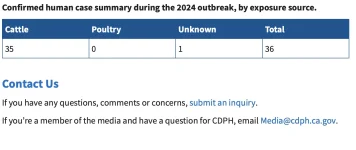
Confirmed human case summary during the 2024 outbreak, by exposure source.
​Cattle​​​​
​Poultry
​Unkn​own
​Total
​36
​0
​1
​37


Source: http://publichealth.lacounty.gov/phcommon/public/media/mediapubhpdetail.cfm?prid=4915

For Immediate Release:

December 23, 2024
Public Health Confirms Human H5 Bird Flu Case in LA County

The Los Angeles County Department of Public Health has confirmed a human case of H5 bird flu in an adult who was exposed to livestock infected with H5 Bird flu at a worksite. This is the first human case of H5 bird flu detected in LA County. The person had mild symptoms, has been treated with antivirals, and is recovering at home. The overall risk of H5 bird flu to the public remains low.

There is currently no evidence of person to person spread of this virus. Close contacts of the infected person and other workers exposed at the worksite are being monitored for symptoms and have been offered personal protective equipment, testing and antiviral prophylaxis. No additional cases have been identified at this time. Public Health is working closely with the Centers for Disease Control and Prevention (CDC) and the California Department of Public Health (CDPH) on the ongoing investigation.

“People rarely get bird flu, but those who interact​ with infected livestock or wildlife ​have a greater risk of infection. This case reminds us to take basic precautions to prevent being exposed,” said Muntu Davis, MD, MPH, Los Angeles County Health Officer. “People should avoid unprotected contact with sick or dead animals including cows, poultry, and wild birds; avoid consuming raw or undercooked animal products, such as raw milk; and protect pets and backyard poultry from exposure to wild animals. It is also important for everyone to get the seasonal flu vaccine, which can help prevent severe seasonal flu illness and lower the risk of getting both seasonal and bird flu infections at the same time if exposed.”

Symptoms of H5 bird flu in humans include eye redness or discharge, fever, cough or difficulty breathing, sore throat, muscle or body aches, diarrhea and vomiting.

People working with infected animals, including cows, poultry, or wildlife, continue to be at higher risk of exposure to H5 bird flu. Public Health has been working with the California Department of Food and Agriculture (CDFA) and the local LA County agricultural community to ensure key risk groups, including farm workers, workers at dairy, egg, and meat processing facilities and backyard flock owners receive information and resources to help identify and protect against this infection; this includes access to gloves, face masks and eye protection along with access to testing and flu vaccines. Anyone who was exposed to sick animals and is experiencing symptoms of H5 bird flu should immediately contact their health care provider and local health department.

How People Who Work with Animals Can Protect Themselves​..
 
Source: https://www.schsa.org/news-room/firstbirdflucase.shtm

Human Case of Bird Flu Confirmed in Stanislaus County
[Click Here For PDF]

Date: 12/23/2024
Contact: Kamlesh Kaur
Phone: (209) 558-6833

STANISLAUS COUNTY—Stanislaus County Public Health, in coordination with the California Department of Public Health (CDPH) and the Centers for Disease Control and Prevention (CDC), has confirmed a human case of H5N1 avian influenza, also known as bird flu, in a Stanislaus County resident who had contact with infected dairy cattle. The affected individual had mild symptoms and was treated with antiviral medications.

Bird flu is caused by strains of the flu virus that primarily infect birds and can spread quickly among them. They are novel influenza viruses, which differ from the seasonal flu virus strains that commonly circulate among humans. Bird flu can sometimes infect other animals and humans. A strain of bird flu, H5N1, is currently widespread in wild birds worldwide and is causing outbreaks in dairy cows and commercial poultry operations in the United States. H5N1 bird flu was first detected in California dairy cows in August 2024.

Unlike the seasonal flu and other respiratory viruses like COVID-19, there is no evidence currently of person-to-person spread of the H5N1 bird flu virus. Instead, nearly all US cases of H5N1 bird flu are linked to direct and close contact with infected animals. The CDC and the CDPH report that the risk to the general public is very low at this time. People interacting with infected animals are at higher risk of getting bird flu. Wearing proper PPE helps prevent infection. Public Health has been actively working alongside industry partners to distribute PPE to farmworkers.

Cows infected with bird flu can shed the virus in their milk. Pasteurized milk and dairy products continue to be safe to consume because pasteurization kills the H5N1 virus and other harmful bacteria and viruses.

"While the risk to the general population remains low, we want to ensure that those working with infected animals take proper precautions by using PPE," stated Dr. Thea Papasozomenos, Stanislaus County Public Health Officer. "Exposed workers who have symptoms can reach out to Public Health if they need assistance getting evaluated and tested."

People exposed to infected animals should monitor for the following symptoms for 10 days after their last exposure: eye redness (conjunctivitis), cough, sore throat, runny or stuffy nose, diarrhea, vomiting, muscle or body aches, headaches, fatigue, trouble breathing, and fever. If they start to feel sick, they should immediately isolate, notify Public Health, and work with Public Health and healthcare providers to get timely testing and treatment. Exposed workers with symptoms can notify Stanislaus County Public Health at 209-558-7535 or CDNurse@schsa.org.

Public Health recommends that all residents, especially workers at risk for exposure to bird flu, receive a seasonal flu vaccine. While the vaccine will not protect against bird flu, it can significantly decrease the likelihood of at-risk workers being infected with both viruses at the same time and reduce the chance of severe illness from seasonal flu.

 
[bolding is mine]
December 24, 2024
L.A. County resident infected by bird flu as county spreads awareness

By Susanne Rust

Excerpt:

This is the 66th case of reported H5N1 bird flu in the U.S. this year and the 36th person in California. Thirty-four of the cases have involved dairy workers, and one — a child in Alameda County — was infected by an unknown source. This case was described only as exposure to livestock; health officials would not say whether it was was dairy cattle.

Sharon Balter, director of the county’s Division of Communicable Disease Control and Prevention, declined to describe the person’s symptoms in detail for privacy reasons and said the patient didn’t seek treatment at a hospital or clinic.

“We were doing outreach and found the person,” Balter said.


Over the weekend, she said, the county identified the patient as possibly infected and sent test results to the federal Centers for Disease Control and Prevention. The county received the results Monday.


The county has also been handing out fliers in neighborhoods where officials believe residents may have chicken coops, livestock or other animals in their backyards. The fliers advise people to report sick or dead birds to animal control agencies and to prevent wild birds from getting into areas that house pet birds and poultry.

Flier recipients are also advised not to eat raw milk, raw cheese and undercooked meat.

Balter was unaware of any other county health department in the state or the nation sending fliers out to residents, but said she was recently contacted by a county in another state that was interested in L.A. County’s material.

She said the county has been issuing the fliers in select areas since the spring, when the first human cases were announced.

Balter said the fliers are being distributed for public awareness and to help ensure people most likely interacting with animals had vital information.

https://www.latimes.com/environment...ected-by-bird-flu-as-county-spreads-awareness
 
hat tip Michael Coston

Presumptive Bird Flu Case Identified In San Francisco Resident

Individual has recovered, and risk to the general public remains low. Human infections with bird flu viruses are rare, and there is no evidence of person-to-person transmission.
January 10, 2025

FOR IMMEDIATE RELEASE: Friday, January 10, 2025

*** PRESS RELEASE ***

Contact: SFDPH Media Desk: DPH.Press@sfdph.org

SAN FRANCISCO – The San Francisco Department of Public Health (SFDPH) announced today that a presumptive case of H5N1 bird flu has been identified in a San Francisco resident. The individual is a child who experienced symptoms of fever and conjunctivitis but did not need to be hospitalized and has since fully recovered. The risk to the general public remains low as there is currently no evidence of person-to-person transmission.

SFDPH is encouraging people to avoid direct contact with sick or dead birds, especially wild birds and poultry. Wild birds can be infected with bird flu even if they do not look sick. If you have found a dead bird, please contact 311. In addition, as bird flu continues to spread among U.S. dairy cows, SFDPH strongly recommends that individuals not consume raw milk or raw milk products, including raw cheese.

“I want to assure everyone in our city that the risk to the general public is low, and there is no current evidence that the virus can be transmitted between people,” said Dr. Grant Colfax, Director of Health. “We will continue to investigate this presumptive case, and I am urging all San Franciscans to avoid direct contact with sick or dead birds, especially wild birds and poultry. Also, please avoid unpasteurized dairy products.”

The presumptive case tested positive for H5N1 at the SFDPH Public Health Laboratory, which performed this testing as part of enhanced surveillance efforts. Confirmatory testing will be performed at the Centers for Disease Control and Prevention (CDC).

The child initially tested for COVID-19, influenza, and RSV based on symptoms and tested positive for influenza A. As part of SFDPH enhanced surveillance, the specimen was subsequently tested for H5N1. An initial investigation by SFDPH has not revealed how the child may have contracted H5N1 bird flu. The Department is continuing to investigate, including assessing all close contacts. Again, the risk to the general public remains low as there is currently no evidence of person-to-person transmission.

People should avoid direct contact with sick or dead birds, especially wild birds and poultry. Wild birds can be infected with bird flu even if they do not look sick. If you have found a dead bird, please contact 311. In addition, as bird flu continues to spread among U.S. dairy cows, SFDPH strongly recommends that individuals not consume raw milk or raw milk products, including raw cheese. Pasteurized milk and dairy products are safe to consume. Pasteurization is the process of heating milk to specific temperatures to kill viruses such as bird flu, as well as harmful bacteria that can be found in raw milk.

Human infections with bird flu viruses are rare, and no person-to-person transmission has been detected to date in the United States. Symptoms of bird flu in humans include eye redness, coughing, fatigue, fever, and headaches. If you are experiencing these symptoms, please contact your health care provider. At this time, bird flu cases in California have been mild without any hospitalizations.

Additional case information can be found at the California Department of Public Health and CDC websites.

https://www.sf.gov/news/presumptive-bird-flu-case-identified-san-francisco-resident
 
Source: https://abc7news.com/post/bird-flu-...san-francisco-juvenile-2nd-child-us/15803284/

CDC confirms positive bird flu result in San Francisco child
Wednesday, January 15, 2025 5:23PM
ABC7 Bay Area 24/7 live stream

​SAN FRANCISCO (KGO) -- The CDC has confirmed the positive bird flu case in a child in San Francisco. City health officials first reported on a presumptive case in a child on Jan. 10 and continue to investigate how the child may have been exposed.

An agency spokesperson confirmed this is the second child infected with bird flu in the country. The first case in November was also a child from California with unknown exposure...
 
There have been several posts on this case, starting with post #65:

Correspondence Volume 405, Issue 10481p779-780 March 08, 2025
...
Expanding testing early in the H5N1 outbreak

Abraar Karana abraar@stanford.edu ∙ Grant Higerd-Ruslib ∙ Matthew Hernandezb ∙ Ranu Dhillonc ∙ Benjamin A Pinskya,b
...
Recently, we detected the first case of H5N1 in a child in the USA (in Alameda County, CA); the child had no known exposure history to infected birds, contaminated surfaces, poultry markets, or other confirmed or suspected human cases.2 The case was detected by expanding H5 subtyping to all influenza A positive samples, including those subtyped as H1 or H3, which would allow for detection of co-infections. Although the transmission pathway that led to this infection event is still under investigation, this case sheds light on the importance of outliers in early epidemics. These cases, which would otherwise not be detected on the basis of current epidemiological or clinical testing protocols, can elucidate epidemic blind spots.
...

https://www.thelancet.com/journals/lancet/article/PIIS0140-6736(25)00090-X/fulltext
 
image.png - Click image for larger version  Name:	image.png Views:	1 Size:	34.4 KB ID:	1009720


Human Cases of Highly Pathogenic Avian Influenza A(H5N1) — California, September–December 2024


Weekly / March 13, 2025 / 74(8);127–133

Print

Sophie Zhu, PhD[SUP]1[/SUP][SUP],2[/SUP]; Kathleen Harriman, PhD[SUP]2[/SUP]; Caterina Liu, MD[SUP]2[/SUP]; Vit Kraushaar, MD[SUP]2[/SUP]; Cora Hoover, MD[SUP]2[/SUP]; Kyoo Shim, MPH[SUP]2[/SUP]; Sharon I. Brummitt, PhD[SUP]2[/SUP]; Jocelyn Limas, MPH[SUP]2[/SUP]; Kathleen Garvey, MHS[SUP]2[/SUP]; Jennifer McNary, MPH[SUP]2[/SUP]; Nina J. Gao, PhD[SUP]2[/SUP]; Rahil Ryder, MS[SUP]2[/SUP]; Brandon Stavig[SUP]2[/SUP]; Jeffrey Schapiro, MD[SUP]2[/SUP]; Christina Morales, PhD[SUP]2[/SUP]; Debra A. Wadford, PhD[SUP]2[/SUP]; Holly Howard, MPH[SUP]2[/SUP]; James Heffelfinger, MD[SUP]2[/SUP]; Rebecca Campagna, DVM[SUP]2[/SUP]; Esmeralda Iniguez-Stevens, PhD[SUP]2[/SUP]; Hamed Gharibi, PhD[SUP]2[/SUP]; Denise Lopez, DrPH[SUP]3[/SUP]; Laura Esbenshade[SUP]3[/SUP]; Paula Ptomey[SUP]3[/SUP]; Kavita K. Trivedi, MD[SUP]4[/SUP]; Jade A. Herrera[SUP]4[/SUP]; Joanna Locke, MD[SUP]4[/SUP]; Nicholas Moss, MD[SUP]4[/SUP]; Paul Rzucidlo, MPH[SUP]5[/SUP]; Kimberly Hernandez, MPH[SUP]5[/SUP]; Minhphuong Nguyen, MPH[SUP]6[/SUP]; Simon Paul, MD[SUP]6[/SUP]; Justin Mateo, MPH[SUP]7[/SUP]; Carlos Del Carmen Luna[SUP]7[/SUP]; Yer Chang[SUP]7[/SUP]; Maria Rangel[SUP]8[/SUP]; Keiryl DeLeon[SUP]9[/SUP]; Aisha Masood[SUP]9[/SUP]; Thea Papasozomenos, MD[SUP]10[/SUP]; Payeng Moua[SUP]10[/SUP]; Katie Reinhart, PhD[SUP]11[/SUP]; Krista Kniss, MPH[SUP]11[/SUP]; C. Todd Davis, PhD[SUP]11[/SUP]; Marie K. Kirby, PhD[SUP]11[/SUP]; Erica Pan, MD[SUP]2[/SUP]; Erin L. Murray, PhD[SUP]2[/SUP]; Los Angeles County H5 Response Team; California Department of Public Health H5 Laboratory Response Team
(View author affiliations)
View suggested citation

Summary


What is already known about this topic?

Persons with occupational exposure to highly pathogenic avian influenza (HPAI) A(H5N1) virus–infected dairy cattle are at increased risk for infection.

What is added by this report?

During September 30–December 24, 2024, a total of 38 persons received a positive test result for HPAI A(H5N1) viruses in California; 37 were dairy farm workers with occupational exposure to sick cows. One, a person aged <18 years with an undetermined exposure, was the first pediatric patient detected with influenza A(H5) infection in the United States.

What are the implications for public health practice?

Public health agencies should investigate influenza-like illness or conjunctivitis in workers with occupational exposure to animals infected with HPAI A(H5N1) virus. Thorough investigations of all human HPAI A(H5N1) virus infections are necessary to identify potential exposure sources, including monitoring the virus for concerning genetic changes that indicate the potential for person-to-person transmission.
...

Abstract


Persons who work closely with dairy cows, poultry, or other animals with suspected or confirmed infection with highly pathogenic avian influenza (HPAI) A(H5N1) viruses are at increased risk for infection. In September 2024, the California Department of Public Health was notified of the first human case of HPAI A(H5N1) in California through monitoring of workers on farms with infected cows. During September 30–December 24, 2024, a total of 38 persons received positive test results for HPAI A(H5N1) viruses in California; 37 were dairy farm workers with occupational exposure to sick cows, and one was a child aged <18 years with an undetermined exposure, the first pediatric HPAI A(H5N1) case reported in the United States. All patients had mild illness. The identification of cases associated with occupational exposure to HPAI A(H5N1) viruses on dairy farms highlights the continued risk for persons who work with infected animals. The pediatric case was identified through routine surveillance. Given recent increases in the prevalence of HPAI A(H5N1) viruses among some animal populations, public health agencies should continue to investigate cases of HPAI A(H5N1) in humans as part of control measures, pandemic preparedness, to identify concerning genetic changes, and to prevent and detect potential human-to-human transmission of the virus. To date, no human-to-human transmission of HPAI A(H5N1) virus has been identified in the United States.

Top

Introduction


Novel influenza A virus infection, including highly pathogenic avian influenza (HPAI) A(H5N1) virus, is a reportable condition in California and nationally reportable to CDC.* In 2024, the California Department of Public Health (CDPH), California Department of Food and Agriculture (CDFA), local health departments (LHDs), and farms known to be affected by HPAI A(H5N1) (i.e., dairy or poultry farms with nonnegative [positive or inconclusive] A(H5) test results for cows, bulk milk, or poultry) coordinated to reduce infection risk and monitor HPAI A(H5N1) symptoms[SUP]†[/SUP] among workers. All farm owners or managers of affected farms were advised to conduct daily monitoring of workers and report symptoms consistent with HPAI A(H5N1) infection in workers who were in contact with affected animals to their LHD. When farm owners did not volunteer to do the monitoring, the LHD offered to perform monitoring of symptoms directly with workers through phone calls or text messaging. Symptomatic workers were referred for specimen collection, typically, conjunctival, nasal, nasopharyngeal, or oropharyngeal swabbing, based on symptom presentation. Targeted surveillance, which includes influenza typing and subtyping for A(H5), was performed at either a local or the state public health laboratory (PHL) for all symptomatic workers or persons with epidemiologic linkage (1) to HPAI A(H5N1) reported to public health officials. PHLs use the CDC Human Influenza A Subtyping Kit which detects and differentiates hemagglutinin (H) proteins as part of routine influenza surveillance. Selected local PHLs employ the CDC Influenza A(H5) Subtyping Kit to detect A(H5)[SUP]§[/SUP] Asian lineage viruses for suspected HPAI A(H5N1) cases. Presumptive positive or inconclusive A(H5) specimens were sent to CDC for confirmatory testing. This report summarizes information on human HPAI A(H5N1) cases identified in California during September 30–December 24, 2024.

Top
Investigation and Results

Initial Public Health Notification and Response


On August 30, 2024, CDFA detected, and the National Veterinary Services Laboratories subsequently confirmed, HPAI A(H5N1) virus infections in cows from three dairy farms in the Central Valley region of California. In September 2024, CDPH was notified of the first human case of HPAI A(H5N1) in California through monitoring of workers on farms with infected cows. On October 3, 2024, the first two human HPAI A(H5N1) cases in California were confirmed in workers on two separate farms where infected cows were detected in September. These patients had been identified and reported by their employers to their LHD; both had conjunctivitis, and one also had a fever. Specimens from both patients tested positive for influenza A(H5) virus at a local PHL and were confirmed as HPAI A(H5N1) at CDC. LHD staff members provided guidance on isolation and offered the antiviral oseltamivir to patients and their household members. No known epidemiologic links existed between the two patients.

As of December 24, 2024, the U.S. Department of Agriculture reported 675[SUP]¶[/SUP] dairy herds with infected cows, 92 commercial flocks with infected poultry,** and 35 backyard flocks with infected poultry in California. During August 30–December 24, a total of 5,126 workers were monitored at affected farms; 170 persons from 19 local health jurisdictions received testing for influenza A(H5) through targeted surveillance. One additional patient was reported through routine surveillance and subsequently received testing at a PHL. Of the 171 persons who received testing, CDPH identified 36 confirmed cases and one probable (1) case of HPAI A(H5N1) among adult dairy farm workers and one confirmed case in a child aged <18 years without dairy cow or poultry exposure; 37 persons received positive test results confirmed at CDC. This activity was reviewed by CDC and CDPH, deemed research not involving human subjects, and was conducted consistent with applicable federal law and CDC policy.[SUP]††[/SUP]

Description of Human HPAI A(H5) Cases


Human cases with exposure to dairy cows (37).Persons with HPAI A(H5N1) infection (36 confirmed and one probable) worked at 29 unique dairy farms (Table 1). The median interval from first A(H5) virus detection in cows to the first human case on a particular farm was 7 days (range = −7 to 20 days). Worker monitoring was initiated on one unaffected farm because A(H5) virus had been detected in cows on other dairy farms owned by the same person. All patients with occupational exposure to dairy cows were aged 18–64 years (Table 2). Six patients reported underlying medical conditions. A majority (76%) worked as milkers or cared for sick cows. A majority of patients (78%) reported using personal protective equipment (PPE) at work; 25 (68%) wore gloves, 20 (54%) used eye protection (13 reported wearing goggles), 12 (32%) reported wearing boots, and six (16%) wore gowns. No patients specifically reported wearing a respirator (e.g., an N95 mask) as recommended[SUP]§§[/SUP]; however, 12 (32%) reported wearing other face coverings or face masks.

Patients received testing a median of 2 days (range = 0–5 days) after symptom onset. All patients had mild illness. Frequently reported signs and symptoms included eye irritation or redness (97%), muscle aches (34%), and fever (29%). Respiratory symptoms, including sore throat (16%) and shortness of breath (11%) were less commonly reported. No hospitalizations or deaths occurred, and all patients recovered. All 37 patients were offered oseltamivir; two declined (5%). No cases were identified in household contacts of patients with occupational exposure.

Undetermined exposure source (one). One confirmed case was detected through routine influenza surveillance in a previously healthy child who had no known contact with infected animals or humans and had not consumed unpasteurized dairy products. This patient, who had mild respiratory symptoms and otitis media but no conjunctivitis, was not hospitalized. Oseltamivir was prescribed when positive test results were received for influenza A virus. Subtyping was positive for influenza A(H5) virus.[SUP]¶¶[/SUP] The patient’s three household members also had respiratory symptoms; one developed symptoms a day before the patient, while the two other members developed symptoms concurrently. Four days after the patient’s initial testing, respiratory specimens were collected from all household members. All specimens tested negative for influenza A(H5) virus. Specimens from the patient and two household members tested positive for adenovirus and rhinovirus.

Laboratory results (38). Thirty-five (95%; 37) patients received a positive conjunctival swab result, eight (28%; 29) patients received positive test results for combined nasal and oropharyngeal swabs, five (14%; 37) patients received positive nasopharyngeal swab test results, two (33%; 6) patients received positive nasal swab results, and one (25%; 4) patient received a positive oropharyngeal swab result (Table 2). The majority of patients had either a positive conjunctival or combined nasal/oropharyngeal swab (97%). One patient only received a positive nasal swab result with no other positive sites.

Genetic Sequencing


Genetic sequencing of the viruses was performed from clinical specimens of 30 patients; all were identified as HPAI A(H5N1) clade 2.3.4.4b viruses. All eight gene segments of the viruses were recovered from 16 patients, and partial gene segments were recovered from the other 14. The viruses from the 16 patients with all gene segments sequenced (Figure) were identified as HPAI A(H5N1) clade 2.3.4.4b, genotype B3.13. The pediatric patient (A/California/192/2024) only had five of eight segments sequenced, which was insufficient to classify a specific genotype; however, the neuraminidase and nucleoprotein sequences shared close genetic identity to recent California HPAI A(H5N1) B3.13 genotype viruses from humans, dairy cattle, and poultry. One virus (A/California/150/2024) contained a nucleotide substitution within the polymerase acidic gene (I38M), which is associated with reduced susceptibility to the antiviral baloxavir marboxil.*** No substitutions associated with reduced oseltamivir susceptibility or adaptations for efficient human-to-human transmission were detected.

Top

Discussion


This report describes investigations that led to identification of 38 persons who received positive test results for HPAI A(H5N1) viruses in California; 37 were dairy farm workers with occupational exposure to sick cows, and one was a child aged <18 years with an undetermined exposure. Epidemiologic and clinical characteristics were similar to those in other U.S. human cases (2,3). In genetic sequencing of 30 of the 38 infected patients, all were identified as HPAI A(H5N1) clade 2.3.4.4b viruses. A substitution associated with reduced baloxavir susceptibility was identified in one virus sequenced from a human case in California. No additional concerning substitutions were identified.

The identification of 37 cases with occupational exposure across 29 dairy farms highlights the ongoing risk for cow-to-human transmission of HPAI A(H5N1) viruses among persons who have close contact with infected cows and their raw milk (4). The absence of cases among household contacts is consistent with the absence of viral genetic markers for efficient human-to-human transmission.

Although a majority of patients reported using PPE at work, use of recommended PPE (i.e., N95 respirators versus face mask) has been previously reported as being low among dairy farm workers with HPAI infection (5). Additional education and messaging about the risks of working with infected cows and ensuring worker access to PPE might increase PPE use, particularly if done in collaboration with farm worker organizations and producers.

This report describes the first detection of a pediatric case of influenza HPAI A(H5N1) in the United States. The source of this child’s infection remains undetermined. Unlike pediatric patients with HPAI A(H5N1) virus infections in other countries who had severe illness (6,7), this child had only mild respiratory symptoms and recovered quickly. Other sporadic cases of influenza HPAI A(H5N1) have occurred in persons with no known exposure to potentially infected animals (8). To date, human-to-human transmission of HPAI A(H5N1) viruses has not been identified in the United States.[SUP]†††[/SUP] Limitations


The findings in this report are subject to at least three limitations. First, information about the type of and proportion of time that PPE was worn was unavailable for all patients. Second, access to PPE was not assessed. Finally, some symptomatic persons with exposure to sick animals might not have been reported, in which case some human HPAI A(H5N1) infections might have been missed.

Implications for Public Health Practice


Public health agencies should work with dairy and poultry farms to reduce worker exposure to HPAI A(H5N1) viruses and detect and respond to human cases. Prevention, detection, and response strategies include PPE use guidance, training, and distribution; collaboration with farm managers on worker monitoring; working with LHDs to coordinate worker testing; specimen collection and laboratory testing to distinguish influenza A(H5) from seasonal influenza viruses; and distribution of oseltamivir treatment to HPAI A(H5N1) patients and oseltamivir prophylaxis to close contacts.[SUP]§§§[/SUP] Collaboration among public health, agriculture, animal health, occupational health, environmental health, health care providers, and other state and federal agencies is important for a coordinated One Health[SUP]¶¶¶[/SUP] response and to enable early detection of changes in influenza A(H5) viruses that could facilitate human-to-human transmission. Ongoing monitoring for genetic changes is necessary to assess the likelihood of antiviral resistance or human-to-human transmission of HPAI A(H5N1) viruses.

Expanded subtyping**** of influenza viruses might record additional cases of HPAI A(H5N1) virus infection with no known exposure (8). Health departments should evaluate potential exposures for all HPAI A(H5N1) cases to ascertain the possibility for human-to-human transmission. Surveillance for HPAI A(H5N1) viruses could include expanded subtyping for A(H5) testing in persons who meet epidemiologic and either clinical or public health criteria.

Top

Acknowledgments


Persons with highly pathogenic avian influenza A(H5N1) who provided specimens and epidemiologic information; affected farm owners and managers who monitored their employees for symptoms and collaborated with public health officials; Elisabeth Burnor, Asha Choudhury, Kim Conway, Kristin Cummings, Guinevere Ellison-Giles, Sara Floor, Curtis Fritz, William Hudspeth, Chloe LeMarchand, Nancy J. Li, Christina Penton, Angela Rabe, Monica Sun, Julie Vaishampayan, Alice Yang, Alexander Yu, California Department of Public Health; Cynthia Bogert, Jennifer Book, Vanessa Cadiz, Savanna Hok, Cindy Hua, Jessica Kulow, Ha Le, Aglael Martinez Romero, Stephanie Millena, Lisa Seliskar, Tulare County Department of Health and Human Services; Kings County Department of Public Health Communicable Disease Surveillance Team; Vanessa Cardenas, Florante De Ocampo, Eric Vargas, Anthony Villa, Kern County Public Health; Josh Sanders, Merced County Public Health; Fresno County Department of Public Health Communicable Disease Investigation Team; Priyanka Anand, Megan Dorris, Sascha Ellington, Brendan Flannery, Jerome Leonard, Alexandra Mellis, Dennis Wang, 2024 Influenza A (H5N1) Response, CDC; Louise Moncla, the Nextstrain team; the Kristian Andersen Lab. Los Angeles County H5 Response Team


Annabelle de St. Maurice, Los Angeles County Department of Public Health; Eric El-Tobgy, Los Angeles County Department of Public Health; Nicole Green, Los Angeles County Department of Public Health; Allison Joyce, Los Angeles County Department of Public Health; Cristin Mondy, Los Angeles County Department of Public Health; Taylor Mundt, Los Angeles County Department of Public Health; Heidi Ransohoff, Los Angeles County Department of Public Health; Shayra Sanchez, Los Angeles County Department of Public Health; Elizabeth Traub, Los Angeles County Department of Public Health

California Department of Public Health H5 Laboratory Response Team


Matthew Bacinskas, California Department of Public Health; John Bell, California Department of Public Health; Cynthia Bernas, California Department of Public Health; Brandon Brown, California Department of Public Health; Jahara Cayabyab, California Department of Public Health; Alice Chen, California Department of Public Health; Jesse Elder, California Department of Public Health; Shiffen Getabecha, California Department of Public Health; Carol Glaser, California Department of Public Health; Olena Gomez, California Department of Public Health; Bianca Gonzaga, California Department of Public Health; Ydelita Gonzales, California Department of Public Health; Hugo Guevara, California Department of Public Health; April Hatada, California Department of Public Health; Katya Ledin, California Department of Public Health; Deidra Lemoine, California Department of Public Health; Adrienne Macias, California Department of Public Health; Sergio Martinez-Paredes, California Department of Public Health; Blanca Molinar, California Department of Public Health; Tasha Padilla, California Department of Public Health; Chao-Yang Pan, California Department of Public Health; Kiana Pattni, California Department of Public Health; Rolando Ramirez, California Department of Public Health; Kao Saechao, California Department of Public Health; Estela Saguar, California Department of Public Health; Maria Salas, California Department of Public Health; Ioana Seritan, California Department of Public Health; Anthony Tran, California Department of Public Health; Cindy Wong, California Department of Public Health; Chelsea Wright, California Department of Public Health

Top

Corresponding author: Sophie Zhu, uri0@cdc.gov.

...
https://www.cdc.gov/mmwr/volumes/74/wr/mm7408a1.htm?s_cid=mm7408a1_w

 
CDC A(H5N1) Bird Flu Response Update March 19, 2025
...
Recent updates

Laboratory


CDC completed serology testing on blood specimens from close contacts of a child with mild illness in San Francisco who was confirmed to be positive for avian influenza A(H5N1) virus, though, there were no known animal exposures associated with that case. Serology testing was conducted to look for antibodies to influenza A(H5N1) virus in this child, which would indicate recent infection. The child's blood was tested and found to have antibodies to avian influenza A(H5N1) virus. None of the close contacts of the case in San Francisco who were tested had antibodies to avian influenza A(H5N1) virus, which supports the conclusion that none of these close contacts were infected, and that no person-to-person spread occurred among these close contacts. These findings are reassuring. To date, human-to-human transmission of influenza A(H5) virus has not been identified in the United States.


Go to post
 
CDC and California offer $25 gift cards to encourage bird flu testing

By Alexander Tin
Edited By Paula Cohen
April 24, 2025 / 9:53 AM EDT / CBS News

...
Dubbed the Avian Flu Influenza Area Surveillance Testing or AFAST project, some clinics in the state are giving $25 in gift cards to people in the community to get swabbed for a potential bird flu infection or to get a shot of the regular seasonal influenza vaccine.
...
"There has been no change to our guidance for testing suspect cases, we are not aware of any symptomatic workers not being referred or tested for H5N1, and it is very unlikely that testing would be declined if H5N1 was suspected," a spokesperson for the California Department of Public Health said in an email.

A CDC spokesperson also said their guidance had not changed. The agency continues to recommend people with symptoms seek testing from their doctor or local health department.
...
In addition to testing people exposed to the virus on farms, California said it is also continuing to check whether other flu cases elsewhere in the state are being caused by bird flu.

"To date, all samples tested have been confirmed as seasonal subtypes H1 or H3, which rules out infection with H5N1 [bird flu]. The fact that no other human cases of H5N1 have been identified via subtyping efforts is reassuring," the California spokesperson said.


https://www.cbsnews.com/news/bird-flu-testing-gift-cards-california-cdc/

----------------------------------------------------
Bird Flu Testing and Seasonal Flu ​Vaccine Clinics

​You can get free flu, bird flu and COVID-19 testing. You may also be able to get seasonal flu vaccines.
...
Upcoming Combination Clinics

​Combination clinics include access to testing and seasonal flu vaccination. ​Individuals who test for or receive a flu vaccination at combination clinics and provide an email address will receive $25 Visa e-gift cards. Plastic gift cards may also be available based on site availability. ​​
...

https://www.cdph.ca.gov/Programs/CID/DCDC/Pages/Bird-Flu-Testing-and-Vaccine-Clinics.aspx


Hat tip to Tetano:
https://flutrackers.com/forum/forum...-county-california-december-2024-january-2025
------------------------------------------------------------------------------------------

image.png


Serologic Evidence of Highly Pathogenic Avian Influenza A(H5N1) Virus Infection in a Veterinary Professional Exposed to an Infected Domestic Cat — Los Angeles County, California, December 2024–January 2025


Weekly / May 7, 2026 / 75(17);215–220

Print
Aisling Vaughan[SUP]1[/SUP]; Allison Joyce[SUP]2[/SUP]; Elizabeth Traub[SUP]2[/SUP]; Mellissa Jae[SUP]3[/SUP]; Emily Beeler[SUP]3[/SUP]; Erick Paiva[SUP]2[/SUP]; Kristopher Ananian[SUP]2[/SUP]; Crystal Holiday[SUP]4[/SUP]; Stacie Jefferson[SUP]4[/SUP]; Jessica Richardson[SUP]2[/SUP]; Cortney Munna[SUP]2[/SUP]; Cynthia Chan[SUP]3[/SUP]; Tamerin Scott[SUP]3[/SUP]; Noah Kojima[SUP]2[/SUP]; Tanya Seneviratne[SUP]2[/SUP]; Alexandra Mellis[SUP]4[/SUP]; Sonja J. Olsen[SUP]4[/SUP]; Nicole Green[SUP]5[/SUP]; Matt Feaster[SUP]6[/SUP]; Dawn Terashita[SUP]2[/SUP]; Sharon Balter[SUP]2[/SUP]; Min Z. Levine[SUP]4[/SUP]; Jamie Middleton[SUP]3,[/SUP]*; Annabelle de St. Maurice[SUP]2,[/SUP]* (View author affiliations)
View suggested citation

Summary

What is already known about this topic?

Transmission of influenza A(H5N1) viruses from domestic cats to humans has not been documented.

What is added by this report?

During November 2024–January 2025, a total of 139 persons exposed to 19 A(H5N1)-infected domestic cats that consumed raw animal products were identified in Los Angeles County, California. Among 25 exposed persons who received serologic testing, one asymptomatic veterinary professional had serologic evidence of A(H5N1) infection after occupational exposure to an A(H5N1)-infected cat.

What are the implications for public health practice?

These findings provide evidence of zoonotic transmission of influenza A(H5N1) virus from domestic cats to humans. Pet owners are advised not to feed raw animal products to cats. Veterinary professionals should be aware of infection risks, use appropriate personal protective equipment, and adhere to recommended infection control practices to reduce the risk for zoonotic transmission of influenza A(H5N1).

Abstract


Since 2021, avian influenza A(H5N1) clade 2.3.4.4b viruses have spread widely among wild birds and domesticated poultry in the United States, with sporadic spillover into mammals. During November 2024–January 2025, 19 domestic cats in Los Angeles County, California, became ill after consumption of commercially purchased raw milk, raw meat, or raw pet food; nine cats tested positive for influenza A(H5N1) virus (clade 2.3.4.4b genotype B3.13). Overall, 139 persons were exposed to the 19 infected cats, and all were monitored for symptoms. Although 30 persons reported influenza-like illness symptoms, none received a positive influenza A(H5) reverse transcription–polymerase chain reaction (RT-PCR) test result. In April 2025, the Los Angeles County Department of Public Health and CDC invited all exposed persons to participate in an influenza A(H5N1) serosurvey to determine whether transmission of influenza A(H5N1) virus occurred, including in those without symptoms. Sera from 25 (18%) of the 139 exposed persons were tested. Among these, antibodies specific to A(H5N1) clade 2.3.4.4.b (antigenically similar to the clade 2.3.4.4.b influenza A[H5N1] virus isolated from the infected cats) were detected in serum from one veterinary professional, who was asymptomatic. This person did not use respiratory or eye protection during the exposure, did not report influenza-like illness after the exposure, and reported no other known risk factors for A(H5N1) infection. These findings represent serologic evidence of possible transmission of influenza A(H5N1) clade 2.3.4.4.b virus from a domestic cat to a human, highlighting concerns about potential cat-to-human transmission of influenza A(H5N1) virus and the importance of infection control practices in veterinary settings.

Top

Introduction

Influenza A(H5N1) Infections in the United States


Since 2021, highly pathogenic avian influenza A(H5N1) clade 2.3.4.4.b viruses have spread widely among wild birds and domesticated poultry in the United States, with increasing spillover into mammals, including dairy cattle, domestic cats, and humans (1,2). A majority of human cases in the United States have been mild and associated with known exposure to ill or infected animals (1). Influenza A(H5N1) infections in cats are often associated with severe disease and have been linked to consumption of unpasteurized (raw) milk, raw meat, or raw pet food or exposure to dairy farm environments (3,4). To date, domestic cat-to-human transmission of influenza A(H5N1) has not been documented; however, close contact between cats and humans could create opportunities for exposure, particularly among pet owners and veterinary personnel.

Diagnosis of Influenza A(H5N1) Infection in Symptomatic Cats in Los Angeles County, California


During November 2024–January 2025, the Los Angeles County Department of Public Health (LACDPH) received reports of 19 domestic cats from five households in Los Angeles County, California that became ill with severe respiratory, hepatic, or neurologic signs. Fourteen died or were euthanized. LACDPH reviewed veterinary records, and the cat owners were interviewed. Nine cats were tested; all specimens tested positive for influenza A(H5N1) virus; sequencing analysis confirmed clade 2.3.4.4b genotype B3.13 influenza A(H5N1) virus.

All of the cat owners reported feeding their pets commercially purchased raw milk, raw poultry, or raw pet food in the weeks preceding illness onset; some of the products had tested positive for influenza A(H5N1). Among all 19 cats, 14 (74%) had been evaluated at 10 different veterinary practices. All suspected or confirmed feline cases of influenza A(H5N1) infection[SUP]†[/SUP] were detected through veterinarian reports, commercial laboratory reports, routine influenza A reverse transcription–polymerase chain reaction (RT-PCR) testing of brain tissue from euthanized cats submitted to the LACDPH laboratory for rabies testing, and cats that were epidemiologically linked to a confirmed influenza A(H5N1) infected feline case.

The risk for transmission of influenza A(H5N1) infection from cats to humans is unknown. To guide public health action, LACDPH conducted a public health investigation to assess whether influenza A(H5N1) infection occurred among pet owners or veterinary professionals who were exposed to the infected cats.

Top

Methods

Investigation of Contacts


LACDPH interviewed pet owners in the five households with affected cats, and reviewed lists of staff members provided by managers at the 10 veterinary clinics where 14 of the cats had been evaluated and at an animal control agency involved in transportation of cat carcasses to LACDPH’s laboratory for testing. A total of 139 persons with potential exposure to domestic cats with suspected or confirmed influenza A(H5N1) virus infection were identified. Standardized interviews were conducted with symptomatic persons to ascertain their exposure history as well as any signs or symptoms of illness. Exposure was defined as having handled or participated (within 6 ft [1.8 m]) in the clinical care of an animal with suspected or confirmed influenza A(H5N1) infection, regardless of whether personal protective equipment (PPE) had been used. Identified exposed persons were enrolled in active symptom monitoring for 10 days after their last known exposure and offered RT-PCR testing of a nasopharyngeal swab for influenza A(H5N1). Nasopharyngeal specimens collected from exposed persons were tested at LACDPH’s laboratory using the multiplex RT-PCR BioFire Respiratory Panel FilmArray (BioFire Diagnostics).[SUP]§[/SUP] Unsubtypeable influenza A–positive specimens underwent reflex testing using the CDC Human Influenza Virus Real-Time RT-PCR, Influenza A/H5 Subtyping Kit (5). The antiviral oseltamivir was offered to exposed persons on a case-by-case basis if symptoms were clinically compatible with influenza A(H5N1) infection and <5 days had elapsed since the last exposure.

Serologic Investigation


In April 2025, the 139 persons who had potentially been exposed since December 2024 were invited to participate in a serologic investigation to identify evidence of influenza A(H5N1) infection. Participants were asked to complete a standardized questionnaire that captured demographic information; recent respiratory illness history; detailed exposure history, including exposure to raw animal products, wild birds, poultry or cattle; PPE use; and information on other potential risk factors for influenza A(H5N1) infection. A single venous blood specimen was collected from each serosurvey participant. Serologic analyses were performed at CDC in biosafety level 3 enhanced laboratories, following previously described established protocols (6). All serum samples were tested for evidence of recent infection by microneutralization (MN) and hemagglutination inhibition (HI) assays using two wild-type influenza A(H5N1) viruses: 1) A(H5N1) clade 2.3.4.4b B3.13 (A/Michigan/90/2024) and 2) A(H5N1) clade 2.3.4.4b D1.1 (A/Washington/240/2024). Samples that tested positive underwent serum adsorption using hemagglutinin head domain from influenza A(H1N1)pdm09 virus (A/Wisconsin/588/2019) and A(H3N2) (A/Darwin/6/2021) to eliminate cross-reactivity with seasonal influenza viruses. Samples with a geometric mean titer (GMT) ≥40 in both MN and HI assays were considered seropositive for influenza A(H5N1). This activity was reviewed by LACDPH and CDC, deemed not research, and conducted consistent with applicable federal law and CDC policy.[SUP]¶[/SUP]

Top

Results

Identification and Monitoring of Exposed Persons


The 139 persons who had contact with a cat with suspected or laboratory-confirmed influenza A(H5N1) infection included 11 from five households, 126 from 10 veterinary practices, one from an animal control agency, and one from a local health department (Figure). All exposed persons were monitored for symptoms for 10 days after exposure and offered testing; 33 (24%) persons agreed to receive testing. Daily symptom monitoring was conducted using Research Electronic Data Capture (REDCap; Vanderbilt University): participants received a daily automated text message prompt that linked to a brief questionnaire. Overall, 30 (22%) persons reported influenza-like illness symptoms including runny nose, cough, sore throat, fatigue, muscle aches, headache, and sneezing. The average interval from exposure to symptom onset was 7 days. One person reported symptoms on two occasions, after exposures to two different cats, 2 weeks apart.

Detection of Respiratory Viruses in Nasopharyngeal Swab Specimens


During December 2024–January 2025, nasopharyngeal specimens were collected from 33 persons, including 18 symptomatic veterinary staff members who agreed to testing after development of symptoms, 14 asymptomatic veterinary professionals, and one asymptomatic pet owner. The median interval between the most recent exposure date and specimen collection was 8 days (range = 1–13 days). Specimens from 19 (58%) persons who received testing were collected >7 days after the last exposure. No specimen tested positive for influenza A(H5N1). Among 12 (36%) respiratory panel RT-PCR–positive test results, nine were positive for seasonal influenza A(H3N2), two for rhinovirus, and one for both rhinovirus and an endemic coronavirus (coronavirus NL63). No asymptomatic person received a positive test result for any virus on the respiratory panel.

Detection of Antibodies to Influenza A(H5N1) in an Exposed Person


Among all 139 exposed persons, 25 (18%) agreed to participate in the influenza A(H5N1) serosurvey. The average interval between exposure and serum collection was 104 days (range = 35–137 days). Among all 25 serum samples, one sample (4%), which was collected from an asymptomatic veterinary professional 120 days after exposure to an ill cat, tested positive for both neutralizing and HI antibodies (GMT ≥40) against both clade 2.3.4.4.b B3.13 (MN = 60; HI = 40) and D1.1 (MN = 113; HI = 80) influenza A(H5N1) viruses. These viruses are antigenically similar to the clade 2.3.4.4b influenza A(H5N1) virus isolated from the infected cats.

Retrospective Investigation of the Seropositive Veterinary Professional


Cat’s illness and test results. In early December 2024, the seropositive veterinary professional was exposed to an ill indoor housecat that was ultimately evaluated over a period of 11 days at four veterinary practices for upper respiratory signs, radiographic evidence of pulmonary lesions, transient ataxia and bilateral hind limb weakness, and progressive bilateral uveitis with retinal hemorrhage and detachment and blindness. All clinical signs occurred after the cat ate a commercial raw pet food (poultry blend). The cat survived but with permanent vision impairments. During these veterinary clinic visits, 31 persons were exposed to the cat.** The cat’s clinical evaluation included physical and ophthalmologic examinations, blood collections, thoracic radiographs, an echocardiogram, and an abdominal ultrasound. At the cat’s second veterinary clinic visit, deep pharyngeal and conjunctival specimens were collected and pooled, and a commercial veterinary laboratory conducted testing for several pathogens (including influenza A virus) using a feline respiratory RT-PCR panel; 7 days later, results were reported to the Veterinary Public Health program (VPH) at LACDPH as positive for both feline calicivirus and influenza A (unsubtypeable). VPH arranged for the total nucleic acids from the specimen to be forwarded to the U.S. Department of Agriculture National Veterinary Services laboratory. Whole genome sequencing identified the virus as influenza A(H5N1) clade 2.3.4.4b B3.13 (A/cat/California/038279-001/2024; GISAID isolate ID: EPI_ISL_19645032) 2 weeks later.

Interviews with the cat owner and veterinary staff members revealed that the cat had received care at four practices during the week preceding the release of the positive result (unsubtypeable influenza A) from the RT-PCR feline respiratory panel, which contributed to a lack of awareness of the veterinary staff member’s exposure risk. Moreover, after the initial positive result became available, the public health significance was not conveyed to the pet owner or other veterinary staff members until they were contacted by LACDPH. As a result, staff members were unaware of the risk for zoonotic influenza A infection, including at the clinic where the veterinary professional was exposed.

Assessment of the asymptomatic veterinary professional. The veterinary professional remained asymptomatic after the exposure and had received a negative influenza A virus test result 7 days after exposure to the cat. Because this person was asymptomatic, no interview was conducted at the time of exposure, and information regarding the exact nature of the interaction between the veterinary professional and the infected cat was not available. More detailed risk factor information collected during the serosurvey indicated that this person routinely engaged in multiple clinical duties, including restraining animals; assisting with veterinary surgery; administration of inhalation anesthesia; performing cardiopulmonary resuscitation; collection of nasopharyngeal, blood, fecal, rectal, saliva, and urine samples; performing endotracheal intubation or other airway procedures; and cleaning examination rooms. Staff members at this facility were reported to routinely wear gloves but no other PPE during examinations. The veterinary professional had no known exposure to another cat with suspected or confirmed H5N1 infection, and reported no exposure to backyard poultry, wild birds, or dairy cattle; no consumption of raw animal products; and no underlying medical conditions. This person had not received either the 2024–25 seasonal influenza vaccine (which is not intended to prevent influenza A[H5N1] infection) or postexposure antiviral prophylaxis.

Top

Discussion

This investigation identified serologic evidence of influenza A(H5N1) infection in an asymptomatic veterinary professional who was occupationally exposed to a domestic cat with confirmed influenza A(H5N1) virus infection; the person received a negative RT-PCR influenza A(H5N1) virus test result 1 week after exposure. These findings provide serologic documentation of possible transmission of avian influenza A(H5N1) clade 2.3.4.4.b virus from a domestic cat to a human. Serologic testing identified evidence of a likely infection that would otherwise have remained undetected, contributes to the understanding of A(H5N1) transmission from animals to humans, and highlights the potential use of serologic testing in identifying infections.

Zoonotic transmission involving domestic cats and other felids has been previously reported, including low pathogenicity avian influenza A(H7N2) virus infection in a symptomatic veterinarian who was exposed to infected cats at an animal shelter in New York City (7) and seroconversion among zoo workers after exposure to captive tigers during an influenza A(H5N1) outbreak in Thailand (8).

Although the precise nature of exposure in the veterinary clinic is not known, this finding raises concern about zoonotic transmission of influenza A(H5N1) virus from domestic cats to humans and reinforces the need for heightened awareness among pet owners and veterinary professionals, as well as strict infection control practices in veterinary settings (9). The occurrence of this exposure during a seasonal influenza A(H3N2) virus outbreak highlights the risk for co-infection and potential for reassortment between seasonal and avian influenza viruses, which could lead to the emergence of a novel viral strain capable of sustained human-to-human transmission and pandemic potential.

Limitations

The findings in this report are subject to at least two limitations. First, RT-PCR testing and serologic testing were not performed for all persons; therefore, some infections might have been missed. Second, serologic testing was performed 4–5 months after exposure, at which time antibody responses might have waned. Collection of acute and convalescent serology specimens was not feasible in this investigation; however, this step should be considered during future influenza A(H5N1) virus outbreaks in animals.

Implications for Public Health Practice

Detection of influenza A(H5N1) in domestic cats and transmission to a veterinary professional highlight a source of potential human exposure. Given the close contact that is common between cats and humans, continued vigilance is warranted. The cats described in this report were all reported to have consumed raw meat, raw pet food, or raw milk, products that have been documented to be sources of H5N1 infection in pets (10). Feeding these products to pets could increase their risk for infection with influenza viruses. Animal health alerts disseminated by LACDPH warned of severe illness and death in cats associated with consumption of influenza A(H5N1)-infected raw dairy, raw meat, and raw poultry or raw pet food diets. Pet owners are advised not to feed cats raw milk or other raw animal products. Veterinarians should consider influenza A(H5N1) in cats with acute respiratory or neurologic illness and follow appropriate infection prevention practices, including using PPE, to reduce exposure risk (9). Timely detection and a One Health response to influenza A(H5N1) infection in domestic cats, including confirmation, source identification, and prompt evaluation and testing of exposed persons, are essential to reducing additional transmission and the risk for an influenza A(H5N1) pandemic.

...
https://www.cdc.gov/mmwr/volumes/75/wr/mm7517a1.htm
 
Back
Top