

Pathfinder
Editor, Senior Moderator
Avian influenza
In response to the presence of avian influenza in wild birds, measures are being reinforced on commercial farms.
03/03/2026
The virus has not entered commercial farms. But it is circulating in wildlife. And that is enough to set off all the alarms.
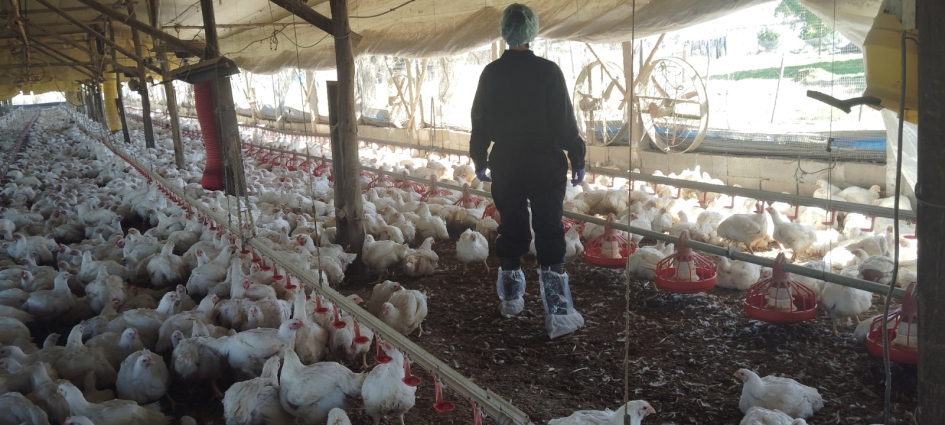
In that context —with confirmed presence of Avian Influenza in wild birds and no cases in commercial production— the General Directorate of Livestock Services (DGSG) of the MGAP, in coordination with the productive sector, participated this March 2 in a virtual meeting to adjust protocols and reinforce biosecurity measures throughout the system.
The technical presentation was given by members of the Poultry Health team, who clearly outlined the current situation: the moment demands anticipation, discipline and immediate notification of any sign of risk.
The invisible also makes you sick.
One of the aspects that generates the most attention is the behavior of the virus in long-lived birds, such as breeders and layers. Because they are vaccinated, they may present less obvious symptoms. There are not always dramatic signs or sudden deaths. Sometimes, there are only hints.
That is why it was emphasized to be extremely vigilant in clinical practice and not to downplay any compatible symptoms.
The directive was clear: any suspected case and any death exceeding the norm must be reported immediately to the Ministry of Livestock, Agriculture and Fisheries (MGAP). In situations like this, early notification is not a mere administrative formality: it is the most effective tool for preventing the spread of the virus, enabling rapid health intervention, and minimizing risks as much as possible.
Protect before you regret it
During the meeting, an idea that summarizes the preventive approach was reiterated: "to fortify the sheds" .
This implies reinforcing concrete, everyday measures, rigorously implemented:
The risk is also in the environment
Farms with dams, lagoons, or ravines are sensitive areas, as these environments are often resting places for migratory birds.
In these cases, it was recommended to prevent people, pets, or domestic animals from circulating in these areas if they will later have contact with the sheds. It was also reiterated that water from reservoirs, lagoons, or streams should not be used for drinking troughs or for spraying within the facilities.
In a health scenario like the current one, operational details become health barriers.
A border that is not geographical
Special attention was also paid to construction projects and the exchange of personnel, equipment and materials between establishments, especially considering that in neighboring countries avian influenza has had an impact on commercial production.
The frequent movement of drivers, operators, or contractors can become a vector for the spread of the virus if disinfection measures are not strictly enforced and sanitary break periods are not strictly observed. In this regard, it was recommended that food processing plant personnel, particularly drivers who visit multiple farms, be provided with complete uniforms.
Surveillance as a strategy
The meeting concluded with a message that summarizes the current health situation: the disease is not present on commercial farms, but prevention is key to reducing the risk of its introduction.
The immediate challenge is to disseminate these recommendations to all contract poultry producers as quickly as possible. Technical coordination and operational discipline are currently the main defense of national poultry production against a virus that is silently circulating in the natural environment.
https://www.gub.uy/ministerio-ganad...iar-aves-silvestres-refuerzan-medidas-granjas
-----------------------------------------------------------------
See also:
https://flutrackers.com/forum/forum...01-uruguay-avian-influenza-in-wild-birds-2026
In response to the presence of avian influenza in wild birds, measures are being reinforced on commercial farms.
03/03/2026
The virus has not entered commercial farms. But it is circulating in wildlife. And that is enough to set off all the alarms.
In that context —with confirmed presence of Avian Influenza in wild birds and no cases in commercial production— the General Directorate of Livestock Services (DGSG) of the MGAP, in coordination with the productive sector, participated this March 2 in a virtual meeting to adjust protocols and reinforce biosecurity measures throughout the system.
The technical presentation was given by members of the Poultry Health team, who clearly outlined the current situation: the moment demands anticipation, discipline and immediate notification of any sign of risk.
The invisible also makes you sick.
One of the aspects that generates the most attention is the behavior of the virus in long-lived birds, such as breeders and layers. Because they are vaccinated, they may present less obvious symptoms. There are not always dramatic signs or sudden deaths. Sometimes, there are only hints.
That is why it was emphasized to be extremely vigilant in clinical practice and not to downplay any compatible symptoms.
The directive was clear: any suspected case and any death exceeding the norm must be reported immediately to the Ministry of Livestock, Agriculture and Fisheries (MGAP). In situations like this, early notification is not a mere administrative formality: it is the most effective tool for preventing the spread of the virus, enabling rapid health intervention, and minimizing risks as much as possible.
Protect before you regret it
During the meeting, an idea that summarizes the preventive approach was reiterated: "to fortify the sheds" .
This implies reinforcing concrete, everyday measures, rigorously implemented:
- Keep the gates closed.
- Constantly check the condition of the bird netting.
- Thoroughly clean and disinfect your footwear before entering.
- Wear exclusive clothing inside the farm.
- Require sanitary bathing in breeding establishments.
- Establish defined routes between sheds, avoiding areas of vegetation.
The risk is also in the environment
Farms with dams, lagoons, or ravines are sensitive areas, as these environments are often resting places for migratory birds.
In these cases, it was recommended to prevent people, pets, or domestic animals from circulating in these areas if they will later have contact with the sheds. It was also reiterated that water from reservoirs, lagoons, or streams should not be used for drinking troughs or for spraying within the facilities.
In a health scenario like the current one, operational details become health barriers.
A border that is not geographical
Special attention was also paid to construction projects and the exchange of personnel, equipment and materials between establishments, especially considering that in neighboring countries avian influenza has had an impact on commercial production.
The frequent movement of drivers, operators, or contractors can become a vector for the spread of the virus if disinfection measures are not strictly enforced and sanitary break periods are not strictly observed. In this regard, it was recommended that food processing plant personnel, particularly drivers who visit multiple farms, be provided with complete uniforms.
Surveillance as a strategy
The meeting concluded with a message that summarizes the current health situation: the disease is not present on commercial farms, but prevention is key to reducing the risk of its introduction.
The immediate challenge is to disseminate these recommendations to all contract poultry producers as quickly as possible. Technical coordination and operational discipline are currently the main defense of national poultry production against a virus that is silently circulating in the natural environment.
https://www.gub.uy/ministerio-ganad...iar-aves-silvestres-refuerzan-medidas-granjas
-----------------------------------------------------------------
See also:
https://flutrackers.com/forum/forum...01-uruguay-avian-influenza-in-wild-birds-2026