• FluTrackers.com Inc. does not provide medical advice. Information on this web site is collected from various internet resources, and the FluTrackers board of directors makes no warranty to the safety, efficacy, correctness or completeness of the information posted on this site by any author or poster. The information collated here is for instructional and/or discussion purposes only and is NOT intended to diagnose or treat any disease, illness, or other medical condition. Every individual reader or poster should seek advice from their personal physician/healthcare practitioner before considering or using any interventions that are discussed on this website. By continuing to access this website you agree to consult your personal physican before using any interventions posted on this website, and you agree to hold harmless FluTrackers.com Inc., the board of directors, the members, and all authors and posters for any effects from use of any medication, supplement, vitamin or other substance, device, intervention, etc. mentioned in posts on this website, or other internet venues referenced in posts on this website.
  • We are not asking for any donations. Do not donate to any entity who says they are raising funds for us.

Uganda - Ebola outbreaks - June 11, 2019 - current

Pathfinder

Editor, Senior Moderator
[h=1]Confirmation of case of ebola virus disease in Uganda[/h]


Kampala, 11 June 2019 - The Ministry of Health and the World Health Organization (WHO) have confirmed a case of Ebola Virus Disease in Uganda. Although there have been numerous previous alerts, this is the first confirmed case in Uganda during the Ebola outbreak on-going in neighbouring Democratic Republic of the Congo.
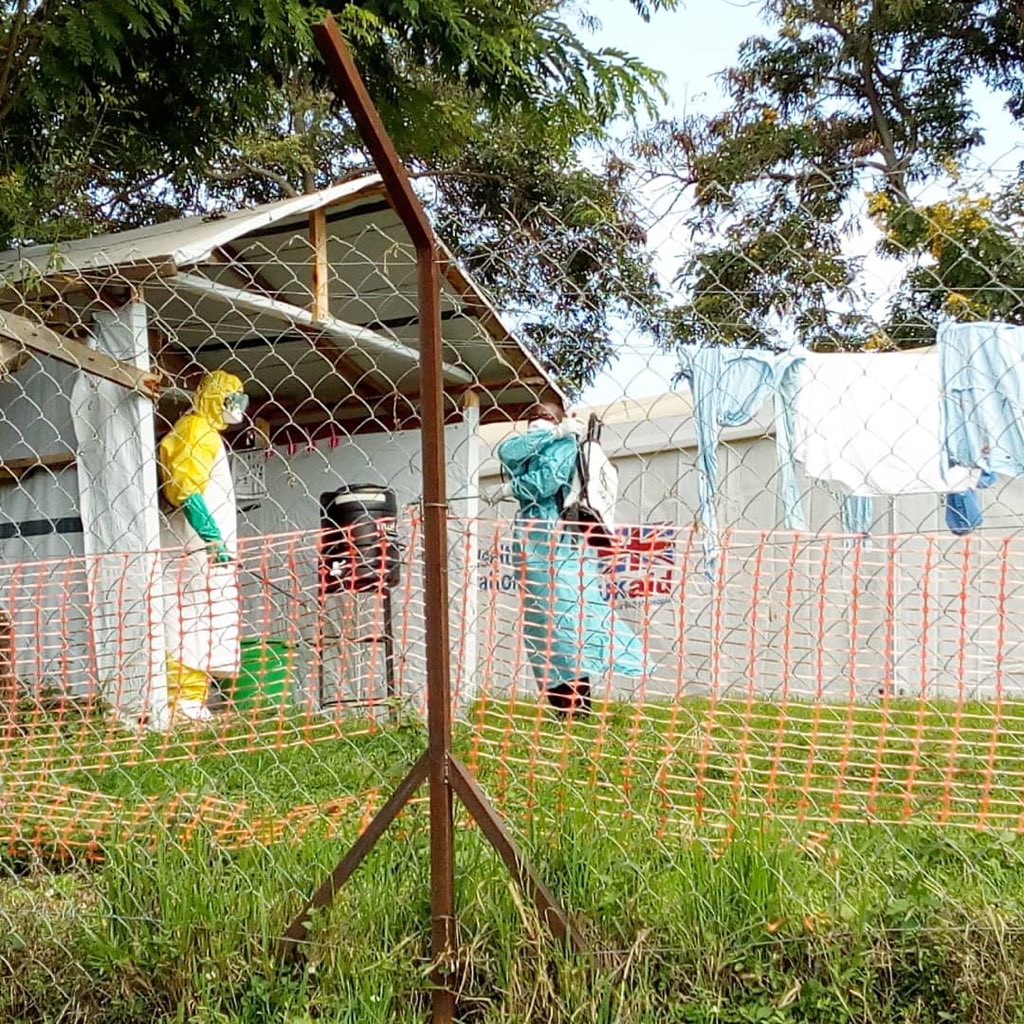
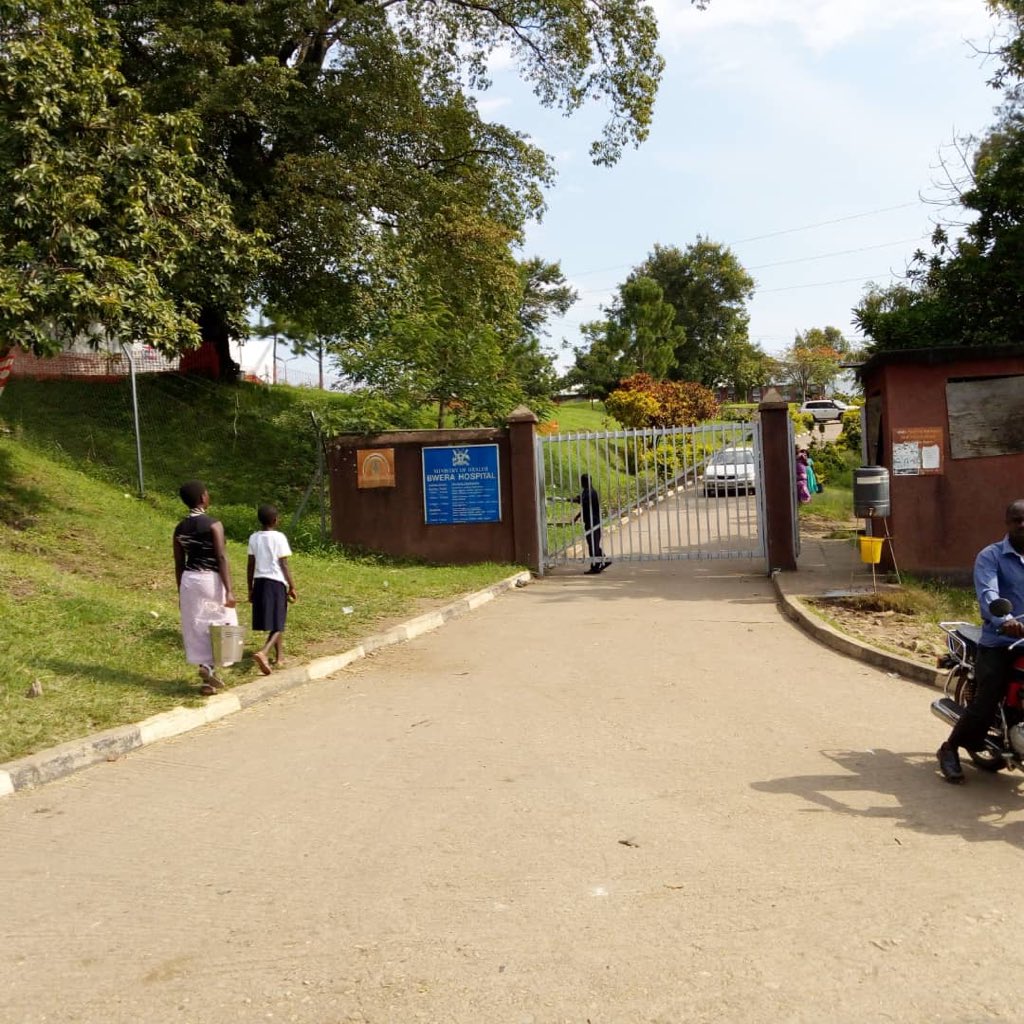
The confirmed case is a 5-year-old child from the Democratic Republic of the Congo who travelled with his family on 9th June 2019. The child and his family entered the country through Bwera Border post and sought medical care at Kagando hospital where health workers identified Ebola as a possible cause of illness. The child was transferred to Bwera Ebola Treatment Unit for management. The confirmation was made today by the Uganda Virus Institute (UVRI). The child is under care and receiving supportive treatment at Bwera ETU, and contacts are being monitored.
The Ministry of Health and WHO have dispatched a Rapid Response Team to Kasese to identify other people who may be at risk, and ensure they are monitored and provided with care if they also become ill. Uganda has previous experience managing Ebola outbreaks. In preparation for a possible imported case during the current outbreak in DRC, Uganda has vaccinated nearly 4700 health workers in 165 health facilities (including in the facility where the child is being cared for); disease monitoring has been intensified; and health workers trained on recognizing symptoms of the disease. Ebola Treatment Units are in place.
In response to this case, the Ministry is intensifying community education, psychosocial support and will undertake vaccination for those who have come into contact with the patient and at-risk health workers who were not previously vaccinated.
Ebola virus disease is a severe illness that is spread through contact with the body fluids of a person sick with the disease (fluids such as vomit, feces or blood). First symptoms are similar to other diseases and thus require vigilant health and community workers, especially in areas where there is Ebola transmission, to help make diagnosis. Symptoms can be sudden and include:
  • Fever
  • Fatigue
  • Muscle pain
  • Headache
  • Sore throat
People who have been in contact with someone with the disease are offered vaccine and asked to monitor their health for 21 days to ensure they do not become ill as well.
The investigational vaccine being used in DRC and by health and frontline workers in Uganda has so far been effective in protecting people from developing the disease, and has helped those who do develop the disease to have a better chance of survival. The Ministry strongly urges those who are identified as contacts to take this protective measure.
Investigational therapeutics and advanced supportive care, along with patients seeking care early once they have symptoms, increase chances of survival.
The Ministry of Health has taken the following actions to contain spread of the disease in the country:
  • The District administration and local councils in the affected area have been directed to ensure that any person with Ebola signs and symptoms in the community is reported to the health workers immediately and provided with advice and testing.
  • The Ministry of Health is setting up units in the affected district and at referral hospitals to handle cases if they occur.
  • Social mobilization activities are being intensified and education materials are being disseminated.
There are no confirmed cases in any other parts of the country.
The Ministry is working with international partners coordinated by the World Health Organization.
The Ministry of Health appeals to the general public and health workers to work together closely, to be vigilant and support each other in helping anyone with symptoms to receive care quickly. The Ministry will continue to update the general public on progress and new developments.

https://afro.who.int/news/confirmation-case-ebola-virus-disease-uganda


Translation Google [TABLE="class: templateContainer, border: 0, cellpadding: 0, cellspacing: 0, width: 600"]
[TR]
[TD] [TABLE="class: mcnImageBlock, border: 0, cellpadding: 0, cellspacing: 0, width: 100%"]
[TR]
[TD="class: mcnImageBlockInner"] [TABLE="class: mcnImageContentContainer, align: left, border: 0, cellpadding: 0, cellspacing: 0, width: 100%"]
[TR]
[TD="class: mcnImageContent"]
2fbffc44-0182-4793-beea-99a0ac1095e6.png
[/TD]
[/TR]
[/TABLE]
[/TD]
[/TR]
[/TABLE]
[TABLE="class: mcnDividerBlock, border: 0, cellpadding: 0, cellspacing: 0, width: 100%"]
[TR]
[TD="class: mcnDividerBlockInner"] [TABLE="class: mcnDividerContent, border: 0, cellpadding: 0, cellspacing: 0, width: 100%"]
[TR]
[TD] [/TD]
[/TR]
[/TABLE]
[/TD]
[/TR]
[/TABLE]
[/TD]
[/TR]
[TR]
[TD] [TABLE="class: mcnBoxedTextBlock, border: 0, cellpadding: 0, cellspacing: 0, width: 100%"]
[TR]
[TD="class: mcnBoxedTextBlockInner"] [TABLE="class: mcnBoxedTextContentContainer, align: left, border: 0, cellpadding: 0, cellspacing: 0, width: 100%"]
[TR]
[TD] [TABLE="class: mcnTextContentContainer, border: 0, cellspacing: 0, width: 100%"]
[TR]
[TD="class: mcnTextContent"]Ministry of Health Communication on First Case of Ebola Virus Disease Detected in Uganda


Kinshasa, June 11, 2019 - The Ministry of Health of the Republic of Uganda has announced the presence of the first patient with Ebola Virus Disease in Uganda since the beginning of the Ebola outbreak in the provinces of North Kivu and Ituri. This is a five-year-old child who crossed the border with five members of his family on the evening of Monday, June 10, 2019.

The mother of the child is a woman of Congolese origin married to a Ugandan man and they reside in Kasese District in Uganda. She had traveled to the Democratic Republic of Congo in May 2019 to take care of her father, who unfortunately died of Ebola on May 27, 2019 in Cantine-Aloya, in the health zone of Mabalako.

On June 10, 2019, 14 members of this family, 12 of whom were already symptomatic, arrived in Kasindi, a town on the border with Uganda. They were listed as contacts of a confirmed Ebola case who died on May 27, 2019 in Mabalako. They were detected by the teams of the National Border Health Program (PNHF) installed at Kasindi health checkpoint.

Recognizing the symptoms of Ebola, PNHF teams did not let the family pass and transferred the 12 symptomatic people to the transitional isolation center at Kasindi Hospital pending transfer to the Ebola Treatment Center in Beni to take the samples. Of the 12 suspected cases, there were seven children aged 7 months to 12 years.

On the evening of June 10, 2019, six members of this family left the Kasindi isolation center and crossed the border on foot through secondary tracks to avoid health checks. Congolese health authorities immediately notified the Ugandan authorities and provided them with the names and phone numbers of suspected cases. Ugandan health workers found the child and his family at Kagando Hospital in Uganda. The child and five other members of his family were then transferred and isolated to the Bwera Ebola Treatment Unit where the samples were taken. Eight Ugandan contacts have been listed and will be followed for 21 days.

The remaining six family members in Kasindi were transferred to the Beni Ebola Treatment Center on Tuesday, June 11, 2019, and their samples are being analyzed. A cross-border meeting between the Congolese and Ugandan health authorities is scheduled for Wednesday, June 12, 2019 in Kasese, Uganda, to discuss the possibility of repatriation of the family to the Democratic Republic of Congo to continue their treatment in Beni.

The DRC Ministry of Health thanks the Ugandan health authorities for this effective cross-border collaboration. As a reminder, from the beginning of the tenth Ebola outbreak in the DRC, the Ministry of Health is working in full transparency with the health authorities of neighboring countries to prevent the spread of the epidemic in the region. This collaboration takes the form of regular technical meetings, a permanent exchange of information on the evolution of the epidemic, as well as the sharing of identities of contacts of confirmed Ebola patients wishing to cross, or having crossed, the border.

A sanitary control system at the entry points of the DRC is organized by the PNHF in collaboration with the World Organization for Migration (IOM). It is this system that allows for the rapid detection of contacts of confirmed Ebola cases who are traveling and trying to cross borders to escape health control. On average, 20 to 25 thousand passengers cross the border daily at the Kasindi port of entry. Since the beginning of the epidemic, more than 65 million travelers have been checked at the various entry points and checkpoints set up.

END[/TD]
[/TR]
[/TABLE]
[/TD]
[/TR]
[/TABLE]
[/TD]
[/TR]
[/TABLE]
[/TD]
[/TR]
[/TABLE]
...
https://us13.campaign-archive.com/?u...&id=54420e2e17
 
From: "Media@cdc.gov (CDC)" <sohco@CDC.GOV>
To: MMWR-MEDIA@LISTSERV.CDC.GOV
Subject: CDC Press Release: First case of Ebola virus disease diagnosed in Uganda
Date: Jun 11, 2019 6:00 PM
[TABLE="border: 0, cellpadding: 0, cellspacing: 0"]
[TR]
[TD]Press Release

For immediate release
Tuesday, June 11, 2019

Contact: CDC Media Relations
(404) 639-3286

First case of Ebola virus disease diagnosed in Uganda
Risk of Ebola virus transmission in the United States remains very low

The U.S. Centers for Disease Control and Prevention (CDC) today was notified of a case of Ebola diagnosed in Uganda and confirmed by laboratory testing at Uganda Virus Research Institute (UVRI). This is the first time that a case associated with the current outbreak, which began in northeastern Democratic Republic of Congo (DRC) in August 2018, has been identified in a neighboring country. This is the first case of Ebola in Uganda since 2013, and the first time that Uganda has reported a case of Zaire ebolavirus.
  • Based on available information, we believe that the patient was infected with Ebola virus in DRC and crossed the border into Uganda.
  • The patient became ill on June 9 in DRC and was brought to Uganda for treatment on June 10.
&#147;This is a sobering development that everyone has been working to avoid, and highlights the complexity of the Ebola outbreak in the Democratic Republic of the Congo,&#148; said CDC Director Robert R. Redfield, M.D. &#147;Despite this first case of Ebola in Uganda, officials in DRC and Uganda, alongside partners throughout the international community, are dedicated to bringing the outbreak in Africa to an end. CDC is working with our response partners to rapidly detect and prevent additional cases in Uganda, and to prevent further spread of Ebola in DRC and to other neighboring countries.&#148;

CDC recognizes that even one case of Ebola diagnosed outside the current outbreak zone in northeastern DRC is a matter of concern. Knowing that the potential for regional spread is high, medical and public health professionals have been preparing to respond. In addition to having staff assisting the Ministry of Health and other partners in DRC, CDC has a country office in Kampala, Uganda, and has been actively supporting the Ugandan Ministry of Health (MOH) to prepare for an Ebola case in the country. CDC is working with partners, including Uganda&#146;s MOH, National Task Force for Epidemic Control (NTF), other Ugandan ministries, USAID, the United Nations High Commissioner for Refugees (UNHCR), and other stakeholders to coordinate preparedness and response measures, including preparation for vaccination activities. CDC continues to support UVRI&#146;s viral hemorrhagic fever surveillance and laboratory program, which can test for Ebola virus and other viral hemorrhagic fevers. CDC has also deployed experts to Uganda to provide technical guidance and subject matter expertise related to border health screening, infection control, and vaccination. With the support of the United States, Uganda has vaccinated more than 2,000 of its healthcare workers against the Ebola virus since the start of the DRC outbreak.

The current Ebola outbreak in DRC was declared on August 1, 2018. As of June 10, a total of 2,071 Ebola cases and 1,390 deaths in DRC, and now one case in Uganda, have been reported as part of the outbreak.

Stopping Ebola requires early identification of cases, effective isolation of people sick with Ebola, and contact tracing of people exposed to Ebola patients so they can be vaccinated and isolated if they develop symptoms. The current Ebola outbreak in the DRC is occurring in a highly insecure environment that complicates public health response activities and increases the risk of disease spread. CDC remains committed to working with host governments and international partners to ensure the response to this outbreak is robust, timely, and well-coordinated to save lives and prevent the further spread of Ebola virus disease.

For more information about the current outbreak in DRC: https://www.cdc.gov/vhf/ebola/outbre...18-august.html
For more information about Ebola: https://www.cdc.gov/vhf/ebola/
For travelers&#146; health information: https://wwwnc.cdc.gov/travel/notices...c-of-the-congo;https://wwwnc.cdc.gov/travel/destina...ublic-of-congo;https://wwwnc.cdc.gov/travel/notices...c-of-the-congo[/TD]
[/TR]
[/TABLE]
 
[FONT=&quot]WHO UgandaVerified account @WHOUganda 1h1 hour ago More[/FONT]


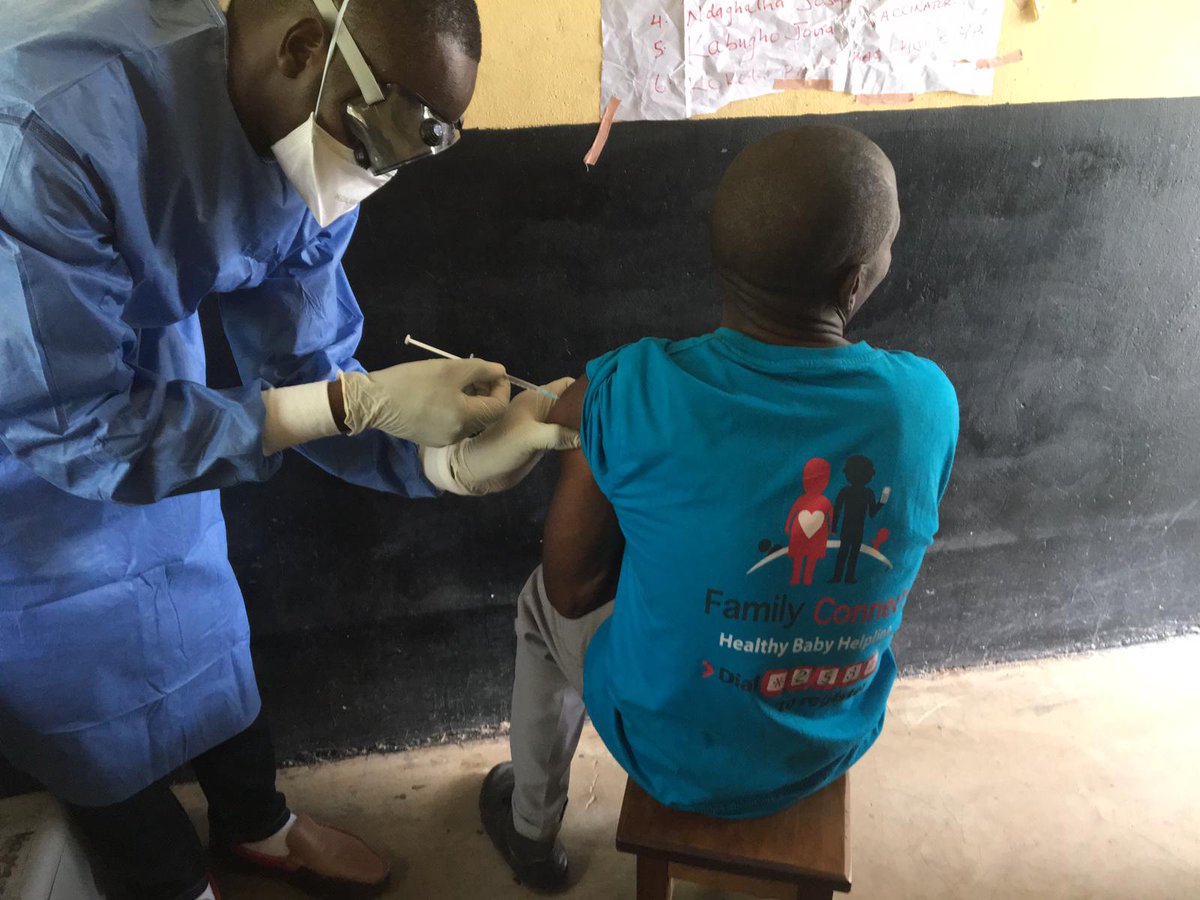
[FONT=&quot]#DRC delegation has brought 400 doses of the #Ebola vaccine. In the Kasese DTF the DRC delegation says that early detection of cases in #Uganda should be an opportunity to contain the outbreak early.[/FONT]

[FONT=&quot]
D83KAshWsAAjq-E.jpg


D83KAseW4AIzQYL.jpg
[/FONT]


[FONT=&quot]Yonas Tegegn WOLDEMARIAM, Ministry of Health- Uganda, World Health Organization (WHO)and WHO African Region[/FONT]
 
[FONT=&quot]Ministry of Health- Uganda@MinofHealthUG 2h2 hours ago More


[/FONT]

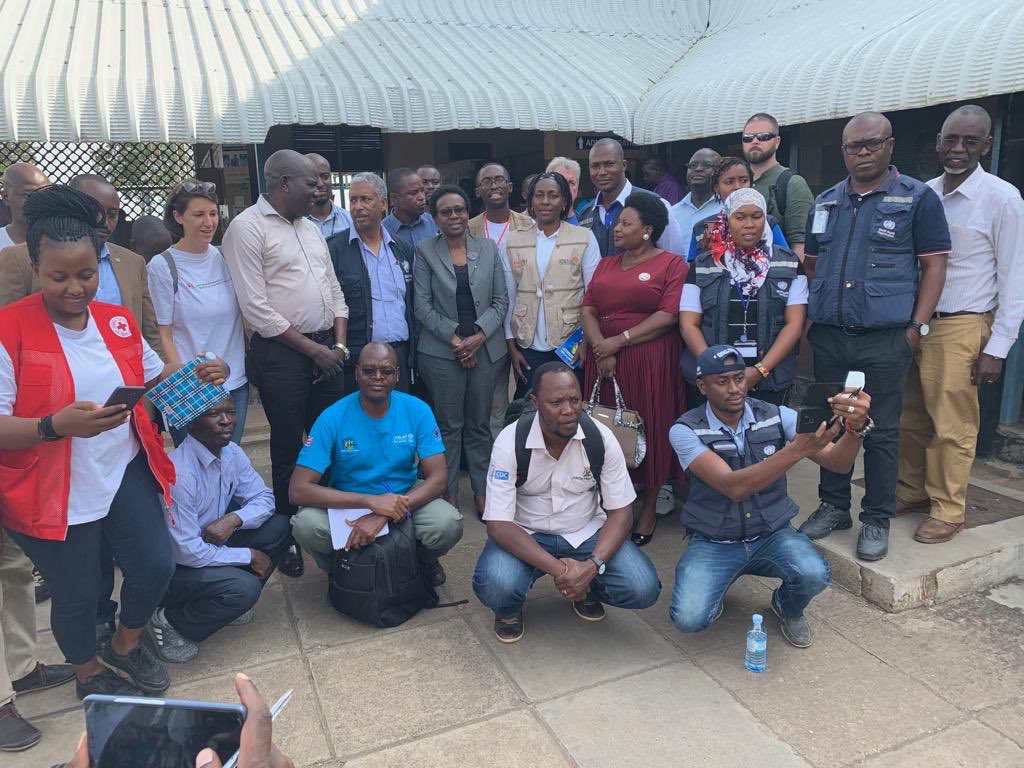
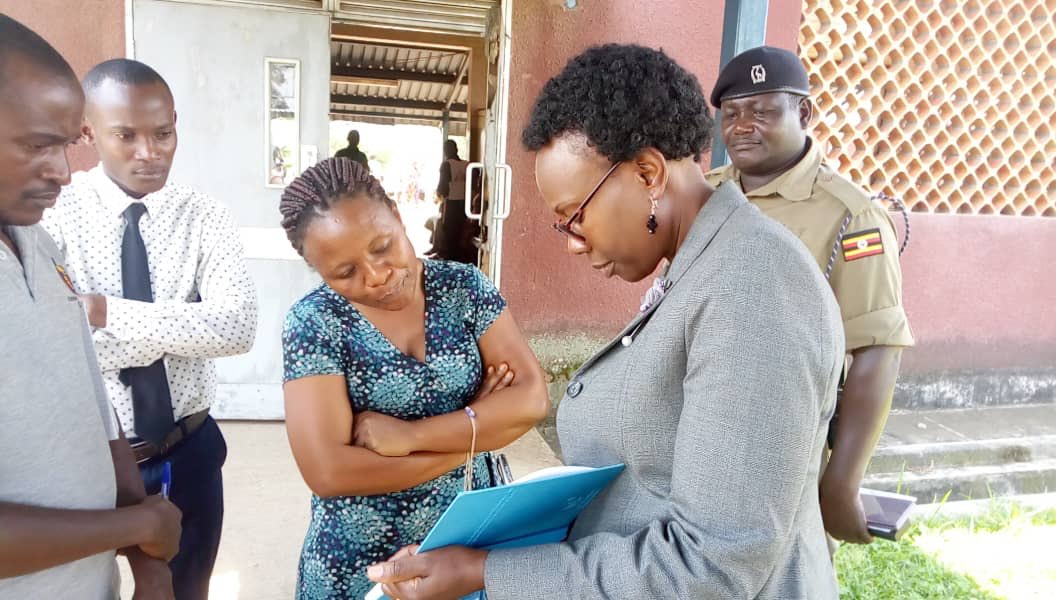
[FONT=&quot] @MinofHealthUG teams led by Minister of Health, @JaneRuth_Aceng,@WHOUganda country representative,@tegegny, CDC and other teams currently in Bwera,Kasese District to assess #Ebola outbreak. 3,500 doses of #Ebola vaccine have been shipped to
1f1fa-1f1ec.png
and vaccination will begin on Friday
[/FONT]

[FONT=&quot]
D83FjBtXoAAxBE4.jpg


D83FjBxW4AAYtdk.jpg


D83FjC9W4AAZkhM.jpg


[/FONT]

[FONT=&quot] Dr. Jane Ruth Aceng, Dr. Diana Atwine, Yonas Tegegn WOLDEMARIAM and 3 others

-------------------------------------------------------------------

U.S. Embassy in Uganda

Statement on Confirmed Ebola Cases in Uganda

As of June 12, the Ugandan Ministry of Health has confirmed three cases of Ebola in western Uganda near the border with the Democratic Republic of the Congo. The United States has strong confidence in the Ugandan government?s ability to respond to the outbreak in coordination with partners. The U.S. government has invested heavily in Uganda?s preparations to manage Ebola through both technical and financial assistance, and we will continue to provide assistance to prevent the spread of the disease. For updates on the situation, we encourage you to follow the Ugandan Ministry of Health as well as the World Health Organization?s Ebola situation reports.

https://ug.usembassy.gov/statement-on-confirmed-ebola-cases-in-uganda/


[/FONT]
 
[FONT=&quot]Tedros Adhanom GhebreyesusVerified account @DrTedros 10 mins10 minutes ago More


[/FONT]

[FONT=&quot] Following the spread of #Ebola to #Uganda from #DRC, I am reconvening the IHR Emergency Committee on 14 June in Geneva to ascertain whether the outbreak constitutes a public health emergency of international concern. This will be the 3rd meeting of the committee on this outbreak.
[/FONT]

[FONT=&quot]
D83o-rPWkAEWp00.jpg


[/FONT]

[FONT=&quot] Dr. Jane Ruth Aceng, WHO Uganda and Minist?re de la Sant? RDC
[/FONT]
 
[h=1]Second patient dies of Ebola in Uganda: health official[/h] A 50-year-old woman who tested positive for Ebola in Uganda has died, a health ministry official told AFP Thursday, the second fatality since the virus spread from neighbouring Democratic Republic of Congo.
"The deceased has been confirmed as the grandmother of the five-year-old boy who died. Both victims had attended the burial of an Ebola patient in Congo, but returned to Uganda", the official told AFP on condition of anonymity.
Arrangements are being made to bury the woman in Kasese, a district in western Uganda close to the DRC border, the official added.

https://www.france24.com/en/20190613-second-patient-dies-ebola-uganda-health-official
 
[FONT=&quot]Ministry of Health- Uganda@MinofHealthUG 1h1 hour ago More


[/FONT]

[FONT=&quot] PRESS RELEASE:
1f53a.png
Grandmother of the deceased index case passed on yesterday & will be accorded safe burial
1f53b.png
5 relatives of the deceased have been repatriated back to DRC- mother,father,3 y/o sibling,6 month old baby & the maid
1f53a.png
As of now,NO confirmed case of #Ebola in
1f1fa-1f1ec.png

[/FONT]

[FONT=&quot]
D88IIilW4AIdxwO.jpg


D88IIigXsAADwiy.jpg


D88IIiqWkAA-N7A.jpg


[/FONT]

[FONT=&quot] 2 replies27 retweets21 likes
Reply

Direct message


[/FONT]
 
250px-Kanungu_District_in_Uganda.svg.png

https://en.wikipedia.org/wiki/Kanungu_District

----------------


Three suspected Ebola victims escape from Kanungu isolation centre

THURSDAY JUNE 13 2019
By URN

...
The three were admitted in isolation when they presented with Ebola like symptoms shortly after arriving at Munyaga border crossing in Western ward in Butogota town council in Kanungu District from DRC on Wednesday morning.

The trio presented with high temperatures, one of the signs of the haemorrhagic fever forcing Ebola surveillance officials to rush them to Kihihi health Centre IV for monitoring.

However, the Kanungu Health Inspector, Kato Besisira, says the trio escaped as the health workers were preparing to draw blood samples from them and rush them to Uganda Virus Research Institute (UVRI) Entebbe for examination.

They are suspected to have crossed back to DRC using the porous borders. Besisira says the escape of the trio has triggered panic in the district.
...

https://www.monitor.co.ug/News/Nati...ation-centre/688334-5155380-6atmb0/index.html
 
[h=1]Congo pastor likely sparked Ebola outbreak spread to Uganda[/h] BWERA, Uganda (AP) ? The Congolese pastor who is thought to have caused the Ebola outbreak's spread into Uganda was unknown to health officials before he died of the disease, the World Health Organization's emergencies chief said Thursday. That underlines the problems in tracking the virus as a WHO expert panel on Friday discusses whether to declare a global health emergency.
As a second person infected with Ebola died in Uganda, Dr. Mike Ryan told The Associated Press he did not believe the man had been on any list of high-risk Ebola contacts that health workers use to track infections and contain the outbreak.
Three of the pastor's family members were infected with Ebola when they traveled from Uganda to Congo to visit him. His 5-year-old grandson became the first Ebola case in Uganda and the first death after several family members quietly returned home on footpaths that bypassed border screening for the disease. The boy's grandmother also died after their return, Ugandan officials said Thursday.

https://www.yahoo.com/news/2nd-ebol...WusyrZKcKOpxrW4r55LLneCwO_TcP83HrBXjgoOltU3GC
 
Source: https://www.who.int/csr/don/13-june-2019-ebola-uganda/en/
[h=1]Ebola virus disease ? Republic of Uganda[/h] Disease outbreak news
13 June 2019

On 11 June 2019, the Ugandan Ministry of Health (MoH) has confirmed a case of Ebola Virus Disease (EVD) in Kasese district, Uganda. The patient is a 5-year-old child from the Democratic Republic of Congo (DRC) who travelled with his family from Mabalako Health Zone in DRC after attending, on 1 June 2019, the funeral of his grandfather (confirmed EVD case on 2 June 2019). On 10 June 2019, the child and the family entered the country through Bwera border post and sought medical care at Kagando hospital where health workers identified Ebola as a possible cause of illness. The child was transferred to Bwera Ebola Treatment Unit (ETU) for management. The confirmation of Ebola Virus was made on 11 June 2019 at the Uganda Virus Research Institute (UVRI), and the child has deceased in the early hours of 12 June 2019. Two other suspected cases, a 50-year-old female (grandmother of the first case) and 3-year-old male (younger brother of the first case) part of the family members who travelled together with the first confirmed child were also admitted in the same ETU and were confirmed for EVD by UVRI on 12 June 2019. The 50 year-old-male has deceased during the night between 12 and 13 June. 27 other contacts have been identified and are being monitored. Healthcare workers from both health care facilities where the child was treated have been previously vaccinated.
[h=3]Public health response[/h]
  • Since 7 November 2018, as part of the preparedness activities, Uganda has vaccinated health and frontline workers in areas at risk of expansion of the outbreak. To date, 4699 health care and frontline workers from 165 health facilities have been vaccinated.
  • The MoH and WHO have dispatched a Rapid Response Team to Kasese to identify other people who may be at risk, and ensure they are monitored and provided with care if they become ill.
  • Nine Ebola Treatment Units (ETU) are in place in the districts bordering North Kivu and Ituri. The MoH is setting up more units in the affected district and at referral hospitals to handle cases if they occur.
  • The MoH is intensifying community education, psychosocial support and will undertake vaccination for those who have come in contact with the patient and at-risk health workers who were not previously vaccinated.
  • Disease monitoring has been intensified at border posts, health centres and communities, and health workers are being trained on recognizing symptoms of the disease. The district administration and local councils in the affected area have been directed to ensure that any person with Ebola signs and symptoms in the community is reported to the health workers immediately and provided with advice and testing.
  • WHO is also supporting the Ministry of Health in terms of;
    • Finalization of the response plan
    • Operational and logistics support including immediate shipment of vaccines and therapeutics
    • Resource mobilization
    • Deployment of experts on infection prevention and control (IPE), therapeutics, risk communication and community engagement (RCCE), and vaccination
    • Compliance to SAGE Ebola vaccination protocol and Monitored Emergency Use of Unregistered and Investigational Interventions (MEURI) for Ebola Virus Disease framework for therapeutics
[h=3]WHO risk assessment[/h] All three confirmed cases are imported from DRC and belong to the same family who travelled together from Mabalako Health Zone, an area currently affected by Ebola outbreak in North Kivu, DRC. To date, they remain as a single episode of EVD in Uganda, and the geographical spread in Uganda appears to be limited to one district near DRC border. Further investigations are ongoing both in Uganda and DRC to assess the full extent of the outbreak.
Since the beginning of the Ebola outbreak in DRC in August 2018, WHO has advised neighbouring countries (Priority 1 countries: Uganda, Rwanda, South Sudan, and Burundi / Priority 2 countries: Angola, Zambia, Tanzania, Central African Republic and Republic of Congo) to reinforce their preparedness measures.
Considering that to date i) the EVD cases confirmed in Uganda were epidemiologically linked to the DRC; ii) all three cases belong to single family cluster with a common high-risk exposure to a confirmed case, iii) the level of preparedness and the proven experience of Ugandan authorities to manage previous EVD outbreaks, and iv) the rapidity of the detection and a limited geographical area affected (Kasese district), the overall level of risk at national level is assessed as moderate. Moreover, given that there is no evidence of local transmission of EVD in Uganda and the location of the outbreak being close to the DRC border, the overall risk posed at regional level by the Ugandan outbreak is considered low. However, the overall regional risk posed by the outbreak in DRC remains very high. The overall risk at international level remains low.
The Director-General will convene a third meeting of the Emergency Committee under the International Health Regulations (IHR 2005) following the most recent risk assessment which noted a cross-border spread of Ebola from DRC to Uganda. WHO has convened the emergency committee under International Health Regulations (IHR 2005) twice (October 2018 and April 2019) since the outbreak in DRC was announced in August. The committee will discuss whether the event constitute a public health emergency of international concern (PHEIC).
[h=3]WHO advice[/h] WHO advises against any restriction of travel and trade to Uganda based on the currently available information. WHO continues to monitor travel and trade measures in relation to this event, and currently there are no restrictions of the international traffic in place.
For more information, please see:
 
[FONT=&quot]
Ministry of Health- Uganda@MinofHealthUG FollowFollow
@MinofHealthUG

More


[/FONT]​
[FONT=&quot] Dear All,Please desist from spreading rumors such as the message below. There is NO Ebola in Wakiso or any other part of Uganda other than Kasese District. As of now, we do NOT have any confirmed case of Ebola in Kasese & no suspect cases in isolation.
[/FONT]

[FONT=&quot]
D9HJxQqX4AAgXtx.jpg


[/FONT]

[FONT=&quot] 8:14 AM - 15 Jun 2019
[/FONT]
 
[FONT=&quot] [FONT=&quot]Dr. Jane Ruth Aceng@JaneRuth_Aceng 18m18 minutes ago More


[/FONT]

[FONT=&quot] To all journalists, health workers and the general public I have seen and read with dismay the several wrong messages circulating on social media and other media platforms about current Ebola outbreak. I appeal to you all please please desist from spreading false rumours like
1f447-1f3fd.png

[/FONT]

[/FONT]

[FONT=&quot]
D9MaEjuXkAAuXDW.jpg


[/FONT]

[FONT=&quot] Ministry of Health- Uganda, WHO Uganda and Yonas Tegegn WOLDEMARIAM
[/FONT]
 
[FONT=&quot]Dr. Jane Ruth Aceng@JaneRuth_Aceng 19m19 minutes ago [/FONT]
[FONT=&quot]Ebola is not something to joke with, it kills.Your irresponsible reporting can cause unnecessary panic among the population & greatly affect our response @MinofHealthUG has spokespersons, the Director General & Minister for Health who keep population informed on a regular basis


[FONT=&quot]Dr. Jane Ruth Aceng@JaneRuth_Aceng 17m17 minutes ago [/FONT]
[FONT=&quot]I believe we are doing it very well. We do so after getting results of blood samples from suspect cases. Those wrongly informing the public have no access to this information. I therefore appeal to the public to ignore all information from social media if it does not quote the DG
or the Minister of Health and these should only be on the authentic platforms. Please follow the example of our numerous partners who have access to information but leave the reporting to MoH. Even the DHO Kasese who has information knows the people with Authority to report.

I really must appreciate our partners and Kasese District Local Government for their professionalism.
Once again, I kindly appeal to all Ugandans to desist from such irresponsible behaviour Thank you. Jane Ruth Aceng Minister for Health
[/FONT]
[/FONT]
the Minister of Health and these should only be on the authentic platforms. Please follow the example of our numerous partners who have access to information but leave the reporting to MoH. Even the DHO Kasese who has information knows the people with Authority to report.
 
Outbreaks and Emergencies Bulletin, Week 24: 10 - 16 June 2019

Ebola virus disease Uganda
3 Cases
3 Deaths
100% CFR


EVENT DESCRIPTION

On 11 June 2019, the Ministry of Health in Uganda declared an outbreak
of Ebola virus disease (EVD) in Kasese District, western Uganda. From
11-13 June 2019, three confirmed EVD cases were reported, and all have
died (case fatality ratio 100%). The first case in this event was a five-year old
boy who entered Uganda from Democratic Republic of Congo on 10
June 2019, accompanied by his mother and four other close relatives,
and presented to Kagando hospital in Kasese District with fever, vomiting
blood, bloody diarrhoea, muscle pain, headache, fatigue and abdominal
pain. The case-patient was referred to Bwera Hospital Ebola treatment
unit (ETU). Blood specimens obtained and shipped to the Uganda Virus
Research Institute (UVRI) on 10 June 2019 tested positive for Ebola Zaire
by reverse transcriptase polymerase chain reaction (RT-PCR) on 11 June
2019. The case-patient died on 11 June 2019.

Two family members of the first case, his 50-year-old grandmother and
his three-year-old younger brother, subsequently develop signs and
symptoms, and were isolated in Bwera ETU on 11 June 2019. Blood
specimens collected and sent to UVRI on 11 June 2019 tested positive
for Ebola virus infection by RT-PCR on 12 June 2019. The 50-year-old
case-patient died on 12 June 2019. In consultation with health authorities
in Democratic Republic of the Congo and with full consent of the
individuals, the 3-year-old confirmed case and four other close relatives
were repatriated to Democratic Republic of the Congo on 13 June 2019.
The case-patient reportedly died on 13 June 2019. In Uganda, a total of
90 contacts, including three healthcare workers, have been identified and
are under follow-up.

From 12-15 June 2019, three suspected EVD cases (not linked to the
confirmed cluster) were admitted in Bwera ETU. On 15 June 2019, two
of the three cases tested negative for Ebola virus infection, and have
been released. The test result of the third suspected case is still pending.

PUBLIC HEALTH ACTIONS

A national incident management system led by the Ministry of
Health with support from WHO, US CDC, and other partners has
been activated to coordinate response to the event. At the district
level, a joint task force was instituted on 12 June 2019 to coordinate
local response efforts.

A rapid response team has been deployed to the affected district to
support epidemiological investigation, contact tracing, and other
response activities.

The Minister of Health and the WHO Representative in Uganda held
a joint press conference on 12 June 2019 to inform the public of the
event as well as advise on public health measures to be observed.
Safe and dignified burial has been conducted for the deceased
case-patients by a team stationed at Bwera hospital.

A total of seven Ebola treatment units have been set-up in at-risk
districts including the affected district with supplies prepositioned
for management of cases.

Scale-up of risk communication and social mobilization
activities has started using mass media, town hall meetings, and
engagements with key stakeholders. Information, communication,
and education (IEC) materials are being developed in local
languages and training of local community structures such as
village health teams (VHTs), teachers, and other health volunteers
are being planned to strengthen community engagement.

A total of 400 doses of Ebola vaccine have been delivered to the
local response team by the vaccination team in neighbouring
Democratic Republic of the Congo. WHO shipped in additional
3 000 doses. Ring vaccination of contacts and contacts-of-contact
commenced on 15 June 2019.

SITUATION INTERPRETATION

The exportation of Ebola virus infection to Uganda this week raised serious concerns
locally and globally. The event served as a stark reminder that the risk of spread of EVD to
the neighbouring countries remains high as long as the outbreak in Democratic Republic
of the Congo is not contained. The event also emphasized the importance of having
functional preparedness and readiness measures in place, particularly for early detection
and quick containment of imported cases to avoid establishment of local transmission.
The cross-border collaboration between authorities in Democratic Republic of the Congo
and Uganda was equally instrumental. The Ugandan authorities, along with stakeholders,
need to remain vigilant and continue to strengthen their preparedness capacities and
ability to swiftly respond in the eventuality of renewed importation of the disease.

https://apps.who.int/iris/bitstream/handle/10665/325382/OEW24-1016062019.pdf
https://www.afro.who.int/publications/outbreaks-and-emergencies-bulletin-week-24-10-16-june-2019
 
Back
Top