• FluTrackers.com Inc. does not provide medical advice. Information on this web site is collected from various internet resources, and the FluTrackers board of directors makes no warranty to the safety, efficacy, correctness or completeness of the information posted on this site by any author or poster. The information collated here is for instructional and/or discussion purposes only and is NOT intended to diagnose or treat any disease, illness, or other medical condition. Every individual reader or poster should seek advice from their personal physician/healthcare practitioner before considering or using any interventions that are discussed on this website. By continuing to access this website you agree to consult your personal physican before using any interventions posted on this website, and you agree to hold harmless FluTrackers.com Inc., the board of directors, the members, and all authors and posters for any effects from use of any medication, supplement, vitamin or other substance, device, intervention, etc. mentioned in posts on this website, or other internet venues referenced in posts on this website.
  • We are not asking for any donations. Do not donate to any entity who says they are raising funds for us.

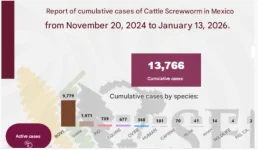
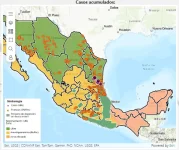
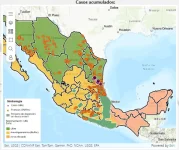
Texas - Commissioner Miller calls for vigilance after latest New World Screwworm detection in Mexico - December 31, 2025 +


​​


​​
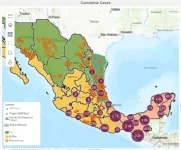
https://app.powerbi.com/view?r=eyJrIjoiMjkzMzAzMzUtZmRlNi00ZTMzLTk1NDEtNjk zZTEwNzZjZGFlIiwidCI6ImM1OWRjNTZhLTkzZWMtNGIwNy1iN zFkLTQzYzg0NDkyNTcxOCIsImMiOjR9
-------------------------------------------------------------------------------------------------------------
Translation Google


Government of the State of Tamaulipas
Tamaulipas activates comprehensive action plan to protect livestock health


SRU-006-2026.-Activan-en-Tamaulipas-plan-de-accion-integral-para-proteger-la-sanidad-pecuaria-5-850x500.jpeg

January 15, 2026

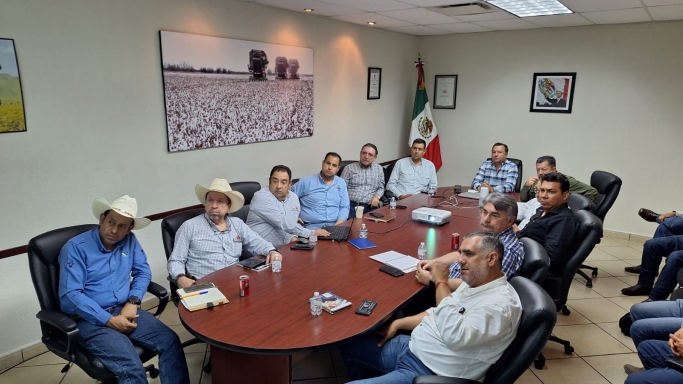
Ciudad Victoria, Tamaulipas.— With the goal of safeguarding the state's sanitary status and protecting livestock production, the Secretariat of Rural Development, Fisheries and Aquaculture is working in coordination with the National Service for Agrifood Health, Safety and Quality (SENASICA) and the Secretariat of Agriculture and Rural Development (SADER) on the implementation of a comprehensive action plan for the eradication of the Cattle Screwworm (CSM) in the state

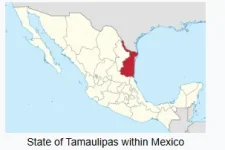
The head of the state agency, Antonio Varela Flores, indicated that these actions will strengthen Tamaulipas's health status by establishing a strategic plan with a series of measures focused primarily on the municipalities where the first cases were detected. He emphasized that the state's most important livestock region, comprised of the municipalities of Aldama and Soto la Marina, will be protected.

He also explained that they are working on establishing an intensive trapping network in strategic municipalities, following an epidemiological pattern to prevent the entry of the Cochliomyia hominivorax fly, the vector responsible for this pest. To this end, he emphasized the importance of interstate coordination, particularly with the state of San Luis Potosí.

As a result of this situation, the corresponding health protocols for the care and control of the Cattle Screwworm have been activated immediately, with the aim of safeguarding the state's health status and protecting livestock production.

He stated that the Government of the State of Tamaulipas, headed by Governor Américo Villarreal Anaya, reaffirms its commitment to animal health and to protecting the productive activity of Tamaulipas livestock farmers.

It also urges the livestock sector to immediately report any suspected cases of screwworm infestation or injury to the relevant health authorities to prevent the spread of this pest.

Also attending the meeting were Román Rigoberto Garza, head of SADER in Tamaulipas; Marco Solís Hinojosa, secretary of the Board of Directors of the Regional Livestock Union of Tamaulipas; Cuauhtémoc Amaya García, undersecretary of Livestock and Forestry Development; Óscar Barrón López, director of Livestock Development, and Víctor Gutiérrez, responsible for Mobiliz


https://www.tamaulipas.gob.mx/2026/...n-integral-para-proteger-la-sanidad-pecuaria/
 

Attachments

  • image.png
    image.png
    29.8 KB · Views: 1
  • image.png
    image.png
    150.5 KB · Views: 0
  • image.png
    image.png
    200.9 KB · Views: 1
  • image.png
    image.png
    200.9 KB · Views: 1

Attachments

  • image.png
    image.png
    65.5 KB · Views: 1
  • image.png
    image.png
    12.1 KB · Views: 1
  • image.png
    image.png
    17.5 KB · Views: 1
  • image.png
    image.png
    16.6 KB · Views: 1
  • image.png
    image.png
    20.6 KB · Views: 1

Attachments

  • image.png
    image.png
    75.9 KB · Views: 1
  • image.png
    image.png
    368.5 KB · Views: 1
  • image.png
    image.png
    121.8 KB · Views: 1
According to epidemiological bulletin #46, there have been 5 deaths reported:

Image translated by Google


CHIAPAS (n=4)
​​​

​​


​...
CAMPECHE (n=1)

...
YUCATÁN (n=0)
...
TABASCO (n=0)

Semana Epidemiológica 46

https://www.gob.mx/salud/documentos/...80%8B%E2%80%8B
​​​​


One additional death was added in Week 9 (link post #65 above):
...
YUCATÁN

...
--------------------------------------------
Translation Google

Meridana, abandoned, first victim of myiasis caused by the Cattle Screwworm

Thursday, March 19, 2026 - Mexico has registered its first death from myiasis caused by the Cattle Screwworm (Cochliomyia hominivorax) in humans, a septuagenarian woman from Yucatán with a problem of social abandonment, revealed the Federal Ministry of Health.

So far this year there have been six deaths associated with GBG, but the first five were due to comorbidities, meaning the cause of death was not Cochliomyia hominivorax.

Therefore, three women and two men, four from Chiapas and one from Campeche, were among the deceased. The women ranged in age from 84 to 87 years, and the men from 61 to 80 years.

The first victim of Cochliomyia hominivorax was a 79-year-old woman from Mérida, with an abdominal cavity injury.

The case was detected in Epidemiological Week number 7 of 2026, corresponding to February 15 to 21, and due to the injury she was hospitalized, where it was determined that she suffered from diabetes mellitus as well as social abandonment.

According to the federal SS, the ruling was “death due to myiasis caused by C. hominivorax”.

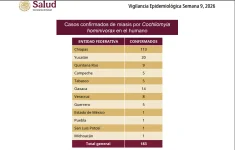
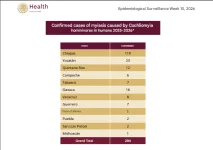
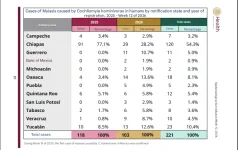
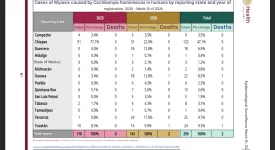
Furthermore, during Epidemiological Week No. 9, three new cases of GBG myiasis were detected, one of which is from Quintana Roo, and for the first time in San Luis Potosí and Michoacán.

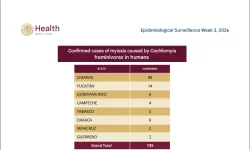
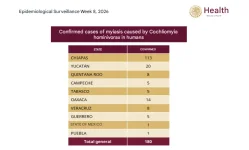
To date there are 183 confirmed cases, of which 113 infected are from Chiapas, 61.75 percent and 20 infected from Yucatán, 10.93 percent.

In Oaxaca there are 14 patients, 7.65 percent; nine positive cases in Quintana Roo, 4.92 percent; eight confirmed cases in Veracruz, 4.37 percent; five in Campeche, Tabasco and Guerrero, 2.73 percent each, and one in the State of Mexico, Michoacán, Puebla and San Luis Potosí, 0.55 percent each.

https://informantepeninsular.com/20...asis-por-gusano-barrenador-del-ganado/banner/
 

Attachments

  • image.png
    image.png
    14.9 KB · Views: 0
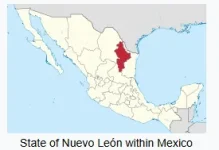
State of Nuevo León within Mexico

/https://en.wikipedia.org/wiki/Nuevo_Le%C3%B3n
--------------------------------------------------------------------------------------------
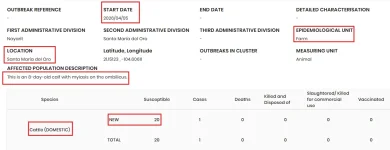
Mexico - Cochliomyia hominivorax (Inf. with) (New world screwworm) - Follow up report 3
...
REASON FOR NOTIFICATION
First occurrence in a zone or a compartment
​...
REPORT DATE
2026/04/09
​...
​...

https://wahis.woah.org/#/in-review/6857


-----------------------------------------------------------------------------------------------------------------------------------

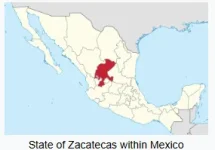
/https://en.wikipedia.org/wiki/Zacatecas
-----------------------------------------------------------------------------------------------------------------------
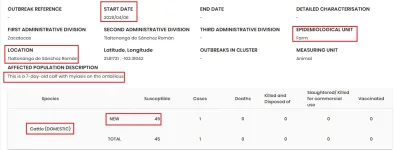
Mexico - Cochliomyia hominivorax (Inf. with) (New world screwworm) - Immediate notification

...
REASON FOR NOTIFICATION
First occurrence in a zone or a compartment
...
REPORT DATE
2026/04/09
​...
EPIDEMIOLOGICAL COMMENTS
A report was received regarding a bovine with myiasis in the State of Zacatecas. The wound of the affected animal was treated with Negasunt 3% (coumaphos and propoxur) to eliminate Cochliomyia hominivorax larvae; 1% ivermectin was applied parenterally as well as a spray of cypermethrin and chlorpyrifos
...
​...
https://wahis.woah.org/#/in-review/7430

​-----------------------------------------------------------------------------------------------

/https://wahis.woah.org/#/in-review/7431
-------------------------------------------------------------------------------------------------------

Mexico - Cochliomyia hominivorax (Inf. with) (New world screwworm) - Immediate notification

​...
REASON FOR NOTIFICATION
First occurrence in a zone or a compartment
...
REPORT DATE
2026/04/09
​...
EPIDEMIOLOGICAL COMMENTS
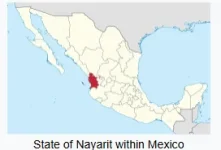
A report was received regarding a bovine with myiasis in the State of Nayarit. The wound of the affected animal was treated with Negasunt 3% (coumaphos and propoxur) to eliminate Cochliomyia hominivorax larvae; 1% ivermectin was applied parenterally as well as a spray of cypermethrin and chlorpyrifos

​...
​...
https://wahis.woah.org/#/in-review/7431
 

Attachments

  • image.png
    image.png
    26.1 KB · Views: 1
  • image.png
    image.png
    68.9 KB · Views: 1
  • image.png
    image.png
    23 KB · Views: 1
  • image.png
    image.png
    65.9 KB · Views: 1
  • image.png
    image.png
    63.8 KB · Views: 1
State of Guanajuato within Mexico
/https://en.wikipedia.org/wiki/Guanajuato
​------------------------------------------------------------------------------------------------
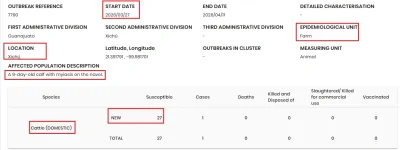
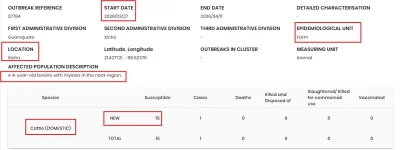
Mexico - Cochliomyia hominivorax (Inf. with) (New world screwworm) - Follow up report 3 [FINAL]
...
REASON FOR NOTIFICATION
First occurrence in a zone or a compartment
...
REPORT DATE
2026/04/14
...
​...
​...

https://wahis.woah.org/#/in-review/7329


Attachments

  • image.png
    image.png
    66.6 KB · Views: 1
  • image.png
    image.png
    67.5 KB · Views: 1
Related to posts #68 and #71 above:

Translation Google

SCREWWORM CASES SKYROCKET!

  • Veracruz jumps from 10 to 20 myiasis infections
​In Veracruz, cases of screwworm myiasis in humans skyrocketed in just one week, jumping from 10 to 20 infections, according to the most recent Epidemiological Surveillance Bulletin...

April 17, 2026

* It is already second place nationally, only behind Chiapas

By Alba Alemán,
NOTIVER Reporter

The report, as of April 14, indicates that so far in 2026, 20 cases of this disease, known as myiasis caused by Cochliomyia hominivorax, have been confirmed, a figure that contrasts with one case registered during 2025.

Just a week earlier, as of April 7, the state had accumulated 10 cases —nine of them this year— , so in that period the infections doubled.

With these figures, Veracruz ranks as the second state with the most cases in 2026, only behind Chiapas.

In the cumulative total for 2025 and 2026, the entity ranks third nationally, surpassed by Chiapas and Yucatán, and tied with Oaxaca.

Screwworm myiasis is an infestation caused by fly larvae that feed on living tissue, posing a risk to both animals and people.

Among the main risk factors are untreated wounds, chronic illnesses, neglect, limited mobility, and lack of hygiene, according to federal health authorities.

Therefore, it is recommended to clean any wound with soap and water, apply appropriate antiseptics, cover it properly, and avoid using substances that may irritate the tissue, in order to prevent infestation.​

https://www.notiver.com/primera/se-...eracruz-pasa-de-10-a-20-contagios-por-miasis/
 
Translation Google

Screwworm in Mexico: Two people die from infection in Yucatán and Oaxaca

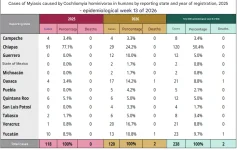
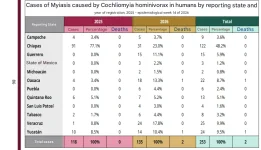
The country has accumulated 253 cases of myiasis or screwworm infection to date, affecting 12 federal entities, with Chiapas leading the list.

By KARLA ALVA
Written in STATES on 22/4/2026 · 14:49 hs
Last update:
22/4/2026 · 15:27 hs​

The National Epidemiological Surveillance System (SINAVE) of the Ministry of Health (Ssa) reported the death of two people due to myiasis caused by the screwworm so far this year, in the states of Yucatán and Oaxaca.

One year after the first human case was reported, the country has accumulated 253 cases of this disease to date in 12 federal entities, according to SINAVE, Chiapas is the entity with the most cases with 122, followed by Veracruz, Yucatán, Oaxaca, Guerrero and Quintana Roo.

So far in 2026, 135 new cases of carnivorous larvae infestation have been registered , maintaining the health alert due to the spread of the outbreak in different regions of the country.

Screwworm myiasis can cause serious injuries if it is not detected and treated promptly, so health authorities maintain epidemiological surveillance in the affected areas.

The presence of the screwworm in the country has put health authorities and livestock producers on alert in the south, especially in states like Chiapas and Tabasco, where epidemiological surveillance and sanitary control measures have been reinforced to prevent the spread of the pest. The screwworm is caused by the larva of the fly Cochliomyia hominivorax , which lays its eggs in open wounds of animals and can cause severe infections and even death in livestock.

Given the health and economic risks, the Ministry of Agriculture and Rural Development (Sader) and the National Service for Agrifood Health, Safety and Quality (Senasica) have intensified inspections at animal movement points, in addition to conducting review campaigns on ranches and in rural communities. Authorities have also asked producers to immediately report any suspected cases to contain potential outbreaks.

The spread of the screwworm is of particular concern to the livestock sector due to the potential economic impact on exports and livestock sales, which have been further complicated by the closure of the U.S. border to these imports. Livestock organizations have requested increased resources and coordination with federal authorities to strengthen preventative measures and avoid a similar impact to that experienced decades ago, when the pest was one of Mexico's major health problems.

Measures to prevent the transmission of the screwworm
Keep wounds clean
Check on animals and people from vulnerable groups daily
Clean up organic waste from the yard

https://lasillarota.com/estados/202...n-por-infeccion-en-yucatan-oaxaca-595863.html

---------------------------------------------------------------------------------------------------------


(screenshot)

Page 86/92
  • Epidemiological Week 14
https://www.gob.mx/salud/documentos/...rmacion-417103
 

Attachments

  • image.png
    image.png
    135.9 KB · Views: 0
Translation Google

Mexico surpasses 11,000 cases of screwworm in cattle

April 24, 2026
12:12 pm

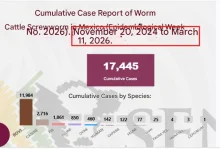
The spread of the screwworm in cattle continues to raise health alerts in Mexico. According to data from the livestock sector, the country has accumulated more than 16,000 registered cases since 2024 , of which 11,491 correspond to cattle , making this species the most affected and representing nearly 70 percent of the national reports.

The situation is especially relevant in a country that remains the world's fifth largest producer of beef , so the spread of this plague not only compromises animal welfare, but also the productivity of the livestock sector and the economic stability of the entire food chain.

The screwworm, caused by the larva of the fly Cochliomyia hominivorax , invades open wounds in animals, where it feeds on living tissue. This infestation causes deep lesions, secondary infections, and, in severe cases, can lead to the animal's death. The presence of moisture, poorly treated wounds, and inadequate hygiene practices are factors that favor its rapid spread.

The southern and southeastern states of the country have the highest incidence, with Chiapas, Oaxaca, and Veracruz as hotspots. Specialists warn that, without a swift and coordinated intervention, the plague could spread to new regions and affect more species, including pigs, sheep, horses, and even domestic animals.

Homero García, president of the Board of Directors of the National Confederation of Livestock Organizations, pointed out that the problem requires a comprehensive response from producers, authorities and specialists.

“The screwworm not only represents a health problem, but also an economic one for producers. Having fast-acting and long-lasting solutions is essential to reduce losses and prevent its spread,” he stated.

For his part, Alberto García Escalera, technical manager of the Livestock Unit of MSD Animal Health in Mexico, stressed that the high concentration of cases in cattle reflects a direct risk to the productivity of the sector.

"Controlling it requires constant monitoring, timely attention, and effective therapeutic tools to break the infestation cycle."

In addition to the health impact, specialists warn that a crisis of this magnitude can affect food safety, increase treatment costs, and generate losses due to animal mortality, decreased productivity, and impacts on national and international markets.

Fernando Parrodi, director of Business Development and Regulatory Affairs at MSD Animal Health in Mexico, emphasized that screwworm control cannot be addressed in isolation.

"A coordinated response is required between authorities, industry and producers, based on effective regulation, health surveillance and scientifically backed solutions."

Experts agreed that prevention remains the most effective tool for containing the plague. Regular livestock inspections, prompt wound care, and the application of treatments approved by the Ministry of Agriculture are key measures to interrupt the infestation cycle.

Currently, Mexico has technological and therapeutic innovations that, according to specialists in the sector, have demonstrated high effectiveness for the control of the parasite, even with eradication levels close to 100 percent in the field.

In a context where animal health directly impacts food security and the competitiveness of the livestock sector, the immediate attention to the screwworm is emerging as a strategic priority for the country.

https://lasempresasverdes.com/mexico-supera-11-mil-casos-de-gusano-barrenador-en-ganado/

----------------------------------------------------------

/https://en.wikipedia.org/wiki/Nuevo_Le%C3%B3n
-----------------------------------------------------------------------------------------
First case of screwworm detected in horse; Nuevo León reports 14 infections

The state of Nuevo León has seen an increase of more than 300% in one month and is expanding the list of affected species.

César Cubero
Nuevo León /24.04.2026 09:10:00

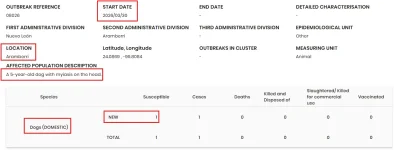
Nuevo León registered a new case of cattle screwworm (GBG), this time in a horse in the municipality of Aramberri , bringing the total number of infections in the state to 14 since the beginning of the outbreak in the country, according to the National Service for Agrifood Health, Safety and Quality.

The case, confirmed on April 22, also represents the first detection of this plague in a horse within the state , expanding the list of affected species, where infections had already been documented in cattle, dogs and a sheep.

According to the monitoring of the outbreak, its growth has accelerated, with 11 of the 14 cases registered in the last month , between March 23 and April 22. Before that period, the organization had only recorded three cases , all in cattle, detected between September and November 2025.

This increase represents a 366.67 percent rise in infections , in addition to marking milestones in the appearance of new cases by species , such as the first infected dog, the first sheep and now the first horse.

These are the screwworm cases in each municipality of Nuevo León

Regarding the distribution by municipality , Aramberri leads the list with five cases, followed by Montemorelos with three. Allende, Hualahuises, Marín, Mier y Noriega, Monterrey, and Sabinas Hidalgo each have one case.

By species, cattle continue to be the most affected with eight cases , followed by canines with four, while sheep and horses each register one.

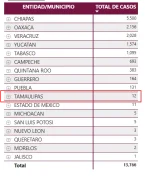
Nationally , figures from Senasica indicate that there are 21,672 accumulated cases of screwworm infestation, of which 1,518 remain active. Chiapas leads in incidence, followed by Oaxaca and Veracruz.

The outbreak in Nuevo León , although still with lower numbers compared to other states , reflects an upward trend that keeps health authorities on alert due to its rapid spread among different species.

https://www.telediario.mx/comunidad/nuevo-leon-se-confirman-14-casos-gusano-barrenador
------------------------------------------------------------------------------------------------------------

/https://en.wikipedia.org/wiki/Tamaulipas
------------------------------------------------------------------------------------------------------------
Screwworm cases in Tamaulipas reach 114; officials demand increased livestock surveillance

Neglect of calf wounds complicates the fight against the state plague


April 24, 2026​...

The livestock health situation in Tamaulipas faces a significant challenge with 114 active outbreaks of screwworm in cattle. Federal efforts are being coordinated to contain them, as reported by Cuauhtémoc Amaya García. Most of the outbreaks occur in newborn calves, specifically through infected navels, according to the Undersecretary of Livestock and Forestry Development .

“80% of active cases are in navels… if we don’t address that, we won’t solve the problem,” he said.

Authorities reinforce sanitary measures to eradicate the screwworm plague in cattle in Tamaulipas

​​​​​​​To combat the spread, medications such as doramectin are used, and high-risk areas are demarcated through constant sanitary sweeps. At checkpoints, trained dogs inspect livestock to detect myiasis or open lesions that could endanger animal health .

“We continue working hand in hand with the federation… each case is being addressed individually, a focal and perifocal zone is being delimited, a sweep is being carried out, and doramectin is being applied. We are controlling the movement of animals… with canine teams that help us check that the animals are not traveling with injuries,” he noted.

Currently, approximately 70 million sterile flies from Panama are released weekly to disrupt the insect's reproduction . Despite this massive deployment, technical support alone is insufficient without the help of ranchers to stop the screwworm infestation in cattle, the official stated.

“We’re talking about around 70 million sterile flies per week in the state. Even if 500 million flies are released, if we don’t treat the calves and the wounds, the government won’t be able to eradicate the plague,” he emphasized.

Amaya García emphasized that prevention on every ranch is vital, as official personnel cannot cover each property individually . If the animals, including backyard livestock, are not treated, the fly will continue its life cycle and the infestation will persist in the region.

“I don’t want to talk about blame, but rather about responsibility and shared responsibility… the government doesn’t have enough staff to be in every ranch,” he said.

By Jordan Espinosa

https://voxpopulinoticias.com.mx/20...de-gusano-barrenador-en-ganado-en-tamaulipas/


Attachments

  • image.png
    image.png
    25 KB · Views: 1
  • image.png
    image.png
    26.4 KB · Views: 1
Commissioner Miller Alerts Texans as New World Screwworm Detected in Coahuila (5/1/2026)


AUSTINTexas Agriculture Commissioner Sid Miller today issued a strong alert after the first confirmed detection of New World screwworm in the Mexican state of Coahuila, just 119 miles from the Texas border.

The following statement may be attributed to Commissioner Miller:

“This screwworm detection in Coahuila is a serious wake-up call. New World screwworm has now been found only 119 miles from the Texas border — at roughly the same latitude as Zapata, Texas, and north and west of the Rio Grande Valley.

The New World screwworm is a dangerous parasitic fly whose larvae burrow into living tissue of warm-blooded animals, causing severe myiasis. Adult flies lay eggs in open wounds or mucous membranes; once hatched, the maggots ‘screw’ deeper into the flesh with razor-sharp mouth hooks, rapidly enlarging wounds and often killing livestock within days if untreated. This pest threatens cattle, horses, sheep, goats, wildlife, pets, and even humans.

This threat is advancing fast, and every Texan needs to take notice.

Texas is on the front lines. Under my direction, the Texas Department of Agriculture has launched an aggressive biosecurity response, including expanded trapping with our innovative TDA Swormlure in high-risk border zones, export pens, and port areas. We are conducting weekly surveillance, maintaining rapid response capabilities, and working in close coordination with federal partners and Mexico.

We’ve beaten the screwworm before through relentless vigilance and the sterile insect technique. We will beat it again — but we must deploy every tool available. Texas will stay vigilant, stay aggressive, and do whatever it takes to protect our livestock, our pets, our food supply, and the livelihoods of our ranchers.”

For more information on New World screwworm detection, prevention, and reporting protocols, visit Screwworm.gov. Texas producers who suspect an infestation should immediately contact their veterinarian or call the TDA Hotline at 1-800-TELL-TDA.

###​

https://texasagriculture.gov/News-E...s-as-New-World-Screwworm-Detected-in-Coahuila
 

/https://en.wikipedia.org/wiki/Zacatecas
--------------------------------------------------------------------------------​
Translation Google


Screwworm reaches the border with Coahuila

28/04/26

Saltillo, Coahuila de Zaragoza – Authorities reinforce actions against health risk.

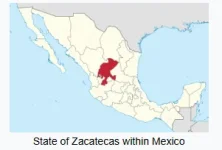
The detection of an active case of cattle screwworm (CSM) in a bovine in the state of Zacatecas, just 20 km from the border with Coahuila, as well as the capture of specimens of the transmitting fly in the border area, places the state at high risk of registering cases.

In an interview, the Secretary of Rural Development, Jesús María Montemayor Garza, reported that female flies of the species Cochliomyia hominivorax have been detected in traps installed along the border between Coahuila and Zacatecas. This makes the possible entry of the insect into the state by natural flight imminent, favored by the warm and humid weather conditions typical of the season.

Given this situation, close coordination is maintained with the Ministry of Agriculture and Rural Development (SADER), through the National Service for Agrifood Health, Safety and Quality (SENASICA) and the Coahuila State Livestock Commission (CPA), as well as with the Coahuila Regional Livestock Union, the Committee for Livestock Development and Protection, and municipal governments. This collaboration has allowed for the implementation of prevention, early detection, and control measures, including:

* Public awareness campaigns and on-site training in high-risk areas, with instructions for the public on reporting and managing suspected cases.
* Installation of 62 GBG traps to capture flies and confirm the insect's natural presence in the environment.
* Regulation of livestock movement from affected areas of the country to Coahuila, as well as their inspection and treatment.
* Conducting sweeps to apply preventive treatments with doramectin to exposed animals in high-risk areas.
* Installation of traps with attractant bait at livestock handling facilities to reduce fly population density in affected areas.

Authorities also reiterated their commitment to addressing this new challenge for the state's livestock industry through ongoing coordination with ranchers, joining forces and working together to report any suspected cases, with the goal of protecting animal health and public health in the state.


https://coahuila.gob.mx/noticias/index/gusano-barrenador-llega-a-los-limites-con-coahuila-28-04-26
-----------------------------------------------------------------------------------------------------

/https://en.wikipedia.org/wiki/Casta%C3%B1os_Municipality
------------------------------------------------------------------------------------------------------------
DETECTA_COAHUILA_PRIMER_CASO_POSITIVO_DE_GBG_uploaded_v1_2.jpg

Coahuila detects first positive case of GBG

29/04/26

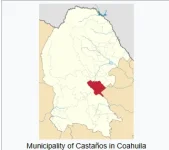
Saltillo, Coahuila de Zaragoza – SENASICA confirmed the first case of GBS in Coahuila, after a positive diagnosis was made in samples taken by the CPA from a female bovine approximately 3 years old on a property in the municipality of Castaños.

Following this discovery, the Emergency Health Operations Center (COES) established in Coahuila, with participation from the Federal Government (SADER, SENASICA, and the CPA), and from the State Government (the Ministries of Rural Development, Health, and Environment), The Committee for the Promotion and Protection of Livestock in Coahuila and La Laguna, along with municipal authorities and the Regional Livestock Unions of Coahuila and La Laguna, reported that five operational teams from SENASICA (National Service for Agrifood Health, Safety and Quality), the CPA (Agricultural Production Commission), and the State Government, specializing in handling such cases, are currently on site. These teams will conduct a sweep of a 40-kilometer radius around the affected area, inspecting, treating wounds, bathing, and administering preventive doramectin treatment to animals found in the zone. In the coming days, 10 more teams will join these efforts, covering a total of eight municipalities in the state through critical sweeps and containment operations.

Furthermore, all livestock movements originating from the areas surrounding the positive case in Castaños and Saltillo, due to the capture of fertile GBG flies in traps placed on the border with Zacatecas, must be preceded by preventive doramectin treatment of the animals.

The request to the general public is reiterated to promptly report any suspected cases through the SDR, SENASICA, CPA and municipal authorities via the following numbers: Whatsapp 55 3996 4462 or telephone 800 751 2100.


https://coahuila.gob.mx/noticias/listado/0/1/1/Detecta Coahuila primer caso positivo de GBG
 

Attachments

  • image.png
    image.png
    159.5 KB · Views: 1
  • image.png
    image.png
    26.4 KB · Views: 1
  • image.png
    image.png
    33 KB · Views: 1
Text and image translated by Google
(screenshot)


Page 81/85
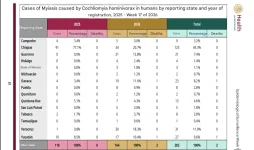
  • Epidemiological Week 17
https://www.gob.mx/salud/documentos/...rmacion-417103

------------------------------------------------------------------------------------------------
Protect yourself from the Screwworm

Proper care of any skin injury is one of the main protective measures.

Ministry of Health | May 18, 2026
WhatsApp_Image_2026-05-18_at_5.11.29_PM.jpeg
https://www.gob.mx/salud


The Ministry of Health is urging the public to stay informed and reinforce preventative measures against myiasis caused by the screwworm, a disease that can affect both animals and people. Although it has been primarily associated with cattle for years, it can also occur in dogs, cats, and humans, making prevention and early detection crucial.
This disease is caused by the fly larva (Cochliomyia hominivorax), which has the ability to invade open wounds to feed on living tissue.

Therefore, proper care of any skin injury is one of the main protective measures. Cuts, scrapes, or even bites should be washed immediately with soap and water, properly disinfected, and kept covered with sterile gauze or bandages until they heal, since flies specifically seek out these types of wounds to lay their eggs.

Maintaining good personal hygiene is also key to reducing risks, especially in children, older adults, and those who have frequent contact with animals.

In addition, it is recommended to use protective clothing, such as long sleeves and pants, when carrying out activities in the field or near animals, as well as the use of authorized repellents on skin and clothing to avoid the presence of flies.

In the case of pets, prevention involves regular checks. Carefully observing areas such as the ears, paws, tail, muzzle, and fur allows for the early detection of any wounds, irritations, or skin lesions. If any are identified, it is important to clean them, keep them protected, and consult a licensed veterinarian immediately. It is also recommended to prevent the animal from licking or scratching the affected area, as this can worsen the injury.

There are warning signs that must be addressed immediately:

  • Presence of maggots in wounds
  • Bad smell
  • Severe inflammation
  • Tissue damage
  • Pain, irritation, or injuries that do not heal
If any of these signs appear, it is essential to seek medical or veterinary attention immediately.

In case of suspected myiasis caused by the Cattle Screwworm, the public can contact the following numbers:

  • 800 751 2100
  • 079
  • (55) 5337-1845 (Epidemiological and Health Intelligence Unit, UIES)
The Ministry of Health reiterates that prevention, timely care, and proper wound treatment are essential to protecting the health of people and companion animals. Daily monitoring and timely information are key tools for preventing complications and strengthening sanitary control in the country.

https://www.gob.mx/salud/es/articulos/gusano-barrenador?idiom=es
 

Attachments

  • image.png
    image.png
    148.2 KB · Views: 1
Back
Top