• FluTrackers.com Inc. does not provide medical advice. Information on this web site is collected from various internet resources, and the FluTrackers board of directors makes no warranty to the safety, efficacy, correctness or completeness of the information posted on this site by any author or poster. The information collated here is for instructional and/or discussion purposes only and is NOT intended to diagnose or treat any disease, illness, or other medical condition. Every individual reader or poster should seek advice from their personal physician/healthcare practitioner before considering or using any interventions that are discussed on this website. By continuing to access this website you agree to consult your personal physican before using any interventions posted on this website, and you agree to hold harmless FluTrackers.com Inc., the board of directors, the members, and all authors and posters for any effects from use of any medication, supplement, vitamin or other substance, device, intervention, etc. mentioned in posts on this website, or other internet venues referenced in posts on this website.
  • We are not asking for any donations. Do not donate to any entity who says they are raising funds for us.

Tanzania - Outbreak of suspected Marburg Virus Disease in Kagera region - 10 cases including 10 deaths (WHO, January 14, 2025) - MOH: laboratory res

Source: https://www.who.int/emergencies/disease-outbreak-news/item/2025-DON552

Outbreak of suspected Marburg Virus Disease - United Republic of Tanzania

14 January 2025


Description of the situation


Introduction
On 13 January 2025, WHO informed its Member States and IHR State Parties of an outbreak of suspected Marburg Virus Disease (MVD) in the Kagera region of the United Republic of Tanzania using our secure web-based platform—the Event Information Site (EIS). Under the International Health Regulations, the EIS is used to issue rapid alerts to Member States of acute and rapidly developing public health risks and events with possible international implications.
Summary of the situation
On 10 January 2025, WHO received reliable reports from in-country sources regarding suspected cases of MVD in the Kagera region of the United Republic of Tanzania. Six people were reported to have been affected, five of whom had died. The cases presented with similar symptoms of headache, high fever, back pain, diarrhoea, haematemesis (vomiting with blood), malaise (body weakness) and, at a later stage of disease, external haemorrhage (bleeding from orifices).
As of 11 January 2025, nine suspected cases were reported including eight deaths (case fatality ratio (CFR) of 89%) across two districts – Biharamulo and Muleba. Samples from two patients have been collected and tested by the National Public Health Laboratory. Results are pending official confirmation. Contacts, including healthcare workers, are reported to have been identified and under follow-up in both districts.
The Bukoba district in Kagera region experienced its first MVD outbreak in March 2023, and zoonotic reservoirs, such as fruit bats, remain endemic to the area. The outbreak in March 2023 lasted for nearly two months with nine cases including six deaths.


Public health response

National rapid response teams have been deployed to support outbreak investigation and response; surveillance activities have been intensified with contact tracing ongoing; laboratory samples from recent cases have been sent for confirmation at the National Public Health Laboratory. A mobile laboratory is located in Kagera region and treatment units have reportedly been established.

WHO risk assessment

The risk of this suspected MVD outbreak is assessed as high at the national level due to several concerning factors. The suspected outbreak thus far involves at least nine suspected cases, including eight deaths, resulting in a high CFR of 89%. Healthcare workers are included among the suspected cases affected, highlighting the risk of nosocomial transmission. The source of the outbreak is currently unknown.
The reporting of suspected MVD cases from two districts suggests geographic spread. The delayed detection and isolation of cases, coupled with ongoing contact tracing, indicates lack of a full information of the current outbreak. More cases are expected to be identified.
The regional risk is considered high due to Kagera region's strategic location as a transit hub, with significant cross-border movement of the population to Rwanda, Uganda, Burundi and the Democratic Republic of the Congo. Reportedly, some of the suspected cases are in districts near international borders, highlighting the potential for spread into neighbouring countries. MVD is not easily transmissible (i.e. in most instances, it requires contact with the body fluids of a sick patient presenting with symptoms or with surfaces contaminated with these fluids). However, it cannot be excluded that a person exposed to the virus may be travelling.
The global risk is currently assessed as low. There is no confirmed international spread at this stage, although there are concerns about potential risks. Kagera region, while not close to Tanzania's capital or major international airports, is well-connected through transportation networks, and has an airport that connects to Dar es Salaam for onward travel outside Tanzania by air. This highlights the need for enhanced surveillance and case management capacities at relevant points of entry and borders, and close coordination with neighbouring countries to strengthen readiness capacities.


WHO advice

Human-to-human transmission of Marburg virus is primarily associated with direct contact with the blood and/or other bodily fluids of infected people. WHO advises the following risk reduction measures be taken as an effective way to reduce MVD transmission and control an outbreak.
Prevention: Protective measures individuals should take to reduce human exposure to the virus include:
  • Reduce the risk of human-to-human transmission in the community arising from direct or close contact with infected patients, particularly with their body fluids. Close physical contact with MVD patients should be avoided.
  • People suspected or confirmed for MVD should immediately seek care in health facilities and be isolated in a designated treatment centre for early care and to avoid transmission at home.
  • Community and family members should avoid caring for symptomatic individuals at home, and avoid touching bodies of people deceased with MVD symptoms. They should avoid touching other potentially contaminated items and surfaces. They should be encouraged to go to a health facility for assessment and treatment if they have symptoms.
  • Reduce the risk of bat-to-human transmission arising from prolonged exposure to mines or caves inhabited by fruit bat colonies. During work or research activities or tourist visits in mines or caves inhabited by fruit bat colonies, people should wear gloves and other appropriate protective clothing (including masks). During outbreaks, all animal products (blood and meat) should be thoroughly cooked before consumption.
Coordination: Multisectoral coordination and pillar meetings at all levels and sharing of detailed situation reports is encouraged. Involvement of different stakeholders and partners in preparedness and response activities is also encouraged. To ensure an effective and sustained response, resource mobilization efforts within the government and with partners are recommended.
Risk communication and community engagement: Raising public awareness and engaging with communities are important for successfully controlling MVD outbreaks. This includes raising awareness of symptoms, risk factors for infection, protective measures and the importance of seeking immediate care at a health facility. Sensitive and supportive information about safe and dignified burials is also crucial. This awareness should be increased through targeted campaigns and direct work with communities. Special attention should be given to high-risk groups, such as traditional healers, clergy, and community leaders, who may inadvertently facilitate disease spread, and who are important sources of information for the community. Misinformation and rumours should be addressed to foster trust and promote early symptom reporting.
Surveillance: Active case detection, contact tracing, and alert management across affected and neighbouring regions should be intensified. Community-based surveillance systems should be strengthened to promptly identify and report new cases, particularly in high-risk areas. Close monitoring of healthcare workers, family members and individuals who have had contact with suspected cases or other high-exposure settings should be ensured. Surveillance capacities should also be intensified at relevant points of entry and borders to reduce the risk of further spread, including internationally.
  • Infection prevention and control (IPC) measures: critical infection prevention and control measures should be implemented and/or strengthened in all health care facilities, per WHO’s Infection prevention and control guideline for Ebola and Marburg disease, which highlighted the importance of the rapid implementation of the IPC ring approach including but not limited to IPC rapid assessment, decontamination of the health facilities and household and early detection and identification of the cases through the screening and isolation of the suspected cases to minimize the transmission risk.
  • Health workers caring for patients with confirmed or suspected MVD should apply transmission-based precautions in addition to: standard precautions, including appropriate use of personal protective equipment (PPE) and hand hygiene according to the WHO 5 moments to avoid contact with patient’s blood and other body fluids and with contaminated surfaces and objects. Waste generated in healthcare facilities must be safely segregated, safely collected, transported, stored, treated and finally disposed. Follow the national guidelines, rules and regulations for safe waste disposal or follow the WHO’s guidelines on safe waste management
  • Patient-care activities should be undertaken in a clean and hygienic environment that facilitates practices related to the prevention and control of health-care-associated infections (HAIs) as outlined in Essential environmental health standards in health care. Safe water, adequate sanitation and hygiene infrastructure and services should be provided in healthcare facilities. For details on recommendations and improvement, follow the WASH FIT implementation Package
Laboratory testing: The processing and analysis of samples should be expedited, with results promptly shared with responders and clinicians to guide patient management, containment strategies and broader response efforts. This includes genomic sequencing on positive samples. International referral of samples to a regional reference laboratory should be considered for inter-laboratory comparison.
Evaluation of candidate medical countermeasures: There are no licensed vaccines or therapeutics against MVD. Several candidate vaccines are in the pipeline and outbreaks offer an opportunity to assess their efficacy and safety. There are protocols available and a network of experts in filovirus ready to support national researchers.
Safe and dignified burials: Safe and dignified burial protocols should be implemented for people who have died to minimize community exposure. Additional training and equipment for healthcare workers and burial teams should be provided to ensure safe management of MVD-related fatalities. Thorough community engagement is required to ensure that affected communities are empowered to adhere to the protocol.
Case management and mental health and psychosocial support: Isolation and treatment facilities should be adequately equipped to ensure the safety and efficacy of patient care, while simultaneously preventing the spread of the disease. Supportive care such as rehydration, symptom management, and psychological support for patients and their families is essential to improving survival rates and mitigating the outbreak's impact.
Border health and cross-border coordination: Surveillance and response capacities should be strengthened at relevant points of entry, onboard conveyances, and in border regions to prevent further spread, including internationally. Cases, contacts and individuals in affected areas who present signs and symptoms compatible with case definitions should be advised not to travel in line with WHO’s border health and points of entry technical guidance for filovirus disease outbreaks. Collaboration with neighbouring countries should be enhanced to harmonize reporting mechanisms, conduct joint investigations, and share critical data in real-time. Surrounding countries should enhance readiness activities to enable early case detection, isolation and treatment.
Preparedness and Readiness: Readiness assessments in high-risk regions should be conducted to ensure response mechanisms, such as mobile labs and isolation units, are adequately equipped to manage new cases.
Based on the current risk assessment, WHO advises against any travel and trade restrictions with the United Republic of Tanzania.,,


AMr20AxH_normal.jpg
wAAACH5BAEKAAAALAAAAAABAAEAAAICRAEAOw==

Tedros Adhanom Ghebreyesus

@DrTedros

On 13 January 2025, @WHO informed its Member States and International Health Regulations (IHR) State Parties of an outbreak of suspected #Marburg Virus Disease in Kagera region, #Tanzania, using our secure web-based platform – the Event Information Site (EIS).

Under the IHR, the EIS Platform is used by WHO to issue rapid alerts to Member States of acute and rapidly developing public health risks and events with possible international implications.

We are aware of 9 cases so far, including 8 people who have died. We would expect further cases in coming days as disease surveillance improves.

WHO has offered its full assistance to the government of Tanzania, and to affected communities.

Marburg virus disease is an infectious, severe and often fatal disease caused by a filovirus. Rapid action saves lives, including ensuring people with symptoms receive prompt care.

We recommend neighboring countries be on alert and prepared to manage potential cases. We do not recommend travel or trade restrictions with Tanzania at this time.

image.png - Click image for larger version  Name:	image.png Views:	1 Size:	1.44 MB ID:	1004769


4:07 PM · Jan 14, 2025
 
From the International Federation of Red Cross (IFRC):

TZA: Epidemic - 01-2025 - Unidentified Epidemic Outbreak in Kagera, Tanzania

Epidemic

Tanzania, United Republic of

TZA: Epidemic - 01-2025 - Unidentified Epidemic Outbreak in Kagera, Tanzania


Last updated by Samwel Katamba on 2025-01-14

(Screenshot)


image.png - Click image for larger version  Name:	image.png Views:	24 Size:	34.2 KB ID:	1004792


Sources for data marked as Other

On 09/01/2025, the regional EOC received an alert from Biharamulo DC following occurrence of unusual illness which had affected about 6 cases among which 5 are deaths. These cases exhibited similar signs of headache, high fever, back pain, diarrhea, vomiting blood, body weakness and at the later stage before death they exhibited bleeding from open areas. • The index case named EE, with age 27yrs, Female G2P1L1 at 24 weeks of pregnancy from Chankende Hamlet of Katerera village Ruziba in biharamulo who developed headache,fever, body pain, abdominal pain and per vaginal bleeding. She was managed at Rukaragata Health center where she had a miscarriage. She later worsened and later referred to Biharamulo CDH and on 16th December 2024 the patient died, no sample had been taken and unsupervised burial service.

Description

On January 9, 2025, the Regional Emergency Operations Center (EOC) in Kagera Region reported an outbreak of an unknown illness originating in Biharamulo District. To date, nine cases have been identified, resulting in eight fatalities (Case Fatality Rate: 88.9%). The illness is characterized by symptoms such as high fever, headache, back pain, diarrhea, vomiting blood, and bleeding from open areas at advanced stages. Key Details: Index Case: A 27-year-old pregnant woman from Chankende Hamlet in Katerera village, who succumbed after a miscarriage. Transmission Chain: The disease has affected close family members, traditional healers, healthcare workers, and others who came into contact with the deceased. Geographical Spread: Cases are concentrated in Biharamulo District, with recent suspected deaths reported in Muleba. Current Cases: One patient remains in isolation at Biharamulo District Hospital and is reportedly stable. Two additional deaths were reported in Muleba following a burial event linked to the outbreak.

Request For Assistance

Government Requests International Assistance No
NS Requests International Assistance No​
...
https://go.ifrc.org/field-reports/17440

-------------------------------------------------------

On January 13, 2025, the Tanzanian Ministry of Health @wizara_afyatz posted this image on its X account:

image.png - Click image for larger version  Name:	image.png Views:	22 Size:	570.0 KB ID:	1004793


https://x.com/wizara_afyatz/status/1878771164849602630

--------------------------------------

WHO says suspected outbreak of Marburg disease kills 8 in a remote part of Tanzania

The World Health Organization says an outbreak of suspected Marburg disease has killed eight people in a remote part of northern Tanzania

ByThe Associated Press
January 15, 2025, 1:56 AM​
...
WHO said its risk assessment for the suspected outbreak in Tanzania is high at national and regional levels but low globally. There was no immediate comment from Tanzanian health authorities.
...
https://abcnews.go.com/International/wireStory/suspected-outbreak-marburg-disease-kills-8-remote-part-117688917​
 
Source: https://www.chinadaily.com.cn/a/202501/17/WS678a5a75a310f1265a1db9c6.html

Home / World / Africa
No confirmed cases of Marburg virus in Tanzania, says Africa CDC
By Geoffrey Mburu in Nairobi, Kenya | chinadaily.com.cn | Updated: 2025-01-17 21:26

​The Africa Centres for Disease Control and Prevention said on Thursday that there are no confirmed cases of Marburg virus in Tanzania, despite reports on Tuesday by the World Health Organization indicating that suspected cases of the virus had been identified in the Kagera region.

The official communication from the government of Tanzania on Wednesday, according to the Africa CDC, said that there were no confirmed cases of Marburg virus based on the testing conducted by the government.

"We have already provided 200 test kits to Tanzania when we had the Marburg virus in Rwanda. We are going to provide a number of healthcare experts who are ready to be deployed in Tanzania," said Jean Kaseya, director general of Africa CDC.​..
 
Special Briefing on Mpox and other Health Emergencies | Jan. 16, 2025


Excerpts form the video:

3:29

image.png - Click image for larger version  Name:	image.png Views:	1 Size:	217.4 KB ID:	1005092

...
Transcript:

Question:

...from New York Times
Priwanka Runwal...

33:59
...please help me understand in case I'm getting this wrong but the five samples that were tested from Tanzania for Marburg weren't positive for Marburg in the lab but it's suspected that it's Marburg because of the symptoms that have been detected ...

Answer:

36:00
We need first to share the agreement based on some international regulations that we have. In Africa when we have an outbreak at country level, as it was the case in Rwanda, it is firstly the responsibility of the government to declare the outbreak and then the CDC and other partners will come to support because nothing can be without the leadership of the government and ownership of the government. If now we have more than one country affected, it would become now the mandate of the Africa CDC to lead the response. That could be at multycountry level, at regional level or at Continental level. When we had the Marburg outbreak in Rwanda, it was the government of Rwanda declaring the outbreak and then putting in place all mechanism and Africa CDC came to support, ...UNICEF and all other partners including the US government. In case of Tanzania, we were proactive. Not only in Tanzania but in all other countries around neighboring countries of Rwanda, we talk about Burundi, we talk about Uganda, we talk about Tanzania and others and DRC. Africa CDC provided test kits to all of these countries and even we supported training for rapid detection of cases if we could have cases. We did the same in Tanzania. We are following the leadership of the government as I said in my presentation. Yesterday there was an official communication from the government of Tanzania saying that there is no confirmation of Marburg based on the result they got. We are consistent with what we are saying. We are supporting Tanzania. We remain committed for any kind of support Tanzania will need . I have my director of the laboratory here, Dr Yenew and all other colleagues who are working surveillance and IPC and all other sectors to provide support to Tanzania. For now, this is the comment we can make, and we saw the communique talking about the rumor on suspected marburg cases. We don't want to comment more, we are working with the government and we know when the government will request, will need our support, they will request and Africa CDC will remain available to provide the support.

​...
 
Tanzania confirms outbreak of Marburg virus disease

20 January 2025

Dodoma Tanzania today confirmed an outbreak of Marburg virus disease in the northwestern Kagera region after one case tested positive for the virus following investigations and laboratory analysis of suspected cases of the disease.

President of the Republic of Tanzania, Her Excellency Samia Suluhu Hassan, made the announcement during a press briefing alongside World Health Organization (WHO) Director-General, Dr Tedros Adhanom Ghebreyesus, in the country’s administrative capital Dodoma.

“Laboratory tests conducted at Kabaile Mobile Laboratory in Kagera and later confirmed in Dar es Salaam identified one patient as being infected with the Marburg virus. Fortunately, the remaining suspected patients tested negative,” the president said. “We have demonstrated in the past our ability to contain a similar outbreak and are determined to do the same this time around.”

A total of 25 suspected cases have been reported as of 20 January 2025, all of whom have tested negative and are currently under close follow-up, the president said. The cases have been reported in Biharamulo and Muleba districts in Kagera.

“We have resolved to reassure the general public in Tanzania and the international community as a whole of our collective determination to address the global health challenges, including the Marburg virus disease,” said H.E President Hassan.

WHO is supporting Tanzanian health authorities to enhance key outbreak control measures including disease surveillance, testing, treatment, infection prevention and control, case management, as well as increasing public awareness among communities to prevent further spread of the virus.

“WHO, working with its partners, is committed to supporting the government of Tanzania to bring the outbreak under control as soon as possible, and to build a healthier, safer, fairer future for all the people of Tanzania,” said Dr Tedros. “Now is a time for collaboration, and commitment, to protecting the health of all people in Tanzania, and the region, from the risks posed by this disease.”

Marburg virus disease is highly virulent and causes haemorrhagic fever. It belongs to the same family as the virus that causes Ebola virus disease. Illness caused by Marburg virus begins abruptly. Patients present with high fever, severe headache and severe malaise. They may develop severe haemorrhagic symptoms within seven days.

“The declaration by the president and the measures being taken by the government are crucial in addressing the threat of this disease at the local and national levels as well as preventing potential cross-border spread,” said Dr Matshidiso Moeti, WHO Regional Director for Africa. “Our priority is to support the government to rapidly scale up measures to effectively respond to this outbreak and safeguard the health of the population,”

Tanzania previously reported an outbreak of Marburg in March 2023 – the country’s first – in Kagera region, in which a total of nine cases (eight confirmed and one probable) and six deaths were reported, with a case fatality ratio of 67%.

In the African region, previous outbreaks and sporadic cases have been reported in Angola, the Democratic Republic of the Congo, Ghana, Kenya, Equatorial Guinea, Rwanda, South Africa and Uganda.

Marburg virus is transmitted to people from fruit bats and spreads among humans through direct contact with the bodily fluids of infected people, surfaces and materials. Although several promising candidate medical countermeasures are currently undergoing clinical trials, there is no licensed treatment or vaccine for effective management or prevention of Marburg virus disease. However, early access to treatment and supportive care – rehydration with oral or intravenous fluids – and treatment of specific symptoms, improve survival.

https://www.afro.who.int/countries/...zania-confirms-outbreak-marburg-virus-disease
 
Last reviewed today.....

Marburg in Tanzania


Level 1 - Practice Usual Precautions


Key points
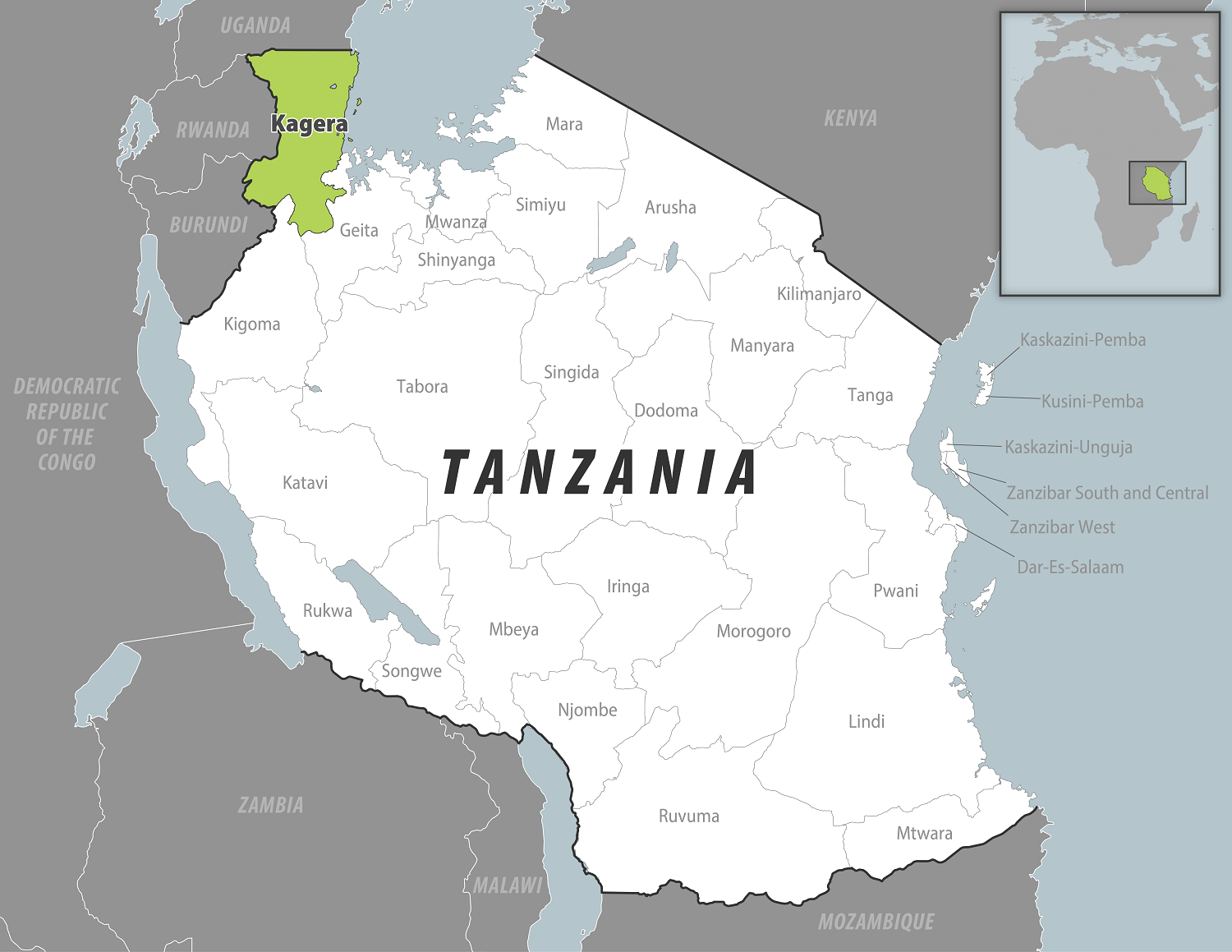
  • Tanzania is experiencing an outbreak of Marburg virus disease (Marburg)External Link in the Kagera region in northwest Tanzania (see map).
  • Local health authorities in Tanzania are working to identify infected people and sources of transmission, conduct investigations, take action to prevent further transmission, and educate communities and the public about the risks and dangers of Marburg.
  • If you travel to Tanzania, you should:
    • Review Health Information for Travelers to Tanzania for information on routine precautions travelers should take when traveling to Tanzania.
    • Consider getting travel insurance before you travel, including health and medical evacuation insurance, to cover yourself in case delays, injuries, or illnesses occur on your trip.
    • Avoid contact with sick people who have symptoms, such as fever, muscle pain, and rash.
    • Avoid contact with blood and other body fluids.
    • Avoid contact with dead bodies or items that have been in contact with dead bodies, participating in funeral or burial rituals, or attending a funeral or burial.
    • Avoid contact with fruit bats or entering the caves and mines where they live.
    • Avoid contact with nonhuman primates (e.g., chimpanzees, gorillas).
  • Watch your health for symptoms of Marburg while in the outbreak area and for 21 days after leaving. If you develop fever, chills, headache, muscle aches, rash, chest pain, sore throat, nausea, vomiting, diarrhea, or unexplained bleeding or bruising (a late stage of illness):
    • Separate yourself from others (isolate) immediately.
    • Do not travel.
    • Contact local health authorities or a healthcare facility for advice. Calling ahead before going to a healthcare facility helps the facility prepare for your arrival, including contacting health authorities and taking any precautions needed to protect staff and other patients.
Traveler Information
Clinician Information
Information for Organizations
marburg-tanzania.png

Region of Tanzania (Kagera) with Marburg virus disease outbreak (View larger)
What is Marburg?

Marburg virus disease (Marburg) is a rare and deadly disease that has, at times, caused outbreaks in several African countries. The disease is named after the city in Germany where it was first reported in 1967.

Marburg is a viral hemorrhagic fever. Symptoms include fever, chills, headache, muscle aches, rash, chest pain, sore throat, nausea, vomiting, diarrhea, or unexplained bleeding or bruising (a late stage of illness).

Marburg is spread by contact with blood or body fluids of a person infected with or who has died from Marburg. It is also spread by contact with contaminated objects (such as clothing, bedding, needles, and medical equipment) or by contact with animals, such as fruit bats and nonhuman primates, who are infected with Marburg virus.

Infection with Marburg virus is often fatal. There are no approved vaccines or treatments for Marburg.

Page last reviewed: January 23, 2025


https://wwwnc.cdc.gov/travel/notices/level1/marburg-tanzania
 
WHO ramps up support for Tanzania’s Marburg outbreak response

24 January 2025

image.png


Biharamulo, Tanzania – A team of public health emergency experts from World Health Organization (WHO) has deployed to Tanzania’s north-western Kagera region to support the health authorities strengthen response to an outbreak of Marburg virus disease.

The WHO experts are part of an initial 20-member inter-agency team from Médecins Sans Frontières, Tanzania Red Cross Society and UNICEF in the field working with national and local health officials to reinforce disease surveillance, diagnostic capacity, ensure effective case management, and help strengthen public awareness to prevent further transmission of the virus.

WHO has also shipped 1.4 tonnes of essential medical supplies including diagnostic kits and personal protective equipment to Tanzania from its Regional Emergency Response Hub in Nairobi. As of 23 January 2025, there were two confirmed and 29 suspected cases reported. A total of 281 contacts are being closely monitored.

“Our focus is to rapidly halt the spread of the virus and save lives by working closely with the government to ensure a coordinated and effective response,” said Dr Charles Sagoe-Moses, WHO Representative in Tanzania.


The ongoing outbreak is Tanzania’s second of Marburg virus disease, following a successful containment of the first in 2023, which occurred in the same region. Lessons learned from that experience, coupled with the government’s investments in emergency preparedness, are proving crucial in addressing the current challenge.

WHO is committed to working with Tanzanian authorities and partners to bring the outbreak under control. The Organization has allocated US$ 3 million from its Contingency Fund for Emergencies to help accelerate the outbreak control efforts.

Marburg virus disease is a highly contagious illness that causes haemorrhagic fever. It spreads through direct contact with the bodily fluids of infected individuals or contaminated materials. Although there are no approved treatments or vaccines, early supportive care can significantly improve outcomes for patients.

https://www.afro.who.int/countries/...s-support-tanzanias-marburg-outbreak-response
 
WEEKLY BULLETIN ON OUTBREAKS
AND OTHER EMERGENCIES

Week 05: 27 January to 02 February 2025
Data as reported by: 17:00; 02 February 2025

...
United Republic of Tanzania
Marburg Virus Disease

10 cases
10 Death​
100.0% CFR


EVENT DESCRIPTION

On 20 January 2025, the Government of Tanzania
officially declared an outbreak of Marburg virus disease
(MV D) following post-mortem laboratory confirmation
of a deceased patient in Kagera Region, northwestern
Tanzania. This marks the country’s second reported
Marburg virus outbreak, the first of which occurred in
March 2023 in the same region, involving nine cases and
six deaths (case fatality ratio: 67.0%).

The index case is a 27-year-old female from Biharamulo
District, Kagera Region, who died on 19 January
2025 after presenting with signs and symptoms
typical of Marburg virus disease. Confirmation of this
outbreak followed earlier reports of suspected cases
received by WHO from credible sources on 10 January
2025. A retrospective investigation established an
epidemiological link between the index case and a
cluster of eight deaths that occurred between December
2024 and early January 2025 in Biharamulo and Muleba
districts. The deceased individuals reportedly exhibited
Marburg-like symptoms before their deaths but were not
sampled or tested prior to burial. The first case in this
cluster was reported to have developed symptoms on 9
December 2024.

A second confirmed case was reported on 20 January
2025, following positive laboratory test results for
Marburg virus obtained at the Kabaile Mobile Laboratory
in Kagera Region. The diagnosis was subsequently
confirmed by RT-PCR at the National Reference
Laboratory in Dar es Salaam. The case died on 28
January 2025 while undergoing care.

As of 31 January 2025, a total of 10 cases, all dead
(CFR 100.0%), have been reported in Kagera Region.
Of these, two are laboratory-confirmed, while the
remaining eight are classified as probable cases with
epidemiological links to the index case. The reported
cases range in age from 1 to 75 years, with a median age
of 30 years. Females account for 70.0% (n=7) of the total
cases.


No new cases have been reported since 20 January
2025. A total of 281 contacts have been identified for
follow-up, of whom 241 have reportedly completed the
21-day follow-up period as of 02 February 2025.


PUBLIC HEALTH ACTIONS

A national task force was set up to coordinate the response
to the event. At the subnational level, regular coordination
meetings are being held in Kagera Region, including joint
pillar meetings at the Biharamulo District command post.

The Ministry of Health developed a national response
plan to guide response activities. Additionally, a national
rapid response team was deployed to the affected region
to enhance outbreak investigation and response, with
technical and operational support from WHO and health
partners.

Surveillance activities continue with active case finding
and contact tracing across affected areas. Suspected
cases meeting the outbreak case definition are routinely
sampled and tested for Marburg virus disease. As of 2
February 2025, 79 suspected cases have been tested,
all of which returned negative results.

Contact tracing is ongoing, with 281 contacts identified
and followed daily as of 2 February 2025. Of these, 241
have completed the 21-day follow-up period. Screening
of travellers departing from Kagera Region is in progress
at key points of entry and exit, including Lusahunga
and Arusha airports. So far, 7,975 travellers have been
screened across 15 screening points.

Healthcare worker sensitization sessions on infection
prevention and control are ongoing across Kagera
and other regions. The Katoke Marburg Treatment Unit
has been upgraded with enhanced decontamination
and doffing areas, and the facility has been fully
decontaminated. Daily decontamination of ambulances,
treatment units, and affected locations is being conducted
to minimize the risk of further transmission.

Public awareness campaigns, including health education,
door-to-door outreach by community health workers, and
public announcements in high-risk areas, are ongoing.

The national Afya call center remains active and available
to the public for reporting rumours or seeking other public
health inquiries.

SITUATION INTERPRETATION

The confirmation of a second MVD outbreak in Tanzania
within two years, particularly in the same region, raises
concerns about persistent transmission risks. The virus
may have an established ecological niche in the region,
particularly among fruit bats that typically inhabit mines
or caves, creating the possibility for zoonotic spillovers
during visits to these areas or when conditions are
favorable
. The high case fatality ratio underscores the
severity of the outbreak, resulting from the late detection.

Delayed recognition of unusual deaths without timely
sampling and testing indicates missed opportunities for
early intervention, possibly due to gaps in community-
based surveillance, leading to further exposure and transmission before control measures were implemented.
In the
current outbreak, national authorities need to continue implementing enhanced surveillance, risk communication,
and infection prevention and control measures. Preparedness efforts, including targeted risk communication and
community engagement activities, are needed to mitigate the potential for future outbreaks.​

image.png


...

https://www.afro.who.int/countries/...ergencies-week-05-27-january-02-february-2025
 
WHO: Marburg Virus Disease–United Republic of Tanzania. 14 February 2025

14 February 2025

Situation at a glance
Since the declaration of the Marburg Virus Disease (MVD) outbreak on 20 January 2025 in the United Republic of Tanzania, one additional confirmed death was reported by the Ministry of Health from the epicentre of the outbreak in Biharamulo district in Kagera region. As of 10 February 2025, a cumulative of two confirmed and eight probable cases were reported by the Ministry of Health. All 10 cases have died, including eight who died before the confirmation of the outbreak. As of 10 February 2025, all 281 contacts that were listed and under monitoring have completed the 21-day follow-up. The Ministry of Health developed a national response plan to guide activities. Additionally, a national rapid response team was deployed to the affected region to enhance outbreak investigation and response, with technical and operational support from WHO and health partners.​

Description of the situation
Since the previousDisease Outbreak News on this outbreak was published on 14 January 2025, two confirmed cases have been reported, and efforts are ongoing to ascertain the source of infection.

As of 10 February 2025, a cumulative of 10 cases have been reported including two confirmed and eight probable cases. All cases resulted in death, including eight who died before the confirmation of the outbreak. The two cases confirmed since the outbreak declaration died while in isolation at a designated MVD treatment centre. On 28 January, a safe and dignified burial was performed for the last confirmed case. No new confirmed or probable cases have been reported following this burial.

The presumptive index case, an adult female, had symptom onset on 9 December and died on 16 December 2024. All 10 cases were reported from Biharamulo district in Kagera region; the median age of cases was 30 years (range: 1 to 75 years) and the majority of cases (70%, 7) were females. Cumulatively, 90 suspected cases were reported between 20 January and 10 February, all of which tested negative for MVD.

As of 10 February 2025, all 281 contacts that were listed have completed 21 days of follow-up.

The first MVD outbreak in Tanzania was reported in March 2023 in Bukoba district in Kagera region, and zoonotic reservoirs, such as fruit bats, remain endemic to the area. The outbreak in March 2023 lasted for nearly two months with nine cases including six deaths.

Figure 1: Map of district reporting Marburg virus disease confirmed and probable cases in the United Republic of Tanzania, as of 10 February 2025

Map for DON MVD in Tanzania
Epidemiology

MVD is a highly virulent disease that can cause severe disease and is clinically similar to Ebola disease (EBOD). EBOD and MVD are caused by orthoebolaviruses and orthomarburgviruses respectively; both are members of the Filoviridae family (filovirus). People become infected after prolonged exposure to mines or caves inhabited by Rousettus fruit bat colonies, a type of fruit bat, that can carry the Marburg virus. Marburg virus then spreads between people via direct contact (through broken skin or mucous membranes) with the blood, secretions, organs or other bodily fluids of infected people, and with surfaces and materials (e.g. bedding, clothing) contaminated with these fluids. Health workers have previously been infected while treating patients with suspected or confirmed MVD. Burial ceremonies that involve direct contact with the body of the deceased can also contribute to the transmission of Marburg virus.

The incubation period varies from two to 21 days. Illness caused by Marburg virus begins abruptly, with high fever, severe headache and severe malaise. Severe watery diarrhoea, abdominal pain and cramping, nausea and vomiting can begin on the third day. Although not all cases present with haemorrhagic signs, severe haemorrhagic manifestations may appear between five and seven days from symptoms onset, and fatal cases usually have some form of bleeding, often from multiple areas of the body. In fatal cases, death occurs most often between eight and nine days after symptom onset, usually preceded by severe blood loss and shock. There is currently no approved treatment or vaccine for MVD. Some candidate vaccines and therapeutics are currently under investigation.

Eighteen outbreaks of MVD have previously been reported globally. The most recent outbreak was reported from Rwanda between September and December 2024. Additional countries that previously reported outbreaks of MVD in the African Region include Angola, the Democratic Republic of the Congo, Equatorial Guinea, Ghana, Guinea, Kenya, South Africa, the United Republic of Tanzania and Uganda.

Public health response
  • The Ministry of Health developed a national response plan to guide response activities.
  • A National Incident Management System was activated to coordinate the response to the event and a national task force was activated, and meetings are held weekly. At the sub-national level, regular coordination meetings are being held in Kagera Region.
  • A national rapid response team was deployed to the affected region to enhance outbreak investigation and response, with technical and operational support from WHO and health partners.
  • WHO has deployed experts to support the MoH with partner coordination and other response activities in different pillars.
  • Surveillance activities continue with active case finding and contact tracing across affected areas.
  • The mobile laboratory deployed in Kabaile continues to support the testing of suspect cases for rapid turnaround time, and samples are referred to the central public health laboratory in Dar es Salaam for additional tests. Additionally, genomic sequencing was conducted on the two positive samples.
  • Screening of travellers departing from Kagera Region continues at key points of entry and exit, including Bukoba airport.
  • Healthcare worker sensitization sessions on infection prevention and control are ongoing across Kagera and other regions.
  • The Marburg Treatment Unit has been upgraded with enhanced triage, patient wards, and donning and doffing areas. Public awareness campaigns, including health education, door-to-door outreach by community health workers, and public announcements in high-risk areas, are ongoing.
  • Cross border meetings have been convened between Tanzania, Uganda and Burundi.
  • WHO has procured and delivered four VHF kits to Kagera region to support the response.
WHO risk assessment

The risk of this MVD outbreak is assessed as high at the national level due to several concerning factors. The outbreak thus far involves 10 cases (eight probable and two confirmed), including 10 deaths, resulting in a CFR of 100%. One case was a healthcare worker, highlighting the risk of nosocomial transmission. The source of the outbreak is still unknown. The delayed detection and isolation of cases could lead to a missed chain of transmission.

The regional risk is considered high due to Kagera's strategic location as a transit hub, with significant cross-border movement of the population to Rwanda, Uganda, Burundi and the Democratic Republic of the Congo. This highlights the potential for spread into neighbouring countries. MVD is not easily transmissible (i.e. in most instances, it requires contact with the body fluids of a sick patient presenting with symptoms or with surfaces contaminated with these fluids). However, it cannot be excluded that a person exposed to the virus may travel.

The global risk is currently assessed as low. There is no confirmed international spread at this stage, although there are concerns about potential risks. Kagera region of Tanzania, while not close to the country’s capital or major international airports, is well-connected through transportation networks, and has an airport that connects to Dar es Salaam for onward travel outside Tanzania by air. This highlights the need for enhanced surveillance and case management capacities at relevant points of entry and along borders, as well as close coordination with neighbouring countries to strengthen readiness capacities.

WHO advice

Human-to-human transmission of Marburg virus is primarily associated with direct contact with the blood and/or other bodily fluids of infected people. WHO advises the following risk reduction measures be taken as an effective way to reduce MVD transmission and control an outbreak.

Prevention: Protective measures individuals should take to reduce human exposure to the virus include:
  • Close physical contact with MVD patients should be avoided to reduce the risk of human-to-human transmission in the community arising from direct or close contact with infected patients, particularly with their body fluids.
  • People suspected or confirmed for MVD should immediately seek care in health facilities and be isolated in a designated treatment centre for early care and to avoid transmission at home.
  • Community and family members should avoid caring for symptomatic individuals at home and avoid touching the bodies of people deceased with MVD symptoms. They should avoid touching other potentially contaminated items and surfaces. They should be encouraged to go to a health facility for assessment and treatment if they have symptoms.
  • During work or research activities or tourist visits in mines or caves inhabited by fruit bat colonies, people should wear gloves and other appropriate protective clothing (including masks) to reduce the risk of bat-to-human transmission arising from prolonged exposure to mines or caves inhabited by fruit bat colonies. Additionally, during outbreaks, all animal products (blood and meat) should be thoroughly cooked before consumption.
Coordination: Multisectoral coordination, pillar meetings and sharing of detailed situation reports is encouraged at all levels involved in the response. The involvement of different stakeholders and partners in preparedness and response activities is also encouraged. To ensure an effective and sustained response, resource mobilization efforts within the government and with partners are recommended.

Risk communication and community engagement: Raising public awareness and engaging with communities are important for successfully controlling MVD outbreaks. This includes raising awareness of symptoms, risk factors for infection, protective measures and the importance of seeking immediate care at a health facility. This awareness should be increased through targeted campaigns and direct work with communities. Special attention should be given to high-risk groups, such as traditional healers, clergy, and community leaders, who may inadvertently facilitate disease spread, and who are important sources of information for the community.

Recommendations for responders involved in RCCE for MVD, are available in WHO’s risk communication and community engagement for Marburg virus disease outbreaks; in summary:
  • Allocate sufficient resources to RCCE so at-risk communities are ready to respond to outbreaks.
  • Collect, analyse and use social and behavioural data and evidence to guide MVD readiness and response measures.
  • Rapidly communicate risks relating to MVD through multiple channels; share tailored messages that raise awareness, encourage seeking healthcare, and explain uncertainty.
  • Address infodemics through integrated community feedback mechanisms; counter misinformation and rumours with accurate health information to foster trust and promote early symptom reporting.
  • Understand, prevent and address MVD stigma and discrimination.
  • Involve communities in planning and implementing MVD readiness and response measures, with a particular focus on providing sensitive and supportive information about safe and dignified burial practices for those who have died from MVD symptoms.
Surveillance: Active case detection, contact tracing, and alert management across affected and neighbouring regions should be intensified. Community-based surveillance systems should be strengthened to promptly identify and report new cases, particularly in high-risk areas. Close monitoring of healthcare workers, family members and individuals who have had contact with suspected cases or other high-exposure settings should be ensured. Surveillance capacities should also be intensified at relevant points of entry and along borders to reduce the risk of further spread, including internationally.

Infection prevention and control (IPC) measures: Critical infection prevention and control measures should be implemented and/or strengthened in all health care facilities, per WHO’s Infection prevention and control guideline for Ebola and Marburg disease, which highlights the importance of the rapid implementation of the IPC ring approach including but not limited to IPC rapid assessment, decontamination of the health facilities and household and early detection and identification of the cases through the screening and isolation of the suspected cases to minimize the transmission risk.
  • Health workers caring for patients with confirmed or suspected MVD should apply transmission-based precautions in addition to standard precautions including appropriate use of personal protective equipment (PPE) and hand hygiene according to the WHO 5 moments to avoid contact with patient’s blood and other body fluids and with contaminated surfaces and objects. Waste generated in healthcare facilities must be safely segregated, safely collected, transported, stored, treated and finally disposed. Follow the national guidelines, rules and regulations for safe waste disposal or follow the WHO’s guidelines on safe waste management
  • Patient-care activities should be undertaken in a clean and hygienic environment that facilitates practices related to the prevention and control of health-care-associated infections (HAIs) as outlined in Essential environmental health standards in health care. Safe water, adequate sanitation and hygiene infrastructure and services should be provided in healthcare facilities. For details on recommendations and improvement, follow the WASH FIT implementation Package
Laboratory testing: The processing and analysis of samples should be expedited, with results promptly shared with responders and clinicians to guide patient management, containment strategies and broader response efforts. This includes the sequences resulting from the genomic sequencing of positive samples. International referral of samples to a regional reference laboratory should be considered for inter-laboratory comparison. Diagnostic testing for Ebola and Marburg virus diseases: interim guidance

Evaluation of candidate medical countermeasures: There are no licensed vaccines or therapeutics against MVD. Several candidate vaccines are in the pipeline and outbreaks offer an opportunity to assess their efficacy and safety. There are protocols available and a network of experts in filovirus ready to support national researchers.

Safe and dignified burials: Safe and dignified burial protocols should be implemented for people who have died to minimize community exposure. Additional training and equipment for healthcare workers and burial teams should be provided to ensure safe management of MVD-related fatalities. Thorough community engagement is required to ensure that affected communities are empowered to adhere to the protocol. How to conduct safe and dignified burial of a patient who has died from suspected or confirmed Marburg virus disease.

Case management and psychosocial support: Isolation and treatment facilities should be adequately equipped to ensure the safety and efficacy of patient care, while simultaneously preventing the spread of the disease. Supportive care such as rehydration, symptom management, and psychological support for patients and their families is essential to improving survival rates and mitigating the outbreak's impact.

Border health and cross-border coordination: Surveillance and response capacities should be strengthened at relevant points of entry, onboard conveyances, and in border regions to prevent further spread, including internationally. Cases, contacts and individuals in affected areas who present signs and symptoms compatible with case definitions should be advised not to travel in line with WHO’s border health and points of entry technical guidance for filovirus disease outbreaks. Collaboration with neighbouring countries should be enhanced to harmonize reporting mechanisms, conduct joint investigations, and share critical data in real-time. Surrounding countries should enhance readiness activities to enable early case detection, isolation and treatment. Considerations for border health and points of entry for filovirus disease outbreaks

Preparedness and Readiness: Readiness assessments in high-risk regions should be conducted to ensure adequate response mechanisms, such as laboratories and isolation units, are adequately equipped for early detection and management of new cases.

Travel and Trade: Based on the current risk assessment, WHO advises against any travel and against any trade restrictions with the United Republic of Tanzania.

https://www.who.int/emergencies/disease-outbreak-news/item/2025-DON554

 
Tanzania declares end of Marburg virus disease outbreak

13 March 2025

Dar es Salaam – Tanzania today declared the end of Marburg virus disease outbreak after recording no new cases over 42 days since the death of the last confirmed case on 28 January 2025.

The outbreak, in which two confirmed and eight probable cases were recorded (all deceased), was the second the country has experienced. Both this outbreak, which was declared on 20 January 2025, and the one in 2023 occurred in the north-eastern Kagera region.

In response to the latest outbreak, Tanzania’s health authorities set up coordination and response systems, with support from World Health Organization (WHO) and partners, at the national and regional levels and reinforced control measures to swiftly detect cases, enhance clinical care, infection prevention as well as strengthen collaboration with communities to raise awareness and help curb further spread of the virus.

Growing expertise in public health emergency response in the African region has been crucial in mounting effective outbreak control measures. Drawing on experience from the response to the 2023 Marburg virus disease outbreak, WHO worked closely with Tanzanian health authorities to rapidly scale up key measures such as disease surveillance and trained more than 1000 frontline health workers in contact tracing, clinical care and public health risk communication. The Organization also delivered over five tonnes of essential medical supplies and equipment.

“The dedication of frontline health workers and the efforts of the national authorities and our partners have paid off,” said Dr Charles Sagoe-Moses, WHO Representative in Tanzania. “While the outbreak has been declared over, we remain vigilant to respond swiftly if any cases are detected and are supporting ongoing efforts to provide psychosocial care to families affected by the outbreak.”

Building on the momentum during the acute phase of the outbreak response, measures have been put in place to reinforce the capacity of local health facilities to respond to potential future outbreaks. WHO and partners are procuring additional laboratory supplies and other equipment for disease detection and surveillance and other critical services.

Marburg virus disease is highly virulent and causes haemorrhagic fever. It belongs to the same family as the virus that causes Ebola virus disease. Illness caused by Marburg virus begins abruptly. Patients present with high fever, severe headache and severe malaise. They may develop severe haemorrhagic symptoms within seven days.

In the African region, previous outbreaks and sporadic cases have been reported in Angola, the Democratic Republic of the Congo, Ghana, Kenya, Equatorial Guinea, Rwanda, South Africa and Uganda.

https://www.afro.who.int/countries/...a-declares-end-marburg-virus-disease-outbreak
 
Marburg virus disease– United Republic of Tanzania

13 March 2025

Situation at a glance

On 13 March 2025, the Ministry of Health of the United Republic of Tanzania declared the end of the Marburg virus disease (MVD) outbreak. This declaration came after two consecutive incubation periods (a total of 42 days) since the last person confirmed with MVD died on 28 January 2025 and was given a safe and dignified burial, in accordance with WHO recommendations. No new confirmed cases were reported since then. The outbreak was declared on 20 January 2025. As of 12 March 2025, two confirmed and eight probable cases were reported by the Ministry of Health from Biharamulo district in Kagera region. All 10 cases died (case fatality ratio 100%), including eight who died before the confirmation of the outbreak. A total of 272 contacts that were listed for monitoring completed their 21-day follow-up as of 10 February 2025. WHO, through its country office, and partners provided technical, operational and financial support to the government to contain this outbreak. The risk of re-emergence of MVD remains after the official declaration of the end of the outbreak, linked to the animal reservoir’s presence in the country. WHO encourages maintaining early case detection and care capacities in addition to sustaining the ability to quickly respond, and continued risk communication and community engagement.


Description of the situation

Since the last Disease Outbreak News on this event, published on 14 February 2025, no new confirmed cases of Marburg virus disease (MVD) have been reported in the United Republic of Tanzania.

As of 12 March 2025, 10 cases have been reported including two confirmed and eight probable cases. All cases resulted in deaths, including eight who died before the confirmation of the outbreak and were classified as probable cases, resulting in a case fatality ratio of 100%.

The first identified case, an adult female, had symptom onset on 9 December and died on 16 December 2024. The last confirmed case died on 28 January, and a safe and dignified burial was performed. No new confirmed or probable cases have been reported following this burial. All 10 cases were reported from Biharamulo district in Kagera region; the median age of cases was 30 years (range: 1 to 75 years) and the majority of cases (70%, 7) were females.

Cumulatively, 108 suspected cases were reported between 20 January and 11 March, of which 106 tested negative for MVD.

As of 12 March 2025, 281 contacts had been listed, including nine who were subsequently classified as probable and confirmed cases and 272 contacts who completed 21 days of follow-up.

On 13 March 2025, after two consecutive incubation periods (a total of 42 days) without a new confirmed case being reported after the last confirmed case died on 28 January 2025, the Ministry of Health of the United Republic of Tanzania declared the end of the MVD outbreak, as per WHO recommendations.

Figure 1: Map of district reporting confirmed and probable Marburg virus disease cases in the United Republic of Tanzania, as of 12 March 2025

DON Map MVD Tanzania - Map for DON MVD in Tanzania

Epidemiology


MVD is a highly virulent disease that can cause severe disease and is clinically similar to Ebola disease (EBOD). EBOD and MVD are caused by orthoebolaviruses and orthomarburgviruses respectively; both are members of the Filoviridae family (filovirus). People become infected after prolonged exposure to mines or caves inhabited by Rousettus fruit bat colonies, a type of fruit bat that can carry the Marburg virus. Marburg virus then spreads between people via direct contact (through broken skin or mucous membranes) with the blood, secretions, organs or other bodily fluids of infected people, and with surfaces and materials (e.g. bedding, clothing) contaminated with these fluids. Health workers have previously been infected while treating patients with MVD. Burial ceremonies that involve direct contact with the body of the deceased can also contribute to the transmission of Marburg virus.

The incubation period varies from two to 21 days. Illness caused by the Marburg virus begins abruptly, with a high fever, severe headache, and severe malaise. Severe watery diarrhoea, abdominal pain and cramping, nausea, and vomiting can begin on the third day. Although not all cases present with haemorrhagic signs, severe haemorrhagic manifestations may appear between five and seven days from symptom onset, and fatal cases usually have some form of bleeding, often from multiple areas of the body. In fatal cases, death occurs most often between eight and nine days after symptom onset, usually preceded by severe blood loss and shock. There is currently no approved treatment or vaccine for MVD. Some candidate vaccines and therapeutics are currently under investigation.

Eighteen outbreaks of MVD have previously been reported globally. The most recent outbreak was reported in Rwanda between September and December 2024. Additional countries that previously reported outbreaks of MVD in the African Region include Angola, the Democratic Republic of the Congo, Equatorial Guinea, Ghana, Guinea, Kenya, South Africa, and Uganda.

Public health response
  • The Ministry of Health developed a national response plan to guide response activities.
  • A National Incident Management System was activated to coordinate the response to the event; a national task force was activated, and meetings were held weekly. At the sub-national level, regular coordination meetings were held daily in Kagera Region.
  • A national rapid response team was deployed to Kagera to enhance outbreak investigation and response, with technical and operational support from WHO and health partners.
  • WHO deployed experts to support the Ministry of Health with Emergency management and partner coordination, clinical management, health logistics, infection prevention and control, and other response activities in different pillars.
  • Surveillance activities were conducted with active case finding, contact tracing and mortality surveillance across affected and neighbouring areas.
  • The mobile laboratory deployed in Kabyaile was utilized to support the testing of suspect cases for rapid turnaround time, and samples were referred to the National Public Health Laboratory in Dar es Salaam for additional tests.
  • Travellers departing from the Kagera Region were screened at key points of entry and exit, including Bukoba airport.
  • Health and care worker sensitization sessions on infection prevention and control were conducted across Kagera and other regions.
  • The Marburg Treatment Unit was upgraded with enhanced triage, patient wards, and donning and doffing areas.
  • Public awareness campaigns were conducted, including health education, door-to-door outreach by community health workers, and public announcements in high-risk areas.
  • Cross-border meetings were convened between Tanzania, Uganda, and Burundi.
  • WHO procured and delivered four VHF kits to Kagera region to support care for patients and infection prevention and control measures.
WHO risk assessment


With two confirmed cases and eight probable cases reported, this is the second MVD outbreak reported in the country in the last three years. Both outbreaks occurred in the same region of Kagera located at the border with Rwanda and Uganda.

The case fatality ratio of 100% is concerning, although has been recorded in previous outbreaks, additionally 8 of the 10 cases were probable i.e. reported after their death. Late health seeking behaviour in MVD outbreaks increases the risk of further transmission.

The source of the outbreak is still unknown, and research activities are planned. Based on the outbreak investigation and surveillance activities during the response, which included contact tracing, alert management, active case search, and mortality surveillance, no additional cases have been reported during the 42-day countdown period. However, there remains a risk of re-emergence of MVD following the declaration of the end of the outbreak, linked to a new spillover from interactions with the animal reservoir.

Based on the available information at the end of MVD outbreak in Tanzania, the risk is considered as moderateat the national level, and low at regional and global levels.

WHO advice


WHO encourages maintaining early detection and care capacities in addition to sustaining the ability to quickly respond after the outbreak ends. This is to make sure that if the disease re-emerges, health authorities can detect it immediately, prevent the disease from spreading again, and ultimately save lives.

Raising awareness of risk factors for Marburg virus infection and protective measures that individuals can take is an effective way to reduce human transmission. WHO advises the following risk reduction measures as an effective way to reduce MVD transmission in healthcare facilities and in communities:
  • Reducing the risk of bat-to-human transmission arising from prolonged exposure to mines or caves inhabited by fruit bat colonies. People visiting or working in mines or caves inhabited by fruit bat colonies should wear gloves and other appropriate protective clothing (including masks).
  • Capabilities for early detection of MVD patients should be maintained over time in settings at risk of the disease.
  • Reducing the risk of human-to-human transmission in the community arising from direct or close contact with infected patients, particularly with their body fluids. Close physical contact with MVD patients should be avoided. Patients suspected or confirmed for MVD should be isolated in a designated treatment centre for early care and to avoid transmission at home.
  • Communities affected by MVD, along with health authorities, should ensure that the population is well informed, both about the nature of the disease itself and about necessary outbreak containment measures.
  • Outbreak containment measures include safe and dignified burial of the deceased, identifying people who may have been in contact with someone infected with MVD and monitoring their health for 21 days, separating the healthy from the sick to prevent further spread and providing care to the confirmed patient. Maintaining good hygiene and a clean environment need to be observed.
  • Critical infection prevention and control measures should be implemented and/or strengthened in all health care facilities, per WHO’s Infection prevention and control guideline for Ebola and Marburg disease. Health workers caring for patients with confirmed or suspected MVD should apply transmission-based precautions in addition to: standard precautions, including appropriate use of PPE and hand hygiene according to the WHO 5 moments to avoid contact with patient’s blood and other body fluids and with contaminated surfaces and objects. Waste generated in healthcare facilities must be safely segregated, collected, transported, stored, treated and finally disposed. Follow the national guidelines, rules and regulations for safe waste disposal or follow the WHO’s guidelines on safe waste management.
  • Patient-care activities should be undertaken in a clean and hygienic environment that facilitates practices related to the prevention and control of health-care-associated infections (HAIs) as outlined in Essential environmental health standards in health care. Safe water, adequate sanitation and hygiene infrastructure and services should be provided in healthcare facilities. For details on recommendations and improvement, follow the WASH FIT implementation Package
  • WHO encourages countries to implement a comprehensive care programme to support people who have recovered from MVD (if any) with any subsequent sequelae and to enable them to access body fluid testing and to mitigate the risk of transmission through infected body fluids by adequate practices.
Based on the current risk assessment, WHO advises against any travel and trade restrictions with the United Republic of Tanzania.

...

https://www.who.int/emergencies/disease-outbreak-news/item/2025-DON559
 
Back
Top