Translation Google
First major cholera outbreak in years in Syria
Syria's first major cholera outbreak in more than a decade has killed around 40 people in less than a month, amid water shortages and conflict-induced damage to water treatment infrastructure.
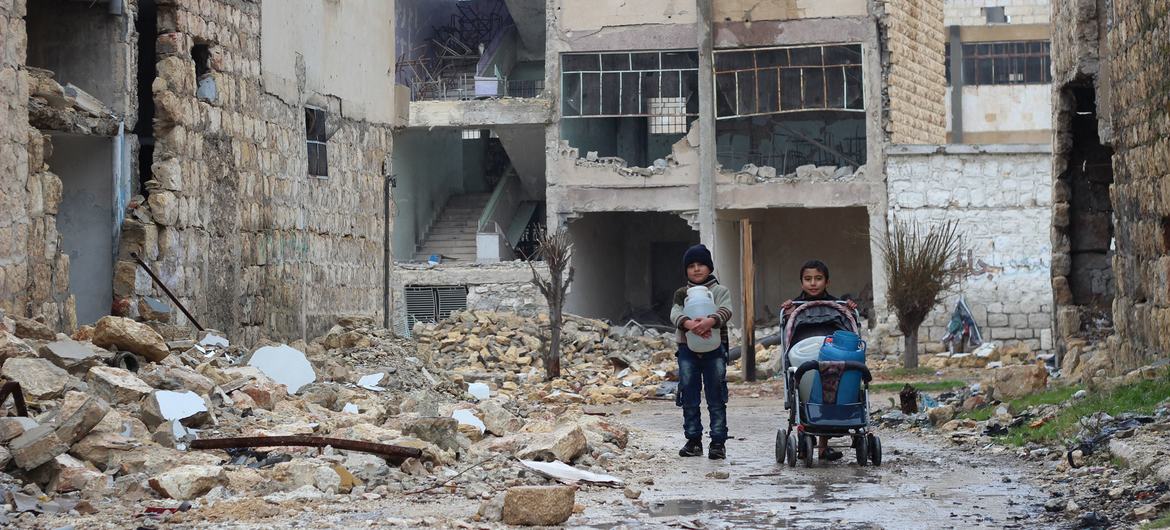
In less than a month, Syria has counted around forty deaths and nearly 10,000 suspected cases, according to figures from the Ministry of Health. For the NGOs on the ground, these figures are largely underestimated because, in the areas ravaged by the fighting and in the refugee camps, it is impossible for the population to be diagnosed or to have access to water.
Interviewed by RTS, Ahmad Moussa, a farmer who lives in Tal Abiad in northern Syria, testified to the difficulty of obtaining treatment in this region ravaged by war.
Touched by the disease, he explains that hospitals lack space to quarantine infected people and the treatments available in pharmacies are out of price for the population. Ahmad Moussa was cured thanks to the help of an association which provided him with treatment. But around him, the cases are multiplying.
“Immense danger for the region”
"Cholera represents an immense danger for the region. It is transmitted by contacts, the vegetables we eat, water," says Hammadi, who works for the NGO MedGlobal in Syria. "With the increase in the number of cases across the country, the epidemic is in danger of spiraling out of control. Moreover, no one wants to say that they are sick for fear of being placed in quarantine", specifies- there at the RTS. Indeed, a sick person is one less source of income for a family. However, in this country crushed by eleven years of conflict, nine out of ten Syrians live on less than two euros a day.
"After years of decline, we are seeing a worrying upsurge in cholera epidemics worldwide over the past year," said the WHO team leader for epidemic cholera and diarrheal diseases. , Philippe Barboza, during a press briefing in Geneva on September 30. “Not only are there more epidemics, but the epidemics themselves are larger and more deadly,” he noted.
Fatality rate three times higher
According to the WHO , the average cholera-related fatality rate recorded in 2021 is almost three times higher than in the previous five years. In Syria, the spread is extremely rapid.
But the Organization does not have data on the number of deaths linked to cholera due to a lack of statistics available in the affected countries, including Syria, Iraq, Iran, India, Bangladesh, Pakistan, Nepal, Afghanistan and the Horn of Africa area.
Lack of vaccines
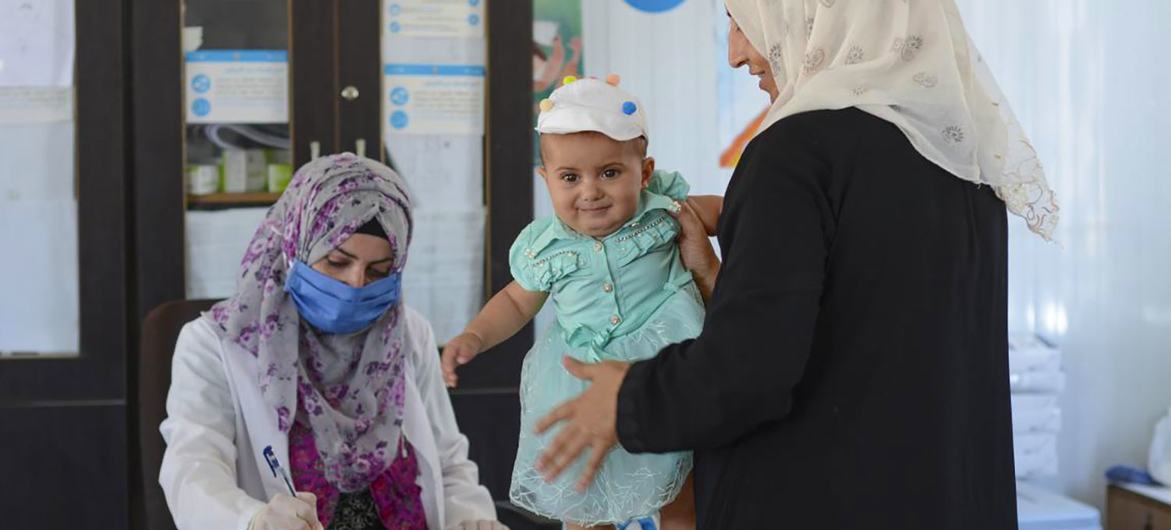
Without treatment, you can die within hours. But most infected people will have no or only mild symptoms and can be successfully treated with oral rehydration salts. Vaccines are available but not enough because demand exceeds supply.
Cholera, an acute diarrheal infection causing sometimes fatal dehydration, is contracted by the absorption of water or food products contaminated with the bacterium vibrio cholerae. It develops in areas that are often populated, with limited access to drinking water or without suitable sanitation networks.
Report Hussam Hammoud and Noé Pignède/aps
Published at 11:24 Amended at 11:35
https://www.rts.ch/info/monde/13440...ie-de-cholera-depuis-des-annees-en-syrie.html