

Pathfinder
Editor, Senior Moderator
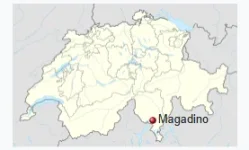
/https://en.wikipedia.org/wiki/Magadino
----------------------------------------------------------
Translation Google
First local transmissions of the chikungunya virus in Switzerland
Amended at 20:57
Ticino has recorded the first four cases of local transmission of the chikungunya virus in Switzerland.
The affected individuals, who had not recently traveled to areas where the virus is circulating, were infected in the Magadino plain.
The health of the sick people is improving, despite persistent joint pain, the canton indicated on Wednesday.
The disease – which appears approximately 7 to 9 days after the bite – is notably transmitted by Aedes albopictus , commonly known as the tiger mosquito; native mosquitoes cannot spread chikungunya.
The insect can contract the virus by biting an infected person and transmit it to others through subsequent bites. This is not a direct person-to-person transmission. This mosquito lives primarily in urban areas and is most active during the day.
Epidemiological investigations and measures to combat the tiger mosquito, the vector of the virus, have been launched in the affected areas, under the direction of the cantonal doctor.
Favorable development
In most cases, chikungunya resolves favorably. Symptoms include fever and joint pain. Muscle pain, headaches, and skin rashes may also occur. Severe cases are rare.
The risk to the population is currently considered very low, given the limited number of cases and the imminent end of the mosquito season.
No special measures are necessary.
Published at 13:42 Amended at 20:57
...

Virus du chikungunya: 4 cas de transmission locale au Tessin
Le Tessin a enregistré les quatre premiers cas de transmission locale du virus du chikungunya dans notre pays. Les personnes touchées, qui n'avaient pas récemment voyagé dans des régions où circule le virus, ont été infectées dans la plaine de Magadino.
 www.rts.ch