Pathfinder
Editor, Senior Moderator
Translation Google
Press release/explanatory material
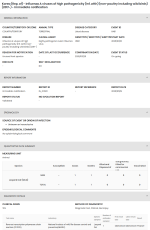
Detection of H5-type avian influenza antigen in a dead wild mammal, a leopard cat, in Hwasun, Jeollanam-do
Department Name: Disease Surveillance Team Registrant Name: Lee Min-ji Registration Date: 2025.03.19
▷ Strengthening preemptive responses such as collecting wild mammal carcasses and expanding surveillance
▷ Strengthening quarantine and surveillance, including disinfection, around the detection point
The Ministry of Environment (Minister Kim Wan-seop) and the National Wildlife Disease Management Institute (Director Shin Dong-in) announced that as a result of testing on the carcass of a wild mammal, a leopard cat*, discovered on March 16 near Seryangje (reservoir) in Hwasun-eup, Hwasun-gun, Jeollanam-do following a resident's report, H5 type avian influenza (AI) antigen was detected on the afternoon of March 18.
* Endangered species level II, mainly feeding on rodents and birds (habitat area of approximately 10-20 km2)
This is the first time that H5 type avian influenza (AI) antigen has been detected in domestic wild mammals.
As cases of infection continue to occur in various regions overseas, the National Institute of Wildlife Disease Management has been proactively conducting avian influenza (AI) investigations and managing wild mammals* secured through wildlife rescue centers, resident reports, and surveillance of major migratory bird arrival areas nationwide since April 2023, and there have been no cases of AI outbreaks since then.
* Carnivorous and omnivorous mammals such as raccoons, weasels, badgers, wildcats, otters, civets, and foxes
※ Results of investigation on 355 samples from April 23 to March 25, all confirmed negative
To clearly confirm whether the recently detected H5-type avian influenza (AI) is highly pathogenic, a detailed examination is in progress (taking approximately 2 to 5 days). It is presumed that the avian influenza antigen was detected in wild mammals because they were infected in the process of eating wild birds infected with avian influenza (AI).
According to the World Organization for Animal Health, overseas cases of highly pathogenic avian influenza infection in wild mammals have been reported continuously in Europe, America, and Japan, with 111 cases of 14 species in 2022, 271 cases of 32 species in 2023, and 100 cases of 28 species in 2024.
The Ministry of Environment immediately notified the Ministry of Agriculture, Food and Rural Affairs, the Korea Disease Control and Prevention Agency, and relevant local governments on March 18 to promptly take quarantine measures after detecting H5-type avian influenza antigens (AI) in wild mammals. In addition, it plans to expand the investigation of infection in wild mammals and birds near the outbreak area and prepare emergency action guidelines (SOPs) to refine the wild mammal avian influenza (AI) response system.
The Ministry of Agriculture, Food and Rural Affairs, in accordance with the 'Avian Influenza Quarantine Implementation Guidelines (Ministry of Agriculture, Food and Rural Affairs Notice)' and the 'Avian Influenza Emergency Action Guidelines (AI SOP)', will ① control access to the relevant wild mammal collection points, ② designate a 10km radius around the sampling point as a 'wild bird surveillance area' and strengthen access control and disinfection, and implement emergency quarantine measures such as surveillance and inspection of breeding farms within the quarantine area.
Kim Tae-oh, Director of the Ministry of Environment’s Nature Conservation Bureau, said, “At this stage, it is important to identify the possibility of transmission or spread in wild mammals, so we ask for your active cooperation in strengthening surveillance for avian influenza (AI) in wild mammals and immediately reporting to the relevant local governments when discovering dead wild mammals or mammals with suspicious symptoms so that avian influenza (AI) testing can be conducted quickly.”...
https://me.go.kr/niwdc/web/board/re...boardMasterId=794&boardCategoryId=&decorator=
Press release/explanatory material
Detection of H5-type avian influenza antigen in a dead wild mammal, a leopard cat, in Hwasun, Jeollanam-do
Department Name: Disease Surveillance Team Registrant Name: Lee Min-ji Registration Date: 2025.03.19
▷ Strengthening preemptive responses such as collecting wild mammal carcasses and expanding surveillance
▷ Strengthening quarantine and surveillance, including disinfection, around the detection point
The Ministry of Environment (Minister Kim Wan-seop) and the National Wildlife Disease Management Institute (Director Shin Dong-in) announced that as a result of testing on the carcass of a wild mammal, a leopard cat*, discovered on March 16 near Seryangje (reservoir) in Hwasun-eup, Hwasun-gun, Jeollanam-do following a resident's report, H5 type avian influenza (AI) antigen was detected on the afternoon of March 18.
* Endangered species level II, mainly feeding on rodents and birds (habitat area of approximately 10-20 km2)
This is the first time that H5 type avian influenza (AI) antigen has been detected in domestic wild mammals.
As cases of infection continue to occur in various regions overseas, the National Institute of Wildlife Disease Management has been proactively conducting avian influenza (AI) investigations and managing wild mammals* secured through wildlife rescue centers, resident reports, and surveillance of major migratory bird arrival areas nationwide since April 2023, and there have been no cases of AI outbreaks since then.
* Carnivorous and omnivorous mammals such as raccoons, weasels, badgers, wildcats, otters, civets, and foxes
※ Results of investigation on 355 samples from April 23 to March 25, all confirmed negative
To clearly confirm whether the recently detected H5-type avian influenza (AI) is highly pathogenic, a detailed examination is in progress (taking approximately 2 to 5 days). It is presumed that the avian influenza antigen was detected in wild mammals because they were infected in the process of eating wild birds infected with avian influenza (AI).
According to the World Organization for Animal Health, overseas cases of highly pathogenic avian influenza infection in wild mammals have been reported continuously in Europe, America, and Japan, with 111 cases of 14 species in 2022, 271 cases of 32 species in 2023, and 100 cases of 28 species in 2024.
The Ministry of Environment immediately notified the Ministry of Agriculture, Food and Rural Affairs, the Korea Disease Control and Prevention Agency, and relevant local governments on March 18 to promptly take quarantine measures after detecting H5-type avian influenza antigens (AI) in wild mammals. In addition, it plans to expand the investigation of infection in wild mammals and birds near the outbreak area and prepare emergency action guidelines (SOPs) to refine the wild mammal avian influenza (AI) response system.
The Ministry of Agriculture, Food and Rural Affairs, in accordance with the 'Avian Influenza Quarantine Implementation Guidelines (Ministry of Agriculture, Food and Rural Affairs Notice)' and the 'Avian Influenza Emergency Action Guidelines (AI SOP)', will ① control access to the relevant wild mammal collection points, ② designate a 10km radius around the sampling point as a 'wild bird surveillance area' and strengthen access control and disinfection, and implement emergency quarantine measures such as surveillance and inspection of breeding farms within the quarantine area.
Kim Tae-oh, Director of the Ministry of Environment’s Nature Conservation Bureau, said, “At this stage, it is important to identify the possibility of transmission or spread in wild mammals, so we ask for your active cooperation in strengthening surveillance for avian influenza (AI) in wild mammals and immediately reporting to the relevant local governments when discovering dead wild mammals or mammals with suspicious symptoms so that avian influenza (AI) testing can be conducted quickly.”...
https://me.go.kr/niwdc/web/board/re...boardMasterId=794&boardCategoryId=&decorator=