

Pathfinder
Editor, Senior Moderator
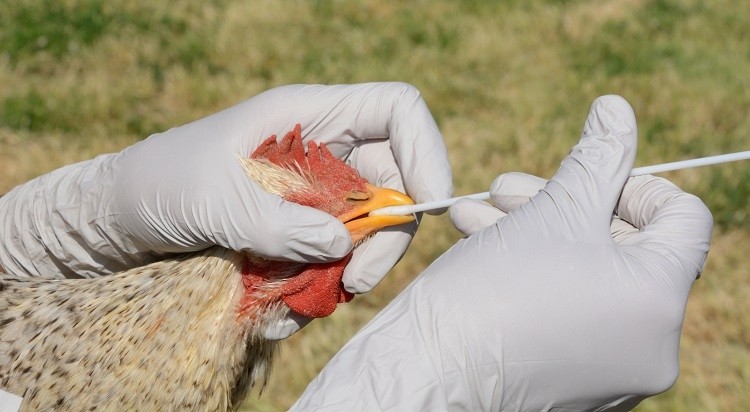
LOW RISK OF HUMAN INFECTION RELATED TO AVIAN INFLUENZA OUTBREAK IN SOUTH AFRICA(13 OCTOBER 2023)
A number of poultry farms in South Africa are experiencing outbreaks of avian influenza. Avian influenza is a highly contagious viral infection that affects poultry and wild birds. Currently, two different strains are causing avian influenza outbreaks in South Africa, these are influenza A(H5N1) and influenza A(H7N6).
According to the Department of Agriculture, Land Reform and Rural Development (DALRD), the current influenza A(H5N1) outbreaks have been ongoing since April 2023 and to date, 10 outbreaks in poultry (Western Cape and KwaZulu-Natal) and 39 outbreaks in non-poultry birds (Western Cape, KwaZulu-Natal, Eastern Cape, Gauteng, Mpumalanga and North West provinces) have been reported. The influenza A(H7N6) outbreaks have been ongoing since June 2023, and to date, 50 outbreaks to date have been reported in poultry farms (Free State, Gauteng, Mpumalanga, Limpopo, North West and KwaZulu-Natal provinces) and non-poultry birds in Gauteng.
Internationally, sporadic cases of influenza A(H5N1) infection have been reported in humans, related to outbreaks in birds but infection in humans remains very rare. Globally, only 8 cases of influenza A(H5N1) in humans have been reported to the World Health Organization (WHO) in 2023, despite large outbreaks in poultry and wild birds across the globe. These cases have been linked to close contact with infected birds (handling, culling, slaughtering or processing). Current circulating strains of avian influenza have not been shown to transmit from person to person. The risk of transmission of influenza A(H5N1) and influenza A(H7N6) from infected birds to humans is extremely low.
In the uncommon instance where avian influenza is transmitted to humans, the most common route of transmission of avian influenza is airborne, through aerosolisation of virus particles from live birds or during the culling process. Poultry products including commercially available eggs, and fresh and frozen chickens are safe to consume.
Any persons with known or suspected close contact with dead or sick birds (especially birds with confirmed A(H5N1) or A(H7N6) infection) and who presents with upper or lower respiratory tract symptoms (cough, runny nose, scratchy throat, or pneumonia) and/or conjunctivitis should be investigated.
Those who are in contact with live or dead birds, especially those in the poultry industry are advised to wear personal protective equipment including safety goggles, gloves, boot covers, disposable aprons/clothing (fluid resistant), disposable head covers and masks (N95) capable of preventing inhalation of aerosolised virus particles. Hand washing with disinfectant soap after contact with poultry or birds is essential.
The public health response remains; prevention of avian influenza at source (bio security at farms, good hygiene and vaccination of poultry in some situations), rapid detection, reporting and response to animal outbreaks and strengthening of surveillance in animals and humans (including collaborations with animal and human health sectors). In addition, laboratory confirmation of the strains involved (PCR and sequencing) and sharing of genetic sequencing data is important.
Read the full report here
https://www.nicd.ac.za/avian-influenza-outbreak/