Drinking Water Contamination of Surface Water Sources
Ohio public water systems are required to monitor (PDF 15kb ) for a number of potential contaminants in treated drinking water. Monitoring results are compared to federally derived health limits for treated drinking water, known as Maximum Contaminant Levels (MCLs). MCLs are based on the Safe Drinking Water Act (SWDA), and are enforceable standards.
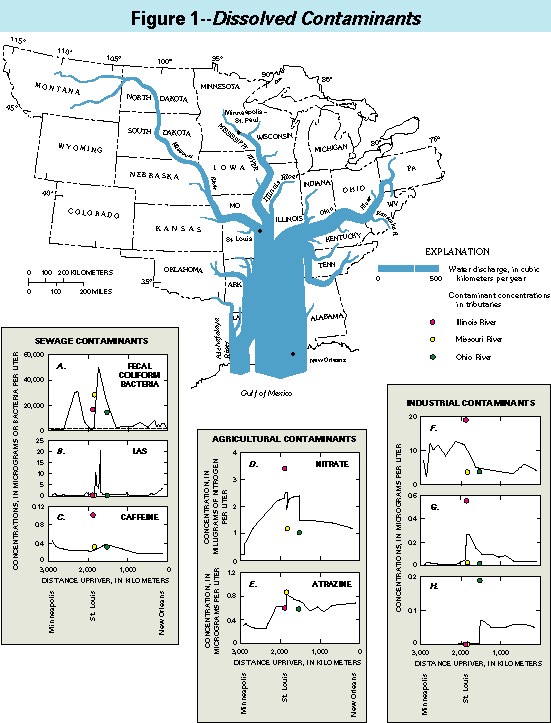
Seventeen public drinking water systems, using surface water as the source, have had nitrate values exceed 10 mg/l in their finished water. During the past five years, 13 of these public water systems have had nitrate maximum contaminant level (MCL) violations and issued health advisories.
Priority Surface Water Areas: Lake Erie, Ohio River basin, watersheds with nutrient TMDLs underway or completed, particularly in the Ohio River basin; Scioto River CREP area; watersheds with public drinking water supply intakes that have nitrate MCL violations (Sandusky and Maumee); watersheds with public drinking water supply intakes with seasonally elevated nitrate (above MCL) levels that have not yet caused, but at are risk of causing, future MCL violations.
Why is this a Ground Water Quality Problem? Ohio EPA Ground Water Quality Reports for 2000 (PDF 1114kb) and 2002 (PDF 2860kb), that document nitrate impacts to ground water quality are generally associated with the following aquifer settings:
* mean concentrations of nitrate collected from public water system wells are highest in sand and gravel aquifer settings and shallow bedrock locations (less than 25 feet of unconsolidated material) where concentrations often exceed 50 percent of the MCL (10.0 ug/l); and
* there is a high correlation between high nitrate concentrations and shallower well depths (i.e. < 100 feet).
Contamination of Public Drinking Water Supplies using Ground Water Sources
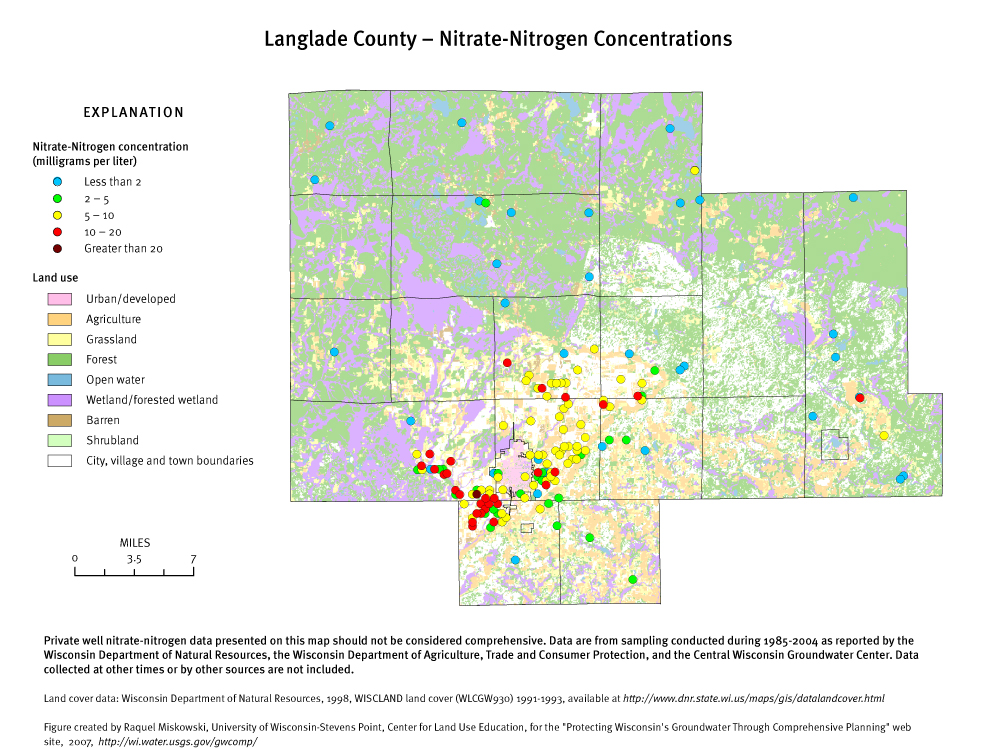
Compliance monitoring data submitted during the past 5 years documents 85 nitrate MCL violations at 34 public water systems across all aquifer settings. There is a predominance of MCL violations in the sand and gravel aquifers and shallow fractured bedrock settings. The primary pathway for nitrate contamination is infiltration through soils or naturally occurring sinkholes in the karst regions of Ohio. The principle nonpoint sources of nitrate infiltration are fertilizers, wastewater treatment systems, and land application of biosolids/manures. Other pathways for sources of nitrogen to impact ground water resources include man-made drainage wells.
Priority Ground Water Areas: include shallow sand and gravel aquifers and near-surface fractured bedrock aquifers, Target implementation areas within these aquifers include drinking water source protection areas for public water systems with elevated nitrates.


 http://dunncountywi.govoffice2.com/vertical/Sites/%7B8D65D186-760D-414B-890C-7C4376A23107%7D/uploads/%7B02BA47C3-89D6-464B-873B-F2894674D449%7D.JPG


 Could you explain just a tiny bit further, please? I've been wondering for awhile why Milwaukee had such a high rate of h1n1, but could never find an answer. I assumed it had something to do with arsenic levels...any further direction would be much appreciated!