

sharon sanders
Editor-in-Chief & President
Attacks in Crowded and Public Spaces

Prepare Before
Survive During
Be Safe After
Related Content
Take steps to prepare and protect yourself and help others in the event of a mass attack.
Types of Mass Attacks
Image
Image
Run to Safety
When Law Enforcement Arrives

Be mindful of your mental health. If needed, seek help for you and your family to cope with the trauma.
Related Content
https://www.ready.gov/public-spaces#content
Prepare Before
Survive During
Be Safe After
Related Content
Take steps to prepare and protect yourself and help others in the event of a mass attack.
Types of Mass Attacks
- Individuals using firearms to cause mass casualties (active shooter).
- Individuals using a vehicle to cause mass casualties.
- Individuals using homemade bombs to cause mass casualties.
- Other methods used in mass attacks may include knives, fires, drones or other weapons.
Image
- Stay alert. Always be aware of your environment and any possible dangers.
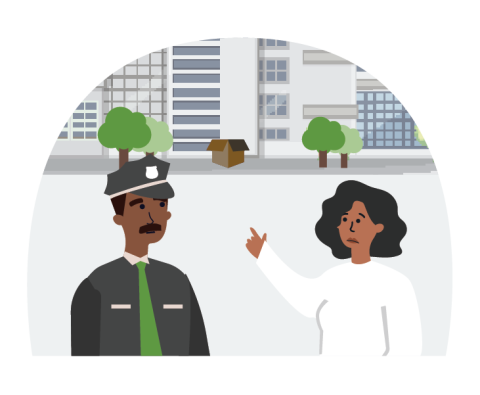
- If you see something, say something® to local authorities. That includes suspicious packages, people behaving strangely or someone using strange communications.
- Observe warning signs. Signs might include unusual or violent communications, substance abuse, expressed anger or intent to cause harm. These warning signs may increase over time.
- Have an exit plan. Identify exits and areas to hide wherever you go, including work, school and special events.
- Learn lifesaving skills. Take trainings such as You Are the Help Until Help Arrives and first aid to assist the wounded before help arrives.
Image
Run to Safety
- Seek safety. Getting away from the attacker is the top priority.
- Leave your belongings behind and get away.
- Call 9-1-1 when you are safe and describe the attacker, location and weapons.
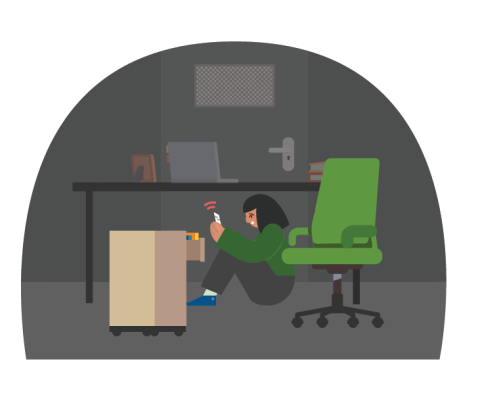
- Cover and hide if you can’t evacuate. Find a place to hide out of view of the attacker and put a solid barrier between yourself and the threat if possible.
- Lock and block doors, close blinds and turn off lights.
- Keep silent.
- Fight only as a last resort. When you can’t run or cover, attempt to disrupt the attack or disable the attacker.
- Be aggressive and commit to your actions.
- Recruit others to ambush the attacker with makeshift weapons such as chairs, fire extinguishers, scissors, books, etc.
- Be prepared to cause severe or lethal injury to the attacker.
- Take care of yourself first and then, if you are able, help the wounded get to safety and provide immediate care. Call 9-1-1 when it is safe for you to do so.
When Law Enforcement Arrives
- Remain calm and follow instructions.
- Keep hands visible and empty.
- Report to designated areas to provide information and get help.
- Follow law enforcement’s instructions and evacuate in the direction they tell you to go. Listen to law enforcement for information about the situation. Share updates as you can with family and friends.
Be mindful of your mental health. If needed, seek help for you and your family to cope with the trauma.
Related Content
- RUN. HIDE. FIGHT.® Surviving an Active Shooter Event (Video)
- Active Shooter Information Sheet (PDF)
- If you see something say something® (DHS)
- Active Shooter Preparedness Resources (DHS)
- Active Shooter Preparedness Resources Translated (DHS)
- Protective Actions Research for Active Shooter
https://www.ready.gov/public-spaces#content