• FluTrackers.com Inc. does not provide medical advice. Information on this web site is collected from various internet resources, and the FluTrackers board of directors makes no warranty to the safety, efficacy, correctness or completeness of the information posted on this site by any author or poster. The information collated here is for instructional and/or discussion purposes only and is NOT intended to diagnose or treat any disease, illness, or other medical condition. Every individual reader or poster should seek advice from their personal physician/healthcare practitioner before considering or using any interventions that are discussed on this website. By continuing to access this website you agree to consult your personal physican before using any interventions posted on this website, and you agree to hold harmless FluTrackers.com Inc., the board of directors, the members, and all authors and posters for any effects from use of any medication, supplement, vitamin or other substance, device, intervention, etc. mentioned in posts on this website, or other internet venues referenced in posts on this website.
  • We are not asking for any donations. Do not donate to any entity who says they are raising funds for us.

Quebec - Avian flu in mammals, 2022 - 2024

Pathfinder

Editor, Senior Moderator
Translation Google

Avian flu affects harbor seals in the Estuary

HELENE FAUTEUX
Tuesday, 12 July 2022 09:40
UPDATE Tuesday, 12 July 2022 09:40

According to Stéphane Lair, professor of wildlife health at the Faculty of Veterinary Medicine at the University of Montreal, a dozen carcasses tested positive last week.

The Canadian Food Inspection Agency (CFIA) has so far confirmed two of these results, he said. "Our results are theoretical until they are officially confirmed by the CFIA," said Dr. Lair. It's a skill-testing question, because it's a virus. But there is no doubt about the cause of death of these animals.

In fact, according to monitoring data from the Quebec Marine Mammal Emergency Network, which brings together some fifteen organizations and institutions in Quebec, the mortality rate for harbor seals in the Estuary is eight times higher than the average. historical.

“We are talking about a hundred harbor seals, carcasses, which have been found in recent months, reported the UdeM professor. A few animals still alive have been observed with neurological signs, nervous signs. But most are found dead.

Stéphane Lair believes that the harbor seals in the Estuary have been contaminated by Common Eiders, with whom they share the same rocks. “We are not certain, but we think it is a direct contact with the Eiders because there have been a lot of cases in Bas-Saint-Lauren in Common Eiders, and the seals are not known to eat birds.

However, no case of avian flu has been reported in seals in the Magdalen Islands or in Gaspésie.

"My suspicion is that there's less contact between gannets and seals," Lair said. For now, we are concentrating our efforts on the Estuary. That being said, we are monitoring the situation, we have volunteers on the Islands, and if ever there were increased, unusual mortalities, we should be able to set up a system to be able to collect samples.

https://www.journaldequebec.com/2022...s-de-lestuaire

------------------------------------------------------------------------------

Avian flu hits St. Lawrence seals


The harbor seal is a resident species of the St. Lawrence. It is the least abundant of the four species of seals that frequent the estuary and the gulf.

Alexander Shields
3:24 p.m.
Environment

The bird flu didn't just kill thousands of birds in Quebec. It also led to a marked increase in mortalities among harbor seals in the St. Lawrence. The impact that these mortalities will have on the pinniped population remains to be determined.

The Quebec Marine Mammal Emergency Network has identified an unusually high number of dead or sick harbor seals in the St. Lawrence so far this year. A total of 93 carcasses have been found so far, including 73 in June alone.

"In fact, the number of harbor seals found so far this year represents an increase of about eight times the annual average of recent years," said veterinarian Stéphane Lair, director of the Quebec Center for Wild Animal Health, in a text published Tuesday on the “Healthy Wildlife” blog .

In an attempt to understand this marked increase in deaths, seal carcasses and samples taken in the field were sent for analysis to the regional center for Quebec of the Canadian Wildlife Health Network.


"The results obtained so far indicate that the increase in mortalities observed in these harbor seals would be associated with infections by the highly pathogenic H5N1 avian influenza virus", writes Dr. Stéphane Lair. These results should be confirmed by Fisheries and Oceans Canada shortly.

“Although the risks of transmission of this influenza virus to humans and domestic animals seem low, it is recommended not to approach, and especially not to touch, a sick or dead seal. We will also prevent contact between our pets and seals or dead birds,” emphasizes Stéphane Lair.

For the moment, the impacts of these mortalities on the population of harbor seals remain to be determined, according to the veterinarian. This species is the only one to remain all year round in the St. Lawrence. It is also the least abundant of the four species that frequent the estuary and the gulf. According to Fisheries and Oceans Canada, there are between 20,000 and 30,000 harbor seals. They can be victims of harassment , especially on the beaches, where the females give birth.

Dead birds

For now, the positive cases in harbor seals all come from the Bas-Saint-Laurent region, a region where several cases of avian flu have been identified in wild birds. This virus has caused the death of thousands of birds of several species in Quebec, including snow geese, Canada geese, common eiders and northern gannets. Several species that feed on dead infected birds, such as turkey vultures, bald eagles, corvids and gulls, have also been affected.

In the Îles-de-la-Madeleine, more than 5,000 bird carcasses have been collected so far, while the period of high tourist traffic is in full swing. The imposing colony of northern gannets on Bonaventure Island, which numbers more than 100,000 individuals, is also affected by avian flu.

According to the Ministère des Forêts, de la Faune et des Parcs, “it must now be considered that the highly pathogenic H5N1 avian influenza virus has spread to all regions of Quebec”. The pan-Canadian website, which monitors the development of avian influenza, also shows that the virus is indeed present on a large scale in Quebec. In particular, cases have been identified in the Montreal region, in Estrie, in Mauricie, in the Quebec region and in Lac-Saint-Jean.

https://www.ledevoir.com/environnement/732939/la-grippe-aviaire-frappe-les-phoques-du-saint-laurent
 
Source: https://www.cbc.ca/news/canada/montreal/seal-avian-flu-1.6519180

Avian flu may be killing Quebec harbour seals, scientists say
Infections would be 1st known case of transmission from wild birds to marine mammals in Canada
Laura Marchand · CBC News · Posted: Jul 14, 2022 4:00 AM ET | Last Updated: 5 hours ago

Months after avian flu was first detected in Quebec's birds, it's now affecting a new population: seals.

Quebec scientists say they've found traces of avian flu in dead harbour seals that are washing ashore in the St. Lawrence estuary, a 250-kilometre long ecosystem that runs from just north of Quebec City to the Gulf of St. Lawrence.

Stéphane Lair, the Quebec regional director with the Canadian Cooperative Wildlife Health Centre and a wildlife health specialist at the Université de Montréal, said they have noticed a spike in harbour seal mortalities this season compared to previous years.

"This week we got some preliminary results that suggest that this virus is probably the cause," he explained.

Thus far, he said 12 seals have tested positive for H5N1. The Canadian Food Inspection Agency is currently validating the results.

According to Fisheries and Oceans Canada, it would be the first known case in Canada of H5N1 being passed from North American wild birds to marine mammals...
 
Translation Google

THE HARBOR SEAL OF THE ST. LAWRENCE AFFECTED BY THE AVIAN FLU

Last June, the Quebec Marine Mammal Emergency Network (RQUMM) received an abnormally high number of reports of dead or sick seals. The analyzes carried out have indeed revealed the presence of the bird flu virus in harbor seals, a disease that has been raging in wild bird populations across the country since the beginning of the year.

Figures that have sounded the alarm

What caught the attention of the speakers? The RQUMM has counted 93 harbor seal carcasses since the beginning of the year, ie 3 times more than a record year, and 6 times more than an average year. In June alone, this figure rises to 65 carcasses. Avian flu was quickly suspected of playing a role in this increase in mortality. The RQUMM therefore recovered and sampled fifteen carcasses, and everything was sent to the Quebec Center for Wild Animal Health for analysis. The results show that 11 of the 15 harbor seals sampled had the Eurasian strain of avian influenza; H5N1 (HPAI). A highly pathogenic strain that is easily transmitted from animal to animal and causes severe disease. ...

Avian flu, just in birds?

The name of this strain can be confusing! In Canada, the disease affects species such as gannets, Canada geese, snow geese, common eiders, gulls, turkey vultures, corvids, bald eagles and several species of farmed birds. However, it is known that this strain of influenza can be transmitted from birds to mammals. In the United States, the National Oceanic and Atmospheric Administration (NOAA) has also confirmed the presence of this virus in seals stranded in Maine. In North America, H5N1 has also infected other species of mammals. Among others, raccoons, otters, lynxes, red foxes, striped skunks and two humans.

Experts do not know precisely how the virus was transmitted from birds to harbor seals. The proximity of the two species on the haulouts could have favored close contact between them and exposed the seals to bodily fluids and feces from infected birds. It is not yet known for sure whether the virus can be transmitted between seals.

...
https://baleinesendirect.org/le-phoque-commun-du-saint-laurent-touche-par-la-grippe-aviaire/
 
Source: https://globalnews.ca/news/9034535/quebec-avian-flu-seal-deaths/

Highly pathogenic avian influenza believed to be killing seals in Quebec
By Staff The Canadian Press
Posted August 3, 2022 2:24 pm
Updated August 3, 2022 3:22 pm

Quebec researchers say avian flu has been detected in at least two species of seal as an unusually high number of dead seals are being reported on the province’s shorelines.

The Reseau québécois d’urgences pour les mammiferes marins says about 100 carcasses of harbour seals were found since January along the south shore of the Lower St. Lawrence region, almost six times more than on an average year.

Stéphane Lair, a professor of veterinary medicine at Université de Montréal, says about 15 of these harbour seals have tested positive for the highly pathogenic H5N1, with a first case detected in grey seals last week.

He says seals most likely have been in contact with carcasses of infected eider ducks, with which they share the same islands to give birth at the beginning of the summer.

Jean-François Gosselin, a biologist with Fisheries and Oceans Canada, says these are the first reported cases of the virus being passed from wild birds to marine mammals in Quebec...
 
Canada - First case of highly pathogenic H5N1 avian influenza virus infection in a black bear - August 30, 2022

First case of highly pathogenic H5N1 avian influenza virus infection in a black bear

BY CAROLYN BLUSHKE · 2022-08-30

An adult female black bear exhibiting unusual behavior was reported by visitors last June in Quebec's Forillon National Park in the Gaspésie region. This bear, which was behaving strangely early in the day on June 14, was wandering between vehicles, went down to the water in a fishing harbor, then started swimming around in circles, came out and hit a wall. Later that day, Parks Canada staff found the animal lying on its side in a ditch, breathing shallowly and unresponsive to sound stimuli. Convulsions and spasms were also seen. Due to its condition, the animal was anesthetized by Parks Canada employees and then euthanized for humanitarian reasons.


Microscopic examination of the tissues revealed the presence of inflammatory lesions in the animal's brain (meningoencephalitis). These lesions were characterized by a significant perivascular accumulation of lymphoplasmacytic cells. This same type of cell also infiltrated the meninges. Neuronal necrosis was also present. Molecular analyzes carried out by the MAPAQ laboratory revealed the presence of a highly pathogenic H5N1 avian influenza virus (AIV H5N1) in the brain.

more..

http://blog.healthywildlife.ca/prem...e-h5n1-hautement-pathogene-chez-un-ours-noir/
 
Follow-up report 4
Influenza A viruses of high pathogenicity (Inf. with) (non-poultry including wild birds) (2017-), Canada

...

General Information

COUNTRY OR ZONE
COUNTRY

DISEASE
Influenza A viruses of high pathogenicity (Inf. with) (non-poultry including wild birds) (2017-)

STARTED ON
2022-04-12

ANIMAL TYPE
TERRESTRIAL

GENOTYPE/ SEROTYPE/ SUBTYPE
H5N1

CONFIRMED ON
2022-05-02

REASON
Unusual host species

CAUSAL AGENT
Highly pathogenic avian influenza virus

ENDED ON
-

DISEASE CATEGORY
OIE-listed

REPORTED ON
2022-09-01

LAST OCCURRENCE
-

Epidemiology

SOURCE OF EVENT OR ORIGIN OF INFECTION
- Unknown or inconclusive

- Contact with wild species


EPIDEMIOLOGICAL COMMENTS

We report the first cases of H5N1 highly pathogenic avian influenza (HPAI) virus in an American black bear,
as well as additional cases in red foxes, striped skunks and harbor seals from Ontario, Quebec, Alberta and Nova Scotia. Note that we report additional unusual species grouped by provinces. For detailed and current information on high pathogenicity avian influenza cases in wildlife, please consult : http://www.cwhc-rcsf.ca/avian_influenza.php

...
ob_106292 - quebec - mammals

OUTBREAK REFERENCE
QC-2022-HPAIM

STARTED ON
30-05-2022

EPIDEMIOLOGICAL UNIT
Not applicable

NUMBER OF OUTBREAKS
-

ENDED ON
-

AFFECTED POPULATION DESCRIPTION
Multiple regions from Québec : Côte Nord, Bas-Saint-Laurent and Gaspésie (bear) Bear: Fully Eurasian lineage 4 Seals: Reassortment EU&NA. Gene segments PB2, PB1, PA and NP belonging to North American lineage and gene segments HA, NA, M and NS belonging to Eurasian lineage 1 Seal: Fully Eurasian lineage

APPROXIMATE LOCATION
quebec - mammals

FIRST ADMINISTRATIVE DIVISION
Québec

SECOND ADMINISTRATIVE DIVISION
Communauté-Urbaine-de-Québec

THIRD ADMINISTRATIVE DIVISION
Québec

GEOGRAPHIC COORDINATES
Lat : 46.8138

Long : -71.2183


SPECIES MEASURING UNIT SUSCEPTIBLE CASES DEATHS KILLED AND DISPOSED OF SLAUGHTERED/KILLED FOR COMMERCIAL USE VACCINATED
Harbor Seal (Phoca vitulina):Phocidae-Carnivora NEW Animal - 5 5 - - -
TOTAL Animal - 5 5 - - -
American Black Bear (black bear) (Ursus americanus):Ursidae-Carnivora NEW Animal - 1 1 - - -
TOTAL Animal - 1
1 - - -
- NEW Animal - 6 6 - - -
TOTAL Animal - 6 6

...
https://wahis.woah.org/#/report-info?reportId=59613
 
Quebec - A dolphin may have died of bird flu near Rimouski - H5N1 confirmed

Translation Google


Lower St. Lawrence A dolphin may have died of bird flu

A white-sided dolphin, found dead near Rimouski, is said to have contracted avian flu. The Canadian Food Inspection Agency (CFIA) is awaiting the results of a necropsy to confirm this “suspect case” of H5N1 in a mammal.

Posted at 5:00 a.m.To share
Emilie Bilodeau
EMILIE BILODEAU
LA PRESSE

A first PCR test was carried out on the animal at the beginning of September, at the Quebec Center for Wild Animal Health (CQSAS). The test revealed the presence of the bird flu virus in the animal, but confirmation from the CFIA is still awaited.

“The dolphin presented lesions which suggest that it is a case of avian influenza, explains Dr. Stéphane Lair, director of the CQSAS. The lesions are not as obvious as those found in seals, but we are still talking about brain lesions and necrosis in various organs. »

Since the arrival of avian flu in Quebec in the spring, fifteen harbor seals and a red fox have been diagnosed with the disease in the province. Elsewhere in Canada, striped skunks and an American mink have also contracted the virus.

In the case of Quebec seals, they would have eaten birds infected with H5N1, suggests Dr. Lair. "For the dolphin, we don't know at all. It's not usual,” he said.

A female bear and her affected cubs

A bear and her cubs also contracted H5N1 in Forillon National Park in late spring.

On June 14, visitors reported the presence of a bear with strange behavior in the Parc de la Gaspésie. The animal was seen walking between vehicles. He went down to a fishing harbour, he swam around in circles and when he got out of the water, he bumped into a pole.

On the same day, a second report was made, roughly in the same area, for cubs that seemed to be looking for their mother. Then a third report made it possible to find the adult bear. “The report mentioned a bear that was dying in a ditch on the side of the road. When our team arrived on the scene, the animal was having difficulty breathing, it was having spasms and it was no longer responding to signals,” explains Mathieu Côté, the park's resource conservation manager.

The Forillon National Park veterinarian immediately suspected a case of avian flu. In the spring, several carcasses of seabirds – such as northern gannets and common eiders – were found on the banks of the park. Screening tests determined that they had H5N1.

It was suspected that the bear may have fed on an infected bird. In fact, we even found carcasses that were eaten, but we don't know if it was by the bear in question or by another animal.

Mathieu Côté, Resource Conservation Manager, Forillon National Park

The mother and two of her cubs were anesthetized and euthanized. A necropsy confirmed that they did indeed have bird flu. Wildlife officers were unable to locate a third cub, but are confident it must have died in the wild from H5N1 or the absence of its mother.

The virus could adapt to humans

Dr. Stéphane Lair says that the cases of H5N1 detected in mammals are of particular interest to Public Health, which wonders if the virus could become fatal for humans. “For the moment, the virus does not seem to have a high level of pathogenicity”, assures the expert.

“But that could change. It is a virus that is known to mutate and to make combinations between two viruses. There is a possibility that one day it will adapt to humans. But for now, this strain does not seem very pathogenic for humans,” he repeats.

DOLPHINS IN QUEBEC?
“Dolphins are often associated with warm waters, but there are species specific to cold waters. This is the case for the white-sided dolphin and the white-beaked dolphin,” explains Mélissa Greene, head naturalist of the Group for Research and Education on Marine Mammals. White-sided dolphins are not considered an endangered species. They are nearly 12,000 in the Gulf of St. Lawrence. “Every fall, there are some who venture into the estuary, as far as Tadoussac. Sometimes they're alone, but other times they're in big shoals,” notes Ms. Greene. Just a few weeks ago, observers noticed a school of around 400 white-sided dolphins off the estuary.

https://www.lapresse.ca/actualites/2...C3%A0%20flancs

--------------------------------

See also:

A first: Avian influenza detected in American dolphin

https://flutrackers.com/forum/forum/...erican-dolphin
 
Translation Google

Another species of mammal susceptible to the H5N1 avian influenza virus: first case in a white-sided dolphin

BY CAROLYN BLUSHKE · 2022-12-12

Here we report a case of fatal infection with the highly pathogenic H5N1 avian influenza virus (AIV H5N1) in a white-sided dolphin ( Lagenorhynchus acutus ). This juvenile male dolphin was found dead stranded on September 5 on a beach in the Rimouski region (Quebec). The carcass was sent by the Quebec Marine Mammal Emergency Response Network (RQUMM) to the Quebec regional center for analysis.

The animal was in good body condition, which is suggestive of death from an acute event. Apart from the presence of low intensity parasitic infections, no macroscopic lesions were observed in the animal. Histopathological examination of the tissues revealed the presence of inflammatory and necrotic lesions in the liver, lymph nodes and spleen. Acute inflammatory lesions were also present in the lungs (pneumonia) and brain (very mild encephalitis). Molecular analyzes carried out by the laboratory of the Ministère de l'Agriculture, des Pêcheries et de l'Alimentation du Québec have revealed the presence of a highly pathogenic avian influenza virus H5N1 (AIV H5N1) in the brain . This result was confirmed at the Canadian Food Inspection Agency laboratory. The results of these examinations indicate that this dolphin died following an acute infection with the AIV H5N1 virus.

Although the AIV H5N1 virus primarily affects birds, several species of mammals are also known to be susceptible. In marine mammals, infections by this virus have been documented mainly in harbor seals, but also in some gray seals. Until recently, no case of fatal infection by an avian influenza virus had been documented in cetaceans (whales and dolphins). To our knowledge, only two cases of AIV H5N1 infection have been reported in cetaceans so far, one case in a bottlenose dolphin in Florida and one case in a harbor porpoise in Sweden. The case presented here, which would therefore be the first case of infection by this virus in a white-sided dolphin, indicates that this species is susceptible to this emerging virus in North America.

The data collected by the RQUMM does not seem to indicate an increase in white-sided dolphin mortality in the St. Lawrence Estuary this summer, despite the presence of an epidemic among harbor seals. This suggests that there has been no transmission of this virus between dolphins and therefore the number of cases should be limited; contact between dolphins and infected birds is probably infrequent.

Although the risk of transmission of this influenza virus to humans and domestic animals seems low, it is recommended not to approach, and especially not to touch, a sick or dead marine mammal. We will also prevent contact between our pets and dead wild animals.

Stéphane Lair – RCSF Quebec, Faculty of Veterinary Medicine, University of Montreal

http://blog.healthywildlife.ca/une-...-premier-cas-chez-un-dauphin-a-flancs-blancs/
 
Translation Google

Marine mammals victims of avian flu

Alexander Shields
Environment
February 1, 2023
...

Avian flu caused the death of several thousand birds of different species in Quebec last year, but it also affected at least three species of marine mammals, according to what emerges from official data. And the virus is likely to strike this wildlife again this year, experts warn.

If we relied solely on the confirmed "positive" cases of avian influenza in wildlife species in Quebec, we would identify 315 of the approximately 1,676 confirmed or suspected cases (sample having tested positive for influenza at a provincial laboratory ) in Canada. The problem is that these data, which include all affected species, represent only a very small sample of infected animals.

This is the case for marine mammals, according to [SUP]Dr.[/SUP] Stéphane Lair, director of the Quebec Center for Wild Animal Health. His team analyzed 64 carcasses of 10 different species of marine mammals last year. “The H5N1 virus was identified as the cause of death for 14 of the 22 harbor seals examined, for one of the three gray seals examined and for one of the five white-sided dolphins examined”, specifies Fisheries and Oceans Canada in a response to questions from Le Devoir . .

"For harbor seals, this is just the tip of the iceberg ," says [SUP]Dr.[/SUP] Lair, adding that many carcasses were not collected and analyzed. According to him, it is therefore quite possible that the number of infected pinnipeds was greater. He points out that between 2017 and 2021, the Quebec Marine Mammal Emergency Network identified an average of 55 common or unidentified seal carcasses for the months of April to September. In 2022, that number jumped to 155 carcasses.

“This excess mortality can be largely attributed to avian influenza,” concludes Stéphane Lair, who is notably a full professor at the Faculty of Veterinary Medicine at the University of Montreal.

“Suspicious” cases

However, it is difficult to predict to what extent the virus could affect the population of harbor seals, the only pinniped species resident in the St. Lawrence and the least abundant of the four species that frequent the estuary and the gulf. Certainly, “it could be several years before we get back to the population before,” says Dr. Lair. According to Fisheries and Oceans Canada, there are between 20,000 and 30,000 harbor seals.

Quebec is therefore no exception to what has been observed in the United States and Europe, where seals have been found dead. “We can hypothesize that the seals became infected following contact with carrier seabirds, such as common eiders, with which they share the habitat. The impact that these mortalities will have on the seal population remains to be determined”, explains the Quebec Ministry of the Environment, the Fight against Climate Change, Wildlife and Parks (MELCCFP).

Furthermore, despite certain “suspicious” cases in harbor porpoises (the smallest cetacean in the St. Lawrence), none of the 23 carcasses examined detected the presence of the virus. There were significant mortalities in 2022, specifies Stéphane Lair, but they were not attributed to avian influenza. The veterinarian's team also did not detect any cases of H5N1 in belugas during the analysis of carcasses.

Back in 2023

However, experts will remain vigilant in 2023, since the avian flu should continue to kill wild animals in Quebec. “We can expect a year 2023 which will look like the year 2022 , whether for birds or for marine mammals. It would be amazing if it were different,” warns [SUP]Dr.[/SUP] Lair. In Europe, the virus is still present more than two years after the start of the epidemic.

Same story on the side of Magella Guillemette, professor in the Department of Biology at the University of Quebec in Rimouski, but also of the MELCCFP. "It remains possible that other species and other mortality events of varying intensity will continue to be detected sporadically in the coming months," the ministry said.

For 2022, however, the authorities are unable to give "a precise estimate of the number of dead wild birds". One thing is certain, the deadly virus hit waterfowl in 2022, including the Canada goose and some species of ducks. Snow geese have also been affected, particularly during an upsurge in cases observed in November, when the species migrates seasonally.

"Predatory or scavenger birds that could feed on waterfowl or their carcasses, such as birds of prey, have also been greatly affected by the virus," adds the MELCCFP. Among the infected species, the ministry mentions the turkey vulture, the bald eagle and certain species of buzzards.

The H5N1 strain of avian influenza has also caused “significant” mortalities in seabirds in the St. Lawrence, particularly gannets, common eiders, sea gulls and herring gulls.

Professor Guillemette nevertheless believes that the worst has been avoided for the largest colony of northern gannets in North America, that of Bonaventure Island. “The impact was pretty minimal. We are talking about a decline of 0.5% to 5%, depending on the variables used. The impact was greater at the start of the year, before decreasing thereafter,” explains the researcher who leads a team carrying out annual monitoring of this colony of more than 100,000 birds since 2008.


https://www.ledevoir.com/environnem...mmiferes-marins-victimes-de-la-grippe-aviaire
 
Canada - Influenza A viruses of high pathogenicity (Inf. with) (non-poultry including wild birds) (2017-) - Follow up report 17


GENERAL INFORMATION

COUNTRY/TERRITORY OR ZONE
COUNTRY/TERRITORY

ANIMAL TYPE
TERRESTRIAL

DISEASE CATEGORY
Listed disease

EVENT ID
4438

DISEASE
Influenza A viruses of high pathogenicity (Inf. with) (non-poultry including wild birds) (2017-)

CAUSAL AGENT
Highly pathogenic avian influenza virus

GENOTYPE / SEROTYPE / SUBTYPE
H5N1

START DATE
2022/04/03

REASON FOR NOTIFICATION
Unusual host species

DATE OF LAST OCCURRENCE- CONFIRMATION DATE
2022/05/02

EVENT STATUS
On-going

END DATE- SELF-DECLARATION

NO REPORT INFORMATION

REPORT NUMBER
Follow-up report 17

REPORT ID
FUR_166677

REPORT REFERENCE- REPORT DATE
2024/04/12

REPORT STATUS
Validated

NO EVOLUTION REPORT

EPIDEMIOLOGY

SOURCE OF EVENT OR ORIGIN OF INFECTION
  • Contact with wild species
  • Unknown or inconclusive
EPIDEMIOLOGICAL COMMENTS
We report additional cases of highly pathogenic avian influenza (HPAI) H5N1 virus in skunks. Outbreaks are reported by province/territory. The geographical marker is on the capital. For detailed and current information on high pathogenicity avian influenza cases in wildlife, please consult : http://www.cwhc-rcsf.ca/avian_influenza.php

QUANTITATIVE DATA SUMMARY

MEASURING UNIT
Animal

SpeciesSusceptibleCasesDeathsKilled and Disposed ofSlaughtered/ Killed for commercial useVaccinated Cats (DOMESTIC)NEW------TOTAL4211-- Dogs (DOMESTIC)NEW------TOTAL-11--- Domestic cat (WILD)NEW------TOTAL-33--- Striped Skunk (WILD)NEW-42---TOTAL-70387-- American Mink (WILD)NEW------TOTAL-321-- Harbor Seal (WILD)NEW------TOTAL-1717--- Racoon (Northern raccoon) (WILD)NEW------TOTAL-32--- American Black Bear (black bear) (WILD)NEW------TOTAL-211-- Red Fox (WILD)NEW------TOTAL-45357-- All speciesNEW-42---TOTAL414610017--

DIAGNOSTIC DETAILS

CLINICAL SIGNS
YES

METHOD OF DIAGNOSTIC
Diagnostic test
Real-time reverse transcription polymerase chain reaction (rRT-PCR)National Centre for Foreign Animal Disease (NCFAD), Winnipeg, ManitobaRacoon (Northern raccoon),Striped Skunk,American Mink,American Black Bear (black bear),Harbor Seal,Red Fox,Dogs,Domestic cat,Cats432022/05/022024/03/28Positive
Gene sequencingNational Centre for Foreign Animal Disease (NCFAD), Winnipeg, ManitobaAmerican Mink,Striped Skunk,Cats,Red Fox,Racoon (Northern raccoon),Harbor Seal,Dogs,Domestic cat,American Black Bear (black bear)432022/05/012024/03/28Positive
https://wahis.woah.org/#/in-review/4438​

NEW OUTBREAKS

OB_133538 - AB-2024-HPAIM-001 - ALBERTA - MAMMALS 2024

OB_133802 - QC-2024-HPAIM-001 - QUÉBEC - MAMMALS 2024

OB_133801 - PEI-2024-HPAIM-001 - PRINCE EDWARD ISLAND - MAMMALS 2024
 
Canada - Influenza A viruses of high pathogenicity (Inf. with) (non-poultry including wild birds) (2017-) - Follow up report 4


GENERAL INFORMATION

COUNTRY/TERRITORY OR ZONE
COUNTRY/TERRITORY

ANIMAL TYPE
TERRESTRIAL

DISEASE CATEGORY
Listed disease

EVENT ID
5283

DISEASE
Influenza A viruses of high pathogenicity (Inf. with) (non-poultry including wild birds) (2017-)

CAUSAL AGENT
Highly pathogenic avian influenza virus

GENOTYPE / SEROTYPE / SUBTYPE
H5N5

START DATE
2023/02/16

REASON FOR NOTIFICATION
New strain in the country

DATE OF LAST OCCURRENCE- CONFIRMATION DATE
2023/10/05

EVENT STATUS
On-going

END DATE- SELF-DECLARATION

NO REPORT INFORMATION

REPORT NUMBER
Follow-up report

4 REPORT ID
FUR_167296

REPORT REFERENCE- REPORT DATE
2024/05/13

REPORT STATUS
Validated

NO EVOLUTION REPORT

EPIDEMIOLOGY

SOURCE OF EVENT OR ORIGIN OF INFECTION
  • Unknown or inconclusive
  • Contact with wild species
EPIDEMIOLOGICAL COMMENTS
We report the first detection of a wild bird infected with highly pathogenic fully Eurasian H5N5 (2.3.4.4b) avian influenza viruses outside of the Atlantic provinces (Québec). This Event is the continuation of Event #4754, where we had reported previous occurrences of H5N5 in Nova Scotia, New Brunswick and Prince Edward Island . Outbreaks are reported by province/territory. The geographical marker is on the capital. For detailed and current information on high pathogenicity avian influenza cases in wildlife, please consult : http://www.cwhc-rcsf.ca/avian_influenza.php Wildlife surveillance as well as the Canadian Avian Influenza Surveillance System (CanNAISS) activities for poultry are ongoing in Canada. According to Article 10.4.1.4. of the Terrestrial Animal Health Code, Member Country should not impose bans on the international trade of poultry commodities in response to notification of infection with any Influenza A viruses in birds other than poultry.

QUANTITATIVE DATA SUMMARY

MEASURING UNIT
Animal

SpeciesSusceptibleCasesDeathsKilled and Disposed ofSlaughtered/ Killed for commercial useVaccinated American crow (WILD)NEW-11---TOTAL-33--- Northern fulmar (WILD)NEW------TOTAL-1313--- Herring Gull (WILD)NEW------TOTAL-77--- Great black-backed Gull (WILD)NEW------TOTAL-1414--- Black-legged Kittiwake (WILD)NEW------TOTAL-11--- All speciesNEW-11---TOTAL-3838---

DIAGNOSTIC DETAILS

CLINICAL SIGNS
YES

METHOD OF DIAGNOSTIC
Diagnostic test
Gene sequencingNational Centre for Foreign Animal Disease (NCFAD), Winnipeg, ManitobaHerring Gull,Northern fulmar,Great black-backed Gull,Black-legged Kittiwake,American crow42023/10/052024/05/07Positive
Real-time reverse transcription polymerase chain reaction (rRT-PCR)National Centre for Foreign Animal Disease (NCFAD), Winnipeg, ManitobaNorthern fulmar,Great black-backed Gull,Herring Gull,Black-legged Kittiwake,American crow42023/10/052024/05/07Positive

https://wahis.woah.org/#/in-review/5283

NEW OUTBREAKS

OB_134524 - QC-2024-HPAI-WB-1 - QUÉBEC - WILDBIRD H5N5​
 
Canada - Influenza A viruses of high pathogenicity (Inf. with) (non-poultry including wild birds) (2017-) - Follow up report 18


GENERAL INFORMATION

COUNTRY/TERRITORY OR ZONE
COUNTRY/TERRITORY

ANIMAL TYPE
TERRESTRIAL

DISEASE CATEGORY
Listed disease

EVENT ID
4438

DISEASE
Influenza A viruses of high pathogenicity (Inf. with) (non-poultry including wild birds) (2017-)

CAUSAL AGENT
Highly pathogenic avian influenza virus

GENOTYPE / SEROTYPE / SUBTYPE
H5N1

START DATE
2022/04/03

REASON FOR NOTIFICATION
Unusual host species

DATE OF LAST OCCURRENCE- CONFIRMATION DATE
2022/05/02

EVENT STATUS
On-going

END DATE- SELF-DECLARATION

NO REPORT INFORMATION

REPORT NUMBER
Follow-up report 18

REPORT ID
FUR_167270

REPORT REFERENCE- REPORT DATE
2024/05/13

REPORT STATUS
Validated

NO EVOLUTION REPORT

EPIDEMIOLOGY

SOURCE OF EVENT OR ORIGIN OF INFECTION
  • Contact with wild species
  • Unknown or inconclusive
EPIDEMIOLOGICAL COMMENTS
We report additional cases of highly pathogenic avian influenza (HPAI) H5N1 virus in skunks and foxes. Outbreaks are reported by province/territory. The geographical marker is on the capital. For detailed and current information on high pathogenicity avian influenza cases in wildlife, please consult : http://www.cwhc-rcsf.ca/avian_influenza.php

QUANTITATIVE DATA SUMMARY

MEASURING UNIT
Animal

SpeciesSusceptibleCasesDeathsKilled and Disposed ofSlaughtered/ Killed for commercial useVaccinated Cats (DOMESTIC)NEW------TOTAL4211-- Dogs (DOMESTIC)NEW------TOTAL-11--- Domestic cat (WILD)NEW------TOTAL-33--- Striped Skunk (WILD)NEW-75---TOTAL-77437-- American Mink (WILD)NEW------TOTAL-321-- Harbor Seal (WILD)NEW------TOTAL-1717--- Racoon (Northern raccoon) (WILD)NEW------TOTAL-32--- American Black Bear (black bear) (WILD)NEW------TOTAL-211-- Red Fox (WILD)NEW-22---TOTAL-47377-- All speciesNEW-97---TOTAL415510717--

DIAGNOSTIC DETAILS

CLINICAL SIGNS
YES

METHOD OF DIAGNOSTIC
Diagnostic test
Gene sequencingNational Centre for Foreign Animal Disease (NCFAD), Winnipeg, ManitobaAmerican Black Bear (black bear),Harbor Seal,Dogs,Red Fox,Racoon (Northern raccoon),Cats,American Mink,Striped Skunk,Domestic cat452022/05/012024/05/02Positive
Real-time reverse transcription polymerase chain reaction (rRT-PCR)National Centre for Foreign Animal Disease (NCFAD), Winnipeg, ManitobaHarbor Seal,Dogs,American Mink,American Black Bear (black bear),Striped Skunk,Domestic cat,Cats,Racoon (Northern raccoon),Red Fox452022/05/022024/05/02Positive
https://wahis.woah.org/#/in-review/4438

NEW OUTBREAKS

OB_134497 - ON-2024-HPAIM-001 - QUÉBEC - MAMMALS 2024

OB_134496 - NS-2024-HPAIM-001 - NOVA SCOTIA - MAMMALS 2024​
 
Volume 30, Number 6—June 2024

Research

Outbreak of Highly Pathogenic Avian Influenza A(H5N1) Virus in Seals, St. Lawrence Estuary, Quebec, Canada[SUP]1[/SUP]


Stéphane LairComments to Author , Louise Quesnel, Anthony V. Signore, Pauline Delnatte, Carissa Embury-Hyatt, Marie-Soleil Nadeau, Oliver Lung, Shannon T. Ferrell, Robert Michaud, and Yohannes Berhane
Author affiliations: Université de Montréal, St. Hyacinthe, Quebec, Canada (S. Lair, L. Quesnel, P. Delnatte, S.T. Ferrell); Canadian Food Inspection Agency, Winnipeg, Manitoba, Canada (A.V. Signore, C. Embury-Hyatt, Y. Berhane); Ministère de l’Agriculture, des Pêcheries et de l’Alimentation du Quebec, St. Hyacinthe (M.-S. Nadeau); National Centre for Foreign Animal Disease Ringgold, Winnipeg (O. Lung); Groupe de recherche et d’éducation sur les mammifères marins, Tadoussac, Quebec, Canada (R. Michaud).


Abstract


We describe an unusual mortality event caused by a highly pathogenic avian influenza (HPAI) A(H5N1) virus clade 2.3.4.4b involving harbor (Phoca vitulina) and gray (Halichoerus grypus) seals in the St. Lawrence Estuary, Quebec, Canada, in 2022. Fifteen (56%) of the seals submitted for necropsy were considered to be fatally infected by HPAI H5N1 containing fully Eurasian or Eurasian/North American genome constellations. Concurrently, presence of large numbers of bird carcasses infected with HPAI H5N1 at seal haul-out sites most likely contributed to the spillover of infection to the seals. Histologic changes included meningoencephalitis (100%), fibrinosuppurative alveolitis, and multiorgan acute necrotizing inflammation. This report of fatal HPAI H5N1 infection in pinnipeds in Canada raises concerns about the expanding host of this virus, the potential for the establishment of a marine mammal reservoir, and the public health risks associated with spillover to mammals.

Nous décrivons un événement de mortalité inhabituelle causé par un virus de l’influenza aviaire hautement pathogène A(H5N1) clade 2.3.4.4b chez des phoques communs (Phoca vitulina) et gris (Halichoerus grypus) dans l’estuaire du Saint-Laurent au Québec, Canada, en 2022. Quinze (56%) des phoques soumis pour nécropsie ont été considérés comme étant fatalement infectés par le virus H5N1 de lignées eurasiennes ou de réassortiment eurasiennes/nord-américaines. Un grand nombre simultané de carcasses d’oiseaux infectés par le H5N1 sur les sites d’échouement a probablement contribué à la contamination de ces phoques. Les changements histologiques associés à cette infection incluaient: méningo-encéphalite (100%), alvéolite fibrinosuppurée et inflammation nécrosante aiguë multi-organique. Cette documentation soulève des préoccupations quant à l’émergence de virus mortels, à la possibilité d’établissement de réservoirs chez les mammifères marins, et aux risques pour la santé publique associés aux propagations du virus chez les mammifères.

Sporadic outbreaks of influenza A virus (IAV) infections have been reported in pinnipeds in the United States and Europe, most commonly in harbor (Phoca vitulina) and gray (Halichoerus grypus) seals (13). Characterization of the IAV-associated subtypes has suggested an avian-variant origin, thought to occur through cross-species transmission or spillover from wild aquatic birds (4,5). The reported IAV outbreaks in pinnipeds have mainly caused fatal respiratory diseases (6,7). Harbor seals seem to be particularly susceptible to IAV infections, and factors such as close contact with wild birds and mammalian adaptations of the virus subtypes have been suggested as drivers in establishing a potential reservoir of IAV in marine mammals (5,8).

Although epidemics of IAV have been reported since the late 1970s in seals on the North American Atlantic coast, fatal influenza virus infections have not been documented in marine mammals from the St. Lawrence Estuary and Gulf, Quebec, Canada. Moreover, despite the documented high seroprevalence of influenza virus A and B in Canada seal populations (9), seal deaths caused by an influenza infection were initially reported in Canada when a novel low-pathogenicity avian IAV (H10N7) caused fatal bronchointerstitial pneumonia in a harbor seal in British Columbia (10).

A wild gull found dead in eastern Canada in November 2021 was confirmed to be infected by HPAI H5N1 clade 2.3.4.4b A/goose/Guangdong/1/1996 (Gs/GD) lineage (11). That novel virus subtype was likely introduced by wild birds that carried it across the Atlantic Ocean through pelagic routes or during direct winter migration (11). The virus spread rapidly across North America and reassorted with North American lineage IAVs, causing unprecedented outbreaks in many species of wild birds and commercial and backyard poultry flocks and spillover to several species of wild terrestrial mammals (1216).

During summer 2022, deaths of harbor and gray seals caused by H5N1 clade 2.3.4.4b virus infection were confirmed in eastern Quebec and on the coast of Maine, USA, prompting the US National Oceanic and Atmospheric Administration to declare an unusual mortality event for Maine harbor and gray seals (17). HPAI infections have also recently been reported as the cause of death of harbor seals in the North Sea (H5N8 virus) (18), gray seals in the Baltic Sea (H5N8 virus) (19), South American sea lions (Otaria flavescens) in Peru (20) and Chile (21), and other marine mammals in Peru (22). Given the emergence of this virus in marine mammals in the St. Lawrence Estuary and public health concerns associated with mammalian spillover of avian IAV, we aimed to describe the 2022 outbreak of HPAI H5N1 affecting pinniped species, emphasizing epidemiologic data and pathology findings.


Material and Methods

Stranding Data Analysis


We obtained stranding data from the archives of the Quebec Marine Mammal Emergency Response Network, which monitors mortality and morbidity of marine mammals in the St. Lawrence River, Estuary and Gulf (48°23′N, 69°07′W). We compared the number of stranded (dead, ill, or injured) harbor seals, gray seals, and seals of unspecified species during the second and third quarters of 2022 (April 1–September 30) with the average of the 10 previous years for the same period using a 1-sample t-test. We evaluated goodness-of-fit of the stranding distribution of 2012 to 2021 with a Shapiro-Wilk test for both groups of seals. We considered distribution normal if p>0.05. We combined seals of unidentified species with harbor seals for this comparison to control for the differences in species identification rates in 2022 compared with previous years (data not shown). Postmortem Examination


We based our selection of carcasses to be examined on the state of decomposition (23) and field access. All carcasses were submitted frozen and, after thawing, were examined by veterinary pathologists with experience in marine mammal pathology. Animals were classified into 2 age groups, <1 year old or adult, on the basis of total length (24). Animals with no evidence of muscular or fat depletion were considered to be in good nutritional condition. Tissue samples of major organs (lung, heart, kidney, brain, intestines, lymph nodes, liver, spleen, pancreas, tongue, adrenal gland, esophagus, bladder, stomach, thyroid gland, mammary gland, and thymus) were processed for histopathologic evaluation by light microscopy using standard laboratory procedures. For each necropsy case, separate nasal and rectal swab samples were collected using a sterile polyester-tipped plastic applicator (UltiDent Scientific, https://www.ultident.comExternal Link) placed in UT medium (Micronostyx, https://micronostyx.comExternal Link). In addition, rectal and nasal swab samples were collected from seals found stranded for which the carcass could not be examined either because of poor preservation state or logistical limitations. All samples were first tested for IAV by PCR at the provincial Animal Health Laboratory (Laboratoire de santé animale, Ministère de l’Agriculture, des Pêcheries et de l’Alimentation du Québec; MAPAQ). All IAV H5–positive samples were subsequently sent to the National Centre for Foreign Animal Disease (NCFAD) laboratory (Winnipeg, MB, Canada) for confirmatory testing. Samples of brain or lung were also submitted for PCR for cases that had lesions suggestive of IAV but tested negative on swab samples.

RNA Extraction, Reverse Transcription PCR, and Virus Isolation


Both laboratories (MAPAQ and NCFAD) used the same methods for RNA extraction and PCR. Total RNA was extracted from clinical specimens (swabs and tissues) and virus isolates using the MagMax AM1836 96 Viral RNA Isolation Kit (ThermoFisher Scientific, https://www.thermofisher.comExternal Link) according to manufacturer recommendations, using the KingFisher Duo Prime, KingFisher Flex, or Apex platforms (ThermoFisher Scientific). Spiked enteroviral armored RNA (Asuragen, https://asuragen.comExternal Link) was used as an exogenous extraction and reaction control. The extracted RNA samples were tested for IAV genomic material by using matrix gene–specific real-time reverse transcription PCR. Samples positive with the matrix primer set underwent repeat PCR with H5- and H7-specific primer sets, as described previously (25,26). Cycle threshold values <36.00 were considered positive and values 36.00–40.00 suspicious. For virus isolation, PCR-positive samples were inoculated into 9-day-old embryonated specific pathogen-free chicken eggs via the allantoic route. Nanopore Sequencing and Genome Assembly


To determine the clade, lineage, and clusters of each positive sample, the full genome segments of IAVs were amplified directly from clinical specimens or isolates using reverse transcription PCR, as described previously (27). Nanopore sequencing was performed on a GridION sequencer (Oxford Nanopore, https://nanoporetech.comExternal Link) with an R9.4.1 flowcell after library construction using the rapid barcoding kit (SQKRBK004 or SQK-RBK110.96). The raw nanopore signal data was basecalled and demultiplexed with Guppy version 5.1.12 (Oxford Nanopore) using the high accuracy or super-accurate basecalling model on each run. Basecalled nanopore reads were analyzed and assembled with a BLAST search (https://blast.ncbi.nlm.nih.govExternal Link) of Iterative Refinement Meta-Assembler assembled genome segment sequences against all sequences from the National Center for Biotechnology Information Influenza Virus Sequence Database (n = 959,847) (https://www.ncbi.nlm.nih.gov/genomes/FLU/Database/nph-select.cgiExternal Link) and influenza virus sequences from the 2021–2022 HPAI H5N1 outbreaks. We deposited whole-genome sequences of the HPAI H5N1 viruses from seals into the GISAID database (https://www.gisaid.orgExternal Link; accession nos. EPI_ISL_18916928–37).

Phylogenetic Analyses


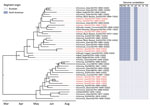
We combined the HPAI H5N1 genomes sequenced from seals (10 samples) with 40 closely related sequences (as determined by BLAST similarity search) collected from wild birds during April–September 2022. We trimmed individual viral segments (polymerase basic 1 and 2, polymerase acidic, hemagglutinin, nucleoprotein, neuraminidase, matrix, nonstructural) of regions flanking the open reading frames and concatenated. We removed duplicate sequences from the dataset, leaving 43 complete viral genomes, totaling 13,112 nt in length, which we aligned using MAFFT version 7.49 (https://mafft.cbrc.jpExternal Link). We used that alignment to estimate a time-scaled phylogenetic tree using BEAST version 1.10.4 (28). We performed tree estimations under the best fitting model of nucleotide substitution as determined by ModelFinder (generalized time-reversible model, empirical base frequencies, invariant sites, 4-category gamma distribution of rate heterogeneity) (29), a relaxed molecular clock with log-normal distribution, and a Gaussian Markov Random Field Bayesian skyride tree prior (30). We also ran 2 independent Markov Chain Monte Carlo chains (200 million steps, sampled every 20,000 steps), discarding the first 10% of samples from each chain as burn-in, and assessed the chains for convergence (based on effective sample size >200) using Tracer version 1.7.2 (31). We combined post–burn-in samples using LogCombiner version 1.10.4 and produced maximum clade credibility (MCC) trees by using TreeAnnotator version 1.10.4 (28).

Immunohistochemistry


For immunohistochemistry (IHC), we quenched paraffin tissue sections for 10 minutes in aqueous 3% hydrogen peroxide. We then retrieved epitopes using proteinase K for 15 minutes and rinsed. The primary antibody applied to the sections was a mouse monoclonal antibody specific for IAV nucleoprotein (F26NP9, produced in-house) used at a 1:5,000 dilution for 30 minutes. We visualized the primary antibody binding by using a horseradish peroxidase labeled polymer, the Dako EnVision+ system (anti-mouse) (Agilent, https://www.agilent.comExternal Link), reacted with chromogen diaminobenzidine. We then counterstained the section with Gill hematoxylin.

Top

Results

Stranding Data

23-1033-F1-tn.jpg

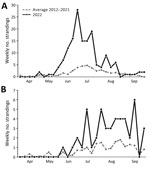
Figure 1. Weekly occurrences of stranded seals in an outbreak of highly pathogenic avian influenza A(H5N1) virus in seals, the St. Lawrence Estuary and Gulf, Quebec, Canada. Graphs compare strandings during April...

During April 1–September 30, 2022, a total of 209 dead or sick seals were reported in the waters bordering Quebec: 127 harbor seals, 47 gray seals, 6 harp seals (Pagophilus groenlandicus), 1 hooded seal (Cystophora cristata), and 28 seals of undetermined species. The number of dead or sick stranded harbor seals and seals of unknown species combined during that period of time (n = 55) was 3.7 times higher than the average annual number in the previous 10 years for the same period (n = 41.6), representing a statistically significant increase in number of strandings (t = 5.55, d.f. = 9; p<0.001) (Figure 1, panel A). A statistically significant increase of similar magnitude was noted for the number of gray seals found dead or sick during the second and third quarters of 2022 (47 in 2022 compared with an average of 12 in 2012–2021; t = 4.35, d.f. = 9; p = 0.002) (Figure 1, panel B). We observed no increase in mortality or morbidity for the other species of pinnipeds compared with the previous 10 years.

Descriptive Epidemiology and Necropsy Findings


Carcasses of 22 harbor seals, 3 gray seals, 1 harp seal, and 1 hooded seal found during April 22–October 6, 2022, were submitted for postmortem examination. On the basis of molecular detection of H5 and presence of lesions suggestive of IAV infection, HPAI H5N1 was identified as cause of death of 14 harbor seals and 1 gray seal (56%) (Table 1). Combined nasal and rectal swab samples were obtained on the shore from an additional 11 harbor seal and 1 gray seal carcasses, and HPAI H5N1 was identified in 6 of the harbor seals (50% of those sampled) (Table 1).
23-1033-F2-tn.jpg

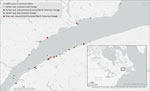
Figure 2. Geographic locations of stranded, dead, or sick seals infected by highly pathogenic avian influenza A(H5N1) virus during the 2022 outbreak in the St. Lawrence Estuary, Quebec, Canada. The locations of...

All 21 infected seals were found during May 30–July 8, 2022, in the estuarine segment of the St. Lawrence waterway, mainly on the south shore, between the towns of Baie-Comeau (49.2213°N, 68.1504°W) and Notre-Dame-du-Portage (47.7630°N, 69.6096°W) (Figure 2). Infections were detected in both <1 year old and adult seals with no age predilection. All the infected adult harbor seals (n = 9) were female, and 6 had evidence of recent parturition (active lactation, asymmetric uterine horns without the presence of a fetus, or both). The infected adult gray seal was male. There were 3 male and 7 female (and 1 nondetermined) infected <1 year old seals (Table 2). One of the infected seals was found alive with profound lethargy and neurologic signs. In addition, anecdotal observations of weak and dyspneic harbor seals were reported during the outbreak.
23-1033-F3-tn.jpg

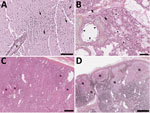
Figure 3. Histology section of thawed, formalin-fixed tissues from harbor seals (Phoca vitulina) infected by highly pathogenic avian influenza A(H5N1) virus in the St. Lawrence Estuary, Quebec, Canada, 2022. Hematoxylin...

Carcasses were attributed decomposition scores (21), varying from code 2–2.5 (fresh to mild decomposition) in 12 cases to code 3 (moderate decomposition) for 3 cases. Twelve seals were in excellent nutritional condition, 2 were thin, and 1 was emaciated. Postmortem findings (Table 3) showed notable gross lesions limited to lymphadenomegaly (submandibular and mesenteric lymph nodes), red-tinged foam in the tracheal lumen, and pulmonary congestion. Relevant histologic lesions (Table 3) included acute multifocal to diffuse mixed meningoencephalitis (Figure 3, panel A), characterized by a predominantly neutrophilic infiltrate with lymphocytes in Virchow-Robin spaces, the meninges, the submeningeal neuropil. Neuronal necrosis, satellitosis, and gliosis were also regularly observed. Acute fibrinosuppurative alveolitis, consisting of neutrophils with fibrinous aggregates in the alveolar lumen (Figure 3, panel B), was observed in 9/15 seals. Interstitial pneumonia, characterized by a mild to moderate mixed inflammatory infiltrate within the alveolar septa, was seen either concurrently or distinctively from the alveolitis. In addition to the inflammatory changes, alveolar emphysema, mild acute alveolar damage with hyaline membranes, and necrotic type 1 pneumocytes were sometimes present. Six animals presented multifocal necrotic foci of the adrenal cortex with infiltrates of degenerate neutrophils (Figure 3, panel C). Acute necrotizing thymitis, lymphadenitis, and splenitis were also observed and consisted of multifocal to coalescing zones of necrosis, mainly centered on cortical lymphoid follicles along with extensive lymphoid depletion (Figure 3, panel D). Lymph nodes were often reactive with an accumulation of histiocytic cells in the lymphatic trabeculae and medullary sinus, macrophages in the germinal centers, and an infiltration of the subcapsular sinus with granulocytes and macrophages. Other microscopic changes were seen in 6 cases with mild membranous glomerulonephritis, 4 cases with necrotizing fibrinous hepatitis of variable severity, 1 case of mild multifocal myocarditis with degenerate myofibers, and 1 animal with mild neutrophilic perivascular infiltration in the perimysium.
23-1033-F4-tn.jpg

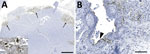
Figure 4. Detection of influenza virus antigen by immunohistochemistry in brain (A) and lung (B) of harbor seals (Phoca vitulina) infected by highly pathogenic avian influenza A(H5N1) virus, St. Lawrence...

Immunoreactivity for IAV antigen was observed in tissues from 12 of the 13 cases that were tested (Table 2). Variable abundance of antigens, from mild to extensive, was detected in different tissues, including the neuropils and neurons (Figure 4, panel A), pulmonary alveolar septa and glandular bronchial cells (Figure 4, panel B), renal glomeruli, spleen, pancreas, liver, vascular walls of skeletal muscle, lymph nodes, tracheal vessels, and adrenal glands. Those antigens were often associated with, but not limited to, necrotic foci. Virology Assessment

23-1033-F5-tn.jpg

Figure 5. Time-scaled phylogenetic tree of 43 highly pathogenic avian influenza A(H5N1) virus clade 2.3.4.4b complete viral genomes from seals and wild birds in the St. Lawrence Estuary, Quebec, Canada. Tree was...

The presence of IAV H5 RNA was confirmed by PCR in 15 necropsied seals and in 6 seals that were swabbed in the field (n = 21) (Table 2). All samples were negative for H7. All 15 necropsied seals had lesions suggestive of IAV on histology. In 4 cases, NCFAD confirmatory PCRs for H5 performed on combined rectal/nasal swab samples were negative but H5 RNA was detected by subsequent PCR on frozen lung or brain tissues. Virus isolation (using embryonated specific pathogen-free chicken eggs) was successful in 16 of those 21 cases. The 16 isolates were sequenced to determine the subtype and lineage of the H5 virus. All isolates belonged to Gs/GD lineage H5N1 clade 2.3.4.4b. Five isolates had fully Eurasian gene segments similar to the Newfoundland-like clade 2.3.4.4b H5N1 viruses that emerged in Canada in late 2021. The other 11 isolates were reassortant H5N1 viruses containing gene segments polymerase basic 1 and 2, polymerase acidic, and nucleoprotei, belonging to the North American lineage IAVs and hemagglutinin, neuraminidase, matrix, and nonstructural gene segments belonging to the Newfoundland-like clade 2.3.4.4b H5N1 viruses. Accordingly, the phylogenetic tree estimated from those sequences is bifurcated at the root between fully Eurasian and reassortant viruses (Figure 5). In both the fully Eurasian and reassortant lineages, sequences derived from wild birds are ancestral to the (well-supported and monophyletic) clades that include seals. That finding provides strong support for independent bird-to-seal spillover events for each viral lineage, rather than a single spillover and subsequent reassortment event in seals.

Top

Discussion


Investigation of increased deaths among the pinniped populations of the St. Lawrence Estuary and Gulf during the summer of 2022 detected HPAI H5N1 infections in harbor and gray seals. All necropsied seals that were positive for H5 by PCR also manifested histologic lesions consistent with IAV infection. The demonstration by IHC that IAV antigens were often associated with necrotic and inflammatory lesions further supports a causal relationship between this virus, the observed lesions, and the animal deaths. The almost 4-fold increase in summer deaths among harbor and gray seals compared with historic data could reasonably be explained, at least in part, by an HPAI H5N1 outbreak affecting those populations of seals.

Even though we observed good agreement between the different diagnostic modalities, a few discrepancies between the results are worth noting (Table 2): IHC failed to detect 1 infected seal; 4 cases that were considered only suspected based on an initial matrix or H5 PCRs by MAPAQ were later confirmed positive by NCFAD; and PCR results for combined nasal/rectal swab samples had a false-negative rate of 27% (4/15). Such differences in diagnostic results highlight the importance of a multistep diagnostic methodology to confirm avian IAV cases and demonstrate that surveillance efforts solely based on nasal/rectal swab sample PCR results likely grossly underestimate the actual prevalence of infection.

Most of the examined animals were in good nutritional condition with only minor macroscopic changes, except for noticeable lymphadenomegaly. However, some macroscopic changes possibly were overlooked because of postmortem and freezing artifacts. Inflammatory and necrotic changes were detected in several organs, including brain, lungs, adrenal glands, liver, and lymph. The central nervous system (100%) and the lungs (73%) were the most commonly affected organs. That neurotropism and respirotropism are similar to what has been reported in birds (32) and in mesocarnivores infected with HPAI H5N1 (12,15), as well as in 3 harbor seals from the North Sea near Germany infected with HPAI H5N8 (18). The predominantly neutrophilic nature of the meningoencephalitis is unusual for a viral infection and indicative of a very acute infection.

The route of transmission and the viral pathogenesis for HPAI infection have not been established in pinnipeds. In most mammals, including humans, IAVs are transmitted through inhaling aerosols or respiratory fomites from an infected individual and replicate primarily in respiratory epithelium. Previous reports of infections with low-pathogenicity avian influenza in pinnipeds are consistent with the same pathophysiology as with stranded sick seals displaying respiratory signs, whereas dead seals showed necrotizing hemorrhagic bronchitis and alveolitis (6,7). However, the clinical manifestations and postmortem lesions seen in various mammal species affected by HPAI H5N1, including the seals from this study, indicate a clear neurotropism (12,15,16). Neurologic signs, encephalitis, and a high load of viral antigens and RNA in the brain all point toward a different pathogenesis and possibly a different route of inoculation.

Most mammal species that have been reported to be infected by HPAI H5N1 are carnivores that are likely to prey or scavenge on wild birds. Consequently, ingestion of birds infected with HPAI is presumed to be the most likely source of infection in free-ranging wild mesocarnivores (12,15) and in sporadic cases of infected domestic or captive wild carnivores (33,34). That route of transmission, which has been proven successful by red foxes being experimentally infected with HPAI H5N1 clade 2.2 after eating infected bird carcasses (35), is also plausible in gray seals because this species is known to prey on sea birds, making a weakened bird or infected carcass a potential source of infection. However, that pathway of infection is unlikely for harbor seals because they are not known to predate or scavenge on birds. Consequently, transmission through environmental exposure, such as accidentally ingesting feces or feathers from infected birds, drinking fecal-contaminated water, or inhaling aerosols or respiratory fomites from infected avian carcasses, should be considered for harbor seals. All harbor seals that died of HPAI H5N1 in this population were found in relatively close proximity to islands used as pupping grounds. Some of those islands also harbor breeding colonies of marine birds, such as the common eiders (Somateria mollissima). Numerous cases of death caused by HPAI H5N1 were documented in those marine bird colonies during the same time period (Canadian Wildlife Health Cooperative database, unpub. data). Anecdotal observations of seals hauling out on sites where carcasses of eiders were present were reported during the outbreak. Those observations would support the hypothesis that harbor seals were exposed to HPAI H5N1 by close contact with infected marine birds. The infected harbor seals were also either newborn or female and in breeding age, supporting the link between the infections and contact with marine birds at pupping sites.

The fact that infections by HPAI H5N1 was documented in only 1 gray seal, even if that species was abundant in the St. Lawrence Estuary during the period of the outbreak (36), suggests either that gray seals are less sensitive to this virus or that they were less exposed to the virus compared with harbor seals. Indeed, in contrast to harbor seals that give birth to their pups in the spring/summer, the gray seal pupping season is in the winter. Therefore, that species is less likely to be in contact with potentially infected nestling colonial birds. The absence of documentation of cases of infections in seals in the St. Lawrence Gulf, where both species of seals are abundant (36), might be because nestling colonies of eiders are smaller in number and size and limited to the northern shore of the gulf, an area with a low density of potential observers.

The presence of HPAI H5N1 clade 2.3.4.4b viruses with 2 different genome constellations and the temporo-geographic distribution of the seals indicates that this outbreak was associated with >1 source of infection, an assertion supported by phylogenetic analyses. Some seal-derived sequences form monophyletic clades that exclude those from wild birds (e.g., samples FAV-0836-1, FAV-0836-2, and FAV-0836-6; Figure 5), suggesting a common source of infection for those seals. However, with the data currently available, we cannot determine if direct seal-to-seal transmission occurred. In addition, the absence of cases of HPAI H5N1 in seals from the St. Lawrence Estuary since the original outbreak (Canadian Wildlife Health Cooperative database, unpub. data) suggests that this condition has not become endemic in this population of marine mammals.

In conclusion, the infection of mammal species such as seals by HPAI H5N1 viruses raises concern about recent viral mutations making possible entry and replication within mammalian cells. From a human health perspective, such changes in viral host range warrant continued vigilance to detect a potentially deadly epidemic before its emergence. In addition, marine mammals, such as seals or other pinnipeds, might act as reservoirs for this virus, which could contribute to increasing risk for mutations and viral reassortment, favoring the infection of new mammal hosts. Therefore, monitoring the occurrence and molecular characteristics of this HPAI virus in populations of wild marine mammals is essential for assessing the public health risk associated with this emerging pathogen–host dynamic.

Top

Dr. Lair is a professor in Wildlife Health at the Faculté de médecine vétérinaire of the Université de Montréal, where he serves as the Canadian Wildlife Health Cooperative regional director for the province of Quebec.

...

https://wwwnc.cdc.gov/eid/article/30/6/23-1033_article

 
Canada - Influenza A viruses of high pathogenicity (Inf. with) (non-poultry including wild birds) (2017-) - Follow up report 19


GENERAL INFORMATION

COUNTRY/TERRITORY OR ZONE
COUNTRY/TERRITORY

ANIMAL TYPE
TERRESTRIAL

DISEASE CATEGORY
Listed disease

EVENT ID
4438

DISEASE
Influenza A viruses of high pathogenicity (Inf. with) (non-poultry including wild birds) (2017-)

CAUSAL AGENT
Highly pathogenic avian influenza virus

GENOTYPE / SEROTYPE / SUBTYPE
H5N1

START DATE
2022/04/03

REASON FOR NOTIFICATION
Unusual host species

DATE OF LAST OCCURRENCE- CONFIRMATION DATE
2022/05/02

EVENT STATUS
On-going

END DATE- SELF-DECLARATION

NO REPORT INFORMATION

REPORT NUMBER
Follow-up report 19

REPORT ID
FUR_167454

REPORT REFERENCE- REPORT DATE
2024/05/26

REPORT STATUS
Validated

NO EVOLUTION REPORT

EPIDEMIOLOGY SOURCE OF EVENT OR ORIGIN OF INFECTION
  • Contact with wild species
  • Unknown or inconclusive
EPIDEMIOLOGICAL COMMENTS
We report a case of highly pathogenic avian influenza (HPAI) H5N1 virus in a grey seal from Québec sampled in 2022. Outbreaks are reported by province/territory. The geographical marker is on the capital. For detailed and current information on high pathogenicity avian influenza cases in wildlife, please consult : http://www.cwhc-rcsf.ca/avian_influenza.php

QUANTITATIVE DATA SUMMARY

MEASURING UNIT
Animal

SpeciesSusceptibleCasesDeathsKilled and Disposed ofSlaughtered/ Killed for commercial useVaccinated Cats (DOMESTIC)NEW------TOTAL4211-- Dogs (DOMESTIC)NEW------TOTAL-11--- Domestic cat (WILD)NEW------TOTAL-33--- Gray Seal (WILD)NEW-11---TOTAL-11--- Striped Skunk (WILD)NEW------TOTAL-77437-- American Mink (WILD)NEW------TOTAL-321-- Harbor Seal (WILD)NEW------TOTAL-1717--- Racoon (Northern raccoon) (WILD)NEW------TOTAL-32--- American Black Bear (black bear) (WILD)NEW------TOTAL-211-- Red Fox (WILD)NEW------TOTAL-47377-- All speciesNEW-11---TOTAL415610817--

DIAGNOSTIC DETAILS

CLINICAL SIGNS
YES

METHOD OF DIAGNOSTIC
Diagnostic test
Gene sequencingNational Centre for Foreign Animal Disease (NCFAD), Winnipeg, ManitobaAmerican Mink,Red Fox,American Black Bear (black bear),Racoon (Northern raccoon),Striped Skunk,Dogs,Harbor Seal,Domestic cat,Cats452022/05/012024/05/02Positive
Real-time reverse transcription polymerase chain reaction (rRT-PCR)National Centre for Foreign Animal Disease (NCFAD), Winnipeg, ManitobaDogs,Harbor Seal,American Black Bear (black bear),Red Fox,Striped Skunk,American Mink,Racoon (Northern raccoon),Domestic cat,Cats452022/05/022024/05/02Positive


https://wahis.woah.org/#/in-review/4438
 
Back
Top