• FluTrackers.com Inc. does not provide medical advice. Information on this web site is collected from various internet resources, and the FluTrackers board of directors makes no warranty to the safety, efficacy, correctness or completeness of the information posted on this site by any author or poster. The information collated here is for instructional and/or discussion purposes only and is NOT intended to diagnose or treat any disease, illness, or other medical condition. Every individual reader or poster should seek advice from their personal physician/healthcare practitioner before considering or using any interventions that are discussed on this website. By continuing to access this website you agree to consult your personal physican before using any interventions posted on this website, and you agree to hold harmless FluTrackers.com Inc., the board of directors, the members, and all authors and posters for any effects from use of any medication, supplement, vitamin or other substance, device, intervention, etc. mentioned in posts on this website, or other internet venues referenced in posts on this website.
  • We are not asking for any donations. Do not donate to any entity who says they are raising funds for us.

Missouri: Unusual respiratory virus, enterovirus 68, strikes metro kids

JimO

Well-known member
Unusual respiratory virus strikes metro kids

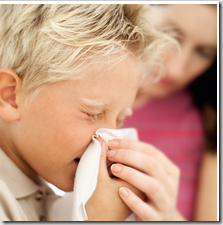
KANSAS CITY, Mo. ? An unusual respiratory virus is striking children in the metro in big numbers. Children?s Mercy Hospital is hospitalizing 20 to 30 kids a day with the virus. The hospital is as full now as it is at the height of flu season.

This is not the same virus we told you about several weeks ago that can cause meningitis. This one can cause severe breathing trouble. Children?s Mercy has seen more than 300 cases in recent days in kids of all ages.

-snip-

?To be at winter census is quite unusual in August obviously. To see a virus we?ve not seen before is unusual, too,? said Dr. Mary Anne Jackson, an infectious disease specialist.

It is enterovirus 68. The doctor says it?s well-known around the world, but cases have not been seen in Kansas City before.

?We have about 10 to 15 percent who have severe illness from this virus which actually acts like asthma exacerbations,? said Dr. Jackson.

She says about two-thirds of the hospitalized cases are in children like Preston who have a history of asthma or wheezing. But others are having trouble breathing, too. She says the virus will produce an ordinary cold in many kids. What should parents watch for?

?The difficulty breathing is a very obvious tip-off sign they need to come into the hospital,? said Dr. Jackson.

-snip-

There?s no anti-viral medicine for enterovirus 68 and no vaccine. Supportive care, including oxygen, has helped Preston. His mom is glad they didn?t wait to go to the emergency room.

?Cause it can hit really fast. And without medical treatment, it could get really bad,? she said.

http://fox4kc.com/2014/08/28/unusual-respiratory-virus-enterovirus-68-strikes-metro-kids/
 
Re: MO: Unusual respiratory virus, enterovirus 68, strikes metro kids

Re: MO: Unusual respiratory virus, enterovirus 68, strikes metro kids

hat tip Michael Coston


Kansas City Outbreak Identified As HEV 68


Credit CDC ? Non Polio-Enteroviruses


# 9016

Local media reports (see Unusual respiratory virus strikes metro kids) from Kansas City, Mo. indicate that a rarely seen ? and not yet well understood ? respiratory virus called HEV 68 (Human Enterovirus 68) has sickened hundreds of kids in the region this week, and that the local Children?s Hospital is unusually at full census in late August.

Without specifying the pathogen, Children?s Mercy Hospital posted the following notice yesterday on their website: Viruses in the Community Prompt Inpatient Visiting Restrictions.
I?ve checked the local and state Health departments but can find no official statement regarding this respiratory outbreak. Hopefully we?ll get some official confirmation soon, but assuming local media reports are correct . . .

Enteroviruses encompass a large family of small RNA viruses that include the three Polioviruses, along with myriad non-polio serotypes of Human Rhinovirus, Coxsackievirus, echovirus, and human, porcine, and simian enteroviruses. We?ve looked at EV-71 and the Coxsackieviruses on numerous occasions in regards to AFP (Acute Flaccid Paralysis) and HFMD (see here, here & here).

According to theCDC Non-Polio Enteroviruses (NPEVs) cause 10 to 15 million ? mostly mild and often asymptomatic ? infections in the United States each year, primarily among infants, children, and teenagers. Fever, runny nose, sneezing, coughing, a skin rash or mouth blisters, and body and muscle aches are the most commonly reported symptoms.
First isolated in 1962, EV 68 (genus Enterovirus - family Picornaviridae ? species HEV-D) has only rarely been identified over the years. In 2011 ? in MMWR: Clusters Of HEV68 Respiratory Infections 2008-2010 ? we looked at a half dozen HV 68 associated clusters which occurred in Asia, Europe, and the United States during 2008--2010.

A few excerpts from that report:

HEV68 infection was associated with respiratory illness ranging from relatively mild illness that did not require hospitalization to severe illness requiring intensive care and mechanical ventilation. Three cases, two in the Philippines and one in Japan, were fatal. In these six clusters, HEV68 disproportionately occurred among children.
<SNIP>
This report highlights HEV68 as an increasingly recognized cause of respiratory illness. Clinicians should be aware of HEV68 as one of many causes of viral respiratory disease and should report clusters of unexplained respiratory illness to the appropriate public health agency.
<SNIP>
The spectrum of illness caused by HEV68 remains unclear. HEV68, like other enteroviruses, has been associated with central nervous system disease (9). Further investigation could help clarify the epidemiology and spectrum of disease caused by HEV68. Some diagnostic tests might not detect HEV68 or might misidentify it as an HRV

Unlike influenza, classic enteroviruses tend to break out in summer-to-fall, although EV 68 has been observed to occur well into the winter season. The largest outbreak characterized by this MMWR report involved 28 children and adolescents from Pennsylvania in the fall of 2009.

Since the vast majority of mild-to-moderate respiratory infections are never tested, the actual incidence of this viral infection isn?t well understood, but it tends to be among the least commonly identified enteroviruses.
In recent years, with advances in microbiology and sequence-independent amplification of viral genomes, the ability of laboratories to identify new or rarely seen viruses has steadily improved, and so it is hard to know whether these recent clusters indicate that the incidence of EV 68 is increasing, or they are a result of better surveillance and testing.

Unlike other enteroviruses which can produce a wide spectrum of respiratory, gastrointestinal, and neurological symptoms ? EV 68 is mainly associated with respiratory symptoms ? although it was tentatively linked to two of five children (see Acute Flaccid Paralysis Cases In California) who developed a rare polio-like syndrome last winter.

Whether EV-68 was actually the cause of these paralysis cases, or simply an incidental finding, is something that will require more research to establish.
Although there is no vaccine and no specific treatment for this virus, there are things that can be done to protect yourself. In addition to the standard `flu? etiquette urged every year (hand washing, covering coughs, sneezes, staying home when sick), the CDC?srecommendations to prevent NPEV transmission include:

You can help protect yourself and others from non-polio enterovirus infections by?

  • Washing your hands often with soap and water, especially after using the toilet and changing diapers,
  • Avoiding close contact, such as touching and shaking hands, with people who are sick, and
  • Cleaning and disinfecting frequently touched surfaces.
According to Dr. Mary Anne Jackson, an infectious disease specialist interviewed yesterday by local media, roughly 10%-15% of the children currently affected in Kansas City are experiencing serious illness, and that it is hitting kids with asthma particularly hard.

With schools just letting in for the fall, we?ll want to keep a close eye on this outbreak to see how it progresses, and if it spreads to other areas of the country.

Posted by Michael Coston at <a class="timestamp-link" href="http://afludiary.blogspot.ca/2014/08/kansas-city-outbreak-identified-as-hev.html" rel="bookmark" title="permanent link"><abbr class="published" itemprop="datePublished" title="2014-08-29T04:59:00-04:00">4:59 AM</abbr>
 
Re: MO: Unusual respiratory virus, enterovirus 68, strikes metro kids

Re: MO: Unusual respiratory virus, enterovirus 68, strikes metro kids

Source: http://fox4kc.com/2014/08/29/respiratory-illness-in-metro-strikes-other-children-in-missouri-too/

Respiratory illness in metro strikes other children in Missouri, too
Posted 4:55 pm, August 29, 2014, by Meryl Lin McKean

KANSAS CITY, Mo. — A new respiratory illness to our area is sickening hundreds of kids, and it’s causing trouble in other parts of Missouri, too.

Children’s Mercy Hospital has seen more than 300 cases since mid-August. A doctor there says it is enterovirus 68. The children have difficulty breathing. Ten to 15 percent are needing intensive care.

St. Louis Children’s Hospital says it’s seen more than a hundred kids with similar symptoms in the past week. That hospital, like Children’s Mercy, is full.

A spokesperson for the Centers for Disease Control told FOX 4, “CDC has heard from several state health departments and children’s hospitals about an increase in admissions with severe respiratory illness. We have received samples and are testing to determine the cause or causes.”...
 
Last edited by a moderator:
Re: Missouri: Unusual respiratory virus, enterovirus 68, strikes metro kids

Source: http://www.tribtown.com/view/story/b7a946e82c0648d18081bbf601f979f1/MO--Respiratory-Illness-Children


Hundreds of Kansas City-area children treated at pediatric hospital for respiratory illness
bug

THE ASSOCIATED PRESS
First Posted: September 02, 2014 - 2:38 pm
Last Updated: September 02, 2014 - 2:41 pm

KANSAS CITY, Missouri ? A Kansas City pediatric hospital has treated hundreds of young children for a respiratory illness that has symptoms similar to a common cold that more typically is seen during winter months.

Children's Mercy Hospital spokesman Jake Jacobson says the facility has been seeing about 30 new patients a day who have been sickened by human enterovirus 68, with a total of about 450 cases as of Tuesday...
 
Back
Top