MN Dept. of Health
News Release
Dec. 18, 2025
As respiratory disease activity increases, health officials recommend vaccination
Experts recommend all eligible people get their flu, COVID-19 and RSV vaccines
With an uptick in respiratory disease activity in recent weeks, and many end-of-year celebrations and gatherings happening, health officials are reminding Minnesotans that vaccination is one of the best ways to help prevent the spread of respiratory diseases.
Influenza (flu), COVID-19 and respiratory syncytial virus (RSV) are all viruses that can spread easily and make people very sick. They are called respiratory viruses because they attack the nose, throat and lungs. While these viruses may only cause mild illness for some people, they can cause severe illness — leading to hospitalization and even death — for others.
A wealth of scientific evidence shows that vaccinations for flu, COVID-19 and RSV help prevent illness, and help lower the risk of hospitalization and death if people do become infected.
“Now is the time to get vaccinated – it’s not too late. Don’t risk missing out on gatherings and celebrations or, maybe worse, spreading a respiratory disease to a loved one,” said Minnesota Commissioner of Health Dr. Brooke Cunningham. “Getting vaccinated goes a long way to helping you have a happier and healthier holiday season and start to the new year.”
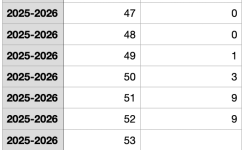
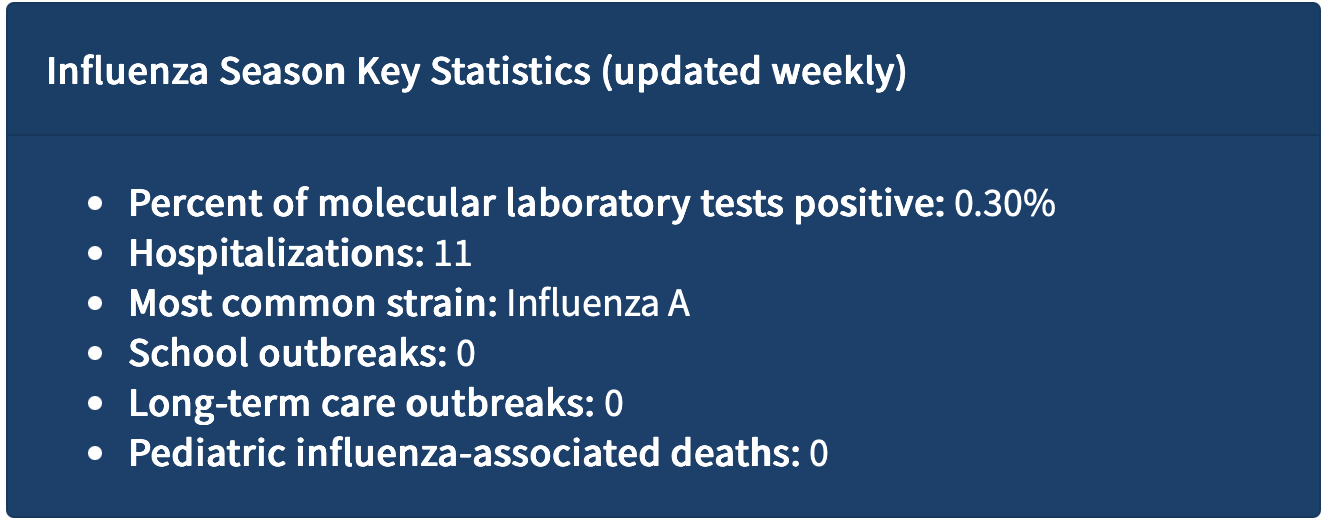
Respiratory disease activity has been increasing across the state in recent weeks. This has been particularly true for flu with flu hospitalizations having more than doubled since Thanksgiving. It’s still too early to determine the dominant flu strain of the season or how severe the season will be. That is why taking steps to get protected now is important.
Although cases of COVID-19 and RSV are lower than flu at this time, officials are starting to see an increase in activity for these viruses as well. For example, reports of respiratory illness outbreaks in schools (which may include flu, COVID-19 or RSV) have been increasing recently.
Infants and young children are among those who are particularly at risk of getting very sick from flu, COVID-19 and RSV. Others at higher risk of getting very sick are adults age 65 and older; pregnant people; and anyone who has an underlying medical condition like diabetes, heart disease, lung disease, a weak immune system and more.
A summary of vaccination recommendations for the 2025-26 season includes:
- Flu - Everyone 6 months of age and older is recommended to get a flu vaccine each year.
- COVID-19 - Everyone 6 months of age and older can get the updated COVID-19 vaccine. It is especially important for people who are under 2 years of age, pregnant, 65 years and older, or have a health condition that puts them at higher risk for getting very sick.
- RSV - Infants, pregnant people and older adults are recommended to receive an RSV immunization if they have not received it before.
More information is available on the
2025-26 Combined Respiratory Vaccine Recommendations (PDF) chart from the Minnesota Department of Health (MDH).
These vaccination recommendations align with those of the American Academy of Pediatrics, the American Academy of Family Physicians and the American College of Obstetricians and Gynecologists. Health officials recommend people talk to their health care provider about what vaccines are recommended for you and your family.
Flu, COVID-19 and RSV vaccines are available at many locations. People can start with their regular clinic or health care provider. Other options include your local public health department or local pharmacy. There may also be community vaccination clinics offered near you. For additional information, visit MDH’s
Where to Get Vaccinated webpage.
Vaccines are covered by most insurance plans. For those that do not have insurance, the
Minnesota Vaccines for Children program and the
Uninsured and Underinsured Adult Vaccine program provide free or low-cost vaccines.
Along with getting vaccinated, health officials recommend people take these additional steps to help prevent the spread of disease:
- Wash your hands often.
- Cover your coughs and sneezes.
- Stay home if you are sick.
- Consider wearing a mask if you are not feeling well and have to go out in public.
For more information on vaccines, visit the MDH
Immunization website. For the latest data on respiratory disease activity, visit
Viral Respiratory Illness in Minnesota.
-MDH-
https://www.health.state.mn.us/news/pressrel/2025/vaccine121825.html


 ... https://www.health.state.mn.us/diseases/flu/stats/index.html