WHO Director-General's opening remarks at the media briefing – 2 October 2025
2 October 2025
...
As you know, next Tuesday the 7[SUP]th[/SUP] of October marks two years since the horrific attacks on Israel by Hamas and other armed groups, in which 1200 people were killed and 251 people were taken hostage into Gaza.
Those attacks led to two years of conflict in Gaza, in which more than 66 000 people have been killed, 70% of them women and children.
Thousands more are missing, presumed dead.
WHO welcomes the peace plan for Gaza proposed by President Trump, and supported by other countries in the region and beyond.
We welcome the proposal for an immediate end to the conflict;
For the release of all hostages;
For the resumption of humanitarian aid;
For the reconstruction of Gaza, including its hospitals;
And for peaceful and prosperous coexistence for Palestinians and Israelis.
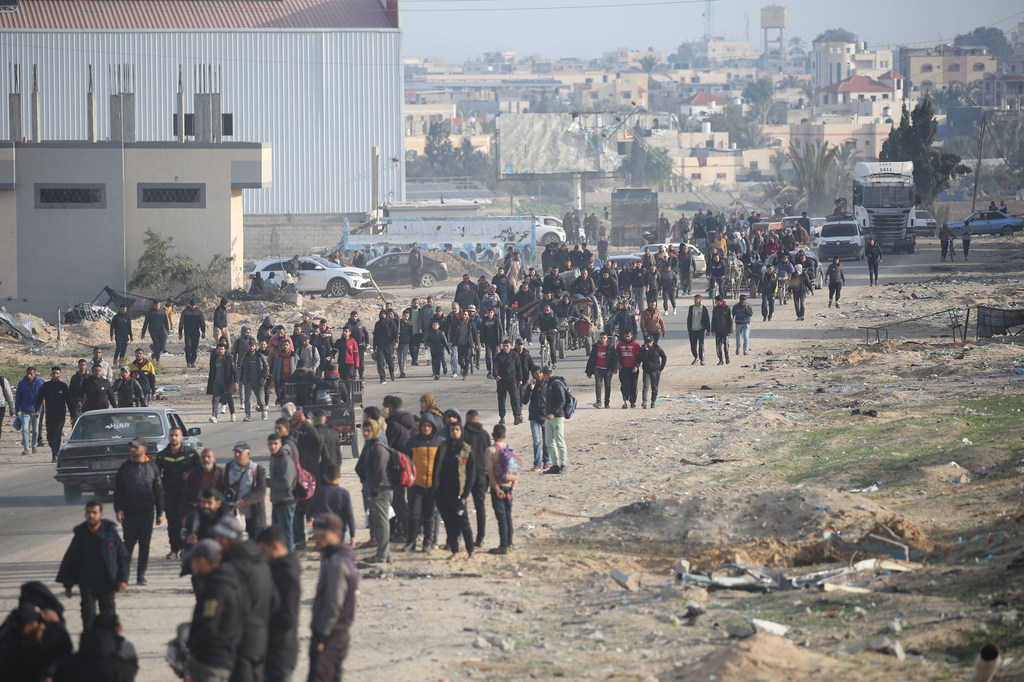
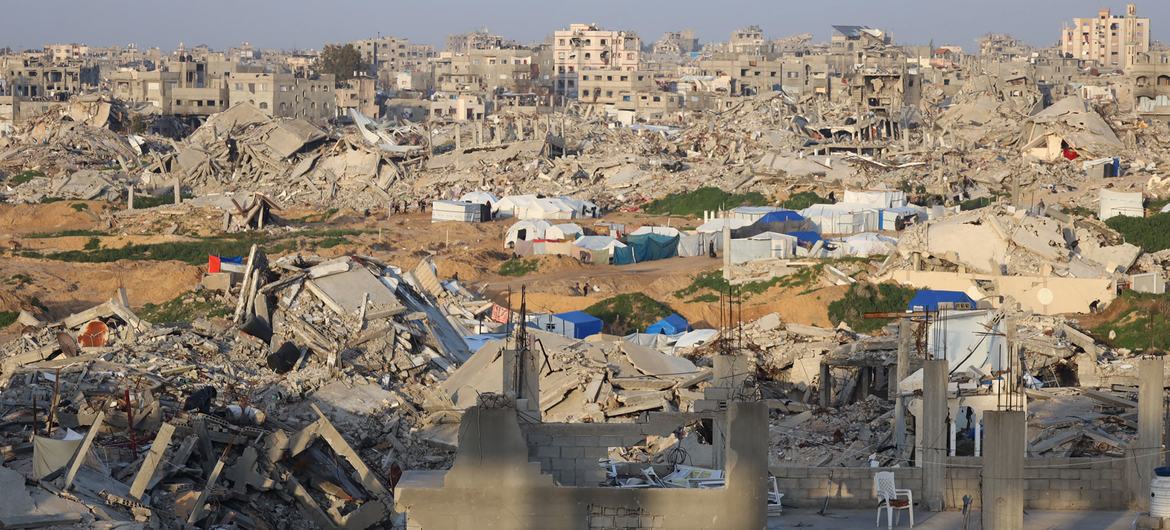
Two years of conflict have devastated the health system and inflicted relentless suffering on Palestinians.
Currently, only 14 of Gaza’s 36 hospitals are functioning even partially.
Health and humanitarian workers, including WHO staff, have been on the ground throughout the conflict under extreme and unsafe conditions, with minimal supplies, food, transport, and fuel.
Some have paid the ultimate price. According to Gaza’s Ministry of Health, almost 1800 health workers have been killed, and at least 543 aid workers.
WHO’s work has been built on three main pillars.
First, delivering essential health services. WHO is the main provider of medicines and medical supplies in Gaza. Over the past two years, we have provided supplies that have supported more than 22 million treatments and surgeries.
We have coordinated more than 50 emergency medical teams, made up of medical experts from around the world, who have operated field hospitals, clinics and delivered essential services across the full spectrum of health needs.
We have provided almost 17 million litres of fuel to health facilities and ambulances;
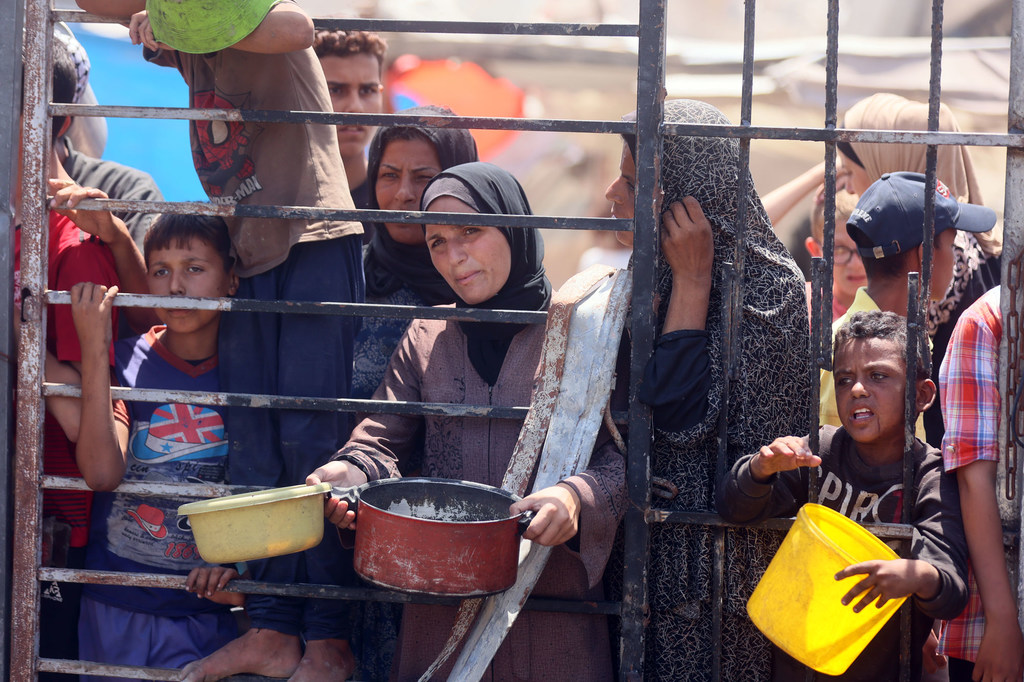
And we have supported the treatment of more than 500 severely malnourished children.
The second pillar of our response has been on public health intelligence, early warning and prevention and control of communicable diseases.
Together with our partners, we led a vaccination campaign that protected 600 000 children from polio;
We’re working with over 700 health facilities in Gaza and the West Bank to track the availability of health services and resources;
And we’re working with almost 100 health facilities to monitor and respond to disease outbreaks.
The third pillar of our response is health emergency coordination.
Over the past two years, we have coordinated 88 partners in Gaza and 35 in the West Bank through various technical working groups.
Together, we have provided 31 million consultations, and care for 1.6 million trauma cases and 2.6 million mental health-related cases.
The destruction of civilian infrastructure in Gaza is immense and will take a long time to rebuild.
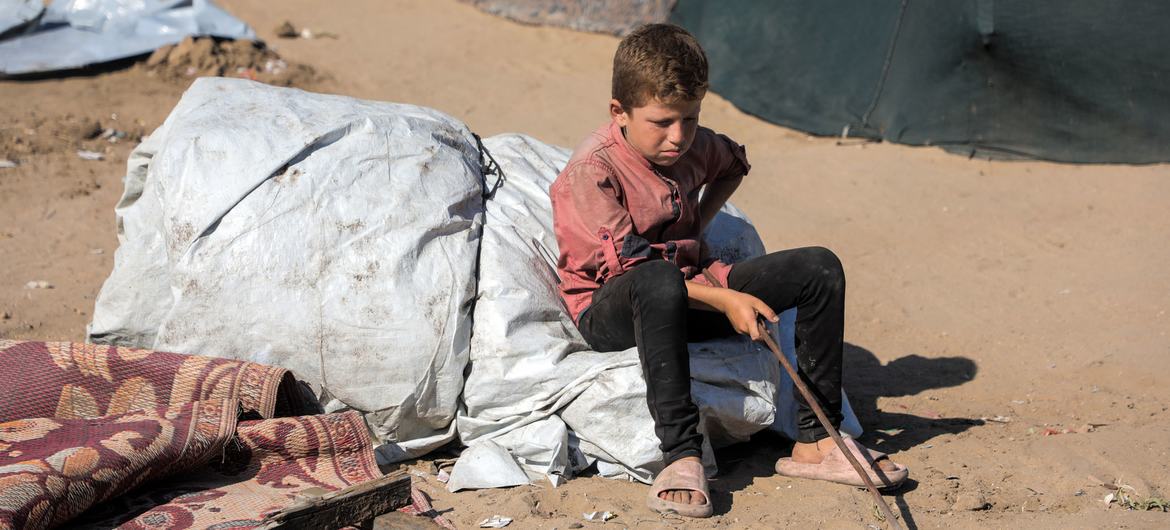
The damage to people – physically and mentally – is even worse.
New data from WHO illustrate the extent of the harm that has been done to the people of Gaza and their health system.
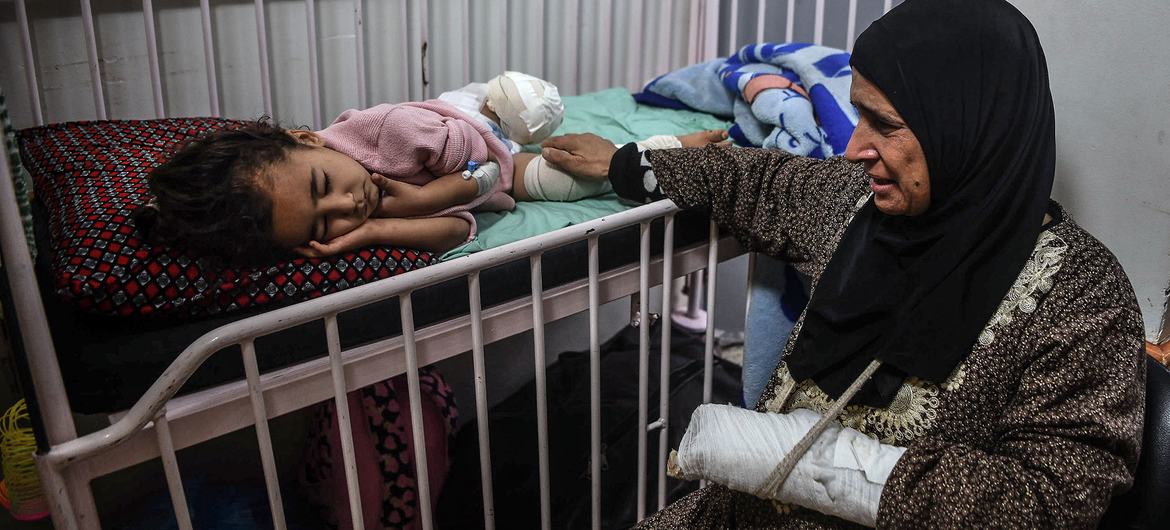
In addition to the 66 000 people killed, almost 170 000 people have been injured in Gaza.
WHO estimates that at least one quarter of those have potentially life-changing injuries that require immediate and ongoing rehabilitation.
The most common injuries requiring rehabilitation are blast injuries to legs and arms.
Other major injuries include amputations, burns, spinal cord injuries and traumatic brain injuries.
Severe facial and eye injuries are also common, resulting in significant impairment and disfigurement.
Of course, rehabilitation services are also essential for people with noncommunicable diseases and disability.
But just when they are needed most, attacks, insecurity and displacement have put them out of reach.
The explosions that cause these injuries also destroy the health facilities and services needed to deal with them.
Over the past two years, WHO has verified 1719 attacks on health in Gaza and the West Bank, resulting in more than 1000 deaths and 1800 injuries.
Add to that famine in some parts of Gaza, unsanitary living conditions, disease outbreaks and severe ongoing stress.
Many of those with severe injuries and noncommunicable diseases need specialized medical care that is not available in Gaza.
Since the conflict began almost two years ago, WHO has supported the evacuation of 7841 patients for medical treatment outside Gaza.
Since the Rafah crossing was closed in May last year, WHO assumed responsibility for coordinating all medical evacuations.
Most evacuations are for trauma, cancer care, heart disease, eye care and congenital anomalies.
Egypt, the UAE, Qatar, Turkey, Jordan and European Union countries have been the largest recipients of medical evacuees, and I thank all those countries for opening their arms to these patients.
However, about 15 600 patients are still awaiting medical evacuation, including 3800 children.
And at the moment we are only able to conduct evacuations once a week.
I call on more countries to open their arms to these patients;
I call for medical evacuation to be restored to the West Bank, including East Jerusalem;
And I call for the frequency of evacuations to increase.
WHO was in Gaza before this conflict began, we have been there throughout, we will continue to be there as long as this conflict lasts, and when it ends – as all conflicts do – we will be there to help rebuild Gaza’s health system and its people.
But as I always say, the best medicine is peace.
Two years of conflict have brought nothing but death, destruction, disease and despair.
We are dismayed by media reports that Hamas may reject the peace plan.
The most courageous choose peace, so I call on all parties to this conflict to choose peace, now.
Finally, today is Yom Kippur, the holiest day of the year for Jews.
I wish all those who observe it Gemar chatimah tovah.
May this Yom Kippur bring peace, forgiveness and renewal.
...
https://www.who.int/news-room/speec...emarks-at-the-media-briefing---2-october-2025