• FluTrackers.com Inc. does not provide medical advice. Information on this web site is collected from various internet resources, and the FluTrackers board of directors makes no warranty to the safety, efficacy, correctness or completeness of the information posted on this site by any author or poster. The information collated here is for instructional and/or discussion purposes only and is NOT intended to diagnose or treat any disease, illness, or other medical condition. Every individual reader or poster should seek advice from their personal physician/healthcare practitioner before considering or using any interventions that are discussed on this website. By continuing to access this website you agree to consult your personal physican before using any interventions posted on this website, and you agree to hold harmless FluTrackers.com Inc., the board of directors, the members, and all authors and posters for any effects from use of any medication, supplement, vitamin or other substance, device, intervention, etc. mentioned in posts on this website, or other internet venues referenced in posts on this website.
  • We are not asking for any donations. Do not donate to any entity who says they are raising funds for us.

Mexico - New World Screwworm (NWS) outbreak 2025-2026

Source: https://www.reuters.com/business/he...thin-31-miles-us-border-says-usda-2026-05-29/

Flesh-eating screwworm found within 31 miles of US border, says USDA
By Heather Schlitz
May 29, 20267:09 PM EDTUpdated 20 hours ago​

CHICAGO, May 29 (Reuters) - A devastating parasitic fly that eats warm-blooded animals alive and could cause millions of dollars in economic ​damage to the U.S. economy has been found in a young sheep ‌in Mexico within 31 miles (50 km) of the U.S. border, the U.S. Department of Agriculture reported on Friday.

The detection heightens the risk for America's beef industry and cattle producers, who ​have feared for more than a year that the pest would cross ​into the U.S. and infect livestock after spreading northward in Mexico.​

This ⁠latest detection of the fly, New World Screwworm, was in a six-month-old sheep ​in Mexico's Coahuila state, according to USDA data. It was the closest the ​parasite has come to the U.S. during the most recent outbreak, despite a sprawling effort by USDA and Mexico to contain the pest.

Experts cautioned that if the fly enters the U.S., ​it could further spike record beef prices by keeping more calves out of ​the U.S. cattle supply. An outbreak in the U.S. could cause $1.8 billion in damage to ‌Texas' ⁠economy alone, according to a USDA estimate. Texas is the biggest U.S. cattle-producing state.​...
 
Text and image translated by Google
(screenshot)


image.png


Page 86/91
  • Epidemiological Week 19
https://www.gob.mx/salud/documentos/...rmacion-417103
 
New World screwworm threat continues as USDA, Texas tries to stop it

Mateo Rosiles
USA TODAY NETWORK
June 2, 2026, 4:55 p.m. ET​


A parasitic fly that was eradicated from the United States in the 1960s has been slowly creeping back after being detected within 25 miles of the Texas-Mexico border, marking its closest approach to American soil to date.

U.S. Department of Agriculture Sec. Brooke Rollins said on a media call on Tuesday, June 2, that her department is actively working to prevent the New World screwworm from entering the U.S., but if it does, it is ready to combat it.

more....https://www.usatoday.com/story/news...-mounts-us-texas-border-response/90372704007/
 
Source: https://buzos.com.mx/noticia/suma-mexico-446-miasis-por-gusano-barrenador-en-humanos

Mexico Reports 446 Cases of Screwworm Myiasis in Humans
Adamina Márquez June 24, 2026
Puebla led the number of new infections reported in the last week; the country has recorded two deaths associated with this disease.

Mexico reached 446 cumulative cases of screwworm myiasis in humans, after the Federal Ministry of Health confirmed 34 new infections during epidemiological week 23.

According to the Ministry's Epidemiological Bulletin, the new cases were detected in 10 states. Puebla had the highest number of cases with 10, followed by Veracruz with 9, Oaxaca with 6, and Chiapas with 3. One case each was reported in Mexico City, Colima, Guerrero, the State of Mexico, Quintana Roo, and Yucatán.

Official data shows that 329 of the 446 accumulated cases occurred in 2026, representing 73.7 percent of the total, while the remaining 117 were reported during 2025.

The increase in infections in Puebla led the state to climb to fifth place nationally, with 29 accumulated cases.

Chiapas continues to be the state most affected by this disease, with 142 registered cases. It is followed by Veracruz, with 79; Oaxaca, with 42; Yucatán, with 34; Puebla, with 29; Guerrero, with 27; Quintana Roo, with 20; Hidalgo and San Luis Potosí, with 13 each; Tabasco, with 12; and Campeche, with 10.

In a second group are the State of Mexico with 5 cases; Mexico City, Michoacán, and Querétaro with 3 each; Colima, Guanajuato, Jalisco, Morelos, and Nuevo León each have two cases; while Tamaulipas has one.

The report from the Ministry of Health also confirms that the country has two deaths associated with screwworm myiasis, one in Oaxaca and the other in Yucatán.

Myiasis is an infestation caused by fly larvae that invade living tissue and pose a risk to human and animal health, especially in regions with conditions favorable for the parasite's reproduction.
 
Translation Google

​GOVERNMENT
OF THE STATE
OF CHIHUAHUA


Rural Development Secretariat confirms first case of Cattle Screwworm

accf95fe-b611-4803-aa54-5eeba31b9b9f.jpg

The agency urges continued vigilance and timely reporting.

Tuesday, July 14, 2026

The Secretariat of Rural Development (SDR) confirmed the first case of Cattle Screwworm (GBG) in the state, after a report made by a producer allowed the activation of the established health care protocols.

The head of the agency, Mauro Parada Muñoz, said that this fact shows the importance of the culture of prevention and the coordination that has been strengthened during the last two years between producers, state and federal authorities and specialized organizations.

“The most important thing is that producers report any suspicions. That is one of the objectives of the preventative work we have been doing for the past two years: to build trust, provide training, and have mechanisms in place that allow us to act immediately in the event of any problem,” he said.

The official emphasized that the state administration maintains a policy of maximum sanitary surveillance to protect the livestock sector, so prevention measures were never relaxed, even when Chihuahua remained free of this plague.

He explained that the behavior of GBG is closely related to climatic factors, since wind currents and storms can favor the movement of the transmitting fly over long distances, so permanent prevention is essential.

As part of the federal and state protocol, specialized personnel are already working on the sanitation of the ranch where the case was detected, through the cleaning and treatment of the affected site.

In addition, a focal zone with a radius of 20 kilometers and a perifocal zone of 40 kilometers will be addressed, where inspections will be carried out, the preventive application of the antiparasitic ivermectin and other sanitary products will be applied, traps will be set up to monitor the fly and livestock will be checked on neighboring properties.

These treatments will be covered by the State and Federal governments, so producers will not have to make any payment for the actions resulting from this health campaign.

Parada Muñoz reiterated that Chihuahua has the technical capacity, specialized personnel and permanent coordination with the National Service for Agrifood Health, Safety and Quality (Senasica), the State Committee for Livestock Development and Protection, and the International Regional Organization for Agricultural Health (OIRSA).

It is also working closely with the Mexico-United States Commission for the Prevention of Foot-and-Mouth Disease and Other Exotic Animal Diseases (CPA), as well as with authorities in the neighboring country to the north, to contain this case and prevent the spread of the plague.

He called on producers to constantly check their animals, avoid leaving wounds unattended, and immediately report any suspicious injuries, as early detection is the most effective tool for containing the disease.

The head of Livestock at the SDR, Juan Carlos Flores Márquez, reported that as part of the new national health regulations, from this day forward all livestock leaving or entering the state territory must carry the certificate of ivermectin application.

The corresponding physical inspection must also be carried out in the case of animals intended for slaughter, a measure that will strengthen the control of livestock movement and protect the health of the state.

https://www.chihuahua.gob.mx/prensa...l-primer-caso-de-gusano-barrenador-del-ganado
-------------------------------------------------------------------------------------------------

State Government continues sanitary sweep to prevent GBS in Parral

947690af-7328-4689-81ed-7035f2ac76fc.jpg

- Landowners and livestock owners located in the focal and perifocal zones are urged to cooperate with the brigades.

Monday, July 20, 2026

The Secretariat of Rural Development (SDR) reported that they are continuing with the preventive sanitary sweep against the Cattle Screwworm (GBG), in the municipality of Hidalgo del Parral.

In light of these actions, the agency urged owners of properties, livestock, or Livestock Production Units (UPP) located within the focal and perifocal zone to contact technical staff to coordinate inspection visits.

Producers can contact veterinarians Julio César Navarrete at 656 269 9045, or Karina Chávez at 614 516 1248, to facilitate access for the brigades, clinically examine the cattle, treat their wounds when necessary, and apply ivermectin, all free of charge.

The brigades are made up of four specialists from the International Regional Organization for Agricultural Health (OIRSA), staff from the SDR, veterinarians and flyers from the agency, as well as staff from the State Committee for Livestock Development and Protection of Chihuahua (Cefppch).

A veterinarian from the Mexico-United States Commission for the Prevention of Foot-and-Mouth Disease and other Exotic Animal Diseases (CPA) is also participating in these actions.

Previously, these groups attended to a calf affected by GBS in the region, which presented with larvae in the umbilical region eight days after birth. The animal received immediate treatment, and disinfection was carried out in corrals, the handling chute, the loading ramp, stables, chicken coops, and around the perimeter of the ranch house.

Preventive treatment was also applied to the rest of the herd through bathing and deworming, with the purpose of reducing any risk.

In accordance with the protocol established by the health authorities, a focal zone with a radius of 20 kilometers was delimited, where the sweep is carried out.

Simultaneously, in the perifocal zone of 40 to 50 kilometers, SDR and OIRSA personnel installed traps for the epidemiological surveillance of the fly, in order to strengthen monitoring and prevention actions.

The focal and perifocal zones comprise communities and properties located around the point of attention, such as: San Isidro, Arroyo Grande, Boquilla de la Virgen, La Colorada, San Antonio de los Loya, La Mezcalera, Torreoncillo, Rancho Nuevo, Las Cruces and Charco Azul.

In addition to La Yerbabuena, La Tinaja, San Carlos, San Francisco, San Andrés, Velázquez, Cieneguita, El Viejo, La Cañada de Abajo, Canales, La Estanzuela, Los Cuates, Los Mimbres, Las Presitas, Las Canoas, El Pajarito, Cuatro Dueños (Torreón de Abajo), La Haciendita, San Cristóbal de Arriba, San Cristóbal de Abajo, Ciénega de San Cristóbal, La Petaca, La Cieneguita and La Tijera, among others.

The State Government reiterates its call to producers in the region to collaborate with the health brigades and report any animal that presents wounds with the presence of larvae or suspicious signs.


https://www.chihuahua.gob.mx/index....rido-sanitario-para-prevenir-el-gbg-en-parral

------------------------------------------------------------------------------------------------------------------------
image.png - Click image for larger version  Name:	image.png Views:	1 Size:	109.2 KB ID:	1038763

image.png - Click image for larger version  Name:	image.png Views:	1 Size:	28.9 KB ID:	1038764
​​
image.png - Click image for larger version  Name:	image.png Views:	1 Size:	24.9 KB ID:	1038765

image.png - Click image for larger version  Name:	image.png Views:	1 Size:	5.8 KB ID:	1038766


image.png - Click image for larger version  Name:	image.png Views:	1 Size:	379.6 KB ID:	1038767


https://app.powerbi.com/view?r=eyJrIjoiMjkzMzAzMzUtZmRlNi00ZTMzLTk1NDEtNjk zZTEwNzZjZGFlIiwidCI6ImM1OWRjNTZhLTkzZWMtNGIwNy1iN zFkLTQzYzg0NDkyNTcxOCIsImMiOjR9
 
image.png

/https://en.wikipedia.org/wiki/Sinaloa
----------------------------------------------------------------------------------------
Translation Google

8cbc7bd9-d7be-486b-9504-5f32b42f9e08.jpg

The first case of screwworm in cattle has been detected in Sinaloa; the State Government and the livestock sector are strengthening sanitary measures and ensuring market stability.


Government of the State of Sinaloa

• Cattle prices remain unchanged; producers and feedlot operators agree not to modify the value of cattle in Sinaloa.
• Extraordinary resources will be allocated to strengthen the animal health strategy throughout the state.
• Screwworm is treatable; animals can recover with veterinary medical care, without the need for slaughter or quarantine.

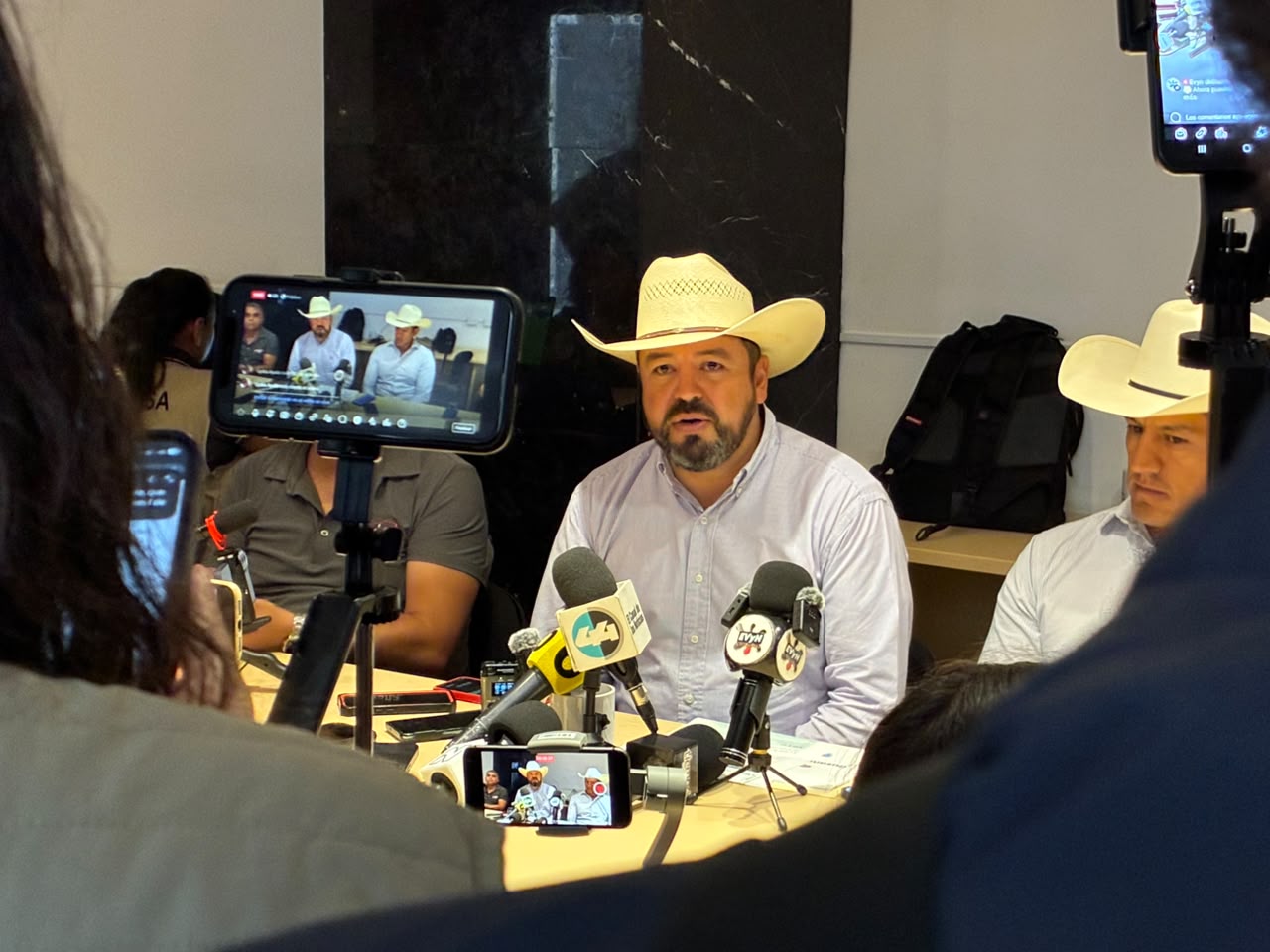
Culiacán, Sinaloa, July 22, 2026 - The Government of the State of Sinaloa, through the Ministry of Agriculture and Livestock, confirmed the detection of the first case of Cattle Screwworm (GBG) in the state and reported that, immediately, surveillance and health care actions will be strengthened to contain the pest, while guaranteeing that the price of cattle in Sinaloa remains firm and will not suffer decreases.

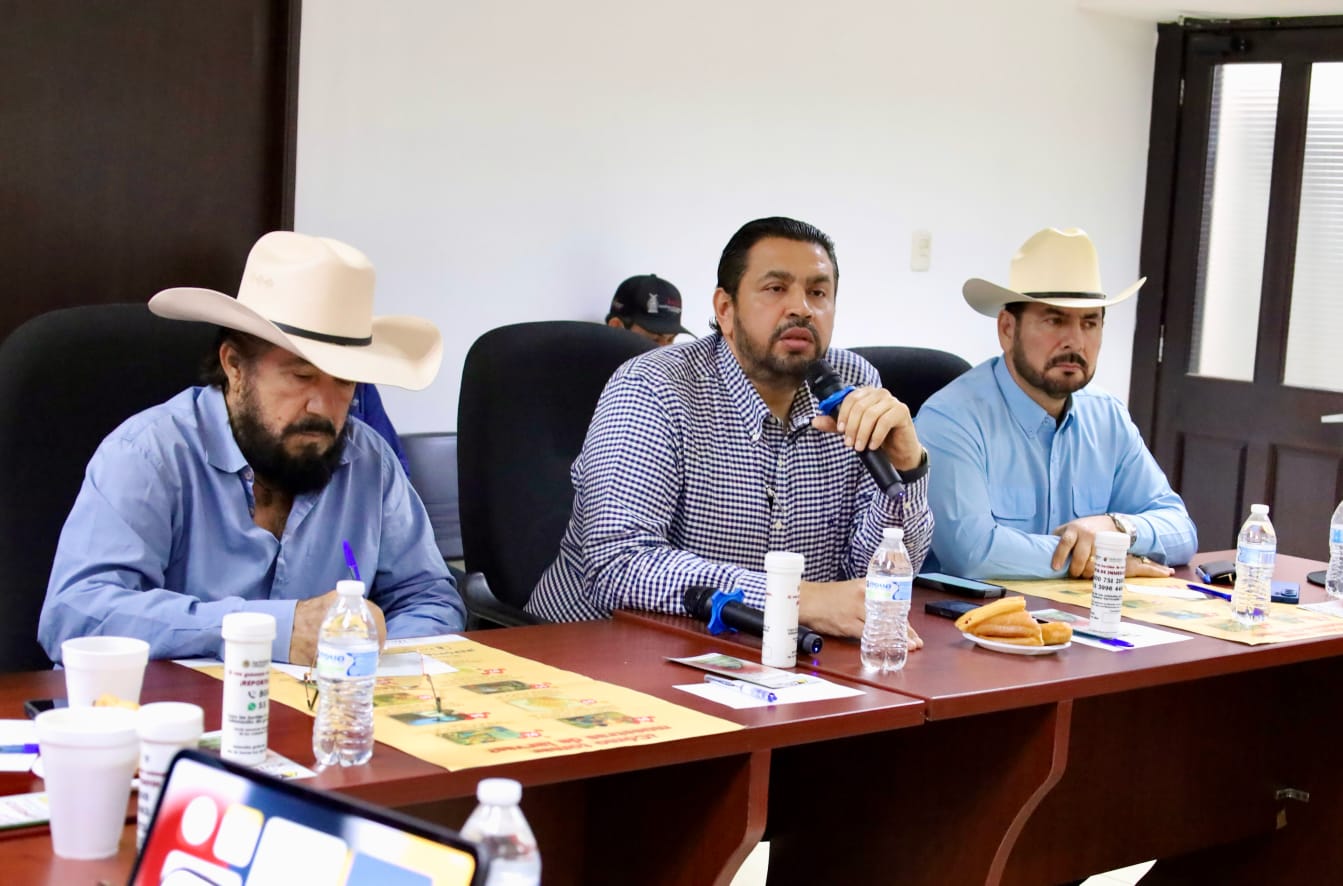
The Secretary of Agriculture and Livestock, Ismael Bello Esquivel, reported that, after holding working meetings with the Sinaloa Feedlot Union, the Sinaloa Regional Livestock Union (UGRS), SENASICA, the Directorate of Innovation, Health and Safety (DISI) and other organizations in the sector, an agreement was reached to maintain the price of livestock without changes, as there are technical and sanitary conditions to control this case without affecting livestock activity.

“There is full coordination among producers, feedlot operators, and authorities at all three levels of government to address this situation promptly and responsibly. There is no reason to negatively impact the value of Sinaloa's cattle,” the official emphasized.

The first case was detected in a 40-day-old calf with a localized infestation in its navel, at a livestock production unit located near the community of Agua Verde, in the municipality of El Rosario. According to the epidemiological investigation, the infection originated from the natural spread of the fly and not from the irregular movement of animals.

Bello Esquivel recalled that since November 2024, when the first case was confirmed in Mexico, Sinaloa implemented a preventative strategy that allowed the state to remain free of the plague for more than 21 months, despite being the main gateway to the northwest of the country.

As part of the immediate response, the State Government will allocate extraordinary resources to strengthen epidemiological surveillance, veterinary care, inspection in production units, movement controls and prevention actions, in close coordination with SENASICA, the State Committee for Livestock Development and Protection, DISI and livestock organizations.

The head of the Ministry of Agriculture and Livestock emphasized that the Cattle Screwworm is a disease that can be successfully treated when detected early, through veterinary medical treatments that allow the animal to recover, without the need to sacrifice it or establish quarantine periods.
He also noted that, although there are currently confirmed cases in most of the country's states, including Nayarit and Durango, Sinaloa managed to significantly delay the arrival of the plague thanks to the preventive measures implemented almost two years ago.

During the workday, a meeting was also held with leaders of livestock associations headed by José Alfredo Sáinz Aispuro, who reiterated their commitment to strengthening health surveillance measures and maintaining permanent coordination with state and federal authorities to protect the producers' assets.

The meetings were attended by the Undersecretary of Livestock, Alfredo Valdez Zazueta; the president of the UGRS and of the Sinaloa State Committee for Livestock Development and Protection, José Alfredo Sáinz Aispuro; the state coordinator of SENASICA, Daniel Sosa Tapia; the director of DISI, Dante Ramos Franco; Roel García Heredia, from SENASICA; the president of CESAVESIN, Leonel Murillo Cárdenas; as well as the technical secretary of the Ministry of Agriculture and Livestock, Eduardo López Burgos.


https://sinaloa.gob.mx/se-detecta-e...itarias-y-garantizan-estabilidad-del-mercado/

------------------------------------------------------------------------------------
image.png
​...
EPIDEMIOLOGICAL COMMENTS

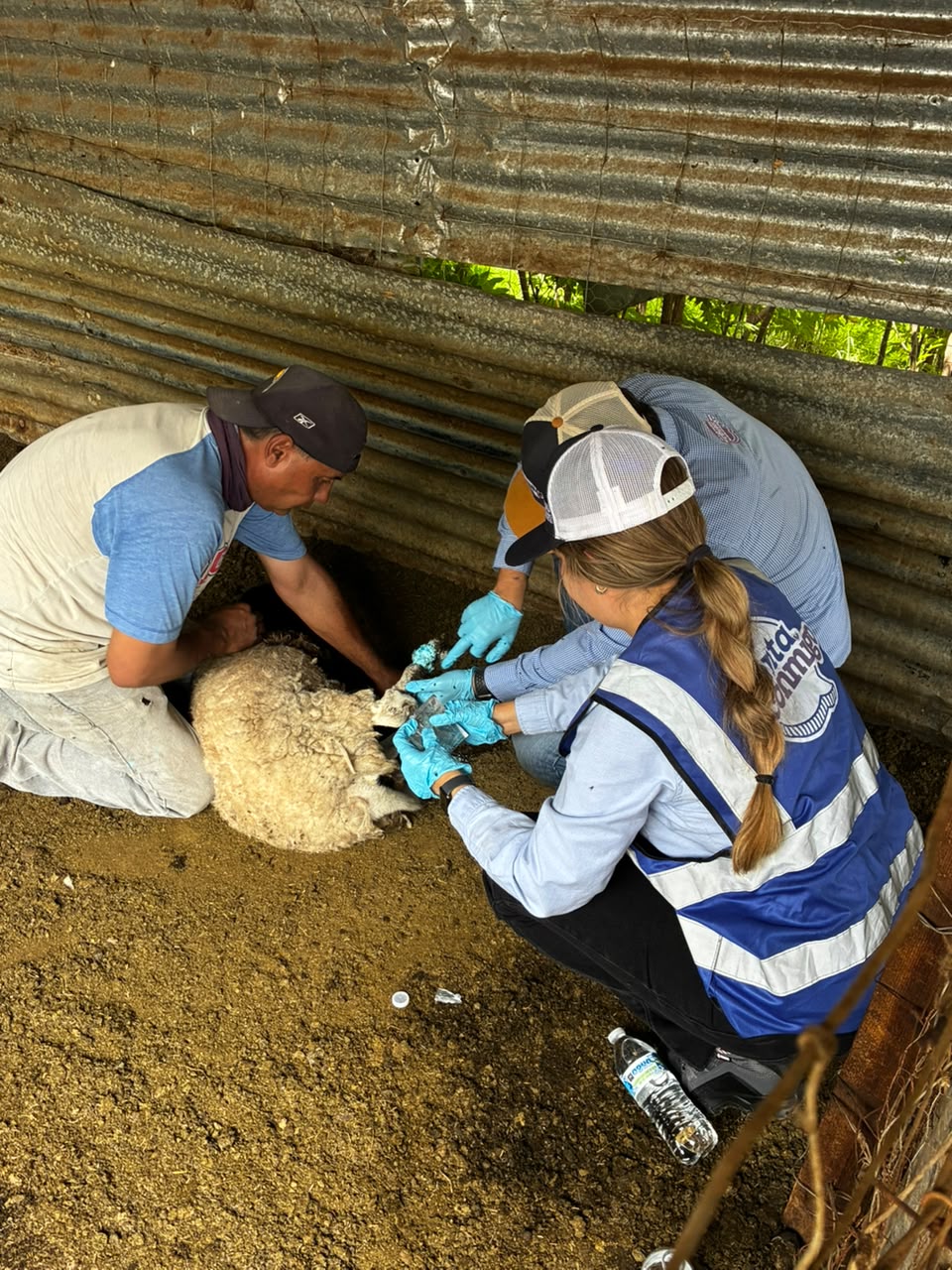
A report was received regarding a calf with myiasis in the State of Sinaloa. The wound of affected animal was treated with Negasunt 3% (coumaphos and propoxur); 1% ivermectin was applied parenterally and a spray of cypermethrin and chlorpyrifos to eliminate Cochliomyia hominivorax larvae.
...
image.png
https://wahis.woah.org/#/in-review/7721


Back
Top