
• FluTrackers.com Inc. does not provide medical advice. Information on this web site is collected from various internet resources, and the FluTrackers board of directors makes no warranty to the safety, efficacy, correctness or completeness of the information posted on this site by any author or poster. The information collated here is for instructional and/or discussion purposes only and is NOT intended to diagnose or treat any disease, illness, or other medical condition. Every individual reader or poster should seek advice from their personal physician/healthcare practitioner before considering or using any interventions that are discussed on this website. By continuing to access this website you agree to consult your personal physican before using any interventions posted on this website, and you agree to hold harmless FluTrackers.com Inc., the board of directors, the members, and all authors and posters for any effects from use of any medication, supplement, vitamin or other substance, device, intervention, etc. mentioned in posts on this website, or other internet venues referenced in posts on this website.
  • We are not asking for any donations. Do not donate to any entity who says they are raising funds for us.

Mexico - H5N1 avian flu in poultry 2023 - 2024

sharon sanders

Editor-in-Chief & President
Mexico detects avian flu outbreak in three farms in Aguascalientes [TABLE="width: 100%"]
[TR="class: cke_show_border"]
[TD] [/TD]
[TD] [/TD]
[/TR]
[/TABLE]
Feb 3 (Axis negocios) -- The Mexican health authorities imposed three definitive quarantines on broiler farms in the state of Aguascalientes due to the presence of avian flu, a measure that affects a population of 826,000 birds at times when there are concerns about the spread of this highly pathogenic influenza in the American continent.

The affected farms are located in the municipalities of Asientos and Rincón de Romos, some 20 kilometers north of the capital of Aguascalientes, a state in which a generalized quarantine will be established, said the Ministry of Agriculture and Rural Development (Sader) in a release.
"Agriculture urges producers to remain vigilant, notify any suspicion of signs of illness suggestive of avian influenza in their birds and increase biosecurity measures in their production units," authorities said in a statement.

more...

https://www.axisnegocios.com/articulo.phtml?id=117364

----------------------------------------------


Detectan brote de gripe aviar en granjas de Aguascalientes

La Secretaría de Agricultura identificó casos de influenza aviar AH5N1 en tres granjas de pollo, la cuales quedaron en cuarentena

https://www.elsoldezacatecas.com.mx...iar-en-granjas-de-aguascalientes-9705261.html
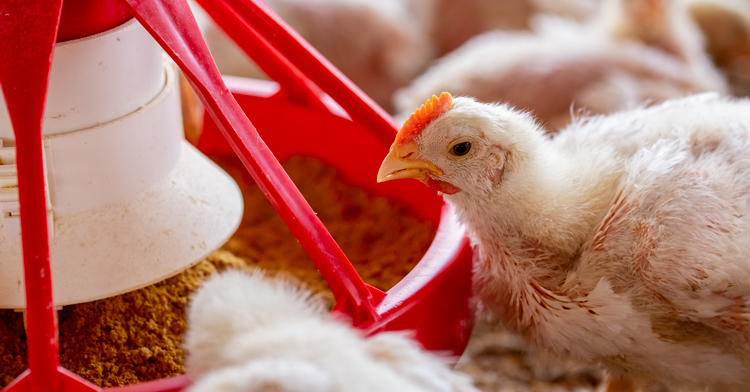
 
Avian influenza AH5N1 identified in Aguascalientes

Producers must notify any suspicion of the disease

National Service of Health, Safety and Food Quality | March 2, 2023

Blog-IA0203.jpg


In order to control the outbreak, Senasica imposed a definitive quarantine on the three poultry production units involved, and will establish internal quarantine in the state of Aguascalientes


Senasica reported the presence of the AH5N1 highly pathogenic avian influenza virus (HPAI) in three broiler farms located in the municipalities of Asientos and Rincón de Romos, Aguascalientes.
In order to control the outbreak, the General Directorate of Animal Health (DGSA) of the Agriculture agency imposed definitive quarantine on the three poultry production units (UPA) involved, which housed 826,800 birds and will establish internal quarantine for the state. from Aguascalientes.
The official veterinarians began the application of the indicated sanitary measures, for which the depopulation, cleaning and disinfection, sanitary vacuum and sentinelization of the three affected UPAs will proceed.
They also began the epidemiological investigation, which involves taking samples from family and commercial farms that are within a 10-kilometer radius of the affected UPAs.
With the purpose of contributing to protect the production of chicken meat and eggs, Senasica invited producers, veterinarians and the general population to immediately notify any suspicion they detect, for which it makes available the telephone number 800 751 2100 and the Avise application, on iOS and Android systems, or they can report at any office of the Ministry of Agriculture, Senasica or CPA coordination, located in all states of the country.
See more information at: AH5N1 avian influenza Agriculture identifies in three farms in Aguascalientes


https://www.gob.mx/senasica/articulos/identifican-influenza-aviar-ah5n1-en-aguascalientes?idiom=es
 
Source: https://sentientmedia.org/chickens-burned-avian-flu-yucatan/

Chickens Burned and Buried as Avian Flu Hits the Yucatán
by Patricio Eleisegui
March 21, 2023
Warning: this story contains a graphic image of culled birds.

The chicken farms are already back up and running, a person close to Bachoco farms in the Yucatán region of southeastern Mexico tells me. “Everything was disinfected and the birds were replaced,” he says. Business as usual. The official count of culled birds for the region is 1.7 million. Yet according to interviews conducted with four farm workers, the actual numbers for this current outbreak of avian flu are nearly twice that — 15 mega-farm have slaughtered closer to 3 million infected or potentially-infected birds.

These same sources also say the companies have disposed of the chickens in unsanitary and potentially dangerous ways. Residents who live in Mayan Indigenous villages near the contaminated facilities, including Samahil and Kinchil, report smoke from farms burning culled poultry and heaps of dead birds disposed of in nearby woods. Photographs shared by employees reveal hundreds of dead chickens buried in the woods near farms, with no explanation from regional poultry companies.

The sources interviewed have asked to remain anonymous, fearing the company’s response: “Farm employees are forbidden to talk about what happens,” says one source. “They were threatened with dismissal.”

Yucatán has had the most infected farms in Mexico, with 16 contaminated facilities in total. Most farm workers are back to their regular work schedules, says a source close to the poultry production companies who remains anonymous for fear of recrimination...

...Reports of Residents Consuming Meat

The Mayan communities that neighbor the farms report that some of the specimens infected with avian flu were stolen from the discard areas set up by companies and then consumed by the population.

“I ate a buried chick. I had already eaten some delicious tacos when someone told me ‘that chick you ate was sick,’” said a journalist covering the story. And I stayed like that, with a surprised face. For me the chicken was well cooked, the meat looked normal.” ....
 
Mexico - High pathogenicity avian influenza viruses (poultry) (Inf. with) - Follow up report 4

GENERAL INFORMATION
COUNTRY/TERRITORY OR ZONE
ZONE

ANIMAL TYPE
TERRESTRIAL

DISEASE CATEGORY
Listed disease

EVENT ID
4762

DISEASE
High pathogenicity avian influenza viruses (poultry) (Inf. with)

CAUSAL AGENT
Highly pathogenic avian influenza virus

GENOTYPE / SEROTYPE / SUBTYPE
H5N1

START DATE
2022/10/26

REASON FOR NOTIFICATION
New strain in a zone or a compartment

DATE OF LAST OCCURRENCE
-

CONFIRMATION DATE
2022/10/29

EVENT STATUS
On-going

END DATE
-

SELF-DECLARATION
NO

REPORT INFORMATION
REPORT NUMBER
Follow-up report 4

REPORT ID
FUR_160137

REPORT REFERENCE
-

REPORT DATE
2023/05/24

REPORT STATUS
Validated

NO EVOLUTION REPORT
-

EPIDEMIOLOGY
SOURCE OF EVENT OR ORIGIN OF INFECTION
Contact with wild species

EPIDEMIOLOGICAL COMMENTS

During this health event, outbreaks have been detected in the states of Chiapas, Nuevo Leon, Sonora, Mexico, Chihuahua, Jalisco, Oaxaca, Sonora, Tamaulipas and Yucatan following farmers' timely notification. Poultry organizations in the country are urged to reinforce their biosecurity measures and immediately notify the health authorities of any suspicion of the disease. Culling of the birds involved and disposal of the carcasses have been carried out in most of the outbreaks identified.


QUANTITATIVE DATA SUMMARY
MEASURING UNIT
Animal

SpeciesSusceptibleCasesDeathsKilled and Disposed ofSlaughtered/ Killed for commercial useVaccinated
Birds (DOMESTIC)
NEW 826890
109 30 761943 0 0
TOTAL 6571288 1674084 364447 4106524 0 0
...

NEW OUTBREAKS

OB_118969 - SAN FRANCISCO DE LOS ROMO...
OB_118942 - SAN FRANCISCO DE LOS ROMO
OB_116522 - ASIENTOS
OB_116521 - CHAPA DE MOTA

UPDATED OUTBREAKS

OB_111984 - KINCHIL...
OB_111996 - UMAN
OB_111999 - UMAN
OB_111970 - UMAN
OB_111988 - CAJEME
OB_110608 - SAN MIGUEL EL ALTO
OB_111991 - ALTAMIRA
OB_110097 - BACUM
OB_109823 - SAN MIGUEL EL ALTO
OB_111994 - SAN MIGUEL EL ALTO
OB_111993 - SAN PEDRO HUAMELULA
OB_111995 - UMAN
OB_109772 - UMAN
OB_109822 - SAN MIGUEL EL ALTO
OB_109769 - SAN MIGUEL EL ALTO
OB_109771 - CAJEME
OB_109768 - CAJEME
OB_109767 - ZINACANTEPEC
OB_109770 - CASAS GRANDES
OB_109765 - CAJEME
OB_109766 - CAJEME
OB_109761 - JUAREZ
OB_114378 - SAMAHIL

PREVIOUSLY REPORTED OUTBREAKS

OB_114387 - SAMAHIL...
OB_114382 - SAMAHIL
OB_114381 - SAMAHIL
OB_114380 - SAMAHIL
OB_114379 - SAMAHIL
OB_109764 - MONTEMORELOS
OB_109824 - SAN MIGUEL EL ALTO
OB_109825 - SAN MIGUEL EL ALTO
OB_110474 - TIMUCUY
OB_110475 - SAMAHIL
OB_110476 - SAMAHIL
OB_110477 - SAMAHIL
OB_110478 - SAMAHIL

...
https://wahis.woah.org/#/in-review/4762​
 
Mexico - High pathogenicity avian influenza viruses (poultry) (Inf. with) - Follow up report 5

GENERAL INFORMATION
COUNTRY/TERRITORY OR ZONE
ZONE

ANIMAL TYPE
TERRESTRIAL

DISEASE CATEGORY
Listed disease

EVENT ID
4762

DISEASE
High pathogenicity avian influenza viruses (poultry) (Inf. with)

CAUSAL AGENT
Highly pathogenic avian influenza virus

GENOTYPE / SEROTYPE / SUBTYPE
H5N1

START DATE
2022/10/26

REASON FOR NOTIFICATION
New strain in a zone or a compartment

DATE OF LAST OCCURRENCE
-

CONFIRMATION DATE
2022/10/29

EVENT STATUS
On-going

END DATE
-

SELF-DECLARATION
NO

REPORT INFORMATION
REPORT NUMBER
Follow-up report 5

REPORT ID
FUR_161860

REPORT REFERENCE
-

REPORT DATE
2023/08/01

REPORT STATUS
Validated

NO EVOLUTION REPORT
-

EPIDEMIOLOGY
SOURCE OF EVENT OR ORIGIN OF INFECTION
Contact with wild species

EPIDEMIOLOGICAL COMMENTS
During this event, outbreaks have been detected in the states of Aguascalientes, Jalisco, Nuevo León, Oaxaca, Sonora, Tamaulipas and Yucatán following farmers' timely notification. Culling of the birds involved and disposal of the carcasses have been carried out in all the outbreaks identified. All the outbreaks in the states of Oaxaca, Tamaulipas, Sonora and Yucatán are resolved. Poultry organizations in the country are urged to reinforce their biosecurity measures and immediately notify the health authorities of any suspicion of the disease. Note: The laboratory test "Intracerebral pathogenicity index (ICPI)" reported in 2022 has been deleted as it was reported by mistake.

QUANTITATIVE DATA SUMMARY
MEASURING UNIT
Animal

SpeciesSusceptibleCasesDeathsKilled and Disposed ofSlaughtered/ Killed for commercial useVaccinated
Birds (DOMESTIC)
NEW 165940
5940 3960 2262297 0 0
TOTAL 6737228 1680024 368407 6368821 0 0
...

UPDATED OUTBREAKS

OB_109769 - SAN MIGUEL EL ALTO
OB_111970 - UMAN
OB_111996 - UMAN
OB_110474 - TIMUCUY
OB_109765 - CAJEME
OB_118942 - SAN FRANCISCO DE LOS ROMO
OB_118969 - SAN FRANCISCO DE LOS ROMO
OB_116522 - ASIENTOS
OB_111991 - ALTAMIRA
OB_110475 - SAMAHIL
OB_114387 - SAMAHIL
OB_114382 - SAMAHIL
OB_114381 - SAMAHIL
OB_114380 - SAMAHIL
OB_114379 - SAMAHIL
OB_114378 - SAMAHIL
OB_110478 - SAMAHIL
OB_110477 - SAMAHIL
OB_110476 - SAMAHIL

...
https://wahis.woah.org/#/in-review/4762

 
Source: https://www.infobae.com/mexico/2023...aso-de-gripe-aviar-ah5-de-alta-patogenicidad/

Mexico reported the first case of highly pathogenic AH5 avian flu
On the affected farm, 15 thousand birds have already been sacrificed, Senasica adopted measures to guarantee the production of chicken meat and eggs.
By Omar Tinoco Morales
Oct 29, 2023 11:13 p.m. ITS T

The Ministry of Agriculture and Rural Development (Sader) reported this weekend the first case of highly pathogenic avian influenza AH5 of this season in a poultry production unit in Cajeme, Sonora.

The discovery was carried out by technicians from the National Agri-Food Health, Safety and Quality Service (Senasica) in the laboratory located in Hermosillo, Sonora.

The affected farm has 90 thousand laying hens, of which 15 thousand birds that are considered end-of-production cycle hens have already been sacrificed.

The vaccination strategy could begin in the first days of November, in areas of high animal health risk and in farms that are dedicated to raising parent and reproductive hens, because they are essential to preserve the production of chicken meat and eggs for supply. national.

Therefore, technicians from the Mexico-United States Commission for the Prevention of Foot and Mouth Disease and other Animal Diseases (CPA) of Senasica were mobilized to the area, with the purpose of diagnosing the situation and applying the measures. counter-epidemic measures necessary to contain the spread of the virus.

According to Sader, among the first measures adopted, the General Directorate of Animal Health (DGSA) declared a total definitive quarantine of the affected farm and the state of Sonora in internal quarantine, which implies that to mobilize birds from the poultry production units ( UPA) of the entity it is necessary to present PCR proof that demonstrates the absence of the disease.

In addition, the DGSA reported that the Senasica laboratories are carrying out the necessary tests to have more data on the virus that affected this farm, to which hens previously vaccinated with the immunogen applied the previous year will be exposed.

Once the effectiveness of the biological to protect birds from the strain that entered this year is proven, Senasica will authorize the strategic application of the vaccine in Sonora.

Birds may also be vaccinated in areas of high poultry production, at the request of producers who wish to do so, for which they must demonstrate with laboratory studies that their birds are free of the virus and have the service of a responsible veterinarian authorized by the Senasica.

The Ministry of Agriculture also reported that epidemiological surveillance actions continue and that, if necessary, the National Animal Health Emergency Device will be activated, to enhance control actions and, where appropriate, eradication of avian influenza. of high pathogenicity A, subtype H5N1, as well as to prevent its spread throughout the national territory.

In the field investigation carried out by official personnel, it was observed that 40 meters from the farm there is an irrigation canal with an abundant number of migratory ducks, so it is necessary to take extreme biosafety measures to avoid new infections.

Senasica recalled that the main preventive practice is the application of strict biosafety measures in poultry farms, while vaccination is a tool to control the virus. Therefore, he urged producers to increase their actions on farms, in order to protect national poultry production.

It is necessary, the agency noted, to establish health protocols for people who enter the UPA, wash and disinfect all vehicles; use sanitary mats at the main entrance and in each house and check the flock daily to detect birds with suggestive clinical signs.

It is also essential not to move sick or dead birds, which must be isolated or, where appropriate, disposed of sanitarily and implement procedures for the control of wildlife and elimination of harmful fauna.

The Ministry of Agriculture reiterated the call to promptly notify any suspicion of the presence of the virus on its farms.​
 
Government announcement:
Senasica confirms first case of highly pathogenic AH5 avian influenza in Cajeme, Sonora

Producers must increase biosecurity measures on their farms, in order to protect national poultry production

National Agri-Food Health, Safety and Quality Service | October 28, 2023
The DGSA reported that at this time the Senasica laboratories are carrying out the necessary tests to have more data on the virus.

As a result of the epidemiological surveillance carried out by the Ministry of Agriculture and Rural Development, Senasica technicians detected the first case of highly pathogenic avian influenza AH5 of this season, in a poultry production unit in Cajeme, Sonora.
Once the diagnosis was confirmed, the technicians from the United States-Mexico Commission for the Prevention of Foot and Mouth Disease and other Animal Diseases (CPA) mobilized to the area, with the purpose of diagnosing the situation and applying the measures. counter-epidemic measures necessary to contain the spread of the virus.
Among the first measures adopted, it declared a total definitive quarantine of the affected farm and the state of Sonora in internal quarantine, which implies that, to mobilize birds from the poultry production units (UPA) of the entity, it is necessary to present a PCR test that demonstrate the absence of the disease.
Senasica recalled that the main preventive practice is the application of strict biosafety measures in poultry farms, therefore, it urged producers to increase preventive measures in their farms, in order to protect national poultry production.


https://www.gob.mx/senasica/articul...-alta-patogenicidad-en-cajeme-sonora?idiom=es
 
Mexico - High pathogenicity avian influenza viruses (poultry) (Inf. with) - Immediate notification


GENERAL INFORMATION

COUNTRY/TERRITORY OR ZONE
ZONE

ANIMAL TYPE
TERRESTRIAL

DISEASE CATEGORY
Listed disease

EVENT ID
5315

DISEASE
High pathogenicity avian influenza viruses (poultry) (Inf. with)

CAUSAL AGENT
Highly pathogenic avian influenza virus

GENOTYPE / SEROTYPE / SUBTYPE
H5N1

START DATE
2023/10/25

REASON FOR NOTIFICATION
Recurrence of an eradicated strain

DATE OF LAST OCCURRENCE
2023/07/11

CONFIRMATION DATE
2023/10/30

EVENT STATUS
On-going

END DATE- SELF-DECLARATION

NO REPORT INFORMATION

REPORT NUMBER
Immediate notification

REPORT ID
IN_163661

REPORT REFERENCE- REPORT DATE
2023/11/02

REPORT STATUS
Validated

NO EVOLUTION REPORT


EPIDEMIOLOGY

SOURCE OF EVENT OR ORIGIN OF INFECTION
  • Contact with wild species
EPIDEMIOLOGICAL COMMENTS
As a result of the passive epidemiological surveillance carried out by the Ministry of Agriculture and Rural Development, the first outbreak of highly pathogenic avian influenza H5 of this season was reported in a poultry production unit in the municipality of Cajeme, Sonora. Local poultry farmers have been urged by SENASICA to reinforce the biosecurity measures on their farms and to immediately notify of any anomaly observed in their animals in order to protect the national poultry production. As part of the follow-up, SENASICA conducts challenge tests on the isolate in previously vaccinated birds to evaluate whether the available vaccine confers protection against the pathogen. The active epidemiological surveillance program is being maintained in technified production units, backyards, federally inspected slaughterhouses and municipal slaughterhouses as well as the monitoring of wild birds at national level.

QUANTITATIVE DATA SUMMARY

MEASURING UNIT
Animal

SpeciesSusceptibleCasesDeathsKilled and Disposed ofSlaughtered/ Killed for commercial useVaccinated Birds (DOMESTIC)NEW900001500015000000TOTAL90000150001500 0000

DIAGNOSTIC DETAILS

CLINICAL SIGNS
YES

METHOD OF DIAGNOSTIC

Diagnostic test, Clinical
Gene sequencingComisión México-Estados Unidos para la prevención de la fiebre aftosa y otras enfermedades exóticas de los animales (CPA)Birds12023/10/302023/10/30Positive
Virus isolationComisión México-Estados Unidos para la prevención de la fiebre aftosa y otras enfermedades exóticas de los animales (CPA)Birds12023/10/302023/10/30Positive
Real-time reverse transcription polymerase chain reaction (rRT-PCR)Comisión México-Estados Unidos para la prevención de la fiebre aftosa y otras enfermedades exóticas de los animales (CPA)Birds12023/10/262023/10/26Positive
https://wahis.woah.org/#/in-review/5315
 
Mexico - High pathogenicity avian influenza viruses (poultry) (Inf. with) - Follow up report 3


GENERAL INFORMATION

COUNTRY/TERRITORY OR ZONE
ZONE

ANIMAL TYPE
TERRESTRIAL

DISEASE CATEGORY
Listed disease

EVENT ID
5315

DISEASE
High pathogenicity avian influenza viruses (poultry) (Inf. with)

CAUSAL AGENT
Highly pathogenic avian influenza virus

GENOTYPE / SEROTYPE / SUBTYPE
H5N1

START DATE
2023/10/25

REASON FOR NOTIFICATION
Recurrence of an eradicated strain

DATE OF LAST OCCURRENCE
2023/07/11

CONFIRMATION DATE
2023/10/30

EVENT STATUS
On-going

END DATE- SELF-DECLARATION

NO REPORT INFORMATION

REPORT NUMBER
Follow-up report 3

REPORT ID
FUR_166617

REPORT REFERENCE- REPORT DATE
2024/04/11

REPORT STATUS
Validated

NO EVOLUTION REPORT

EPIDEMIOLOGY

SOURCE OF EVENT OR ORIGIN OF INFECTION
  • Contact with wild species
EPIDEMIOLOGICAL COMMENTS
As a result of the passive epidemiological surveillance carried out by the Ministry of Agriculture and Rural Development, outbreaks of highly pathogenic avian influenza H5N1 were reported in backyard farms located in the municipalities of El Salto and Juanacatlán, in the State of Jalisco. Local poultry farmers have been urged by SENASICA to reinforce the biosecurity measures on their farms and to immediately notify of any anomaly observed in their animals in order to protect the national poultry production. As part of the follow-up, SENASICA conducts challenge tests on the isolate in previously vaccinated birds to evaluate whether the available vaccine confers protection against the pathogen. The active epidemiological surveillance program is being maintained in technified production units, backyards, federally inspected slaughterhouses and municipal slaughterhouses as well as the monitoring of wild birds at national level.

QUANTITATIVE DATA SUMMARY

MEASURING UNIT
Animal

SpeciesSusceptibleCasesDeathsKilled and Disposed ofSlaughtered/ Killed for commercial useVaccinated Birds (DOMESTIC)NEW---75000--TOTAL144760153351531512944500

DIAGNOSTIC DETAILS

CLINICAL SIGNS
YES

METHOD OF DIAGNOSTIC
Clinical, Diagnostic test
Intravenous pathogenicity index (IVPI)Comisión México-Estados Unidos para la prevención de la fiebre aftosa y otras enfermedades exóticas de los animales (CPA)Birds52023/10/312023/12/28Positive
Gene sequencingComisión México-Estados Unidos para la prevención de la fiebre aftosa y otras enfermedades exóticas de los animales (CPA)Birds42023/11/032024/02/23Positive
Virus isolationComisión México-Estados Unidos para la prevención de la fiebre aftosa y otras enfermedades exóticas de los animales (CPA)Birds62023/10/302024/02/14Positive
Real-time reverse transcription polymerase chain reaction (rRT-PCR)Comisión México-Estados Unidos para la prevención de la fiebre aftosa y otras enfermedades exóticas de los animales (CPA)Birds62023/10/262024/02/02Positive
https://wahis.woah.org/#/in-review/5315
 
Back
Top