Friday, June 14, 2019
LDH, CDC partner up on histoplasmosis outbreak investigation at Louisiana campsite
By JOSE SERRANO, MPH | LDH Public Health Epidemiologist Specialist; POOJA GANDHI, MPH, CHES | CDC Mycotic Diseases Branch Health Communication Specialist; and KAITLIN BENEDICT, MPH | CDC Mycotic Diseases Branch Epidemiologist
“Fungal diseases have taken a backseat to bacterial and viral infections, to the point where mycotics are left out of many doctors’ diagnoses. Awareness efforts, such as multiple statewide surveillance projects and outbreak findings, show the growing concern of invasive fungal diseases in the general population.” — Jose Serrano, MPH, epidemiologist specialist and lead investigator of this outbreak from the Louisiana Department of Health
Friday, June 14, 2019
LDH, CDC partner up on histoplasmosis outbreak investigation at Louisiana campsite
By JOSE SERRANO, MPH | LDH Public Health Epidemiologist Specialist; POOJA GANDHI, MPH, CHES | CDC Mycotic Diseases Branch Health Communication Specialist; and KAITLIN BENEDICT, MPH | CDC Mycotic Diseases Branch Epidemiologist
“Fungal diseases have taken a backseat to bacterial and viral infections, to the point where mycotics are left out of many doctors’ diagnoses. Awareness efforts, such as multiple statewide surveillance projects and outbreak findings, show the growing concern of invasive fungal diseases in the general population.” — Jose Serrano, MPH, epidemiologist specialist and lead investigator of this outbreak from the Louisiana Department of Health
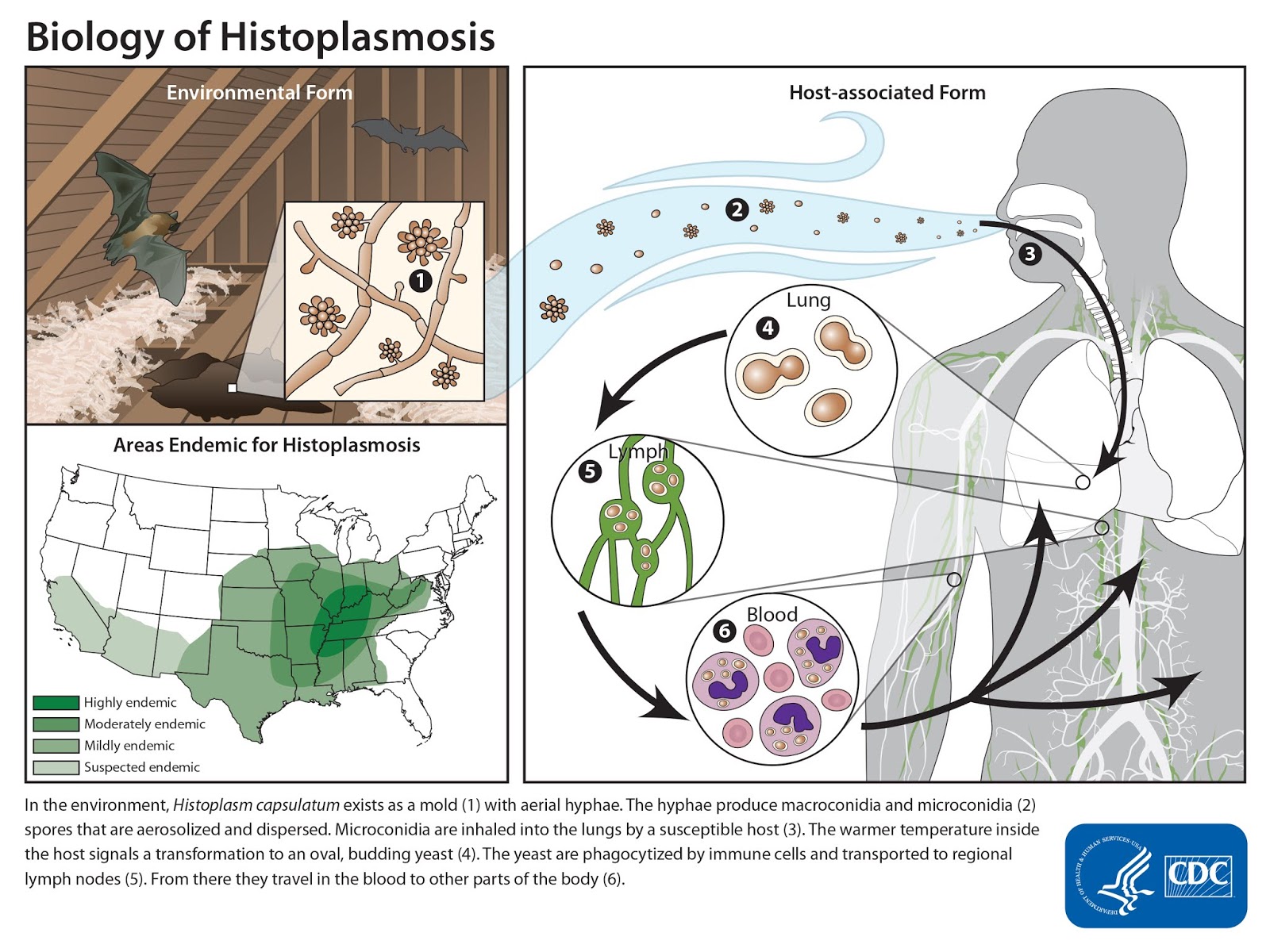
In November 2018, what seemed like a normal camping trip led to a group of campers in Louisiana getting sick with what was later discovered to be histoplasmosis, an infection caused by Histoplasma capsulatum, a fungus that lives in soil.
The Louisiana Department of Health got a call about two patients — a teenage girl who was thought to have viral pneumonia, and a middle-aged man with an unknown respiratory illness — who were hospitalized with symptoms that weren’t improving after being treated with antibacterials. After their doctors consulted with an infectious disease specialist, the two patients were eventually tested, diagnosed with and treated for histoplasmosis. Both people have recovered from the illness.
Both of them had traveled to a campsite in a rural area in southern Louisiana in the three weeks prior to falling ill. LDH contacted campsite officials to get a list of fellow campers who might have also gotten sick and began an investigation, with support from the Centers for Disease Control and Prevention’s Mycotic Diseases Branch, to figure out if others were infected and how these campers became sick in the first place.
 Investigating the outbreak
LDH’s interviews with the campers revealed that about half of the people on this camping trip were sick. They asked the CDC to test the campers’ urine samples, which confirmed histoplasmosis.
“The rapid and robust public health response to this outbreak highlights the importance of partnership and enhanced collaboration between CDC and state health departments,” said Nancy Chow, PhD, a molecular epidemiologist with the Mycotic Diseases Branch.
The fungus lives in the environment, particularly in soil that contains large amounts of bird or bat poop. But, none of the sick people remembered any bird or bat poop at the campsite. Or, at least that’s what LDH initially believed. The team searched the entire campsite looking for clues about where these campers could have become exposed to the fungus.
After more investigation, LDH learned that the campers participated in many different activities, including hiking, collecting firewood, digging soil and geocaching. Geocaching is a digital scavenger hunt-like game played through a smartphone app. The app directed the campers to different objects and locations throughout the campsite, which soon became key to the investigation, getting public health officials one step closer to the source of the outbreak.
[TABLE="align: center, cellpadding: 0, cellspacing: 0"]
[TR]
[TD]
[/TD]
[/TR]
[TR]
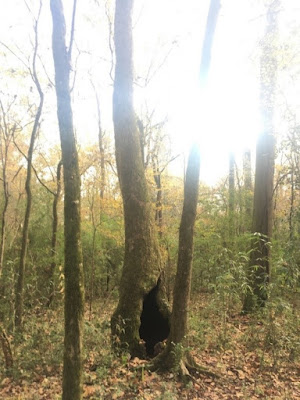
[TD]This hollowed-out tree was found to be the source of Histoplasma at a Louisiana campsite.[/TD]
[/TR]
[/TABLE]
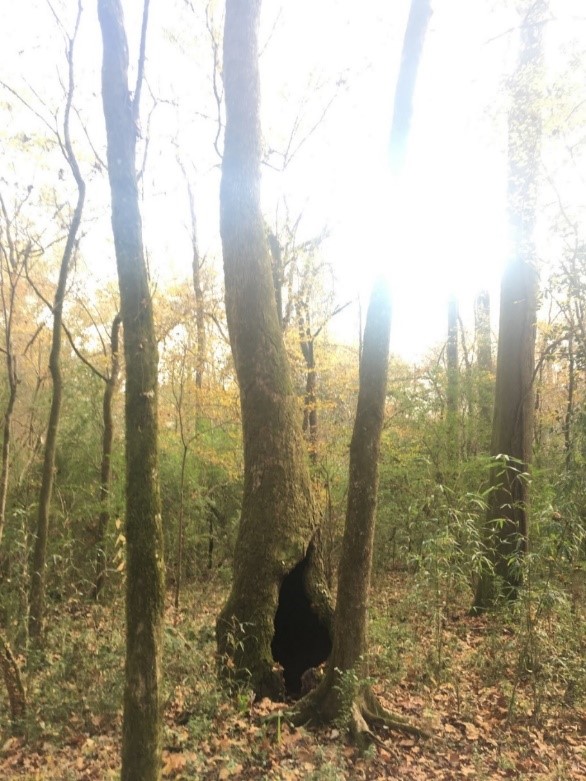
The Mycotic Diseases Branch laboratory tested soil samples from areas surrounding a few of the geocaching sites and found that one of the samples tested positive for Histoplasma. The sample was from a hollowed-out tree that reportedly had bats living inside, based on photos. This site was one of the geocaching sites many of the campers had visited, making all the more sense that it was the source of infection.
After uncovering the site of this fungus, LDH worked to identify any potential high-risk areas to prevent others from becoming exposed, and told campers to avoid activities involving soil disturbance. Additionally, a summary risk reduction document was provided to camp officials for all future campsite visitors.
Preventing future outbreaks
The investigation team recommended that future campers consider the following to help prevent people from getting histoplasmosis:
- Avoid soil disruption activities (including geocaching) and contact with hollow trees.
- Teach campers about the risks for histoplasmosis and other fungal diseases, especially those who are weakened immune systems and at high risk.
- Spread more awareness about histoplasmosis throughout Louisiana.
“Fungal disease outbreaks are relatively rare — this investigation confirmed that histoplasmosis is endemic to Louisiana, and that disruption of soil is still a significant health risk for both sick and healthy individuals,” said Jose Serrano, MPH, an LDH epidemiologist specialist and lead investigator of this outbreak.
“Once this outbreak was confirmed, every single epidemiologist dropped what he or she were doing to lend a helping hand in the investigation. Our strength comes from our teamwork, and no investigation is ever handled alone,” he said.
Learn more about histoplasmosis
here.
http://ladepthealth.blogspot.com/