• FluTrackers.com Inc. does not provide medical advice. Information on this web site is collected from various internet resources, and the FluTrackers board of directors makes no warranty to the safety, efficacy, correctness or completeness of the information posted on this site by any author or poster. The information collated here is for instructional and/or discussion purposes only and is NOT intended to diagnose or treat any disease, illness, or other medical condition. Every individual reader or poster should seek advice from their personal physician/healthcare practitioner before considering or using any interventions that are discussed on this website. By continuing to access this website you agree to consult your personal physican before using any interventions posted on this website, and you agree to hold harmless FluTrackers.com Inc., the board of directors, the members, and all authors and posters for any effects from use of any medication, supplement, vitamin or other substance, device, intervention, etc. mentioned in posts on this website, or other internet venues referenced in posts on this website.
  • We are not asking for any donations. Do not donate to any entity who says they are raising funds for us.

Gaza: 2024 Polio

Shiloh

Editor, Senior Moderator
Source: https://www.palestinechronicle.com/new-health-crisis-poliovirus-detected-in-gaza-sewage/


HomeBlog ‘New Health Crisis’ – Poliovirus Detected in Gaza Sewage
‘New Health Crisis’ – Poliovirus Detected in Gaza Sewage
July 18, 2024

A new health crisis has emerged in the bombarded Gaza Strip with the detection of poliovirus in sewage, the Gaza Health Ministry revealed on Thursday.

According to a ministry statement, tests on sewage samples, conducted in coordination with UNICEF, confirmed the presence of the poliovirus.​..
 
Polio stalks Gazans as ‘anarchy’ spreads, humanitarians warn

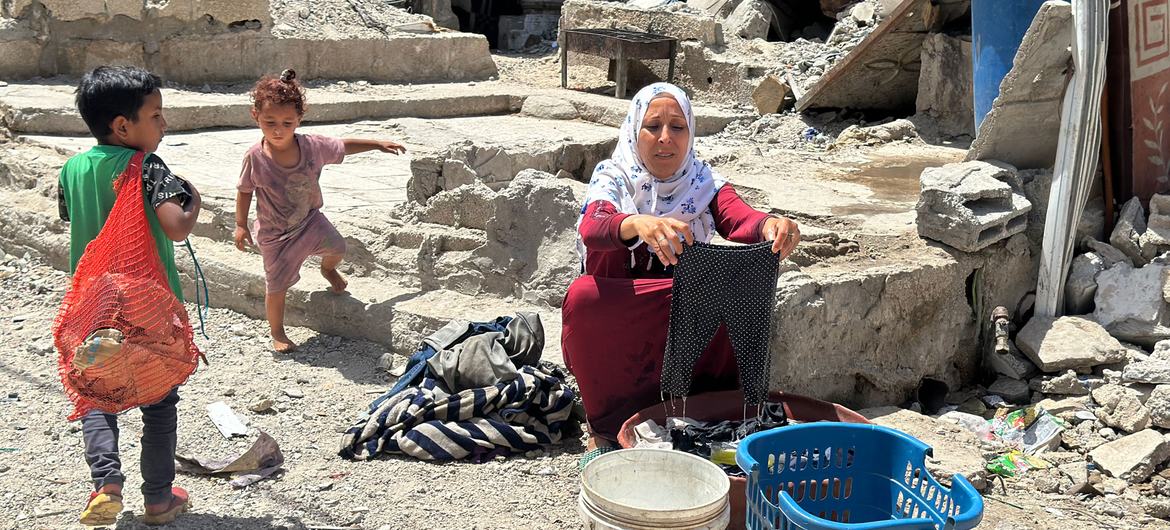
image1170x530cropped.jpg

© UNRWA

Clean water and nutritious food remain scarce in the Gaza Strip, fuelling a surge in disease linked to falling immunity levels among the population..


By Daniel Johnson
19 July 2024

Peace and Security

To add to the devastation of war and the complete breakdown of law and order, Gazans now have to contend with the threat of highly infectious polio disease linked to the disastrous sanitation situation created by the conflict, the UN health agency said on Friday.

In a statement, Christian Lindmeier, spokesperson for the World Health Organization (WHO), said that vaccine-derived poliovirus type 2 (VDPV2) had been identified at six locations in sewage samples collected on 23 June from Khan Younis and Deir al Balah.

To date, no one has been treated in Gaza for paralysis or other symptoms caused by polio virus infection.

“It is important to note the virus has been isolated from the environment only at this time; no associated paralytic cases have been detected,” he told journalists in Geneva. As part of the response efforts, WHO in the Occupied Palestinian Territory is already working with the local health authority, the UN Children’s Fund (UNICEF), the UN agency for Palestine refugees (UNRWA) and partners to assess how far poliovirus has spread.

This work will determine the measures needed to stop any further spread, “including prompt vaccination campaigns”, the WHO spokesperson explained.
...

Polio eradication stymied

Wild poliovirus was eradicated more than 25 years ago from Gaza thanks to a comprehensive inoculation campaign; pre-war vaccination coverage was 95 per cent in 2022, according to WHO.

But more than nine months of war, repeated mass displacement and the “decimation of the health system, lack of security, access obstruction, constant population displacement, shortages of medical supplies, poor quality of water and weakened sanitation” have created the “perfect environment” for vaccine-preventable diseases to spread - with polio just one of them – the WHO’s Christian Lindmeier noted.

Today in Gaza, only 16 out of 36 hospitals are partially functional, and 45 of the 105 primary health care facilities are operational, according to the UN health agency officer, who insisted that only a ceasefire would allow the rapid scale-up of immunization activities “to address gaps created by the ongoing war”.

From the WHO’s global Polio Eradication programme, Communications Officer Oliver Rosenbauer explained that polio virus can emerge in areas where poor vaccination coverage allows the weakened form of the orally administered vaccine virus strain to mutate into a stronger version capable of causing paralysis.

“We have genetic markers to indicate when that happens. And so these isolates that were found…have genetically mutated to the point where they could cause paralysis,” he said. “It's not a wild (virus) but it's still a poliovirus in the sense that it can also cause the same paralysis.”​

https://news.un.org/en/story/2024/07/1152281
 
Polio detected in Gaza ‘could have been spread by aid workers’

Six waste water samples have come back positive for vaccine-derived polio in Khan Younis and Deir al Balah

By Maeve Cullinan
, GLOBAL HEALTH SECURITY REPORTER
19 July 2024 • 5:04pm
...
Dr Hamid Jafari, Director of the Global Polio Eradication Programme for the Eastern Mediterranean region, told The Telegraph, the vaccine derived strain identified in Gaza had been used “quite extensively” to tackle outbreaks in recent years in Africa.

“This strain must have been brought in by someone from a country where this vaccine is used – perhaps a foreign aid worker. Most people carry it asymptomatically. Someone might have come in and excreted it, or perhaps a group of people did – we don’t know at this point.


“We are still investigating the source; there could be any number of scenarios, but it can’t have originated locally because they don’t use the type 2 oral vaccine,” Dr Jafari said.
...
The fact that polio has been found in Gaza is particularly worrying. Vaccination rates for the disease have fallen from 99 to 89 percent since the conflict broke out in October last year, leaving thousands vulnerable to contracting the disease.
...

https://www.telegraph.co.uk/global-...in-gaza-could-have-been-brought-in-by-aid-wo/
 
Humanitarian pauses vital for critical polio vaccination campaign in the Gaza Strip

16 August 2024
Statement


Jerusalem/Cairo/Amman

Français

Two rounds of a polio vaccination campaign are expected to be launched at the end of August and September 2024 across the Gaza Strip to prevent the spread of circulating variant type 2 poliovirus (cVDPV2).

WHO and UNICEF request all parties to the conflict to implement humanitarian pauses in the Gaza Strip for seven days to allow for two rounds of vaccination campaigns to take place. These pauses in fighting would allow children and families to safely reach health facilities and community outreach workers to get to children who cannot access health facilities for polio vaccination. Without the humanitarian pauses, the delivery of the campaign will not be possible.

During each round of the campaign, the Palestinian Ministry of Health (MoH), in collaboration with the World Health Organization (WHO), the United Nations Children’s Fund (UNICEF), the United Nations Relief and Works Agency for Palestine Refugees (UNRWA) and partners, will provide two drops of novel oral polio vaccine type 2 (nOPV2) to more than 640 000 children under ten years of age.

The poliovirus was detected in July 2024 in environmental samples from Khan Younis and Deir al-Balah. Worryingly, three children presenting with suspected acute flaccid paralysis (AFP), a common symptom of polio, have since been reported in the Gaza Strip. Their stool samples have been sent for testing to the Jordan National Polio Laboratory.

Over 1.6 million doses of nOPV2, which is used to stop cVDPV2 transmission, will be delivered to the Gaza Strip. The deliveries of the vaccines and the cold chain equipment are expected to transit through Ben Gurion Airport before arriving in the Gaza Strip by the end of August. It is essential that the transport of the vaccines and cold chain is facilitated at every step of the journey to ensure their timely reception, clearance and ultimately delivery in time for the campaign.

Detailed plans to support vaccinators and social mobilizers to reach eligible children across the Gaza Strip have been finalized. Vaccination will be administered by 708 teams, including at hospitals, field hospitals, and primary health care centres in each municipality of the Gaza Strip. Around 2700 health workers, including mobile teams and community outreach workers, will support the delivery of both rounds of the campaign. This will be supported by awareness-raising efforts to mitigate the risks of polio infection.

At least 95 per cent vaccination coverage during each round of the campaign is needed to prevent the spread of polio and reduce the risk of its re-emergence, given the severely disrupted health, water and sanitation systems in the Gaza Strip.

Other requirements for successful campaign delivery include sufficient cash, fuel and functional telecommunication networks to reach communities with information about the campaign.

Further efforts are underway to strengthen and expand poliovirus surveillance and routine immunization. 

The Gaza Strip has been polio-free for the last 25 years. Its reemergence, which the humanitarian community has warned about for the last ten months, represents yet another threat to the children in the Gaza Strip and neighboring countries. A ceasefire is the only way to ensure public health security in the Gaza Strip and the region.

Notes for editors 
  • On 16 July 2024, wastewater test results confirmed that cVDPV2 was detected in six samples collected on 23 June 2024 from Khan Younis and Deir al Balah ES sites in the Gaza Strip. Further sequencing analysis confirmed that these cVDPV2 isolates are linked to a variant poliovirus strain last detected in Egypt in 2023.   
  • The Gaza Strip had a high level of vaccination coverage across the population before the escalation of hostilities in October 2023. However, due to the impact of the conflict, routine immunization coverage (for the second dose of inactivated polio vaccine) dropped from 99 per cent in 2022 to less than 90 per cent in the first quarter of 2024, increasing the risk of vaccine-preventable diseases to children, including polio.  
  • The risk of cVDPV2 spread, within the Gaza Strip and internationally, remains high given gaps in children's immunity due to disruptions in routine vaccination, decimation of the health system, constant population displacement, malnutrition and severely damaged water and sanitation systems. The situation has also increased the risk of the spread of other vaccine-preventable diseases such as measles as well as cases of diarrhoea, acute respiratory infections, hepatitis A and skin diseases among children. 
https://www.who.int/news/item/16-08...-polio-vaccination-campaign-in-the-gaza-strip
 
Source: https://www.middleeastmonitor.com/2...firmed-as-gazas-first-polio-case-in-25-years/


10-month-old confirmed as Gaza's first polio case in 25 years
August 17, 2024 at 9:00 am

​The Palestinian Health Ministry yesterday confirmed the first polio virus case in the Gaza Strip in 25 years.

In a statement, the ministry said the polio case was detected and confirmed in a ten-month-old baby in Deir Al-Balah city.

The ministry added that it is in the process of developing “a comprehensive and integrated plan” to carry out a vaccination campaign for children in Gaza.​..
 
Translation Google

Gaza: After detection of a case of polio in a baby, the UN calls for a truce to vaccinate the population

For the first time in 25 years, a case of polio has been discovered in the Gaza Strip, with a 10-month-old baby infected. The UN, WHO and UNICEF are calling for a humanitarian pause in order to carry out a mass polio vaccination campaign among children in Gaza.

Published on:08/22/2024 - 1:25 p.m.

By : RFI

" It is extremely difficult to carry out a vaccination campaign of this magnitude while bombs are raining down ," Juliette Touma, spokesperson for the UN agency for Palestinian refugees (UNRWA), told AFP.

In Gaza , 2.4 million Palestinians, almost all displaced and half of them children according to the UN, are crammed into increasingly smaller areas. For months, the UN and NGOs have been alarmed by the health situation in the territory, where stagnant water, mountains of rubble and garbage, the oppressive summer heat and overcrowding form a breeding ground for epidemics.

Concerns soared on Friday, August 16, after the Palestinian Authority's Ministry of Health announced the first case of polio in a ten-month-old baby . It was detected in the Gaza Strip, where the disease had disappeared for 25 years, according to the UN. " The return of polio to a place where it had been eradicated speaks volumes about the situation ," emphasizes Juliette Touma.

Resurgence of polio cases

" Polioviruses are currently circulating in Gaza. As early as June, environmental surveillance in Gaza detected them. And before the first case, polioviruses had already been detected in wastewater in Gaza. The big difficulty with polioviruses is that most infections occur without symptoms and therefore the virus can circulate silently for a certain time, before we observe the first cases ," Maël Bessaud told RFI. He directs the Polio laboratory at the Pasteur Institute, which is involved in poliovirus surveillance for the WHO.

" As soon as there are vaccination problems, we regularly see resurgences of polio cases. This is the case in all regions at war or in conflict, which unfortunately means that we cannot carry out vaccination campaigns as we should, " he adds.

To try to prevent the threat that looms under the tents, in the rubble or in the buildings still standing, but often without water or electricity, the WHO intends to deploy 2,700 health workers divided into 708 teams in all the municipalities of the Gaza Strip. UNICEF, for its part, must ensure the maintenance of the cold chain for the doses planned to vaccinate more than 640,000 children under ten, indicates its spokesperson, Jonathan Crickx. The UN called on Friday, August 16, for “ humanitarian pauses ” of one week to carry out its vaccination campaign.

Equipment, including refrigerators, began arriving Wednesday, August 21 at Tel Aviv airport in central-western Israel. Vaccine doses will normally follow Sunday via the Kerem Shalom land terminal, a crossing point between Israel and the Gaza Strip. They will be ingested rather than injected to facilitate the process, assures Jonathan Crickx. While two doses are planned for each child, the United Nations has counted generously. It is sending 1.6 million doses in case there are losses, particularly due to the heat.

Vaccination campaign and Washington's concerns

But before that, it will be necessary to ensure that all the vaccines enter the Gaza Strip, all entry points of which are now held by the Israeli army. Israel, for its part, assures that it does not obstruct anything and accuses NGOs and the UN of not having the necessary capacities to carry out their distributions.

Visiting the region, US Secretary of State Antony Blinken announced Monday that Israel had agreed to support efforts to vaccinate children in Gaza against polio. “ We are working with the Israeli government ,” he told reporters in Tel Aviv. “I think we will be able to come up with a plan in the coming weeks. It is urgent. It is vital. ”

The head of American diplomacy did not specify the modalities of the holding of this vaccination campaign. However, he assured to have had a " detailed " discussion on the humanitarian situation in Gaza with the Israeli Minister of Defense Yoav Gallant. He also affirmed to " broadly share the concern about the possibility of a reappearance " of polio in Gaza, where it had been eradicated 25 years ago, according to the UN. " We are working on a detailed plan to ensure that those who need to be vaccinated (...) will be ," he added.

The " quickest and safest way ," he added, " would be a ceasefire because it would open up a much larger space for increasing aid " which, for months, has only been entering Gaza in dribs and drabs.

The UN stresses that vaccination coverage must be at least 95% to prevent the spread of polio in Gaza " given the severely disrupted health, water and sanitation systems there ." Polio " does not care about demarcation lines ," UN Secretary-General Antonio Guterres said on Friday , stressing the threat " not only to children in Gaza, but also in neighboring countries ."

https://www.rfi.fr/fr/moyen-orient/...pelle-à-une-trêve-pour-vacciner-la-population
 
Translation Google
Gaza: UN to launch vaccination campaign after polio case detected in baby


August 23, 2024 Health As media reports continue of Israeli military attacks in the Gaza Strip, United Nations humanitarian agencies announced Friday that they will launch a polio vaccination campaign later this month, although they admit that it is difficult to carry out such operations "under skies laden with airstrikes."

The news comes as the Palestinian enclave recorded its first case of polio in 25 years last week, a 10-month-old baby, raising fears of the spread of a disease that had long been under control.

The UN World Health Agency ( WHO ) and its partners said they worked urgently to collect and transfer stool samples from the child for testing at an accredited laboratory in Jordan. Genomic sequencing confirmed that the virus is related to the poliovirus type 2 variant detected in environmental samples collected in June from Gaza sewage.


UNRWA will use both its health centres and mobile clinics

The child, who developed paralysis of the lower left leg, is currently in stable condition.

"I am gravely concerned that an unvaccinated 10-month-old child from Deir al-Balah in the Gaza Strip has been confirmed to have polio, the first case in Gaza in 25 years," WHO Chief Tedros Adhanom Ghebreyesus said on the social network X.


It is in this climate of concern that the UN agency for Palestinian refugees ( UNRWA ) announced that it will begin a campaign to vaccinate children against polio in Gaza at the end of the month. UNRWA says it is equipped to carry out the vaccination campaign as Gaza's main primary health care provider. The UN agency will use both its health centres and mobile clinics.

Given the high risk of the spread of poliovirus in the Palestinian enclave and the region, the Palestinian Ministry of Health and UN agencies are working to implement two rounds of polio vaccination in the coming weeks to halt transmission.
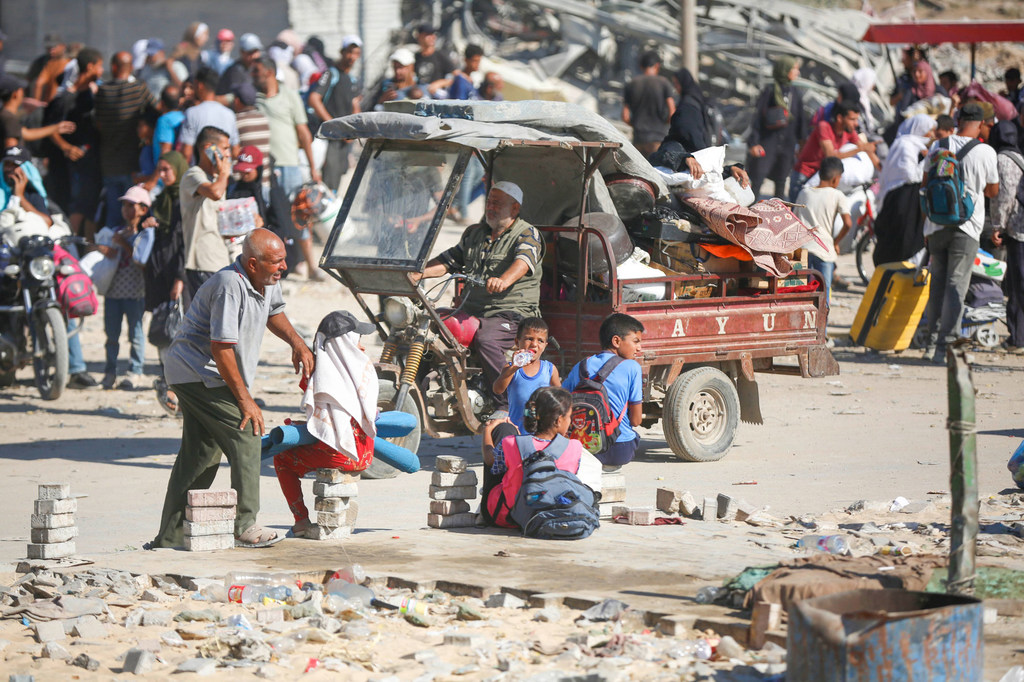
image1024x768.jpg

© UNRWA
Gaza residents remain under evacuation orders from Israeli authorities.

Polio vaccine must reach all children under 10 years old

To prevent the spread of polio, it is essential that the next UN vaccination campaign covers all young children, the head of UNRWA has said.

For the UN agency, it is not enough to bring vaccines to Gaza and protect the cold chain.

"Polio will not distinguish between Palestinian and Israeli children. Delaying the humanitarian pause will increase the risk of spread among children"


“To have an impact, vaccines must end up in the mouth of every child under 10,” Philippe Lazzarini said on the social network X.
Lazzarini warned that polio, the first case of which was confirmed in Gaza last week, could spread among children even outside the territory without a rapid humanitarian response.

"Polio will not distinguish between Palestinian and Israeli children. Delaying the humanitarian pause will increase the risk of spread among children," he added, noting that the news of polio in a ten-year-old baby is "sad."


It is difficult to conduct a campaign "under a sky full of air raids"

UNRWA medical teams intend to distribute the vaccines in its clinics and through its mobile health teams. Since the beginning of the war, and thanks to these efforts, 80% of children in Gaza have been vaccinated against various childhood diseases.

The latest developments come as the Israeli military announced a new evacuation order for the southern Gaza Strip on Thursday. The order follows a similar order in Deir el-Balah in the central Gaza Strip that led thousands to flee Israeli attacks.

But according to UNRWA spokesperson Juliette Touma, "it is extremely difficult to undertake a vaccination campaign of this scale and volume under a sky laden with airstrikes." Yet, in the face of the risk of polio spreading in the Gaza Strip, UNRWA and its partners are working to provide children with essential vaccines.


90% of Gaza's population is displaced

Echoing these daily challenges, the United Nations Office for the Coordination of Humanitarian Affairs ( OCHA ) has denounced the massive displacement of Palestinians in Gaza, as the Israeli army continues to issue evacuation orders in different parts of the Strip. The Humanitarian Coordinator for the Occupied Palestinian Territory, Muhannad Hadi, noted yesterday Thursday that there has been an average of one evacuation order every two days this month, forcing 250,000 Palestinians to leave, once again.

In a statement, Mr. Hadi said that these orders, intended to protect civilians, do exactly the opposite. They force families to flee again and again, often under fire and with very few belongings, to increasingly cramped, crowded, polluted spaces without services or security, as in the rest of Gaza.

Thousands of Palestinians fled parts of Deir el-Balah as the Israeli military issued new evacuation orders on Wednesday. The impact of these orders on humanitarian work is enormous.

"Many UN staff were forced to obey orders, leaving behind their premises, warehouses and other infrastructure," the UN agencies regretted.
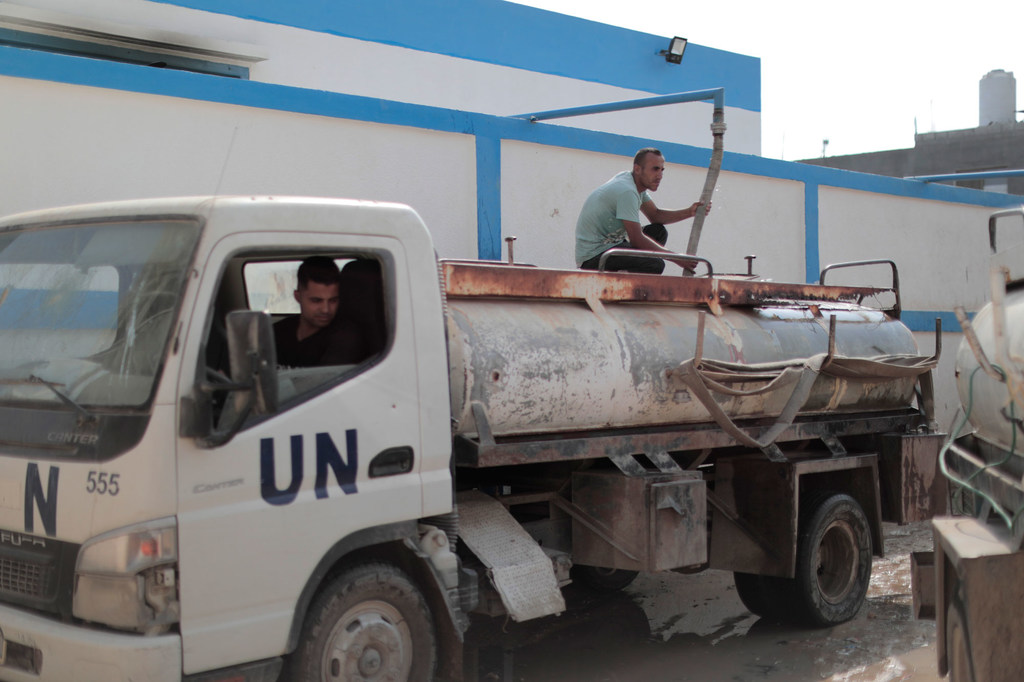
image1024x768.jpg

© UNRWA
The United Nations continued to ensure that Gaza residents had access to water.

WHO sends chlorine tablets and hygiene products to hospitals

On the health front, 17 health facilities were evacuated, as the orders concerned areas located one kilometer or less from the four main hospitals. With the spread of diseases in Gaza, access to health services and clean water is particularly essential.

As Israeli bombs continue to devastate Gaza's infrastructure and force Palestinians into increasingly cramped areas, access to clean water and sanitation is becoming increasingly scarce, including in health facilities.

In order to improve sanitary conditions and reduce the risk of spreading diseases, the World Health Organization (WHO) says it has sent chlorine tablets, gloves and hygiene products worth $410,000.

With support from the World Bank , WHO has already delivered these supplies to five hospitals. It plans to deliver additional supplies to two more facilities this week. In addition, 20 portable toilets have been delivered to four health facilities to improve sanitation conditions.

For WHO, these efforts are essential to ensure a safe environment in hospitals, both for patients and health workers.

"Disrupted water and sanitation systems in Gaza, including in hospitals, increase the risk of infectious diseases," WHO continues to warn.

https://news.un.org/fr/story/2024/08/1148111
 
Around 560 000 children vaccinated in first round of polio campaign in Gaza

13 September 2024 News release Jerusalem/Amman/Geneva Reading time: 4 min (974 words)

Around 560 000 children under ten years old were vaccinated against polio during the first round of an emergency vaccination campaign conducted in three phases from 1-12 September 2024 in the Gaza Strip.

The 12-day campaign provided novel oral polio vaccine type 2 (nOPV2) to 558 963 children, following meticulous planning and coordination. This involved the use of an extensive network of teams, vaccinating at selected fixed sites at health facilities and outreach posts. Mobile and transit teams actively reached out to families living in shelter homes, tents, and camps for the displaced, alongside community workers engaging families to raise awareness ahead of and during the campaign. For each phase, an area-specific humanitarian pause of nine hours daily was agreed to ensure the safety of communities and health workers, and enable vaccination efforts.

“Health and community workers have shown incredible resilience, carrying out this campaign at unprecedented scale and speed under the toughest conditions in Gaza. Swift action by the Global Polio Eradication Initiative—from the moment the virus was detected to the launch of the vaccination campaign—speaks to the effectiveness of the polio programme. In areas where humanitarian pauses took place, the campaign brought not just vaccines, but moments of calm. As we prepare for the next round in four weeks, we’re hopeful these pauses will hold, because this campaign has clearly shown the world what’s possible when peace is given a chance,” said Dr Richard Peeperkorn, WHO Representative for the occupied Palestinian territory (oPt).

“It was critical this ambitious campaign was carried out quickly, safely and effectively to protect children in the Gaza Strip and neighbouring countries from the life-altering poliovirus,” said Jean Gough, UNICEF Special Representative in the State of Palestine. “The progress made in this first round is encouraging, but the job is far from done. We are poised to finish the task and call on all involved to ensure we can do so in the next round in four weeks' time, for the sake of children everywhere.”

Partners at all levels recognize common operational challenges faced during these efforts, including devastated infrastructure, from health facilities to roads, limited trained healthcare workers, access issues due to insecurity, limited fuel for generators used to safely store vaccines and freeze ice packs, and constant population movements. However, these issues were addressed in a timely manner, with the key support of the Palestinian Ministry of Health and UNRWA, to enable planned vaccination activities.

Despite these challenges and the conditions that families in the Gaza Strip have endured over the past 11 months, families flocked to health facilities to get their children vaccinated. This can be attributed to traditionally positive health seeking behaviour among the Palestinian people and an impactful campaign to raise awareness and mobilize the public.

The original target for the campaign was 640 000 children, estimated in the absence of an accurate survey, which may have been an over-estimate, as the population continues to move from place to place, and people are fleeing and being killed due to the ongoing hostilities. During the campaign, trained monitoring teams were deployed to oversee vaccination efforts. As next steps, an additional 65 independent monitors are being deployed to cross-check the proportion of children vaccinated across the Gaza Strip to independently assess the level of coverage achieved in the first round. They need safe, unimpeded access so they can visit households, markets, transit points, and health facilities to check children for the prominent purple dye marked on their little finger when they are vaccinated. These efforts will provide an independent measure of the percentage of vaccination coverage achieved and reasons for any unvaccinated children.

A second round of the campaign will follow, ideally within four weeks, to provide a second dose of nOPV2 to children in Gaza to stop the outbreak and prevent its international spread.

To repeat this ambitious intervention, reach enough children, and successfully stop further transmission of the poliovirus, WHO, UNICEF and UNRWA are calling on all parties to the conflict to commit to another round of humanitarian pauses, with unimpeded access to children in areas that need special coordination.

Ultimately, we need a long-lasting ceasefire as all families in the Gaza Strip need peace so they can begin to heal and rebuild their lives.

Notes to editors:

The campaign was implemented as part of an urgent and robust response to the confirmation of circulating variant poliovirus type 2 (cVDPV2) in Gaza, which was found in the environment in July 2024, and in a 10-month-old child in August 2024. It was conducted by the Palestinian Ministry of Health (MOH), in collaboration with the World Health Organization (WHO), the United Nations Children’s Fund (UNICEF), the United Nations Relief and Works Agency for Palestine Refugees (UNRWA) and partners. The Global Polio Eradication Initiative (GPEI) members, donors, WHO Member States and partners in oPt, including as part of the Health Cluster, played a key role in facilitating the campaign.

The campaign kicked off using 473 teams, including 230 mobile teams, and 143 vaccination sites, in central Gaza, followed by 91 fixed sites, complemented by 384 mobile teams in southern Gaza. It concluded in northern Gaza, reaching children through 127 teams at fixed sites and 104 mobile teams. Fixed sites comprised hospitals, medical points, primary health centres, temporary learning spaces, schools, and food and water distribution points. Additionally, 749 social mobilizers were trained and deployed to engage communities, before and during the campaign to nudge families to vaccinate their children and address concerns.

Novel oral polio vaccine (nOPV2) is a polio vaccine being used to stop transmission of variant poliovirus type 2 (cVDPV2), currently the most prevalent form of the variant poliovirus. nOPV2 is safe and effective and offers protection against paralysis and community transmission. It is the vaccine globally recommended for variant type 2 poliovirus outbreaks – the type that has been found in Gaza.

https://www.who.int/news/item/13-09...ated-in-first-round-of-polio-campaign-in-gaza

 
Second round of polio vaccination in the Gaza Strip aims to vaccinate over half a million children

11 October 2024
Statement

Jerusalem/Amman/Geneva

The second round of an emergency polio vaccination campaign is scheduled to start on 14 October 2024 in Gaza, to vaccinate an estimated 591 700 children under ten years of age with a second dose of the novel oral polio vaccine type 2 (nOPV2) vaccine.

This follows a first round, which was successfully implemented from 1-12 September 2024 and vaccinated 559 161 children, or an estimated 95% of eligible children at governorate level, according to independently conducted post-campaign monitoring. As with the first round, the second round will have three phases, each involving three campaign days and one catch-up day.

A minimum of two doses of nOPV2 are needed to interrupt poliovirus transmission. However, this will only be achieved if at least 90% of all children are vaccinated in all communities and neighbourhoods. In this round, vitamin A will be co-administered alongside polio vaccine, to help boost overall immunity among children between the ages of two and nine years.

The campaign, being conducted by the Palestinian Ministry of Health in collaboration with the World Health Organization (WHO), the United Nations Children’s Fund (UNICEF), the United Nations Relief and Works Agency for Palestinian Refugees (UNRWA), and other partners is part of emergency efforts to stop the polio outbreak in Gaza, which was detected on 16 July 2024, and prevent further spread of poliovirus.

Once again, meticulous planning, coordination and implementation will see an extensive network of teams vaccinating at selected health facilities and outreach posts. Mobile teams will actively reach out to families living in shelters, tents and camps for internally displaced people. Local teams will be deployed in areas that need special coordination to reach children, including those who could not receive vaccine in the first round. The first round demonstrated that overwhelming logistical challenges — including operating amid devastated infrastructure and constant population movements — can be overcome through an extraordinarily resilient and dedicated health workforce and strong community demand for polio vaccination, if all parties respect the planned humanitarian pauses.

More than 800 social mobilizers will reach out to families to raise awareness on the importance of taking the second dose as well as on the dates and locations. Radio spots, short message services (SMS) and all digital channels available in Gaza will also amplify these messages. This outreach will continue until the round concludes.

Additionally, logistical and programmatic needs, such as training health and community workers, provision of adequate supplies, recording of data by independent monitors, and demarcation of areas being covered by mobile teams, have been streamlined for the second round.

To cover the two rounds, 1.6 million doses of the vaccines were delivered in the past two months as well as 20 refrigerators, 10 freezers, 100 ice boxes, and 800 vaccine carriers — all equipment required to maintain vaccines at a temperature between 2 and 8°C.

Once again, a humanitarian pause will be a pre-requisite to implementing a successful second round, particularly to ensure all polio workers can operate in a safe and secure environment, and communities and families can obtain vaccination for children without fear.

A substantial constraint to the polio campaign will again be reaching children living in areas outside humanitarian pauses , who were not covered in the last round. This requires coordination and approvals to allow programme supervision and monitoring, which would contribute significantly to ensuring all children, regardless of their location, are vaccinated.

WHO and UNICEF renew their urgent request to all parties to the conflict to implement the necessary humanitarian pauses in Gaza for this second round. This is particularly critical as new evacuation orders in the north of Gaza are threatening access to hospitals and protection of health facilities and health and community workers. Vaccination teams must be protected and allowed to conduct the campaigns safely. We urge all parties to ensure their protection, and that of health facilities and children.


Editors’ notes

Circulating variant poliovirus type 2 was confirmed in Gaza in six environmental samples in July 2024, in a ten-month-old paralysed child in July 2024, and in another five environmental samples collected on 5 September 2024.

More information on the Global Polio Eradication Initiative, and daily updates on the outbreak response campaign, are available on the initiative's website. Scroll down the page to the list of polio-affected countries and click on ‘occupied Palestinian territory’).​

https://www.who.int/news/item/11-10...ims-to-vaccinate-over-half-a-million-children
 
Back
Top