

Install the app
How to install the app on iOS
Follow along with the video below to see how to install our site as a web app on your home screen.
Note: This feature may not be available in some browsers.
-
FluTrackers.com Inc. does not provide medical advice. Information on this web site is collected from various internet resources, and the FluTrackers board of directors makes no warranty to the safety, efficacy, correctness or completeness of the information posted on this site by any author or poster. The information collated here is for instructional and/or discussion purposes only and is NOT intended to diagnose or treat any disease, illness, or other medical condition. Every individual reader or poster should seek advice from their personal physician/healthcare practitioner before considering or using any interventions that are discussed on this website. By continuing to access this website you agree to consult your personal physican before using any interventions posted on this website, and you agree to hold harmless FluTrackers.com Inc., the board of directors, the members, and all authors and posters for any effects from use of any medication, supplement, vitamin or other substance, device, intervention, etc. mentioned in posts on this website, or other internet venues referenced in posts on this website.
-
We are not asking for any donations. Do not donate to any entity who says they are raising funds for us.
You are using an out of date browser. It may not display this or other websites correctly.
You should upgrade or use an alternative browser.
You should upgrade or use an alternative browser.
Flu Shot Locator 2009
- Thread starter Sally Furniss
- Start date

Commonground
Senior Moderator
Re: Flu Shot Locator
Re: Flu Shot Locator
Massachusetts Public Flu Clinic Finder
http://www.flutrackers.com/forum/showthread.php?t=128972
Maine Public Influenza Vaccine Clinic Calendar
http://www.flutrackers.com/forum/showthread.php?p=306677#post306677
New Hampshire
http://www.flutrackers.com/forum/showthread.php?p=306691#post306691
Re: Flu Shot Locator
Massachusetts Public Flu Clinic Finder
http://www.flutrackers.com/forum/showthread.php?t=128972
Maine Public Influenza Vaccine Clinic Calendar
http://www.flutrackers.com/forum/showthread.php?p=306677#post306677
New Hampshire
http://www.flutrackers.com/forum/showthread.php?p=306691#post306691
Commonground
Senior Moderator
Re: Flu Shot Locator
Re: Flu Shot Locator
no, some of my flu locators include SF vaccine....(Region I).
Re: Flu Shot Locator
no, some of my flu locators include SF vaccine....(Region I).

AlaskaDenise
In Memoriam
Re: Flu Shot Locator
Re: Flu Shot Locator
Alaska statewide H1N1/Seasonal vaccination clinics:
http://www.pandemicflu.alaska.gov/PDFs/H1N1_VaccineClinics.pdf
List was last modified on 10/23/09./10
added 28Oct: This chart is NOT inclusive. See other posts under regular Alaska tracking. Also, call local clinics & listen to local radio stations for unadvertised shot clinics.
.
Re: Flu Shot Locator
Alaska statewide H1N1/Seasonal vaccination clinics:
http://www.pandemicflu.alaska.gov/PDFs/H1N1_VaccineClinics.pdf
List was last modified on 10/23/09./10
added 28Oct: This chart is NOT inclusive. See other posts under regular Alaska tracking. Also, call local clinics & listen to local radio stations for unadvertised shot clinics.
.
Last edited:
Commonground
Senior Moderator
Re: Flu Shot Locator
Re: Flu Shot Locator
Connecticut
http://www.flu.gov/professional/states/connecticut.html
Re: Flu Shot Locator
Connecticut
http://www.flu.gov/professional/states/connecticut.html

Pathfinder
Editor, Senior Moderator
Re: Flu Shot Locator
Re: Flu Shot Locator
Some Walgreens do have the H1N1 vaccine. You can call to verify if they do. This link is a store locator.
http://www.walgreens.com/marketing/storelocator/find.jsp?H1N1=true&ext=gooH1N1_Vaccines_H1N1_vaccine
Re: Flu Shot Locator
Some Walgreens do have the H1N1 vaccine. You can call to verify if they do. This link is a store locator.
http://www.walgreens.com/marketing/storelocator/find.jsp?H1N1=true&ext=gooH1N1_Vaccines_H1N1_vaccine
Pathfinder
Editor, Senior Moderator
Re: Flu Shot Locator
Re: Flu Shot Locator
Best and Worst States for H1N1 Flu Vaccine Info
When It Comes to Getting Information to the Public, Not All States Are Equal
By COURTNEY HUTCHISON
ABC News Medical Unit
Oct. 27, 2009
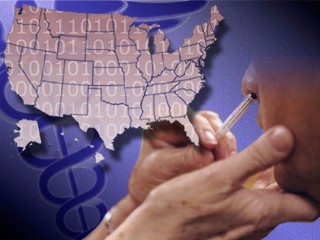
Though the H1N1 vaccine is still not widely available, some states are doing a better job than others at keeping their public informed about
where the limited supply can be found.
 (ABC News Photo Illustration)
The U.S. Centers for Disease Control and Prevention has admitted that getting enough vaccine to all the states will be a "bumpy road," but a state-by-state comparison of flu Web sites reveals that some states, like New Jersey, Wisconsin and Kansas, are helping this process run a little smoother by providing vaccine locating tools, lists of local doctors who will provide the vaccine, and even phone numbers for hotlines devoted to helping the public locate a H1N1 vaccine clinic or doctor nearby.
Meanwhile, other state health department Web sites keep their citizens in the dark. For example, Alabama and Mississippi have virtually no specific information about where flu shots can be found, and at best, they suggest that you "contact your health provider" or promise that information is "coming soon."
As of Friday, 16.1 million doses of H1N1 vaccine were available for shipping to health providers nationwide, and millions more become available every week. Now that vaccine supply is increasing, it's up to state and local health departments to let the public know when vaccine will be coming to their area and where those eligible can go to get it.
Using the information on New Jersey's site, one can easily find counties that have available clinics, the location of the clinics, and the times they will administer vaccine -- though you must be a resident of that county to attend such a clinic. A quick statewide search turns up a few counties that are currently providing clinics; Randolph Township, for example, will hold a nasal spray clinic this Thursday for residents who are in the CDC's priority group.
For those not eligible to receive the nasal spray -- pregnant women, for example -- local health departments are taking names and contact information for a priority list. When injectable vaccine becomes available in the county, those on this list will get a call.
This is the way Washington County, Kan., is handling the situation as well. Anyone in the CDC's priority group can be put on a list and will be called in to receive their vaccination when it arrives at their local health department.
Many other states provide this level of information. Georgia's Web site offers a list of doctors who will provide the vaccine -- to current patients and to new ones -- once it's delivered to them. Their site also connects users with local county health department clinics. While not all counties have clinics at this point, those that do, such as Jefferson County, have all the necessary information right there: dates, location, time of day and a phone number for fielding questions.
North Carolina's Web site has a "flu clinic finder" that currently connects users to local seasonal flu clinics, but will transition seamlessly into an "H1N1 clinic finder" once enough vaccine is available.
California's Web site, like many states', links users out to their local county health department's site, which can be hit or miss at finding vaccine information. If your county happens to be one of the good ones, with lots of vaccine information, then finding a clinic can take a matter of seconds.
With vaccine production chugging along, it is essential that states have means of communicating with the public so that when vaccine supply does pick up, residents will know how to get vaccinated. For example, even though Wisconsin does not yet provide H1N1 vaccine clinics on a broad basis, they already have a 2-1-1 number in place -- a statewide hotline that links the public with information on a nearby flu clinic.
http://abcnews.go.com/Health/SwineF...tes-h1n1-vaccine-info/Story?id=8921708&page=1
Re: Flu Shot Locator
Best and Worst States for H1N1 Flu Vaccine Info
When It Comes to Getting Information to the Public, Not All States Are Equal
By COURTNEY HUTCHISON
ABC News Medical Unit
Oct. 27, 2009
Though the H1N1 vaccine is still not widely available, some states are doing a better job than others at keeping their public informed about
where the limited supply can be found.
The U.S. Centers for Disease Control and Prevention has admitted that getting enough vaccine to all the states will be a "bumpy road," but a state-by-state comparison of flu Web sites reveals that some states, like New Jersey, Wisconsin and Kansas, are helping this process run a little smoother by providing vaccine locating tools, lists of local doctors who will provide the vaccine, and even phone numbers for hotlines devoted to helping the public locate a H1N1 vaccine clinic or doctor nearby.
Meanwhile, other state health department Web sites keep their citizens in the dark. For example, Alabama and Mississippi have virtually no specific information about where flu shots can be found, and at best, they suggest that you "contact your health provider" or promise that information is "coming soon."
As of Friday, 16.1 million doses of H1N1 vaccine were available for shipping to health providers nationwide, and millions more become available every week. Now that vaccine supply is increasing, it's up to state and local health departments to let the public know when vaccine will be coming to their area and where those eligible can go to get it.
Using the information on New Jersey's site, one can easily find counties that have available clinics, the location of the clinics, and the times they will administer vaccine -- though you must be a resident of that county to attend such a clinic. A quick statewide search turns up a few counties that are currently providing clinics; Randolph Township, for example, will hold a nasal spray clinic this Thursday for residents who are in the CDC's priority group.
For those not eligible to receive the nasal spray -- pregnant women, for example -- local health departments are taking names and contact information for a priority list. When injectable vaccine becomes available in the county, those on this list will get a call.
This is the way Washington County, Kan., is handling the situation as well. Anyone in the CDC's priority group can be put on a list and will be called in to receive their vaccination when it arrives at their local health department.
Many other states provide this level of information. Georgia's Web site offers a list of doctors who will provide the vaccine -- to current patients and to new ones -- once it's delivered to them. Their site also connects users with local county health department clinics. While not all counties have clinics at this point, those that do, such as Jefferson County, have all the necessary information right there: dates, location, time of day and a phone number for fielding questions.
North Carolina's Web site has a "flu clinic finder" that currently connects users to local seasonal flu clinics, but will transition seamlessly into an "H1N1 clinic finder" once enough vaccine is available.
California's Web site, like many states', links users out to their local county health department's site, which can be hit or miss at finding vaccine information. If your county happens to be one of the good ones, with lots of vaccine information, then finding a clinic can take a matter of seconds.
With vaccine production chugging along, it is essential that states have means of communicating with the public so that when vaccine supply does pick up, residents will know how to get vaccinated. For example, even though Wisconsin does not yet provide H1N1 vaccine clinics on a broad basis, they already have a 2-1-1 number in place -- a statewide hotline that links the public with information on a nearby flu clinic.
http://abcnews.go.com/Health/SwineF...tes-h1n1-vaccine-info/Story?id=8921708&page=1
AlaskaDenise
In Memoriam
Re: Flu Shot Locator
Re: Flu Shot Locator
NOTICE TO ANYONE GETTING A VACCINE - understand which type of vaccine you need (live or killed) and check that you are getting the correct type and correct dose - whether for children or adults.
With all these vaccines the possibility of errors in higher and the public can help by double checking the details of what is about to be administered.
.
Re: Flu Shot Locator
NOTICE TO ANYONE GETTING A VACCINE - understand which type of vaccine you need (live or killed) and check that you are getting the correct type and correct dose - whether for children or adults.
With all these vaccines the possibility of errors in higher and the public can help by double checking the details of what is about to be administered.
.
Pathfinder
Editor, Senior Moderator
Re: Flu Shot Locator
Re: Flu Shot Locator
Novartis Says On Track To Deliver US Vaccine Order
Doses Expected To Be Delivered By End Of Nov.
POSTED: 6:17 am CDT October 29, 2009
UPDATED: 8:22 am CDT October 29, 2009
BASEL, Switzerland --Swiss drugmaker Novartis AG said Thursday it is on track to meet its U.S. government order for swine flu vaccine, seeking to calm fears in recent weeks that shipments and vaccination programs may be delayed.
The Basel-based company said it already has delivered more than 7.5 million doses of vaccine for the A(H1N1) flu that the World Health Organization vaccines declared a pandemic in June.
Novartis said it expects to send 25-30 million doses to the United States by the end of November.
"If you look at the U.S. market, there's been a lot of confusion around about how much was to be delivered by when," said spokesman Eric Althoff. "In fact, we're exactly where we told the government we would be."
U.S. authorities said earlier this month they had received only about 23 million of the predicted 45 million vaccine doses from Novartis and other vaccine makers by mid-October. The delay has caused many U.S. states to postpone mass vaccinations, and worried patients have bombarded doctors with calls asking when a shot would be available.
"It's made a lot of headlines in the U.S.," said Althoff. "Every contract takes into account that you're making a commitment with many unknown variants, and one of the variants was the yield, which then delays the amount of vaccine available at one given time."
In fact, the amount of seed virus Novartis was able to produce was initially far below expectations, though the yield has since been increased, said Althoff.
"The (U.S.) government has always been updated on this progress," he said.
Novartis shares were down 0.9 percent at 52.85 Swiss francs ($51.53) on the Zurich exchange Thursday.
http://www.wdsu.com/health/21461726/detail.html
Re: Flu Shot Locator
Novartis Says On Track To Deliver US Vaccine Order
Doses Expected To Be Delivered By End Of Nov.
POSTED: 6:17 am CDT October 29, 2009
UPDATED: 8:22 am CDT October 29, 2009
BASEL, Switzerland --Swiss drugmaker Novartis AG said Thursday it is on track to meet its U.S. government order for swine flu vaccine, seeking to calm fears in recent weeks that shipments and vaccination programs may be delayed.
The Basel-based company said it already has delivered more than 7.5 million doses of vaccine for the A(H1N1) flu that the World Health Organization vaccines declared a pandemic in June.
Novartis said it expects to send 25-30 million doses to the United States by the end of November.
"If you look at the U.S. market, there's been a lot of confusion around about how much was to be delivered by when," said spokesman Eric Althoff. "In fact, we're exactly where we told the government we would be."
U.S. authorities said earlier this month they had received only about 23 million of the predicted 45 million vaccine doses from Novartis and other vaccine makers by mid-October. The delay has caused many U.S. states to postpone mass vaccinations, and worried patients have bombarded doctors with calls asking when a shot would be available.
"It's made a lot of headlines in the U.S.," said Althoff. "Every contract takes into account that you're making a commitment with many unknown variants, and one of the variants was the yield, which then delays the amount of vaccine available at one given time."
In fact, the amount of seed virus Novartis was able to produce was initially far below expectations, though the yield has since been increased, said Althoff.
"The (U.S.) government has always been updated on this progress," he said.
Novartis shares were down 0.9 percent at 52.85 Swiss francs ($51.53) on the Zurich exchange Thursday.
http://www.wdsu.com/health/21461726/detail.html
Pathfinder
Editor, Senior Moderator
Re: Flu Shot Locator
Re: Flu Shot Locator
Vaccine firms say on track to meet U.S. H1N1 orders
(2009-10-29)
<!-- PHOTO --><SCRIPT src="/js/lightbox2.04.js" type=text/javascript></SCRIPT><LINK media=screen href="/styles/lightbox2.04.css" type=text/css rel=stylesheet><LINK media=screen href="/styles/newsroom/article-image.css" type=text/css rel=stylesheet><!-- END PHOTO -->(Reuters) -
By Sam Cage and Ben Hirschler
ZURICH/LONDON (Reuters) - Drugmakers say they are on track to deliver as much H1N1 swine flu vaccine to the United States as they promised, despite concerns over production.
The U.S. has contracted with its five suppliers of seasonal influenza vaccine to also deliver H1N1 vaccine, but officials have sharply cut initial estimates of how much will be delivered this month and next.
Many U.S. states and cities say they have received about a tenth as much vaccine as they had expected by this time, but Novartis AG and AstraZeneca Plc said they were on track to meet their commitments.
Most major vaccine producers have been struggling with low H1N1 yields, leading to lower-than-expected shipments and a scramble for supplies in some markets.
In September, U.S. officials said 40 million vaccine doses would be available by the end of October and they estimated 20 million doses a week would be delivered, with a goal of 250 million doses by the end of flu season in March or April.
"Not only did we complete our commitment to provide seasonal vaccine ahead of schedule, we are making every effort to make as much H1N1 vaccine available as quickly as possible," Novartis vaccines chief Andrin Oswald said in a statement.
GlaxoSmithKline Plc Chief Executive Andrew Witty said on Wednesday his company had initially experienced problems, but yields were now improving and he predicted the final yield would be "pretty good" compared with historic flu strains.
Glaxo is one of the world's largest manufacturers of flu vaccines, along with Sanofi-Aventis and Novartis. It is not, however, a big source of vaccine for the U.S., since it is still awaiting approval for its unadjuvanted vaccine from U.S. regulators.
Sanofi has said it is on track to deliver more than 75 million doses to the United States.
LOW YIELDS
Novartis said production was progressing despite low yields of the initial seed virus. It will produce 90 million units of bulk antigen, which is expected to result in 60 million finished vaccine doses, due in part to overfills in the filling process.
It has already shipped more than 7.5 million doses and expects to reach 25 to 30 million by the end of November, in line with commitments it made to U.S. authorities. To date, 42 million bulk units of vaccine have been produced and the full run of 90 million is expected to be completed by December.
As requested, Novartis is supplying the U.S. with unadjuvanted vaccine, which does not contain an additive. But it is has also started delivering its own adjuvant, which could be used with the vaccine to double the number of doses produced.
AstraZeneca's Chief Financial Officer Simon Lowth said it had already delivered 10 million doses of H1N1 vaccine to the U.S. and was on track for a total of 40 million by early 2010.
Unlike other vaccine firms, AstraZeneca's MedImmune unit supplies flu vaccine as a nasal spray rather than injection and uses a different system to make the vaccine.
It has not had problems with vaccine yields but is constrained by the number of spraying devices that can be manufactured.
MedImmune, which could produce about 200 million doses of its needle-free vaccine in bulk, is now talking to regulators about perfecting a dropper device to drip vaccines into the nose -- technology that has been used with other vaccines.
In early afternoon trade Novartis shares were down 0.37 percent, Sanofi-Aventis down 1.73 percent, Glaxo down 0.72 percent, and Astrazeneca down 1.76 percent.http://www.publicbroadcasting.net/k...e.firms.say.on.track.to.meet.U.S..H1N1.orders
Re: Flu Shot Locator
Vaccine firms say on track to meet U.S. H1N1 orders
(2009-10-29)
<!-- PHOTO --><SCRIPT src="/js/lightbox2.04.js" type=text/javascript></SCRIPT><LINK media=screen href="/styles/lightbox2.04.css" type=text/css rel=stylesheet><LINK media=screen href="/styles/newsroom/article-image.css" type=text/css rel=stylesheet><!-- END PHOTO -->(Reuters) -
By Sam Cage and Ben Hirschler
ZURICH/LONDON (Reuters) - Drugmakers say they are on track to deliver as much H1N1 swine flu vaccine to the United States as they promised, despite concerns over production.
The U.S. has contracted with its five suppliers of seasonal influenza vaccine to also deliver H1N1 vaccine, but officials have sharply cut initial estimates of how much will be delivered this month and next.
Many U.S. states and cities say they have received about a tenth as much vaccine as they had expected by this time, but Novartis AG and AstraZeneca Plc said they were on track to meet their commitments.
Most major vaccine producers have been struggling with low H1N1 yields, leading to lower-than-expected shipments and a scramble for supplies in some markets.
In September, U.S. officials said 40 million vaccine doses would be available by the end of October and they estimated 20 million doses a week would be delivered, with a goal of 250 million doses by the end of flu season in March or April.
"Not only did we complete our commitment to provide seasonal vaccine ahead of schedule, we are making every effort to make as much H1N1 vaccine available as quickly as possible," Novartis vaccines chief Andrin Oswald said in a statement.
GlaxoSmithKline Plc Chief Executive Andrew Witty said on Wednesday his company had initially experienced problems, but yields were now improving and he predicted the final yield would be "pretty good" compared with historic flu strains.
Glaxo is one of the world's largest manufacturers of flu vaccines, along with Sanofi-Aventis and Novartis. It is not, however, a big source of vaccine for the U.S., since it is still awaiting approval for its unadjuvanted vaccine from U.S. regulators.
Sanofi has said it is on track to deliver more than 75 million doses to the United States.
LOW YIELDS
Novartis said production was progressing despite low yields of the initial seed virus. It will produce 90 million units of bulk antigen, which is expected to result in 60 million finished vaccine doses, due in part to overfills in the filling process.
It has already shipped more than 7.5 million doses and expects to reach 25 to 30 million by the end of November, in line with commitments it made to U.S. authorities. To date, 42 million bulk units of vaccine have been produced and the full run of 90 million is expected to be completed by December.
As requested, Novartis is supplying the U.S. with unadjuvanted vaccine, which does not contain an additive. But it is has also started delivering its own adjuvant, which could be used with the vaccine to double the number of doses produced.
AstraZeneca's Chief Financial Officer Simon Lowth said it had already delivered 10 million doses of H1N1 vaccine to the U.S. and was on track for a total of 40 million by early 2010.
Unlike other vaccine firms, AstraZeneca's MedImmune unit supplies flu vaccine as a nasal spray rather than injection and uses a different system to make the vaccine.
It has not had problems with vaccine yields but is constrained by the number of spraying devices that can be manufactured.
MedImmune, which could produce about 200 million doses of its needle-free vaccine in bulk, is now talking to regulators about perfecting a dropper device to drip vaccines into the nose -- technology that has been used with other vaccines.
In early afternoon trade Novartis shares were down 0.37 percent, Sanofi-Aventis down 1.73 percent, Glaxo down 0.72 percent, and Astrazeneca down 1.76 percent.http://www.publicbroadcasting.net/k...e.firms.say.on.track.to.meet.U.S..H1N1.orders
Pathfinder
Editor, Senior Moderator
Re: Flu Shot Locator
Re: Flu Shot Locator
Saturday, October 31, 2009
U.S. sees 10 million more H1N1 vaccine doses next week
WASHINGTON (Reuters) - Five drug companies are now increasing production of the vaccine for the H1N1 swine flu, and 10 million more doses are expected next week, Health and Human Services Secretary Kathleen Sebelius said on Saturday.
President Barack Obama on Friday expressed frustration about the slow pace of production of the vaccine, which has resulted in just 26.6 million doses as of Friday, far below earlier estimates of 40 million by the end of October.
Sebelius said those initial estimates were based on "overly optimistic" predictions by the five contracted vaccine makers for the U.S. market -- MedImmune, a unit of AstraZeneca, Sanofi-Aventis, Australia's CSL, GlaxoSmithKline and Novartis.
But production was now increasing and vaccine doses were being shipped seven days a week, Sebelius told CNN.
"The good news is that we have, as of yesterday, 26.6 million doses out and around the country. We are expecting another 10 million doses next week," Sebelius said. "So the vaccine is beginning to roll in larger volumes.
And it's being distributed as quickly as it comes off the line."
"It's being shipped overnight. We're getting it from producers seven days a week," she added.
HHS initially estimated that 20 million doses would roll out every week, but the companies are currently producing only about 10 million doses a week.
The latest count shows 114 children have been killed by the virus in the United States since April, during a time when there is usually virtually no influenza, according to the U.S. Centers for Disease Control and Prevention.
CDC researchers estimated this week that as many as 5.7 million people in the United States have been infected so far, with at least 1,300 deaths.
The flu has been reporting in 48 states, an unprecedented level.
David Axelrod, Obama's senior adviser, told National Public Radio in an interview aired on Saturday that the administration "overpromised" the vaccine based on the companies' assurances.
But he said the problem was abating every day: "We believe that that is improving on a daily basis, and we're going to have an ample supply in very short order."
Sebelius told CNN there was now a good mix of the nasal vaccine and the nasal mist available after earlier shortages, and the government expected to make sufficient vaccine doses available "over the next several months."
The United States still planned to participate in an 11-nation program to donate H1N1 vaccine to developing countries, but only after the priority population in the United States had been vaccinated, Sebelius said.
"The first priority is to get the vaccine to the American people," Sebelius said. "That's always been the plan. It continues to be the plan."
But she said vaccinations were also critical in developing countries and refugee camps, where hundreds of thousands of people could die as a result of the flu, Sebelius said.
(Reporting by Andrea Shalal-Esa, editing by Anthony Boadle)
http://townhall.com/news/lifestyle/...ccine_doses_next_week?page=full&comments=true
Re: Flu Shot Locator
Saturday, October 31, 2009
U.S. sees 10 million more H1N1 vaccine doses next week
WASHINGTON (Reuters) - Five drug companies are now increasing production of the vaccine for the H1N1 swine flu, and 10 million more doses are expected next week, Health and Human Services Secretary Kathleen Sebelius said on Saturday.
President Barack Obama on Friday expressed frustration about the slow pace of production of the vaccine, which has resulted in just 26.6 million doses as of Friday, far below earlier estimates of 40 million by the end of October.
Sebelius said those initial estimates were based on "overly optimistic" predictions by the five contracted vaccine makers for the U.S. market -- MedImmune, a unit of AstraZeneca, Sanofi-Aventis, Australia's CSL, GlaxoSmithKline and Novartis.
But production was now increasing and vaccine doses were being shipped seven days a week, Sebelius told CNN.
"The good news is that we have, as of yesterday, 26.6 million doses out and around the country. We are expecting another 10 million doses next week," Sebelius said. "So the vaccine is beginning to roll in larger volumes.
And it's being distributed as quickly as it comes off the line."
"It's being shipped overnight. We're getting it from producers seven days a week," she added.
HHS initially estimated that 20 million doses would roll out every week, but the companies are currently producing only about 10 million doses a week.
The latest count shows 114 children have been killed by the virus in the United States since April, during a time when there is usually virtually no influenza, according to the U.S. Centers for Disease Control and Prevention.
CDC researchers estimated this week that as many as 5.7 million people in the United States have been infected so far, with at least 1,300 deaths.
The flu has been reporting in 48 states, an unprecedented level.
David Axelrod, Obama's senior adviser, told National Public Radio in an interview aired on Saturday that the administration "overpromised" the vaccine based on the companies' assurances.
But he said the problem was abating every day: "We believe that that is improving on a daily basis, and we're going to have an ample supply in very short order."
Sebelius told CNN there was now a good mix of the nasal vaccine and the nasal mist available after earlier shortages, and the government expected to make sufficient vaccine doses available "over the next several months."
The United States still planned to participate in an 11-nation program to donate H1N1 vaccine to developing countries, but only after the priority population in the United States had been vaccinated, Sebelius said.
"The first priority is to get the vaccine to the American people," Sebelius said. "That's always been the plan. It continues to be the plan."
But she said vaccinations were also critical in developing countries and refugee camps, where hundreds of thousands of people could die as a result of the flu, Sebelius said.
(Reporting by Andrea Shalal-Esa, editing by Anthony Boadle)
http://townhall.com/news/lifestyle/...ccine_doses_next_week?page=full&comments=true
Pathfinder
Editor, Senior Moderator
Re: Flu Shot Locator
Re: Flu Shot Locator
<TABLE class=body_table cellPadding=0 cellspading="0"><TBODY><TR><TD class="boxes_hd lingo_boxes_hd_left">H1N1 Flu State-by-state Resources</TD><TD class="boxes_hd lingo_boxes_hd_right"></TD><TD class="boxes_hd boxes_margin"></TD></TR><TR><TD class=boxes_margin></TD><TD class=lingo_boxes_composite colSpan=2><TABLE><TBODY><TR><TD style="VERTICAL-ALIGN: top; WIDTH: 580px"><STYLE type=text/css>#LINGO .abstract_image,.abstract_image { float: left; margin-right: 10px; margin-bottom: 10px;}#LINGO .abstract,.abstract { padding: 5px;}</STYLE>Find the H1N1 vaccine status:
A state-by-state comparison finds that most are helping make the process smoother by providing locations, phone numbers for providers and hotlines, while a few have very little information.
Alabama http://www.adph.org/H1N1Flu/index.asp?id=3571
Alaska http://www.pandemicflu.alaska.gov/
Arizona http://www.azdhs.gov/flu/h1n1/index.htm
Arkansas http://www.healthyarkansas.com/cdc_swineflu.html
California http://www.cdph.ca.gov/HealthInfo/discond/pages/swineinfluenza.aspx
Colorado http://www.cdphe.state.co.us/epr/h1n1.html
Connecticut http://www.ct.gov/ctfluwatch/cwp/view.asp?a=2533&q=439092
Delaware http://dhss.delaware.gov/dhss/dph/index.html
Florida http://www.doh.state.fl.us/DEMO/php/FluInfo.htm
Georgia http://health.state.ga.us/h1n1flu/
Hawaii http://hawaii.gov/health/about/H1N1.html
Idaho http://www.sde.idaho.gov/site/flu/
Illinois http://www.idph.state.il.us/h1n1_flu/
Indiana https://isdhmaps.isdh.in.gov/apps/pubstat/FluStat.htm
Iowa http://www.idph.state.ia.us/h1n1/
Kansas http://www.kdheks.gov/H1N1/
Kentucky http://kyem.ky.gov/H1N1+Virus+-+News+and+Links.htm
Louisiana http://www.dhh.louisiana.gov/offices/default-145.asp?ID=145
Maine http://www.maine.gov/dhhs/boh/maineflu/
Maryland http://www.dhmh.maryland.gov/swineflu/
Massachusetts http://publichealth.blog.state.ma.us/h1n1-swine-flu/
Michigan http://www.michigan.gov/mdch/0,1607,7-132-2940_2955_22779_53388-213600--,00.html
Minnesota http://www.health.state.mn.us/divs/idepc/diseases/flu/index.html
Mississippi http://www.msdh.ms.gov/msdhsite/_static/14,0,334.html
Missouri http://www.dhss.mo.gov/BT_Response/_SwineFlu09.html
Montana http://www.dphhs.mt.gov/swineflu/index.shtml
Nebraska http://www.hhs.state.ne.us/H1N1flu/
Nevada http://flu.nv.gov/
New Hampshire http://www.dhhs.state.nh.us/DHHS/DHHS_SITE/swineflu.htm
New Jersey http://www.state.nj.us/health/flu/h1n1.shtml
New Mexico http://www.health.state.nm.us/h1n1/index.shtml
New York http://www.ny.gov/h1n1/index.html
North Carolina http://www.flu.nc.gov/epi/gcdc/
North Dakota http://www.ndflu.com/h1n1/
Ohio http://www.odh.ohio.gov/landing/phs_emergency/swineflu.aspx
Oklahoma http://www.ok.gov/health/2009_H1N1_Flu_Updates_and_Alerts.html
Oregon http://www.flu.oregon.gov/
Pennsylvania http://www.dsf.health.state.pa.us/health/cwp/view.asp?q=252990
Rhode Island http://www.health.state.ri.us/pandemicflu/swineflu/swineflu.php
South Carolina http://www.scdhec.gov/flu/novel-h1n1-flu.htm
South Dakota http://doh.sd.gov/H1N1.aspx
Tennessee http://health.state.tn.us/H1N1.htm
Texas http://www.dshs.state.tx.us/txflu/default.shtm
Utah http://health.utah.gov/epi/h1n1flu/
Vermont http://healthvermont.gov/panflu/SwineFlu.aspx
Virginia http://www.doe.virginia.gov/support/health_medical/influenza/index.shtml
Washington http://www.doh.wa.gov/h1n1/
West Virginia http://www.wvoehp.org/Home/HotTopicSwineInfluenza/tabid/1856/Default.aspx
Wisconsin http://pandemic.wisconsin.gov/
Wyoming http://wdh.state.wy.us/phsd/epiid/swineflu.html
http://topics.lingospot.com/BVJHJOPFHK/H1N1+Flu+State-by-state+Resources/
</TD></TR></TBODY></TABLE>
</TD></TR></TBODY></TABLE>
Re: Flu Shot Locator
<TABLE class=body_table cellPadding=0 cellspading="0"><TBODY><TR><TD class="boxes_hd lingo_boxes_hd_left">H1N1 Flu State-by-state Resources</TD><TD class="boxes_hd lingo_boxes_hd_right"></TD><TD class="boxes_hd boxes_margin"></TD></TR><TR><TD class=boxes_margin></TD><TD class=lingo_boxes_composite colSpan=2><TABLE><TBODY><TR><TD style="VERTICAL-ALIGN: top; WIDTH: 580px"><STYLE type=text/css>#LINGO .abstract_image,.abstract_image { float: left; margin-right: 10px; margin-bottom: 10px;}#LINGO .abstract,.abstract { padding: 5px;}</STYLE>Find the H1N1 vaccine status:
A state-by-state comparison finds that most are helping make the process smoother by providing locations, phone numbers for providers and hotlines, while a few have very little information.
Alabama http://www.adph.org/H1N1Flu/index.asp?id=3571
Alaska http://www.pandemicflu.alaska.gov/
Arizona http://www.azdhs.gov/flu/h1n1/index.htm
Arkansas http://www.healthyarkansas.com/cdc_swineflu.html
California http://www.cdph.ca.gov/HealthInfo/discond/pages/swineinfluenza.aspx
Colorado http://www.cdphe.state.co.us/epr/h1n1.html
Connecticut http://www.ct.gov/ctfluwatch/cwp/view.asp?a=2533&q=439092
Delaware http://dhss.delaware.gov/dhss/dph/index.html
Florida http://www.doh.state.fl.us/DEMO/php/FluInfo.htm
Georgia http://health.state.ga.us/h1n1flu/
Hawaii http://hawaii.gov/health/about/H1N1.html
Idaho http://www.sde.idaho.gov/site/flu/
Illinois http://www.idph.state.il.us/h1n1_flu/
Indiana https://isdhmaps.isdh.in.gov/apps/pubstat/FluStat.htm
Iowa http://www.idph.state.ia.us/h1n1/
Kansas http://www.kdheks.gov/H1N1/
Kentucky http://kyem.ky.gov/H1N1+Virus+-+News+and+Links.htm
Louisiana http://www.dhh.louisiana.gov/offices/default-145.asp?ID=145
Maine http://www.maine.gov/dhhs/boh/maineflu/
Maryland http://www.dhmh.maryland.gov/swineflu/
Massachusetts http://publichealth.blog.state.ma.us/h1n1-swine-flu/
Michigan http://www.michigan.gov/mdch/0,1607,7-132-2940_2955_22779_53388-213600--,00.html
Minnesota http://www.health.state.mn.us/divs/idepc/diseases/flu/index.html
Mississippi http://www.msdh.ms.gov/msdhsite/_static/14,0,334.html
Missouri http://www.dhss.mo.gov/BT_Response/_SwineFlu09.html
Montana http://www.dphhs.mt.gov/swineflu/index.shtml
Nebraska http://www.hhs.state.ne.us/H1N1flu/
Nevada http://flu.nv.gov/
New Hampshire http://www.dhhs.state.nh.us/DHHS/DHHS_SITE/swineflu.htm
New Jersey http://www.state.nj.us/health/flu/h1n1.shtml
New Mexico http://www.health.state.nm.us/h1n1/index.shtml
New York http://www.ny.gov/h1n1/index.html
North Carolina http://www.flu.nc.gov/epi/gcdc/
North Dakota http://www.ndflu.com/h1n1/
Ohio http://www.odh.ohio.gov/landing/phs_emergency/swineflu.aspx
Oklahoma http://www.ok.gov/health/2009_H1N1_Flu_Updates_and_Alerts.html
Oregon http://www.flu.oregon.gov/
Pennsylvania http://www.dsf.health.state.pa.us/health/cwp/view.asp?q=252990
Rhode Island http://www.health.state.ri.us/pandemicflu/swineflu/swineflu.php
South Carolina http://www.scdhec.gov/flu/novel-h1n1-flu.htm
South Dakota http://doh.sd.gov/H1N1.aspx
Tennessee http://health.state.tn.us/H1N1.htm
Texas http://www.dshs.state.tx.us/txflu/default.shtm
Utah http://health.utah.gov/epi/h1n1flu/
Vermont http://healthvermont.gov/panflu/SwineFlu.aspx
Virginia http://www.doe.virginia.gov/support/health_medical/influenza/index.shtml
Washington http://www.doh.wa.gov/h1n1/
West Virginia http://www.wvoehp.org/Home/HotTopicSwineInfluenza/tabid/1856/Default.aspx
Wisconsin http://pandemic.wisconsin.gov/
Wyoming http://wdh.state.wy.us/phsd/epiid/swineflu.html
http://topics.lingospot.com/BVJHJOPFHK/H1N1+Flu+State-by-state+Resources/
</TD></TR></TBODY></TABLE>
</TD></TR></TBODY></TABLE>
Re: Flu Shot Locator
Re: Flu Shot Locator
Google launches online flu shot finder
(AFP) ? 2 hours ago
SAN FRANCISCO ? Google on Tuesday launched an online tool for tracking down where to get vaccinations against H1N1 and seasonal influenza in the United States.
The flu-shot finder service went live online at google.com/flushot and will soon be available at flu.gov and websites of the American Lung Association, according to the California-based Internet giant.
"This project is just beginning and we have not yet received information about flu shot clinics for many locations," Roni Zeiger and Jennifer Haroon of Google said in a blog post.
"Especially given slower than expected vaccine production, we think it's important to bring together flu shot information in a coherent manner."
In October, Google expanded a flu-tracking tool to include 16 more countries, analyzing local patterns in search queries to determine the spread of the influenza, and notably swine flu, the H1N1 virus which the World Health Organization labeled a global pandemic earlier this year.
Japan, Russia, and much of Europe are now included at Google Flu Trends. The California Internet powerhouse has also made information available online at google.org/flutrends/ available in 37 languages.
Google had already expanded Flu Trends to include Australia, Mexico, and New Zealand since launching the free tool with US data last November.
Flu Trends counts the number of flu-related queries on the Google Internet search engine and provides estimates on influenza outbreaks in respective regions.
http://maps.google.com/maps/mpl?mod...gle.com/mapfiles/mapplets/flushot/flushot.xml
Re: Flu Shot Locator
Google launches online flu shot finder
(AFP) ? 2 hours ago
SAN FRANCISCO ? Google on Tuesday launched an online tool for tracking down where to get vaccinations against H1N1 and seasonal influenza in the United States.
The flu-shot finder service went live online at google.com/flushot and will soon be available at flu.gov and websites of the American Lung Association, according to the California-based Internet giant.
"This project is just beginning and we have not yet received information about flu shot clinics for many locations," Roni Zeiger and Jennifer Haroon of Google said in a blog post.
"Especially given slower than expected vaccine production, we think it's important to bring together flu shot information in a coherent manner."
In October, Google expanded a flu-tracking tool to include 16 more countries, analyzing local patterns in search queries to determine the spread of the influenza, and notably swine flu, the H1N1 virus which the World Health Organization labeled a global pandemic earlier this year.
Japan, Russia, and much of Europe are now included at Google Flu Trends. The California Internet powerhouse has also made information available online at google.org/flutrends/ available in 37 languages.
Google had already expanded Flu Trends to include Australia, Mexico, and New Zealand since launching the free tool with US data last November.
Flu Trends counts the number of flu-related queries on the Google Internet search engine and provides estimates on influenza outbreaks in respective regions.
http://maps.google.com/maps/mpl?mod...gle.com/mapfiles/mapplets/flushot/flushot.xml
Pathfinder
Editor, Senior Moderator
Re: Flu Shot Locator
Re: Flu Shot Locator
Flaws in the Swine Flu Campaign<!-- P2P_LIVE_EDIT "content_item_headline_preview" END -->
<!-- P2P_LIVE_EDIT "content_item_subheadline_preview" START -->AP IMPACT: US distribution of swine flu vaccine is uneven, confusing; complaints abound.
Mike Stobbe<!-- P2P_LIVE_EDIT "content_item_byline_preview" END --> <!-- P2P_LIVE_EDIT "content_item_titleline_preview" START -->The Associated Press<!-- P2P_LIVE_EDIT "content_item_titleline_preview" END -->
<!-- P2P_LIVE_EDIT "content_item_display_time_preview" START -->8:51 a.m. CST, November 20, 2009<!-- P2P_LIVE_EDIT "content_item_display_time_preview" END -->
ATLANTA (AP) — When the nation's swine flu vaccination program began in early October, health officials predicted it was going to be "messy." They were right.
The program has been plagued with problems and information gaps:
—Health officials have been terrible at predicting when and how much vaccine would be available. Only about 44 million doses have been shipped so far. Initially, officials said more than three times that would be out by now.
—At times vaccine shipments have been inexplicably lopsided. For example, smaller counties in Illinois and California have received the same amount delivered to counties with seven times as many people.
—Health officials have stressed that people most at risk for swine flu complications should go to the head of the line, but they haven't tried to make sure that actually happened.
—And despite pledges that they would be transparent about the vaccine program, some health officials have refused to disclose where all the doses are going, and they have held back on public service announcements telling people who should be coming in for shots. Also, many states were slow to establish Web sites that give vaccination locations.
To be fair, health officials say, the government deserves credit for a herculean effort to develop and distribute a safe and effective vaccine against a deadly virus that was first identified only seven months ago.
"You have a brand-new disease that gets identified in April. By October, you have a vaccine for it. By any standards, it's a miracle," said Dr. Diane Helentjaris, director of the Virginia Department of Health office handling swine flu response.
But complaints have been mounting, with lawmakers this week holding hearings in Washington and elsewhere, pressing for explanations.
"Calls are still coming in to me about, 'Why can't I get the vaccine?'" said Andrea Stillman, a Connecticut state senator speaking at a Wednesday hearing in Hartford.
She noted reports of uneven distribution within her state, and of places where vulnerable patients can't get the vaccine. "Obviously we're very frustrated in southeastern Connecticut," she said.
People are frustrated everywhere, said Sen. Susan Collins, R-Maine. At a hearing in Washington on Tuesday, she complained of "layers of misinformation and miscommunication."
Arthur Caplan, director of the University of Pennsylvania's Center for Bioethics, said health officials should have done more to make sure limited doses get to the people most at danger from the virus. And he said they should have been tougher on nurses and other health-care workers who are putting their patients at risk because they declined to get a shot.
"It is not working right at all," Caplan said.
In their defense, officials at the U.S. Centers for Disease Control and Prevention have said that the main issue is insufficient vaccine from manufacturers — something CDC can't control — and that health authorities are doing the best they can. Officials say all their predictions have been based on what manufacturers told them, and that every step of the way they've warned the public that the flu and the flu vaccine manufacturing process are hard to predict.
"A lot of this is a function of not having as much vaccine as we would like to have," said Dr. Anne Schuchat, who heads the agency's immunization section.
The new swine flu, also called 2009 H1N1, has not turned out to be the deadly global disaster that experts have long feared. But it has sickened an estimated 22 million Americans, hospitalized about 98,000 and killed 4,000. It has proved to be similar to seasonal flu but a much bigger threat to children and young adults.
There was no vaccine to protect against the new virus, so manufacturers had to create a new one. In July, a government health official estimated 120 million vaccine doses would be available by late October. Later, the government backed away from that estimate when manufacturers couldn't crank out vaccine so rapidly.
The CDC has been coordinating the vaccine campaign, but it is not fully in charge. As a matter of tradition and law, states have had more public health authority than the federal government. Each state health department has made decisions about which clinics, doctor's offices and other sites get vaccine from a federally contracted distributor.
"It's a little bit of a messy process and we expect it to be somewhat bumpy in the first few weeks," CDC Director Dr. Tom Frieden said in early October.
The bumps lasted more than a few weeks.
Health officials seem to have a poor idea of how many doses to expect. Two weeks ago, they predicted 8 million doses in the following seven days; it turned out to be 5 million — largely because a tropical storm nearly derailed some deliveries.
Blown delivery promises have had ripple effects at the state and local level. In Alaska, deliveries have lagged significantly, and other states report similar experiences. "We've learned to not put too much faith" in any extended vaccine supply estimates, said South Dakota Health Secretary Doneen Hollingsworth.
Demand has far exceeded supply in many places, and hundreds and even thousands people have waited hours in line. Many have been turned away when the vaccine ran out or the clinic hours ended.
One Delaware pediatrician, Dr. David Epstein, said patients were "banging on the door" for swine flu vaccine, and at some moments he felt like a United Nations relief worker in a refugee camp. "Everybody is desperate for it," said Epstein, who ordered 2,300 doses but had received only 300 as of last week.
Supply problems have forced states to make hard decisions about where to send the doses and which patients should get it.
Tennessee kicked off its campaign by targeting health-care workers, and many rejected the offer. Georgia emphasized getting initial doses to pediatricians and clinics that serve children. Minnesota randomly sent vaccine to clinics across the state as it became available, and then let the providers decide which patients should get it first.
"We haven't tried to micromanage the administration of the vaccine," said Buddy Ferguson, a spokesman for the Minnesota Department of Health.
Authorities made few attempts to police the crowds to make sure priority groups — like pregnant women, young people and those with certain health problems — got vaccine first.
There were inequities, too.
According to Illinois newspaper reports, tiny Kendall County got enough doses to cover nearly 20 percent of its residents, while Will County — with nearly seven times as many people — got just enough for 2 percent.
In California, Santa Cruz County at one point got nearly 30,000 doses, while Santa Clara County — again, with nearly seven times as many people — got less than half as much, local media reported.
In New York, Buffalo schools wanted to start vaccine clinics but hadn't received a single dose. School officials there were irate to learn New York City schools had begun vaccinating hundreds of thousands of students.
"How could the city of Buffalo, which contains the second-largest school district in New York State, not have been designated by your office to receive a proportional share of vaccine supply?" Buffalo schools Associate Superintendent Will Keresztes wrote Nov. 5 to the state health department.
Some inequities were corrected as more vaccine became available. But suspicions that money or politics played a role in some places were fed by news two weeks ago that Wall Street giants Goldman Sachs and Citigroup received swine flu vaccine for some employees.
Also contributing to public mistrust are health officials themselves. CDC officials have stressed repeatedly that they are striving to be transparent. They have held frequent news conferences and given updates on vaccine availability and the disease's toll.
But the CDC has refused to release information about where all the publicly financed vaccine has been going. The agency punted the question to states, but some states have been tightlipped, too.
If swine flu had turned out to be deadlier, the delays and communication problems might have been catastrophic. Now, cases are declining across much of the country.
Indeed, health officials are now beginning to worry that demand for the vaccine may wane, just as vaccine is becoming more plentiful, just as states are perfecting Web sites that help people locate providers, just as new efforts are under way to encourage more health workers to get vaccinated.
Federal health officials say they expect to start running a public service campaign about the shots shortly.
___
Associated Press writers Carla K. Johnson in Chicago; Zinie Chen Sampson in Richmond, Va.; Kristin Hill in Nashville, Tenn.; Susan Haigh in Hartford, Conn.; Carolyn Thompson in Buffalo, N.Y.; Randall Chase in Dover, Del.; Wayne Ortman in Sioux Falls, S.D.; Rachel D'Oro in Anchorage, Alaska; and Steve Karnowski in Minneapolis contributed to this report.http://www.chicagotribune.com/features/sns-health-swine-flu-distribution,0,3406174,full.story<!-- P2P_LIVE_EDIT "content_item_body_preview" END -->
Re: Flu Shot Locator
Flaws in the Swine Flu Campaign<!-- P2P_LIVE_EDIT "content_item_headline_preview" END -->
<!-- P2P_LIVE_EDIT "content_item_subheadline_preview" START -->AP IMPACT: US distribution of swine flu vaccine is uneven, confusing; complaints abound.
Mike Stobbe<!-- P2P_LIVE_EDIT "content_item_byline_preview" END --> <!-- P2P_LIVE_EDIT "content_item_titleline_preview" START -->The Associated Press<!-- P2P_LIVE_EDIT "content_item_titleline_preview" END -->
<!-- P2P_LIVE_EDIT "content_item_display_time_preview" START -->8:51 a.m. CST, November 20, 2009<!-- P2P_LIVE_EDIT "content_item_display_time_preview" END -->
ATLANTA (AP) — When the nation's swine flu vaccination program began in early October, health officials predicted it was going to be "messy." They were right.
The program has been plagued with problems and information gaps:
—Health officials have been terrible at predicting when and how much vaccine would be available. Only about 44 million doses have been shipped so far. Initially, officials said more than three times that would be out by now.
—At times vaccine shipments have been inexplicably lopsided. For example, smaller counties in Illinois and California have received the same amount delivered to counties with seven times as many people.
—Health officials have stressed that people most at risk for swine flu complications should go to the head of the line, but they haven't tried to make sure that actually happened.
—And despite pledges that they would be transparent about the vaccine program, some health officials have refused to disclose where all the doses are going, and they have held back on public service announcements telling people who should be coming in for shots. Also, many states were slow to establish Web sites that give vaccination locations.
To be fair, health officials say, the government deserves credit for a herculean effort to develop and distribute a safe and effective vaccine against a deadly virus that was first identified only seven months ago.
"You have a brand-new disease that gets identified in April. By October, you have a vaccine for it. By any standards, it's a miracle," said Dr. Diane Helentjaris, director of the Virginia Department of Health office handling swine flu response.
But complaints have been mounting, with lawmakers this week holding hearings in Washington and elsewhere, pressing for explanations.
"Calls are still coming in to me about, 'Why can't I get the vaccine?'" said Andrea Stillman, a Connecticut state senator speaking at a Wednesday hearing in Hartford.
She noted reports of uneven distribution within her state, and of places where vulnerable patients can't get the vaccine. "Obviously we're very frustrated in southeastern Connecticut," she said.
People are frustrated everywhere, said Sen. Susan Collins, R-Maine. At a hearing in Washington on Tuesday, she complained of "layers of misinformation and miscommunication."
Arthur Caplan, director of the University of Pennsylvania's Center for Bioethics, said health officials should have done more to make sure limited doses get to the people most at danger from the virus. And he said they should have been tougher on nurses and other health-care workers who are putting their patients at risk because they declined to get a shot.
"It is not working right at all," Caplan said.
In their defense, officials at the U.S. Centers for Disease Control and Prevention have said that the main issue is insufficient vaccine from manufacturers — something CDC can't control — and that health authorities are doing the best they can. Officials say all their predictions have been based on what manufacturers told them, and that every step of the way they've warned the public that the flu and the flu vaccine manufacturing process are hard to predict.
"A lot of this is a function of not having as much vaccine as we would like to have," said Dr. Anne Schuchat, who heads the agency's immunization section.
The new swine flu, also called 2009 H1N1, has not turned out to be the deadly global disaster that experts have long feared. But it has sickened an estimated 22 million Americans, hospitalized about 98,000 and killed 4,000. It has proved to be similar to seasonal flu but a much bigger threat to children and young adults.
There was no vaccine to protect against the new virus, so manufacturers had to create a new one. In July, a government health official estimated 120 million vaccine doses would be available by late October. Later, the government backed away from that estimate when manufacturers couldn't crank out vaccine so rapidly.
The CDC has been coordinating the vaccine campaign, but it is not fully in charge. As a matter of tradition and law, states have had more public health authority than the federal government. Each state health department has made decisions about which clinics, doctor's offices and other sites get vaccine from a federally contracted distributor.
"It's a little bit of a messy process and we expect it to be somewhat bumpy in the first few weeks," CDC Director Dr. Tom Frieden said in early October.
The bumps lasted more than a few weeks.
Health officials seem to have a poor idea of how many doses to expect. Two weeks ago, they predicted 8 million doses in the following seven days; it turned out to be 5 million — largely because a tropical storm nearly derailed some deliveries.
Blown delivery promises have had ripple effects at the state and local level. In Alaska, deliveries have lagged significantly, and other states report similar experiences. "We've learned to not put too much faith" in any extended vaccine supply estimates, said South Dakota Health Secretary Doneen Hollingsworth.
Demand has far exceeded supply in many places, and hundreds and even thousands people have waited hours in line. Many have been turned away when the vaccine ran out or the clinic hours ended.
One Delaware pediatrician, Dr. David Epstein, said patients were "banging on the door" for swine flu vaccine, and at some moments he felt like a United Nations relief worker in a refugee camp. "Everybody is desperate for it," said Epstein, who ordered 2,300 doses but had received only 300 as of last week.
Supply problems have forced states to make hard decisions about where to send the doses and which patients should get it.
Tennessee kicked off its campaign by targeting health-care workers, and many rejected the offer. Georgia emphasized getting initial doses to pediatricians and clinics that serve children. Minnesota randomly sent vaccine to clinics across the state as it became available, and then let the providers decide which patients should get it first.
"We haven't tried to micromanage the administration of the vaccine," said Buddy Ferguson, a spokesman for the Minnesota Department of Health.
Authorities made few attempts to police the crowds to make sure priority groups — like pregnant women, young people and those with certain health problems — got vaccine first.
There were inequities, too.
According to Illinois newspaper reports, tiny Kendall County got enough doses to cover nearly 20 percent of its residents, while Will County — with nearly seven times as many people — got just enough for 2 percent.
In California, Santa Cruz County at one point got nearly 30,000 doses, while Santa Clara County — again, with nearly seven times as many people — got less than half as much, local media reported.
In New York, Buffalo schools wanted to start vaccine clinics but hadn't received a single dose. School officials there were irate to learn New York City schools had begun vaccinating hundreds of thousands of students.
"How could the city of Buffalo, which contains the second-largest school district in New York State, not have been designated by your office to receive a proportional share of vaccine supply?" Buffalo schools Associate Superintendent Will Keresztes wrote Nov. 5 to the state health department.
Some inequities were corrected as more vaccine became available. But suspicions that money or politics played a role in some places were fed by news two weeks ago that Wall Street giants Goldman Sachs and Citigroup received swine flu vaccine for some employees.
Also contributing to public mistrust are health officials themselves. CDC officials have stressed repeatedly that they are striving to be transparent. They have held frequent news conferences and given updates on vaccine availability and the disease's toll.
But the CDC has refused to release information about where all the publicly financed vaccine has been going. The agency punted the question to states, but some states have been tightlipped, too.
If swine flu had turned out to be deadlier, the delays and communication problems might have been catastrophic. Now, cases are declining across much of the country.
Indeed, health officials are now beginning to worry that demand for the vaccine may wane, just as vaccine is becoming more plentiful, just as states are perfecting Web sites that help people locate providers, just as new efforts are under way to encourage more health workers to get vaccinated.
Federal health officials say they expect to start running a public service campaign about the shots shortly.
___
Associated Press writers Carla K. Johnson in Chicago; Zinie Chen Sampson in Richmond, Va.; Kristin Hill in Nashville, Tenn.; Susan Haigh in Hartford, Conn.; Carolyn Thompson in Buffalo, N.Y.; Randall Chase in Dover, Del.; Wayne Ortman in Sioux Falls, S.D.; Rachel D'Oro in Anchorage, Alaska; and Steve Karnowski in Minneapolis contributed to this report.http://www.chicagotribune.com/features/sns-health-swine-flu-distribution,0,3406174,full.story<!-- P2P_LIVE_EDIT "content_item_body_preview" END -->
Pathfinder
Editor, Senior Moderator
Re: Flu Shot Locator
Re: Flu Shot Locator
H1N1 vaccine likely to become more widely available
<SCRIPT type=text/javascript>if(location.hostname.indexOf( 'edition.' ) > -1) {document.write('December 8, 2009 -- Updated 0202 GMT (1002 HKT)');} else {document.write('December 7, 2009 9:02 p.m. EST');}</SCRIPT>December 7, 2009 9:02 p.m. ESTDecember 7, 2009 9:02 p.m. EST
(CNN) -- Restrictions limiting the H1N1 flu vaccine to high-risk groups could be lifted in many U.S. states now that production of the vaccine has increased, state health officials said Monday.
Illinois could open up vaccinations to the general public as soon as Friday, while Oregon plans to re-evaluate the progress of its vaccination program next week, representatives of those states' public health agencies said.
Arizona also wants to open its vaccine stocks, but some of its large counties need more time to make sure high-risk populations get vaccinated, said interim Department of Health Services Director Will Humble.
"I think all the states are thinking the same thing," Humble said.
The federal Centers for Disease Control and Prevention says 73 million doses of H1N1 vaccine are now available, up from about 42 million in mid-November. The agency has said children, pregnant women, parents of infants who can't be vaccinated, health-care workers and people with chronic illnesses should get the first inoculations, but CDC Director Thomas Frieden told reporters last week that some states have been opening up vaccinations as the number of available doses has increased.
"The focus is the priority group, the people who will benefit the most from the vaccine," Frieden said Friday. "But increasing numbers of communities and states are providing vaccines to larger groups of people."
Humble said Arizona has received about a third of the 4 million doses of H1N1 vaccine it expects to receive this flu season. Local health officials are attempting a "balancing act" between getting their high-risk patients vaccinated and opening the vaccines to the wider population while there is a "sense of urgency" about the virus, he said.
The disease, commonly known as swine flu, is in decline, but authorities expect another wave of cases in early 2010, Humble said.
"I don't want to move too early, but I don't want to wait too late, either," he said.
Two other states contacted by CNN on Monday said they also are examining the issue.
In Illinois, health officials expect to ease their restrictions on the vaccine "in the very near future," perhaps as early as the end of the week, said Kelly Jakubek, a spokeswoman for the state Department of Public Health.
In Oregon, Public Health Department spokeswoman Christine Stone said authorities plan to re-examine the issue next week, but she added, "Every week things are changing."
"The number of doses coming into the state has been much more impressive over the last few days," Stone said. Doctors are "really, really pushing the priority groups this week," she said.
The state has so far vaccinated nearly 892,000 people, about 46 percent of its high-risk population, and received an allotment of 126,000 doses of swine flu vaccine this week, Stone said.
All three states have widespread outbreaks of the H1N1 virus. Illinois has reported 2,187 hospitalizations from the disease, with 67 confirmed deaths. In Oregon, 1,258 people have been hospitalized and 57 people have died, while Arizona has recorded 1,488 hospitalizations and 125 deaths.
Nationwide, the CDC estimated the number of U.S. deaths in mid-November at about 3,900.
http://www.cnn.com/2009/HEALTH/12/0...eed&utm_campaign=Feed:+rss/cnn_us+(RSS:+U.S.)
Re: Flu Shot Locator
H1N1 vaccine likely to become more widely available
<SCRIPT type=text/javascript>if(location.hostname.indexOf( 'edition.' ) > -1) {document.write('December 8, 2009 -- Updated 0202 GMT (1002 HKT)');} else {document.write('December 7, 2009 9:02 p.m. EST');}</SCRIPT>December 7, 2009 9:02 p.m. ESTDecember 7, 2009 9:02 p.m. EST
(CNN) -- Restrictions limiting the H1N1 flu vaccine to high-risk groups could be lifted in many U.S. states now that production of the vaccine has increased, state health officials said Monday.
Illinois could open up vaccinations to the general public as soon as Friday, while Oregon plans to re-evaluate the progress of its vaccination program next week, representatives of those states' public health agencies said.
Arizona also wants to open its vaccine stocks, but some of its large counties need more time to make sure high-risk populations get vaccinated, said interim Department of Health Services Director Will Humble.
"I think all the states are thinking the same thing," Humble said.
The federal Centers for Disease Control and Prevention says 73 million doses of H1N1 vaccine are now available, up from about 42 million in mid-November. The agency has said children, pregnant women, parents of infants who can't be vaccinated, health-care workers and people with chronic illnesses should get the first inoculations, but CDC Director Thomas Frieden told reporters last week that some states have been opening up vaccinations as the number of available doses has increased.
"The focus is the priority group, the people who will benefit the most from the vaccine," Frieden said Friday. "But increasing numbers of communities and states are providing vaccines to larger groups of people."
Humble said Arizona has received about a third of the 4 million doses of H1N1 vaccine it expects to receive this flu season. Local health officials are attempting a "balancing act" between getting their high-risk patients vaccinated and opening the vaccines to the wider population while there is a "sense of urgency" about the virus, he said.
The disease, commonly known as swine flu, is in decline, but authorities expect another wave of cases in early 2010, Humble said.
"I don't want to move too early, but I don't want to wait too late, either," he said.
Two other states contacted by CNN on Monday said they also are examining the issue.
In Illinois, health officials expect to ease their restrictions on the vaccine "in the very near future," perhaps as early as the end of the week, said Kelly Jakubek, a spokeswoman for the state Department of Public Health.
In Oregon, Public Health Department spokeswoman Christine Stone said authorities plan to re-examine the issue next week, but she added, "Every week things are changing."
"The number of doses coming into the state has been much more impressive over the last few days," Stone said. Doctors are "really, really pushing the priority groups this week," she said.
The state has so far vaccinated nearly 892,000 people, about 46 percent of its high-risk population, and received an allotment of 126,000 doses of swine flu vaccine this week, Stone said.
All three states have widespread outbreaks of the H1N1 virus. Illinois has reported 2,187 hospitalizations from the disease, with 67 confirmed deaths. In Oregon, 1,258 people have been hospitalized and 57 people have died, while Arizona has recorded 1,488 hospitalizations and 125 deaths.
Nationwide, the CDC estimated the number of U.S. deaths in mid-November at about 3,900.
http://www.cnn.com/2009/HEALTH/12/0...eed&utm_campaign=Feed:+rss/cnn_us+(RSS:+U.S.)
Pathfinder
Editor, Senior Moderator
Re: Flu Shot Locator
Re: Flu Shot Locator
Safeway Offering H1N1 and Seasonal Flu Vaccines to Promote Health During the Holidays
December 17, 2009 7:26 PM EST
PLEASANTON, Calif.--(BUSINESS WIRE)--
Safeway Inc. (NYSE: SWY) is reminding consumers to protect themselves against both seasonal flu and H1N1 flu during the holidays. Safeway is providing the seasonal flu vaccine in all of its 1,730 stores and the H1N1 flu vaccine in 17 states. Vaccines are given on a walk-in basis, with no appointment necessary.
"A number of factors make people more susceptible to seasonal flu and H1N1 flu during the holiday season," said Dave Fong, Senior Vice President of Pharmacy. "Simply traveling to visit family could mean being in an enclosed airplane with airborne viruses. It is difficult to avoid potential exposure, but easy to lessen your chances of becoming ill by getting vaccinated."
<NOBR id=itxt_nobr_3_0 style="FONT-WEIGHT: normal; FONT-SIZE: 100%; COLOR: blue">Customers </NOBR> can stop in to any Safeway pharmacy for a seasonal flu shot. The H1N1 shot is available at most Safeway pharmacies in the following states:
-- Alaska -- Arizona -- California -- Colorado -- Hawaii -- Idaho -- Illinois -- Maryland -- Montana -- Nevada -- Oregon -- South Dakota -- Texas -- Virginia -- Washington State -- Washington <NOBR id=itxt_nobr_4_0 style="FONT-WEIGHT: normal; FONT-SIZE: 100%; COLOR: blue">D.C.</NOBR> -- Wyoming
Safeway Pharmacies are partnering with state and county public health departments to increase the access, availability and convenience of the H1N1 vaccines to people in high-risk groups, as determined by the Centers for Disease Control and Prevention. The CDC reports that people in the following groups have increased susceptibility and should receive the H1N1 vaccine.
- Pregnant women- Household contacts and caregivers for children younger than 6 months of age- Health care and emergency medical services personnel- People six months to 24 years of age- Persons aged 25 through 64 years who have health conditions associated with higher risk of medical complications from influenzaHowever, in many states and counties restrictions have been lifted and anyone can be vaccinated.
Medicare Part B participants will receive the flu shots at no charge.
Customers should contact their Safeway pharmacy to learn about age or other restrictions.
For more information or to find a local Safeway pharmacy that is administering the H1N1 flu vaccine, customers can call 1-877-SAFEWAY.
Source: Safeway Inc.
http://www.streetinsider.com/Press+...omote+Health+During+the+Holidays/5194875.html
</PRE>
Re: Flu Shot Locator
Safeway Offering H1N1 and Seasonal Flu Vaccines to Promote Health During the Holidays
December 17, 2009 7:26 PM EST
PLEASANTON, Calif.--(BUSINESS WIRE)--
Safeway Inc. (NYSE: SWY) is reminding consumers to protect themselves against both seasonal flu and H1N1 flu during the holidays. Safeway is providing the seasonal flu vaccine in all of its 1,730 stores and the H1N1 flu vaccine in 17 states. Vaccines are given on a walk-in basis, with no appointment necessary.
"A number of factors make people more susceptible to seasonal flu and H1N1 flu during the holiday season," said Dave Fong, Senior Vice President of Pharmacy. "Simply traveling to visit family could mean being in an enclosed airplane with airborne viruses. It is difficult to avoid potential exposure, but easy to lessen your chances of becoming ill by getting vaccinated."
<NOBR id=itxt_nobr_3_0 style="FONT-WEIGHT: normal; FONT-SIZE: 100%; COLOR: blue">Customers
</NOBR> can stop in to any Safeway pharmacy for a seasonal flu shot. The H1N1 shot is available at most Safeway pharmacies in the following states: -- Alaska -- Arizona -- California -- Colorado -- Hawaii -- Idaho -- Illinois -- Maryland -- Montana -- Nevada -- Oregon -- South Dakota -- Texas -- Virginia -- Washington State -- Washington <NOBR id=itxt_nobr_4_0 style="FONT-WEIGHT: normal; FONT-SIZE: 100%; COLOR: blue">D.C.
</NOBR> -- WyomingSafeway Pharmacies are partnering with state and county public health departments to increase the access, availability and convenience of the H1N1 vaccines to people in high-risk groups, as determined by the Centers for Disease Control and Prevention. The CDC reports that people in the following groups have increased susceptibility and should receive the H1N1 vaccine.
- Pregnant women- Household contacts and caregivers for children younger than 6 months of age- Health care and emergency medical services personnel- People six months to 24 years of age- Persons aged 25 through 64 years who have health conditions associated with higher risk of medical complications from influenzaHowever, in many states and counties restrictions have been lifted and anyone can be vaccinated.
Medicare Part B participants will receive the flu shots at no charge.
Customers should contact their Safeway pharmacy to learn about age or other restrictions.
For more information or to find a local Safeway pharmacy that is administering the H1N1 flu vaccine, customers can call 1-877-SAFEWAY.
Source: Safeway Inc.
http://www.streetinsider.com/Press+...omote+Health+During+the+Holidays/5194875.html
</PRE>