• FluTrackers.com Inc. does not provide medical advice. Information on this web site is collected from various internet resources, and the FluTrackers board of directors makes no warranty to the safety, efficacy, correctness or completeness of the information posted on this site by any author or poster. The information collated here is for instructional and/or discussion purposes only and is NOT intended to diagnose or treat any disease, illness, or other medical condition. Every individual reader or poster should seek advice from their personal physician/healthcare practitioner before considering or using any interventions that are discussed on this website. By continuing to access this website you agree to consult your personal physican before using any interventions posted on this website, and you agree to hold harmless FluTrackers.com Inc., the board of directors, the members, and all authors and posters for any effects from use of any medication, supplement, vitamin or other substance, device, intervention, etc. mentioned in posts on this website, or other internet venues referenced in posts on this website.
  • We are not asking for any donations. Do not donate to any entity who says they are raising funds for us.

Equatorial Guinea: Marburg Virus Disease outbreak confirmed - February 10, 2023+ - approximately 40 confirmed/probable cases (35 fatal) - Outbreak en

Translation Google

Marburg hemorrhagic fever: Gabon prepares its response

post by Désiré-Clitandre Dzonteu /February 14, 2023

For the first time, Equatorial Guinea is confronted with the Marburg virus, from the Ebola family. In less than a week, 16 cases have been detected and already 9 deaths on the counter. Faced with this situation, the Prime Minister, Alain-Claude Bilie-By-Nze, received this Tuesday, February 14 the Minister of Health Guy Patrick Obiang Ndong, and the Representative of the World Health Organization (WHO) in Gabon , Magaran Monzon Bagayoko. Given the urgency, an effective preventive system must be put in place to avoid the migration of contamination to Gabon.

A week after the discovery of suspected cases of the Marburg virus in the province of Kié Ntem, in Equatorial Guinea, Gabon is preparing its response to a possible epidemic of this haemorrhagic fever. If for the moment, no case has been detected in the country, the Prime Minister, Alain-Claude Bilie-By-Nze, has instructed the Minister of Health to go, as soon as possible, to Woleu- Ntem. Objective: to work with local teams, to strengthen the health system at the provincial level, to send awareness messages to communities on the consumption of deceased animals and on hygiene measures aimed at combating the disease.

The Minister of Health, Guy Patrick Obiang Ndong and the Representative of the WHO in Gabon, Magaran Monzon Bagayoko, indeed took stock of the situation, on February 14, to the head of government. “… Equatorial Guinea and Gabon share the same borders, the same people, the same forests. As a precautionary principle, we must put in place an effective preventive system to ensure that there is no migration of contamination within our country , ”suggested the head of the health department.

Gabon's level of preparation to deal with the situation was thus reviewed. " The disease was declared in Equatorial Guinea at least a week ago with 16 cases and 9 deaths so far ," said the WHO representative.

The Minister of Health and experts are expected to visit the province of Woleu-Ntem in the coming days. On the instructions of the Head of Government, they are responsible, with the support of the WHO, for working with local teams to strengthen the health system at the borders, provide reminders on hygiene measures, raise community awareness of the consumption of meat from animals that died in the forest, especially since these diseases are zoonoses; that is to say starting from the animal towards the man.

With the involvement of local authorities, it will also be a question of restricting the movement of populations at the borders in order to curb the spread of the virus. During this time, the WHO will help the country to trace contacts, detect cases and then ensure good care. “ The last component is the prevention and fight against infections in health facilities. We must prevent infections so that we do not have cases of health personnel affected by this disease. It is clear that these are preparatory and precautionary measures, because there are no cases of Marburg virus disease in Gabon ", explained Mr. Monzon, not without insisting on the fact that it will be necessary to ensure the training of health personnel and to step up the fight against the infodemic ” -false information-, rumours.

This virus from the Ebola family causes fevers, severe headaches, malaise, then often fatal haemorrhages. Highly contagious, it has already raged in several Central African countries. In the absence of a vaccine or specific treatment, the only remedies are the isolation of suspected cases and the treatment of symptoms.

https://www.gabonreview.com/fievre-hemorragique-marburg-le-gabon-prepare-sa-riposte/
 
Health Alert U.S. Embassy Malabo (February 14, 2023)

Location: Equatorial Guinea


Event: On February 13, 2023, the Government of Equatorial Guinea (GREG) announced a health alert for a localized outbreak of the Marburg Virus Disease (MVD) in the Kie-Ntem province and the Mongomo district of the Wele-Nzas province, both located in the mainland region of the country. The disease was identified following laboratory analysis conducted by the World Health Organization (WHO).

According to GREG’s Ministry of Health and Social Welfare (MINSABS), there have been nine confirmed deaths associated with the MVD outbreak. There are currently an additional 16 suspected cases, 14 of whom are asymptomatic. MINSABS has conducted contact tracing for the infected people and is working alongside the WHO to contain the outbreak and care for the affected individuals. Around 4,300 people in the Kie-Ntem province have been placed under home quarantine and are being monitored by health officials. A general quarantine has been applied to all of Kie-Ntem, making travel out of the province impossible. As of February 13, there have been no reported cases of MVD in larger cities on the mainland or on Bioko Island, where the capital city of Malabo is located. The land border between Equatorial Guinea and Cameroon remains closed.

MVD is a dangerous, potentially life-threatening disease, but outbreaks are rare, and data on the disease’s transmission and mortality rates are sparse. The primary host for the Marburg virus, which can infect both humans and primates, is the African fruit bat. Transmission between humans occurs through direct person-to-person contact, primarily through bodily fluids. The incubation period ranges from two to 21 days, and there is currently no preventative vaccine against MVD. More information on MVD can be found on the U.S. Centers for Disease Control and Prevention (CDC) website.

Actions to Take:
  • Do not travel to the Kie-Ntem province and surrounding areas until MINSABS and the WHO advise it is safe to do so.
  • If you reside in the Kie-Ntem province and/or are subject to the quarantine, alert the U.S. Embassy and follow instructions given by WHO and MINSABS officials.
  • Immediately report to a medical professional if you experience fever, muscle soreness, weakness, abdominal pain, diarrhea, nausea, vomiting, or hemorrhaging.
  • Do not consult with traditional healers if you are experiencing these symptoms, as it could endanger their safety and the well-being of your community.
  • Avoid contact with any individuals experiencing these symptoms or any people who have had contact with individuals displaying those symptoms.
  • Do not eat bushmeat, especially monkeys and other primates. Avoid contact with animal cadavers for any reason.
  • Practice good hygiene, including regular hand washing.
  • Avoid large gatherings and wear a mask when in enclosed spaces.
  • Do not attend wakes or funerals.
  • Do not attempt to cross the land border between Equatorial Guinea and Cameroon.
  • Monitor news programs and websites to stay abreast of new health announcements from the government.
  • Check your email regularly for additional updates from U.S. Embassy Malabo.
For Assistance and Information:

U.S. Embassy Malabo, Equatorial Guinea

+(240) 333-095-741 or +(240) 555-516-008 (after hours)

MalaboConsular@state.gov

https://gq.usembassy.gov/

State Department – Consular Affairs

888-407-4747 or 202-501-4444
:tiphat:https://gq.usembassy.gov/health-alert-u-s-embassy-malabo-equatorial-guinea-february-14-2023/​​​​​​
 
WHO hopes to test an experimental Marburg virus vaccine amid an outbreak in Equatorial Guinea

The World Health Organization convened an urgent meeting to evaluate vaccine candidates after nine deaths and 16 suspected cases were reported...

​​​​​​Feb. 14, 2023, 6:51 PM EST
By Aria Bendix
The World Health Organization hopes to test an experimental Marburg vaccine in Equatorial Guinea, which announced its first outbreak of the virus Monday.

Nine deaths have been confirmed, while 16 suspected patients are in quarantine. Health officials are also monitoring 15 asymptomatic close contacts of infected people.

No vaccine or antiviral treatment is approved to treat Marburg virus disease, which has an average death rate of around 50%, according to the WHO.

On Tuesday, the WHO convened an urgent meeting to evaluate several possible vaccine candidates that could be administered during the outbreak. The meeting brought together a consortium of vaccine developers, researchers and government officials — a group the WHO created in 2021 to advance a Marburg vaccine.

“Everything that we do needs to be done with alacrity," Dr. Philip Krause, the chair of the WHO Covid Vaccines Research Expert Group, said at the meeting. "Even if we’re going to do a study over many outbreaks, the more participants in that study that could be enrolled at each outbreak, the more likely we are to reach a conclusion sooner."


...George Ameh, the WHO’s representative in Equatorial Guinea, said the organization has ramped up contact tracing. The outbreak's first case most likely dates to Jan. 7, he said, but the country’s health ministry learned about it a month later. Deaths have been among close family members and people who attended their burials, he added.....:tiphat: https://www.nbcnews.com/health/heal...-vaccine-equatorial-guinea-outbreak-rcna70595
 
.....The WHO said it was sending medical experts and protective equipment to help officials in Equatorial Guinea curb the outbreak.

In neighboring Cameroon, suspected cases were detected on Monday in Olamze, a commune on the border with Equatorial Guinea, and the country restricted movement in the region.

“Surveillance in the field has been intensified,” said George Ameh, WHO’s country representative in Equatorial Guinea.

“Contact tracing, as you know, is a cornerstone of the response. We have … redeployed the COVID-19 teams that were there for contact tracing and quickly retrofitted them to really help us out,” Ameh said.


Currently, there are no authorized vaccines or antiviral treatments for the Marburg virus, however, WHO said that survival is improved with supportive care like rehydration with oral or IV fluids.

A number of treatments such as blood products, immune and drug therapies and vaccine candidates are being evaluated.

“We’re working on a 30-day response plan where we should be able to quantify what are the exact measures and quantify what are the exact needs,”
Ameh said....:tiphat:https://nypost.com/2023/02/14/who-calls-urgent-meeting-after-9-die-of-marburg-virus-in-africa/​​​​​​
 
Translation Google

Marburg virus disease: no cases notified in Cameroon, despite the detection of suspected cases in the South

RELEASED ON WEDNESDAY, FEBRUARY 15, 2023 11:40 AM

The Minister of Public Health (Minsanté), Manaouda Malachie (photo), said on Tuesday in Yaoundé that no case of the Marburg virus disease has been notified to date in Cameroon. “  To date, we do not yet have any confirmed cases in Cameroon. We have a few confirmed cases in Equatorial Guinea, which is why we are preparing ourselves to avoid a possible importation in the first instance and, in case we cannot avoid it, we can react fairly quickly.  " , declared the member of the government on national television, at the end of a consultation meeting with the partners on the epidemic of Marburg virus disease which is currently affecting Equatorial Guinea.

The Ministry of Health, however, clarified that the country has detected two suspected cases of Marburg hemorrhagic fever in Olamze, a commune in the southern border region of neighboring Equatorial Guinea. “  It turned out, after investigations, that they were cases of malaria. And these are children who have antecedents. But at the moment, we have no confirmed cases in Cameroon  ,” he said. According to the World Health Organization (WHO), Marburg virus disease is a highly virulent disease that causes hemorrhagic fever, with a case fatality rate of up to 88%. It is in the same family as the virus that causes Ebola virus disease.

It is manifested by fever, headaches, behavioral problems, general malaise accompanied by serious bleeding "which  may come from different natural orifices  ", explains the Minsanté in a press release published on February 14. In 2014, the government released the sum of 630 million FCFA to finance its National Response Plan against the Ebola virus disease epidemic, at the height of the epidemic in West Africa between 2014 and 2016. The goal was to avoid the importation of this disease on Cameroonian soil. This surveillance and epidemiological response system was reinforced in 2020 with the Covid-19 pandemic.

Patricia Ngo Ngouem

https://www.stopblablacam.com/socie...lgre-la-detection-de-cas-suspects-dans-le-sud
 
WHO Director-General's opening remarks at the media briefing – 15 February 2023

15 February 2023

===

Now to Equatorial Guinea, which on Monday confirmed an outbreak of Marburg virus disease in two districts, near the borders with Cameroon and Gabon.

This is the first reported outbreak of Marburg in Equatorial Guinea.

Marburg belongs to the same family of viruses as Ebola, causes similar symptoms, transmits between humans the same way, and like Ebola, has a very high fatality ratio.

So far, nine deaths have been reported in people with symptoms consistent with Marburg, and one tested positive for the virus.

The other eight deaths are considered suspected cases because they had similar symptoms and were most likely part of the same transmission chain, but Marburg could not be confirmed because samples could not be obtained.

Sixteen suspected cases have been admitted to health facilities with mild symptoms, and 21 contacts are being monitored at home.

WHO is supporting the government to respond to the outbreak by deploying experts in epidemiology, clinical care, risk communication, community engagement, and infection prevention and control.

We are also helping to establish diagnostic capacity for Marburg, and we have chartered flights to send medical supplies and personal protective equipment from our hub in Nairobi, Kenya.

So far, no confirmed cases have been reported in Cameroon or Gabon, but WHO is working with the Ministry of Health of Cameroon to investigate an alert in that country.

We are also supporting the governments of Cameroon and Gabon to prepare to rapidly detect, isolate and provide care for any suspected cases.

There are currently no approved vaccines or treatments for Marburg virus disease, and few are in development.

Yesterday, WHO convened a consultation of the Marburg virus vaccine and therapeutics consortium, which includes developers and experts from around the world.

Any decision on trials of vaccines and therapeutics will be made by national authorities and researchers in Equatorial Guinea.

In the meantime, WHO is convening the vaccine prioritization committee to identify which candidate vaccines should be evaluated first, and taking steps to prepare for potential trials.

WHO is also discussing with the Ministry of Health the possibility of providing access to experimental therapeutics as part of a clinical trial.

===

https://www.who.int/director-genera...arks-at-the-media-briefing---15-february-2023
 
Translation Google

Marburg virus in Equatorial Guinea: why the WHO called an emergency meeting

Published: February 16, 2023 4.43am EST

Author
Eric D'Ortenzio
Physician, Epidemiologist, Director of the Strategy & Partnerships Department, ANRS I Emerging Infectious Diseases, Inserm


On February 13, authorities in Equatorial Guinea confirmed an outbreak of Marburg virus in the east of the country . Less than 24 hours later, the World Health Organization (WHO) convened an emergency meeting on the issue.

Belonging to the same family as the Ebola virus (Filoviridae), the Marburg virus is responsible for severe hemorrhagic fevers in humans. The WHO indicates that its lethality is around 50% ( it varies from 24% to 88% depending on the study ). It depends in particular on the quantity of viral particles transmitted at the time of infection and the quality of patient care.

What should we know about the situation in Equatorial Guinea? Why did the WHO convene an emergency meeting? Is the situation worrying?


When was the alert given?

The alert was given on February 7, in the district of the province of Kie Ntem, in the east of Equatorial Guinea. This part of the country borders with Cameroon to the north, and Gabon to the east. It is a rather rural and forested area, with small towns and villages, without a large urban center.

Several patients presented the same symptoms, and group deaths occurred, which triggered the alert. In such a case, samples are taken and sent to reference centres, in this case the Institut Pasteur in Dakar, the reference center for haemorrhagic fevers in this region. The analyzes confirmed that the virus involved was the Marburg virus.


This is the first time that an outbreak has been confirmed in Equatorial Guinea: it is therefore a real emergence, in a country a priori without a history of haemorrhagic fever virus. The last cases of Marburg were recorded in 2021 in Guinea-Conakry and Ghana, two countries far from Equatorial Guinea.

So far, 9 deaths have occurred, and 16 suspected cases have been recorded (two suspected cases concern people in Cameroon, on the border with Equatorial Guinea).

Why such an emergency meeting?

Above all, it is important to specify that the meeting of February 14 was not convened to warn of a possible public health emergency of international concern.

The purpose of this meeting, in which Marburg virus specialists from many countries participated, was, among other things, to take stock of the vaccines against this infectious agent and the treatments being developed: state of research and development , clinical trials, etc.
...

Currently, in fact, there is no specific treatment for Marburg virus disease (neither preventive nor curative). But various avenues are being explored, whether by academic research or the pharmaceutical sector. People from all over the world with data on vaccines or treatments under study were therefore invited: researchers, representatives of pharmaceutical companies, etc.

The idea was to determine as quickly as possible the most relevant conditions for setting up a phase 3 clinical trial, in the context of the current epidemic, in order to collect clinical field data concerning the effectiveness of candidate vaccines or drugs deemed relevant.

Obtaining such field data is indeed the only way to answer the question “is the vaccine (or drug) effective in preventing or treating the disease? ".

What are the next steps ?

In order to set up such a test, several prerequisites are necessary.

It is necessary to select the most relevant vaccine and drug candidates, discuss with the experts who are developing them to know their level of development ( preclinical, phase 1, phase 2, etc. ), determine what quantity of doses are available (which may require to carry out stability tests to check the reliability of doses that have been stored for a long time), set up the logistics chains intended to transport the doses to the field, etc.


The discussions also concern the validation of the clinical evaluation protocol: which efficacy criteria to retain (harmlessness, effect on the number of cases, protection against infection, against fatal forms, etc.), what type of trials in place, how many patients will need to be included for the statistical analysis to be robust, etc.

Once these questions have been decided, the principal investigator and the study sponsor should write the trial protocol. This involves detailing the products used, the methodology, the information leaflet that will be given and read to the patients, as well as the consent questionnaire (written in the ad hoc language or languages).

The file is then submitted to the authorities of Equatorial Guinea, as well as to the national ethics committee, which must give their agreement. Finally, contracts will have to be established with the companies developing the candidate vaccine(s) selected. Once everything is validated and signed, the search can begin.

But that's not all: for this type of project to be a success, it is also necessary to ensure community involvement. This means taking steps with the community where the epidemic is taking place, in order to explain why, in parallel with caring for the sick, it is important to carry out research work. This part is based on the expertise of socioanthropologists.

These numerous steps take time, which is why this meeting was convened very quickly, less than 24 hours after the alert.

WHO and experts wanted to avoid replicating what happened in Uganda during the Ebola outbreak that affected that country between September 2022 and January 2023. It had not been possible to assess the effectiveness of the candidate vaccine selected on this occasion, because by the time the clinical trial was set up, the epidemic was over. The idea this time is to react even faster.


Remember that in 2015, in Guinea, it was possible to set up a phase 3 clinical trial during an Ebola epidemic, which made it possible to test the clinical effectiveness of the vaccine in the field. The convincing results obtained subsequently made it possible to use this vaccine in subsequent epidemics.

Which vaccines and drugs could be selected?

Currently five candidate vaccines are in development . Two have already been the subject of phase I clinical trials for which the data are available: that developed by the firm Sabin and that of the firm Janssen.

Since Janssen's vaccine requires the administration of two doses, it is possible that Sabin's is best positioned to enter a clinical trial in the context of the current outbreak. But we need multiple vaccine options and strategies.

As far as potential therapies are concerned, two main avenues stand out: monoclonal antibodies, already used to fight Ebola, and Remdesivir, a molecule that disrupts the replication of RNA, the genetic material of certain hemorrhagic fever viruses ( Marburg, Ebola, Lassa…).

Of these two approaches, however, that of monoclonal antibodies seems the most promising in the current state of knowledge, because against Ebola the antibodies have proven to be more effective than Remdesivir.


How will the trials be set up?

As far as potential therapies are concerned, the standard is to do a so-called “randomized” trial. Patients are selected at random, then one group receives standard care (the "standard of care"), while the other group receives the same care plus, in addition, one of the molecules to be evaluated (monoclonal antibody , Remdesivir, or other molecules, as decided).

During the trial, an independent evaluation committee, made up of scientists who are not stakeholders, is invited to regularly analyze the data. If one of the molecules tested proves to be effective (that is to say far superior to the treatment given to the other group), the trial can be interrupted: the said molecule is then delivered to all the patients. Conversely, if the intermediate data are not satisfactory, the trial can be stopped for “futility” (everyone is then treated again according to standard management).

One of the vaccine evaluation approaches is the so-called "ring" method: the contacts of the patients are vaccinated, then the contacts of the contacts, in order to estimate the effectiveness of the candidate vaccine in terms of preventing the disease (a group at an immediate time, another group at a slightly delayed time).

In Equatorial Guinea, a big unknown concerns the number of patients to come and the duration of the epidemic. Indeed, in order to be able to conduct robust statistical analyzes and be able to conclude on a level of efficacy, it is necessary to be able to include a sufficient number of subjects in the trial. It is not certain that this will be the case.

However, even if it were not possible to obtain these results during this epidemic, all these efforts will not have been in vain: during the next outbreak, the protocol will be ready and available to collect data which will be used to better arm ourselves against the following…

https://theconversation.com/virus-ma...urgence-200053
 

Woleu-Ntem Province in Gabon

https://en.wikipedia.org/wiki/Woleu-Ntem_Province

----------------------------------------------------------------------------------------

Translation Google


THE REPUBLIC OF GABON
MINISTRY OF HEALTH AND SOCIAL AFFAIRS


Denial: there is no Ebola in Gabon

Published 4 hours ago , on 02/16/2023

For two (02) days, a persistent rumor has reported a case of Ebola fever hospitalized in a health facility in Libreville. According to this, this patient would come from the province of Woleu-Ntem and would have joined Libreville in public transport.

The Ministry of Health and Social Affairs wishes to formally deny this information and strongly condemns the dissemination of this type of allegations, the sole objective of which is to sow panic among the population.

Also, the Ministry wishes to reassure the population that to date, there is no notification of cases of Marburg virus disease, let alone Ebola, throughout the national territory.

The Ministry of Health and Social Affairs would like to inform national and international opinion that all health regions are on alert and particular attention is given to health monitoring of the northern border.

Finally, faced with the resurgence of fake news and other infodemics, the Ministry of Health and Social Affairs invites the population to exercise vigilance and caution and will communicate regularly on any possible change in the epidemiological situation in our country.

https://www.sante.gouv.ga/9-actualites/1071-dementi-il-n-ya-pas-ebola-au-gabon/
 
Translation Google
PSX_20230215_131736.jpg


16 Feb ARRIVAL OF EXPERTS FROM AFRICA CDC TO THE REPUBLIC OF EQUATORIAL GUINEA

POSTED AT 14:50H IN HEALTH , NATURE , NEWS BY RUBEN DARIO BACALE NZE
PSX_20230215_131523-300x200.jpg


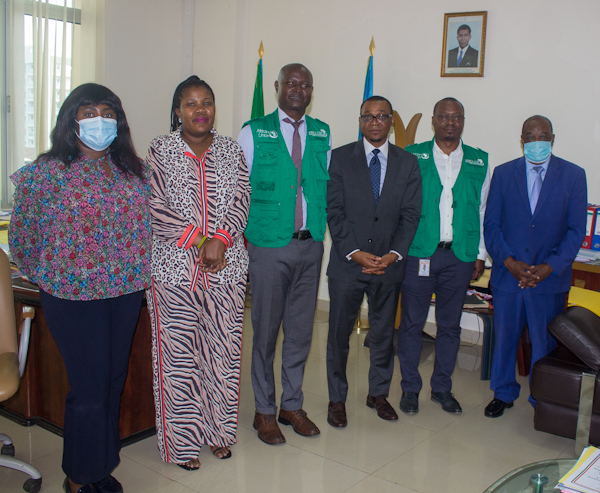
The Hon. This morning, at the Ministry of Health and Social Welfare, the Minister of Health and Social Welfare received Dr. Jean Paul Buhalagarha and Dr. Diomede Ndayisenga, both experts from Africa CDC, who arrived on the day of to the country today as an immediate response to the current state of epidemiological alarm.


Africa CDC is a specialized technical institution of the African Union created to support the public health initiatives of Member States and strengthen the capacity of their public health institutions to quickly and effectively detect, prevent, control and respond to disease threats.

This team of experts will remain in the country for 10 days, with the objective of reinforcing epidemiological research, carrying out risk assessments, and identifying the immediate needs to contain the epidemic of Marburg virus hemorrhagic fever and inventorying resources. material and human resources that the CDC would donate to the country to fight the virus.

The official declaration of an epidemic was made through a press conference on February 13 of this year, and as can be seen, only 24 hours elapsed between the declaration of the epidemic and the arrival of the first team of experts from this prestigious organization, with a wide and proven scientific capacity for the management of infectious diseases, for which the Minister of Health and Social Welfare, has thanked on behalf of the Government of the Republic of Equatorial Guinea for this valuable contribution. At the same time that the coordination for the start of the work has been carried out.


...
https://guineasalud.org/llegada-de-expertos-de-africa-cdc-a-la-republica-de-guinea-ecuatorial/
 
Translation Google

THE REPUBLIC OF GABON
MINISTRY OF HEALTH AND SOCIAL AFFAIRS

Marburg virus epidemic in Equatorial Guinea: the Minister of Health visits the borders


Posted 11 hours ago , on 02/17/2023

As part of the preventive response against the Marburg virus disease and on the instructions of the Prime Minister, Head of Government, the Minister of Health and Social Affairs, Dr. Guy Patrick Obiang Ndong accompanied by the Resident Representative of the World Organization of Health (WHO), Dr. Magaran Monzon Bagayoko, visited the border areas of Meyo-Kyé and Mébo'o in the department of Ntem, province of Woleu-Ntem.

It was a question for the Minister and his delegation to realize the health surveillance system in these two (02) different borders on the one hand and on the other hand, to strengthen the operational and interventional capacities of the local teams in case alert. The Minister also brought a large batch of medical consumables and other health products to strengthen the logistical capacities of the surveillance teams. These are mainly personal protective equipment, hydro-alcoholic gel, thermoflash and swabs for sampling and analysis.

For Dr. Guy Patrick Obiang Ndong “we came on site to gauge the health system put in place in the border areas. With the Experts of the Operational Epidemic Response Unit (CORE) and the WHO, we again briefed the medical staff on the need to have a well-secured device. We also discussed with the politico-administrative authorities of the Department of Ntem so that they take ownership of this preventive response and become more involved in raising awareness at the community level by setting up information and community engagement mechanisms. for the people"

Opportunity for the Resident Representative of the WHO to appreciate the prevention strategy put in place by the Gabonese authorities which, according to him, has the merit of having respected the right timing: "the fact that the Gabonese authorities are very quickly on the ground , is noted insurance for the population and this further demonstrates their desire not to leave this virus on Gabonese soil” not without recalling the role of the WHO in such circumstances with the Government.

It should be recalled that the preventive response consists of epidemiological surveillance at the gateways, risk communication, community engagement and capacity building of local teams by experts from the Epidemic Response Operational Unit.

https://www.sante.gouv.ga/9-actuali...e-ministre-de-la-sante-visite-les-frontieres/
 
Translation Google

Olamzé: No proven case of Marburg virus contamination

16/02/2023 Integration

The two suspected cases registered in recent days did not show any positive results in laboratory tests. Prevention activities continue in the field.

No intrusion of the Marburg virus has taken place in the commune of Olamzé in the Vallée-du-Ntem department, South region, to date. This is what supports the sub-prefect Rodrigue Merlin Otabela Ndzana, joined Wednesday by the newspaper Integration.

“On Monday we had two suspected cases with young people. A 16-year-old boy and girl who presented with runny nose and other symptoms. We submitted them to examinations and it finally turned out that it was malaria, ”he explains after the dissemination of news relating to the discovery of positive cases in this area.

Rodrigue Merlin Otabela Ndzana assures that the people concerned are now doing better. “And even that their problems predate the onset of the disease in Equatorial Guinea. The girl has had these symptoms since childhood. For the boy, the discharge of blood from the nose occurs when he has a bout of malaria. But as the protocol requires, blood samples were taken from them and the samples were sent to Yaoundé”.

Provisions are made in the municipality of Olamzé to prevent any deportation of the epidemic from Equatorial Guinea. The related activities relate to the prohibition of the movement of goods and people between Cameroon and this neighboring country. With the exception of Cameroonians living there and wishing to return home. The latter are subject to mandatory tests when they enter the territory.

Another aspect of the Cameroonian response to the health threat concerns the awareness that is going on. This, we learn, is done door-to-door or through the community radio channel “Nku Nnam FM”. “In addition, at the level of the health facilities, all the facilities are already ready to receive possible cases. They have already received medical equipment twice from the Ministry of Health in collaboration with the World Health Organization”, supports the sub-prefect.

Marburg virus hemorrhagic fever is transmitted from person to person through direct contact with blood, secretions, organs or body fluids of infected people. As well as via surfaces and materials contaminated by these liquids. Populations are referred to as any suspected case.

https://journalintegration.com/olamze-pas-de-cas-de-avere-de-contamination-au-virus-marburg/
 
Translation Google

Nguema Obiang Mangue donates his salary for the management of the Marburg virus

The members of the Political Committee for Health Emergencies led by Vice President Nguema Obiang Mangue have presented the strategic plan for the 45-day quarantine of the Kie-Ntem province and part of the Wele-Nzas district.

By Constantina Nchama February 16, 2023 in Politics

The Vice President of the Republic, Nguema Obiang Mangue, donates his salary to efforts to contain the Marburg virus in the Kie-Ntem province. He has been in the work session that he has held this Wednesday with the members of the Political Committee on Health Emergencies of the country, who have presented the action plan to manage the health alert caused by hemorrhagic fever.

In addition to instructing in detail each sector represented at the dialogue table of this meeting,Nguema Obiang Mangue has reiterated the importance of a third shipment of samples to confirm the result of the laboratory in Dakar, Senegal; since there are other results made in a certified laboratory in Gabon, they came out negative; a situation that, due to the seriousness of the virus, must be treated with the greatest possible certainty.

In response to the needs of the moment, the Vice President of the Republic together with the Minister of Health and Social Welfare, Dámaso Mitoha Ondó Ayecaba, have detailed the schedule to follow and the concrete actions to be taken to safeguard the lives of more than 1,512 inhabitants of the towns. affected spread between Ebibeyin, Nsok-Nsomo and Mongomo, which are currently restricted in movement.

In this context, the Government's priority is to contain the virus and supply the population that is affected by the 45-day quarantine, providing food, drinking water, health care and fuel for the duration of this period. Likewise, evaluate the epidemiological situation to raise the health alert, if conditions improve. Since, from Saturday to date, according to the Ministry of Health and Social Welfare (Minsabs), no death or seriousness of any confirmed suspected case has been registered.

The challenge of this alert lies, according to the WHO expert at the meeting, in two aspects: the extreme care of the health workers in the red zones during the exercise of their work and cutting the chain of infections among the sick.

The contingency plan includes the ministries of Security, Social Affairs, Information, Press and Radio, Finance, Justice, Interior and Local Corporations, Minsabs, among others; and so far, subregional and international organizations such as the WHO, the Red Cross, the Cuban Medical Brigade or UNICEF have shown their support for the country, formulating their availability to help, in case it is needed.

Health currently estimates that there are more than 210 families that will be under this state of quarantine, and it is of the utmost importance to prevent the spread of the disease to the rest of the country.

The period between infection and the appearance of the first symptoms of the Marburg virus ranges from 2 to 21 days. Symptoms include high fever, severe headache, risk of fainting, abdominal cramps, nausea, vomiting, severe hemorrhagic manifestations in vomit, stool, or regular nosebleeds. Its average fatality rate is 88%.

https://ahoraeg.com/politica/2023/0...cion-respecto-al-brote-del-virus-de-marburgo/

--------------------------------------------------------

The Government authorizes the purchase of basic necessities for the inhabitants of the quarantined areas due to the Marburg virus
...
By Belgium Nvó Acaba February 21, 2023in Politics

Equatorial Guinea unlocks millions of dollars to provide humanitarian assistance to its citizens in the Kie-Ntem province and the Mongomo district isolated by the Marburg virus outbreak.

This decision was made this Monday at the session that brought together the Political Committee for Emergencies led by the Vice President of the Republic, Nguema Obiang Mangue.

During the meeting, held at the Palacio del Pueblo in Malabo, the Health and Social Affairs departments presented the invoices for essential products, logistics and material that is expected to be acquired to respond, on the one hand, to the emergency. And, on the other hand, supply basic necessities and hygienic products to citizens during the period that this precautionary measure of confinement lasts.

In the proposals presented to the Vice President of the Republic, the acquisition of medicines, imported and national consumer products such as rice, olive oil, bologna, sardines, sugar, soap, pasta, toothbrushes, bananas, cassava, stand out. taro, vegetables, smoked fish, among others.

Some food kits that will be delivered three times to some 240 families in the province of Kie-Ntem and the district of Mongomo during the duration of this enlistment.

Nguema Obiang Mangue, who wishes to protect his fellow citizens in the face of any social emergency, in addition to authorizing the purchase of these food products, has also instructed the inter-ministerial commission to ensure that the products reach those affected.

On the other hand, the president of this committee wants a good communication campaign to be put together through the massive distribution of posters and pamphlets, which contain messages to raise awareness about the measures to be followed to prevent this viral disease from spreading throughout the world. country.

https://ahoraeg.com/politica/2023/0...zonas-en-cuarentena-por-el-virus-de-marburgo/
 
Translation Google

The government is preparing a contingency plan for zero spread of the Marburg virus in Gabon

Editor February 21, 2023

Gabonese Prime Minister Alain Claude Bilie-by-Nze instructed the Minister of Health and his Minister Delegate to prepare a contingency plan to prevent the spread of the Marburg virus in Gabon. Minister Guy Patrick Obiang Ndong then brought together experts in epidemiological issues around the issue. The country will also be able to benefit from the support of the WHO for the implementation of the various measures.

The objective of the Gabonese government is zero spread of the virus on Gabonese territory. A system has already been put in place in the province of Woleu-Ntem. "To date, we have not had any notification of cases or symptoms in favor of Marburg hemorrhagic fever," said Gabon's Minister of Health, Guy Patrick Obiang Ndong.

Marburg virus disease has been detected and reported in Equatorial Guinea. A country with which Gabon shares borders at the level of the northern province. To date, no cases have been detected in Gabon.

https://www.gabonnationalnews.com/l...r-zero-propagation-du-virus-marburg-au-gabon/

-----------------------------------------------

Chad: measures taken against Marburg disease

APA - N'Djamena (Chad)By APA - N'DJAMENA (CHAD) 02/20/2023

After the detection of suspected cases of Marburg disease in Cameroon, Chad is taking preventive health measures. In a press release, the Ministry of Public Health announced the establishment of a joint team to assess the country's capacities in the response and control of this disease.

He also announced a strengthening of case-by-case surveillance at the country's entry points, the strengthening of the surveillance system at N'Djamena airport for all passengers from Cameroon, Equatorial Guinea and the other countries in the Cemac zone. The toll-free number, 1313, which is used for suspected cases of Covid-19 will also be used for Marburg disease.

The Minister of Health invites health personnel to isolate any suspected case, respecting the rules of prevention, control and care. Marburg disease, considered highly contagious and virulent, has already caused several deaths in Equatorial Guinea, which shares its border with Cameroon.

It is transmitted through saliva, sexual intercourse, breastfeeding and contact with an infected person. To avoid contracting it, the health authorities invite you to wash your hands regularly with soap, to avoid all contact with an infected person, including sexual intercourse.

CA/cgd/APA

https://fr.apanews.net/health/tchad-des-mesures-prises-contre-la-maladie-de-marburg/

------------------------------------------------------------

Marburg virus: South Cameroon says no

Abena Jonas
Posted by
Abena Jonas
February 21, 2023

The response to the Marburg virus is organized in the South Region through the permanent monitoring committee activated on February 17, 2023 by the Governor of the South Region Félix Nguélé Nguélé.

The South Region fears an importation of the deadly Marburg virus epidemic which is knocking insistently at the gates of Cameroon. From Kye-Ossi to Ebolowa via Ambam everyone is on the alert. Cameroon, on high alert, has already deployed an important system on the ground which makes it possible to collect more data and above all to provide an effective response to this Marburg virus. For Félix Nguélé Nguélé the Governor of the South Region “it should be remembered that we have no cases yet in the South region. The health facilities are ready in case we move on to the therapeutic phase. The situation is under control”.

Situation under control

The Regional Coordination for the surveillance of the epidemic is activated. The joint Ministry of Public Health-WHO teams are on the ground for epidemiological surveillance. Permanent contact with the health authorities of the province of Kye-Ntem in Equatorial Guinea, home of the fever, has already been established.

Stayed vigilant

The Regional Coordination also indicates that the two suspected cases turned out to be negative. Highest vigilance is recommended. Raising awareness and preventing populations through barrier measures remains essential. According to Félix Nguélé Nguélé “it is good for people to know how to protect themselves from contamination. The advice is given at the level of the health areas”.
The Marburg virus would like to disturb the tranquility and serenity found after the control of covid-19. Arrangements are therefore made for everyone.

MAGLOIRE ESSONO

https://afrikinfo.net/virus-marburg-le-sud-cameroun-dit-non/
 
Cameroon -

20 FEB

MARBURG VIRUS DISEASE ALERT

1. SUMMARY OF THE SITUATION


02/08/2023 : Several deaths occurred in a clinical picture of bleeding and fever in several villages in the province of KieNtem (in Equatorial Guinea) bordering the South Region by the districts of Kye-Ossi, Ambam and Olamze.
02/09/2023 : Alerting of the Public Health Emergency Operations Coordination Center (CCOUSP) at the central level and in the South region.
02/13/2023 : Confirmation of the first case of Marburg Virus Disease (MVM) in Equatorial Guinea
02/14/2023 : Activation of the Marburg disease SGI in the South region
02/15/2023 : Of the 07 suspected cases investigated and sampled to date in the Olamze (02) and Efoulan (05) Health Districts, all are negative (Centre Pasteur du Cameroun)
...
https://www.ccousp.cm/2023/02/20/ale...us-de-marburg/

---------------------------------------------------------

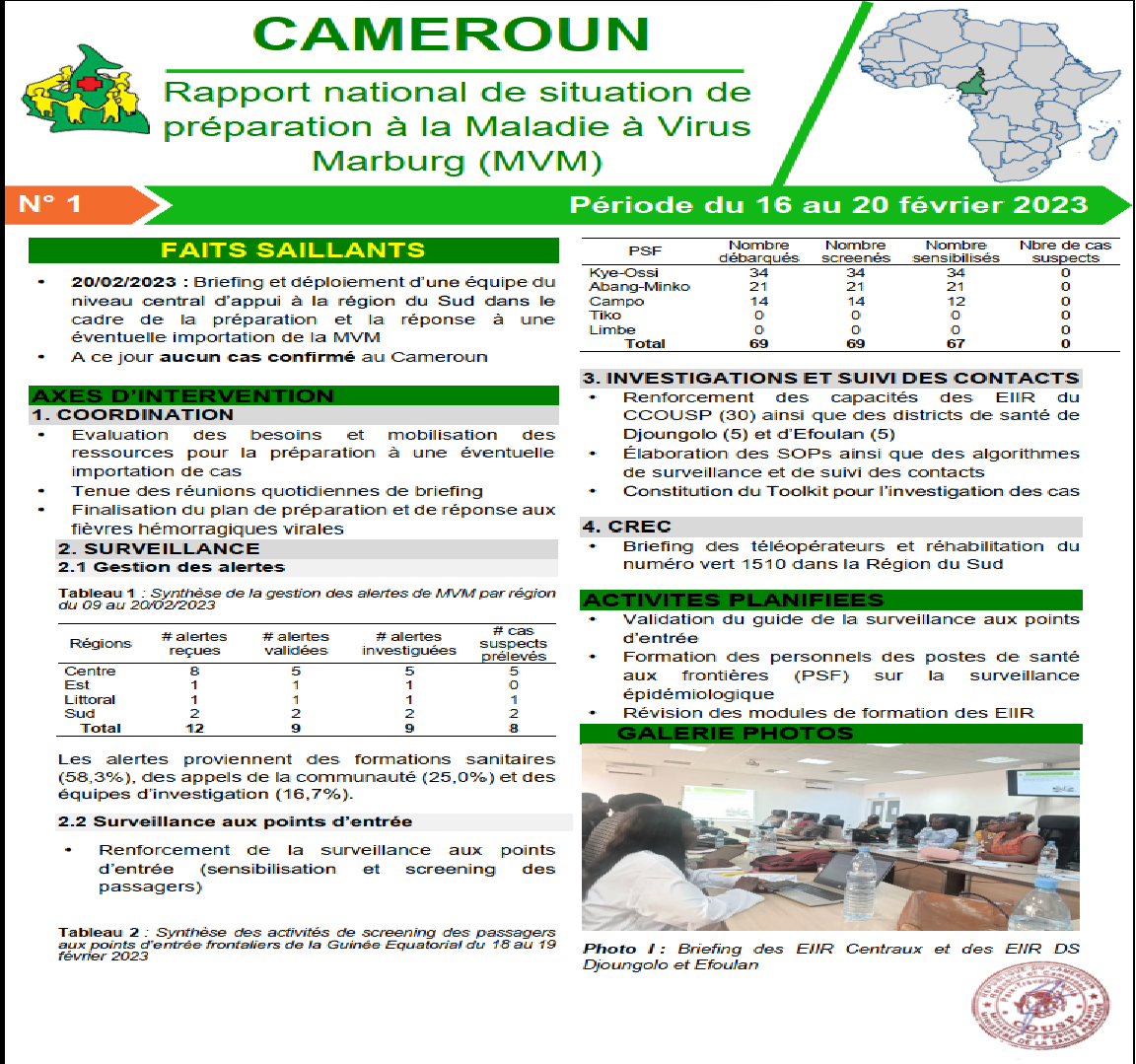
MARBURG VIRUS DISEASE (MVM) SITUATION REPORT NO. 1

Untitled-3.png


...
https://www.ccousp.cm/download/rappo...us-marburgmvm/
 
Thailand to screen for Marburg Virus at points of entry for certain travelers
By Pattaya Mail
February 22, 2023....

The Department of Disease Control (DDC) has instructed international disease control checkpoints to screen all arrivals from countries with confirmed cases of Marburg Virus Disease (MVD) as a precautionary measure.....

.DDC Director-General Dr Tares Krassanairawiwong said 200 people who are considered to be at high-risk in Equatorial Guinea have been quarantined. In addition, two confirmed cases and 42 likely cases have been reported in Cameroon, which shares a border with Equatorial Guinea....:tiphat:https://www.pattayamail.com/thailan...s-of-entry-for-certain-travelers-424939​​​​​​
 
U.S. Department of State


Secretary Blinken’s Call with Equatoguinean President Obiang

READOUT
OFFICE OF THE SPOKESPERSON

FEBRUARY 23, 2023

The below is attributable to Spokesperson Ned Price:

Secretary of State Antony J. Blinken spoke today with Equatoguinean President Teodoro Obiang Nguema Mbasogo. Secretary Blinken called President Obiang to offer support and partnership as Equatorial Guinea responds to an outbreak of Marburg virus disease. The Secretary and the President agreed cooperation is essential to a successful response to this outbreak.

https://www.state.gov/secretary-blinkens-call-with-equatoguinean-president-obiang/
 
U.S. Embassy in Equatorial Guinea

Health Alert: U.S. Embassy Malabo


Health Alert: U.S. Embassy Malabo (February 23, 2023)

Location: Equatorial Guinea

Event: As of the afternoon of February 22, there have been no new reports of confirmed or suspected cases of Marburg virus disease (MVD) in Equatorial Guinea (EG) or the surrounding countries. The last death of an individual infected with the Marburg virus occurred on February 10.

As was mentioned in a previous alert, the virus has an incubation period of up to 21 days. The World Health Organization (WHO) and the EG Ministry of Health and Social Welfare (MINSABS) will continue to monitor for potential cases in the Kie-Ntem province and surrounding areas for at least double that time period (42 days) from the last known case.

Epidemiological experts from the U.S. Centers for Disease Control and Prevention (CDC) will arrive to EG this week to assist the WHO and MINSABS in responding to the outbreak.

The Kie-Ntem province in the mainland region of EG remains under a general quarantine, and travel out of the province is not allowed, except by medical workers.

The U.S. Embassy will continue to send out regular updates to U.S. citizens living in or traveling to EG until health officials declare an end to the crisis. These alerts will also be posted to the Embassy’s website here. More information on MVD can be found on the CDC’s website.

Actions to Take:
  • Immediately report to a qualified medical professional if you experience fever, muscle soreness, weakness, abdominal pain, diarrhea, nausea, vomiting, or hemorrhaging.
  • Avoid contact with any individuals experiencing these symptoms or any people who have had contact with individuals displaying those symptoms.
  • Do not eat or handle bushmeat, especially monkeys and other primates. Avoid contact animal cadavers for any reason.
  • Avoid caves or other areas where fruit bat populations reside.
  • Practice good hygiene, including regular hand washing.
  • Avoid large gatherings and wear a mask when in enclosed spaces.
  • Do not attend wakes or funerals.
  • Do not attempt to travel to the Kie-Ntem province or surrounding areas until MINSABS and the WHO advise it is safe to do so.
  • If you reside in the Kie-Ntem province and/or are subject to the quarantine, alert the U.S. Embassy and follow instructions given by WHO and MINSABS officials.
  • Do not attempt to cross the land border between Equatorial Guinea and Cameroon.
  • Monitor news programs and websites to stay abreast of new health announcements from the government.
  • Check your email regularly for additional updates from U.S. Embassy Malabo.
For Assistance and Information:

U.S. Embassy Malabo, Equatorial Guinea

+(240) 333-095-741 or +(240) 555-516-008 (after hours)

MalaboConsular@state.gov

https://gq.usembassy.gov/

State Department – Consular Affairs

888-407-4747 or 202-501-4444

Equatorial Guinea Country Information

Enroll in the Smart Traveler Enrollment Program (STEP) to receive security and health updates.

Follow us on Twitter and Facebook.

By U.S. Embassy Malabo | 23 February, 2023 | Topics: Alert


https://gq.usembassy.gov/health-alert-u-s-embassy-malabo/
 
Translation Google

Guinean Health@GuineaSalud

The Minister of #MINSABS receives the Ambassador of@USEmbassyEG, to express concrete actions of support from your Government to the country in the epidemiological fight against the #Virus of #Malburgo .

FppFp5kXEAIXdOi

...

3:38 AM · Feb 23, 2023

--------------------------------


Guinean Health@GuineaSalud

🗓️First Coordination Meeting of the Minister of Health@MitohaOndo with its work team for the coordination of the concrete actions to be carried out in the field work in the points affected by the #Marburgo Virus . #MINSABS

FppQfEpX0AEruUE


4:34 AM · Feb 23, 2023

------------------------------------------------------------


Guinean Health@GuineaSalud

The Minister of #MINSABS @MitohaOndo has thanked the "EVITA GROUP" for the donation of 2️⃣4️⃣0️⃣drums for confined families, which comes to support the Containment Plan approved by the Political Committee for Health Emergency @HonoratoOma


Fpp2OEoXsAgMWnV

...

7:10 AM · Feb 23, 2023

---------------------------------------------------------

Guinean Health@GuineaSalud

🗓The Minister of #MINSABS arrives at Ebibeyin and is received by the Governor and representatives of @OMS
Y@UNICEF, the first contact for the coordination of the works in the capital of the Kie Ntem Province. #Marburg

More information soon.....

FprWcvhXwAY7b6T

...
2:11 PM · Feb 23, 2023
 
Nigeria -

NCDC on Alert Following the Announcement of the Marburg Virus Disease Outbreak in Equatorial Guinea

Friday, February 24, 2023

24 February 2023 | Abuja - NCDC on Alert Following the Announcement of the Marburg Virus Disease Outbreak in Equatorial Guinea

The Nigeria Centre for Disease Control and Prevention (NCDC) is aware of the first-ever outbreak of Marburg virus disease (MVD) announced in Equatorial Guinea on 13th February 2023. The death of nine people prompted laboratory testing on samples of individuals experiencing symptoms of fever, fatigue, blood-stained vomit, and diarrhoea in two communities of the country’s western Kie Ntem province. So far, one confirmed case, nine deaths and 16 suspected cases of MVD have been reported in Equatorial Guinea.

MVD is a viral haemorrhagic fever (VHF) caused by a virus from the same family as the Ebola virus disease. The primary route of transmission is from fruit bats to humans. Human-to-human transmission is possible through contact with the body fluids of an infected person. Currently, there are no available vaccines or therapeutics for the prevention and treatment of this strain of the virus. The early initiation of supportive treatment has been shown to significantly reduce the probability of death due to MVD.

There are currently no cases of Marburg virus disease in Nigeria, however, the NCDC, relevant Ministries, Departments, Agencies, and partners have taken proactive measures to mitigate the risk of cross-border importation. The multi-sectoral National Emerging Viral Haemorrhagic Disease Technical Working Group (NEVHD TWG) led by NCDC, is responsible for coordinating the national response to all VHFs across pillars including surveillance, laboratory, case management and risk communication. The NEVHD TWG like it has always done in the past following news of MVD outbreaks conducted a dynamic risk assessment to inform Nigeria’s preparedness following this recent outbreak in Equatorial Guinea on the 17th of February 2023.

Based on available data, the overall risk of importation of the Marburg virus and the impact on the health of Nigerians has been assessed as MODERATE for the following reasons:

• The extent of the outbreak in Equatorial Guinea has not yet been ascertained.

• The likelihood of importation to Nigeria is high due to the direct flight between Nigeria and Equatorial Guinea.

• The proximity of Equatorial Guinea to Nigeria

• The likelihood of spread in Nigeria following importation is high due to the gatherings and travel associated with upcoming national elections.

• The case fatality rate of MVD ranges between 24 to 88%.

• MVD does not currently have an effective drug for treatment or a licensed vaccine for prevention.

The risk assessment also shows that Nigeria has the capacity – technical, human (health workforce), and diagnostic – required to respond effectively in the event of an outbreak. Nigeria has also responded to viral haemorrhagic fever epidemics like the Ebola Outbreak in 2014 and built up her preparedness and response capabilities over the years. We have the diagnostic capacity to test for MVD presently at the National Reference Laboratory (NRL) in Abuja and the University of Lagos Teaching Hospital laboratory Centre for Human and Zoonotic Virology (CHAZVY). However, diagnostic capacity will be scaled up to other laboratories in cities with important points of entry (POE) and others as may be required. An effective response system is in place with the availability of control capacities (trained rapid response teams, and an effective infection prevention and control programme) to limit the risk of spread in the event of a single imported case.

Several measures have been taken to strengthen preparedness for the MVD in Nigeria. These include:

• The NCDC Incident Coordination Centre (ICC) has been activated to alert mode.

• Development of an emergency incident action plan for MVD has commenced.

• A review to update case definitions for MVD if necessary.

MVD guidelines currently under development

• The NRL and CHAZVY have the capacity to promptly test and diagnoses cases of MVD if needed.

• Follow-up of persons of interest (POIs) on arrival from Equatorial Guinea has commenced.

• Point of entry surveillance has been heightened using the passenger’s pre-boarding health declaration and screening form.

• Trained Rapid Response Teams are on standby to be deployed in the event of an outbreak.

• A medical countermeasures plan is being developed.

• Amplification of risk communication and engagement with states and partners to strengthen preparedness activities which include a review of risk communication protocols, plans, and messages in the event of an outbreak.

• Nigeria has an active infection prevention and control (IPC) programme nationwide with guidelines and training packages developed for healthcare workers.

The NCDC advises Nigerian citizens and residents to AVOID ALL BUT ESSENTIAL TRAVELS to Equatorial Guinea at this time. Persons with recent travel history to or transit through Equatorial Guinea within the past 21 days who experience symptoms such as fever, muscle pain, sore throat, diarrhoea, weakness, vomiting, stomach pain, or unexplained bleeding or bruising should NOT go to any health facility but call 6232 or their State Ministry of Health hotline IMMEDIATELY for assessment and testing.

For further information on Marburg virus disease, visit the NCDC website at https://www.ncdc.gov.ng/diseases/factsheet/66

About NCDC

The Nigeria Centre for Disease Control and Prevention (NCDC) is the country's national public health institute, with the mandate to lead the preparedness, detection, and response to public health emergencies. The Bill for an Act to establish NCDC was signed into law in November 2018, by President Muhammadu Buhari. The mission of the NCDC is 'To protect the health of Nigerians through evidence-based prevention, integrated disease surveillance and response, using a One Health approach, guided by research and led by skilled workforce'.

Contact

NCDC Toll-free Number: 6232 | SMS: 08099555577 | WhatsApp: 07087110839 Twitter: @NCDCGov | Facebook: @NCDCgov | Instagram: @NCDCgov | NCDC Media Releases

Signed:

Dr Ifedayo Adetifa

Director General

Nigeria Centre for Disease Control and Prevention

https://ncdc.gov.ng/news/440/ncdc-on...atorial-guinea
 
Back
Top